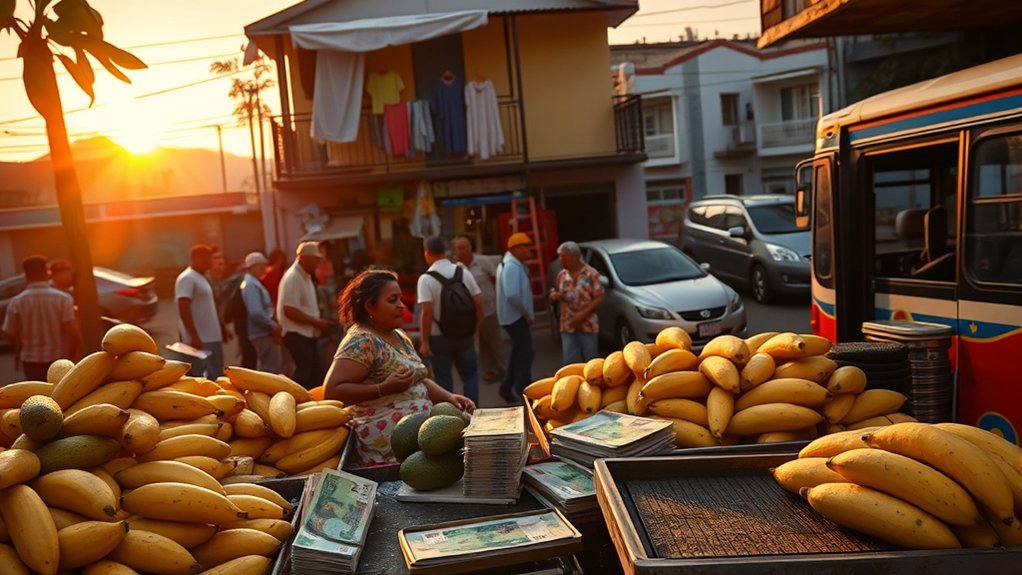
Living costs in Venezuela can look low when measured in U.S. dollars, but affordability depends heavily on your income, city, housing arrangement, and access to reliable services. Recent nationwide benchmarks place a one-bedroom city-center apartment near $290 per month, while Caracas can cost much more. The figures below were reviewed on July 28, 2026, and should be treated as planning estimates because inflation and exchange rates can change prices quickly.
Quick Answer
A single renter may need roughly $650–$1,100 per month outside central Caracas and about $1,000–$1,700 in Caracas. Nationwide benchmarks put a city-center one-bedroom near $290, basic utilities near $20, internet near $35, and an inexpensive restaurant meal near $8–$10.
Key Takeaways
- Housing is cheaper than in the United States, but secure apartments in Caracas can cost far more than Venezuela’s national average.
- A recent nationwide benchmark places one-bedroom rent at about $290 in the city center and $180 outside it.
- Utilities remain inexpensive, but internet, private healthcare, security, water storage, and backup power can add substantially to a household budget.
- The statutory minimum wage and the total public-sector income package are not the same. Much of the latter is paid through bonuses.
- Prices should be rechecked before signing a lease, relocating, or making long-term financial commitments.
Note: Most everyday price figures in this guide come from crowdsourced databases rather than an official Venezuelan cost-of-living index. They are useful for comparison, but they do not represent every household, neighborhood, or informal market.
Cost of Living Breakdown: Food, Housing and Utilities
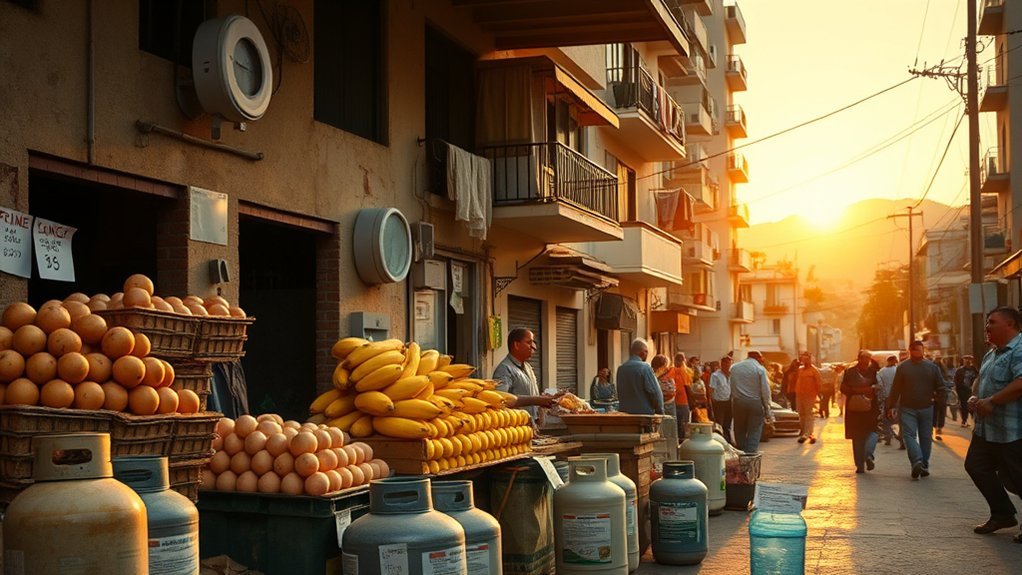
Recent Venezuela cost-of-living benchmarks show that rent remains lower than in many North American and European markets. However, rent is only one part of the real cost. Location, security, furniture, internet quality, water availability, air conditioning, and backup electricity can all change what you actually pay.
| Expense | Typical Benchmark | Reported Range |
| One-bedroom apartment, city center | About $287–$294 per month | Approximately $150–$600 |
| One-bedroom apartment, outside center | About $181 per month | Approximately $100–$500 |
| Three-bedroom apartment, city center | About $500–$515 per month | Approximately $250–$1,500 |
| Basic utilities for an 85 m² apartment | About $20 per month | Approximately $12–$50 |
| Broadband internet, 60 Mbps or faster | About $35 per month | Approximately $25–$50 |
| Mobile plan with calls and 10GB+ data | About $10 per month | Approximately $5–$15 |
Food and Grocery Costs
Basic locally available foods can be affordable, but imported brands, packaged products, and specialty items may cost as much as or more than they do in nearby countries. Current benchmarks include roughly $2.15–$2.25 for a liter of milk, $1.50 for a kilogram of rice, $2.90 for 12 eggs, $7.35 for a kilogram of chicken fillets, and $8–$10 for a meal at an inexpensive restaurant.
A three-course meal for two at a midrange restaurant averages about $50 nationally. In central Caracas, the same type of meal may be closer to $65. Cooking at home, buying seasonal produce, and avoiding imported products usually provide the largest food savings.
Low prices do not automatically mean strong affordability. The most useful comparison is how much rent, food, and services consume relative to a household’s reliable income.
Realistic Monthly Budget Examples
The following figures are planning ranges for someone paying market-rate housing and buying most essentials. They are not official household averages. Subsidized housing, family support, employer-provided benefits, informal income, and different standards of living can reduce or increase actual spending.
| Household and Lifestyle | Suggested Monthly Range | What It Generally Covers |
| Single person sharing housing | $450–$750 | Shared rent, groceries, basic services, local transport, and limited dining |
| Single person with a private apartment outside central Caracas | $650–$1,100 | One-bedroom rent, groceries, utilities, internet, transport, and modest personal spending |
| Single person renting in Caracas | $1,000–$1,700 | Safer-area rent, food, services, internet, local travel, healthcare allowance, and leisure |
| Couple | $1,200–$2,200 | Private apartment, groceries, utilities, transport, basic healthcare, and moderate dining |
| Family of four | $2,200–$3,800+ | Larger housing, food, services, transport, healthcare, and family expenses; private schooling can raise this sharply |
These ranges exclude major medical treatment, vehicle purchases, international-school tuition, frequent flights, luxury housing, and substantial disaster-related or security expenses.
Average Salaries, Minimum Wage and Monthly Budgets

Income figures in Venezuela require careful explanation. The statutory minimum wage, employee bonuses, food benefits, public-sector income packages, private wages, remittances, and informal earnings are different measures.
In May 2026, the statutory base minimum wage remained at 130 bolivars. At the exchange rate reported at that time, it was worth roughly $0.27. The government separately raised the public-sector “integral income” to the equivalent of $240 per month, with most of the increase delivered through bonuses rather than base salary. Because these payments are not all treated as salary, they may not increase severance, vacation pay, pensions, or other employment benefits in the same way.
Current crowdsourced data places the nationwide average monthly net salary near $211–$214. This should not be treated as an official median wage. Dollar earners, remote workers, professionals, private employees, public employees, and informal workers can have completely different income levels.
The IMF’s April 2026 World Economic Outlook projected average consumer-price inflation of 387.4% for Venezuela in 2026. The IMF also warns that limited official data and economic uncertainty make Venezuelan estimates unusually difficult to interpret.
Warning: Do not build a long-term budget from a bolivar amount alone. Confirm the current exchange rate, the currency used in your lease, whether benefits are indexed, and whether payments are considered salary or non-salary bonuses.
Income Versus Living Costs
A nationwide city-center rent near $290 already exceeds the crowdsourced national net-salary benchmark. In Caracas, a market-rate apartment can consume several times that benchmark. This helps explain why many households rely on shared housing, owned family property, remittances, dollar income, subsidized services, informal work, or multiple earners.
For a relocation budget, do not assume that the statutory minimum wage represents normal total household income. At the same time, do not assume that every worker receives the full public-sector bonus package or earns dollars.
City-by-City Prices: Caracas, Maracaibo and Other Cities
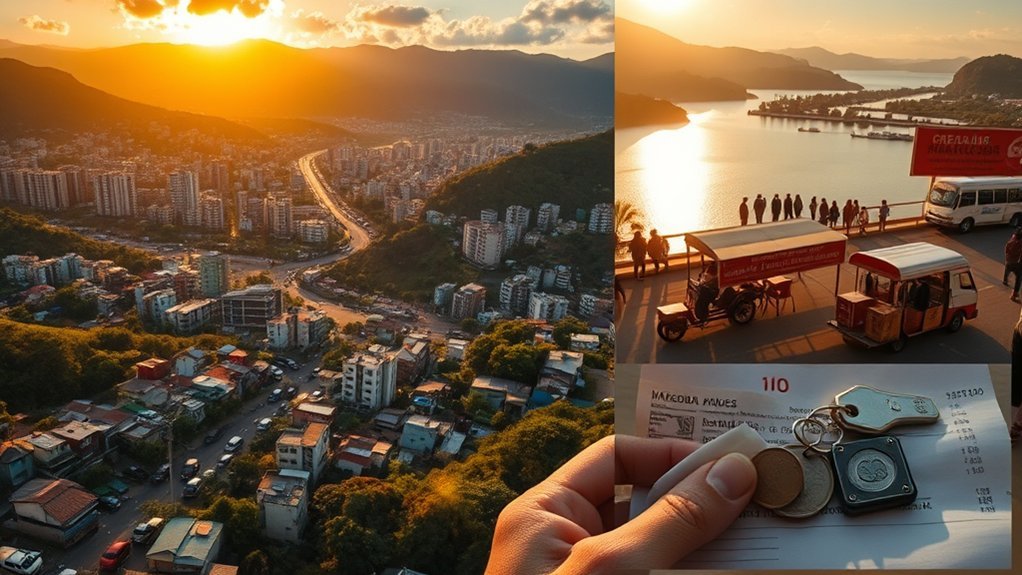
Venezuela’s national averages hide large differences in rent, food, security, employment, and service reliability. Caracas generally has the highest market-rate housing and lifestyle costs. Maracaibo can offer lower rent, but heat, air conditioning, transport, electricity reliability, and water access may affect the final budget.
| City | Recent Benchmarks | Budget Considerations |
| Caracas | One-bedroom center rent around $560; outside center around $410; meal for two around $65; utilities around $24 | Secure neighborhoods, furnished units, private transport, and imported products can carry large premiums. |
| Maracaibo | One-bedroom center rent around $160; outside center around $103; meal for two around $40 | Air-conditioning use, electricity interruptions, water storage, and transport can offset some rent savings. |
| Barquisimeto | Often less expensive than central Caracas, but recent public datasets contain fewer contributors. | Verify current rent, water schedules, transportation, and healthcare access directly in the intended neighborhood. |
| Valencia, Maracay and smaller cities | Housing can be cheaper than Caracas, but individual listings vary greatly. | Lower rent may come with fewer specialist services, less public transport, or longer travel to major hospitals and employers. |
City figures are especially sensitive to sample size. A small number of high-end apartments or expatriate-oriented listings can raise an average, while informal rentals may never appear in online databases.
Warning: Two major earthquakes struck north-central Venezuela on June 24, 2026. Damage and service disruptions have affected housing, hospitals, transport, telecommunications, water, and electricity in parts of the country. Check current local conditions before traveling, renting, or relocating.
Rental Deposits, Advance Payments and Contracts
A listed monthly rent does not show the full move-in cost. Landlords may request a security deposit, advance rent, agent fees, proof of dollar income, or payment in U.S. dollars. Furnished apartments and units with reliable water, generators, secure parking, air conditioning, or private security can cost much more than a basic listing.
Before paying, confirm:
- Which currency and exchange rate control the contract.
- How many months must be paid in advance.
- Who pays building fees, repairs, water delivery, internet installation, and generator costs.
- Whether the property has regular water, electricity, mobile coverage, and secure access.
- How the deposit will be returned and what deductions are allowed.
- Whether the person receiving payment has legal authority to rent the property.
Transportation, Healthcare and Personal Care Costs
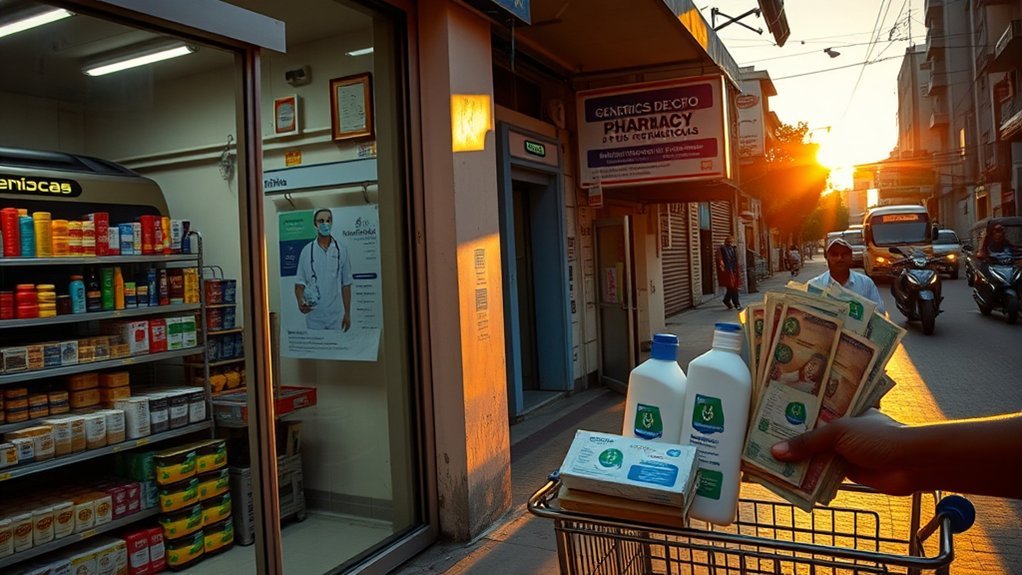
Transportation Costs
A local public-transport ticket averages about $0.50, while a monthly pass is near $30. Taxi prices are much higher: a typical starting fare is about $5, and a reported one-kilometer fare can average around $2.50. Availability, safety, fuel access, traffic, and time of day may affect the real price.
Owning a vehicle can increase costs through maintenance, replacement parts, tires, secure parking, insurance, and imported components. New vehicle prices may also be high compared with local earnings. A low gasoline price does not necessarily make car ownership inexpensive.
Healthcare and Insurance
Venezuela has public and private healthcare providers, but price alone does not measure access. Appointment availability, medicines, diagnostic equipment, specialist coverage, transportation, and facility capacity vary by location.
The Pan American Health Organization’s July 2026 assessment reported continuing difficulty accessing healthcare, safe water, food, and essential services. Earthquake damage placed additional pressure on hospitals and healthcare infrastructure in affected states.
Someone relocating to Venezuela should budget for private consultations, medication, laboratory tests, emergency transport, and insurance. Travelers should also consider medical-evacuation coverage, particularly when staying outside major cities or in an area with limited specialist care.
Personal Care and Leisure
A nationwide gym-membership benchmark is about $37 per month, although premium facilities in Caracas can cost much more. A cinema ticket is near $5, and common imported personal-care products may be relatively expensive compared with local wages.
Households trying to reduce costs usually save more by limiting imported products, private transport, frequent dining, and premium housing than by cutting already-low utility bills.
Currency, Payments and Price Volatility
Many rents, electronics, imported goods, private services, and restaurant prices are quoted in U.S. dollars. Payment may still be collected in bolivars at an agreed exchange rate. The rate used by a landlord or business may not always match the rate shown by your bank or another market.
Ask these questions before any large purchase or payment:
- Is the price fixed in dollars or bolivars?
- Which exchange rate will be used?
- When is the rate determined?
- Are card, bank transfer, mobile payment, and cash all accepted?
- Are taxes, service charges, building fees, or delivery costs included?
Pro Tip: Build your budget in U.S. dollars, record the bolivar amount only when payment is due, and keep a separate contingency fund for exchange-rate changes, service disruptions, repairs, and emergency travel.
Childcare, Schooling and Family Costs
Families need a larger margin than rent-and-grocery calculations suggest. Nationwide crowdsourced data places private full-day preschool near $85 per month and international primary-school tuition near $4,600 per year, but these averages have very wide city and school ranges.
In larger cities, international or highly regarded private schools can charge several times the national benchmark. Registration, uniforms, transportation, meals, technology, books, extracurricular activities, and foreign-currency fees may be separate.
Families should also budget for:
- A larger home in a secure area.
- School transport or private driving.
- Pediatric care, medicines, vaccines, and dental treatment.
- Backup internet and mobile data for schoolwork.
- Water storage, air conditioning, or backup electricity.
- Domestic help or childcare where required.
Comparing Venezuela to the United States
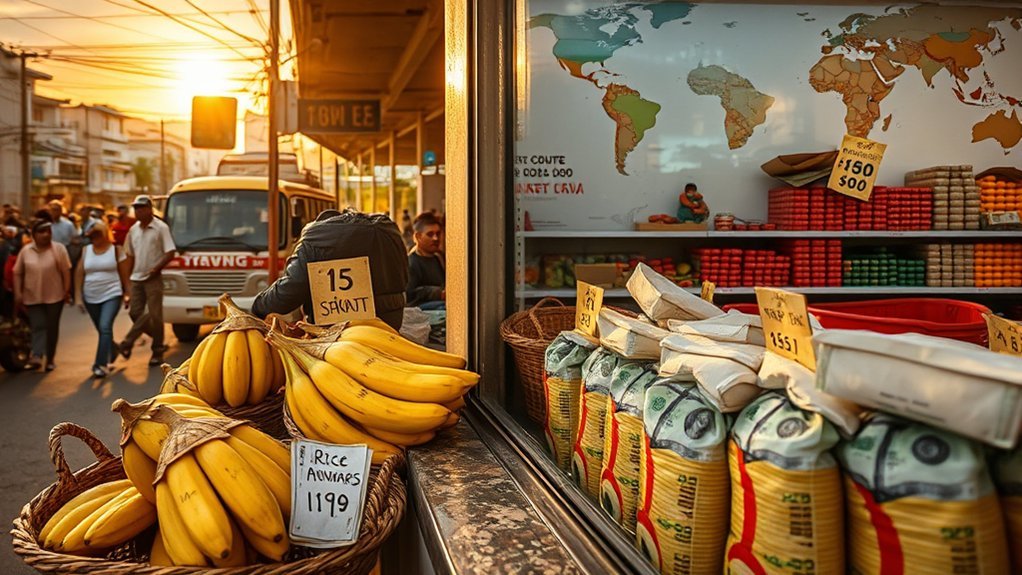
Venezuela is much cheaper than the United States for rent, public transport, many restaurant meals, and some local foods. However, the difference is not equally large in every category. Imported products and some groceries can be surprisingly expensive.
The following figures come from a June 2026 United States–Venezuela comparison.
| Item | Venezuela | United States |
| Inexpensive restaurant meal | About $8 | About $20 |
| Midrange meal for two | About $50 | About $76 |
| One-bedroom city-center rent | About $290 | About $1,645 |
| Local transport ticket | About $0.50 | About $2.40 |
| One liter of milk | About $2.25 | About $1.06 |
| Average reported net salary | About $214 | About $4,319 |
The rent difference is large, but the salary difference is larger. This is why purchasing power provides a more useful picture than prices alone. A household earning foreign-currency income may find Venezuela inexpensive, while a household relying on a low local wage may struggle with the same prices.
How to Build a Realistic Venezuela Budget
- Choose the exact city and neighborhood. Caracas averages do not represent Maracaibo, Barquisimeto, or a smaller town.
- Collect real rental listings. Record rent, deposit, advance-payment requirement, building fees, furnishing, parking, and security.
- Check service reliability. Ask about electricity, water, mobile coverage, internet speed, air conditioning, and backup systems.
- Price a normal grocery basket. Include the foods and brands you actually buy rather than relying only on generic averages.
- Add transport realistically. Decide whether you will use buses, taxis, ride services, a private driver, or your own vehicle.
- Plan for healthcare. Include consultations, medicine, insurance, emergency transport, and possible medical evacuation.
- Add family-specific costs. Schooling, childcare, larger housing, and private transport can dominate a family budget.
- Keep an emergency reserve. Allow for inflation, exchange-rate movement, repairs, supply shortages, and sudden travel.
- Review the budget monthly. Fast-changing prices can make a six-month-old estimate unreliable.
Frequently Asked Questions
How much can $100 get you in Venezuela?
One hundred dollars may cover basic utilities, internet, and part of a grocery bill, or several inexpensive restaurant meals. It will not normally cover a private city apartment for a full month. Its value depends on the city, exchange rate, product type, and whether you already have housing.
How much is rent in Venezuela?
A nationwide one-bedroom benchmark is about $290 in the city center and $180 outside it. Caracas can be much higher, with a central one-bedroom near $560. Maracaibo may be lower, with recent data near $160 in the center. Deposits, advance rent, furnishing, and security can increase the move-in cost.
Can U.S. citizens live in Venezuela?
U.S. citizens can enter or reside in Venezuela only when they meet Venezuelan immigration requirements. The U.S. State Department says travelers need a valid passport with at least six months of validity and a valid Venezuelan visa before arrival. As of June 27, 2026, Venezuela was under a Level 3 “Reconsider Travel” advisory, with several areas listed at Level 4.
What is the average salary in Venezuela in U.S. dollars?
Recent crowdsourced data places the average reported net salary near $211–$214 per month. This is not an official median wage and does not describe every worker. Public-sector bonuses, private wages, dollar earnings, remittances, informal work, and subsidized benefits can create large differences.
What is Venezuela’s minimum wage?
The statutory base minimum wage remained 130 bolivars in May 2026, worth roughly $0.27 at the exchange rate reported at that time. A separate public-sector income package was raised to a $240 equivalent, but most of that amount consisted of bonuses rather than base salary.
Is Venezuela cheaper than the United States?
Venezuela is considerably cheaper for rent, local transport, utilities, and many restaurant meals. However, some imported products and groceries are not cheaper. The gap between reported salaries is also much larger than the gap between many everyday prices.
How much should an expatriate budget per month?
A single person renting a private apartment may need about $650–$1,100 outside central Caracas and $1,000–$1,700 in Caracas. A couple may need $1,200–$2,200, while a family of four may need $2,200–$3,800 or more, especially with private schooling, a car, premium housing, or international insurance.
Conclusion
Venezuela presents two very different cost-of-living stories. Rent, public transport, and basic utilities can be inexpensive in U.S. dollar terms, especially outside Caracas. At the same time, low local wages, rapid inflation, expensive imported goods, uneven healthcare access, and unreliable services can make everyday life difficult.
A realistic budget should begin with the exact city and neighborhood, not a national average. Confirm rent terms, payment currency, water and electricity reliability, healthcare access, transport, and current security conditions. People earning stable foreign-currency income may have much more purchasing power than households relying on local wages or non-salary bonuses.
For public policy, the central challenge is not simply keeping nominal prices low. Sustainable affordability also requires stable wages, functioning services, reliable infrastructure, transparent economic data, and targeted support for vulnerable households.
Sources
- Numbeo: Cost of Living in Venezuela — nationwide rent, food, transport, utility, internet, childcare, and salary benchmarks.
- Numbeo: United States and Venezuela Comparison — direct category-by-category price and salary comparisons.
- International Monetary Fund: Venezuela Economic Profile — 2026 inflation projection and macroeconomic context.
- El País: Venezuela’s May 2026 Wage and Bonus Changes — statutory wage and public-sector income-package distinction.
- U.S. Department of State: Venezuela Travel Advisory — entry requirements, advisory level, high-risk areas, and traveler precautions.
- Pan American Health Organization: July 2026 Public Health Situation Analysis — healthcare access, essential-service constraints, and earthquake impacts.