As an Amazon Associate we earn from qualifying purchases. This article may contain affiliate links, at no extra cost to you.
You can keep your car driving straight and make front-end maintenance easier by using the right DIY wheel alignment tools. This guide focuses on tools that directly support toe checks, tie rod work, ball joint separation, and related front-end service.
The key is to match the tool to the job. Toe plates help you measure and adjust toe, while separators and pullers help when steering or suspension parts must be removed before an alignment. A DIY toe check is not the same as a full professional alignment, so use your vehicle’s service information and seek a professional alignment when caster, camber, damaged parts, or persistent handling problems are involved.
Quick Verdict
For direct DIY toe measurement, the Lupar Toe Plates are the most relevant choice in this roundup. If your alignment work starts with replacing or freeing steering and suspension parts, the Orion 5-in-1 offers the broadest front-end service coverage, while the two DURATECH options suit more focused joint and tie-rod separation jobs.
Top Picks
|
Category |
Product |
Best For |
|---|---|---|
|
🏆 Best Alignment Plates |
One-person DIY toe checks |
|
|
🎯 Best All-in-One Front-End Kit |
Ball joints, tie rods, and Pitman arms |
|
|
🔧 Best Compact Separator |
Focused joint separation work |
|
|
🔰 Best Pickle Fork Set |
Multiple tie-rod and joint sizes |
Selection Criteria
We prioritized tools that match the core DIY wheel-alignment and front-end-service intent: measuring toe, accessing tie rod work, and separating steering or suspension joints when parts need replacement. Products that were mainly for tire changing, engine pulley work, lubrication, brake service, compressed air, or general tire-pressure checking were removed because they do not directly solve the main alignment-tool buying need.
We also favored clear use cases, manageable storage, straightforward setup, and honest fitment guidance. Exact fit still depends on the vehicle, wheel design, suspension layout, and available clearance, so universal-fit claims should be treated cautiously.
Before You Buy
- Confirm whether you need a measurement tool or a front-end removal tool. Toe plates measure toe; separators and pullers do not.
- Check wheel, brake-caliper, tie-rod, and joint clearance before assuming a tool will fit your vehicle.
- Use the vehicle manufacturer’s alignment specifications rather than a generic toe target.
- After major steering or suspension work, a professional alignment check is the safer choice if handling, steering-wheel position, or tire wear remains abnormal.
Safety Note
Work on a level surface, secure the vehicle correctly, follow the vehicle service manual, and never place yourself under a vehicle supported only by a jack. Steering and suspension fasteners are safety-critical, so use the correct torque procedures for your vehicle.
Lupar Toe Plates

Best for: DIYers who want a simple way to measure front-wheel toe at home.
You get a straightforward toe-measuring setup built around stainless steel plates and tape-measure slots. The main advantage is repeatability: you can compare front and rear measurements at the wheels without needing a second person to hold the tapes.
These plates are most useful for basic toe checks after tie-rod or suspension work. They are not a complete alignment machine and do not directly measure every alignment angle, so use them as a focused toe tool rather than a substitute for every alignment service.
What People Say
Buyer feedback is generally positive about the simple setup, solid construction, and ability to take repeatable measurements alone. The most important limitation is fitment: some wheel and brake-caliper layouts may make plate placement more difficult.
Overall Sentiment: Positive

Versatility
Best suited to passenger cars and light trucks where the plates can sit consistently against the wheel or tire. They are a dedicated toe-checking solution, not a full caster-and-camber system.
Setup
Place the plates consistently on both sides, route the tape measures through the slots, center the steering, and compare the measurements using your vehicle’s specified procedure. Recheck after each small adjustment.
Key Benefits
- Dedicated tool for repeatable DIY toe measurements
- Tape-measure slots support one-person checking
- Stainless construction and hanging holes suit garage storage
Orion 5-in-1

Best for: DIY front-end work when you need several separator and puller styles in one case.
This is a front-end service kit rather than an alignment measuring tool. Its value is in separating ball joints, tie rod ends, and Pitman arms when worn steering or suspension parts must be removed before the vehicle can be aligned correctly.
The broad tool selection makes it more useful than a single-purpose separator for owners who work on several vehicles. The tradeoff is that no universal front-end kit fits every heavy-duty or unusually tight application, so compare the tool shapes and clearances with your vehicle before starting.
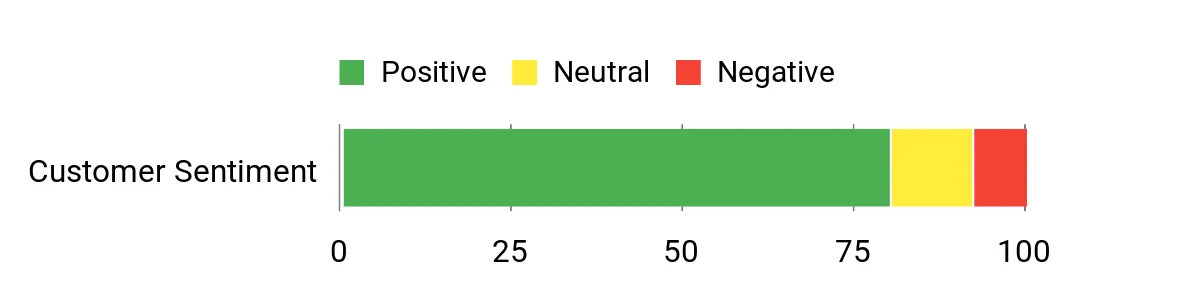
What People Say
Buyer feedback emphasizes the convenience of having multiple puller and separator styles in one case. Buyers also note that very large or unusual applications may still require a more specialized tool.
Overall Sentiment: Positive
Versatility
The kit is designed around common front-end service jobs, including tie rod ends, ball joints, and Pitman arms. It is a stronger match for steering and suspension repair than for measuring alignment angles.
Setup
Select the puller or separator that matches the component, seat it squarely, and follow the tool and vehicle instructions. Apply force gradually and keep threaded contact points clean and lubricated as directed by the manufacturer.
Key Benefits
- Multiple front-end service tools in one organized case
- Covers tie rod, ball joint, and Pitman arm removal tasks
- Useful when replacing steering or suspension parts before alignment
Check Product Details on Amazon
DURATECH Separator

Best for: A compact, focused separator for selected tie-rod and ball-joint service jobs.
This adjustable separator makes more sense when you do not need a full multi-tool case. It is intended for separating tapered front-end joints and can be easier to store and position than a larger service kit.
Fitment is the main buying question. Joint size, access, and surrounding components vary by vehicle, so confirm the opening range and working clearance for your application rather than relying on a broad compatibility claim.
What People Say
Buyer feedback is mixed-to-positive: users value the compact format and ability to free stubborn joints, while fitment on some vehicles is the recurring limitation.
Overall Sentiment: Neutral

Versatility
Useful for selected passenger-car, compact-SUV, ATV, and light-truck front-end work where the separator can seat correctly. Larger or heavily seized joints may call for a different tool.
Setup
Position the separator squarely around the joint and tighten it gradually according to the product instructions. Stop if the tool is slipping, binding, or contacting a component it should not load.
Key Benefits
- Compact alternative to a larger front-end service kit
- Adjustable design for selected tie-rod and ball-joint applications
- Easy to store in a home or mobile tool kit
DURATECH Pickle Forks

Best for: DIYers who want several fork sizes for tie-rod, ball-joint, and Pitman-arm separation.
This set gives you multiple fork sizes and interchangeable handles for common front-end separation tasks. It is a practical choice when you work on more than one vehicle or expect different joint sizes.
The set helps with component removal; it does not measure toe or perform a complete alignment. Match the fork size and handle method to the specific job and follow the vehicle service procedure.
What People Say
Buyer feedback is generally positive about the range of sizes, organized case, and usefulness on stubborn joints. Very large or heavily corroded applications may still need a more specialized approach.
Overall Sentiment: Positive

Versatility
The different fork sizes make the kit useful for common passenger-car and light-van steering and suspension work. It is a general DIY/service set rather than a heavy-duty commercial solution.
Setup
Select the fork that fits the joint and use the appropriate handle method for the job. Keep the tool aligned and follow the product and vehicle instructions so force is applied to the intended joint.
Key Benefits
- Multiple fork sizes for common front-end joints
- Interchangeable handles expand how the set can be used
- Storage case keeps the pieces organized
Check Product Details on Amazon
FAQ
Which Tool Actually Measures Wheel Alignment?
In this roundup, the Lupar Toe Plates are the direct measurement tool. They are used to compare toe measurements at the wheels. The Orion and DURATECH tools are front-end service tools for separating steering or suspension joints; they support repair work but do not measure alignment angles.
Will These Tools Fit My Vehicle?
Do not assume universal fit. Check wheel and brake-caliper clearance for toe plates, and compare joint size and working space before using a separator or puller. Vehicle-specific service information should take priority over generic compatibility claims.
How Accurate Are DIY Toe Plates?
Repeatability depends on setup. Use a level work area, center the steering, set tire pressure to the vehicle specification, place the plates consistently, and measure from the same points each time. Use the manufacturer’s alignment specification for your vehicle rather than a generic target.
Can Toe Plates Replace a Professional Alignment?
They can help with a basic toe check, but they are not a complete alignment rack. If the vehicle needs caster or camber diagnosis, has damaged or worn parts, pulls after adjustment, has a crooked steering wheel, or continues to wear tires unevenly, have the alignment checked professionally.
Should I Align the Vehicle After Replacing Tie Rod or Suspension Parts?
Steering and suspension work can change alignment. After replacing or disturbing alignment-related components, follow the vehicle manufacturer’s service procedure and verify alignment before relying on the vehicle for normal driving.
Wrapping Up
If your main goal is a DIY toe check, start with the Lupar Toe Plates. They are the only product in this roundup designed specifically to measure toe. If worn steering or suspension parts must come apart first, choose the Orion 5-in-1 for broader front-end service coverage, the DURATECH Separator for a compact single-tool approach, or the DURATECH Pickle Forks when multiple fork sizes are more useful.
Buy for the exact task, verify fitment before applying force, and use the vehicle’s own alignment specifications. That approach gives you a more useful DIY setup without confusing general garage equipment with true wheel-alignment tools.
Final Recommendation
Choose Lupar Toe Plates for measuring toe. Choose a separator or puller only when your job also involves removing steering or suspension components. If you need a complete alignment beyond toe, use professional alignment equipment or a qualified shop.
| Product Name | Image | Best For | Main Use | Main Limitation | Amazon |
|---|---|---|---|---|---|
| Heavy Duty Toe Alignment Tool Plates |
|
DIY toe checks | Measures toe at the wheels | Not a full caster/camber alignment system | Check Price |
| Orion Motor Tech OMT 5-in-1 Ball Joint Separator |
|
Broad front-end service | Separates tie rods, ball joints, and Pitman arms | Does not measure alignment | Check Details |
| DURATECH Ball Joint Separator |
|
Compact separator use | Selected tie-rod and ball-joint separation | Fitment depends on joint size and access | Check Price |
| DURATECH 5-Piece Ball Joint Separator Set |
|
Multiple fork sizes | Tie-rod, ball-joint, and Pitman-arm separation | Does not measure alignment | Check Details |