
What’s in This Article
- Cost of Living Overview in Nepal
- Housing and Rental Prices in Kathmandu and Beyond
- Grocery and Food Costs
- Transportation Costs in Nepal
- Utilities, Internet, and Mobile Data Expenses
- Healthcare, Insurance, and Medical Costs
- Entertainment, Gym, and Leisure Expenses
- Visas, Permits, and Work-Related Financial Considerations
- Practical Money-Saving Tips for Expats and Digital Nomads
- Frequently Asked Questions
Nepal can feel very affordable, but your final monthly cost depends on rent, food choices, healthcare, and visa needs. You can cover day-to-day expenses on roughly CAD 500 to 900 per month, or CAD 700 to 1,400 if you add a modest one- or two-bedroom rental in Kathmandu. This guide breaks down housing, food, transport, utilities, healthcare, leisure, and money-saving tips so you can plan with fewer surprises.
Quick Answer
Nepal is a low-cost place to live compared with many Western countries. A simple lifestyle can cost about CAD 500 to 900 per month before rent, while a comfortable renter in Kathmandu may spend about CAD 700 to 1,400 per month. Local food, public transport, and basic utilities keep costs low, but Western rentals, private healthcare, and imported goods raise the budget.
Key Takeaways
- Plan about CAD 500 to 900 per month for food, transport, utilities, mobile data, and basic leisure.
- Add about $200 to $800 per month for rent, depending on location, size, and furnishings.
- Use local markets, buses, microbuses, and simple restaurants to keep daily costs low.
- Budget more for private healthcare, insurance, furnished apartments, and imported goods.
- Check visa and work rules before you plan a long stay or earn income while in Nepal.
Cost of Living Overview in Nepal
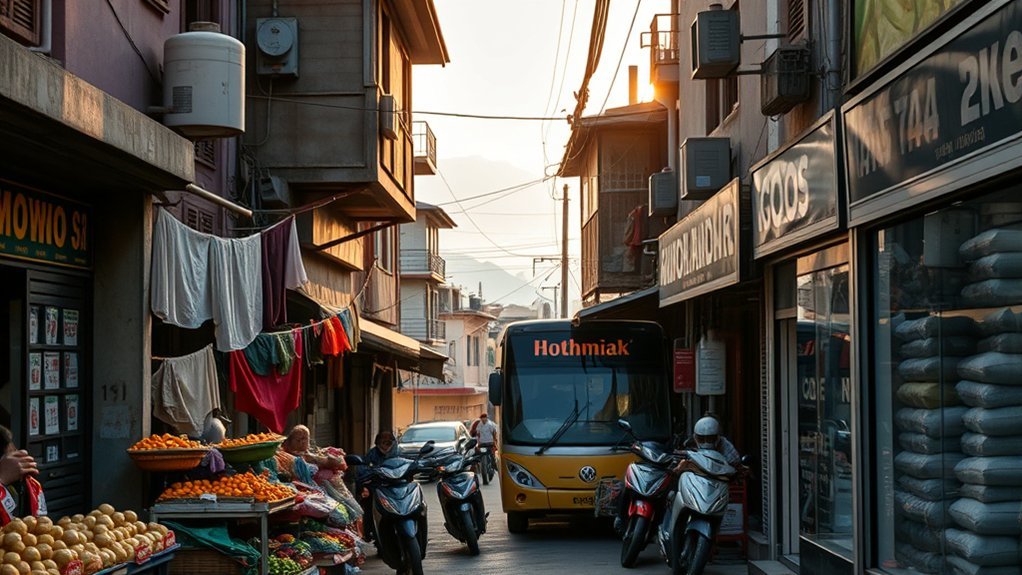
Although prices vary by location and lifestyle, Nepal’s cost of living stays low for most basic needs. Basic food, transport, and utilities usually cost far less than in Canada, the United States, or Western Europe. Rent in Kathmandu often ranges from about $200 to $500 for a one-bedroom apartment and $400 to $800 for a two-bedroom apartment.
Nepal’s low cost of living makes basics like food, transport, and utilities far cheaper than in many Western countries.
You can expect monthly expenses, before rent, to stay modest if you eat local food and use public transport. Many expatriates can manage non-housing costs near CAD 500 per month with a simple lifestyle. Groceries, public transit, and utilities usually take a small share of the budget.
Eating local meals and using buses or microbuses can lower your monthly spending. Imported food, Western restaurants, private taxis, and higher-end rentals can raise it fast. Entertainment and leisure still remain affordable for most long-term visitors.
For a first budget, target CAD 500 to 600 monthly for basic non-housing costs. Then add rent, insurance, visa costs, and personal spending. Track your receipts for the first three months so your estimate matches your real habits.

This hardcover cookbook offers fast, approachable recipes designed for busy days and low-energy nights. Caroline Chambers focuses on simple, flavorful meals that help you get dinner on the table without overthinking it. It's a practical pick for home cooks who want quick weeknight inspiration and minimal-fuss cooking.

Die With Zero offers a fresh perspective on personal finance by encouraging readers to use money intentionally to create memorable life experiences instead of simply accumulating wealth. Written by Bill Perkins, this book combines practical guidance with a motivating philosophy to help readers align spending, saving, and life goals for a more fulfilling future.

This hardcover edition by Eric Metaxas offers a compelling look at the origins of the United States during the Colonial Period. It blends historical narrative with engaging storytelling, making it appealing for readers interested in American history, early nation-building, and the ideas that shaped the country. A strong choice for history enthusiasts, students, and anyone exploring the foundations of the nation.
Housing and Rental Prices in Kathmandu and Beyond
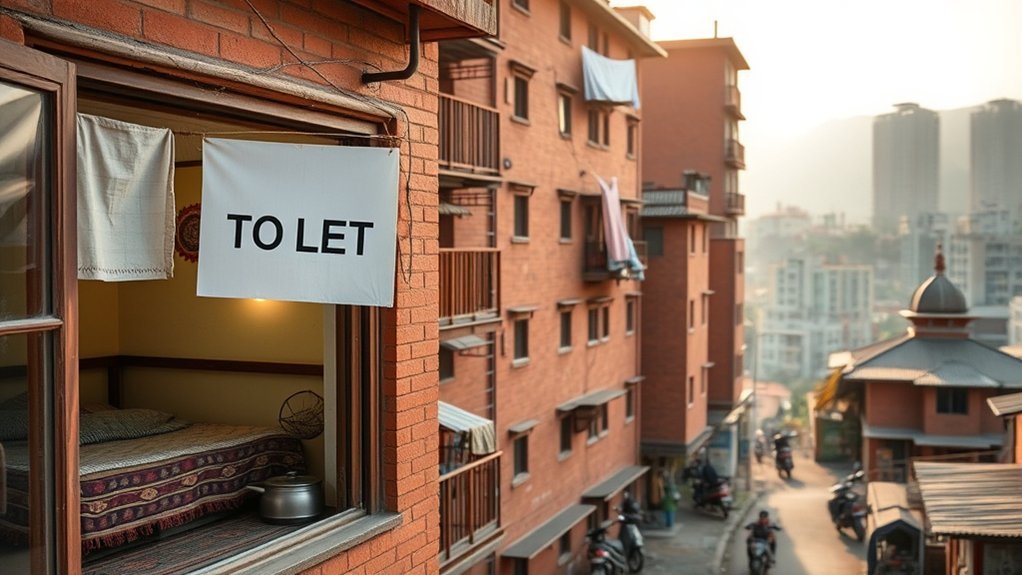
You’ll find one-bedroom city-center apartments in Kathmandu around $200 to $500 per month in many cases. Two-bedroom apartments often run from $400 to $800, while prices can drop outside central areas.
Expat-friendly furnished one-bedrooms commonly rent for $400 to $500 per month. These units may include appliances, better finishes, backup water, security, or basic services.
Compare specific neighborhoods and amenity lists before you sign a lease. A furnished unit may cost more each month, but it can save setup time and upfront purchases.
City Center Vs Outskirts
When you compare Kathmandu’s city center to its outskirts, rent differences become clear. A one-bedroom downtown often costs $200 to $500 per month, while a two-bedroom may cost $400 to $800. Suburban areas often give you more space for less money.
The city center costs more because you stay closer to services, restaurants, shops, and transport. Outside central zones, rents fall and rooms often feel larger. This can suit families, retirees, and remote workers who care more about value than nightlife.
Prices still vary by neighborhood, road access, building quality, water supply, and power backup. Specially marketed expat units often include furnishings or services that raise the total monthly cost. Compare rent alone against the full monthly outlay.
Typical Expat Rentals
Expat-targeted rentals in Kathmandu usually sit at the higher end of the local market. They often bundle furniture, appliances, better security, and easier move-in terms.
You’ll see one-bedroom options from $200 to $500 per month. Typical expat one-bedrooms often cluster around $400 to $500. Two-bedrooms may run from $400 to $800, with many expat-friendly options around $500 to $700.
Prices depend on neighborhood and amenities. Central areas cost more, while outskirts often cost less. Many expat rentals include a refrigerator, stove, washing machine, and sometimes basic maintenance support.
When you budget, decide whether convenience justifies the premium. A ready-to-move-in unit can save time, but an unfurnished or less central flat can lower your monthly rent.
Furnished Vs Unfurnished Costs
Furnished units cost more per month, but they can reduce setup stress and upfront expenses. In Kathmandu, a furnished one-bedroom often runs $400 to $500 per month. Furnished two-bedrooms commonly sit around $500 to $700, depending on location and condition.
Unfurnished units can give you lower monthly rents and more room to negotiate. You’ll need to buy or rent basics such as a mattress, cookware, fridge, stove, and washing machine. This may make sense if you plan to stay for a year or longer.
- Compare total cost: furnished rent plus convenience versus unfurnished rent plus setup costs.
- Check lease details: confirm which appliances, services, and bills come with the unit.
- Live farther out: choose less central areas to cut rent, furnished or unfurnished.
Grocery and Food Costs (Markets, Restaurants, Street Food)
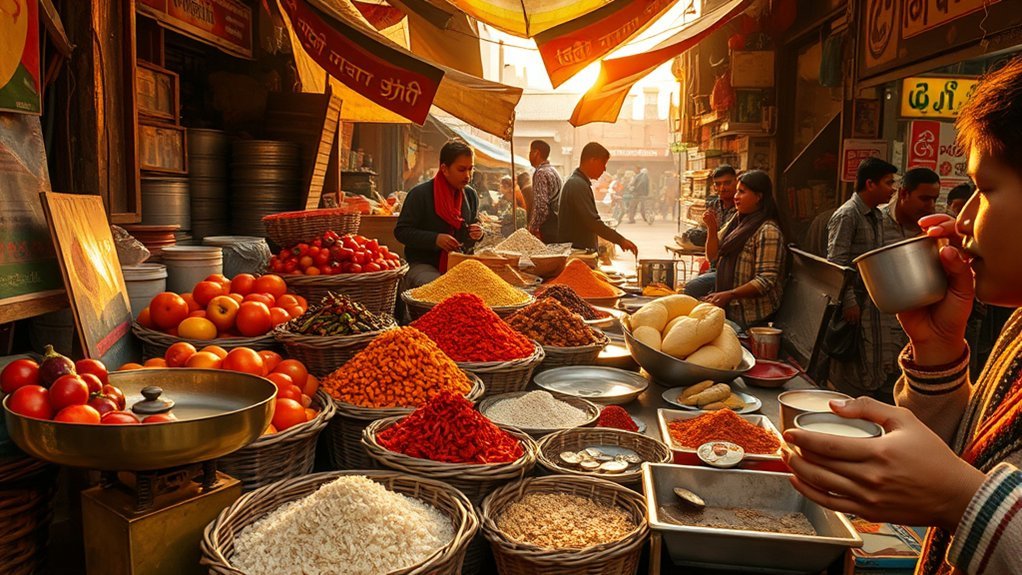
If you want affordable meals with plenty of variety, Nepal gives you many low-cost choices. A simple local lunch can cost only a few dollars, while Western-style meals cost more. Local staples, tea shops, and street food help you keep food spending low.
You’ll see grocery and food costs stay low when you shop at local markets. Rice, lentils, vegetables, eggs, and seasonal fruit usually cost much less than imported packaged food. Cooking at home can reduce your weekly budget even more.
Grocery and food costs stay low when you rely on street food, local markets, and simple home cooking.
Eating out can still fit a modest budget. A dinner for two at a mid-range restaurant may cost around $18, while fast-food combos often cost more than local meals. Coffee, beer, and snacks also cost less than in many Western cities.
For budgeting, use local market shopping as your baseline. Add a few casual meals each week if you want comfort without overspending. Imported cheese, wine, cereal, and specialty foods can raise your bill quickly.
Transportation: Public Transit, Taxis, and Car Costs
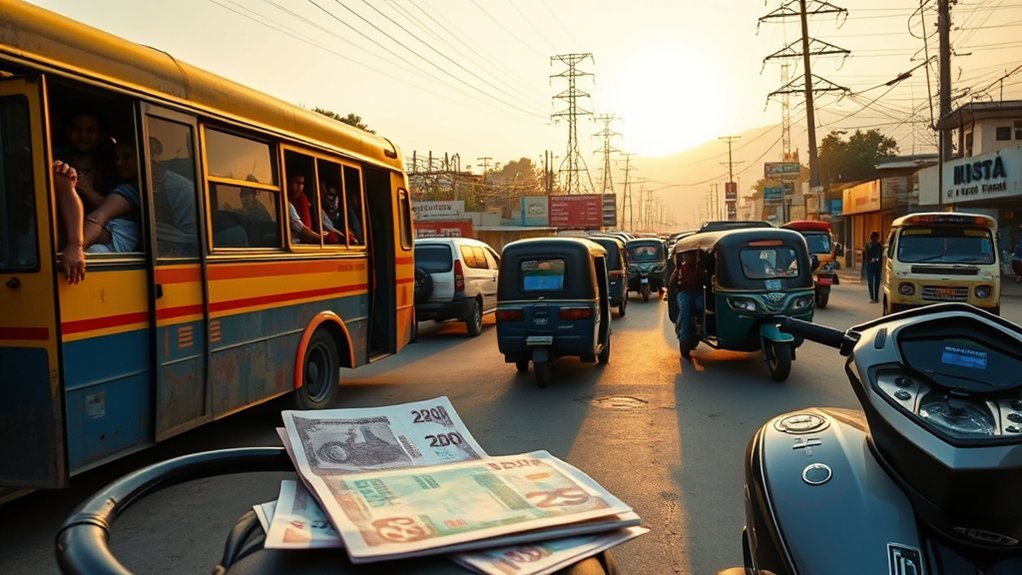
You’ll find very cheap public options in Kathmandu. Microbuses and tempos often cost about $0.20 to $0.50 per ride, so they work well for low-cost daily travel.
Taxis usually cost more than public transport, but they remain affordable for short city trips. Meters may not be common, so agree on the fare before you get in. Ride-hailing apps can help, but prices and availability vary by area and time.
If you plan to drive or rent a vehicle, build a higher transport budget. Car rentals can cost about $30 to $50 per day, and gasoline can cost around $1.12 per liter. Traffic, road conditions, and parking can also add stress.
Public Transport Options
Public transport in Kathmandu includes buses, microbuses, and tempos. Routes can feel confusing because schedules may not be fixed or easy to find. You’ll often need local advice, patience, and flexible timing.
You’ll find public transportation extremely low-cost, but it can be crowded and slow. Taxis and ride-sharing apps cost more, but they offer more comfort and control. Motorbike rentals may cost about $5 to $10 per day, while bicycle rentals may cost $2 to $5 per day.
Practical choices depend on your budget, comfort with traffic, and schedule needs:
- Cheapest: use buses, microbuses, and tempos for low fares.
- Flexible: use ride-sharing apps or taxis for short trips and late travel.
- Independent: rent a motorbike or bicycle only if you’re comfortable with local traffic.
Warning: Kathmandu traffic can feel intense, so avoid renting a motorbike unless you have strong riding experience.
Taxi Fares & Tips
After you compare buses, ride-shares, and rentals, learn how taxi pricing works. Good fare habits can help you avoid paying more than needed.
Taxi fares in Kathmandu are generally affordable, but many drivers do not use meters. Agree on a price before you start the ride. Typical city rides may cost NPR 200 to 500, depending on distance, traffic, and time of day.
Public microbuses and tempos can cost around NPR 15 to 30, making them the cheapest choice. Learn a few basic Nepali phrases to ask about routes and fares. This can make short trips smoother and cheaper.
Keep small cash notes with you. Drivers may not accept large bills or electronic payments. Upfront negotiation and small cash help you control transport costs.
Utilities, Internet, and Mobile Data Expenses
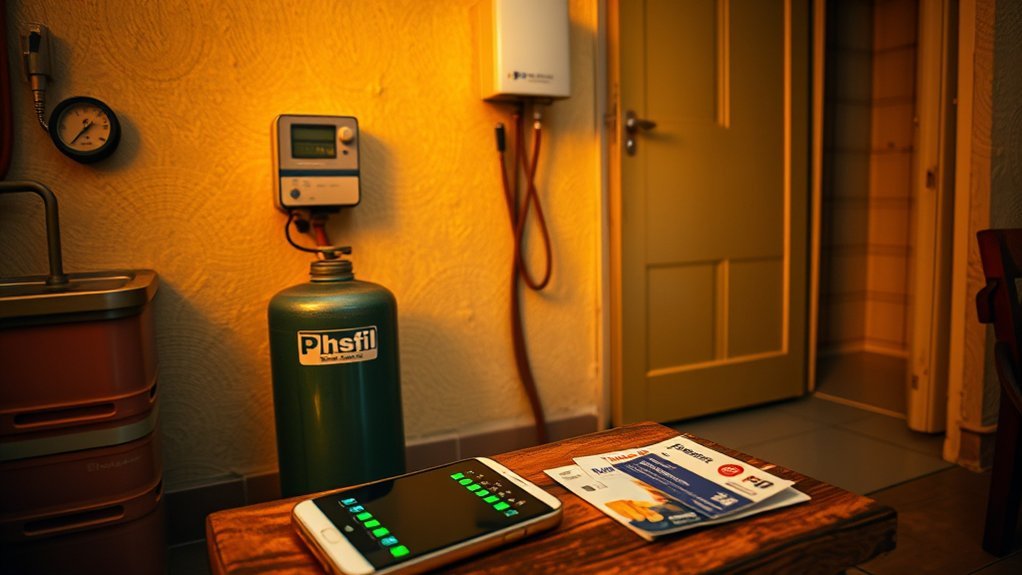
Utilities in Nepal are generally affordable, though costs vary by city, season, and apartment type. Electricity, water, heating, and garbage may cost about $30 to $50 per month for many modest homes. Heavy air conditioner use can raise your summer bill.
You’ll also budget separately for home internet and mobile data. High-speed home internet often runs about $25 to $40 monthly in cities. Mobile plans can stay cheap if you use a local SIM card.
- Electricity and gas: Expect about $30 to $50 for basic utilities most months. Add roughly $12 to $15 for a cooking gas cylinder that can last weeks.
- Internet: Choose a $25 to $40 home plan if you need reliable video calls, uploads, and remote work access.
- Mobile data: A 15 GB monthly plan may cost roughly $10 to $15, which covers maps, messaging, browsing, and light streaming.
These estimates help you plan monthly living costs without overestimating household bills. Ask landlords which utilities you pay separately before you sign a lease.
Healthcare, Insurance, and Medical Costs
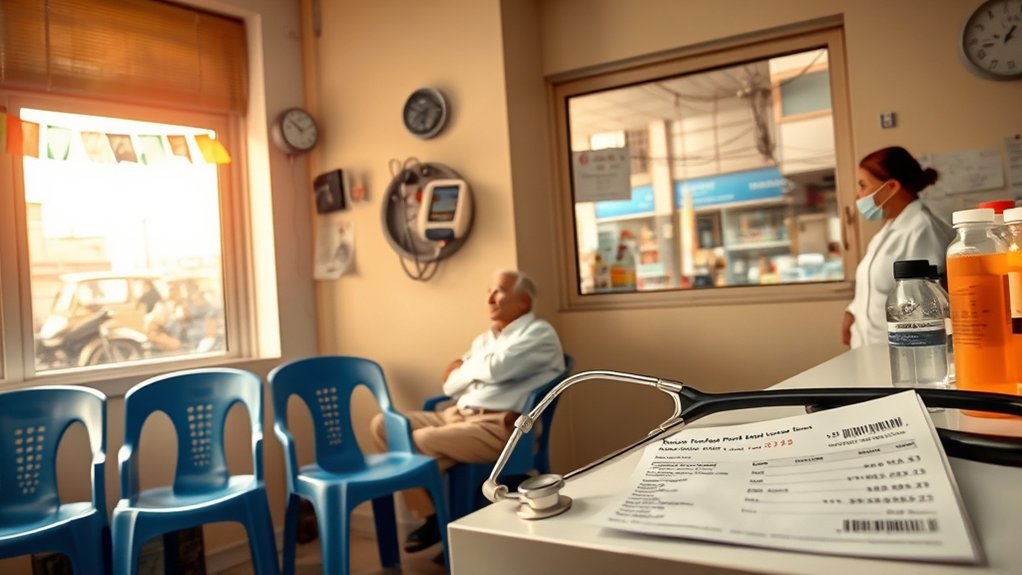
Basic healthcare in Nepal can be affordable for routine needs. A typical doctor’s visit may cost much less than in the United States, but care quality varies by city, clinic, and hospital type. Larger cities have more private hospitals and specialist options.
Tourist-focused hospitals may handle common illnesses, minor injuries, and referrals. Rural facilities may lack advanced tests, equipment, or specialist care. Plan where you would go if you need urgent treatment.
Food poisoning and stomach illness can affect travelers and new arrivals. Avoid risky street food, unclean water, and uncooked items when your body is still adjusting. Carry oral rehydration salts for dehydration support.
Budget for routine vaccinations, basic clinic visits, and a strong travel insurance policy. Choose insurance that covers hospital transfers, emergency treatment, and evacuation. Routine care may cost little, but advanced care or evacuation can become expensive.
Medical Disclaimer: This article is for informational purposes only and does not provide medical advice. Always consult a qualified doctor or travel health professional before you make healthcare, vaccination, or insurance decisions.

Come Eat offers 100 approachable recipes designed to make everyday cooking more enjoyable, nourishing, and sustainable. With a focus on flavorful meals and practical preparation, this hardcover cookbook is ideal for home cooks looking for inspiration for salads, sides, and main dishes. Author Melissa Ben-Ishay shares recipes that encourage consistent, feel-good eating without sacrificing taste.

Listerine Total Care Intense Anticavity Fluoride Mouthwash helps protect teeth and freshen breath with a powerful intense mint formula. It delivers multiple oral care benefits in one rinse, including cavity protection, enamel repair, and germ killing for a cleaner whole-mouth feel. Designed for twice-daily use, it supports a healthier mouth as part of a regular brushing and flossing routine.

NIMBUS NIMBY toothbrushes are designed for children with sensitive teeth and receding gums, offering an extra soft brushing experience that is gentle yet effective. Their microfine two-level bristles help reach hard-to-clean areas while supporting plaque removal, making them a comfortable choice for kids, toddlers, and even travel use. Individually wrapped and made to last longer than standard brushes, this four-pack is ideal for families and on-the-go oral care.
Entertainment, Gym, and Leisure Expenses
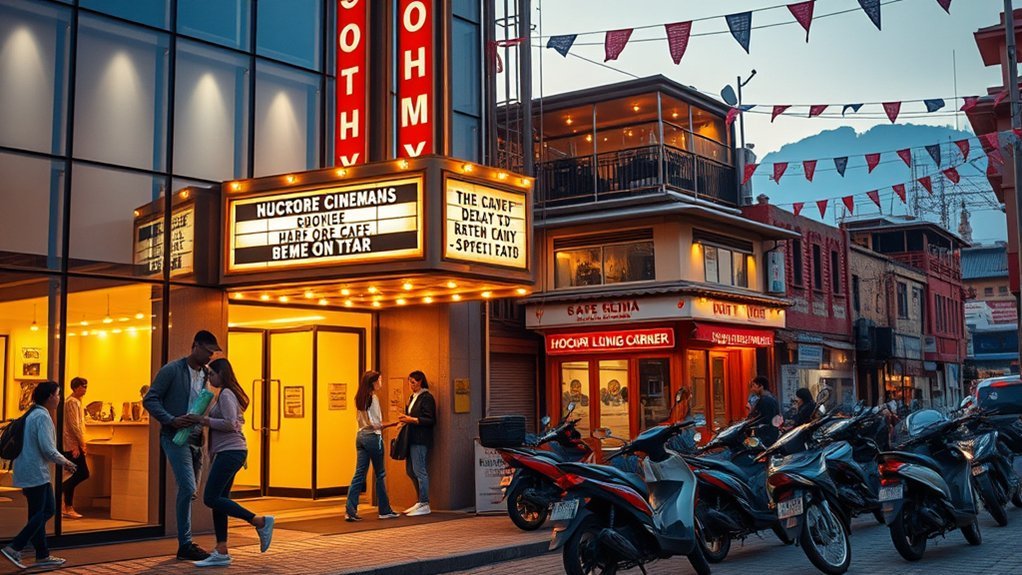
Entertainment and leisure in Nepal can be very affordable. A gym membership may cost about $22.50 per month, while a cinema ticket may cost only a few dollars. Dinner for two at a mid-range restaurant can stay far below many Western city prices.
Entertainment in Nepal can stay cheap if you choose local gyms, cinemas, cafes, and restaurants.
You can maintain an active social life and fitness routine without a large budget. Cities offer fitness centers, boutique studios, local gyms, bars, clubs, and cinemas. Prices rise in premium or tourist-heavy areas.
Small services can also cost less than you may expect. A basic haircut, casual beer, or coffee shop visit can fit a modest monthly plan. Still, frequent Western restaurants and nightlife can push leisure spending higher.
Prioritize what matters most to you, such as workouts, nights out, or cultural experiences. Your monthly entertainment budget can stay modest when you choose local options first.
- Gym membership: Budget around $22.50 per month for typical gym access.
- Movie night: Plan a few dollars per ticket for many local cinemas.
- Dinner for two: Expect about $18 at many mid-range restaurants.
Visas, Permits, and Work-Related Financial Considerations
If you plan to live or work in Nepal, visa and work-permit rules can affect your budget and timeline. Tourist visas may allow short stays and extensions, but rules can change. Check the current requirements before you book flights or sign a lease.
Work visas may require employer support, recommendation letters, agreements, and official approval. These steps can add document costs, processing time, and possible agency fees. Do not assume a tourist visa lets you work legally.
Nepal has discussed longer-stay options for remote workers and foreign residents, but you should verify the current status before you rely on one. Budget for proof of funds, insurance, document checks, and visa fees. Keep cash available because some local payments may not accept cards.
| Requirement | Typical implication |
|---|---|
| Tourist visa | Short-term stay costs and possible extension fees |
| Work visa | Employer documents, processing time, and compliance costs |
| Long-stay route | Proof of funds, insurance, and current rule checks |
Plan your timeline early and keep reserve funds for permits, verification, and compliance. This helps you avoid legal problems and last-minute costs.
Legal Disclaimer: This article is for informational purposes only and does not provide legal or immigration advice. Always check official Nepal visa rules or consult a qualified immigration professional before making plans.
Practical Money-Saving Tips for Expats and Digital Nomads
If you earn a Western salary, your money can stretch far in Nepal. Use local goods and services as your baseline, then add comfort upgrades only where they matter most. This keeps your average cost of living under control.
Aim for realistic monthly budgets. Many expats report living on roughly CAD 500 per month before rent, but your lifestyle can raise that number. Add $200 to $500 for a one-bedroom in Kathmandu if you want a simple rental.
As a digital nomad, focus on reliable, affordable internet first. A 15 GB mobile plan can cover maps, messages, and backup data, but remote work often needs a stable home connection. Use public transport or negotiated taxis to reduce daily costs.
- Choose local meals and markets: Buy staples, fruit, vegetables, and simple meals to cut food costs.
- Rent smart: Pick a neighborhood where rent matches your monthly target and lifestyle needs.
- Control mobile and transport costs: Use local SIM plans, buses, microbuses, and agreed taxi fares.
Pro tip: Spend your first month in a short-term rental before you choose a long-term neighborhood.
Sample Monthly Budgets for Nepal
A sample budget can help you test whether Nepal fits your income and comfort level. Use these ranges as a starting point, not a fixed rule. Your actual cost depends on rent, neighborhood, eating habits, insurance, and travel plans.
| Lifestyle | Estimated monthly cost | Best fit |
|---|---|---|
| Basic local lifestyle | CAD 500 to 800 before rent | Budget travelers and simple long stays |
| Modest renter in Kathmandu | CAD 700 to 1,100 | Solo expats and remote workers |
| Comfort-focused lifestyle | CAD 1,100 to 1,400+ | Furnished rentals, private care, and more dining out |
Build a small emergency fund into any budget. This matters most if you plan mountain travel, private healthcare, or visa extensions.
Frequently Asked Questions
How Much Money Is Required to Live in Nepal?
You may need about CAD 500 to 900 monthly for basic expenses before rent. Add about $200 to $800 for rent, depending on city, apartment size, and comfort level. A modest renter in Kathmandu may spend about CAD 700 to 1,400 per month.
Can a US Citizen Live in Nepal?
Yes, a U.S. citizen can live in Nepal for a limited time with the right visa. Tourist visas and extensions may support short stays, while work, study, business, or other routes may apply for longer stays. Always check current official visa rules before you plan your move.
Is 100 Dollars a Lot in Nepal?
Yes, $100 can go far in Nepal for food, local transport, and basic daily expenses. It may cover many local meals or a week of simple spending. It usually will not cover a full month of rent in central Kathmandu.
Is Nepal a Cheap Place to Live?
Yes, Nepal can be a cheap place to live if you choose local food, simple housing, and public transport. Rent, meals, and basic services often cost far less than in many Western countries. Your costs rise if you want premium rentals, private healthcare, imported goods, or frequent travel.
What Costs More Than Expected in Nepal?
Imported groceries, Western restaurants, private hospitals, insurance, and expat-style rentals can cost more than expected. Travel to trekking areas can also raise your budget. Set aside extra money for healthcare, permits, flights, and emergency transport.
Conclusion
Nepal can give you a comfortable life at a modest cost if you plan around rent, food, healthcare, and visa needs. Choose local markets, simple transport, and a practical neighborhood before you upgrade your lifestyle. Keep extra savings for insurance, medical care, travel, and permit costs. With clear budget tracking, you can enjoy Nepal’s low living costs without facing avoidable money stress.

This self-help book offers practical guidance for breaking free from overthinking, emotional chaos, and self-sabotage. Written by Daniel Chidiac, it helps readers build stronger self-awareness, emotional resilience, and healthier mental habits. A valuable read for anyone looking to regain control of their thoughts and responses.

Affresh Washing Machine Cleaner tablets are designed to deep clean inside the washer, helping remove odor-causing residue, grime, soap scum, and bacteria from hard-to-reach components. The slow-dissolve formula helps keep front load, top load, and HE machines smelling fresh and running at their best with a simple monthly cycle.

This heavy-duty foam coil cleaner quickly dissolves grease, oil, stains, and dirt from air conditioner coils, fan blades, reusable filters, and other HVAC components. Its self-rinsing, low-VOC formula helps neutralize odors, leaves a fresh lemon scent, and includes corrosion inhibitors to protect metal surfaces while cleaning. Designed for convenient aerosol application, it reaches tight spaces and helps restore efficiency without the need for rinsing in most uses.
