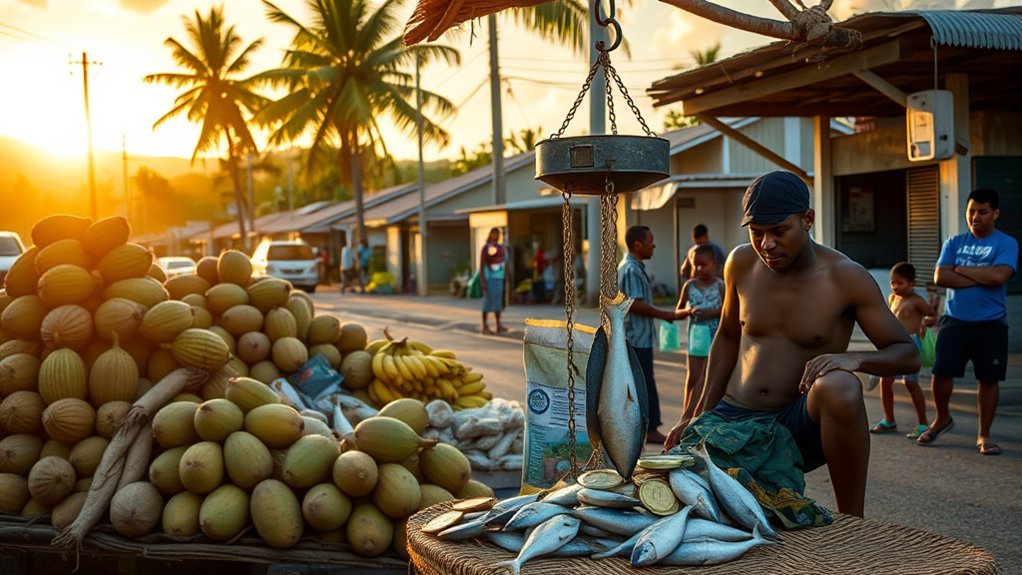
The cost of living in Tonga in 2026 runs about TOP 2,000–2,950 (~$835–$1,230) a month for a single person living simply on Tongatapu, and about TOP 4,000–5,350 (~$1,665–$2,230) for a comfortable single life in a private, furnished rental in Nuku’alofa. A couple should plan on roughly TOP 5,150–6,900 (~$2,145–$2,875), and a family of four on TOP 7,150–9,900 (~$2,975–$4,120) before private school fees. These figures use the National Reserve Bank of Tonga mid-rate of 1 pa’anga = US$0.4164 (early October 2026), or about TOP 2.40 per US dollar. Rent and imported food are the biggest swing factors, and inflation climbed to 9.3% in July 2026. Below you’ll find rents by island, utility and fuel prices, grocery costs, taxes, visa fees, and sample budgets.
Quick Answer
- Single person: TOP 2,000–2,950 (~$835–$1,230) on a lean budget; TOP 4,000–5,350 (~$1,665–$2,230) for a comfortable one.
- Couple: TOP 5,150–6,900 (~$2,145–$2,875) a month in a private rental.
- Family of four: about TOP 7,150–9,900 (~$2,975–$4,120) before private school fees.
- Rent, one-bedroom: roughly TOP 600–1,200 (~$250–$500) outside central Nuku’alofa; TOP 1,200–2,000 (~$500–$835) in or near the center.
- Electricity: 125.02 seniti (about TOP 1.25, ~$0.52) per kWh since June 1, 2026.
- Fuel: petrol TOP 4.05 (~$1.69) and diesel TOP 4.20 (~$1.75) per liter on Tongatapu from July 2026.
- Home internet: about TOP 200 (~$83) for 30 days with Digicel’s 500 GB plan.
- Taxes: 15% consumption tax on most goods; the first TOP 12,000 of yearly income is tax-free.
Exchange Rate, Inflation, and Wages in 2026
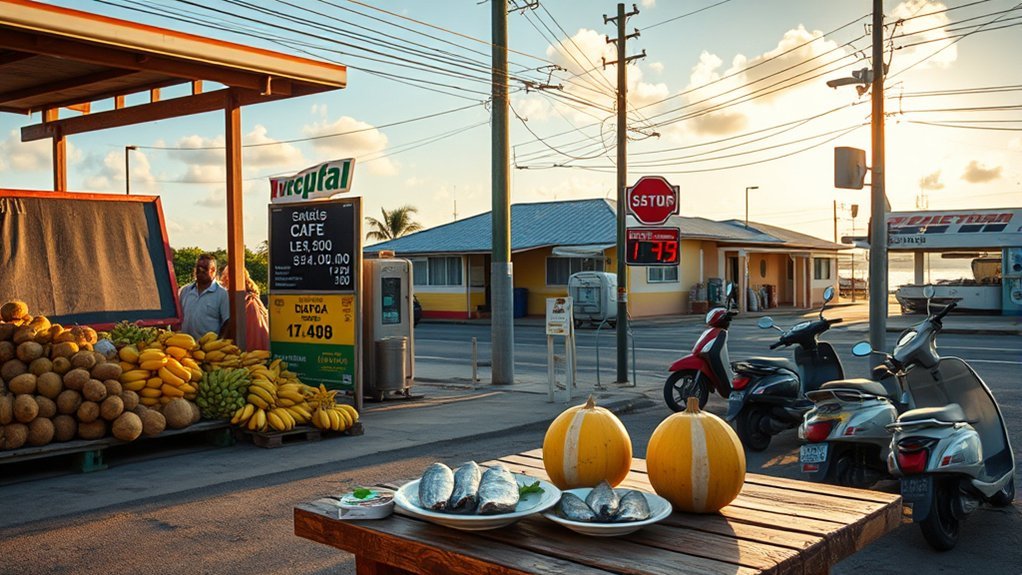
Three numbers shape what Tonga costs you this year.
The exchange rate. The National Reserve Bank of Tonga listed a mid-rate of US$0.4164 per pa’anga in early October 2026, with a buy rate of 0.4241 and a sell rate of 0.4088. In mid-July the mid-rate was about 0.418, so the pa’anga has slipped slightly. Banks and money transfer services add their own margins, so expect to receive a little less than the mid-rate. The pa’anga also trades at about 0.60 Australian dollars and 0.74 New Zealand dollars, which matters because many imports come from those two countries.
Inflation. Prices are rising fast again. The central bank reported headline inflation of 9.3% in July 2026, the highest since January 2024 and well above its 5% reference rate. It blamed mainly outside supply shocks, such as freight and imported food and fuel, rather than local demand. The government’s 2026/27 budget includes temporary electricity assistance to ease the pressure.
Wages. Tonga has no general statutory minimum wage, according to WageIndicator’s Tonga page. Crowd-sourced averages put the typical net salary in Nuku’alofa at about TOP 1,640 (~$685) a month, though that figure comes from very few reports. Official data are household-based. The 2021 Household Income and Expenditure Survey found average household income of TOP 5,145 (~$2,140) a month and a median of TOP 4,069 (~$1,695). Those totals include remittances, gifts, home-grown food, and the estimated rental value of owned homes, not just pay.
The 2021 survey put average household spending at TOP 4,679 (~$1,950) a month, but only TOP 3,248 of that was cash. The rest came from gifts, home production, and owned housing, which newcomers rarely have.
Rent and Housing by Island
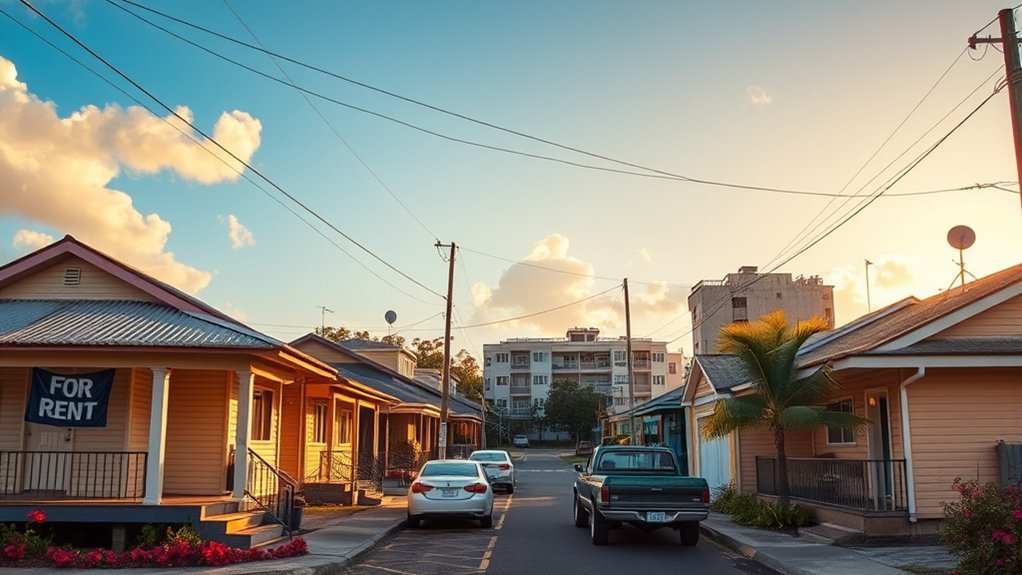
Tonga has a small formal rental market. Many homes are let through word of mouth, church networks, employers, and Facebook groups rather than agencies. Crowd-sourced averages for Nuku’alofa list a central one-bedroom at about TOP 1,500 (~$625) and a three-bedroom at TOP 1,330–2,000 (~$555–$835), but they rest on a single contributor’s reports. The ranges below combine those averages with typical asking prices and should be treated as planning estimates.
| Location | Home Type | Monthly Rent (TOP) | Approx. USD |
|---|---|---|---|
| Nuku’alofa, central | 1-bed apartment | 1,200–2,000 | $500–$835 |
| Tongatapu, outer areas and villages | 1-bed or small house | 600–1,200 | $250–$500 |
| Tongatapu | 3-bed family house | 1,500–3,000 | $625–$1,250 |
| Neiafu, Vava’u | 1-bed or small house | 800–1,800 | $335–$750 |
| Ha’apai and ‘Eua | simple house | 400–1,000 | $165–$415 |
A few patterns stand out:
- Nuku’alofa has the most choice in shops, schools, clinics, and internet, so furnished homes near town fill quickly. Newer houses with air conditioning, water tanks, and security cost the most.
- Outer Tongatapu villages are cheaper, but you will spend more on taxis or fuel to reach town.
- Vava’u is a sailing and whale-watching hub. Demand from visitors pushes up prices in Neiafu during the June–October season.
- Ha’apai, ‘Eua, and the Niuas have the lowest rents but very few listings, slower supply runs, and higher prices for shipped goods.
Hotel and short-stay rates are not a guide to long-term rent. Ask for monthly terms, and confirm in writing who pays for water, electricity, repairs, and storm damage. Plan on a deposit plus at least one month’s rent in advance.
Utilities, Internet, and Phone
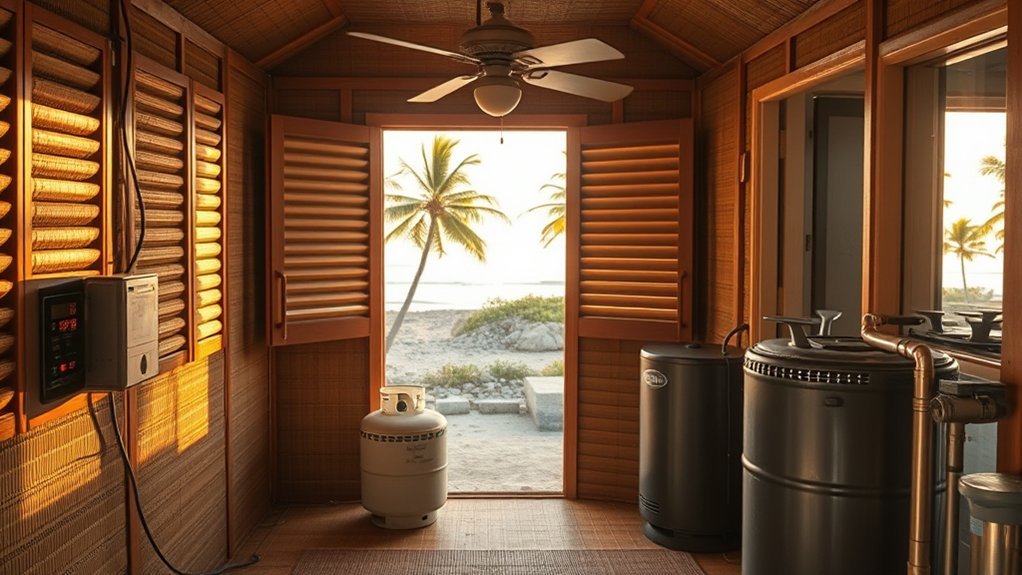
Electricity is a single national tariff set by the Tonga Energy Commission and passed on by Tonga Power. The tariff moves with diesel costs. Matangi Tonga’s reports on Energy Commission decisions show it rose 2.8% to 125.02 seniti per kWh from June 1, 2026, up from 121.63. Here is what that means for a monthly bill:
| Monthly Use | Typical Household | Cost (TOP) | Approx. USD |
|---|---|---|---|
| 100 kWh | one person, fans, fridge | 125 | $52 |
| 150 kWh | small apartment, some cooling | 188 | $78 |
| 300 kWh | family home, freezer, regular AC | 375 | $156 |
| 450 kWh | large home, heavy AC | 563 | $234 |
Crowd-sourced averages put basic utilities for a 915-square-foot apartment at about TOP 450 (~$185) a month. Water costs are usually small, but many homes rely on rainwater tanks and pumps, which add to the power bill. Buy bottled or filtered drinking water if your tank is not treated.
Other monthly connections:
- Home internet: Digicel Tonga’s home internet plan costs TOP 200 (~$83) per 30 days for 500 GB at full speed, then 2 Mbps. A new router costs TOP 470 (~$196) unless you already have one. Crowd-sourced averages for broadband run higher, at about TOP 300 (~$125).
- Mobile plan: about TOP 53 (~$22) a month for 10 GB or more of data, based on crowd-sourced averages. Digicel and TCC (Tonga Communications Corporation) both sell prepaid data bundles.
- Cooking gas: LPG prices are regulated and change every few months. Budget roughly TOP 50–100 a month if you cook with gas.
Food: Groceries and Dining Out
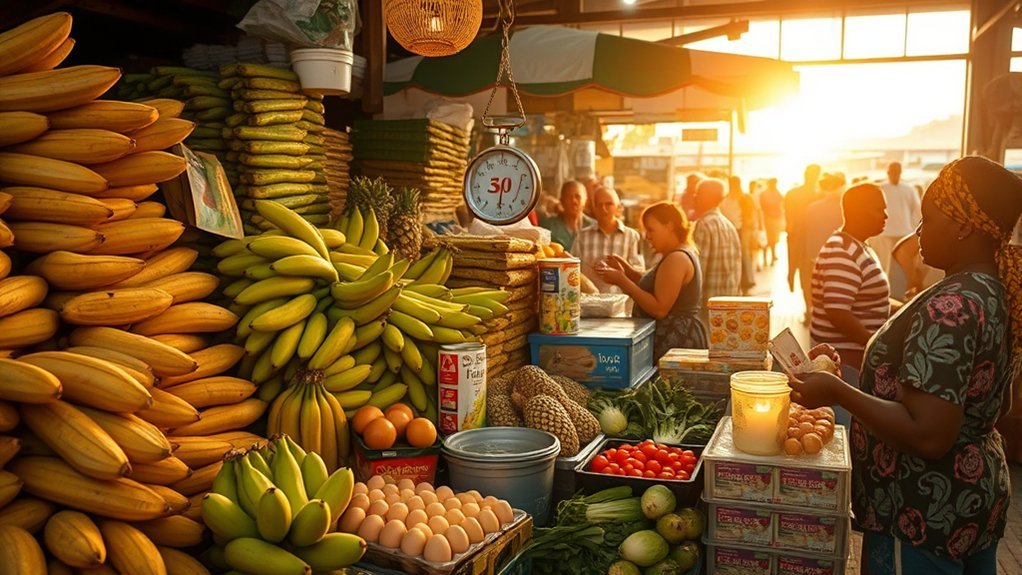
Food was the largest household spending category in the 2021 survey, at about TOP 1,563 (~$650) a month per household. Local root crops (taro, cassava, sweet potato, yam), breadfruit, coconuts, bananas, and fish are good value at the Talamahu Market in Nuku’alofa and at roadside stalls. Imported meat, dairy, cereal, and snacks cost much more and drive most of the recent inflation.
Typical prices in Nuku’alofa, based on crowd-sourced averages:
| Item | Typical Cost (TOP) | Approx. USD |
|---|---|---|
| Milk (1 liter) | 3.77 | $1.57 |
| Bread (1 lb loaf) | 2.27 | $0.95 |
| Rice (1 lb) | 2.25 | $0.94 |
| Eggs (12) | 12.27 | $5.11 |
| Chicken fillets (1 lb) | 6.43 | $2.68 |
| Beef (1 lb) | 8.39 | $3.49 |
| Local cheese (1 lb) | 9.83 | $4.09 |
| Tomatoes (1 lb) | 4.08 | $1.70 |
| Bananas (1 lb) | 3.02 | $1.26 |
| Bottled water (1.5 liters) | 3.33 | $1.39 |
These averages were last updated in April 2025 from a small number of reports. With inflation near 9%, expect most imported items to cost 10–15% more on the shelf today. A single person who cooks at home and mixes local and imported foods spends roughly TOP 700–1,100 (~$290–$460) a month on groceries.
Eating Out Costs

Eating out is moderately priced, with the biggest markups at hotels and tourist venues. Common prices:
- Meal at an inexpensive restaurant: about TOP 20 (~$8.30)
- Three-course dinner for two at a mid-range restaurant: about TOP 150 (~$62)
- Fast-food combo meal: about TOP 25 (~$10.40)
- Cappuccino: about TOP 7 (~$2.90)
- Domestic beer (pint, at a bar): about TOP 8 (~$3.30); imported beer about TOP 12 (~$5)
- Gym membership: about TOP 75 (~$31) a month
Eating a cheap takeaway lunch four times a week costs about TOP 345 (~$145) a month.
Transportation and Fuel
Fuel prices are regulated. The Ministry of Trade and Economic Development sets new retail prices every one to two months based on world oil prices, freight, and the exchange rate. Prices jumped in May 2026 and rose again in June, then eased slightly. The latest published schedule, effective July 1, 2026, set these Tongatapu prices:
| Fuel | Price per Liter (TOP) | Approx. USD per Liter | Approx. USD per Gallon |
|---|---|---|---|
| Petrol | 4.05 | $1.69 | $6.38 |
| Diesel | 4.20 | $1.75 | $6.62 |
| Kerosene | 3.40 | $1.42 | $5.36 |
Outer-island prices are higher because of shipping. A 50-liter tank of petrol costs about TOP 203 (~$84) on Tongatapu. A car owner who fills up twice a month spends around TOP 400 (~$165) on fuel before insurance, registration, tires, and repairs. Imported used cars and parts are expensive, and roads outside Nuku’alofa are often unpaved and unlit.
Other transport costs:
- Buses: private buses run set routes on Tongatapu, mostly in daytime. Fares are low, but service is irregular and stops early in the evening. Confirm current fares at the Nuku’alofa bus stands.
- Taxis: crowd-sourced averages list a TOP 5 (~$2) starting fare. Most taxis quote a fixed price per trip, so agree on it before you get in.
- Inter-island travel: ferries and domestic flights link Tongatapu with Ha’apai, Vava’u, and ‘Eua. Budget separately for these if you live on or visit outer islands.
Healthcare and Insurance
Government hospital services are free for Tongan citizens. Non-Tongans and tourists pay fees that vary by facility. The U.S. State Department’s Tonga page notes that Vaiola Hospital in Nuku’alofa runs a 24-hour emergency department, that hospitals on Vava’u, Ha’apai, and ‘Eua are limited, and that providers prefer cash or EFTPOS. Serious cases are often sent to New Zealand, and there is no hyperbaric chamber for divers.
What to budget:
- Health and evacuation insurance: this is the cost that matters most. International plans that include medical evacuation typically run TOP 250–700 (~$105–$290) a month per adult, depending on age, deductible, and whether US coverage is included. Get quotes before you move.
- Clinic visits and medicine: keep a small monthly allowance for private consultations and pharmacy items. Stock varies, so bring a supply of regular prescriptions in original packaging with a copy of the prescription.
- Emergency fund: keep cash for a short-notice flight to Auckland or Sydney in case insurance needs time to approve an evacuation.
Schools and Childcare
Most Tongan schools are run by the government or by churches, and fees are low by international standards. Classes are taught in Tongan and English. A few private and international-curriculum schools in Nuku’alofa serve expatriate families, and their fees vary widely, so ask each school for a written fee schedule.
- Private preschool or kindergarten: about TOP 380 (~$158) a month, full day, based on crowd-sourced averages.
- Extra school costs: uniforms, books, church or school donations, lunches, and transport add up each term.
- Overseas boarding: some expatriate families send older children to school in New Zealand or Australia, which costs far more than local schooling.
Taxes and Retirement Contributions
- Consumption tax: 15% on most goods and services, included in shelf prices.
- Income tax: the first TOP 12,000 (~$5,000) of yearly income is tax-free, income from TOP 12,001 to 30,000 is taxed at 10%, and higher income is taxed at rising rates. Residents are taxed on worldwide income.
- Retirement fund: employees in the formal sector contribute 5% of gross salary to the Tonga National Retirement Fund, and employers add 7.5%.
If you plan to stay long-term, or earn rental or pension income abroad, confirm your tax position with the Ministry of Revenue and Customs or a local accountant.
Visas and Residence
Citizens of the US, UK, Canada, Australia, Japan, and many other countries receive a 30-day visitor visa on arrival, according to the Government of Tonga’s immigration information. You need a passport valid for six months, a return or onward ticket, and enough funds for your stay. Extensions are handled at the Immigration Department offices in Nuku’alofa and Neiafu. A visitor visa does not allow work, business, or study.
For longer stays, Tonga issues employment, business, student, residency, and assured-income visas. The Tonga Embassy’s employment visa page lists a US$230 (~TOP 550) fee, a medical report, a police clearance, two character references, and a letter of support from the labor ministry. A TOP 1,000 (~$415) bond per person may be required if the job contract lacks a repatriation clause. Processing normally takes about one month.
One-Time Setup Costs
Budget for these before your first month:
- Employment visa: about US$230 (~TOP 550), plus a possible TOP 1,000 bond.
- Rental deposit and rent in advance: often one to two months’ rent, or TOP 1,200–4,000 (~$500–$1,665).
- Internet router: TOP 470 (~$196) for a new Digicel home router.
- Furnishing an unfurnished home: roughly TOP 3,000–8,000 (~$1,250–$3,330). Furniture and appliances are imported and selection is limited.
- Car: a used imported car is a major cost. Many newcomers rent or rely on taxis for the first months.
- Cyclone supplies: water storage, a torch, a battery bank, and shutters or tie-downs for the November–April season.
Sample Monthly Budgets
These budgets combine the prices above. Rent assumes Tongatapu. Lean budgets assume a basic rental outside central Nuku’alofa, local food, and buses or shared rides. Other columns assume a private furnished rental, regular air conditioning, and private health insurance.
| Expense (TOP) | Single, Lean | Single, Comfortable | Couple | Family of Four |
|---|---|---|---|---|
| Rent | 700–1,000 | 1,500–2,000 | 1,500–2,000 | 2,000–3,000 |
| Electricity, water, gas | 150–250 | 300–450 | 350–500 | 450–700 |
| Internet + mobile | 50–100 | 250 | 300 | 350 |
| Groceries | 700–900 | 900–1,100 | 1,600–2,000 | 2,600–3,200 |
| Eating out + leisure | 150–250 | 400–600 | 500–800 | 500–800 |
| Transport | 150–250 | 400–550 | 450–600 | 550–750 |
| Health coverage | 100–200 | 250–400 | 450–700 | 700–1,100 |
| Total (TOP) | 2,000–2,950 | 4,000–5,350 | 5,150–6,900 | 7,150–9,900 |
| Total (USD) | $835–$1,230 | $1,665–$2,230 | $2,145–$2,875 | $2,975–$4,120 |
Family of four: the family column excludes private or international school fees and overseas boarding. Add preschool at about TOP 380 a month per child if needed.
Living like a local: households with family land, gardens, fishing, and shared transport spend far less cash than these budgets show. That is why the 2021 survey’s average cash spending of TOP 3,248 per household looks low next to an expatriate budget. TOP 400–800 a month is not enough to live independently once rent is included.
Salaries vs. Costs

Local pay is low compared with the cost of imported goods. A worker earning around TOP 1,640 (~$685) a month after tax could not cover a lean single budget alone. Most Tongan families pool several incomes and rely heavily on remittances from relatives in New Zealand, Australia, and the United States.
| Measure | Amount (TOP/month) | Approx. USD |
|---|---|---|
| Typical net salary, Nuku’alofa (crowd-sourced) | 1,640 | $685 |
| Median household income (2021 survey) | 4,069 | $1,695 |
| Average household income (2021 survey) | 5,145 | $2,140 |
| Average household spending, all forms (2021 survey) | 4,679 | $1,950 |
| Lean single budget (2026) | 2,000–2,950 | $835–$1,230 |
For someone paid in US, Australian, or New Zealand dollars, rent and local food feel affordable. Imported groceries, electricity, fuel, and flights do not.
Safety and Practical Notes
- The US State Department rates Tonga at Level 1, the lowest advisory level. Crime is low, but house break-ins and theft do happen, so secure your home and avoid isolated places at night.
- Cyclone season runs from November to April. Ships and flights can be delayed, and shelves can run short after storms.
- Sunday is a strict day of rest by law. Most shops and businesses close, so plan your shopping for Saturday.
- Visitors can bring in up to TOP 10,000 in cash. Transfers out above that amount need approval.
Money-Saving Tips
- Eat local. Root crops, fish, and seasonal fruit from Talamahu Market cost far less than imported packaged food.
- Find housing through people. Employers, churches, and community contacts often know of rentals that never get advertised.
- Watch the air conditioning. At about TOP 1.25 per kWh, power is expensive. Fans, shade, and an efficient fridge save real money.
- Try life without a car first. Compare taxi and bus costs with fuel, insurance, and repairs before you buy.
- Use a 30-day data plan. Prepaid bundles avoid long contracts and let you switch providers if coverage is weak at your home.
- Keep a buffer. With inflation above 9%, add 10–15% to any budget built from older prices.
How Tonga Compares With Nearby Countries
Tonga sits in the middle of the South Pacific island range. A lean single budget here is a little higher than the cost of living in Fiji, where Suva offers more rentals and cheaper imports, and close to the cost of living in Samoa, the island nation Tonga is most often compared with. Both bigger neighbors cost much more. See the cost of living in New Zealand, where many Tongan families live and work, and the cost of living in Australia, Tonga’s other main source of imports and remittances.
| Country | Lean Single Budget (USD/month) | Couple (USD/month) |
|---|---|---|
| Tonga | $835–$1,230 | $2,145–$2,875 |
| Fiji | $730–$965 | $1,855–$2,215 |
| Samoa | $865–$1,190 | $1,985–$2,965 |
| New Zealand | $1,550–$1,840 | $3,030–$3,340 |
Frequently Asked Questions
How much money do you need to live in Tonga per month?
A single person needs about TOP 2,000–2,950 (~$835–$1,230) a month for a simple life on Tongatapu, and about TOP 4,000–5,350 (~$1,665–$2,230) for a comfortable one in a furnished rental. A couple should budget about TOP 5,150–6,900 (~$2,145–$2,875).
Is Tonga cheap or expensive to live in?
It depends on how you live. Rent, local food, and eating out are moderate. Imported groceries, electricity at about TOP 1.25 per kWh, fuel above TOP 4 per liter, and health insurance with evacuation cover make Tonga more expensive than many people expect.
How much is rent in Nuku’alofa?
A one-bedroom in or near central Nuku’alofa costs roughly TOP 1,200–2,000 (~$500–$835) a month. Outer Tongatapu villages are cheaper at about TOP 600–1,200 (~$250–$500), and a three-bedroom family house runs about TOP 1,500–3,000 (~$625–$1,250).
What is the exchange rate of the Tongan pa’anga?
In early October 2026, the National Reserve Bank of Tonga mid-rate was US$0.4164 per pa’anga, or about TOP 2.40 per US dollar. Banks and money transfer services apply their own buy and sell margins.
Does Tonga have a minimum wage?
Tonga has no general statutory minimum wage. Crowd-sourced averages put the typical net salary in Nuku’alofa at about TOP 1,640 (~$685) a month, which is below the cost of a lean single budget.
Is healthcare free in Tonga for foreigners?
No. Government hospital care is free for Tongan citizens, but non-Tongans and tourists pay fees. Specialist care is limited and serious cases are often sent to New Zealand, so foreigners should carry health insurance that includes medical evacuation.
Can foreigners live and work in Tonga?
Yes, with the right visa. Many nationalities get a 30-day visitor visa on arrival, but it does not allow work. An employment visa costs about US$230 and needs a job offer, police clearance, medical report, and labor ministry support letter.
Conclusion
Tonga can be affordable if you live simply, eat local food, and find housing through local contacts. For most newcomers, though, a realistic budget starts at about TOP 2,000 (~$835) a month for one person and rises past TOP 4,000 (~$1,665) with a furnished rental, air conditioning, and proper health insurance. Inflation above 9%, regulated fuel near TOP 4 per liter, and power at TOP 1.25 per kWh mean older budgets now fall short. Secure housing first, price your health and evacuation cover early, and keep a buffer for shipping delays and cyclone season.
Sources
- National Reserve Bank of Tonga – daily exchange rates
- Matangi Tonga – NRBT monetary policy and July 2026 inflation
- Tonga Statistics Department – 2021 Household Income and Expenditure Survey
- Matangi Tonga – Tonga Energy Commission electricity tariff reports
- Matangi Tonga – petroleum prices for July–August 2026
- Digicel Tonga – home internet plans
- WageIndicator – minimum wage in Tonga
- U.S. Department of State – Tonga country information
- Government of Tonga – immigration and general services
- Embassy of the Kingdom of Tonga – employment visa
- Numbeo – Nuku’alofa crowd-sourced prices (last updated April 2025)