
You’ll typically need NZD 2,950–3,600 a month for non-rent expenses, plus NZD 650–3,500 for rent depending on city and size. Location makes a big difference. Urban centres like Auckland and Wellington push costs higher, while places like Palmerston North are noticeably cheaper. Groceries, transport and utilities form most of your spending, and taxes plus GST add to nearly every purchase. Use these ranges to set a realistic budget, then read on for detailed breakdowns and saving tips.
Quick Answer
- A single person needs roughly NZD 1,830–2,240 per month (excluding rent) to cover basic living costs.
- A family of four should budget around NZD 2,950–3,600 per month before rent.
- Rent varies widely: expect NZD 650–3,500 depending on city and apartment size.
- Auckland and Wellington are the most expensive cities; Palmerston North and Christchurch offer cheaper options.
- Overall costs run about 20% lower than the US average, though city choice matters a lot.

This hardcover cookbook offers fast, approachable recipes designed for busy days and low-energy nights. Caroline Chambers focuses on simple, flavorful meals that help you get dinner on the table without overthinking it. It's a practical pick for home cooks who want quick weeknight inspiration and minimal-fuss cooking.

Die With Zero offers a fresh perspective on personal finance by encouraging readers to use money intentionally to create memorable life experiences instead of simply accumulating wealth. Written by Bill Perkins, this book combines practical guidance with a motivating philosophy to help readers align spending, saving, and life goals for a more fulfilling future.

Come Eat offers 100 approachable recipes designed to make everyday cooking more enjoyable, nourishing, and sustainable. With a focus on flavorful meals and practical preparation, this hardcover cookbook is ideal for home cooks looking for inspiration for salads, sides, and main dishes. Author Melissa Ben-Ishay shares recipes that encourage consistent, feel-good eating without sacrificing taste.
Average Monthly Living Costs and Budgeting

For a single person, expect monthly non-rent expenses of about USD $1,830–$2,240. A family of four should plan for USD $2,950–$3,600. Add typical rent of roughly USD $1,040–$1,450 for a one-bedroom in a major city, or USD $2,150–$2,650 for a three-bedroom.
These figures help you compare total cost of living against local salaries. For a single person, rent plus non-rent costs often takes up a large share of monthly income. Families face proportionally higher expenses.
A useful rule of thumb: allocate about 30% of non-rent spending to groceries and entertainment. Housing remains the biggest variable. You can reduce net costs by shopping at local markets, using public transport, or flat-sharing to split rent.
Compare job offers in each city against average net salaries, then adjust your budget for utilities and discretionary spending.
Housing and Utility Prices Across Cities

Housing costs vary widely across New Zealand. Auckland one-bedrooms typically run NZD $1,040–$3,500 (USD $650–$2,100). Wellington comes in at NZD $780–$2,150 (USD $490–$1,350). Christchurch starts from about NZD $860 (USD $540), while Palmerston North sits around NZD $650 (USD $410).
Rental prices follow demand closely. Auckland and Wellington push averages up, Christchurch sits mid-range, and Palmerston North represents affordable housing for budget-conscious movers.
Utility costs typically add NZD $200–$300 (USD $120–$180) monthly, so build this into your monthly expenses and cost-of-living comparisons.
Expect utilities to add about NZD $200–$300 (USD $120–$180) monthly. Factor this into your budget.
The main trade-off is simple: proximity to jobs in Auckland or Wellington versus lower rent in Christchurch or Palmerston North. Cheaper cities keep monthly expenses down, but may mean longer commutes or fewer urban amenities.
- Compare city rent ranges.
- Add NZD $200–$300 for utilities.
- Evaluate cost of living trade-offs.
- Prioritize affordable housing vs location.
Food, Groceries and Dining Out Costs

Groceries typically make up about a third of your monthly budget. Chicken fillets run around NZD $4 per pound and a dozen eggs cost NZD $3.80–$4.64.
Cooking at home costs roughly NZD $20–$40 per person per meal. That’s far cheaper than dining out, where a three-course dinner for two at a mid-range restaurant runs NZD $66–$82, and lunches cost NZD $14–$17.
Where you shop makes a real difference. Pak’nSave is the most budget-friendly supermarket, while Countdown and New World offer wider ranges at higher prices.
For grocery shopping, focus on staples and seasonal fresh produce to keep per-meal costs down. Local farmers’ markets can also lower your grocery bill on fruit and vegetables.
Dining out adds up quickly. If you’re saving, limit mid-range restaurant visits and track your weekly food spending.

Redmond Real Salt is an unrefined ancient sea salt harvested from a protected seabed in Utah, delivering a naturally balanced flavor with 60+ trace minerals. Its subtly sweet taste enhances everyday cooking without bitterness, while remaining unprocessed, additive-free, and free from anti-caking agents. Ideal for home kitchens, it offers a clean, mineral-rich alternative to standard table salts.

The Armor All AA255W wet/dry utility vac delivers strong 2 peak HP suction in a compact, portable design for quick cleanup of wet and dry messes. Its 2.5-gallon tank, wheel base, top handle, and built-in storage make it easy to move, organize, and use around the garage, car, or jobsite. It also converts to a blower and comes with multiple accessories for versatile cleaning tasks.

Drop Stop provides complete coverage for the gap around your seat belt catch, helping keep keys, phones, and other small items from slipping into hard-to-reach spaces. Designed to move with your seat, it installs easily and stays in place without constant readjustment. This original, patented seat gap filler comes with bonus accessories for added convenience and a cleaner, safer driving experience.
Transportation and Healthcare Expenses
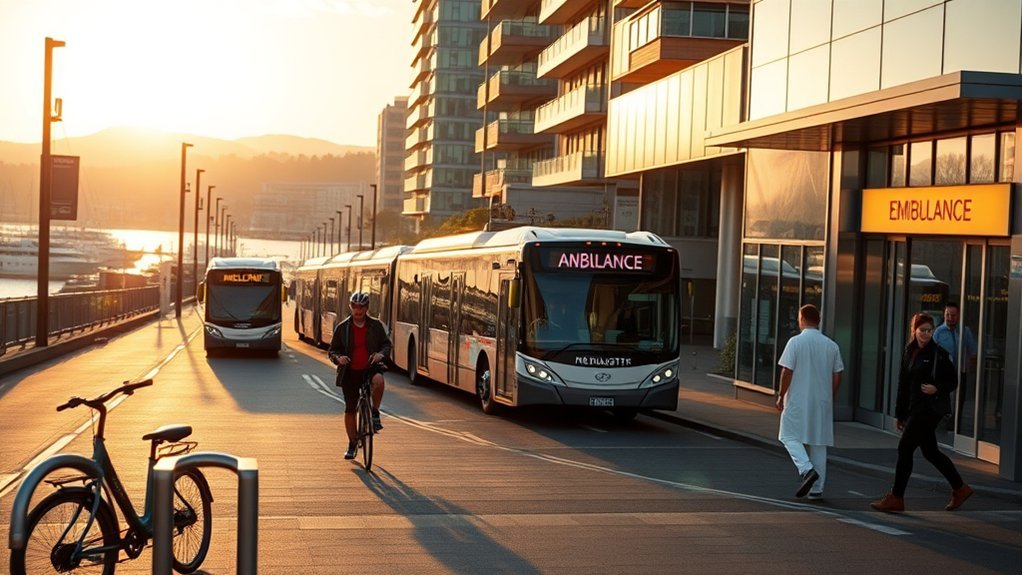
Public transport is the cheaper option for daily travel. Single fares start around NZD $2.50 and monthly passes average NZD $150. Owning a car raises costs: petrol runs about NZD $3 per litre, and annual vehicle registration adds roughly NZD $500.
Healthcare in New Zealand is a mixed system. Residents access largely free public healthcare, but visitors and many expats pay out of pocket for faster or more specialist care. GP visits for expats run NZD $75–$120, and private specialist consultations cost NZD $150–$300.
Private health insurance is NZD $1,200–$5,000 annually if you want quicker access to specialists. The Accident Compensation Corporation (ACC) covers accident-related treatment for both residents and tourists, which reduces unexpected medical bills.
- Compare public transport fares vs driving costs.
- Factor in monthly passes and petrol prices.
- Include GP visit and specialist fees in your budget.
- Consider ACC coverage and whether private health insurance is worth it for you.
Salaries, Taxes and Financial Planning

According to Stats NZ income data, average net pay typically falls between NZD $60,613 and $77,194 annually (about USD $35,987–$46,651). Your take-home will vary by industry, experience and tax bracket. Income tax is progressive, running from 10.5% to 39%, and a 15% GST applies to most purchases. Plan your budget around those effective rates.
Compare salaries across sectors and locations. Urban roles often pay more, but face higher rent and daily costs, which affects real purchasing power. Confirm your tax residency status early so you access the correct income tax rates and entitlements.
For a family of four, expect monthly basic costs (excluding rent) of around NZD $2,950–$3,600. Factor that into your net salary calculations. Use budgeting tools to model different scenarios, track expenses and set savings targets.
Frequently Asked Questions
Is It Cheaper to Live in NZ or the US?
NZ is generally cheaper overall. You’ll typically pay about 20% less than in the US, with lower rents, slightly cheaper dining and transport. Monthly single-person expenses run roughly USD $1,830–$2,240, compared to higher US averages.
How Much Money Do You Need to Live Comfortably in New Zealand?
A single person needs roughly USD $1,830–$2,240 monthly (excluding rent). A family of four should budget around USD $2,950–$3,600. Add USD $1,190–$2,650 for typical city rent depending on apartment size.
Can a US Citizen Live in New Zealand?
Yes. US citizens can live in New Zealand by obtaining a valid work visa or residency. You’ll typically need a job offer, in-demand skills, or family ties. For full visa options, check the New Zealand Immigration website. Income, benefits and healthcare access compare well to many US regions.
Is It Expensive to Live in New Zealand?
It’s moderately expensive. A single person pays about USD $1,830–$2,240 monthly (excluding rent), and rent adds USD $1,190–$1,450 in major cities. Overall costs are roughly 20% lower than the US average.
Conclusion
Living costs in New Zealand vary a lot by city. Auckland rents run about 30% higher than smaller centres, so where you live matters. On average, plan for NZD $2,500–$3,500 monthly for a comfortable single lifestyle, with housing often making up roughly half of that. If you can live outside a major metro, that 30% rent gap translates into real savings. Compare cities, factor in utilities and transport, and line up your budget with realistic local salary expectations before you move.

This hardcover book celebrates the art of gathering with inspiring table settings, thoughtful traditions, and practical ideas for hosting memorable meals. Written by Shea McGee, it offers beautiful design inspiration alongside approachable guidance for creating warm, welcoming spaces for family and friends. It's a charming resource for anyone who loves entertaining, home styling, and making everyday moments feel special.

The COOK'S CHOICE XL Better Breader Bowl makes coating chicken, fish, vegetables, and more fast, tidy, and consistent. Its extra-long tray helps prevent overcrowding, while the integrated sifter promotes even coverage with less waste. Designed for easy cleanup and convenient storage, it is a practical choice for home cooking, air frying, frying, and outdoor meal prep.

The ANCEL AD310 is a compact OBD II scanner designed to quickly diagnose check engine light issues by reading and clearing emission-related trouble codes. It also provides live data, freeze frame, I/M readiness, and vehicle information, making it a practical tool for drivers and home mechanics. With broad compatibility across many 1996 and newer OBD2 vehicles, it is a simple, fast, and portable way to check engine problems.