Tanzania can look inexpensive when its prices are converted into U.S. dollars, but your actual budget depends heavily on the city, housing arrangement, household size, and whether you use local or expatriate-oriented services. This guide uses Tanzanian shillings first and approximate U.S. dollar conversions based on a reviewed Bank of Tanzania rate of about TSh2,637 per $1. Prices are planning estimates rather than guaranteed quotes.
Quick Answer
As of mid-2026, a single person using local food and renting outside central Dar es Salaam may need about TSh1.2 million to TSh2.2 million ($455 to $835) per month. A comfortable urban lifestyle often needs TSh2 million to TSh4 million ($760 to $1,520), while families spend more before school fees.
Key Takeaways
- A budget of $250 to $350 is most realistic with shared or very inexpensive housing, local food, and limited discretionary spending.
- Housing is the largest variable. A one-bedroom outside central Dar es Salaam averages far less than a central apartment, but prices vary widely by neighborhood and condition.
- Local meals and public transport remain inexpensive, while imported food, private schooling, cars, furnished housing, and international-standard services can raise costs quickly.
- Tanzania does not have one private-sector minimum wage. Legal wage floors differ by industry and job category.
- U.S. tourists are not visa-exempt. They normally need a multiple-entry visa, and living or working in Tanzania for longer periods requires the correct permit.
Tanzania Living Costs Snapshot for 2026
The figures below combine official economic and regulatory information with contributor-reported prices. Tanzania’s National Bureau of Statistics reported annual headline inflation of 4.0% for June 2026. The U.S. dollar conversions use approximately TSh2,637 per $1, close to the Bank of Tanzania mean rate reviewed in July 2026.
Note: National and city price databases are crowdsourced. They are useful for setting a budget, but they do not replace current rental listings, utility quotes, school fee schedules, insurance premiums, or written lease terms.
| Benchmark | Tanzanian Shillings | Approximate USD | Scope |
|---|---|---|---|
| Inexpensive restaurant meal | TSh7,000 | $2.65 | Tanzania average |
| Basic utilities for an 85 m² apartment | TSh143,269 | $54 | Tanzania average |
| Broadband internet | TSh102,231 | $39 | Tanzania average |
| One-bedroom outside a city center | TSh403,153 | $153 | Tanzania average |
| One-bedroom outside central Dar es Salaam | TSh629,474 | $239 | Dar es Salaam |
| One-bedroom in central Dar es Salaam | TSh1,552,210 | $589 | Dar es Salaam |
| Average reported net salary | About TSh646,883 | About $245 | Crowdsourced national estimate |
The consumer-price benchmarks come from Numbeo’s Tanzania data and its Dar es Salaam data. These figures show why a low price in U.S. dollars does not automatically mean strong affordability for a worker paid a local salary.
A $300 monthly budget may work with shared housing and strict local spending, but it is not a dependable estimate for an independent, comfortable city lifestyle.

This heartfelt cookbook shares the kitchen wisdom of a Korean mom alongside 100 family recipes that bring comforting, authentic flavors to your table. Blending personal stories with practical guidance, it offers home cooks approachable ways to explore Korean cooking with confidence. The hardcover format and trusted editorial guidance make it a beautiful and reliable addition to any cookbook collection.

Come Eat offers 100 approachable recipes designed to make everyday cooking more enjoyable, nourishing, and sustainable. With a focus on flavorful meals and practical preparation, this hardcover cookbook is ideal for home cooks looking for inspiration for salads, sides, and main dishes. Author Melissa Ben-Ishay shares recipes that encourage consistent, feel-good eating without sacrificing taste.

This hardcover cookbook offers fast, approachable recipes designed for busy days and low-energy nights. Caroline Chambers focuses on simple, flavorful meals that help you get dinner on the table without overthinking it. It's a practical pick for home cooks who want quick weeknight inspiration and minimal-fuss cooking.
Everyday Expenses: Food, Transport and Utilities
Food and public transport are generally the easiest categories to control. Shopping at local markets, eating Tanzanian dishes, and using buses or shared transport can keep expenses low. Imported groceries, frequent restaurant visits, taxis, and car ownership produce a very different budget.
| Item | Typical Price | Approximate USD |
|---|---|---|
| Inexpensive meal | TSh7,000 | $2.65 |
| Three-course meal for two, without drinks | TSh50,000 | $19 |
| Milk, 1 liter | TSh2,359 | $0.89 |
| White bread, 500 g | TSh1,786 | $0.68 |
| Rice, 1 kg | TSh2,679 | $1.02 |
| Twelve eggs | TSh5,387 | $2.04 |
| Dar es Salaam one-way public transport ticket | About TSh650 | $0.25 |
| Monthly public transport pass | TSh39,000 | $15 |
| Gasoline, 1 liter | About TSh3,087 | $1.17 |
Food and Grocery Budget
A single person cooking mostly local food can use a planning range of roughly TSh250,000 to TSh450,000 per month. A diet with imported cereal, cheese, packaged snacks, specialty products, and frequent restaurant meals can cost much more. Families should build their estimate from an actual seven-day meal plan rather than multiplying a single-person figure.
Utilities, Internet and Mobile Service
Contributor-reported country averages place basic utilities for an 85 m² apartment near TSh143,269 per month, with a broad reported range of TSh75,000 to TSh300,000. Broadband internet averages about TSh102,231, while a mobile plan with calls and at least 10 GB of data averages about TSh26,235.
Electricity use, air conditioning, water arrangements, backup power, property size, and whether the landlord includes any services can change the total. Ask for recent bills before signing a lease.
Public Transport, Taxis and Cars
Public transport is inexpensive, but travel time and convenience vary by route. Regular taxis, ride-hailing, fuel, insurance, maintenance, parking, and vehicle import costs can make car-based living much more expensive than a transit-based budget.
Before choosing housing, compare the rent saving with the extra cost and time of commuting. A cheaper apartment far from work may not produce the lowest total monthly expense.
Healthcare and Insurance
Public and private healthcare costs vary widely by facility and treatment. Residents who depend on private hospitals should budget for insurance, routine appointments, medication, and emergency transport rather than assuming that low daily living costs will also mean low medical risk.
The U.S. Department of State’s Tanzania information warns that ambulance services may be unreliable or difficult to access and that many providers require cash. It also recommends insurance that covers overseas treatment and medical evacuation. Travellers should review the CDC Tanzania health guidance before departure.
Childcare and School Fees
Education can be one of the largest expenses for a family using private or international schools. Countrywide contributor data placed private full-day preschool near TSh1.42 million per child per month and international primary-school tuition near TSh28.5 million per child per year. Dar es Salaam averages were higher.
School prices vary greatly by institution, curriculum, transport, meals, uniforms, registration fees, and capital levies. Families should obtain a complete written fee schedule before accepting a job or choosing a neighborhood.
Housing and Rent: City Centre Versus Outside Centre
Housing is the largest source of variation in a Tanzania budget. The countrywide average combines cities and towns with very different rental markets, so people moving to Dar es Salaam should use Dar-specific figures.
| Apartment | Monthly Rent | Approximate USD |
|---|---|---|
| Tanzania average, one bedroom in city center | TSh1,163,789 | $441 |
| Tanzania average, one bedroom outside center | TSh403,153 | $153 |
| Dar es Salaam, one bedroom in city center | TSh1,552,210 | $589 |
| Dar es Salaam, one bedroom outside center | TSh629,474 | $239 |
| Dar es Salaam, three bedrooms in city center | TSh3,127,000 | $1,186 |
| Dar es Salaam, three bedrooms outside center | TSh1,469,570 | $557 |
Questions to Ask Before Renting
- Is the property furnished, partly furnished, or unfurnished?
- Which utilities are included in the rent?
- How many months must be paid in advance?
- Is there a refundable security deposit or agent fee?
- Who pays for repairs, water delivery, backup power, security, and waste collection?
- Is the quoted rent fixed in TZS or tied to a foreign currency?
- How long is the commute during normal peak traffic?
- Are internet service and reliable mobile coverage available at the property?
Pro Tip: Request recent utility bills, inspect water and power arrangements, and calculate the full amount due before move-in. A low advertised monthly rent can still require a large upfront payment.
Earnings, Minimum Wages and Purchasing Power
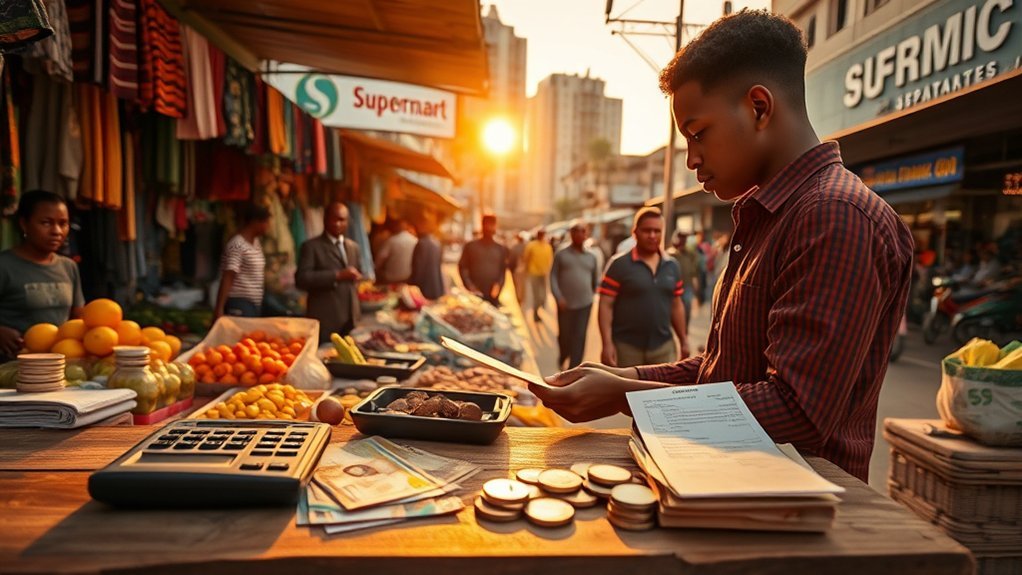
A contributor-reported national net salary of about TSh646,883 per month is roughly $245 at the reviewed exchange rate. This is not an official national salary, and earnings differ substantially by industry, education, city, employer, and whether compensation includes housing, transport, meals, insurance, or other allowances.
The average outside-center one-bedroom in Dar es Salaam is close to the reported average net salary. That comparison explains why many households share accommodation, live farther from central business areas, receive employer housing, or combine several incomes.
Minimum-Wage Rates in 2026
Tanzania’s private-sector minimum wage is sector-specific. The Labour Institutions (Minimum Wage for Private Sector) Order, 2025 took effect on January 1, 2026.
| Sector or Category | Monthly Minimum | Approximate USD |
|---|---|---|
| Other sector not otherwise specified | TSh175,000 | $66 |
| Certain resident domestic workers | TSh80,000 | $30 |
| Lower-tier hotels, lodgings, bars and restaurants | TSh195,000 | $74 |
| Tour guides | TSh320,000 | $121 |
| Inland transport services | TSh398,500 | $151 |
| Telecommunication services | TSh644,000 | $244 |
| Certain international energy companies | TSh765,900 | $290 |
These are legal wage floors, not typical earnings for every worker in each field. Employment contracts and collective-bargaining agreements may provide higher wages and better conditions.
Mortgages and Homeownership
Home financing can be expensive. A contributor-reported Dar es Salaam mortgage benchmark was 18.25%, with reported quotations ranging from 14% to 25%. This is not an official market-wide rate. Buyers should compare the annual percentage rate, fees, required deposit, currency exposure, insurance, and whether the rate can change.
Monthly Budgets for Different Lifestyles
The following planning ranges combine current rent benchmarks with reasonable allowances for food, utilities, transport, personal costs, and a small contingency. They are not official government estimates.
| Lifestyle | Housing | Other Monthly Costs | Estimated Total |
|---|---|---|---|
| Lean or shared-housing budget Shared room, smaller town or low-cost neighborhood, local food, public transport |
TSh200,000–450,000 | TSh600,000–950,000 | TSh800,000–1.4 million About $303–$531 |
| Independent local lifestyle Simple apartment outside the center, mostly home cooking, public transport |
TSh400,000–900,000 | TSh800,000–1.3 million | TSh1.2–2.2 million About $455–$835 |
| Comfortable urban single Better-located housing, reliable internet, dining out, taxis or ride-hailing, leisure and insurance |
TSh800,000–2 million | TSh1.2–2 million | TSh2–4 million About $760–$1,520 |
| Family of four Multi-bedroom housing, groceries, transport, utilities, healthcare and household spending |
TSh1.2–3.5 million | TSh2.6–5.2 million | TSh3.8–8.7 million About $1,440–$3,300, excluding international school tuition |
A person with employer-paid housing, medical insurance, transport, or school fees can live on a much smaller cash salary than someone paying every expense personally. Compare job offers by total compensation rather than salary alone.
Pro Tip: Build your budget in TZS, add a 10% to 15% contingency, and convert to your home currency only after the TZS total is complete. This reduces errors caused by changing exchange rates.
How Costs Differ by City and Area

This hardcover edition by Eric Metaxas offers a compelling look at the origins of the United States during the Colonial Period. It blends historical narrative with engaging storytelling, making it appealing for readers interested in American history, early nation-building, and the ideas that shaped the country. A strong choice for history enthusiasts, students, and anyone exploring the foundations of the nation.

This compact electric kettle quickly boils up to 1 liter of water with 1500 watts, making it ideal for tea, French press coffee, and fast hot water needs. The BPA-free glass carafe features easy-to-read markings, a wide opening for simple cleaning, and a built-in mesh filter to help keep mineral scale out of your cup. With auto shutoff, boil-dry protection, and cordless serving, it offers a convenient and stylish way to heat water for smaller kitchens, dorms, and apartments.

This heartfelt memoir blends laugh-out-loud honesty with tender reflections on love, loneliness, and the unexpected healing power of rescue dogs. Isabel Klee shares her journey fostering pups in the city while navigating dating and self-discovery, offering an intimate, relatable story for readers who enjoy emotional, character-driven narratives. It is a warm, engaging read about opening your heart and finding connection in surprising places.
Dar es Salaam
Dar es Salaam generally requires the largest housing and commuting budget. Central and expatriate-oriented neighborhoods can be much more expensive than outer districts. Traffic also makes location an important financial decision, not just a lifestyle preference.
Arusha
Arusha has a strong tourism, safari, and international-organization market. Local housing can be affordable, while furnished homes and properties near popular expatriate areas may command substantially higher rents. Available price samples are smaller than those for Dar es Salaam, so current listings are especially important.
Zanzibar
Zanzibar prices vary between tourism centers, Stone Town, beach areas, and inland communities. Tourist restaurants, imported food, furnished coastal housing, and seasonal demand can push spending above mainland local-lifestyle budgets.
Dodoma, Mwanza and Smaller Towns
Housing may be cheaper outside the most internationally oriented neighborhoods, but the saving depends on the availability of suitable work, healthcare, schools, transport, and internet. Fewer online price submissions also make local inspection and current quotations more important.
Moving to Tanzania: Visas and Residence Permits
Tourist entry permission is not the same as permission to live or work in Tanzania. The correct route depends on nationality, purpose, employer, investment activity, study, retirement, and intended length of stay.
Warning: U.S. passport holders are not entitled to the ordinary tourist visa. Tanzania Immigration states that U.S. tourists must apply for a multiple-entry visa. It costs $100, can be valid for up to 12 months, and allows a maximum continuous stay of 90 days. Do not treat this visa as permission to work or remain for 12 consecutive months.
People intending to stay for more than 90 days generally need an appropriate residence permit. Tanzania has different categories for investors, employees, retirees, researchers, volunteers, students, and other applicants.
| Immigration Category | Official Fee Example | Important Limitation |
|---|---|---|
| U.S. tourist multiple-entry visa | $100 | Maximum 90 consecutive days per visit; no employment |
| Class B employment residence permit | $2,000 for many non-EAC applicants | Requires qualifying employment and normally a work permit |
| Class C retired-person permit | $500 for many non-EAC applicants | Applicant must meet the retirement and assured-income requirements |
Review the current Tanzania eVisa guidelines and residence-permit guidelines before paying fees or making travel plans. Permit fees, supporting documents, and applicant categories can change.
How to Reduce Your Cost of Living
- Choose housing after testing the commute: The cheapest rent may not remain cheap after daily taxi or fuel costs.
- Use local markets: Seasonal produce, rice, beans, vegetables, and local meals generally cost less than imported packaged food.
- Compare total move-in costs: Include advance rent, deposits, agent fees, furnishing, internet installation, and utility setup.
- Negotiate benefits with an employer: Housing, transport, medical cover, flights, and school fees may be worth more than a small salary increase.
- Use public transport for regular routes: Reserve taxis and ride-hailing for trips where they add meaningful convenience or safety.
- Track electricity use: Air conditioning and large appliances can move a household far above the average utility estimate.
- Keep an emergency fund: Set aside money for healthcare, travel, repairs, permit renewals, and exchange-rate changes.
- Verify every recurring price locally: Online estimates can lag behind current market conditions.
Frequently Asked Questions
How much do you need to live comfortably in Tanzania?
A comfortable single-person urban budget is roughly TSh2 million to TSh4 million per month, or about $760 to $1,520 at the reviewed exchange rate. A simpler independent lifestyle may cost TSh1.2 million to TSh2.2 million. Housing, private healthcare, car use, imported food, and location create the largest differences.
Is $300 a month enough to live in Tanzania?
It may be enough for a very lean lifestyle with shared or unusually inexpensive housing, local food, public transport, and little discretionary spending. It is generally not enough for an independent and comfortable lifestyle in central Dar es Salaam.
What can $100 buy in Tanzania?
At approximately TSh263,700, $100 could separately buy about 37 inexpensive TSh7,000 meals, roughly 98 kg of rice at the reviewed national average, or about six monthly TSh39,000 public transport passes. These are alternative examples, not one combined basket.
Can U.S. citizens live in Tanzania?
Yes, but they need the correct immigration status. U.S. tourists normally require a $100 multiple-entry visa and may stay for no more than 90 consecutive days per visit. Longer residence, employment, investment, retirement, study, or volunteering requires the appropriate residence permit and, where applicable, a work permit.
How much is rent in Tanzania in U.S. dollars?
Crowdsourced national averages place a one-bedroom near $441 in a city center and $153 outside the center. In Dar es Salaam, the reviewed averages were approximately $589 in the center and $239 outside it. Actual listings vary by neighborhood, condition, furnishings, utilities, and payment terms.
Is Tanzania cheap compared with the United States?
Many local meals, transport fares, services, and rents cost less in nominal U.S. dollars. However, local wages are also much lower, and imported goods, international schools, private healthcare, cars, and expatriate-oriented housing can be expensive. Affordability depends on where your income comes from and which services you use.
Conclusion
The cost of living in Tanzania ranges from a lean shared-housing budget below TSh1.4 million per month to several million shillings for an independent urban or family lifestyle. Rent creates the biggest difference, especially in Dar es Salaam, while local meals and public transport remain comparatively inexpensive.
Plan in Tanzanian shillings, separate official information from crowdsourced prices, and include healthcare, school fees, permit costs, deposits, transport, and a contingency fund. A realistic budget built around your chosen neighborhood and daily routine will be more useful than a single national dollar estimate.
Sources
- Tanzania National Bureau of Statistics, Consumer Price Index 2026 — current inflation and price-change context.
- Bank of Tanzania Exchange Rates — official TZS exchange-rate reference.
- Labour Institutions (Minimum Wage for Private Sector) Order, 2025 — official private-sector minimum wages effective January 1, 2026.
- Tanzania Immigration eVisa Guidelines — visa types, fees, validity, and U.S. passport requirements.
- Tanzania Residence Permit Guidelines — residence categories, eligibility, documents, and official fee information.
- Numbeo Tanzania Cost-of-Living Data and Dar es Salaam Cost Data — contributor-reported planning benchmarks for rent, food, utilities, transport, childcare, and salaries.

This versatile cookware set equips home cooks with essential pots, pans, and a steamer insert for everyday meals and larger gatherings. The aluminum-encapsulated base promotes quick, even heating, while Cool Grip handles and tight-fitting glass lids support comfortable, controlled cooking. Designed for stovetop, oven, broiler, and dishwasher use, it offers reliable performance across a wide range of recipes.

This hardcover book celebrates the art of gathering with inspiring table settings, thoughtful traditions, and practical ideas for hosting memorable meals. Written by Shea McGee, it offers beautiful design inspiration alongside approachable guidance for creating warm, welcoming spaces for family and friends. It's a charming resource for anyone who loves entertaining, home styling, and making everyday moments feel special.

This compact Bible study guide helps readers explore Scripture with clarity and confidence. Written by Matt Whitman, it offers a fast, approachable companion for understanding key themes, context, and practical insights from the Bible. Its paperback format makes it easy to carry, reference, and use for personal study or group discussion.