What’s in This Article
- Overview of Rwanda’s Cost of Living
- Monthly Budget Examples for Different Lifestyles
- Housing Costs: Rent and Utilities
- Food, Groceries and Dining Out
- Transportation and Commuting Expenses
- Healthcare, Insurance and Medical Costs
- Entertainment, Fitness and Leisure Spending
- Tips for Saving Money and Managing Expenses
- Frequently Asked Questions
- Conclusion
Rwanda can feel affordable at first, but your budget changes fast once rent, food, transport, and health costs stack up. You may live modestly as a single person for about $400–$600 a month if you choose simple housing and local food. A family of four often needs a much larger budget, especially in Kigali or other urban areas. This guide breaks down the main costs so you can plan with fewer surprises.
Quick Answer
You can live modestly in Rwanda for about $400–$600 a month as a single person if you avoid high-end housing. A family of four may need about $1,500–$1,800 a month before luxury rent, school fees, or frequent dining out. Rent, groceries, transport choices, and private healthcare plans shape the final total.
Key Takeaways
- Housing creates the biggest cost difference between a tight budget and a comfortable lifestyle.
- Local groceries, shared housing, and buses help you keep monthly costs low.
- Imported goods, private rent, taxis, and frequent restaurant meals can raise costs quickly.
- Healthcare visits may cost less than in many Western countries, but you should still keep cash for clinics.
- Expats who earn in stronger currencies often find Rwanda more affordable than local workers do.
Overview of Rwanda’s Cost of Living
Rwanda often costs less than many Western cities, but you still need a clear plan. A single person may spend about $400–$600 per month for modest living before high-end housing. A family of four can spend about $1,500–$1,800 or more, depending on rent, school, food, and transport.
Kigali usually costs more than smaller towns because rent, dining, and expat services run higher. Basic utilities and internet add a steady monthly cost, so don’t judge rent alone. Your real cost depends on where you live, how often you eat out, and whether you use public transport or private vehicles.
Compared with many large Western cities, Rwanda can offer lower rent, cheaper local transport, and more affordable daily services. That gap helps expats who earn in dollars, euros, or other stronger currencies. Local workers may face a different picture because wages can sit far below expat budgets.
If you’re planning a move, build your budget from the largest costs first. Start with rent, utilities, internet, groceries, transport, insurance, and medical cash. Then add dining, leisure, travel, and emergency savings.

Die With Zero offers a fresh perspective on personal finance by encouraging readers to use money intentionally to create memorable life experiences instead of simply accumulating wealth. Written by Bill Perkins, this book combines practical guidance with a motivating philosophy to help readers align spending, saving, and life goals for a more fulfilling future.

This hardcover cookbook offers fast, approachable recipes designed for busy days and low-energy nights. Caroline Chambers focuses on simple, flavorful meals that help you get dinner on the table without overthinking it. It's a practical pick for home cooks who want quick weeknight inspiration and minimal-fuss cooking.

Come Eat offers 100 approachable recipes designed to make everyday cooking more enjoyable, nourishing, and sustainable. With a focus on flavorful meals and practical preparation, this hardcover cookbook is ideal for home cooks looking for inspiration for salads, sides, and main dishes. Author Melissa Ben-Ishay shares recipes that encourage consistent, feel-good eating without sacrificing taste.
Monthly Budget Examples for Different Lifestyles

You can compare three realistic monthly budgets: a basic essentials budget, a comfortable expat lifestyle, and family monthly expenses. Each one changes most when you change rent, dining habits, and transport style.
A single person may manage basic costs near $400–$600, excluding premium rent. A central one-bedroom can push the total higher, while shared housing or city-edge rentals may lower it. Families need more room, more food, and larger transport and healthcare buffers.
Basic Essentials Budget
A basic essentials budget focuses on rent, local groceries, utilities, internet, and simple transport. You’ll spend less if you cook at home, use buses, and avoid imported items. Rent still creates the biggest swing in your final number.
For a single person, a modest monthly budget may sit around $400–$600 before major extras. That can include simple housing, basic utilities, internet, local food, and routine transport. Families need much more because groceries, school costs, healthcare, and transport scale quickly.
Use these basic budget checks before you set your target:
- Choose local markets for fruit, vegetables, grains, and staple foods.
- Compare room shares, city-edge rentals, and central apartments before signing a lease.
- Set aside money for utilities, internet, and mobile data every month.
- Use buses or shared transport when your route makes sense.
- Keep a small emergency fund for health visits and urgent repairs.
Comfortable Expat Lifestyle
Kigali can support a comfortable expat lifestyle, but comfort depends on housing and habits. A private one-bedroom, regular dining, taxis, gym fees, and private insurance can raise your costs fast. You’ll spend less if you live outside the center and cook more meals at home.
| Scenario | Housing Style | Key Monthly Costs |
|---|---|---|
| Budget city-edge | Room share or modest rental | Buses, local groceries, basic internet |
| Mid-range | Private one-bedroom | Internet, utilities, occasional dining, some taxis |
| Comfortable central | Central apartment | More dining, private insurance, gym, leisure, travel buffer |
Use this table to compare trade-offs before you commit. Housing gives you the largest savings lever. Dining, taxis, and leisure create the next biggest changes.
Family Monthly Expenses
Family budgets rise quickly because you need more space, more food, and more transport. A family of four may need about $1,500–$1,800 a month before high-end rent, international school fees, or frequent restaurant meals. Private school and central housing can push the budget much higher.
Groceries often become a weekly pressure point. Local staples help, but imported snacks, packaged foods, and Western brands can cost more. Dining out with children can also raise your monthly total.
Build your family budget around these categories:
- Rent for a larger apartment or house.
- Groceries, cooking gas, water, and household basics.
- Utilities, internet, phone plans, and backup power needs.
- School fees, uniforms, books, and child transport.
- Healthcare, insurance, medicine, and emergency cash.
Housing Costs: Rent and Utilities
Kigali’s rental market can look affordable compared with major Western cities. Still, prices vary widely by neighborhood, security, furnishing, road access, and building quality. A central one-bedroom often costs far more than a shared room or a modest place outside the center.
You should compare rent together with utilities, internet, transport, and commute time. A cheaper home far from work may cost more once you add taxis or long trips. A slightly higher rent near your daily route may save time and stress.
Utilities and internet create steady monthly costs. Electricity, water, cooking gas, mobile data, and home internet can vary by household size and usage. Ask landlords what bills past tenants usually paid before you sign.
Note: Rent quotes can change by neighborhood and lease terms, so treat online averages as a starting point.
For local workers, rent can consume a large share of monthly pay. For expats, Rwanda often feels more affordable because income may come from abroad. Your budget will make more sense when you compare costs against your own income, not just national averages.
Food, Groceries and Dining Out
Food costs in Rwanda depend on how local your shopping habits are. Local produce, beans, rice, potatoes, bananas, and basic staples can keep your grocery bill controlled. Imported cereal, cheese, snacks, sauces, and specialty items can raise costs quickly.
Eating out can still feel affordable compared with many Western cities. Local meals usually cost less than expat-style restaurants, hotel dining, or international cafés. Coffee, alcohol, and weekend meals can add up if they become a daily habit.
Use these food budget rules to keep costs steady:
- Buy fresh staples from local markets when you can.
- Reserve imported foods for treats, not daily meals.
- Plan restaurant meals before the week starts.
- Compare cafés because coffee prices can vary a lot.
- Cook larger meals at home to reduce food waste.
A family should track groceries weekly, not just monthly. Small price changes matter more when you buy for four people. A simple meal plan can cut waste and reduce last-minute restaurant spending.
Transportation and Commuting Expenses
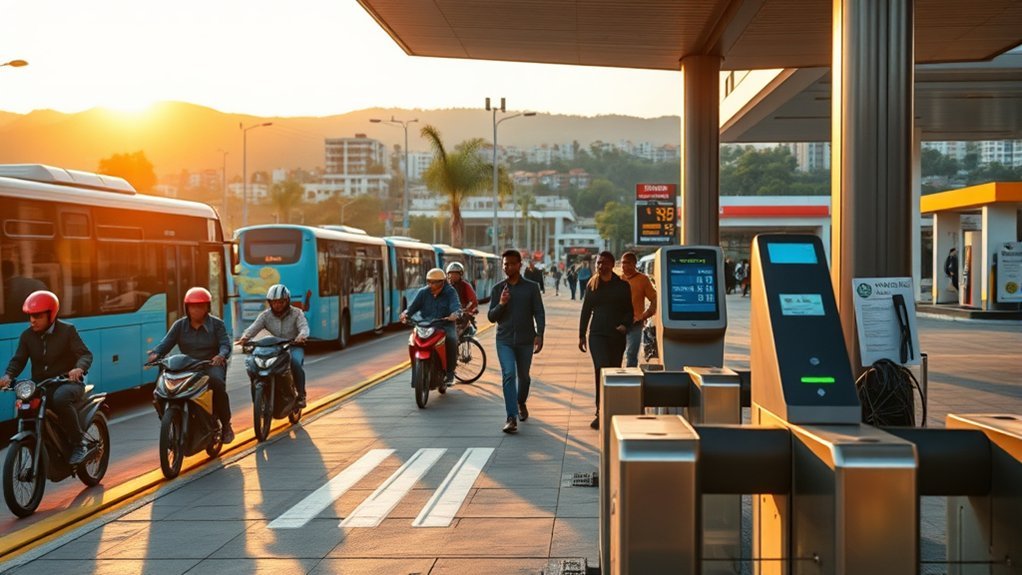
Transportation can stay low if you rely on buses and shared options. Your costs rise when you use taxis often, commute long distances, or own a car. Fuel, maintenance, insurance, and repairs make private vehicles a major budget item.
Public transport works best when your route is direct and predictable. Taxis and motos offer more flexibility, but they cost more per trip. Car ownership can make sense for families or rural travel, but it needs a larger monthly buffer.

Grumpy Monkey is a charming children's book that helps young readers understand and talk about feelings in a fun, reassuring way. With Suzanne Lang's engaging storytelling and Max Lang's expressive illustrations, it supports conversations about emotions, social skills, and handling tricky days. This hardcover edition is a great addition to home libraries, classrooms, and read-aloud time.

This hardcover book celebrates the art of gathering with inspiring table settings, thoughtful traditions, and practical ideas for hosting memorable meals. Written by Shea McGee, it offers beautiful design inspiration alongside approachable guidance for creating warm, welcoming spaces for family and friends. It's a charming resource for anyone who loves entertaining, home styling, and making everyday moments feel special.

Kinder Joy combines a sweet treat and a surprise toy in every egg for a fun, interactive snack experience kids enjoy. The treat side features layers of milky cream with crispy wafer bites and cocoa cream, while the toy side includes themed surprises that inspire imaginative play. Great for gifting, celebrations, and on-the-go moments, it also connects to the Applaydu app for even more discovery and play.
Public Transport Costs
Public transport helps you control commuting costs in Rwanda. A low-cost bus or shared option can suit daily travel if your route lines up with work, school, or errands. Monthly travel costs depend on distance and trip frequency.
You’ll save most when you compare per-trip spending with a monthly routine. Occasional riders may spend less with single fares. Daily commuters should calculate total rides before choosing the cheapest option.
- Use public transport when your route is simple.
- Track weekly ride costs before setting your monthly budget.
- Choose housing near regular routes when possible.
- Keep taxi money for late nights, rain, or urgent trips.
- Review your transport costs after your first month.
Taxi and Moto Fares
Taxis and motos give you more flexibility in cities. Motos often cost less for short rides, while taxis provide more comfort for longer trips or bad weather. Prices can vary by distance, time, traffic, and negotiation.
If you commute often, taxis can drain your budget quickly. Compare your likely taxi spending with rent in a better location. Sometimes a higher rent near work can cost less than daily rides.
Keep small cash ready for short trips. Also, agree on the fare or check the app price before you start. That habit helps you avoid stress and surprise costs.
Fuel and Vehicle Expenses
Fuel and vehicle costs make car ownership much more expensive than public transport. You’ll need to budget for fuel, maintenance, insurance, parking, repairs, and depreciation. A used car may lower the purchase price but can raise repair risk.
Before buying a vehicle, compare the total monthly cost with taxis, buses, and rides from your neighborhood. Include weekend trips, school runs, and emergencies. A car may help your lifestyle, but it rarely fits a tight budget.
Pro tip: Test your normal commute for two weeks before choosing a home or buying a vehicle.
Healthcare, Insurance and Medical Costs

Rwanda’s routine healthcare can cost less than care in many Western countries. Still, your costs depend on clinic type, location, medicine, tests, insurance, and whether you need specialist care. Private clinics may charge more than public or community-based options.
You should budget for insurance and out-of-pocket payments. Many clinics may prefer cash or require payment before some services. Keep emergency cash even when you have a policy.
Travelers and new arrivals should also plan for vaccines, prescriptions, and travel insurance. Vaccine fees can vary by provider. Emergency evacuation coverage may matter if you want access to care outside Rwanda for serious cases.
Warning: Don’t rely on low routine visit costs alone, because emergencies and specialist care can change your budget fast.
Entertainment, Fitness and Leisure Spending

Leisure spending can stay low if you choose simple social plans. Walks, local cafés, community events, and public sports options can fit a modest budget. Boutique gyms, concerts, nightlife, and weekend trips can raise costs quickly.
Gym memberships vary by location and amenities. A basic gym may suit your needs, while premium studios charge more for classes, trainers, and better equipment. Compare your real usage before you pay for a long membership.
Track leisure as a separate category so it doesn’t blend into food or transport. This makes overspending easier to spot. A fixed entertainment buffer can help you enjoy life without damaging your rent or grocery money.
Tips for Saving Money and Managing Expenses

You can lower your Rwanda cost of living by controlling the big categories first. Housing, food, and transport usually matter more than small daily treats. Start with those three before you cut comfort items.
Shared housing, city-edge rentals, and simple apartments can reduce rent. Local markets can lower food costs if you cook at home. Public transport can keep commuting cheaper than taxis or car ownership.
Use these steps to manage your monthly budget:
- Set rent limits before you view apartments.
- Shop local markets for staples and fresh produce.
- Track transport costs for your first month.
- Keep a separate cash buffer for healthcare.
- Limit restaurant meals to planned occasions.
- Review your budget every month and adjust quickly.
Don’t forget one-time setup costs. Deposits, furniture, kitchen items, SIM cards, and transport during your first weeks can raise your first-month spend. Add a moving buffer so your normal budget doesn’t start under pressure.
Frequently Asked Questions
Can a Foreigner Live in Rwanda?
Yes, a foreigner can live in Rwanda if they meet the right visa and residence rules. Your cost will depend on your city, housing choice, insurance, and lifestyle. Kigali often costs more than smaller towns.
Is Rwanda a Good Place to Live?
Rwanda can be a good place to live if you value safety, clean urban areas, and a lower cost than many Western cities. You should still compare healthcare access, school options, job income, and housing quality before moving. Rural and city experiences can differ a lot.
What Is the Average Salary in Rwanda in USD?
Average salary figures vary by source, job type, and exchange rate. Many local salaries sit far below common expat budgets, so you should not use expat spending as a local wage benchmark. Compare your expected income with rent, food, transport, and health costs before making plans.
What Is a Living Wage in Rwanda?
A living wage in Rwanda depends on household size, city, rent, and family needs. A single person may need several hundred dollars per month for modest comfort, while families need much more. School fees, healthcare, and rent can change the number quickly.
How Much Rent Should You Budget in Kigali?
You should budget more for Kigali than for smaller towns, especially if you want a central or furnished apartment. A shared room or city-edge rental can lower costs. A central private apartment can raise your total monthly budget by a large amount.
Financial Disclaimer: This article is for informational purposes only and does not constitute professional financial advice. Always consult a qualified financial advisor before making major relocation, insurance, or budgeting decisions based on this information.
Conclusion
Rwanda can offer a lower cost of living than many Western cities, but your real budget depends on rent, food, transport, and healthcare choices. Start with a modest estimate, then add a safety buffer for setup costs, medical needs, and exchange-rate changes. Track your first month closely so you can adjust before small leaks become large problems. With the right plan, you can build a realistic Rwanda budget that fits your income and lifestyle.

This CUCKOO Micom rice cooker makes everyday meals easier with fuzzy logic cooking that helps deliver consistently fluffy rice and grains. With multiple menu options, a delay timer, keep warm setting, and versatile steaming and multi-cook functions, it is well suited for preparing rice, porridge, soups, and stews for small to medium households. The non-stick inner pot and customizable My Mode settings add convenience and flexibility for a variety of tastes and textures.

The COOK'S CHOICE XL Better Breader Bowl makes coating chicken, fish, vegetables, and more fast, tidy, and consistent. Its extra-long tray helps prevent overcrowding, while the integrated sifter promotes even coverage with less waste. Designed for easy cleanup and convenient storage, it is a practical choice for home cooking, air frying, frying, and outdoor meal prep.

Blokus is a fast, easy-to-learn strategy board game that delivers engaging fun for kids and adults alike. Players place their pieces using one simple rule while trying to claim territory, block opponents, and fit as many pieces on the board as possible. Color-blind accessible patterns and family-friendly gameplay make it a great choice for game nights and parties.