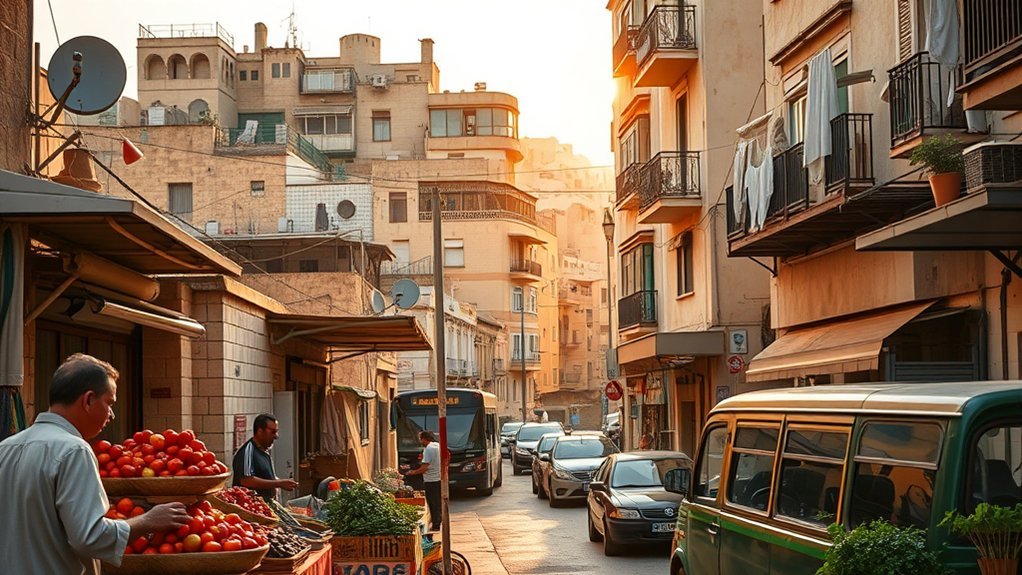
The cost of living in Jordan in 2026 is about 530–680 JOD (~$750–$960) a month for a single person living simply in Irbid or the outer parts of Amman, and about 1,000–1,145 JOD (~$1,410–$1,615) for a comfortable single life in central Amman. A couple in Amman should plan on roughly 1,215–1,455 JOD (~$1,715–$2,050), and a family of four about 1,565–2,090 JOD (~$2,205–$2,950) before school fees. All dollar figures use the Central Bank of Jordan rate of about 0.709 JOD per US dollar (October 1, 2026). The dinar is pegged to the dollar, so these conversions stay stable. Rent is the biggest swing factor: a one-bedroom outside the center averages about 174 JOD (~$245) in Amman and 116 JOD (~$164) in Irbid, while central Amman averages about 328 JOD (~$463). Below you will find city rents, utilities, food prices, fuel, healthcare, schools, taxes, visa costs, and sample budgets.
Quick Answer
- Single person: 530–680 JOD (~$750–$960) on a lean budget; 1,000–1,145 JOD (~$1,410–$1,615) for a comfortable one in central Amman.
- Couple: 1,215–1,455 JOD (~$1,715–$2,050) a month in Amman.
- Family of four: 1,565–2,090 JOD (~$2,205–$2,950) before private school fees.
- Rent, one-bedroom in Amman: about 174 JOD ($245) outside the center and 328 JOD ($463) in the center.
- Utilities: about 68–91 JOD ($96–$128) a month for an 85 m² apartment; home internet adds about 22 JOD ($31).
- Fuel: 1.050 JOD a liter for 90-octane gasoline and 1.360 JOD for 95-octane.
- Minimum wage: 290 JOD ($409) a month; the average net salary is about 547 JOD ($772).

Come Eat offers 100 approachable recipes designed to make everyday cooking more enjoyable, nourishing, and sustainable. With a focus on flavorful meals and practical preparation, this hardcover cookbook is ideal for home cooks looking for inspiration for salads, sides, and main dishes. Author Melissa Ben-Ishay shares recipes that encourage consistent, feel-good eating without sacrificing taste.

This hardcover cookbook offers fast, approachable recipes designed for busy days and low-energy nights. Caroline Chambers focuses on simple, flavorful meals that help you get dinner on the table without overthinking it. It's a practical pick for home cooks who want quick weeknight inspiration and minimal-fuss cooking.

Velveeta Shells and Cheese Original Cup delivers a creamy, comforting mac and cheese experience in convenient single-serve cups. Made with real cheese and shelf-stable for easy storage, it’s a quick microwave meal or side that works for busy nights, kids’ meals, and snack cravings. Each cup includes shell pasta and cheese sauce for rich flavor with minimal prep.
Exchange Rate, Inflation, and Wages in 2026
Three numbers shape what Jordan costs you this year.
The exchange rate. The Jordanian dinar (JOD) is pegged to the US dollar. The Central Bank of Jordan exchange-rate table listed the dollar at 708 fils (buy) and 710 fils (sell) on October 1, 2026, so one dollar buys about 0.709 JOD and one dinar is worth about $1.41. The euro traded at roughly 0.80 JOD. Because of the peg, a dollar budget does not drift with currency swings the way it does in Egypt or Turkey. Banks and exchange offices add their own spread, and some foreign cards charge ATM and conversion fees.
Inflation. Annual inflation was 2.66% in August 2026, down from 2.70% in July, according to Department of Statistics data reported by Trading Economics. Transport was the biggest driver after fuel price increases earlier in the year, while food inflation eased.
Wages. Jordan’s minimum wage is 290 JOD ($409) a month, unchanged from 2025 according to Trading Economics. The crowd-sourced average monthly net salary is about 547 JOD ($772) nationally and in Amman, and about 393 JOD ($554) in Irbid. Unemployment was 21.0% in the second quarter of 2026, one of the highest rates in the region.
An average local salary of about 547 JOD barely covers a single person’s non-rent costs in Amman. Many Jordanian households rely on two incomes, family housing, or remittances. Foreigners earning in dollars, euros, or Gulf currencies have far more room.
Cost of Living by City
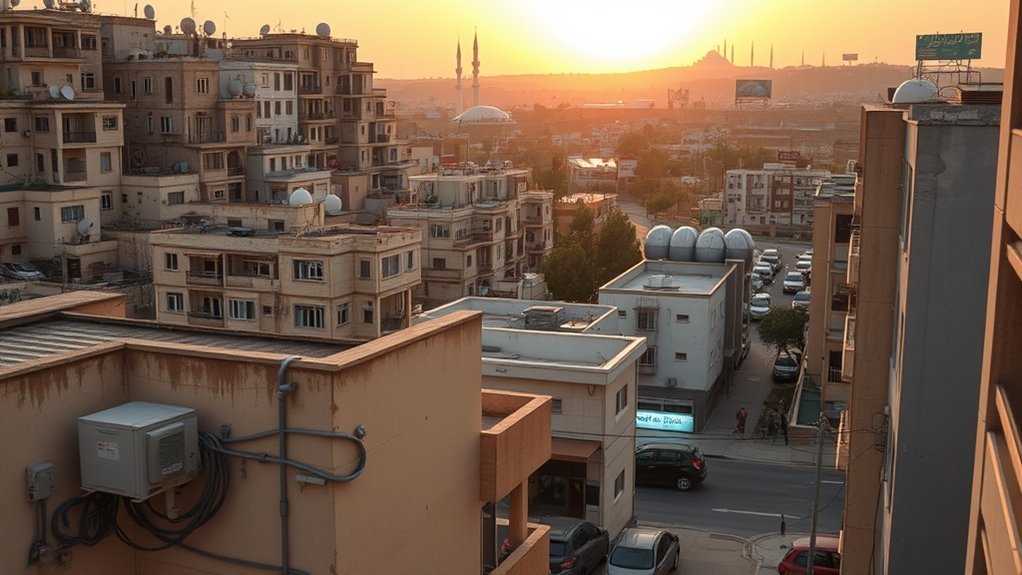
Amman is the most expensive city in Jordan for housing, and it is where most foreigners live. The table uses crowd-sourced averages from Numbeo (updated October 2, 2026). Amman has a large number of price reports. Irbid, the second-largest urban area and home to Yarmouk University, has only 22 recent contributors, so treat its figures as a rough guide. There is not enough recent data to give reliable averages for Zarqa or Aqaba.
| City | 1-Bed, City Center | 1-Bed, Outside Center | 3-Bed, Outside Center | Basic Utilities (85 m²) | Avg. Net Salary |
|---|---|---|---|---|---|
| Amman | 328 JOD ($463) | 174 JOD ($245) | 298 JOD ($420) | 91 JOD ($128) | 547 JOD ($772) |
| Irbid | 155 JOD ($219) | 116 JOD ($164) | 214 JOD ($302) | 68 JOD ($96) | 393 JOD ($554) |
| Jordan average | 204 JOD ($288) | 140 JOD ($197) | 250 JOD ($353) | 68 JOD ($96) | 547 JOD ($772) |
A few patterns stand out:
- Amman is about twice as expensive as Irbid for a central one-bedroom. A central three-bedroom in Amman averages about 542 JOD ($764). West Amman districts such as Abdoun, Sweifieh, Dabouq, and Khalda cost the most, while East Amman is far cheaper but has fewer services aimed at foreigners.
- Irbid has the lowest rents of the main cities and a large student population, which keeps small furnished units in steady supply near the universities.
- Aqaba, the Red Sea port and resort town, is a special economic zone with its own rules. Rents and prices there are hard to pin down from public data, so get local quotes before you commit.
- Zarqa, east of Amman, is a large working city with lower rents, but most foreigners who work in Amman find the commute and services a poor trade-off.
Housing: Rent and Renting as a Foreigner
Housing is the largest monthly cost for almost everyone. National averages run lower than Amman because they include smaller cities. Expect a central three-bedroom to average about 366 JOD ($516) nationwide and about 542 JOD ($764) in Amman.
What to Check Before You Sign
- Heating. Amman winters are cold and many buildings have central diesel heating or rely on gas and electric heaters. Ask for last winter’s heating bills.
- Water. Jordan is one of the most water-scarce countries in the world. Many buildings get piped water on set days and store it in rooftop tanks. Check tank size and whether you may need to buy extra water by truck in summer.
- Service charges. Some buildings charge a monthly fee for cleaning, the elevator, and the guard (haris). Ask whether it is included in the rent.
- Furnished or not. Unfurnished units in Jordan may come without kitchen appliances, curtains, or light fixtures. Furnished apartments cost more but save setup money.
- Payment terms. Landlords often ask for rent in advance, sometimes for three, six, or twelve months. Negotiate quarterly payments if you can, and get a written lease and receipts.
Buying Property
Apartment prices average about 1,146 JOD ($1,616) per square meter in central Amman and about 723 JOD ($1,020) outside the center, based on crowd-sourced data. A property transfer tax of 6% applies on sales, according to PwC. The average 20-year mortgage rate is about 7.7%. Rules for foreign buyers differ from those for citizens, so take advice from a local lawyer before you pay a deposit.
Utilities, Internet, and Phone
Basic utilities (electricity, heating, cooling, water, and garbage) for an 85 m² apartment average about 68 JOD ($96) a month nationally and about 91 JOD ($128) in Amman. Bills peak in winter in Amman and in summer in Aqaba and the Jordan Valley, where air conditioning runs for months.
Electricity is the bill that varies most. Heavy use of electric heaters in winter or air conditioning in summer can push it well above the averages, so ask the landlord for a few recent bills from both seasons before you sign.
Bottled cooking and heating gas is cheap and price-controlled. A 12.5 kg cylinder costs 7 JOD ($9.87), according to the Jordan Petroleum Refinery price list. Kerosene for heaters costs 0.550 JOD a liter.
Other monthly connections:
- Home internet (60+ Mbps): about 22 JOD ($31) on average; fiber is common in Amman.
- Mobile plan with 10 GB+ of data: about 11 JOD ($16). Zain, Orange, and Umniah all sell prepaid SIM cards; bring your passport.
- Building fees: often a few dinars to a few dozen dinars a month, depending on the building.
Food: Groceries and Dining Out
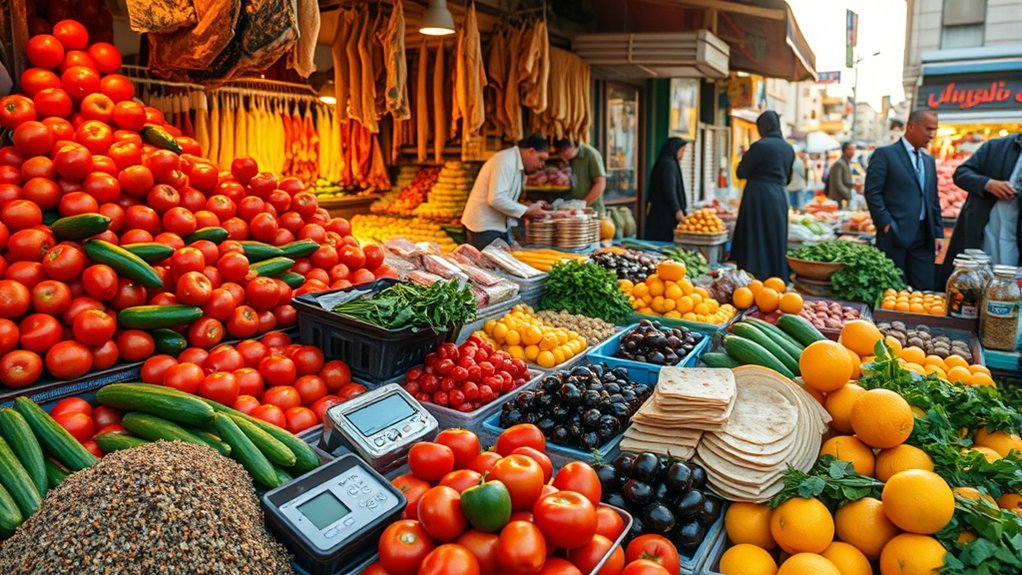
Local bread, vegetables, legumes, rice, and seasonal fruit are cheap. Meat, dairy, imported brands, and alcohol raise the bill. A single person who cooks most meals should budget about 160–230 JOD (~$225–$325) a month for groceries.
Average national prices in October 2026:
| Item | Typical Cost (JOD) | Approx. USD |
|---|---|---|
| Milk (1 liter) | 1.02 | $1.44 |
| Bread (1 lb loaf) | 0.36 | $0.51 |
| Rice (1 lb) | 0.51 | $0.72 |
| Eggs (12) | 1.45 | $2.05 |
| Chicken fillets (1 lb) | 1.76 | $2.48 |
| Beef (1 lb) | 3.84 | $5.42 |
| Local cheese (1 lb) | 2.37 | $3.34 |
| Mid-range bottle of wine | 13.00 | $18.34 |
Fresh Arabic bread costs very little. Produce is cheapest at the large vegetable markets, such as the central market in Amman, and at neighborhood stores. Imported cheese, cereal, and snacks can cost as much as in Europe.
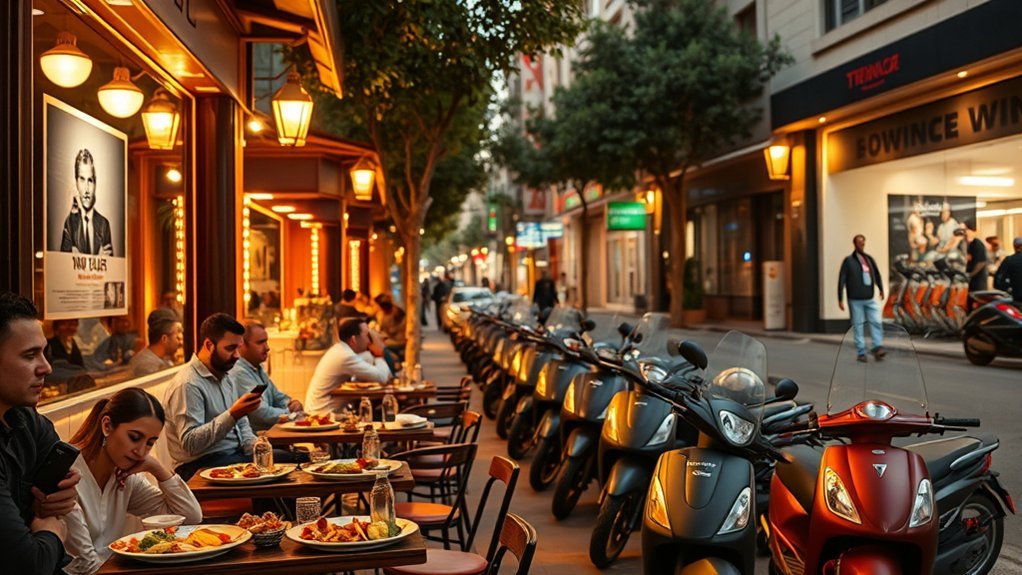
Eating out is affordable if you stick to local food. A falafel sandwich or a plate of hummus and bread costs very little at a local shop, and a full shawarma meal is cheap by Western standards. Other common prices:
- Meal at an inexpensive restaurant: about 4 JOD ($5.64) nationally, 5 JOD ($7.05) in Amman
- Three-course dinner for two at a mid-range restaurant: about 37 JOD ($52)
- Fast-food combo meal: about 5 JOD ($7.05)
- Cappuccino: about 2.54 JOD ($3.58) nationally, 3.19 JOD ($4.50) in Amman
- Domestic beer (pint, at a bar): about 6 JOD ($8.46); alcohol is expensive and only sold at licensed venues and shops
Hotel restaurants and Western chains in West Amman can cost three or four times what a local restaurant charges for a similar meal.
Transportation and Fuel
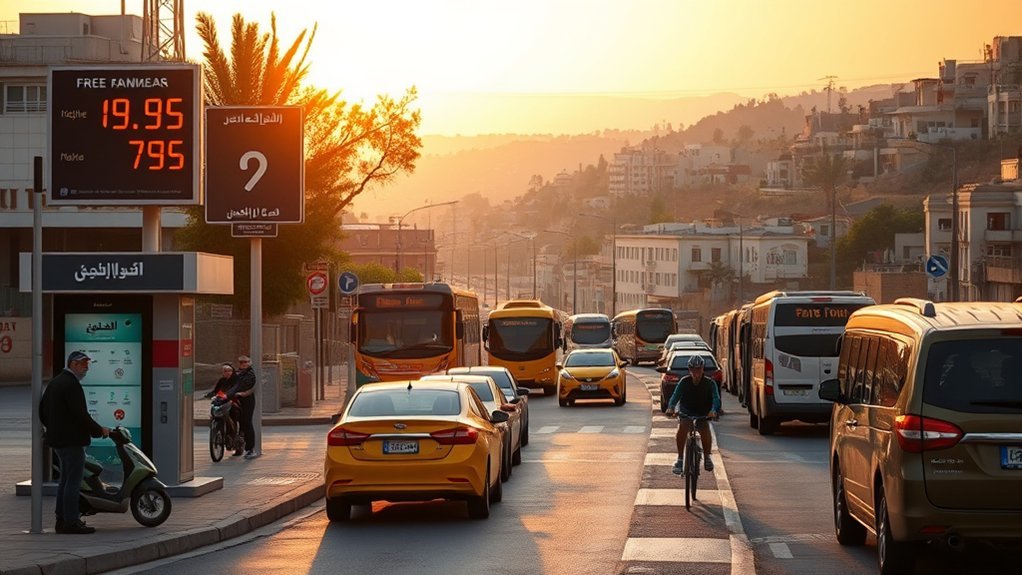
Amman is a spread-out, hilly city, and most residents drive or use taxis. Public transport has improved with the Amman Bus network and the Bus Rapid Transit (BRT) lines, and a one-way ticket costs about 0.55 JOD ($0.78). A monthly pass averages about 30 JOD ($42).
Yellow taxis start at about 0.43 JOD in Amman and cost roughly 1 JOD per kilometer in crowd-sourced data. Insist on the meter, or use a licensed ride-hailing app such as Careem or Uber. Shared service taxis (servees) run fixed routes for a small flat fare.
Fuel prices are set monthly by the government. The Ministry of Energy and Mineral Resources kept prices flat for July 2026, and they have risen since. Prices on the Jordan Petroleum Refinery site in early October 2026:
| Fuel | Price per Liter (JOD) | Approx. USD per Liter | Approx. USD per Gallon |
|---|---|---|---|
| 90-octane gasoline | 1.050 | $1.48 | $5.61 |
| 95-octane gasoline | 1.360 | $1.92 | $7.26 |
| 98-octane gasoline | 1.510 | $2.13 | $8.06 |
| Diesel | 0.900 | $1.27 | $4.80 |
| Kerosene | 0.550 | $0.78 | $2.94 |
Cars are expensive because of high import duties and special taxes. A new compact car costs about 20,000 JOD ($28,209). Add insurance, registration, parking, and maintenance. Many families still own one car because buses do not reach every neighborhood.
A driver who uses about 100 liters of 90-octane a month spends about 105 JOD (~$148) on fuel alone.
Healthcare and Insurance Costs

Jordan has a mix of Ministry of Health hospitals, Royal Medical Services (military) hospitals, university hospitals, and a large private sector. Amman is a regional medical hub, and its private hospitals treat patients from across the Middle East.
Public care is not automatically free for everyone. The Ministry of Health civil insurance program covers government employees and their families, people over 60, pregnant women, and the poor, and it lets some other people enroll by paying age-based fees. Most foreign residents rely on private insurance through an employer or a policy they buy themselves.
What to expect:
- Private clinics and hospitals: fast access and English-speaking doctors, but you or your insurer pay the full fee. Confirm the consultation price before you book.
- Employer plans: many expat contracts include health insurance. Check the outpatient limit, maternity cover, and which hospitals bill the insurer directly.
- Medicines: pharmacies are everywhere, and brand-name imports cost more than local generics.
- Planning allowance: the budgets below set aside 25–60 JOD a month per adult for insurance and out-of-pocket costs. Older adults and people with existing conditions should get real quotes, which can be much higher.
Schools and Childcare

Public basic education is free and compulsory, according to UNICEF Jordan. Classes are in Arabic and many schools are crowded, so most expat families and many middle-class Jordanians choose private schools.
- International primary school: about 6,890 JOD ($9,718) a year per child on average in Amman, based on crowd-sourced data.
- Top international schools: a published fee listing for American Community School Amman showed annual tuition of about 6,754 JOD for age 4 and about 18,695 JOD for ages 14–17 in 2023/24, plus a one-time capital fund fee of about 8,504 JOD. Ask each school for its current fee schedule.
- Private preschool or kindergarten: about 343 JOD ($484) a month in Amman and about 215 JOD ($303) nationally, full day.
- Extras: registration fees, buses, uniforms, books, and exam fees often add 10–20% to tuition.
For a family with two children in a mid-priced international school, tuition alone adds about 1,148 JOD ($1,619) a month.
Taxes: Sales Tax and Income Tax
- General sales tax: 16% on most goods and services, included in shelf prices. Bread, water, and electricity are among the exempt items, and special taxes apply to fuel, tobacco, alcohol, and cars.
- Income tax: resident rates are progressive. Taxable income is taxed at 5% on the first 5,000 JOD, 10% on the next 5,000, 15% on the next 5,000, 20% on the next 5,000, 25% from 20,001 JOD to 1 million, and 30% above that, according to PwC’s Jordan personal income tax summary. A 1% national contribution applies to income above 200,000 JOD.
- Exemptions: each taxpayer gets a 9,000 JOD exemption, plus 9,000 JOD for dependents and up to 1,000 JOD each for some medical, education, and housing costs. Family exemptions are capped at 23,000 JOD a year, so many local salaries pay little or no income tax.
- Social security: employees pay 7.5% of salary and employers pay 14.25%.
- Tax residency: you are a resident if you live in Jordan for 183 days or more in a year. Jordan taxes income earned in or from Jordan.
If you will work in Jordan or stay past 183 days, talk to a local accountant early. Your home country’s tax rules still apply too.

This daily devotional helps parents pray purposefully for their children through a full year of Scripture readings, reflections, and guided prayer prompts. Written to encourage faithful family discipleship, it offers practical, biblically grounded support for parents who want to shape their prayers around God's Word. A foreword by Sinclair B. Ferguson adds trusted theological insight and encouragement.

Die With Zero offers a fresh perspective on personal finance by encouraging readers to use money intentionally to create memorable life experiences instead of simply accumulating wealth. Written by Bill Perkins, this book combines practical guidance with a motivating philosophy to help readers align spending, saving, and life goals for a more fulfilling future.

This CUCKOO Micom rice cooker makes everyday meals easier with fuzzy logic cooking that helps deliver consistently fluffy rice and grains. With multiple menu options, a delay timer, keep warm setting, and versatile steaming and multi-cook functions, it is well suited for preparing rice, porridge, soups, and stews for small to medium households. The non-stick inner pot and customizable My Mode settings add convenience and flexibility for a variety of tastes and textures.
Visas, Residence, and Safety
Most Western visitors get a 30-day visa on arrival at Queen Alia International Airport and most land borders for 40 JOD ($56). The Jordan Pass costs 70–80 JOD and waives the visa fee if you buy it before arrival and stay at least two nights. It also covers entry to Petra and more than 40 sites. Visitors who stay longer than two weeks must register with the local police.
A tourist visa does not allow you to work or live in Jordan long term. Work, study, and family residence permits go through the Ministry of Interior e-services portal, and work permits usually need an employer sponsor. Fees depend on nationality and permit type, so confirm them before you apply.
Security can change fast. The US State Department advisory for Jordan was Level 3, “Reconsider Travel,” as of August 29, 2026, because of terrorism and armed conflict in the region, with “Do Not Travel” areas along the Syrian and Iraqi borders, the refugee camps, Rusayfah, and parts of Ayn Basha. The UK government’s Jordan travel advice (updated September 10, 2026) warns against all travel within 3 km of the Syrian border and notes regional strikes and interceptions, including near Aqaba.
Day to day, Amman is calm and most residents go about normal lives. Still, keep an emergency fund for flight changes, and check that your insurance stays valid under your government’s travel advice.
One-Time Setup Costs
Budget for these before your first month:
- Visa on arrival: 40 JOD ($56), or a Jordan Pass at 70–80 JOD if you plan to visit Petra.
- Advance rent and deposit: landlords often ask for several months up front plus a deposit. In central Amman, three months of rent and a one-month deposit on a 328 JOD apartment is about 1,310 JOD (~$1,850).
- Agent fee: some agents charge a fee, often tied to a share of the annual rent. Agree on it in writing first.
- Furnishing an unfurnished apartment: appliances, curtains, and light fixtures may be missing. This can run to several hundred or a few thousand dinars.
- Heating supplies: gas heaters and cylinders if the apartment has no central heating.
- Health coverage gap: travel or international insurance until an employer plan starts.
Sample Monthly Budgets
These budgets combine the averages above. The lean single budget assumes Irbid or a one-bedroom outside central Amman. The others assume Amman. Health figures are planning allowances, not quoted premiums.
| Expense (JOD) | Single, Lean | Single, Comfortable | Couple | Family of Four |
|---|---|---|---|---|
| Rent | 116–174 | 328 | 298–328 | 298–542 |
| Utilities | 68–91 | 91 | 91–110 | 110–140 |
| Internet + mobile | 33–34 | 34 | 45 | 56 |
| Groceries | 160–180 | 200–230 | 320–360 | 450–520 |
| Eating out + leisure | 60–80 | 150–200 | 200–250 | 200–250 |
| Transport | 30 | 60–80 | 80–120 | 150–200 |
| Health allowance | 25–40 | 40–60 | 80–120 | 150–200 |
| Gym | — | 30 | — | — |
| Clothing + personal | 40–50 | 70–90 | 100–120 | 150–180 |
| Total (JOD) | 530–680 | 1,000–1,145 | 1,215–1,455 | 1,565–2,090 |
| Total (USD) | $750–$960 | $1,410–$1,615 | $1,715–$2,050 | $2,205–$2,950 |
Family of four: add school fees on top. Two children in an average international primary school add about 1,148 JOD ($1,619) a month, which pushes the family total to roughly 2,710–3,240 JOD (~$3,825–$4,570).
Cross-check: Numbeo’s crowd-sourced basket puts a single person’s non-rent costs at about 565 JOD ($797) in Amman and 482 JOD ($680) nationally, and a family of four at about 2,030 JOD ($2,863) in Amman before rent. Those baskets assume more restaurant meals, clothing, and imported goods than a typical local household buys, so they line up with the comfortable end of the ranges above.
Salary vs. Cost of Living
With an average net salary of about 547 JOD ($772), a local single earner in Amman can cover a lean budget only by renting outside the center or sharing. The minimum wage of 290 JOD ($409) does not cover rent and basics on its own. This is why many young Jordanians live with family until marriage.
Foreign hires on expat packages are in a very different position. Packages often include housing, school fees, and health insurance, which are the three largest costs. If you are negotiating an offer, these allowances are often worth more than a small salary increase.
Money-Saving Tips
- Live outside West Amman’s priciest districts. Areas a little further from Abdoun and Sweifieh often cost much less for the same space.
- Check the heating and water before signing. A cheap flat with poor insulation can cost more over a winter than a better one.
- Eat local. Falafel, hummus, shawarma, and market produce keep food costs low.
- Use service taxis, buses, and the BRT for regular routes, and ride-hailing apps instead of unmetered taxis.
- Buy produce at markets and limit imported brands.
- Negotiate rent terms. Paying quarterly instead of a year up front protects your cash, and some landlords give a discount for longer leases.
- Ask for allowances. Housing, school, and health benefits beat a small raise.
How Jordan Compares With Nearby Countries
Jordan is cheaper than Israel, Lebanon, and Saudi Arabia, but more expensive than Egypt. The table uses Numbeo’s national crowd-sourced averages from September and October 2026, converted to US dollars.
| Country | Single Person, Excl. Rent | 1-Bed, City Center |
|---|---|---|
| Jordan | $680 | $288 |
| Egypt | $327 | $149 |
| Saudi Arabia | $770 | $611 |
| Lebanon | $887 | $781 |
| Israel | $1,380 | $1,555 |
For the full picture, see our guides to the cost of living in Egypt, where rent costs about half as much, and the cost of living in Saudi Arabia, where many Jordanians go for higher tax-free salaries. If you are weighing the Levant, compare living costs in Lebanon and our Israel cost of living guide. To the east, our guide to expenses in Iraq covers Baghdad and Erbil.
Frequently Asked Questions
How much money do you need to live in Jordan per month?
A single person needs about 530–680 JOD (~$750–$960) a month for a simple life in Irbid or outer Amman, and about 1,000–1,145 JOD (~$1,410–$1,615) for a comfortable one in central Amman. A couple in Amman should budget about 1,215–1,455 JOD (~$1,715–$2,050).
Is $1,000 a month enough to live in Jordan?
Yes, for a single person on a simple budget. At about 0.709 JOD per dollar, $1,000 is roughly 709 JOD. That covers a one-bedroom outside central Amman or in Irbid, utilities, groceries, and local transport. It is not enough for a central Amman apartment with frequent dining out, a car, or private school fees.
How much is rent in Amman in 2026?
A one-bedroom averages about 328 JOD (~$463) in central Amman and about 174 JOD (~$245) outside the center. A three-bedroom averages about 542 JOD (~$764) in the center and about 298 JOD (~$420) outside it, based on crowd-sourced data from October 2026.
Which city in Jordan is cheapest to live in?
Among cities with reliable data, Irbid is cheapest. A one-bedroom averages about 155 JOD (~$219) in the center and about 116 JOD (~$164) outside it, roughly half of central Amman. Salaries in Irbid are also lower.
What is the minimum wage in Jordan in 2026?
The minimum wage is 290 JOD (~$409) a month, unchanged from 2025. The average net salary is about 547 JOD (~$772) a month.
Is the Jordanian dinar tied to the US dollar?
Yes. The dinar is pegged to the US dollar. The Central Bank of Jordan listed the dollar at 708–710 fils on October 1, 2026, so one dinar is worth about $1.41.
Is Jordan safe to live in right now?
Daily life in Amman is generally calm, but regional conflict has raised risks. The US State Department rates Jordan Level 3, Reconsider Travel, and both the US and UK warn against travel near the Syrian border. Check current advisories and keep an emergency fund for flight disruption.
Conclusion
Jordan is a mid-priced country for the Middle East. Housing in Amman is the big cost, while local food, gas cylinders, and public transport stay cheap. A single person can live simply for about 530–680 JOD (~$750–$960) a month, or comfortably in central Amman for about 1,000–1,145 JOD (~$1,410–$1,615). The dollar peg makes budgeting easy for dollar earners, but local salaries are low, unemployment is high, and regional security needs watching. Pick your neighborhood first, check heating and water before you sign, and build school and health costs into the plan from the start.
Sources
- Central Bank of Jordan – foreign exchange rates, October 1, 2026
- Trading Economics – Jordan inflation (Department of Statistics), August 2026
- Trading Economics – Jordan minimum wage
- Trading Economics – Jordan unemployment, Q2 2026
- Numbeo – Jordan, Amman, Irbid, Egypt, Saudi Arabia, Lebanon, Israel (crowd-sourced averages, September–October 2026)
- Jordan Petroleum Refinery – retail fuel and gas prices
- Ministry of Energy and Mineral Resources – July 2026 fuel prices
- Ministry of Health – civil health insurance
- UNICEF Jordan – basic education
- International Schools Database – American Community School Amman fees
- PwC – Jordan personal income tax
- PwC – Jordan individual deductions
- PwC – Jordan other taxes (sales tax, social security, property transfer)
- PwC – Jordan tax residence
- Jordan Pass – prices and visa waiver
- Ministry of Interior – visa and residence e-services
- US State Department – Jordan travel advisory
- UK FCDO – Jordan travel advice
- World Bank – Jordan data

These MathLink Cubes make early math hands-on and engaging for children ages 5 and up, helping turn counting, addition, subtraction, patterns, and comparison into interactive learning. The colorful linking cubes connect on all sides and feature geometric cutouts for shape recognition and more advanced patterning, while also building fine motor skills, spatial reasoning, and problem-solving through play.

This compact electric kettle quickly boils up to 1 liter of water with 1500 watts, making it ideal for tea, French press coffee, and fast hot water needs. The BPA-free glass carafe features easy-to-read markings, a wide opening for simple cleaning, and a built-in mesh filter to help keep mineral scale out of your cup. With auto shutoff, boil-dry protection, and cordless serving, it offers a convenient and stylish way to heat water for smaller kitchens, dorms, and apartments.

Drop Stop provides complete coverage for the gap around your seat belt catch, helping keep keys, phones, and other small items from slipping into hard-to-reach spaces. Designed to move with your seat, it installs easily and stays in place without constant readjustment. This original, patented seat gap filler comes with bonus accessories for added convenience and a cleaner, safer driving experience.