The cost of living in Iraq in 2026 is moderate by regional standards and high compared with local pay. A single person in Baghdad needs roughly IQD 1.07–1.43 million (about $815–$1,090) a month on a lean budget and IQD 1.9–2.35 million (about $1,450–$1,795) for a comfortable life in a central apartment. A family of four should plan on IQD 3.7–4.9 million (about $2,800–$3,750) before international school fees. These figures use the Central Bank of Iraq’s official rate of IQD 1,310 per US dollar. Rent and electricity are the two costs that surprise newcomers most: central Baghdad one-bedrooms average about IQD 754,000 (~$575), and many homes pay for a private generator on top of the grid bill. Below you’ll find city-by-city rents, food and transport prices, wages, taxes, visas, sample budgets, and the security context you need before planning a move.
Quick Answer
- Single person, Baghdad: IQD 1.07–1.43 million (~$815–$1,090) lean; IQD 1.9–2.35 million (~$1,450–$1,795) comfortable.
- Couple: about IQD 2.67–3.06 million (~$2,035–$2,335) a month in a central one-bedroom.
- Family of four: about IQD 3.7–4.9 million (~$2,800–$3,750) before international school.
- Rent, one-bedroom: IQD 610,000–754,000 (~$465–$575) in central Baghdad, Erbil, or Basra; IQD 210,000–280,000 (~$160–$215) in Mosul or Sulaymaniyah.
- Utilities: IQD 170,000–280,000 (~$130–$215) a month in Erbil and Baghdad, including generator power for many homes.
- Minimum wage: IQD 350,000 (~$267) a month in federal Iraq; IQD 450,000 (~$344) in the Kurdistan Region.
- Inflation: 3.3% a year (July 2026).
The US State Department rates Iraq Level 4, “Do Not Travel” (August 29, 2026), and the UK advises against all but essential travel to the whole country, including the Kurdistan Region. Read the safety section before planning a move.

This daily devotional helps parents pray purposefully for their children through a full year of Scripture readings, reflections, and guided prayer prompts. Written to encourage faithful family discipleship, it offers practical, biblically grounded support for parents who want to shape their prayers around God's Word. A foreword by Sinclair B. Ferguson adds trusted theological insight and encouragement.

This hardcover edition by Eric Metaxas offers a compelling look at the origins of the United States during the Colonial Period. It blends historical narrative with engaging storytelling, making it appealing for readers interested in American history, early nation-building, and the ideas that shaped the country. A strong choice for history enthusiasts, students, and anyone exploring the foundations of the nation.

The Vornado 630 uses signature Vortex air circulation to move air throughout the room for more effective cooling and improved comfort. With three-speed manual controls and an adjustable tilt head, it lets you direct airflow and fine-tune performance for bedrooms, living rooms, or home offices. Built for whole-room circulation with efficient, high-velocity airflow, it also includes support backed by a multi-year replacement promise.
Exchange Rate, Inflation, and Wages in 2026
The exchange rate. Iraq’s currency is the Iraqi dinar (IQD). The Central Bank of Iraq lists an official rate of IQD 1,310 per US dollar, a level it has held since early 2023. Cash dollars on the street can trade at a somewhat weaker dinar rate than the official one, so the dinars you actually get may vary. This article converts every figure at IQD 1,310. Many rents in Erbil and in expat compounds are quoted directly in US dollars.
Inflation. Prices are fairly stable. Annual inflation was 3.3% in July 2026, up from 3.1% in June, according to Trading Economics data based on Iraq’s statistics office. The World Bank recorded just 0.3% for 2025. Food and housing make up more than half of the consumer price index, so rent and grocery bills drive most changes.
Wages. The federal minimum wage is IQD 350,000 (~$267) a month, unchanged since 2018, and the Kurdistan Region raised its own minimum to IQD 450,000 (~$344) in August 2025, according to WageIndicator. Crowd-sourced average take-home pay is about IQD 768,000 (~$586) in Baghdad and IQD 771,000 (~$589) in Erbil. Unemployment was about 15.5% in 2025, per the World Bank, and youth unemployment is far higher.
A central Baghdad one-bedroom costs about IQD 754,000 a month, almost exactly the average take-home salary. Most local families own their homes, live with relatives, or share costs across several earners.
Cost of Living by City
Rent varies more between cities than any other cost. The table uses crowd-sourced averages from Numbeo, converted at IQD 1,310 per dollar. Baghdad (39 contributors) and Erbil (31 contributors) were updated in October 2026 and are the most reliable. Basra has only four contributors and Mosul’s data dates from April 2026, so treat those as rough guides.
| City | 1-Bed, City Center | 1-Bed, Outside Center | Basic Utilities (85 m²) | Avg. Net Salary |
|---|---|---|---|---|
| Baghdad | IQD 754,000 (~$576) | IQD 479,000 (~$366) | IQD 281,000 (~$215) | IQD 768,000 (~$586) |
| Erbil | IQD 610,000 (~$466) | IQD 381,000 (~$291) | IQD 169,000 (~$129) | IQD 771,000 (~$589) |
| Basra | IQD 617,000 (~$471) | IQD 450,000 (~$344) | IQD 66,000 (~$51)* | IQD 1,000,000 (~$763)* |
| Sulaymaniyah | IQD 280,000 (~$214) | n/a | IQD 131,000 (~$100) | IQD 750,000 (~$573) |
| Mosul | IQD 209,000 (~$160) | IQD 151,000 (~$115) | IQD 115,000 (~$88) | IQD 630,000 (~$481) |
*Based on very few reports. Basra’s summer heat makes real electricity and generator bills far higher than this figure suggests.
A few patterns stand out:
- Baghdad is the most expensive city, especially in districts such as Mansour, Karrada, and Jadriya. Its utility figure is high because many households pay for both grid power and a neighborhood generator.
- Erbil is the main base for foreign workers and NGOs. Rents in new compounds such as Dream City or Empire are often quoted in dollars and run well above the averages above.
- Basra rents are pushed up by oil-industry demand, while local salaries there run higher too.
- Sulaymaniyah and Mosul have the lowest rents, at roughly a third of central Baghdad’s.
Housing: Rent and Buying
Housing is the biggest monthly expense. Crowd-sourced Baghdad averages for October 2026:
| Apartment | City Center | Outside Center |
|---|---|---|
| 1 bedroom | IQD 754,000 (~$576) | IQD 479,000 (~$366) |
| 3 bedrooms | IQD 1,340,000 (~$1,023) | IQD 893,000 (~$682) |
In Erbil, a three-bedroom averages about IQD 960,000 (~$733) in the center and IQD 566,000 (~$432) outside it.
Renting Tips
- Advance rent is common. Many landlords ask for several months up front, and some want six or twelve months. Negotiate this before you agree on the monthly price.
- Ask what’s included. Check whether rent covers generator power, water tanks and pumps, building security, parking, and internet equipment.
- Look at the power setup. A building with a reliable generator connection and enough amperes for air conditioning is worth paying more for.
- Use a written contract and confirm the landlord owns the property. Foreigners usually rent through an agent, who charges a fee.
Buying Property
Crowd-sourced asking prices in central Baghdad work out to about IQD 6.1 million (~$4,670) per square meter, and about IQD 2.0 million (~$1,560) outside the center, though few reports back these figures. Foreign ownership of land is restricted in federal Iraq, and rules differ in the Kurdistan Region. Get independent legal advice before buying anything.
Utilities, Electricity, Internet, and Phone
Electricity is the cost that makes Iraqi budgets unusual. The national grid cannot meet summer demand, when temperatures in Baghdad and Basra pass 45°C, so most neighborhoods rely on private generators for several hours a day. Households pay a monthly generator subscription priced by the ampere, on top of the government electricity bill. In summer, the generator bill is often larger than the grid bill.
Crowd-sourced monthly averages, October 2026:
- Basic utilities for 85 m² (electricity, cooling, water, garbage): about IQD 281,000 (~$215) in Baghdad and IQD 169,000 (~$129) in Erbil.
- Broadband internet: about IQD 55,000 (~$42) in Baghdad and IQD 37,000 (~$28) in Erbil.
- Mobile plan with data: about IQD 18,000–26,000 (~$14–$20).
Water supply can also be patchy in summer, so many homes have roof tanks and pumps. Budget for repairs and for occasional water deliveries.
Food: Groceries and Dining Out
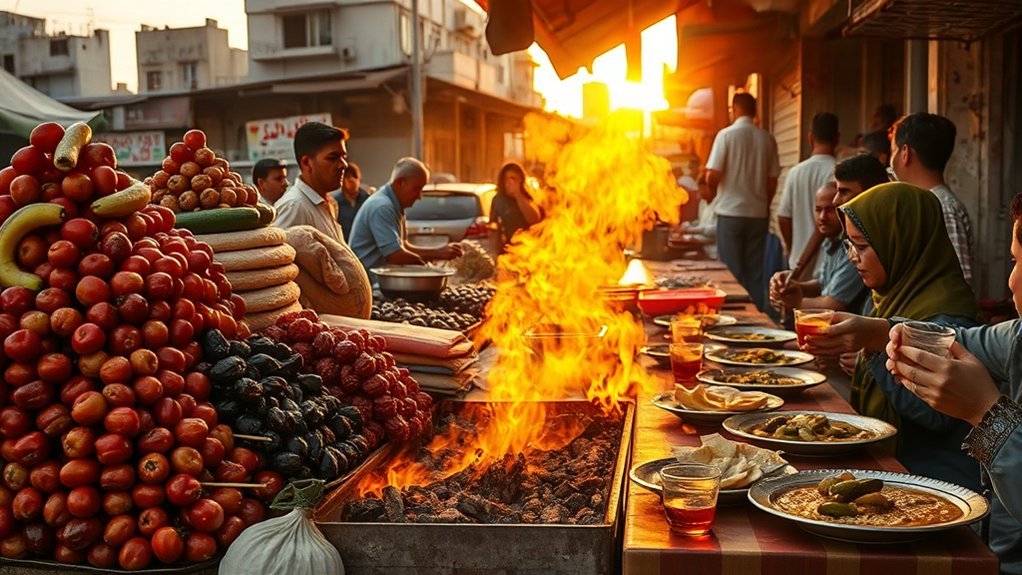
Local food is cheap, especially bread, rice, vegetables, and fruit from neighborhood markets. Imported brands, international supermarkets, and hotel restaurants cost much more.
Crowd-sourced average prices in Baghdad, October 2026:
| Item | Typical Cost (IQD) | Approx. USD |
|---|---|---|
| Milk (1 liter) | 1,391 | $1.06 |
| Bread (1 lb loaf) | 958 | $0.73 |
| Rice (1 lb) | 919 | $0.70 |
| Eggs (12) | 2,485 | $1.90 |
| Chicken fillets (1 lb) | 2,807 | $2.14 |
| Beef (1 lb) | 8,467 | $6.46 |
| Tomatoes (1 lb) | 454 | $0.35 |
A single person who cooks most meals spends about IQD 250,000–350,000 (~$190–$265) a month on groceries. A family of four should plan on IQD 1.0–1.2 million (~$765–$915).
Eating out:
- Meal at an inexpensive restaurant: about IQD 6,300 (~$4.80) in Baghdad and IQD 10,000 (~$7.60) in Erbil
- Three-course dinner for two at a mid-range restaurant: about IQD 45,000 (~$34)
- Fast-food combo meal: about IQD 10,000 (~$7.60)
- Cappuccino: about IQD 4,100 (~$3.10)
Alcohol is sold legally in some places, mainly in the Kurdistan Region and licensed shops, but availability is limited in much of federal Iraq.
Transportation
Iraq has no metro, so most people get around by car, taxi, ride-hailing apps, or shared minibuses. Fuel is cheap because it is subsidized, but traffic and checkpoints add time.
| Item | Typical Cost (IQD) | Approx. USD |
|---|---|---|
| Minibus or local bus ride | 875 | $0.67 |
| Monthly transport pass (Baghdad) | 30,000 | $23 |
| Taxi start fare | 3,000 | $2.30 |
| Taxi, per mile | 3,200 | $2.45 |
| Gasoline (1 liter) | 850 | $0.65 |
| New Toyota Corolla | 25.1 million | $19,180 |
A commuter who uses ride-hailing for most trips can expect to spend about IQD 120,000–200,000 (~$90–$155) a month. Car owners should add insurance, registration, repairs, and parking. Many foreign employers provide drivers or vetted transport for security reasons.
Healthcare and Insurance
Iraq has a large public health system, but hospitals are often crowded and short of staff, equipment, and some medicines. Most people who can afford it use private clinics and hospitals, which expect payment up front.
The US State Department’s Iraq country page notes that emergency and intensive care is limited and likely unavailable outside the largest cities, and that patients usually must pay before treatment. Foreign residents should carry international health insurance that includes medical evacuation. Many travel policies exclude countries under a “do not travel” advisory, so check yours carefully.
For a budget, a single person should set aside at least IQD 50,000–150,000 (~$40–$115) a month for clinic visits, medicine, and insurance, and families more.
Schools and Childcare
Public schools teach in Arabic (or Kurdish in the Kurdistan Region) and are free, but classes are often large. Many families pay for private tutoring.
Crowd-sourced Baghdad averages:
- Private full-day preschool: about IQD 220,000 (~$168) a month.
- International primary school: about IQD 4.5 million (~$3,460) a year per child. The best-known international and British-curriculum schools, mostly in Erbil and Baghdad, charge much more, plus registration, transport, and books.
Ask every school for a written fee schedule that covers the full year.
Taxes
- Income tax: Iraq taxes income from Iraqi sources at progressive rates of 3% to 15%, according to PwC’s Worldwide Tax Summaries (reviewed June 2026). The top 15% rate applies to annual taxable income above IQD 1 million, after personal allowances. Employers withhold tax from pay.
- Who pays: all income earned in Iraq is taxable, whether or not you are a resident.
- Sales taxes: Iraq has no general VAT. Sales taxes apply to selected goods and services, so most everyday shopping is untaxed at the till.

Come Eat offers 100 approachable recipes designed to make everyday cooking more enjoyable, nourishing, and sustainable. With a focus on flavorful meals and practical preparation, this hardcover cookbook is ideal for home cooks looking for inspiration for salads, sides, and main dishes. Author Melissa Ben-Ishay shares recipes that encourage consistent, feel-good eating without sacrificing taste.

This hardcover book celebrates the art of gathering with inspiring table settings, thoughtful traditions, and practical ideas for hosting memorable meals. Written by Shea McGee, it offers beautiful design inspiration alongside approachable guidance for creating warm, welcoming spaces for family and friends. It's a charming resource for anyone who loves entertaining, home styling, and making everyday moments feel special.

This heartfelt memoir blends laugh-out-loud honesty with tender reflections on love, loneliness, and the unexpected healing power of rescue dogs. Isabel Klee shares her journey fostering pups in the city while navigating dating and self-discovery, offering an intimate, relatable story for readers who enjoy emotional, character-driven narratives. It is a warm, engaging read about opening your heart and finding connection in surprising places.
Visas and Residency
Federal Iraq and the Kurdistan Region run separate entry systems.
- Federal Iraq: most foreigners, including US citizens, must apply online through the official Iraqi e-Visa portal before travel. The e-Visa is valid for 30 days, with single- or multiple-entry options.
- Kurdistan Region: visitors can use the Kurdistan Regional Government’s e-Visa or get a visa on arrival at Erbil airport, but these are valid only for the Kurdistan Region.
- Israeli stamps: Iraq refuses entry to anyone with Israeli visas or stamps in their passport.
- Living and working: long stays require a residence permit, usually sponsored by an employer, plus medical tests. Rules and fees change often, so confirm them with your employer or an Iraqi embassy.
Safety and Travel Advisories
This matters more than any price.
- United States: the State Department rates Iraq Level 4, “Do Not Travel” (August 29, 2026), citing terrorism, kidnapping, armed conflict, crime, and its limited ability to help US citizens.
- United Kingdom: the FCDO (updated July 22, 2026) advises against all travel to parts of Nineveh, Kirkuk, Salah al-Din, and other provinces and to areas near the borders with Iran, Saudi Arabia, and Kuwait, and against all but essential travel to the rest of Iraq, including the Kurdistan Region. It notes Iranian strikes and retaliatory attacks across the region since July 8.
- Money: Iraq is largely a cash economy. Cards are not widely accepted, ATMs are often out of order, and amounts over $10,000 must be declared on arrival.
Foreign residents usually live in secure compounds or vetted buildings and use employer-arranged transport. These costs are often covered by employers but can be large if you pay yourself.
One-Time Setup Costs
- Advance rent: often three to twelve months, plus an agent’s fee.
- Generator connection: some buildings charge a one-time fee to connect or upgrade amperes.
- Furnishing: many apartments are unfurnished. Air conditioners, water heaters, and a backup battery or inverter are the key purchases.
- Visa, residence permit, and medical tests: fees vary by nationality and permit type.
- Health insurance with evacuation cover: buy it before you arrive.
- Emergency cash reserve: because cards and ATMs are unreliable, keep enough dollars or dinars for at least a month.
Sample Monthly Budgets
These budgets use the Baghdad averages above. All figures are in thousands of dinars per month. They exclude advance rent, car purchase, and international school fees.
| Expense | Single, Lean | Single, Comfortable | Couple | Family of Four |
|---|---|---|---|---|
| Rent | 380–480 (outside center) | 610–755 (1-bed, center) | 755–1,000 | 893–1,340 (3-bed) |
| Utilities incl. generator | 170–280 | 280–350 | 300–350 | 350–450 |
| Internet + mobile | 60–80 | 80 | 110 | 130 |
| Groceries | 250–300 | 350–400 | 600–700 | 1,000–1,200 |
| Eating out + leisure | 80–100 | 200–250 | 300 | 300–400 |
| Transport | 40–60 | 120–150 | 200 | 250–350 |
| Health | 30–50 | 100–150 | 200 | 250–350 |
| Gym | — | 60 | — | — |
| School extras, childcare | — | — | — | 200–300 |
| Personal care, clothing, other | 60–80 | 100–150 | 200 | 300–400 |
| Total (IQD) | 1.07–1.43M | 1.90–2.35M | 2.67–3.06M | 3.67–4.92M |
| Total (USD) | $815–$1,090 | $1,450–$1,795 | $2,035–$2,335 | $2,800–$3,755 |
International school: two children at an average international primary school add about IQD 755,000 (~$575) a month, and top schools cost much more.
Outside Baghdad: in Sulaymaniyah or Mosul, lower rents and utilities can cut each budget by IQD 300,000–600,000 (~$230–$460) a month.
Compared with local pay: the lean single budget is three to four times the federal minimum wage and well above the average take-home salary, which is why many Iraqis share housing with family.
Money-Saving Tips
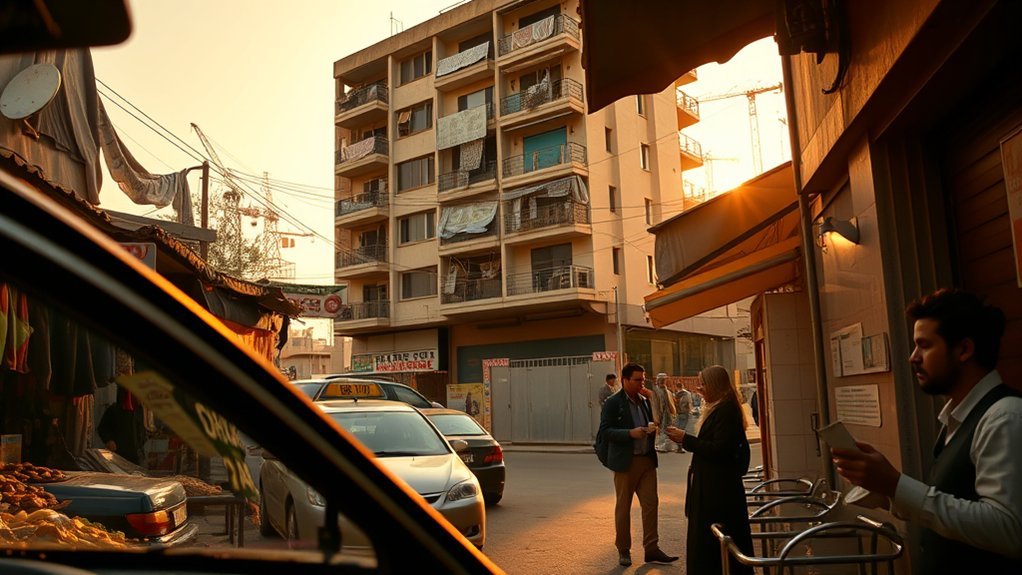
- Negotiate advance rent. Offering more months up front can lower the monthly price.
- Pick a building with good generator power. It saves you from buying and fueling your own.
- Shop at local markets for produce, bread, and meat, and buy imported goods only when needed.
- Use ride-hailing apps instead of street taxis to avoid haggling over fares.
- Look beyond Baghdad. Sulaymaniyah and Mosul rents are about a third of central Baghdad’s.
- Ask employers about allowances. Housing, transport, and security are often part of a foreign worker’s package.
How Iraq Compares With Nearby Countries
Iraq sits between its low-cost and high-cost neighbors. Next door, the cost of living in Iran is far lower in dollar terms, but Iran’s currency has collapsed and inflation is near 90%, while Iraq’s dinar has stayed stable. To the north, the cost of living in Turkey is higher: crowd-sourced averages put a central one-bedroom there at about $1,190 a month, roughly double central Baghdad. To the west, our guide to living costs in Jordan covers another option popular with Iraqi families. In the Gulf, both Kuwait’s cost of living and the cost of living in Saudi Arabia are higher, but they come with much higher salaries and better services.
Frequently Asked Questions
How much does it cost to live in Iraq per month?
A single person in Baghdad needs about IQD 1.07–1.43 million (~$815–$1,090) a month on a lean budget, or about IQD 1.9–2.35 million (~$1,450–$1,795) for a comfortable life in a central apartment. A family of four should plan on about IQD 3.7–4.9 million (~$2,800–$3,750) before international school fees.
How much is rent in Baghdad in 2026?
Crowd-sourced averages from October 2026 put a one-bedroom apartment at about IQD 754,000 (~$576) a month in central Baghdad and about IQD 479,000 (~$366) outside the center. A three-bedroom averages about IQD 1.34 million (~$1,023) in the center.
Which Iraqi city is cheapest to live in?
Among the main cities, Mosul and Sulaymaniyah have the lowest rents, with central one-bedrooms averaging about IQD 210,000–280,000 (~$160–$215). Baghdad is the most expensive, followed by Basra and Erbil.
What is the minimum wage in Iraq?
The federal minimum wage is IQD 350,000 (~$267) a month and has not changed since 2018. The Kurdistan Region set its own minimum of IQD 450,000 (~$344) from August 2025.
How much is gas in Iraq?
Gasoline costs about IQD 850 per liter in Baghdad, or about $0.65 at the official rate. That works out to roughly $2.45 per US gallon.
Can foreigners use credit cards in Iraq?
Only in some hotels, malls, and larger businesses. Iraq is mostly a cash economy, ATMs are often out of order, and card payments can carry high fees. Bring enough cash and declare amounts over $10,000 on arrival.
Is it safe to move to Iraq in 2026?
The US State Department rates Iraq Level 4, Do Not Travel, and the UK advises against all but essential travel to the whole country, including the Kurdistan Region. Most foreign residents work for employers who provide security, secure housing, and transport.
Conclusion
Iraq is not as cheap as its low fuel and food prices suggest. Rent in Baghdad, Erbil, and Basra is close to the average local salary, and generator power adds a cost most countries don’t have. A single person can live on about $815–$1,090 a month in Baghdad, or closer to $1,450–$1,795 in a central apartment with private healthcare and ride-hailing. Rents are much lower in Sulaymaniyah and Mosul. The dinar and inflation are stable, which makes budgeting easier than in neighboring Iran. Before you commit, check the current travel advisories for your nationality and find out what your employer covers for housing, transport, and security.
Sources
- Central Bank of Iraq – official exchange rate
- World Bank – Iraq data (inflation, unemployment, GDP)
- Trading Economics – Iraq inflation, July 2026
- WageIndicator – Iraq and Kurdistan Region minimum wage
- PwC Worldwide Tax Summaries – Iraq personal income tax
- Numbeo – Baghdad, Erbil, Basra, Sulaymaniyah, and Mosul (crowd-sourced averages, April–October 2026)
- Republic of Iraq – official e-Visa portal
- US State Department – Iraq country information
- US State Department – Iraq travel advisory
- UK FCDO – Iraq travel advice

Kinder Joy combines a sweet treat and a surprise toy in every egg for a fun, interactive snack experience kids enjoy. The treat side features layers of milky cream with crispy wafer bites and cocoa cream, while the toy side includes themed surprises that inspire imaginative play. Great for gifting, celebrations, and on-the-go moments, it also connects to the Applaydu app for even more discovery and play.

Velveeta Shells and Cheese Original Cup delivers a creamy, comforting mac and cheese experience in convenient single-serve cups. Made with real cheese and shelf-stable for easy storage, it’s a quick microwave meal or side that works for busy nights, kids’ meals, and snack cravings. Each cup includes shell pasta and cheese sauce for rich flavor with minimal prep.

This advanced Hidden Pictures puzzle book challenges kids ages 8-12 with ultra-difficult seek-and-find games designed to sharpen focus and problem-solving skills. With over 1,500 hidden objects to discover, it delivers hours of engaging brain-teasing fun for independent play, travel, or quiet time.