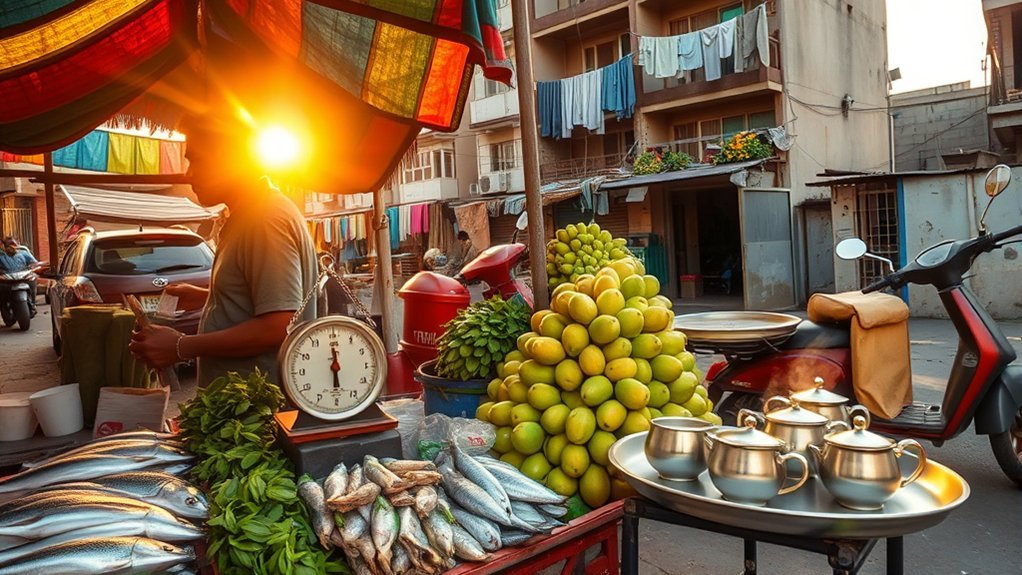
Myanmar can appear inexpensive on paper, but budgeting for life there in 2026 requires more than comparing rent and restaurant prices. Crowd-sourced estimates place basic monthly spending for one person at roughly $630 nationally and about $656 in Yangon, yet another Yangon data set produces a total closer to $850 when central rent is included. Inflation, fuel costs, exchange rates, power reliability, healthcare, schooling and security can change the real total substantially.
Quick Answer
In 2026, a single person should plan roughly $630–$900 per month in Myanmar, depending mainly on city and housing. Yangon usually costs more than Mandalay, while international schools, private healthcare, backup power and imported goods can add thousands. Treat all U.S.-dollar figures as moving estimates because inflation and exchange rates are volatile.
Key Takeaways
- A practical single-person budget is about $650–$900 in Yangon and $500–$650 in Mandalay, depending on rent and lifestyle.
- Housing is usually the largest flexible expense, but backup electricity, imported goods and private transport can also be significant.
- The World Bank reported 24.6% year-over-year inflation in April 2026, so older price lists can become inaccurate quickly.
- Myanmar remains cash-heavy, international cards and ATMs may not work reliably, and different exchange rates can produce very different U.S.-dollar conversions.
- International-school tuition, private medical care, insurance and emergency evacuation planning are not included in a basic local-living budget.
Warning: This cost guide is not a recommendation to travel or relocate. As of May 8, 2026, the U.S. Department of State lists Myanmar at Level 4, “Do Not Travel,” because of armed conflict, unrest, arbitrary enforcement of laws, poor health infrastructure, landmines, unexploded ordnance and crime. Other governments advise against travel to large parts of the country. Review current official guidance for your nationality before making plans.
Data note: Most detailed consumer-price figures for Myanmar come from crowd-sourced databases rather than an official national household-cost survey. The figures below are planning benchmarks updated in April or June 2026, not guaranteed prices. Actual kyat costs and their U.S.-dollar equivalents may differ.
Overview of Living Costs and Key Statistics
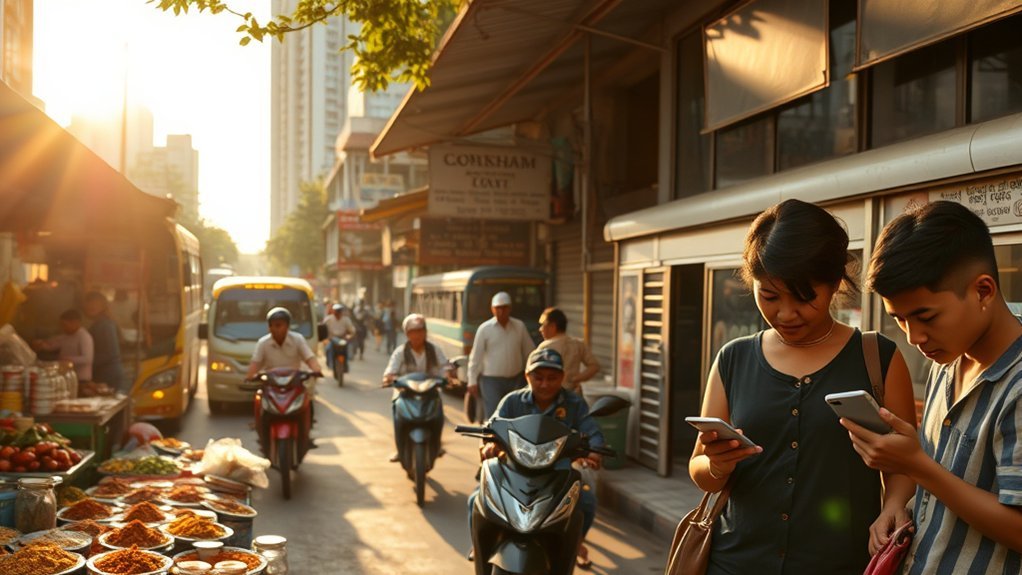
A June 2026 crowd-sourced benchmark estimated the average cost of living in Myanmar at about $630 per month for one person with rent. The same source placed Yangon at about $656 and Mandalay at about $555. These totals represent standardized consumer baskets and should not be confused with the spending of every local household or expatriate.
Different databases can produce materially different results. For example, April 2026 Yangon data estimated about $489 per month before rent, with a one-bedroom apartment averaging roughly $364 in the center or $196 outside it. That produces an estimated total of approximately $685–$853, depending on housing.
The World Bank reported that Myanmar’s inflation reached 24.6% year over year in April 2026, increasing the risk that rent, transport and food estimates will change quickly.
Income comparisons are equally uncertain. One June 2026 database estimated average national take-home income at about $180 per month, with Yangon around $205 and Mandalay around $149. Another Yangon data set reported approximately $279. These estimates should not be treated as formal national wage statistics, especially because informal work and exchange-rate conversion affect the result.

Die With Zero offers a fresh perspective on personal finance by encouraging readers to use money intentionally to create memorable life experiences instead of simply accumulating wealth. Written by Bill Perkins, this book combines practical guidance with a motivating philosophy to help readers align spending, saving, and life goals for a more fulfilling future.

This hardcover edition by Eric Metaxas offers a compelling look at the origins of the United States during the Colonial Period. It blends historical narrative with engaging storytelling, making it appealing for readers interested in American history, early nation-building, and the ideas that shaped the country. A strong choice for history enthusiasts, students, and anyone exploring the foundations of the nation.

This interactive sentence building set helps children practice early reading, writing, and grammar through hands-on play. Color-coded word cards, photo cards, and punctuation pieces make it easy to build simple sentences while reinforcing capitalization, parts of speech, and sentence structure. It is a versatile learning tool for homeschool and classroom use, with included game ideas and teaching suggestions to support multiple skill levels.
Sample Monthly Budgets
The following ranges combine current cost totals, rent data and a contingency for normal price variation. They exclude international-school tuition, major medical treatment, visas, relocation flights and emergency evacuation.
| Household and location | Planning range | What can move the total |
|---|---|---|
| One person in Yangon | $650–$900 per month | Neighborhood, apartment standard, air-conditioning, taxis and imported food |
| One person in Mandalay | $500–$650 per month | Housing availability, infrastructure damage, transport and backup electricity |
| One person in another city | $500–$700 per month | Local supply, security, travel restrictions and access to reliable services |
| Family of four in Yangon | $1,800–$2,800 per month before school fees | Three-bedroom rent, private transport, imported groceries, insurance and childcare |
| Family of four in Mandalay | $1,100–$1,700 per month before school fees | Housing quality, school choice, healthcare and backup services |
Add at least 15%–25% as a contingency when using these estimates. A larger reserve may be appropriate if you require imported medicine, regular air-conditioning, international travel, private medical care or a vehicle.
Housing and Rental Prices Across Cities
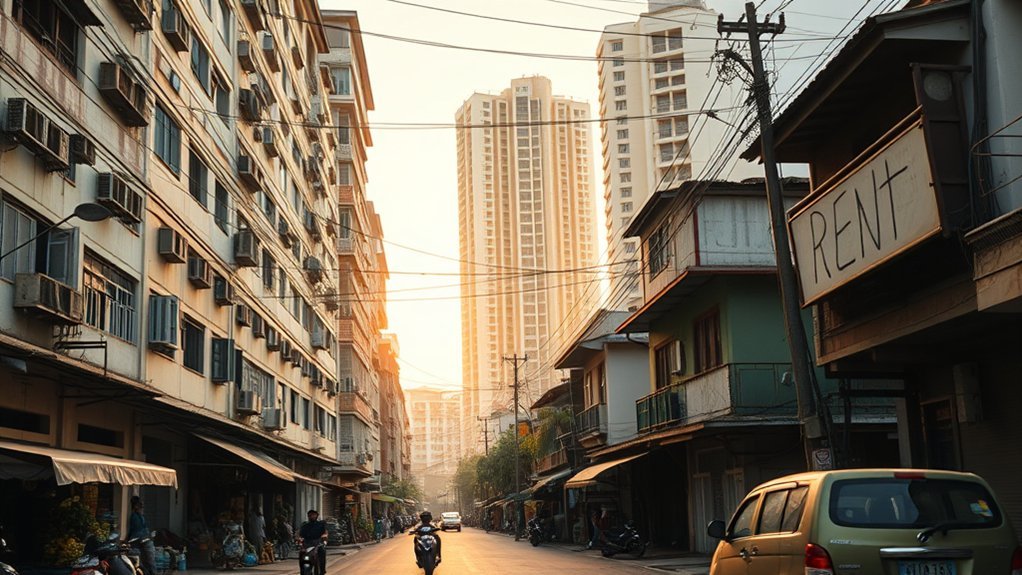
Housing is usually the expense with the greatest room for adjustment. A June 2026 national benchmark listed a one-bedroom apartment at approximately $427 in a city center and about $154 for a lower-cost unit. Three-bedroom estimates were about $851 centrally and $463 for a cheaper property.
Yangon data varies by source. Current crowd-sourced figures place a central one-bedroom apartment at roughly $325–$365 per month and an outside-center or budget unit at around $170–$200. Central three-bedroom figures vary far more widely, from approximately $580 to more than $1,000, showing why individual listings should take priority over city averages.
City Center Vs Suburbs
Central Yangon areas generally offer better access to offices, shopping, hospitals, restaurants and established services. Outer areas may reduce rent, but the savings can be offset by longer journeys, taxi use, fuel shortages or unreliable transport.
Neighborhood labels alone do not guarantee safety, water supply, internet reliability or building quality. Two apartments in the same township may have very different power systems, security arrangements and maintenance standards.
Pro Tip: Before comparing rent, ask for the complete monthly cost, including building fees, generator electricity, water delivery, internet, parking, security, maintenance and any foreign-currency adjustment.
Furnished Vs Unfurnished Rents
Furnished apartments can reduce move-in costs by including beds, appliances, air-conditioning and basic kitchen equipment. Premium serviced properties may also include housekeeping, security, a generator, water storage or on-site maintenance.
Unfurnished units can cost less, especially in older buildings, but the tenant may need to buy furniture, install appliances or arrange backup electricity. A cheaper apartment may therefore require a larger first-month budget.
Do not use the central-versus-suburban rent gap as proof of a furnishing premium. Location, building age, power supply, security, floor level, lift access and lease duration can affect the price as much as furniture.
Lease Terms and Deposits
There is no single nationwide deposit or lease standard that applies to every rental. A landlord or agent may request a security deposit, advance rent or payment in a preferred currency. Shorter agreements may cost more, while some longer arrangements can require substantial payment in advance.
Before paying, obtain a written agreement that states:
- The exact rent and payment currency
- The exchange rate or adjustment method, if any
- The deposit and refund conditions
- Who pays for utilities, repairs and building fees
- The lease start and end dates
- Inventory and condition of furniture and appliances
- Rules for early termination
- Whether generator use or backup power has a separate charge
Caution: Do not transfer a large deposit based only on photographs or an informal message. Inspect the property or use a trusted local representative, verify the landlord or agent, receive a written receipt and keep copies of all documents.
Food, Groceries and Eating Out
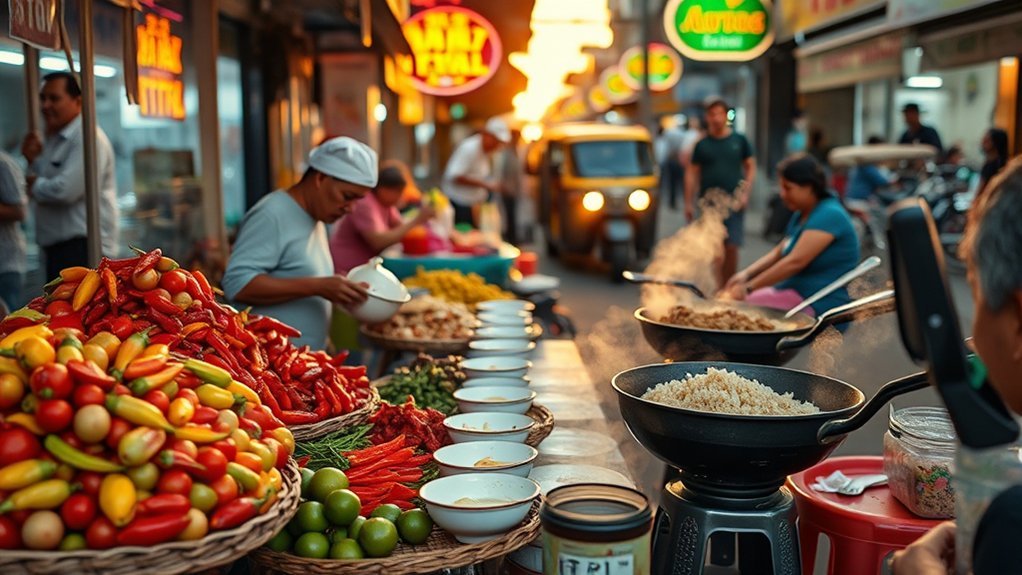
Local meals and staple foods remain relatively affordable in U.S.-dollar comparisons. Imported groceries, international brands, specialty diets and products affected by transport disruption can cost much more.
| Item | June 2026 benchmark | Budget note |
|---|---|---|
| Inexpensive lunch | About $2.29 nationally; $2.53 in Yangon | Local restaurants and simple menus |
| Fast-food meal | About $3.43–$4.01 | International chains may cost more |
| Dinner for two | About $15.60–$16.80 | Mid-range restaurant benchmark |
| Cappuccino | About $1.55–$1.70 | Premium cafés may charge more |
| Milk, 1 liter | About $1.43 | Imported dairy can be higher |
| Bread, 500 grams | About $1.06 | Bakery and imported products vary |
| Rice, 1 kilogram | About $1.50 | Variety and quality affect price |
| Chicken breast, 1 kilogram | About $4.61 | Market and supermarket prices differ |
A person who cooks mostly local food may spend approximately $170–$250 per month. Frequent restaurant dining, imported snacks, Western groceries or specialty products can raise the total quickly.
Transportation and Connectivity
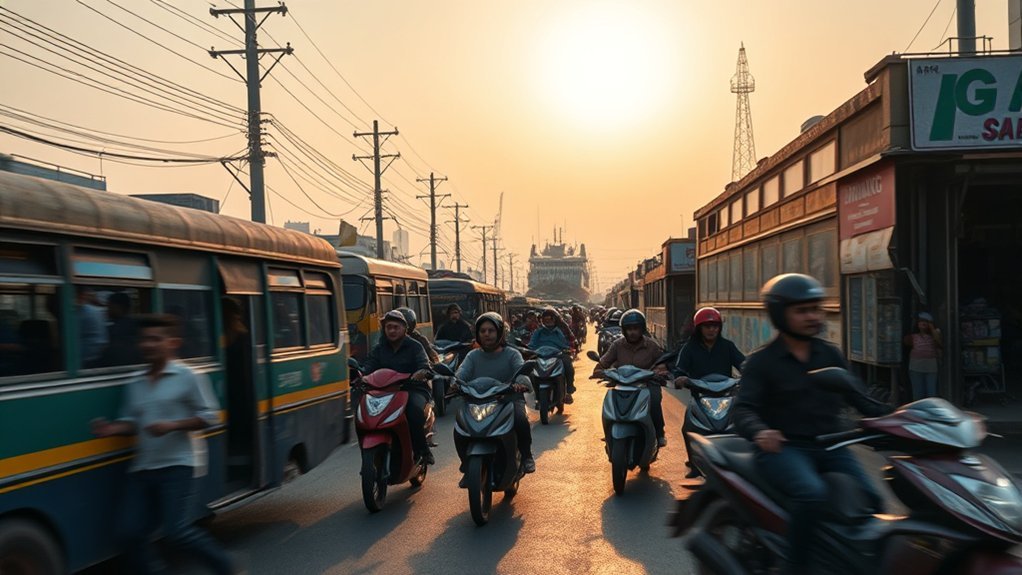
Public transportation is inexpensive in price terms. June 2026 benchmarks list a local ticket at about $0.52 and a monthly pass at approximately $9.94. An eight-kilometer taxi trip is estimated at around $12.10, although the fare can vary by city, time, negotiation and fuel availability.
Low fares do not guarantee reliable service. Fuel shortages, power disruption, checkpoints, security incidents and changing travel restrictions can affect buses, taxis, railways and intercity routes. Budget for occasional taxis or alternative transportation even if you normally use buses.
Warning: Intercity travel can involve risks that are not reflected in the ticket price. Current official guidance reports conflict, landmines, improvised explosive devices and attacks on some roads, including routes between Yangon and Mandalay. Check regional advice immediately before every journey.
Motorcycles are not permitted in central Yangon, so residents there rely more heavily on buses, taxis and private cars. Outside Yangon, motorcycle use may be common, but road conditions, fuel supply, licensing, checkpoints and insurance still need consideration.
Healthcare, Insurance and Medical Costs
Myanmar’s public health system is under severe strain. The World Health Organization’s 2026 emergency planning estimated that millions of people required essential health services because of conflict, displacement and natural disasters.
Private facilities continue to operate in Yangon and Mandalay, but capability, staffing, medicine availability and payment requirements vary. Official travel guidance warns that competent treatment can be difficult to obtain outside those cities and that serious illness or injury may require transfer to a neighboring country, commonly Thailand.
Patients may need to pay cash before receiving treatment. A basic crowd-sourced doctor-visit benchmark is approximately $18, but this should not be used to estimate emergency care, hospitalization, surgery or evacuation.
Before traveling or relocating, obtain written confirmation that your insurance covers:
- The specific regions you intend to enter
- Travel despite applicable government advisories
- Private medical treatment
- Emergency transportation within Myanmar
- Medical evacuation to another country
- Repatriation
- Pre-existing conditions and regular medication
Warning: A policy may exclude incidents in areas covered by a government “do not travel” warning. Do not assume that buying insurance automatically provides valid coverage. Ask the insurer to confirm the itinerary and exclusions in writing.
Bring an adequate legal supply of essential prescription medicine and documentation from your doctor. Official guidance warns that foreign prescriptions may not be accepted and that counterfeit pharmaceutical products can be a concern.
Education and Schooling Options for Expats
Education can become one of the largest expenses for a family. A June 2026 crowd-sourced national benchmark placed international primary-school tuition at approximately $13,300 per child per year. April 2026 Yangon data averaged about $17,300, with reported figures ranging from approximately $15,000 to more than $28,000.
Tuition may not include registration, development fees, transport, uniforms, meals, technology, examinations or extracurricular activities. Ask each school for a complete annual fee schedule before comparing options.
Bilingual, Montessori and local private schools may charge less than large international schools, but prices, language support, accreditation, teacher availability and capacity vary. Do not assume a fixed percentage saving.
Myanmar’s broader education system remains heavily disrupted. UNICEF reports that conflict, insecurity and natural disasters have kept millions of children out of school or learning and caused major teacher shortages. Families should confirm that a school is operating normally, can provide the promised curriculum and has a current emergency plan.
Pro Tip: When negotiating an employment or relocation package, request school tuition, registration fees, transport, insurance and emergency travel as separate benefits. A general housing allowance may not come close to covering education costs.

This heartfelt memoir blends laugh-out-loud honesty with tender reflections on love, loneliness, and the unexpected healing power of rescue dogs. Isabel Klee shares her journey fostering pups in the city while navigating dating and self-discovery, offering an intimate, relatable story for readers who enjoy emotional, character-driven narratives. It is a warm, engaging read about opening your heart and finding connection in surprising places.

This kid-friendly cookbook helps young chefs build confidence in the kitchen with more than 100 recipes designed for fun, learning, and delicious results. Created by America's Test Kitchen Kids, it offers approachable instructions, helpful guidance, and a wide range of dishes that make cooking and eating an engaging family activity.

This daily devotional helps parents pray purposefully for their children through a full year of Scripture readings, reflections, and guided prayer prompts. Written to encourage faithful family discipleship, it offers practical, biblically grounded support for parents who want to shape their prayers around God's Word. A foreword by Sinclair B. Ferguson adds trusted theological insight and encouragement.
Daily Life: Utilities, Internet and Services
A June 2026 national benchmark estimated basic utilities for one person at approximately $27.90 per month and a 50 Mbps or faster internet plan at about $19.50. The combined benchmark is therefore roughly $47 before building fees, mobile data or backup-power costs.
Utilities: Bills and Costs
Electricity, water and waste charges depend on property size, air-conditioning use, local supply and billing arrangements. A larger apartment occupied by a family will normally cost more than the single-person benchmark.
Power interruptions can create hidden expenses. Buildings may charge separately for generator fuel or provide only limited backup power. Residents may also buy batteries, inverters, solar equipment, water storage or private water delivery.
Before signing a lease, ask:
- How many hours of grid electricity are normally available?
- What does the generator power during an outage?
- How is generator electricity billed?
- Does the lift work during an outage?
- Is water pumped and stored when electricity fails?
- Are air conditioners connected to backup power?
Internet: Speeds and Prices
Fixed broadband is generally easier to obtain in major urban areas than in smaller towns. However, advertised speed does not guarantee uptime, international bandwidth or access to every online service.
Government authorities can disrupt or restrict internet and mobile networks. Some services may be blocked, and foreign SIM cards may not work reliably. Remote workers should not depend on a single connection.
A more resilient setup may require fixed broadband, mobile data from a separate network, backup electricity for the router and a work plan for full network outages.
Services: Maintenance and Fees
Serviced apartments may add security, cleaning, reception, a gym, a swimming pool, generator access and maintenance. These services can be valuable, but they may also raise the effective monthly cost far above the advertised rent.
Request a written fee list covering:
- Building maintenance
- Generator electricity and fuel
- Water charges
- Internet installation
- Parking
- Cleaning and laundry
- Security deposits for access cards or equipment
Money, Safety and Practical Tips for Expats
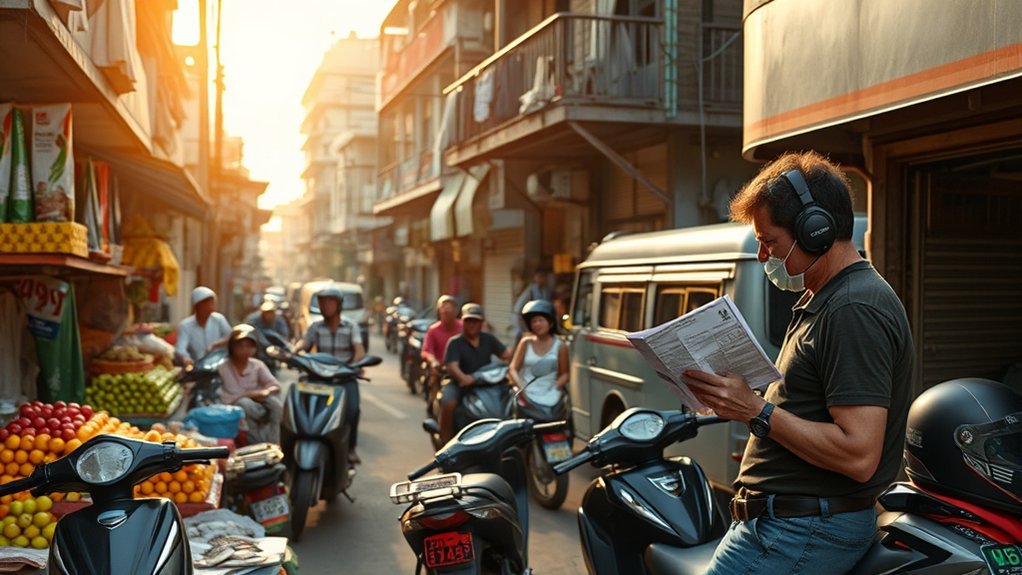
Myanmar is largely cash-based, and banking services can be disrupted. International cards may work at some higher-end hotels, restaurants and shops, but many businesses accept only cash. ATMs may reject foreign cards, run out of cash, impose withdrawal limits or be out of service.
Banking, Cash and Exchange Rates
Official U.S. guidance describes multiple exchange-rate tiers in Myanmar, including an official rate, a controlled platform rate and a volatile market rate. The dollar value shown by a cost website may therefore differ significantly from the rate available for rent, cash exchange, card processing or bank transfers.
Use only lawful banks and licensed exchange providers. Check the current rate before a major payment and retain receipts. Informal money changers can expose you to scams, counterfeit money or legal problems.
Practical money precautions include:
- Keep more than one lawful way to access funds.
- Carry emergency cash without displaying large amounts in public.
- Store money in separate secure locations.
- Confirm whether a landlord expects kyat or foreign currency.
- Ask how exchange-rate changes affect future rent payments.
- Check whether your bank permits transfers involving Myanmar.
- Bring foreign banknotes in clean, undamaged condition if official guidance recommends doing so.
Visa and Relocation Costs
The basic monthly budgets in this article do not include visa applications, extensions, legal advice, document translation, work authorization, flights, temporary accommodation, deposits, shipping or customs charges.
Visa rules depend on nationality and purpose of stay and can change. Confirm current requirements with the appropriate Myanmar embassy, official immigration service or official eVisa system. Do not rely on a landlord, employer or social-media post as your only immigration source.
Security and Emergency Planning
Security conditions can change quickly, including in major cities. Armed conflict, airstrikes, checkpoints, curfews, detention risks, landmines, attacks on infrastructure and travel restrictions can affect housing, work, healthcare and transportation.
Current FCDO guidance advises against all travel to many states and regions and against all but essential travel to others, including much of Mandalay Region. Yangon no longer has a city-wide curfew according to the July 2026 guidance, but township-specific restrictions can be introduced at short notice.
Prepare an emergency plan that includes:
- Current government travel-advisory alerts
- Passport, visa and document copies
- Emergency cash and medications
- Several communication methods
- A trusted local contact
- Routes to medical facilities and airports
- An evacuation or departure plan
- Employer and insurer emergency contacts
Note: Low rent or food prices do not compensate for unacceptable personal risk. Safety, legal status, medical access and a workable departure plan should be evaluated before affordability.
Frequently Asked Questions
How much money does one person need per month in Myanmar?
A practical 2026 planning range is approximately $630–$900 per month, including modest rent. Yangon often falls near the upper part of that range, while Mandalay and some smaller cities may cost less. International insurance, major healthcare, visas and school fees are separate.
Is it expensive to live in Myanmar?
Local food, public transport and some rents are inexpensive compared with many international cities. However, imported goods, reliable housing, backup power, international education, insurance, private healthcare and emergency travel can make expatriate living considerably more expensive.
Is Myanmar a good place to live in 2026?
Affordability alone cannot answer that question. Myanmar is experiencing armed conflict, economic pressure, disrupted services and serious healthcare constraints. The U.S. State Department currently advises people not to travel, and other governments restrict travel to large parts of the country.
What is the average monthly income in Myanmar?
Reliable national take-home-income data is limited. A June 2026 crowd-sourced estimate was approximately $180 nationally, $205 in Yangon and $149 in Mandalay. Another Yangon source reported about $279. These are converted estimates rather than definitive wage statistics.
Can foreign residents rely on credit cards and ATMs?
No. Cards may work at some higher-end businesses, but many transactions require cash. Foreign cards can fail at ATMs, banking services may be disrupted and withdrawal limits may apply. Maintain more than one lawful way to access money.
Why do Myanmar cost-of-living estimates differ so much?
Sources use different rent assumptions, consumer baskets, contributor samples and exchange rates. Myanmar also has multiple exchange-rate tiers and high inflation. Compare the original kyat price, date, location and included expenses rather than relying on one converted U.S.-dollar total.
How much does international school cost in Myanmar?
A recent national crowd-sourced benchmark was about $13,300 per child per year. Yangon data averaged approximately $17,300, with reported prices from around $15,000 to more than $28,000. Registration, transport, uniforms and other fees may be additional.
Conclusion
Myanmar’s basic living costs can be low by international standards, particularly for local food, simple housing and public transport. A single person might spend around $630–$900 per month, while a family’s total depends heavily on housing, schools, transport, healthcare and insurance.
Price alone is not the deciding factor in 2026. High inflation, fuel pressure, exchange-rate differences, banking disruption, power outages, healthcare limitations and armed conflict can increase both expenses and risk. Use recent city-specific listings, budget in kyat as well as U.S. dollars, maintain an emergency reserve and review official travel guidance before making any commitment.
Sources
- World Bank: Myanmar Economic Monitor, June 2026 — inflation, fuel pressure and the economic outlook.
- U.S. Department of State: Burma Travel Advisory — current Level 4 warning, currency, entry and security guidance.
- UK Foreign, Commonwealth & Development Office: Myanmar Travel Advice — regional restrictions, banking disruption, healthcare and connectivity risks.
- World Health Organization: Myanmar Public Health Situation Analysis, March 2026 — conflict-related health-system and humanitarian conditions.
- Livingcost: Myanmar Cost of Living, updated June 21, 2026 — crowd-sourced national, city and line-item price benchmarks.
- Numbeo: Yangon Cost of Living, updated April 17, 2026 — crowd-sourced Yangon rent, salary and school-cost comparisons.

This undergarment waist pouch helps protect your identity by blocking RFID readers from accessing information on compatible cards and passports. Its five-pocket layout keeps cash, cards, tickets, receipts, and travel documents organized and close to your body, while the breathable back panel and adjustable strap support comfortable wear beneath or over clothing.

These colorful answer buzzers turn lessons, review games, and family activities into lively game-show style challenges that boost participation and make learning more interactive. Each buzzer has a distinct sound to clearly identify who buzzed in first, while the durable, palm-sized design makes them easy for kids and adults to use in classrooms, homeschools, and group settings.

The Vornado 630 uses signature Vortex air circulation to move air throughout the room for more effective cooling and improved comfort. With three-speed manual controls and an adjustable tilt head, it lets you direct airflow and fine-tune performance for bedrooms, living rooms, or home offices. Built for whole-room circulation with efficient, high-velocity airflow, it also includes support backed by a multi-year replacement promise.