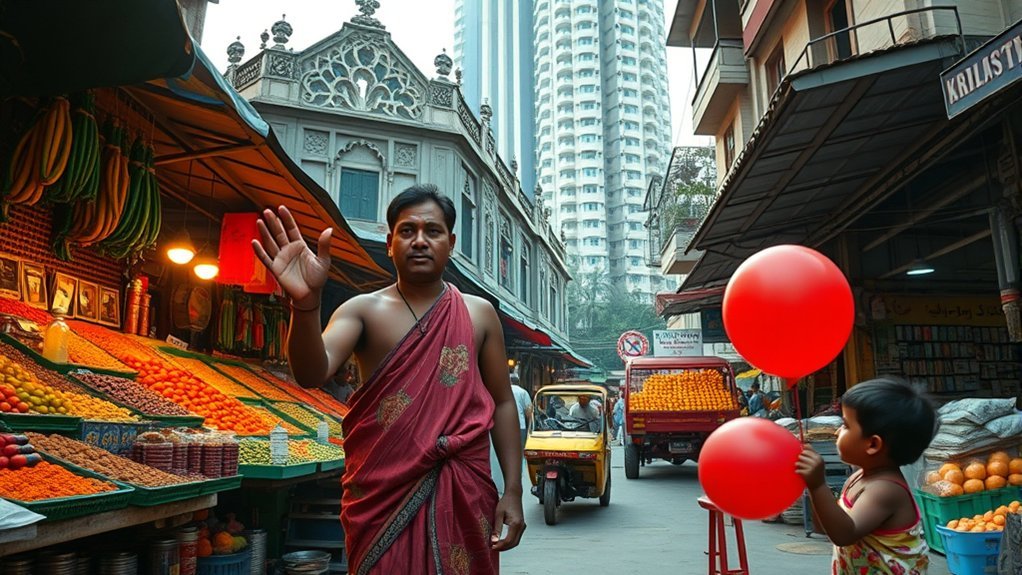
The cost of living in Bangladesh in 2026 is low by international standards, but it is rising fast. A single person can live simply in Dhaka or Chattogram on about ৳35,000–৳53,000 (~$285–$430) a month, while a comfortable single life in Dhaka costs about ৳66,000–৳105,000 (~$535–$855). A couple should plan on roughly ৳92,000–৳150,000 (~$750–$1,220), and a family of four about ৳104,000–৳174,000 (~$845–$1,415) before school fees. These figures use an exchange rate of about ৳123 per US dollar (early October 2026). Rent is the biggest swing factor, and energy costs jumped this year: fuel prices are up as much as 36% since January and electricity rose in June. Below you’ll find city-by-city rents, utility and fuel prices, healthcare, taxes, salaries, and sample budgets.
Quick Answer
- Single person: ৳35,000–৳53,000 (~$285–$430) on a lean budget; ৳66,000–৳105,000 (~$535–$855) for a comfortable one in Dhaka.
- Couple: ৳92,000–৳150,000 (~$750–$1,220) a month in a two- or three-bedroom flat in Dhaka.
- Family of four: about ৳104,000–৳174,000 (~$845–$1,415) before school fees.
- Rent, one-bedroom in Dhaka: about ৳9,100 (~$74) outside the center and ৳18,800 (~$153) in the center on average. Upscale areas such as Gulshan and Banani cost far more.
- Utilities: about ৳3,700–৳5,600 (~$30–$46) a month for a mid-sized flat, more with daily air conditioning; internet adds about ৳1,300–৳1,550 (~$11–$13).
- Fuel (October 2026): octane ৳165, petrol ৳160, diesel ৳135 per liter.
- Typical net salary: about ৳28,000–৳30,000 (~$228–$246) a month, based on crowd-sourced averages.
Exchange Rate, Inflation, and Wages in 2026
Three numbers shape what Bangladesh costs you this year.
The exchange rate. The taka has been stable against the dollar in 2026. Bangladesh Bank’s interbank rate page showed a weighted average of ৳123.10 per dollar on October 1, 2026, and the central bank’s reference rate closed that day at about ৳123.00. Through the year the rate stayed between roughly ৳122 and ৳124. All dollar figures in this guide use ৳123 = $1.
Inflation. Point-to-point inflation was 8.26% in August 2026, down slightly from 8.32% in July, according to Bangladesh Bureau of Statistics data reported by Dhaka Tribune. Food inflation eased to 7.02%, but non-food inflation rose to 9.32%. The late-September fuel price hike will feed into transport and goods prices in the months ahead, so plan for further increases.
Wages. Bangladesh has no single national minimum wage. Wages are set by sector. The best-known one is the garment sector, where the minimum has been ৳12,500 (~$102) a month since December 2023. Unions are pushing for a new wage board, since a recent labor law amendment cut the revision cycle from five years to three, as The Financial Express reported in August 2026. Employers argue the next revision is not due until 2028.
At ৳123 per dollar, the garment minimum wage equals about $102 a month. Crowd-sourced averages put the typical net salary at about ৳28,000 nationally and ৳30,300 in Dhaka, or roughly $228–$246.
Cost of Living by City
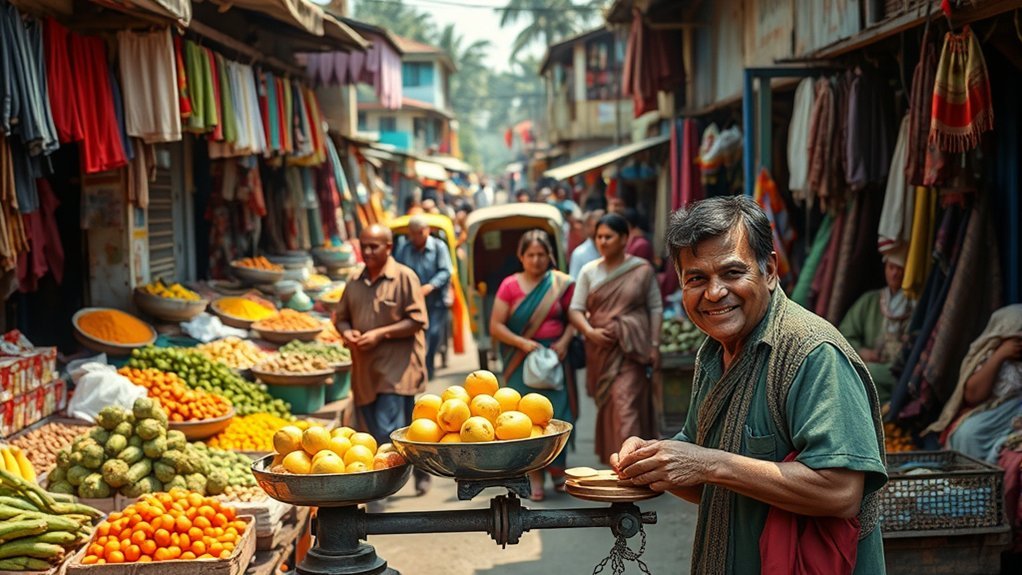
Rent varies more between cities and neighborhoods than any other cost. The table uses crowd-sourced averages from Numbeo (updated October 2, 2026). Dhaka has the most price reports. Chattogram and Sylhet have only about 20 contributors each, so treat those figures as rough guides.
| City | 1-Bed, City Center | 1-Bed, Outside Center | 3-Bed, City Center | Basic Utilities (85 m²) |
|---|---|---|---|---|
| Dhaka | ৳18,800 (~$153) | ৳9,100 (~$74) | ৳54,400 (~$442) | ৳5,600 (~$46) |
| Chattogram | ৳15,500 (~$126) | ৳7,500 (~$61) | ৳33,200 (~$270) | ৳3,700 (~$30) |
| Sylhet | ৳15,800 (~$128) | ৳7,000 (~$57) | ৳21,500 (~$175) | ৳3,150 (~$26) |
| Bangladesh average | ৳11,200 (~$91) | ৳5,700 (~$47) | ৳26,800 (~$218) | ৳3,850 (~$31) |
A few patterns stand out:
- Dhaka is the most expensive city by a wide margin. A central three-bedroom costs about twice the national average, and premium areas such as Gulshan, Banani, Baridhara, and Dhanmondi cost several times more than the city average.
- Chattogram, the port city, has central rents close to Dhaka’s for small flats but much cheaper family-sized apartments.
- Sylhet has similar one-bedroom prices to Chattogram. Demand from families with relatives abroad keeps rents in some neighborhoods higher than local wages suggest.
- Rajshahi, Khulna, Rangpur, Barishal, and Mymensingh generally have lower rents, but there is too little reliable price data to give city averages. Specialized hospitals, international schools, and imported goods are also harder to find there.
Housing: Rent, Neighborhoods, and Tenant Rules
What Rent Buys in Dhaka
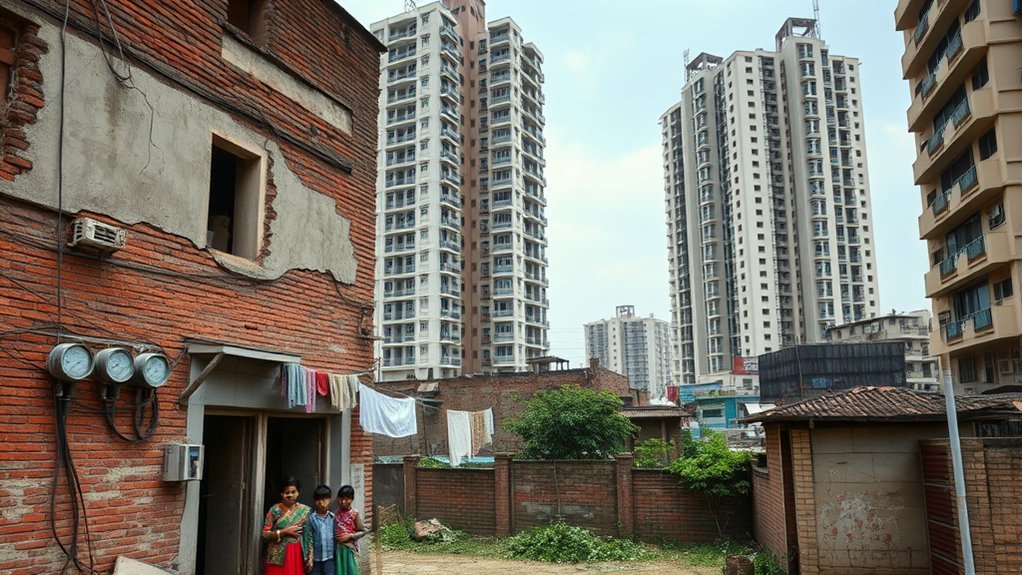
Housing is the largest monthly cost for most households. In Dhaka, the gap between neighborhoods is huge:
- Outer and mid-market areas such as Mirpur, Mohammadpur, Uttara’s older sectors, and Badda have the lowest rents. Mirpur and Uttara are linked to central Dhaka by Metro Rail Line 6, which cuts commuting time.
- Central and established areas such as Dhanmondi, Mohakhali, and Banasree sit in the middle of the range.
- Diplomatic and expat areas such as Gulshan, Banani, and Baridhara have the highest rents, especially for furnished flats with generators, security, and lifts.
Rent alone rarely tells the full story. Ask whether the quoted amount includes the building service charge, generator backup, security, parking, and gas. A cheap top-floor flat with poor insulation can cost more to run than a slightly pricier unit lower down.
Dhaka’s 2026 Rent Rules
In January 2026, Dhaka North City Corporation published house rent guidelines, as Prothom Alo reported. The main points for tenants:
- Landlords may not raise rent for two years from the start of the agreement. After that, increases happen only in June–July.
- Annual rent should not exceed 15% of the property’s market value.
- Landlords may collect one to three months’ rent in advance at signing.
- Either side must give two months’ notice to end the agreement, and tenants should get written monthly receipts.
The same report noted that many Dhaka residents spend 50–65% of their income on rent, far above the 30% often considered affordable.
Renting as a Foreigner
Foreigners can rent without special permission. Most leases are arranged directly with landlords or through local brokers, and a written agreement in Bangla and English is worth insisting on. Budget for the advance rent up front, and confirm who pays the service charge and repairs. Employers of foreign staff often help with housing, which is worth negotiating before you move.
Utilities, Internet, and Phone
Basic utilities (electricity, water, gas, and garbage) for a mid-sized flat average about ৳3,850 (~$31) nationally and ৳5,600 (~$46) in Dhaka. Bills climb in the hot months when air conditioners run for hours.
Electricity. The Bangladesh Energy Regulatory Commission raised the average consumer tariff by ৳1.52 to ৳10.63 per kWh in June 2026, as Dhaka Tribune reported. A day later the regulator withdrew the increase for the smallest household users, so the lifeline rate stays at ৳4.63 per kWh for up to 50 units and ৳5.26 for the first residential slab of up to 75 units. Households that run air conditioning pay higher slab rates on every extra unit.
Cooking gas. Many Dhaka homes have piped gas, but new connections have long been restricted, so many households use LPG cylinders. A 12 kg cylinder cost ৳1,585 (~$12.90) in September 2026 under the regulator’s monthly price, down from ৳1,598 in August, according to Dhaka Tribune. The price is reset every month.
Other monthly connections:
- Home internet (60+ Mbps): about ৳1,330 (~$11) in Dhaka and ৳1,550 (~$13) nationally.
- Mobile plan with 10 GB+ data: about ৳520–৳670 (~$4–$5.50).
- Building service charge: from a small fee in basic buildings to several thousand taka in buildings with lifts, generators, and guards.
Food: Groceries and Dining Out
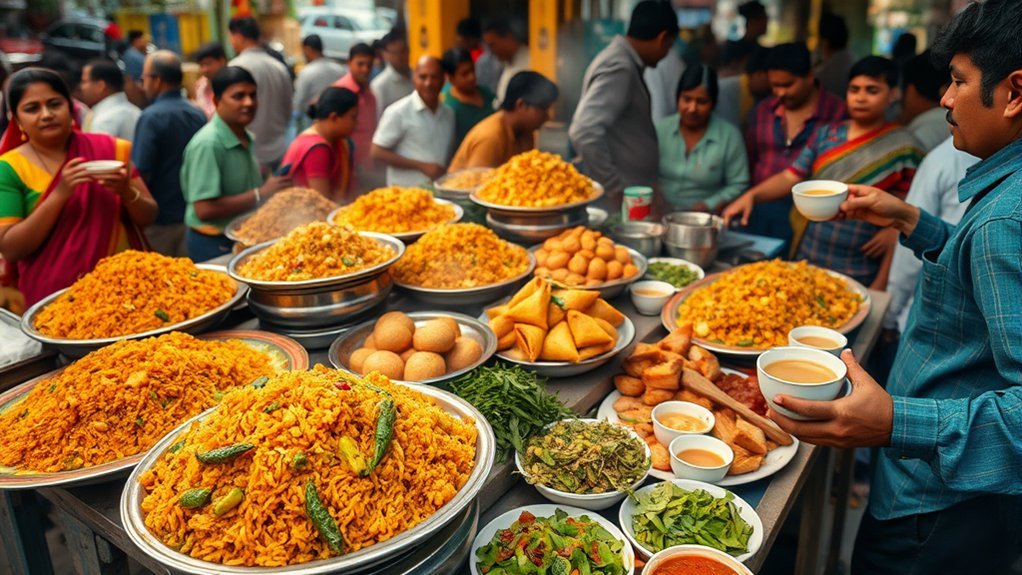
Food is cheap if you eat locally. A single person who cooks most meals can spend about ৳10,000–৳15,000 (~$80–$120) a month on groceries. A family of four typically needs ৳35,000–৳50,000 (~$285–$405). Imported cheese, cereal, snacks, and branded goods push bills up quickly.
Average prices in Dhaka, October 2026 (crowd-sourced):
| Item | Typical Cost (BDT) | Approx. USD |
|---|---|---|
| Milk (1 liter) | 102 | $0.83 |
| Bread (1 lb loaf) | 69 | $0.56 |
| Rice (1 lb) | 38 | $0.31 |
| Eggs (12) | 147 | $1.20 |
| Chicken (1 lb) | 183 | $1.49 |
| Beef (1 lb) | 365 | $2.97 |
| Apples (1 lb, national) | 136 | $1.11 |
| Onions (1 lb, national) | 31 | $0.25 |
Rice, lentils, seasonal vegetables, river fish, eggs, and chicken keep a local diet affordable. Vegetable and fish prices swing with the seasons, so give your grocery budget some room.
Eating out is still inexpensive:
- Meal at an inexpensive restaurant: about ৳200–৳300 (~$1.60–$2.45)
- Three-course dinner for two at a mid-range restaurant: about ৳1,500–৳1,625 (~$12–$13)
- Cappuccino: about ৳230 (~$1.90)
Alcohol is tightly restricted and is not a normal grocery item. It is sold only at licensed outlets and some hotels and clubs, and prices vary so widely that a national average is not useful.
Eating a simple restaurant lunch every weekday costs about ৳4,400–৳6,600 (~$36–$54) a month.
Transportation and Fuel
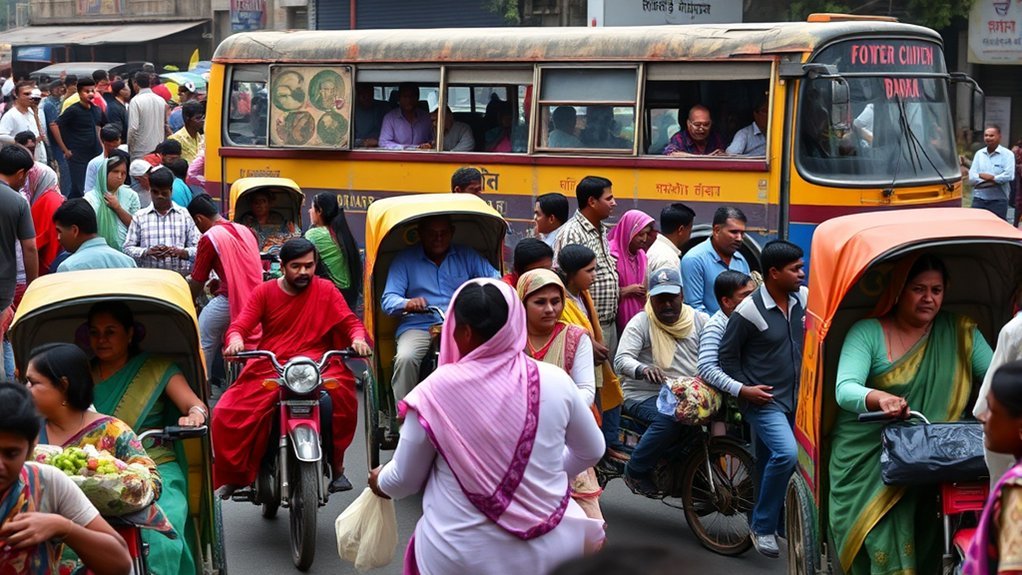
Getting around is cheap per trip but slow, especially in Dhaka traffic. Your monthly cost depends on distance and on how often you use app-based rides instead of buses and the metro.
- Dhaka Metro Rail (Line 6): runs from Uttara North to Motijheel. The minimum fare is ৳20, and fares rise with distance at about ৳5 per km. Paying with a stored-value MRT Pass or Rapid Pass gives a 10% discount.
- City buses: a typical one-way ticket costs around ৳50 in Dhaka, depending on route. A monthly public transport budget averages about ৳2,150–৳2,800 (~$17–$23).
- Rickshaws and CNG auto-rickshaws: fares are negotiated. Agree on the price before you get in.
- Taxis and ride-hailing: the taxi starting fare averages about ৳150 (~$1.20). App-based cars and motorbikes are widely used and safer at night than hailing on the street.
Fuel prices jumped in 2026. The government raised fuel prices by ৳20 per liter on September 21 and kept them unchanged for October, according to Dhaka Tribune.
| Fuel | January 2026 (BDT/liter) | October 2026 (BDT/liter) | October 2026 (USD/liter) |
|---|---|---|---|
| Octane | 122 | 165 | $1.34 |
| Petrol | 118 | 160 | $1.30 |
| Diesel | 102 | 135 | $1.10 |
| Kerosene | 114 | 155 | $1.26 |
That is a rise of 32–36% since January. Expect bus fares, ride-hailing prices, and delivered goods to follow.
A daily commuter using buses and the metro spends roughly ৳2,500–৳4,000 (~$20–$33) a month. Mixing in regular ride-hailing trips can push that to ৳6,000–৳10,000 (~$50–$80) or more.
Healthcare and Insurance Costs
Bangladesh has public hospitals and clinics that charge little, but they are crowded, and most people who can afford it use private clinics, diagnostic centers, and hospitals. Patients pay most costs themselves. The World Health Organization estimates that 41.7% of the population, about 70 million people, faced financial hardship from out-of-pocket health spending as of 2025.
Typical private costs:
- Private doctor visit: about ৳500–৳2,000 (~$4–$16), with senior specialists at the top of the range.
- Dental work: about ৳500–৳5,000 (~$4–$41) per procedure at private clinics.
- International health insurance: roughly $80–$200 a month for one adult and $250–$500 for a family of four, based on 2026 expat estimates. Medical evacuation cover matters, since complex cases are often sent to Bangkok, Singapore, or India.
Local private health insurance exists through some insurers and employers, but coverage limits are low. Keep a separate emergency fund for hospital stays, tests, and imported medicines.
Schools and Childcare
Families face the widest cost range, because school choice matters so much.
- Government schools: low fees, Bangla-medium, large classes.
- Budget English-medium and international schools: about ৳150,000–৳350,000 (~$1,220–$2,850) a year for primary, based on 2025–2026 fee guides.
- Mid-tier international schools: about ৳450,000–৳750,000 (~$3,660–$6,100) a year for primary, more for IB and A-level years.
- Top international schools: the American International School Dhaka lists 2026–27 tuition of $17,500 for pre-K and $32,300–$38,700 for kindergarten through grade 12, plus a one-time $17,500 capital fee for new students.
- Preschool or kindergarten: about ৳11,200 (~$91) a month in Dhaka on average.
Add admission fees, exam fees, books, uniforms, and school transport. Ask for a full written fee schedule before choosing where to live, since a long school run in Dhaka traffic can cost hours every day.
Taxes: VAT and Income Tax
- VAT: the standard rate is 15%, with many reduced rates and exemptions for basic goods.
- Tax-free income: parliament set the tax-free threshold at ৳400,000 (~$3,250) a year for FY2026–27 and FY2027–28, up from ৳350,000, as UNB reported. Women and people aged 65 or older get ৳450,000.
- Resident rates: above the threshold, income is taxed at 10%, 15%, 20%, 25%, and 30% in bands. The old 5% band has been removed, according to PwC Bangladesh’s summary of the Finance Act 2026.
- Non-residents: foreign individuals who are not tax residents pay a flat 30% on Bangladesh-source income.
In practice, a worker earning the average Dhaka net salary of about ৳30,000 a month (৳360,000 a year) falls under the tax-free threshold. Foreign employees on local contracts should get advice from a Bangladeshi tax adviser, especially on housing allowances and foreign income.
Visas and Work Permits
Most foreigners need a visa. Citizens of the US and many other countries can get a visa on arrival for business, investment, or tourism, valid for up to 30 days and single entry. According to the Bangladesh Consulate General in New York, you must pay the fee in cash in US dollars, euros, or pounds and carry at least $500 in cash or on a card. Airlines may still require a visa before boarding, so check with your carrier.
For longer stays or work, apply at a Bangladesh embassy before you travel. Foreign workers need a work permit, issued by the Bangladesh Investment Development Authority (BIDA) for projects registered with it. BIDA’s investor FAQ says permits for registered industrial projects can be issued within three days when the documents are complete. Visa fees vary by nationality and visa type, so confirm the current amount with the embassy before you pay.
One-Time Setup Costs
Budget for these before your first month:
- Advance rent: one to three months’ rent under Dhaka’s 2026 guidelines, paid at signing.
- Furniture and appliances: most long-term flats come unfurnished. Fans, a fridge, a gas stove, and at least one air conditioner are the main purchases.
- LPG cylinder and regulator: if the flat has no piped gas, plus about ৳1,585 per 12 kg refill.
- MRT Pass: a stored-value card for the metro if you live near Line 6.
- Health coverage: international insurance from day one, since local coverage is limited.
- School admission and capital fees: can exceed a full year of rent at top international schools.
Sample Monthly Budgets
These budgets combine the averages above. The lean single budget assumes a flat outside central Dhaka or in Chattogram. The other columns assume Dhaka.
| Expense (BDT) | Single, Lean | Single, Comfortable | Couple | Family of Four |
|---|---|---|---|---|
| Rent | 9,000–15,000 | 19,000–35,000 | 27,000–55,000 | 27,000–54,000 |
| Utilities | 3,500–5,600 | 5,600–8,000 | 6,000–9,000 | 7,000–10,000 |
| Internet + mobile | 1,850 | 2,000 | 2,500 | 3,000 |
| Groceries | 10,000–14,000 | 15,000–20,000 | 25,000–32,000 | 35,000–50,000 |
| Eating out + leisure | 3,000–5,000 | 8,000–12,000 | 10,000–15,000 | 8,000–15,000 |
| Transport | 2,500–4,000 | 6,000–10,000 | 8,000–14,000 | 10,000–18,000 |
| Healthcare | 2,000–3,000 | 3,000–8,000 | 5,000–10,000 | 6,000–12,000 |
| Gym | — | 2,000 | — | — |
| Personal + other | 3,000–5,000 | 5,000–8,000 | 8,000–12,000 | 8,000–12,000 |
| Total (BDT) | 35,000–53,000 | 66,000–105,000 | 92,000–150,000 | 104,000–174,000 |
| Total (USD) | $285–$430 | $535–$855 | $750–$1,220 | $845–$1,415 |
Family of four: the total excludes school fees. Two children in a budget English-medium school add roughly ৳25,000–৳58,000 (~$205–$470) a month. Two children at a top international school can add more than the rest of the budget combined.
Expats: foreigners who choose furnished flats in Gulshan or Banani, imported groceries, a car with a driver, and international insurance often spend several times the comfortable budget above. Crowd-sourced data puts a single person’s costs in Dhaka at about ৳49,000 (~$400) a month before rent, on a more Western-style basket of goods than most locals buy.
Salary vs. Cost of Living
Low prices do not mean Bangladesh is easy to afford for people earning local wages. Crowd-sourced averages put net pay at about ৳30,300 (~$246) a month in Dhaka and ৳28,000 (~$228) nationally. That is less than the lean single budget above, which is why many workers share rooms or live with family.
The most recent official household survey (BBS Household Income and Expenditure Survey 2022) found:
| 2022 Monthly Household Figures | National | Urban | Rural |
|---|---|---|---|
| Average household income | ৳32,422 (~$264) | ৳45,757 (~$372) | ৳26,163 (~$213) |
| Average household spending | ৳31,500 (~$256) | ৳41,424 (~$337) | ৳26,842 (~$218) |
These are household figures, not individual salaries, and prices have risen by roughly 8–10% a year since. Income and spending were almost equal for the average household, leaving little room for savings or emergencies.
As a rough guide, a single person needs about ৳45,000–৳60,000 (~$365–$490) a month for a modest independent life, and ৳70,000–৳100,000 (~$570–$815) to live comfortably in Dhaka and save something. A Dhaka family with children in private school usually needs ৳150,000 (~$1,220) or more.
Safety and Practical Tips
The US State Department rates Bangladesh at Level 2, “exercise increased caution,” in its July 2026 travel advisory, citing unrest, crime, terrorism, and kidnapping risk. It advises against travel to the Chittagong Hill Tracts and to areas near the Myanmar border, including the refugee camps near Cox’s Bazar. The UK government’s advice, updated in September 2026, also warns of flash floods and landslides in the Hill Tracts, Cox’s Bazar, and Sylhet.
Practical tips that save money and trouble:
- Live near work, school, or a metro station. In Dhaka, a shorter commute often saves more than a cheaper flat farther out.
- Check the electricity bill history. Ask the landlord for recent bills, especially for top-floor flats.
- Use ride-hailing apps at night instead of street taxis, and avoid political gatherings.
- Shop at local bazaars for produce and fish, and keep imported goods for treats.
- Get a written lease and receipts. Dhaka’s 2026 guidelines back you up on rent increases and notice periods.
- Keep a 10–15% buffer. With inflation above 8% and fuel up by a third this year, prices can move quickly.
How Bangladesh Compares With Nearby Countries
Bangladesh has some of the lowest rents in South Asia, but salaries are low too. The table uses crowd-sourced national averages converted to US dollars (updated between July and October 2026).
| Country | 1-Bed, City Center | 1-Bed, Outside Center | Single Person, Excl. Rent | Average Net Salary |
|---|---|---|---|---|
| Bangladesh | $91 | $47 | $350 | $228 |
| India | $142 | $89 | $286 | $438 |
| Nepal | $133 | $66 | $317 | $207 |
| Pakistan | $128 | $73 | $355 | $184 |
| Sri Lanka | $344 | $146 | $449 | $213 |
India has higher rents but also roughly double the average salary, so it is easier to afford on local pay. See our guide to the cost of living in India for city-by-city detail. Our Nepal living cost breakdown shows similar rents but lower wages, and the Sri Lanka cost of living guide covers a country where rents run far higher. For other neighbors, compare prices in Myanmar and monthly expenses in Pakistan.
Frequently Asked Questions
How much money do you need to live in Bangladesh per month?
A single person needs about ৳35,000–৳53,000 (~$285–$430) a month for a simple life, and about ৳66,000–৳105,000 (~$535–$855) for a comfortable one in Dhaka. A couple should budget about ৳92,000–৳150,000 (~$750–$1,220).
Is $500 a month enough to live in Bangladesh?
Yes, for a lean lifestyle. At about ৳123 per dollar, $500 is roughly ৳61,500. That covers a one-bedroom outside central Dhaka or in Chattogram, local food, and public transport. It is tight for a central Dhaka flat with air conditioning and regular ride-hailing.
How much is rent in Dhaka in 2026?
A one-bedroom averages about ৳18,800 (~$153) a month in the center and about ৳9,100 (~$74) outside it, based on crowd-sourced data. A three-bedroom averages about ৳54,400 (~$442) in the center. Gulshan, Banani, and Baridhara cost much more.
What is the average salary in Bangladesh?
Crowd-sourced averages put net pay at about ৳28,000 (~$228) a month nationally and ৳30,300 (~$246) in Dhaka. The garment sector minimum wage is ৳12,500 (~$102) a month, unchanged since December 2023.
What is the income tax-free limit in Bangladesh?
For FY2026–27 and FY2027–28, the first ৳400,000 (~$3,250) of annual income is tax-free for general taxpayers, and ৳450,000 for women and people aged 65 or older. Income above that is taxed at 10% to 30%. Non-resident foreigners pay a flat 30%.
Is Dhaka more expensive than other cities in Bangladesh?
Yes. Central one-bedroom rents in Dhaka average about ৳18,800, compared with about ৳15,500 in Chattogram and ৳15,800 in Sylhet, and family-sized flats in central Dhaka cost far more. Smaller cities are cheaper but have fewer specialized hospitals and international schools.
Conclusion
Bangladesh remains one of the cheapest countries in Asia for rent, food, and daily transport, but 2026 has made it more expensive than it was. Inflation is above 8%, electricity rose in June, and fuel is up by about a third since January. A single person can live simply for about $285–$430 a month, or comfortably in Dhaka for $535–$855. Choose your neighborhood with your commute in mind, budget separately for healthcare and school fees, and keep a buffer for further price increases.
Sources
- Bangladesh Bank – USD/BDT interbank exchange rate
- Bangladesh Bank – FX market reference rate
- Dhaka Tribune – BBS inflation, August 2026
- The Financial Express – garment minimum wage revision, August 2026
- Numbeo – Bangladesh, Dhaka, Chittagong, Sylhet, India, Nepal, Pakistan, Sri Lanka (crowd-sourced averages)
- Prothom Alo – DNCC house rent guidelines, January 2026
- Dhaka Tribune – electricity tariff increase, June 2026
- Dhaka Tribune – BERC withdraws tariff hike for small users
- Dhaka Tribune – LPG price, September 2026
- Dhaka Tribune – fuel prices for October 2026
- World Health Organization – Bangladesh UHC roadmap 2026–2035
- UNB – Finance Bill 2026 tax-free threshold
- PwC Bangladesh – Finance Act 2026 key amendments
- Bangladesh Bureau of Statistics – Household Income and Expenditure Survey 2022
- American International School Dhaka – 2026–27 tuition (via school fee listings)
- Bangladesh Consulate General New York – visa on arrival
- BIDA – investor FAQ and work permits
- US State Department – Bangladesh travel advisory
- UK FCDO – Bangladesh travel advice