The cost of living in Sweden in 2026 runs about 14,000–17,000 SEK (~$1,400–$1,700) a month for a single person renting outside the center of Gothenburg, Malmö, or Uppsala, and about 22,000–28,000 SEK (~$2,200–$2,800) for a comfortable single life in Stockholm. A couple should plan on roughly 26,000–34,000 SEK (~$2,600–$3,400), and a family of four about 34,000–46,000 SEK (~$3,400–$4,600) before any private school fees. These figures use an exchange rate of about 10.0 SEK per US dollar (October 5, 2026). Rent is the biggest variable: a one-bedroom in central Stockholm averages about 16,750 SEK (~$1,675), while one in Umeå can cost less than half that. Below you’ll find city-by-city rents, utilities, food and transit prices, healthcare and childcare fees, taxes, work permit rules, and sample budgets.
Quick Answer
- Single person: 14,000–17,000 SEK (~$1,400–$1,700) on a lean budget outside Stockholm; 22,000–28,000 SEK (~$2,200–$2,800) for a comfortable life in Stockholm.
- Couple: 26,000–34,000 SEK (~$2,600–$3,400) a month in a one-bedroom in a big city.
- Family of four: about 34,000–46,000 SEK (~$3,400–$4,600), with public school and preschool.
- Rent, one-bedroom: about 5,100–10,800 SEK (~$510–$1,080) outside the center; 7,500–16,750 SEK (~$750–$1,675) in the center, depending on the city.
- Utilities: about 1,320 SEK (~$132) a month for an 85 m² apartment on average; internet adds about 380 SEK (~$38).
- Transit: a 30-day pass costs 1,060 SEK in Stockholm and 890 SEK in central Gothenburg, but both are half price through the end of 2026.
- Minimum wage: Sweden has none. The median salary is 38,300 SEK (~$3,830) a month before tax.
Exchange Rate, Inflation, and Food VAT in 2026

Three things shape what Sweden costs you this year.
The exchange rate. The dollar bought about 10.03 SEK on October 5, 2026, according to USD to SEK history for 2026. That is close to the year’s high for the dollar. In late January the rate was as low as 8.79 SEK. If you earn in dollars, a 20,000 SEK budget cost about $2,275 in January and about $2,000 now.
Inflation. Prices in Sweden are barely rising. Statistics Sweden (SCB) reported CPI inflation of 0.3% in August 2026, and 0.7% on the KPIF measure the central bank targets. Food and non-alcoholic drinks were 6.6% cheaper than a year earlier.
The food VAT cut. The main reason groceries got cheaper is tax. Sweden halved VAT on food from 12% to 6% on April 1, 2026, and the cut runs until December 31, 2027. Takeaway food also gets the 6% rate, but meals eaten in a restaurant stay at 12%.
Groceries are one of the few costs that fell in 2026. Rent, restaurant meals, and services did not get the same tax break.
Cost of Living by City
Rent varies far more between cities than anything else. The table uses crowd-sourced averages from Numbeo (mostly updated October 2, 2026; Umeå in June 2026) for unfurnished apartments, plus the regular 30-day transit pass price. Stockholm has many more price reports than the smaller cities, so treat Uppsala and Umeå as rough guides.
| City | 1-Bed, City Center | 1-Bed, Outside Center | Basic Utilities (85 m²) | Living Costs, Single (excl. rent) |
|---|---|---|---|---|
| Stockholm | 16,750 SEK (~$1,675) | 10,810 SEK (~$1,080) | 2,490 SEK (~$249) | 12,650 SEK (~$1,265) |
| Gothenburg | 10,320 SEK (~$1,030) | 9,190 SEK (~$920) | 1,040 SEK (~$104) | 9,930 SEK (~$995) |
| Malmö | 10,590 SEK (~$1,060) | 8,190 SEK (~$820) | 1,390 SEK (~$139) | 10,370 SEK (~$1,035) |
| Uppsala | 8,920 SEK (~$890) | 7,020 SEK (~$700) | 1,110 SEK (~$111) | 10,900 SEK (~$1,090) |
| Umeå | 7,500 SEK (~$750) | 5,120 SEK (~$510) | 850 SEK (~$85) | — |
| Sweden average | 8,630 SEK (~$865) | 6,880 SEK (~$690) | 1,320 SEK (~$132) | 10,320 SEK (~$1,030) |
A few patterns stand out:
- Stockholm is in a league of its own. Central rents run about 60% above Gothenburg and Malmö. For more detail, see our Stockholm cost of living guide.
- Gothenburg and Malmö cost about the same. Malmö is a little cheaper outside the center, and many residents commute to Copenhagen jobs across the Öresund Bridge.
- Uppsala is a university city 40 minutes by train from Stockholm, with rents well below the capital’s.
- Umeå and other northern and mid-sized cities, such as Örebro and Linköping, offer the lowest rents. The trade-off is fewer English-language jobs and long, dark winters.
Housing: Rent, Queues, and Buying
First-Hand vs. Second-Hand Contracts
Sweden’s rental market works differently from most countries. Rents on regular leases (first-hand contracts, or förstahandskontrakt) are negotiated collectively and kept below market levels. The catch is that these apartments go through housing queues. Stockholm’s public housing agency reported that people who got an apartment through its queue in 2025 had waited 9.0 years on average across the region, and 12.4 years in the City of Stockholm. Almost 895,000 people were registered.
Most newcomers rent second-hand (andrahandskontrakt), meaning they sublet from a tenant or rent from an owner of a condominium (bostadsrätt). Second-hand rents are higher than first-hand rents, and leases are often short. Join the queue on day one anyway. In smaller cities the wait can be much shorter.
Larger Apartments
Families need more space, and prices rise fast. Average monthly rents for a three-bedroom apartment:
| City | 3-Bed, City Center | 3-Bed, Outside Center |
|---|---|---|
| Stockholm | 29,720 SEK (~$2,970) | 17,560 SEK (~$1,755) |
| Gothenburg | 17,890 SEK (~$1,790) | 13,900 SEK (~$1,390) |
| Malmö | 17,370 SEK (~$1,735) | 13,590 SEK (~$1,360) |
| Uppsala | 17,570 SEK (~$1,755) | 11,250 SEK (~$1,125) |
| Umeå | 11,170 SEK (~$1,115) | 8,400 SEK (~$840) |
| Sweden average | 14,120 SEK (~$1,410) | 11,440 SEK (~$1,145) |
Our average rent in Stockholm guide breaks the capital down by neighborhood.
Buying a Home
Buying makes sense if you plan to stay for years. Crowd-sourced averages put purchase prices at about 4,700 SEK per square foot (~50,600 SEK per m²) in city centers and about 3,040 SEK per square foot (~32,700 SEK per m²) elsewhere, with central Stockholm far higher. A 20-year fixed mortgage averages about 3.7%. Most buyers in big cities purchase a bostadsrätt, a share in a housing cooperative that also charges a monthly fee for building costs.
Utilities, Internet, and Phone
Basic utilities (electricity, heating, water, and garbage) for an 85 m² apartment average about 1,320 SEK (~$132) a month nationwide. In many rental apartments, heating and water are already included in the rent, so you only pay electricity. Ask before you sign.
Electricity prices depend on where you live. Sweden has four price zones, and the southern zones (including Malmö and Stockholm) usually pay more than the north, especially in winter. Heating-heavy months can double a summer bill in a house.
| Service | Typical Monthly Cost | Approx. USD |
|---|---|---|
| Basic utilities, 85 m² (national average) | 1,320 SEK | $132 |
| Basic utilities, 85 m² (Stockholm) | 2,490 SEK | $249 |
| Home broadband (60+ Mbps) | 380 SEK | $38 |
| Mobile plan (10 GB+ data) | 262 SEK | $26 |
| Gym membership | 396 SEK | $40 |
Fiber is common in apartment buildings, and broadband is often bundled with the building at a lower price. Check what your landlord or housing cooperative already includes.
Food: Groceries and Dining Out
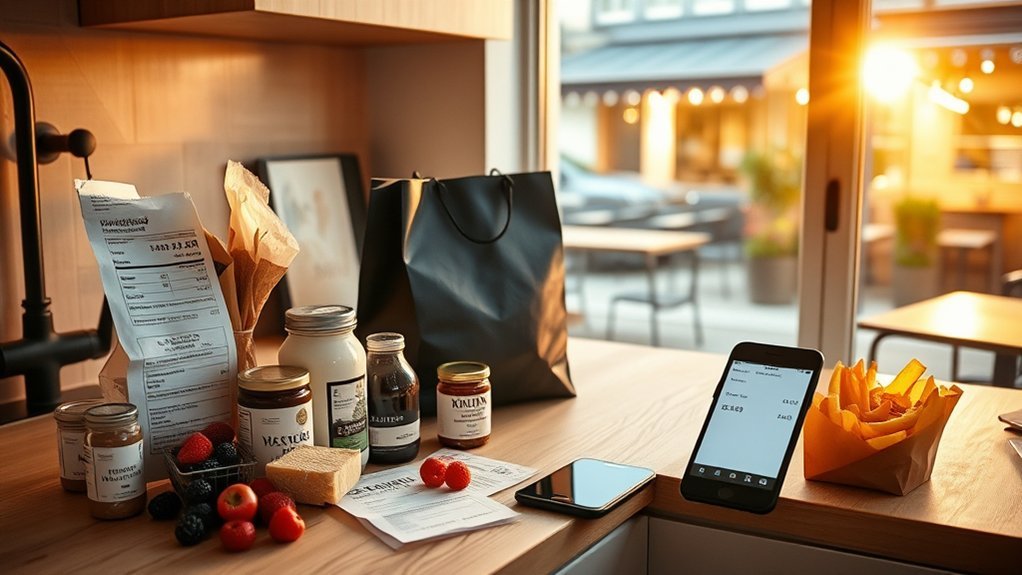
A single person who cooks most meals spends about 3,000–3,500 SEK (~$300–$350) a month on groceries. Couples should plan on about double that. Discount chains like Lidl and Willys are the cheapest; ICA and Coop cost more but have more variety.
Average national grocery prices in October 2026:
| Item | Typical Cost (SEK) | Approx. USD |
|---|---|---|
| Milk (1 liter) | 16.25 | $1.63 |
| Bread (1 lb loaf) | 26.58 | $2.66 |
| Rice (1 lb) | 16.21 | $1.62 |
| Eggs (12) | 41.72 | $4.17 |
| Chicken fillets (1 lb) | 53.08 | $5.31 |
| Beef (1 lb) | 86.00 | $8.60 |
| Local cheese (1 lb) | 52.89 | $5.29 |
| Apples (1 lb) | 13.85 | $1.39 |
| Mid-range bottle of wine | 110.00 | $11.00 |
Wine and strong beer are sold only at the state-run Systembolaget stores. Light beer (up to 3.5%) is available in supermarkets for about 19.50 SEK a bottle.
Eating out costs more than in most of Europe, and restaurant meals did not get the food VAT cut. Typical prices:
- Meal at an inexpensive restaurant: about 145 SEK (~$14.50), or 180 SEK (~$18) in Stockholm
- Three-course dinner for two at a mid-range restaurant: about 800 SEK (~$80)
- Fast-food combo meal: about 110 SEK (~$11)
- Cappuccino: about 47 SEK (~$4.70)
- Domestic beer (pint, at a bar): about 80 SEK (~$8)
Many Swedish restaurants serve a weekday lunch special (dagens lunch) that includes salad, bread, and coffee. It is usually the cheapest way to eat out.
Transportation and Getting Around
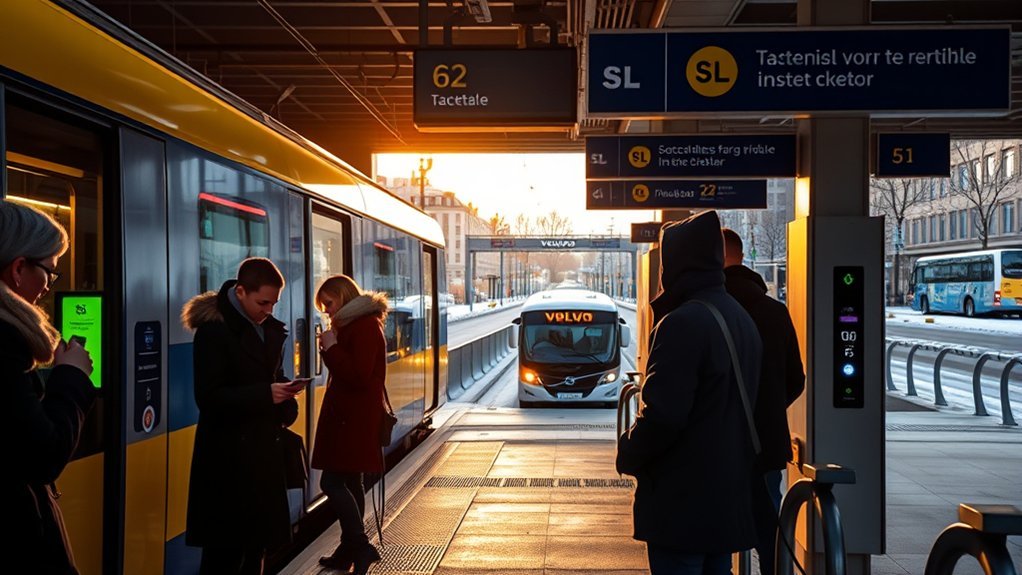
Public transit is reliable, and most people in big cities don’t need a car. There is good news for 2026: the government is paying regions to cut the price of monthly tickets in half for the second half of the year. Västtrafik, for example, halved its 30-day ticket prices from July 1, 2026. The discount covers 28–31-day tickets only, and most regions stop selling them in early December.
| Region / Ticket | Regular 30-Day Price | Half Price (Jul–Dec 2026) |
|---|---|---|
| Stockholm – SL, adult | 1,060 SEK (~$106) | 530 SEK (~$53) |
| Stockholm – SL, reduced (youth, students, seniors) | 650 SEK (~$65) | 325 SEK (~$33) |
| Gothenburg – Västtrafik, 1 zone | 890 SEK (~$89) | 445 SEK (~$45) |
| Västtrafik, 3 zones (whole region) | 2,040 SEK (~$204) | 1,020 SEK (~$102) |
| Skånetrafiken, all of Skåne | 1,370 SEK (~$137) | 685 SEK (~$69) |
A single ride costs about 37 SEK (~$3.70) on average, and 43 SEK (~$4.30) in Stockholm. The budgets below use regular prices, since the discount is set to end with 2026.
Other transport costs:
- Gasoline: about 17.80 SEK per liter (~$6.70 per gallon).
- Taxis: the meter starts around 61 SEK (~$6). Fares are set freely, so check the price sticker on the window before you get in.
- Intercity travel: trains between Stockholm, Gothenburg, and Malmö are fast and frequent. Book early for the best fares, or take a long-distance bus to save money.
- Driving: foreign licenses from EU/EEA countries are valid in Sweden. Others are generally valid for one year after you become a registered resident, after which you need a Swedish license.
Healthcare and Insurance Costs
Swedish healthcare is funded mostly through taxes. Once you are registered as a resident and have a personal identity number (personnummer), you can use public care for small patient fees. Each region sets its own visit fees, but national caps limit what you can pay in a year:
- Outpatient visits: once you have paid 1,450 SEK (~$145) within 12 months, further visits that year are free. Regions may set a lower cap.
- Prescription medicines: you pay full price up to 2,000 SEK, then a rising discount. Total spending is capped at 3,800 SEK (~$380) per 12 months.
- Dental care: free for children and young adults. Adults pay most of the cost, with a yearly state subsidy and a high-cost protection scheme.
Private options. Private health insurance in Sweden mostly buys faster access to specialists and surgery. Many employers include it as a benefit. It is not required for residents.
Before you are registered. EU citizens can use the European Health Insurance Card (EHIC) for needed care. Others should carry private or travel insurance. Under rules in force since June 1, 2026, work permit holders with jobs of up to one year must have comprehensive health insurance for their whole stay.
Schools and Childcare
Families save a lot in Sweden because most education is free.
- Preschool (förskola): fees are capped by a national maximum (maxtaxa) tied to household income. In 2026 the cap for the first child is about 1,850 SEK (~$185) a month, with lower caps for the second and third child and no fee for the fourth. The government lowered the maximum fees in 2026 and raised funding for municipalities. Children aged 3–5 get at least 15 free hours a week.
- After-school care (fritidshem): capped at about 1,230 SEK (~$123) a month for the first child.
- Public and independent schools: free, including lunch. Several English-language independent schools are tax-funded and charge no tuition, though waiting lists can be long.
- Fee-paying international schools: crowd-sourced data puts the average at about 41,800 SEK (~$4,180) a year per child. Top IB schools charge more.
- University: free for Swedish residents and EU/EEA citizens. Students from outside the EU/EEA pay tuition.
Taxes: VAT and Income Tax
Sweden’s high taxes pay for the services above. According to Skatteverket’s 2026 rates:
- VAT (moms): 25% standard; 12% on restaurant meals and hotels; 6% on books, passenger transport, and (from April 2026) food. VAT is included in shelf prices.
- Municipal income tax: everyone pays it on earned income. Rates are set locally and range from about 29% to 35%, averaging around 32%. A job tax credit (jobbskatteavdrag) reduces the tax on wages.
- State income tax: an extra 20% on taxable income above 643,000 SEK a year. For people under 66, this starts at a gross income of about 660,400 SEK (~$66,040), or about 55,000 SEK a month.
You become a Swedish tax resident if you live in Sweden permanently or stay for six months or more. Talk to a tax adviser early if you have foreign income or investments.
Salaries vs. Living Costs
Sweden has no statutory minimum wage. Pay floors are set in collective agreements between unions and employers, industry by industry.
According to SCB wage data for 2025, the median monthly salary was 38,300 SEK (~$3,830) and the average was 42,900 SEK (~$4,290), both before tax. Crowd-sourced data puts average take-home pay at about 30,100 SEK (~$3,010) a month.
That means a median earner can cover a comfortable single budget in Gothenburg or Malmö and still save. In Stockholm, a single median earner renting a central second-hand apartment will feel the squeeze. Two incomes make Sweden much more comfortable, which is why dual-earner households are the norm.
Visas and Work Permits
EU/EEA and Swiss citizens can live and work in Sweden without a permit. They register with Skatteverket to get a personnummer once they plan to stay a year or more.
Most other nationals need a residence permit. Sweden tightened its work permit rules on June 1, 2026. According to the Swedish Migration Agency:
| Item | 2026 Requirement or Fee | Approx. USD |
|---|---|---|
| Minimum salary for a work permit | 34,470 SEK a month (90% of the median) | $3,447 |
| Work permit application fee | 2,200 SEK | $220 |
| Family member fee (adult) | 1,500 SEK | $150 |
| Family member fee (child) | 750 SEK | $75 |
Some occupations only need to reach 75% of the median, and your pay must also match the collective agreement in your field. Fees are not refunded if the application is rejected.
One-Time Setup Costs
Budget for these before your first month:
- Permit fees: 2,200 SEK (~$220) for a work permit, plus 1,500 SEK per adult and 750 SEK per child for family members.
- Deposit and first month’s rent: second-hand landlords often ask for a deposit of one to three months’ rent on top of the first month.
- Furniture: many second-hand apartments come furnished. If yours doesn’t, buying basics new or second-hand can cost several thousand to tens of thousands of kronor.
- Home insurance (hemförsäkring): standard in Sweden and often required by landlords. Budget a small monthly amount for it.
- Health coverage gap: travel or private insurance until you have a personnummer, or for the full stay if your permit requires it.
- Winter clothing: a proper coat, boots, and layers are a real expense if you’re coming from a warm climate.
Sample Monthly Budgets
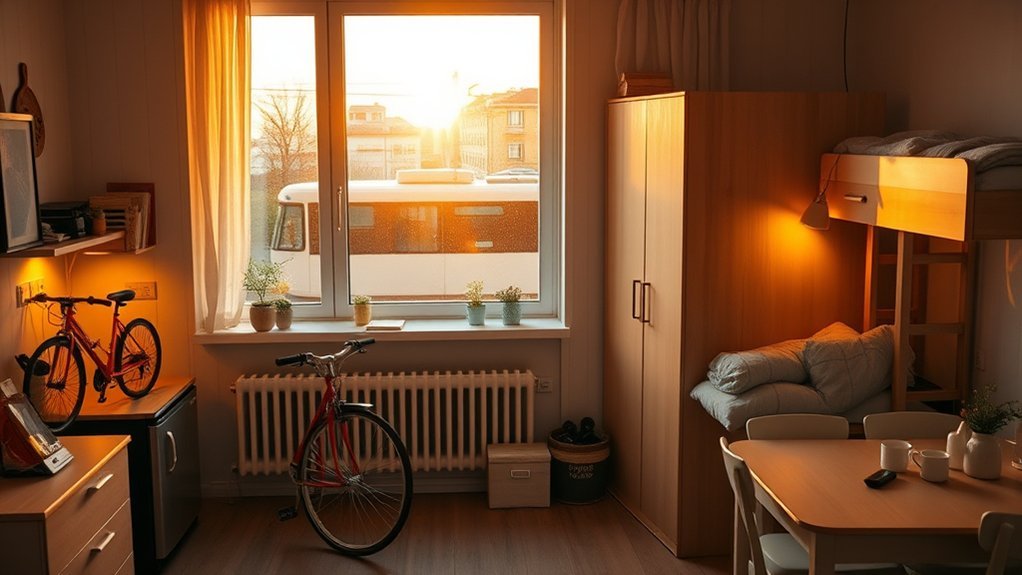
These budgets combine the averages above and use regular transit prices. The lean single budget assumes a one-bedroom outside the center in Gothenburg, Malmö, or Uppsala. The comfortable single and couple budgets assume Stockholm or Gothenburg. The family budget assumes a three-bedroom outside the center, public school, and two children in preschool or after-school care.
| Expense (SEK) | Single, Lean | Single, Stockholm | Couple | Family of Four |
|---|---|---|---|---|
| Rent | 7,000–9,200 | 10,800–16,750 | 10,300–16,750 | 11,400–17,560 |
| Utilities | 700–1,100 | 1,300 | 1,300–1,800 | 1,500–2,500 |
| Internet + mobile | 640 | 660 | 900 | 1,200 |
| Groceries | 3,000 | 3,500 | 6,000 | 9,000–10,000 |
| Eating out + leisure | 1,200 | 3,000 | 4,000 | 3,500–4,500 |
| Transport | 860 | 1,060 | 1,720–2,120 | 1,720–2,120 |
| Childcare | — | — | — | 1,850–3,080 |
| Gym | — | 400 | — | — |
| Other (insurance, clothing, personal care) | 800 | 1,200 | 2,000 | 4,000–5,000 |
| Total (SEK) | 14,000–17,000 | 22,000–28,000 | 26,000–34,000 | 34,000–46,000 |
| Total (USD) | $1,400–$1,700 | $2,200–$2,800 | $2,600–$3,400 | $3,400–$4,600 |
A higher family estimate. Numbeo’s crowd-sourced estimate for a family of four is about 38,230 SEK (~$3,820) a month before rent, rising to 45,780 SEK (~$4,580) in Stockholm. Add a three-bedroom outside the center and the total reaches roughly 50,000–63,000 SEK (~$5,000–$6,300). Families who eat out often, run a car, or pay for international school should plan closer to that level.
Owning a car adds insurance, fuel, parking, and in Stockholm and Gothenburg, congestion tax. For many households that is 3,000 SEK a month or more, so compare it with the cost of a transit pass before you buy.
Money-Saving Tips
- Join every housing queue you can. A first-hand lease is usually much cheaper than a second-hand one. Queue time counts from the day you register.
- Live outside the center, or outside Stockholm. A one-bedroom outside central Stockholm costs about 5,900 SEK less a month than one in the center.
- Buy a monthly pass while it’s half price. The 2026 discount saves 530 SEK a month in Stockholm.
- Shop at Lidl and Willys, and take advantage of lower food VAT. Cook at home and buy store brands.
- Eat out at lunch, not dinner. The weekday lunch special costs much less than an evening meal.
- Check what the rent includes. Heat, water, and broadband are often part of the rent, which makes a higher rent cheaper than it looks.
- Plan for the exchange rate. The krona moved about 14% against the dollar in 2026. If you earn in dollars, keep a buffer.
How Sweden Compares With Nearby Countries
Sweden sits in the middle of the Nordic price range. It is usually cheaper than its western neighbor; see our guide to the cost of living in Norway, where wages and prices both run higher. Malmö residents often compare their costs with Copenhagen, so check the cost of living in Denmark too. Across the Baltic, the cost of living in Finland is a close match, with lower rents outside Helsinki. If you’re weighing a move within the wider EU, compare the cost of living in Germany, where rents in many cities are similar but taxes are structured differently.
Frequently Asked Questions
How much money do you need to live in Sweden per month?
A single person needs about 14,000–17,000 SEK (~$1,400–$1,700) a month outside Stockholm, and about 22,000–28,000 SEK (~$2,200–$2,800) for a comfortable life in Stockholm. A couple should budget about 26,000–34,000 SEK (~$2,600–$3,400), and a family of four about 34,000–46,000 SEK (~$3,400–$4,600).
Is it cheaper to live in Sweden or the US?
It depends on the city and your income. Groceries, healthcare, childcare, and university are usually cheaper in Sweden, while eating out, alcohol, and taxes are higher. Rent in Gothenburg or Malmö is lower than in most large US coastal cities, but central Stockholm is close to US big-city levels.
How much is rent in Sweden in US dollars?
A one-bedroom averages about $865 a month in a city center and $690 outside it nationwide. In Stockholm the averages are about $1,675 in the center and $1,080 outside. A three-bedroom in central Stockholm averages about $2,970.
What is the average salary in Sweden?
The median monthly salary in 2025 was 38,300 SEK (~$3,830) and the average was 42,900 SEK (~$4,290), both before tax. Sweden has no statutory minimum wage; pay floors are set by collective agreements.
Can a US citizen live in Sweden?
Yes, with a residence permit. The most common route is a work permit, which since June 2026 requires a salary of at least 34,470 SEK a month in most jobs. The application fee is 2,200 SEK. Students, family members of residents, and self-employed people have their own permit types.
How much does healthcare cost in Sweden?
Registered residents pay small patient fees, capped at 1,450 SEK (~$145) for outpatient visits and 3,800 SEK (~$380) for prescription medicines in any 12-month period. Dental care is free for children and young adults.
How much does preschool cost in Sweden?
Preschool fees depend on household income and are capped nationally. In 2026 the maximum for the first child is about 1,850 SEK (~$185) a month, with lower caps for siblings. Children aged 3–5 get at least 15 free hours a week.
Conclusion
Sweden is not as expensive as its reputation suggests, but where you live changes the answer more than anything else. A single person can live simply for about $1,400–$1,700 a month in Gothenburg, Malmö, or Uppsala, while a comfortable Stockholm life costs closer to $2,200–$2,800. In 2026, cheaper groceries and half-price transit passes help, but the strong dollar is the bigger change for anyone earning in US currency. Sort out housing first, join the rental queues early, and check the exchange rate before you set your budget.
Sources
- Exchange-Rates.org – USD to SEK history, 2026
- Statistics Sweden (SCB) – Consumer Price Index, August 2026
- VATCalc – Sweden halves food VAT to 6% until December 2027
- Skatteverket – Amounts and rates 2026
- Numbeo – Sweden, Stockholm, Gothenburg, Malmö, Uppsala, Umeå (crowd-sourced averages, June–October 2026)
- Bostadsförmedlingen Stockholm – Annual report 2025
- Västtrafik – Half-price monthly tickets from July 1, 2026
- 1177 – High-cost protection for outpatient care
- 1177 – Prescription medicine costs
- Government Offices of Sweden – Lower preschool fees, January 2026
- Ekonomifakta – Median and average salary in Sweden (SCB data)
- Swedish Migration Agency – Work permits for employees