The cost of living in Laos in 2026 runs about LAK 18–21 million (~$795–$945) a month for a single person living simply in Vientiane, and about LAK 30–34 million (~$1,340–$1,520) for a comfortable single life in the center of the capital. A couple should plan on roughly LAK 38–46 million (~$1,710–$2,050). These figures use a rate of about LAK 22,450 per US dollar (early October 2026). Rent is the biggest variable: a one-bedroom in Vientiane averages about LAK 9.3 million (~$415) outside the center and LAK 14.5 million (~$645) in the center. The kip has weakened almost 4% against the dollar this year and annual inflation was 7.8% in September, so prices in kip keep climbing even when dollar budgets look stable. Below you’ll find rents, utilities, food prices, taxes, visa rules, healthcare, sample budgets, and how Laos compares with its neighbors.
By Theo Ramirez · Last updated October 4, 2026
Quick Answer
- Single person: LAK 18–21 million (~$795–$945) on a lean budget; LAK 30–34 million (~$1,340–$1,520) for a comfortable one in central Vientiane.
- Couple: LAK 38–46 million (~$1,710–$2,050) a month in Vientiane.
- Family of four: about LAK 66–76 million (~$2,945–$3,390) before school fees; about LAK 108–118 million (~$4,795–$5,240) with two children in international school.
- Rent, one-bedroom in Vientiane: about LAK 9.3 million (~$415) outside the center and LAK 14.5 million (~$645) in the center.
- Utilities: about LAK 2.0 million (~$90) a month for an 85 m² apartment with air conditioning; home internet adds about LAK 250,000–280,000 (~$11–$12).
- Gasoline: about LAK 32,000–33,000 per liter (~$1.45).
- Minimum wage: LAK 2.5 million (~$111) a month since March 2026.
Exchange Rate, Inflation, and Wages in 2026
The exchange rate. The kip traded at about LAK 22,450 per dollar in early October 2026. It started the year near LAK 21,350 and weakened most sharply in late June and July, peaking near LAK 22,670 on July 30. The Bank of the Lao PDR publishes official buy and sell rates, and commercial bank rates can differ a little. Keep your budget in kip and convert at the current rate when you check your savings.
Inflation. Annual inflation was 7.8% in September 2026, up from 7.7% in August, according to Lao Statistics Bureau data reported by Trading Economics. Prices rose 1.1% in September alone. Food and transport make up about 60% of the price index, so fuel swings hit household budgets quickly. The World Bank’s July 2026 update says a global oil shock pushed inflation back up this year and eroded purchasing power, and it expects growth to slow to 3.8% in 2026.
Wages. The minimum wage is LAK 2.5 million (~$111) a month since March 2026, according to WageIndicator. Crowd-sourced data put average take-home pay at about LAK 6 million (~$265) in Vientiane and about LAK 11 million (~$490) across the reported cities. Both samples are small. Local salaries are far below the rents foreigners usually pay, so most expats live on foreign income or an international employer package.
A central one-bedroom in Vientiane costs more than twice the average local take-home salary. The prices in this guide reflect how foreigners typically live, not how most Lao households do.
Cost of Living by City
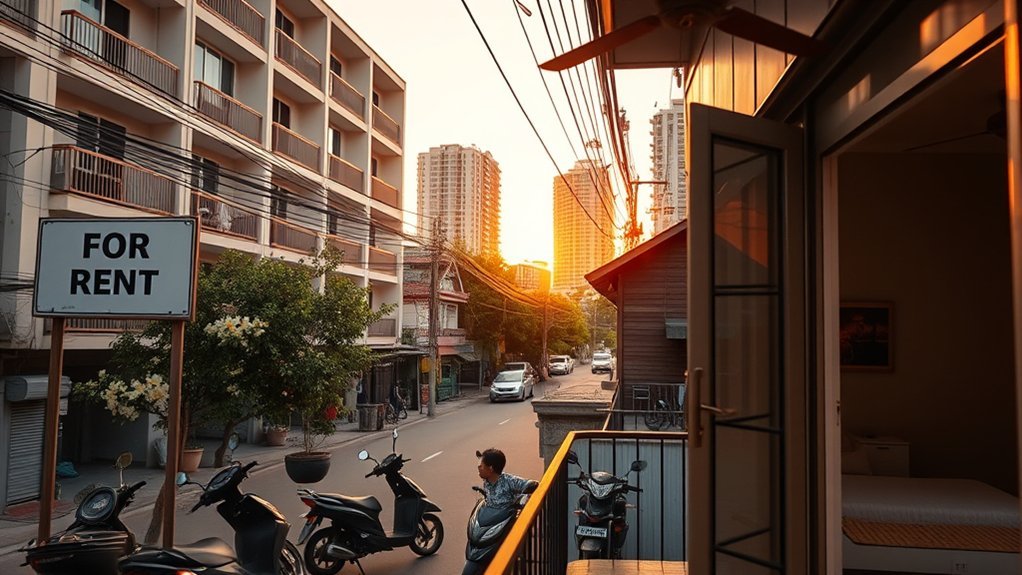
Vientiane is the only city with enough recent price reports for firm averages. The table uses crowd-sourced figures updated October 2, 2026. The national column includes a handful of reports from other cities and listings aimed at foreigners, which is why it runs higher than Vientiane.
| Area | 1-Bed, Center | 1-Bed, Outside Center | 3-Bed, Center | 3-Bed, Outside Center | Basic Utilities (85 m²) |
|---|---|---|---|---|---|
| Vientiane | LAK 14.5M (~$645) | LAK 9.3M (~$415) | LAK 27.1M (~$1,205) | LAK 17.1M (~$760) | LAK 2.03M (~$90) |
| Laos average | LAK 17.9M (~$800) | LAK 10.9M (~$485) | LAK 34.2M (~$1,525) | LAK 21.3M (~$950) | LAK 1.98M (~$88) |
Reported ranges are very wide. Central one-bedrooms in Vientiane run from about LAK 8 million to more than LAK 32 million, depending on whether the unit is a local apartment or a serviced flat aimed at foreigners.
A few patterns stand out:
- Vientiane has the most choice, the best hospitals and international schools in the country, and the largest expat community. Areas near the Mekong riverfront and the city center cost the most.
- Luang Prabang is a UNESCO heritage town where tourism pushes up rents and imported goods. There are too few recent price reports to give firm averages, so get local quotes.
- Pakse and Savannakhet in the south are quieter and usually cheaper for local-style housing, but have fewer services and very little reliable price data.
Housing: Renting in Laos
Foreigners generally cannot own land in Laos, so almost all expats rent. Options range from local houses and shophouses to modern serviced apartments.
Before signing:
- Get the full move-in cost in writing. Landlords often ask for a deposit plus several months of rent in advance, sometimes in US dollars or Thai baht.
- Check how electricity is billed. Ask whether you pay the official meter rate or a landlord rate with a markup.
- Test the air conditioning, water pressure, and internet during the hottest part of the day and at evening peak hours.
- Clarify repairs and furniture. Confirm who fixes appliances and leaks, and what furniture stays.
- Look at flood risk. The UK Foreign Office’s latest update warns of flooding during heavy rain, and some low-lying streets in Vientiane flood in the wet season.
Utilities, Internet, and Phone
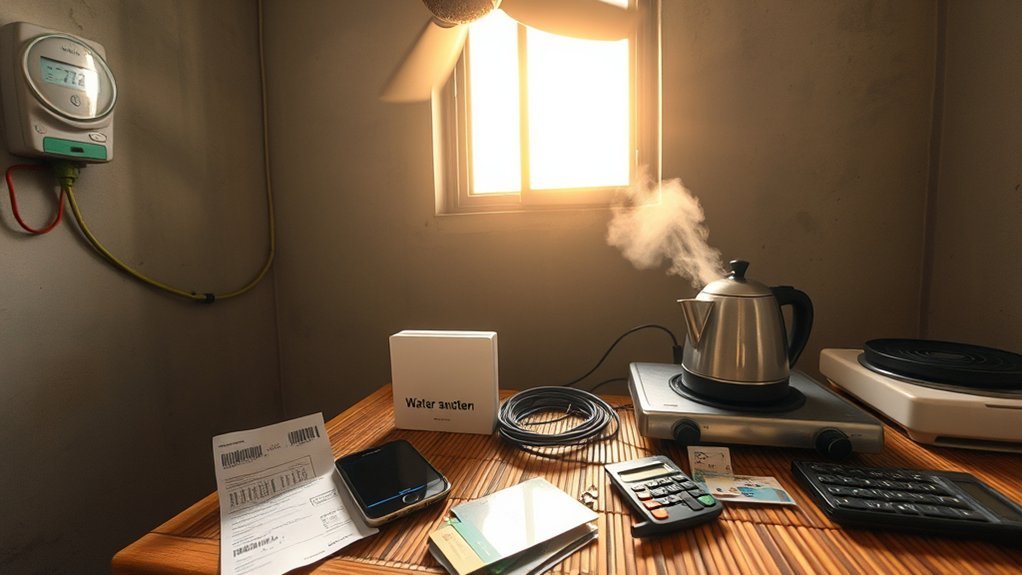
Basic utilities (electricity, cooling, water, and garbage) for an 85 m² apartment average about LAK 2.0 million (~$90) a month in Vientiane. Air conditioning is the main variable. A small flat with fans and little AC use can cost far less, while a house with several units running all day can cost much more in the hot season from March to May.
Other monthly connections:
- Home internet (60+ Mbps): about LAK 250,000–280,000 (~$11–$12).
- Mobile plan with 10 GB+ data: about LAK 445,000–730,000 (~$20–$33).
Remote workers should test speeds at the exact address and keep a second SIM from a different network as backup.
Food: Groceries and Dining Out

Local food is cheap, and imported food is not. Laos imports much of its packaged and Western food from Thailand, so cheese, wine, and branded goods cost more than in Bangkok. A single person who mostly cooks local food spends about LAK 3.5–5.5 million (~$155–$245) a month on groceries. A couple should plan on about LAK 8–9.5 million (~$355–$425).
Average prices in Vientiane, October 2026:
| Item | Typical Cost (LAK) | Approx. USD |
|---|---|---|
| Milk (1 liter) | 45,100 | $2.01 |
| Bread (1 lb loaf) | 23,300 | $1.04 |
| Rice (1 kg) | 23,000 | $1.02 |
| Eggs (12) | 41,900 | $1.87 |
| Chicken fillets (1 kg) | 139,100 | $6.20 |
| Beef (1 kg) | 153,300 | $6.83 |
| Bananas (1 kg) | 25,600 | $1.14 |
| Potatoes (1 kg) | 32,800 | $1.46 |
| Domestic beer (0.5 liter, store) | 23,400 | $1.04 |
| Mid-range bottle of wine | 224,600 | $10.00 |
Eating out is where Laos stays cheap. Noodle soup (feu), sticky rice with grilled meat, and larb at local spots cost a fraction of Western meals. Common prices:
- Meal at an inexpensive restaurant: about LAK 50,000–55,000 (~$2.25–$2.45)
- Three-course dinner for two at a mid-range restaurant: about LAK 400,000 (~$18)
- Fast-food combo meal: about LAK 120,000 (~$5.35)
- Cappuccino: about LAK 36,000–38,000 (~$1.60–$1.70)
- Draft beer (pint, at a bar): about LAK 29,000–30,500 (~$1.30–$1.35)
Eating a local lunch out every weekday costs only about LAK 1.1 million (~$50) a month. A daily habit of imported cheese and wine can cost more than that in a week.
Transportation and Getting Around
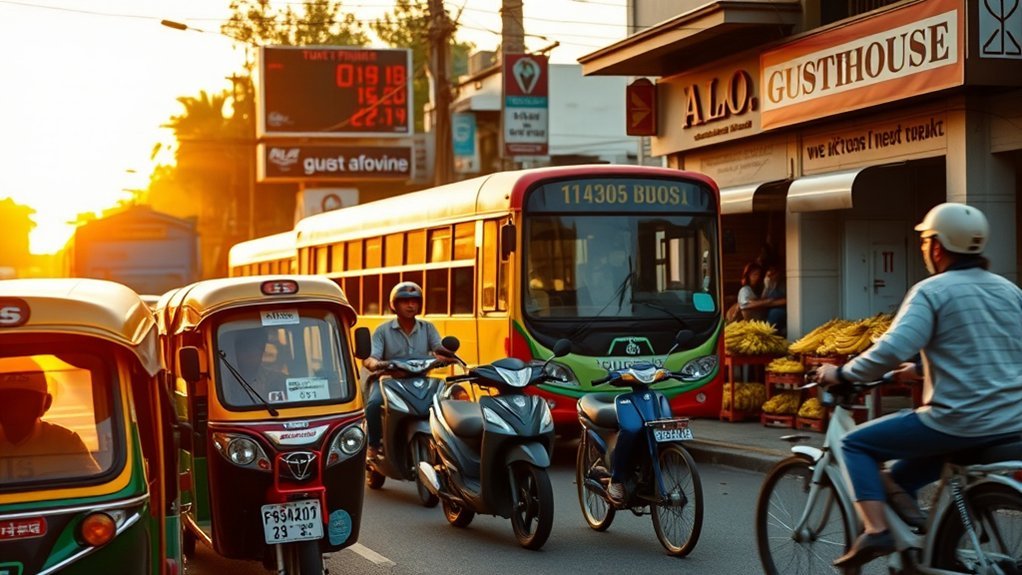
Vientiane has city buses, but routes are limited and service thins out in the evening. Most residents use motorbikes, cars, tuk-tuks, or ride-hailing apps.
| Item | Typical Cost (LAK) | Approx. USD |
|---|---|---|
| City bus ticket | 10,000 | $0.45 |
| Monthly bus pass | 1.09–1.29 million | $48–$58 |
| Taxi start fare | 27,500–30,000 | $1.20–$1.35 |
| Gasoline (1 liter) | 32,250–33,300 | $1.44–$1.48 |
| New Toyota Corolla | about 653 million | about $29,085 |
Gasoline costs about $5.50 per gallon, higher than in the US, because Laos imports all its fuel. Ride-hailing apps and tuk-tuks are the easiest way to get around without a vehicle; agree on tuk-tuk fares before you get in.
For travel between cities, the Laos–China Railway links Vientiane with Vang Vieng, Luang Prabang, and the Chinese border, and is much faster than the road. Buy tickets in advance, especially around holidays.
The US State Department says road accidents are a major cause of death in Laos and bars its own staff from riding motorcycles. Wear a full helmet, avoid driving at night, and check that your insurance covers motorbike accidents.
Healthcare and Insurance Costs
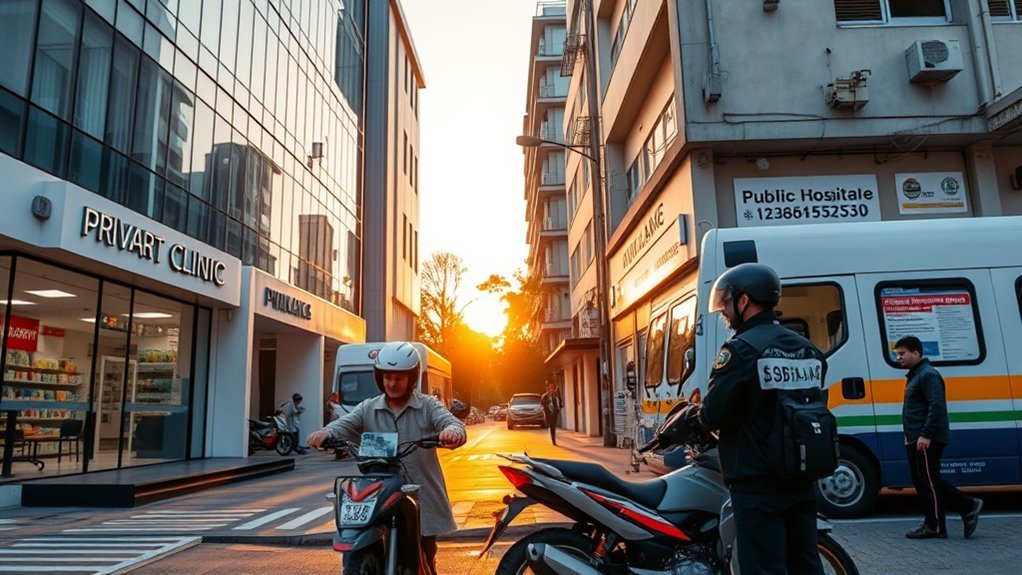
Healthcare is the biggest gap between Laos and its neighbors. The US State Department describes medical facilities as “extremely limited” and says they may not meet basic international standards. Serious cases are usually sent to hospitals in Thailand, often in Udon Thani or Bangkok, and most providers want cash up front.
What this means for your budget:
- International health insurance with medical evacuation is essential, not optional. Price it before you decide Laos is affordable.
- Clinic visits for minor problems are cheap, but quality varies. Many expats in Vientiane cross the Friendship Bridge to Nong Khai or Udon Thani for anything beyond routine care.
- Keep emergency cash or a card with a high limit, since hospitals in Laos and Thailand may ask for a deposit before treatment.
- Vaccines and malaria prevention depend on where you will live and travel. Discuss them with a travel clinic before you move.
Public health spending is low. The World Bank notes it is about 4% of the national budget, with a goal of 9% by 2030, so do not expect public services to fill gaps.
Schools and Childcare
Expat families in Vientiane usually choose international or bilingual schools. Fees are high relative to everything else in Laos.
- International primary school: about LAK 239–249 million (~$10,650–$11,090) a year on average, before enrollment, bus, and activity fees.
- Private preschool or kindergarten: about LAK 7.3–14 million (~$325–$625) a month, with Vientiane’s international-standard preschools at the top of that range.
- Public schools: classes are in Lao, and facilities are basic. Few expat families use them.
For a family with two children in international school, tuition alone adds about LAK 41.5 million (~$1,850) a month.
Taxes: VAT and Income Tax
According to PwC’s Lao PDR tax summary (reviewed August 7, 2026):
- Personal income tax: progressive from 0% to 25%. Monthly income up to LAK 2.5 million is tax-free, and the top 25% rate applies above LAK 65 million (~$2,895) a month. Foreigners pay tax on Lao-source income, and those staying more than 183 days a year may also owe tax on foreign income.
- VAT: 10% standard rate, included in shelf prices.
- Social security: employees pay 5.5% and employers 6% of basic salary, capped at a salary of LAK 4.5 million a month.
- Interest and dividends: bank deposit interest is exempt; dividends are taxed at 10%.
Visas and Residency
- Visa on arrival: available at major airports and border crossings for many nationalities, generally for a 30-day stay. The US State Department says it can be extended by up to 60 more days at the Department of Immigration in Vientiane.
- eVisa: the official Lao eVisa portal issues single-entry tourist visas for a 30-day stay. The approval letter is valid for 60 days, processing usually takes three working days, and it works at nine designated entry points. The portal calculates the fee by nationality when you apply.
- Passport: at least six months of validity and two blank pages.
- Long stays: work, business, study, and family visas require a sponsor. A tourist visa does not allow you to work. Overstays bring daily fines and can lead to arrest, so leave or extend on time.
Safety and Practical Tips
The US State Department rates Laos at Level 2, Exercise Increased Caution, with Xaisomboun Province at Level 3. The UK Foreign Office (updated August 13, 2026) advises against all but essential travel to Xaisomboun Province because of armed clashes, and warns about flooding and some suspended border crossings in the region. Large amounts of unexploded ordnance remain in rural areas, so stay on marked paths.
Cash still matters. Kip is used for daily purchases, but rent and larger items are sometimes quoted in dollars or baht. Cards and QR payments work in many Vientiane shops and restaurants, less so in smaller towns.
One-Time Setup Costs
Budget for these before your first month:
- Rent in advance plus deposit: often two to four months of rent up front, about LAK 28–58 million (~$1,240–$2,580) for a Vientiane one-bedroom.
- Visa or eVisa and extensions: check current fees for your nationality on the eVisa portal.
- International health insurance with evacuation: often the biggest setup cost, depending on your age and cover.
- Household items and a fan or AC repairs: many local rentals come only partly furnished.
- Motorbike or deposit for a rental: plus a proper helmet.
- Emergency fund: enough to pay a hospital deposit and travel to Thailand at short notice.
Sample Monthly Budgets

These budgets use Vientiane rents and prices. They exclude health insurance, which varies too much by age and cover to average.
| Expense (LAK million) | Single, Lean | Single, Comfortable | Couple |
|---|---|---|---|
| Rent (1-bed) | 9.3 | 14.5 | 14.5–17.1 |
| Utilities | 1.5–2.0 | 2.0–2.5 | 2.5–3.0 |
| Internet + mobile | 0.7–1.0 | 1.0 | 1.3 |
| Groceries | 3.5–4.5 | 4.5–5.5 | 8.0–9.5 |
| Eating out + leisure | 1.2–1.8 | 3.5–4.5 | 5.0–6.5 |
| Transport | 0.6–1.1 | 1.5–2.5 | 2.0–3.0 |
| Gym | — | 1.07 | 2.13 |
| Personal + other | 1.0–1.5 | 2.0–2.5 | 3.0–3.5 |
| Total (LAK) | 17.8–21.2 million | 30.1–34.1 million | 38.4–46.0 million |
| Total (USD) | $795–$945 | $1,340–$1,520 | $1,710–$2,050 |
Family of four: crowd-sourced data put a family of four at about LAK 49 million (~$2,185) a month before rent. Add a Vientiane three-bedroom outside the center (LAK 17.1 million) or in the center (LAK 27.1 million) and the total is about LAK 66–76 million (~$2,945–$3,390). International school for two children pushes that to roughly LAK 108–118 million (~$4,795–$5,240).
Salary vs. Cost of Living
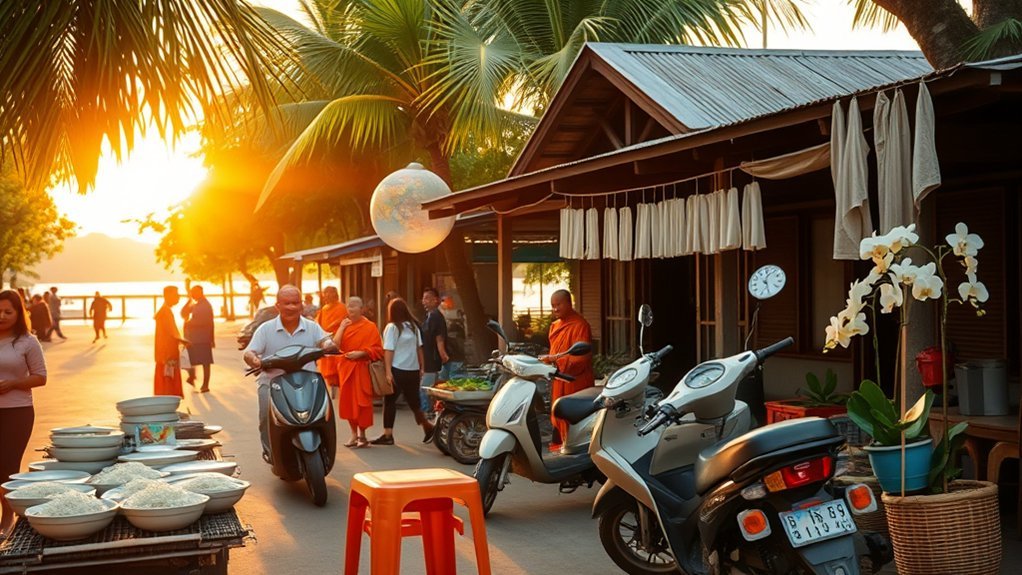
The gap between local pay and expat costs is wide.
- The minimum wage of LAK 2.5 million does not cover even an outside-center one-bedroom in Vientiane.
- A local professional on LAK 6–11 million a month typically shares housing or lives with family.
- A remote worker earning $1,500 (about LAK 33.7 million) a month can live comfortably in central Vientiane, but needs to set aside money for insurance and trips to Thailand.
- Because the kip has been weakening, people paid in dollars have gained a little purchasing power this year, while people paid in kip have lost ground to inflation.
Money-Saving Tips
- Rent outside the center. In Vientiane this saves about LAK 5 million (~$230) a month on a one-bedroom.
- Eat local. Market food and noodle shops cost a fraction of Western cafés.
- Limit imported groceries. Buy local fruit, vegetables, rice, and meat at morning markets.
- Watch the AC. Fans and good shade cut electricity bills sharply outside the hottest months.
- Negotiate rent paid in advance for a lower monthly rate, but only with a written lease.
- Combine Thailand trips. If you go to Nong Khai or Udon Thani for healthcare, stock up on items that are cheaper there.
How Laos Compares With Nearby Countries
Laos has too few price reports to appear in the main crowd-sourced country rankings, so direct index comparisons are not available. What the data does show is that local food and transport in Laos are cheap, while imported goods, expat housing, and especially healthcare cost more than you might expect for a low-income country. Many people living in Vientiane rely on Thailand for medical care and bigger shopping trips.
If you are comparing the region, see our guides to the cost of living in Thailand, just across the Mekong, and the cost of living in Cambodia. For other neighbors, read our Myanmar living costs breakdown and our guide to living costs in China, reached by the Laos–China Railway.
Frequently Asked Questions
How much money do you need to live in Laos per month?
A single person needs about LAK 18–21 million (~$795–$945) a month for a simple life in Vientiane, and about LAK 30–34 million (~$1,340–$1,520) for a comfortable one in the center. A couple should budget about LAK 38–46 million (~$1,710–$2,050). Health insurance with evacuation cover comes on top.
Is $1,000 a month enough to live in Laos?
Yes, for a simple life. At about LAK 22,450 per dollar, $1,000 is roughly LAK 22.5 million. That covers a one-bedroom outside the center of Vientiane, local food, and basic transport, but leaves little room for insurance, imported goods, or trips to Thailand.
How much is rent in Vientiane in 2026?
A one-bedroom averages about LAK 14.5 million (~$645) in the center and LAK 9.3 million (~$415) outside it. A three-bedroom averages about LAK 27.1 million (~$1,205) in the center and LAK 17.1 million (~$760) outside.
What is the minimum wage in Laos?
The minimum wage is LAK 2.5 million (~$111) a month, in effect since March 2026. Crowd-sourced average take-home pay is about LAK 6 million (~$265) in Vientiane.
What are the tax rates in Laos?
Personal income tax is progressive from 0% to 25%, with the first LAK 2.5 million of monthly income tax-free. VAT is 10%. Employees pay 5.5% social security on salary up to LAK 4.5 million a month.
How long can you stay in Laos on a tourist visa?
A visa on arrival or eVisa generally allows a 30-day stay. The US State Department says a tourist visa can be extended by up to 60 days at the Department of Immigration in Vientiane.
Is healthcare good in Laos?
Medical facilities are very limited, and serious cases are usually sent to hospitals in Thailand. Anyone living in Laos should carry international health insurance that covers medical evacuation.
Conclusion
Laos can be inexpensive for daily life, especially if you eat local food and rent outside central Vientiane. A single person can live simply on about $795–$945 a month, or comfortably on about $1,340–$1,520 in the center. The real budget risks are healthcare, imported goods, and a weakening kip with 7.8% inflation. Price your health insurance with evacuation cover first, keep your budget in kip, and recheck rents and fuel before you sign a lease.
Sources
- Bank of the Lao PDR – official exchange rates
- Exchange-Rates.org – USD to LAK history, 2026
- Trading Economics – Laos inflation, September 2026
- World Bank – Moderate Lao Economic Growth Anticipated in 2026 (July 2026)
- WageIndicator – Laos minimum wage 2026
- PwC – Lao PDR personal income tax
- PwC – Lao PDR VAT and social security
- US State Department – Laos country information
- GOV.UK – Laos travel advice
- Official Lao eVisa – FAQ
- Official Lao eVisa – information and entry points
- GlobalPetrolPrices – Laos gasoline prices
- Numbeo – Laos and Vientiane (crowd-sourced averages)