The cost of living in Palestine in 2026 depends almost entirely on where you are. In a West Bank city, a single person needs about NIS 3,200–5,400 (~$1,050–$1,770) a month for a modest life, and about NIS 6,200–8,650 (~$2,035–$2,835) for a comfortable one in central Ramallah. A couple should plan on roughly NIS 5,850–8,800 (~$1,920–$2,885), and a family of four about NIS 7,850–12,750 (~$2,575–$4,180) before international school fees. These figures use the Bank of Israel representative rate of about NIS 3.05 per US dollar (early October 2026). The Israeli new shekel (NIS) is the everyday currency in the West Bank and Gaza. Gaza is a separate case: after two years of war, most residents live on aid, cash is scarce, and a normal monthly budget does not apply. Below you’ll find West Bank rents by city, everyday prices, fuel and utility rates, wages, taxes, entry rules, sample budgets, and a separate look at Gaza.
Quick Answer
- Single person (West Bank): NIS 3,200–5,400 (~$1,050–$1,770) on a modest budget; NIS 6,200–8,650 (~$2,035–$2,835) for a comfortable life in central Ramallah.
- Couple: NIS 5,850–8,800 (~$1,920–$2,885) a month.
- Family of four: NIS 7,850–12,750 (~$2,575–$4,180) before international school fees.
- Rent, one-bedroom: about NIS 700–2,000 (~$230–$650) outside city centers; NIS 900–3,300 (~$295–$1,080) in the center, with Ramallah at the top.
- Fuel (October 2026): gasoline 95 at NIS 8.17 a liter (~$2.68); a 12 kg cooking gas cylinder at NIS 90 (~$29.50).
- Minimum wage: NIS 1,880 a month (~$615). The average West Bank daily wage was NIS 135.6 (~$44) in late 2025.
- Gaza: no reliable consumer budget. Food prices have fallen from 2025 famine-era peaks but stayed well above pre-war levels, with 78% unemployment in 2025.
Exchange Rate, Inflation, and the Economy in 2026
Currency. There is no Palestinian currency. Daily prices are in Israeli new shekels. Jordanian dinars (about NIS 4.31 each) and US dollars are common for rent, property, car sales, and savings. The Bank of Israel representative rate was about NIS 3.05 per dollar in early October 2026. The shekel is strong, so anyone earning in dollars gets less for their money than older guides suggest.
Inflation. The Palestinian Central Bureau of Statistics (PCBS) tracks three regions separately. Its July 2026 consumer price release showed annual inflation of 1.67% in the West Bank and 1.90% in the parts of Jerusalem it covers (J1). In August 2026 the West Bank rate rose to 3.27%. Gaza prices fell 58.39% year over year in August, but only because they are compared with the extreme famine-era prices of mid-2025.
The wider economy. The World Bank’s May 2026 economic monitor reports that Israel has withheld all Palestinian Authority (PA) clearance revenues since May 2025. As a result, PA employees received only 50–70% of their salaries through 2025, and a flat NIS 2,000 in January 2026. The World Bank puts poverty at about 18% in the West Bank and near-universal in Gaza. When you budget, remember that many local households live with irregular pay, so prices for services and rent can be negotiable.
At NIS 3.05 per dollar, the West Bank minimum wage of NIS 1,880 equals about $615 a month, well below the cost of renting a one-bedroom and living alone in Ramallah.
Rent by City in the West Bank
Housing is the biggest swing factor. Official statistics do not publish current asking rents, so the table uses crowd-sourced averages from Numbeo (updated August and September 2026). Each city has only four to six contributors, so treat these as rough guides and confirm with local listings.
| City | 1-Bed, City Center | 1-Bed, Outside Center | Basic Utilities (85 m²) | Notes |
|---|---|---|---|---|
| Ramallah / Al-Bireh | NIS 3,300 (~$1,080) | NIS 1,980 (~$650) | NIS 1,000 (~$330) | highest rents; NGO and ministry demand |
| Bethlehem | NIS 1,500 (~$490) | NIS 1,000 (~$330) | NIS 600 (~$195) | tourism-dependent economy |
| Nablus | NIS 900 (~$295) | NIS 700 (~$230) | NIS 272 (~$90) | lowest rents of the three; very few reports |
| Palestine average | NIS 1,550 (~$510) | NIS 1,415 (~$465) | NIS 712 (~$235) | mostly West Bank reports |
Hebron, Jenin, Tulkarm, and Jericho have too few reports to list. Local agents generally describe Hebron and the northern cities as cheaper than Ramallah, and Jericho as a winter-season market. A three-bedroom family apartment runs about NIS 4,435 (~$1,455) in central Ramallah and NIS 2,000–2,950 (~$655–$965) outside the centers of Ramallah and Bethlehem, based on the same crowd-sourced data.
East Jerusalem is a different market. It sits under Israeli municipal rules, and rents and services are priced much closer to Israeli levels. Don’t mix it into a West Bank budget.
Housing: What to Check Before You Rent
Most apartments are rented unfurnished on yearly leases, often priced in Jordanian dinars or dollars. Furnished units in Ramallah and Al-Bireh cost more and suit short stays. Before signing:
- Confirm the currency. A rent set in dinars or dollars changes in shekel terms every month.
- Ask what’s included. Water, building fees, heating fuel, a generator, or a water tank may or may not be part of the rent.
- Check the water supply. Many buildings rely on rooftop tanks, and summer supply cuts are common in some areas.
- Get the deposit and notice period in writing. Landlords often want several months paid up front.
- Look at the route. A cheaper flat that requires crossing a checkpoint every day can cost more in time and taxi fares.
Utilities, Internet, and Phone
Electricity is mostly bought from Israel and resold by local distributors. The 2025 tariff approved by the cabinet raised the prepaid residential rate to about NIS 0.555 per kWh (~$0.18) before tax, according to Attaqa’s report on the 19% increase, with the government absorbing part of it. At that rate, 300 kWh a month costs about NIS 167 (~$55) before VAT. Many homes use prepaid meters.
A small apartment usually spends NIS 300–700 (~$100–$230) a month on electricity, water, and gas combined. Winter heating and summer cooling push it higher; the crowd-sourced Ramallah figure of NIS 1,000 reflects larger flats with heavy air-conditioning use.
| Service | Monthly Cost (NIS) | Approx. USD | Notes |
|---|---|---|---|
| Electricity, water, gas (small flat) | 300–700 | $100–$230 | season and meter type matter |
| Cooking gas, 12 kg cylinder | 90 each | $29.50 | October 2026 official price |
| Home fiber (Jawwal) | 168–278 incl. VAT | $55–$91 | NIS 145–240 before VAT; 1-year contract |
| Postpaid mobile (Ooredoo) | 87–157 incl. VAT | $29–$51 | NIS 75–135 before VAT; 3–10 GB |
| Light prepaid mobile use | 20–50 | $7–$16 | small data bundles |
Jawwal’s fiber page lists four West Bank packages from NIS 145 to NIS 240 a month before VAT, for 100–500 Mbps tiers, subject to technical availability. Ooredoo’s postpaid plans start at NIS 75 for 3 GB and run to NIS 245 for 40 GB, also before VAT. Mobile networks in the West Bank are mostly 4G, and coverage varies near checkpoints and in rural areas.
Food: Groceries and Eating Out
A single person who cooks at home spends about NIS 900–1,400 (~$295–$460) a month on groceries in the West Bank. A family of four needs roughly NIS 2,800–4,000 (~$920–$1,310). Local vegetables, bread, legumes, olive oil, and seasonal fruit are cheap. Imported packaged goods, cheese, and toiletries cost about the same as in Israel.
The World Food Programme’s February 2026 market monitor priced the West Bank minimum expenditure basket (the basic monthly needs of a typical household) at NIS 2,117 (~$695) in December 2025, only 3% above its pre-war baseline. Its food share was NIS 721 (~$235). That basket covers survival needs, not a renter’s lifestyle.
Typical prices from crowd-sourced averages (September 2026):
| Item | Typical Cost (NIS) | Approx. USD |
|---|---|---|
| Milk (1 liter) | 6.25 | $2.05 |
| Bread (1 lb loaf) | 4.08 | $1.34 |
| Eggs (12) | 9.33 | $3.06 |
| Chicken fillets (1 lb) | 14.51 | $4.76 |
| Meal at an inexpensive restaurant | 26.50 | $8.70 |
| Three-course dinner for two, mid-range | 150 | $49 |
| Cappuccino (Ramallah) | 15 | $4.90 |
Falafel, hummus, and bakery snacks still cost a few shekels, so eating out cheaply is easy. Ramallah’s cafés and restaurants charge closer to Israeli prices.
Transportation and Fuel
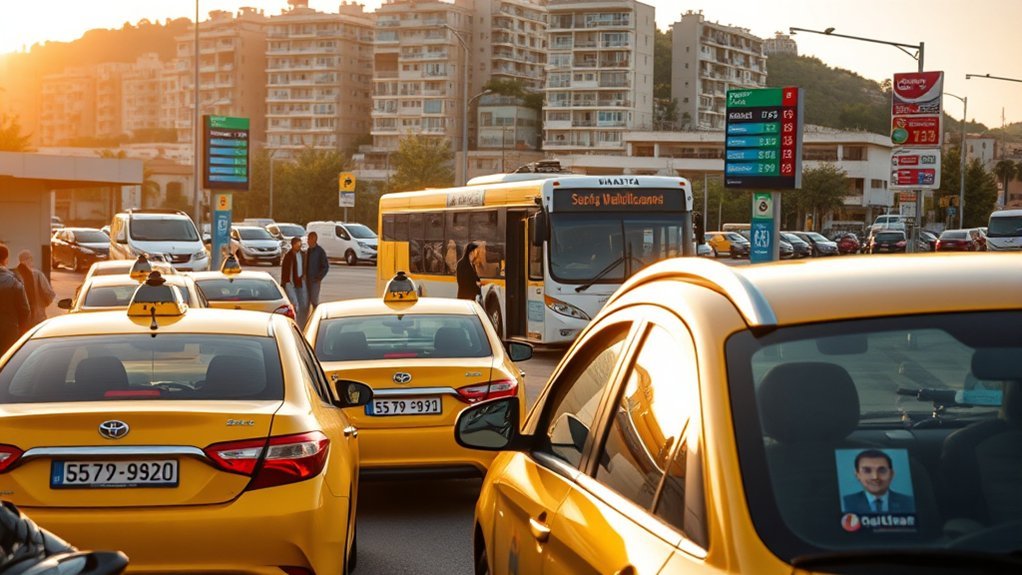
Most people get around by shared service taxis (servis), buses, and private taxis. A local ride costs about NIS 5 (~$1.64), and a monthly pass in Ramallah is about NIS 250 (~$82), according to crowd-sourced data. Intercity servis fares depend on the route. Checkpoints and road closures can turn a short trip into a long, expensive one, so budget NIS 150–400 (~$50–$130) a month for local commuting and more for regular intercity travel.
The Ministry of Energy sets fuel prices each month. The October 2026 price bulletin raised most prices by up to 7%:
| Fuel | October 2026 (NIS) | Approx. USD | September 2026 (NIS) |
|---|---|---|---|
| Gasoline 95 (1 liter) | 8.17 | $2.68 (~$10.15/gal) | 8.15 |
| Gasoline 98 (1 liter) | 9.73 | $3.19 | 9.21 |
| Diesel (1 liter) | 8.99 | $2.95 | 8.39 |
| Cooking gas (12 kg) | 90 | $29.50 | 85 |
Owning a car brings insurance, licensing, and parking costs, and cars with Palestinian plates face more road restrictions than cars with Israeli plates. Most newcomers rely on servis and taxis.
Healthcare and Insurance
The West Bank has Ministry of Health hospitals and clinics, UNRWA clinics for registered refugees, NGO hospitals, and private clinics. Public employees and many workers are covered by government health insurance, and others can buy into it. Specialist care is limited, and some treatment requires referral to Jerusalem, Israel, Jordan, or Egypt, which costs time and money and needs permits.
For planning, a healthy adult can set aside NIS 200–500 (~$65–$165) a month for insurance, medicines, and occasional private visits. Foreigners should carry international health insurance that covers emergency evacuation. Fees at private clinics and hospitals vary widely, so ask for prices before treatment.
The World Bank describes Gaza’s health system as sharply reduced, with large unmet needs. Costs there depend on whether care is available at all.
Schools and Childcare
Public and UNRWA schools are free or close to it, and teach in Arabic. PA public-school calendars have been disrupted by teacher strikes and partial salary payments. Private schools in Ramallah, Bethlehem, and Jerusalem range from modest church and community schools to international-curriculum schools. Crowd-sourced data puts international primary school tuition in Ramallah at about NIS 25,000 (~$8,195) a year per child, before registration, transport, and books. A family with two children in such a school adds about NIS 4,170 (~$1,365) a month.
Wages and Affordability
The PCBS West Bank labour force survey for Q4 2025 gives the clearest picture of what local workers earn.
| Indicator | Latest Figure | Approx. USD |
|---|---|---|
| Minimum wage (since 2022) | NIS 1,880 a month | $615 |
| Average daily wage, West Bank | NIS 135.6 | $44 |
| Rough monthly equivalent (22.4 workdays) | about NIS 3,040 | ~$995 |
| Average daily wage, work in Israel and settlements | NIS 256.9 | $84 |
| Private-sector workers paid below minimum wage | 14.6% (average NIS 1,442 a month) | $473 |
| West Bank unemployment (Q4 2025) | 27.5% | — |
| Gaza unemployment (2025, World Bank) | 78% | — |
Crowd-sourced averages put net monthly pay at about NIS 2,780 (~$910) nationally and NIS 4,000 (~$1,310) in Ramallah. The gap with work in Israel used to support many households, but the World Bank counts about 52,000 West Bank workers in Israel and the settlements in late 2025, down from more than 177,000 before October 2023. On a local salary, renting alone in Ramallah takes most of a paycheck, which is why many people live with family.
Taxes: VAT and Income Tax
- VAT: 16% on most goods and imports, per PwC’s Palestinian territories tax summary (reviewed August 2026). It is usually included in shelf prices, but telecom and some service prices are quoted before VAT.
- Income tax: PA rates for employees are 5% on the first NIS 75,000 a year, 10% from NIS 75,001 to 150,000, and 15% above NIS 150,000, before personal exemptions.
- Customs and purchase tax: apply to many imported goods, including cars, so imported items cost more than their sticker price abroad.
Foreigners paid by employers abroad should check their home country’s tax rules and any tax-treaty position with an accountant.
Entry Rules and Residence
The Palestinian Authority does not issue its own visas for foreign visitors. Israel controls entry to the West Bank, whether through Ben Gurion Airport, land crossings, or the Allenby (King Hussein) Bridge from Jordan. Since January 2025, visitors from visa-exempt countries need an Israeli electronic travel authorization, the ETA-IL. Israel’s embassy in the US lists the fee at NIS 25 (~$8), with stays of up to 90 days. Longer stays for work need an Israeli-issued permit or visa, usually arranged through an employer such as an NGO, UN agency, or international company. Entry to Gaza for foreigners is currently limited to accredited aid workers and journalists under special arrangements.
Rules and crossing hours change often. Check your government’s travel advice and the crossing’s current schedule before you go.
Gaza: A Humanitarian Economy
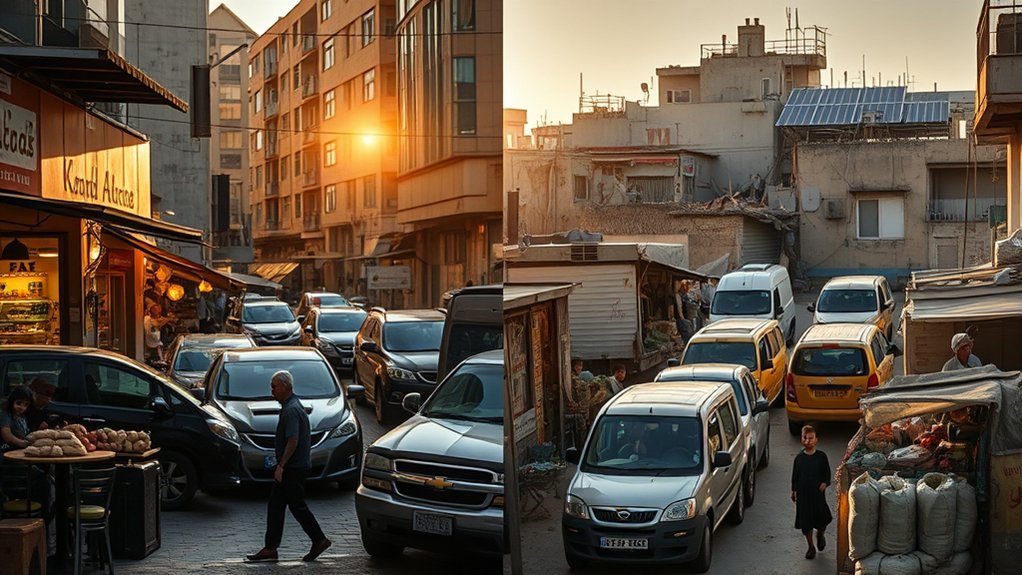
Gaza cannot be budgeted like a normal city. Most homes are damaged or destroyed, most residents are displaced, and incomes are close to zero for a large share of families. The useful data come from humanitarian monitoring rather than consumer price surveys.
Prices. WFP’s minimum expenditure basket for Gaza peaked at NIS 11,984 (~$3,930) in July 2025, during the famine. By December 2025 it had dropped to NIS 1,989 (~$650), still 16% above the pre-war baseline. In February 2026, WFP found overall prices about 85% above September 2023 levels. Press reports from September 2026 described a 25 kg bag of flour at around NIS 30 and tomatoes near NIS 8 per kg, but said most families still cannot afford a full diet.
| Item (Gaza) | Pre-war (Sept 2023) | February 2026 |
|---|---|---|
| Wheat flour, 25 kg | NIS 47.5 | NIS 15–25 |
| Eggs, 2 kg | NIS 14 | NIS 26–29 |
| Tomatoes, 1 kg | NIS 3.6 | NIS 9–12 |
| Cooking gas, 1 kg | NIS 5.9 | NIS 70–80 |
| Diesel, 1 liter | — | NIS 25–35 |
Source: WFP market monitor, February 2026. Prices differ by governorate.
Cash. Banknotes are scarce. WFP reported cash withdrawal fees of about 14–15% in early 2026, down from 35% in September 2025, and 99% of households with market-access problems blamed a lack of cash. E-wallets and digital payments are now widely used.
Basic services. The UN OCHA situation report of July 23, 2026 notes subsidized bread at NIS 3 per two-kilogram bundle, water delivered by truck to 1.6 million people, shortages of tents and fuel, and frequent power outages. Anyone supporting relatives in Gaza should expect prices to move quickly with crossing openings and closures.
Sample Monthly Budgets

These West Bank budgets combine the figures above. The modest single and couple columns assume a flat outside the center in Ramallah, Bethlehem, or Nablus. The comfortable single column assumes central Ramallah.
| Expense (NIS) | Single, Modest | Single, Comfortable | Couple | Family of Four |
|---|---|---|---|---|
| Rent | 1,000–1,800 | 2,500–3,300 | 1,800–2,800 | 2,500–3,500 |
| Utilities | 300–500 | 500–800 | 450–700 | 600–1,000 |
| Internet + mobile | 200–300 | 250–350 | 300–400 | 350–450 |
| Groceries | 1,000–1,400 | 1,300–1,700 | 1,900–2,500 | 2,800–4,000 |
| Eating out + leisure | 300–600 | 700–1,100 | 600–1,000 | 600–1,000 |
| Transport | 200–400 | 400–600 | 400–700 | 500–900 |
| Health + personal care | 200–400 | 300–500 | 400–700 | 500–900 |
| Gym / school extras | — | 250–300 | — | 0–1,000 |
| Total (NIS) | 3,200–5,400 | 6,200–8,650 | 5,850–8,800 | 7,850–12,750 |
| Total (USD) | $1,050–$1,770 | $2,035–$2,835 | $1,920–$2,885 | $2,575–$4,180 |
The family column covers public school or low-cost private school. International school for two children adds about NIS 4,170 (~$1,365) a month. For comparison, Numbeo’s crowd-sourced estimate for a single person, excluding rent, is about NIS 3,260 (~$1,070), which sits inside these ranges once rent is added.
First-Month Setup Costs
- ETA-IL travel authorization: NIS 25 (~$8).
- Rent paid up front: landlords often ask for three to six months, or even a year, in advance, plus a deposit. In Ramallah that can mean NIS 6,000–20,000 (~$1,965–$6,560) before you move in.
- Furnishing an unfurnished flat: roughly NIS 5,000–15,000 (~$1,640–$4,920), depending on new or secondhand items.
- Utility connections and a gas cylinder: NIS 200–500 (~$65–$165), plus a refundable cylinder deposit in some cases.
- SIM card and first month of service: NIS 50–160 (~$16–$52).
- International health insurance until local coverage starts.
Money-Saving Tips

- Live outside central Ramallah. Al-Bireh suburbs, Beitunia, or a smaller city can cut rent by a third or more.
- Buy at vegetable markets. Local produce is far cheaper than supermarket imports.
- Use servis instead of private taxis. Shared taxis cost a fraction of a private ride.
- Compare prices after VAT. Telecom offers are usually quoted before the 16% tax.
- Watch the exchange rate. If your rent is in dinars or your income is in dollars, a stronger shekel raises your real costs.
- Plan trips around closures. Combining errands into one trip saves fares and time at checkpoints.
- Keep a 10–15% buffer. Fuel prices change monthly, and movement restrictions can add costs with little warning.
How Palestine Compares With Nearby Countries
The West Bank costs less than Israel but more than Jordan or Egypt, mainly because prices follow the strong shekel. Here is how a single person’s monthly budget compares, using our 2026 guides:
| Country | Single Person, Modest | Single Person, Comfortable | Currency |
|---|---|---|---|
| Palestine (West Bank) | $1,050–$1,770 | $2,035–$2,835 | Israeli shekel |
| Israel | $1,765–$2,550 | $3,560–$4,965 (Tel Aviv) | Israeli shekel |
| Jordan | $750–$960 | $1,410–$1,615 (Amman) | Jordanian dinar |
| Lebanon | $1,185–$1,285 | about $2,050 (Beirut) | US dollar / Lebanese pound |
| Egypt | $365–$495 | $630–$805 (Cairo) | Egyptian pound |
For a closer look, see our guides to the cost of living in Israel, which shares the same currency and many of the same import prices, and the cost of living in Jordan, where many Palestinian families have relatives and where the Allenby Bridge leads. We also cover the cost of living in Egypt, the cost of living in Lebanon, and the cost of living in Syria.
Frequently Asked Questions
How much does it cost to live in Palestine per month?
In the West Bank, a single person needs about NIS 3,200–5,400 (~$1,050–$1,770) a month for a modest life and about NIS 6,200–8,650 (~$2,035–$2,835) for a comfortable one in central Ramallah. A family of four needs roughly NIS 7,850–12,750 (~$2,575–$4,180). Gaza has no reliable consumer budget because of the humanitarian crisis.
What currency is used in Palestine?
The Israeli new shekel is used for daily spending in the West Bank and Gaza. Jordanian dinars and US dollars are common for rent, property, and savings. In early October 2026, one US dollar was worth about NIS 3.05.
How much is rent in Ramallah?
Crowd-sourced averages from September 2026 put a one-bedroom at about NIS 3,300 (~$1,080) in the center and NIS 1,980 (~$650) outside it. A three-bedroom in the center is about NIS 4,435 (~$1,455). Bethlehem and Nablus are much cheaper.
What is the minimum wage in Palestine?
The minimum wage is NIS 1,880 a month (about $615), in force since 2022. In late 2025, 14.6% of West Bank private-sector employees earned less than that, and the average West Bank daily wage was NIS 135.6.
Is Gaza more expensive than the West Bank?
Many basic goods still cost more in Gaza than before the war, and cooking gas and fuel cost many times more. WFP found prices about 85% above pre-war levels in February 2026. But with 78% unemployment and severe cash shortages, the real problem in Gaza is that most families cannot afford basic needs at any price.
Do I need a visa to visit the West Bank?
The Palestinian Authority does not issue tourist visas. Israel controls entry, so visitors from visa-exempt countries need an ETA-IL, which costs NIS 25 and allows stays of up to 90 days. Longer stays for work need an Israeli-issued permit or visa.
Is Palestine cheaper than Israel?
Yes. Rent and services in the West Bank cost much less than in Israel, although imported goods and fuel are priced at similar levels because both use the shekel. A comfortable single budget in Ramallah is a little over half of a comfortable budget in Tel Aviv.
Conclusion
The cost of living in Palestine splits into two very different realities in 2026. In the West Bank, markets work and a single person can live modestly on about $1,050–$1,770 a month, or comfortably in central Ramallah on about $2,035–$2,835. Prices follow the strong shekel, while local incomes are squeezed by unpaid public salaries, lost jobs in Israel, and movement restrictions. In Gaza, prices have eased from 2025 peaks but most families depend on aid and struggle to get cash. Pick your city first, confirm rent and the payment currency in writing, and keep a buffer for fuel price changes and travel disruptions.
Sources
- Bank of Israel – representative exchange rates
- PCBS – Consumer Price Index, July 2026
- PCBS – Labour Force Survey, West Bank, Q4 2025
- World Bank – Palestinian Economic Monitor, May 2026
- WFP – Palestine Market Monitor, February 2026
- UN OCHA – Humanitarian Situation Report, July 23, 2026
- Attaqa – Palestine fuel prices, October 2026
- Attaqa – 2025 electricity tariff increase
- Jawwal – fiber packages
- Ooredoo Palestine – postpaid plans
- PwC – Palestinian territories personal income tax
- PwC – Palestinian territories VAT and other taxes
- Embassy of Israel in the US – ETA-IL
- Numbeo – Palestine, Ramallah, Bethlehem, Nablus (crowd-sourced averages, August–September 2026)