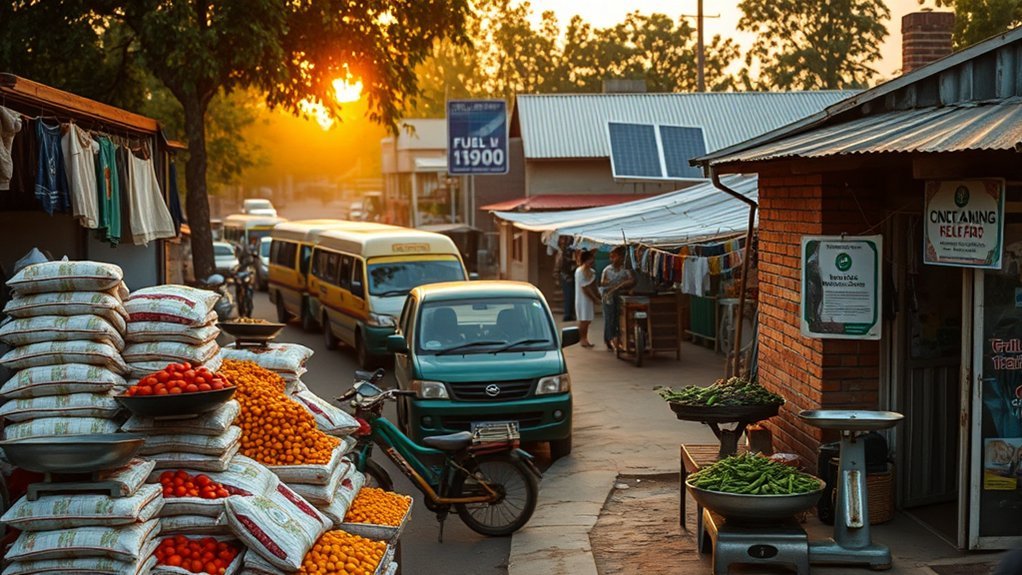
The cost of living in Malawi in 2026 runs about MWK 650,000–1,000,000 (~$370–$570) a month for a single person living simply, and about MWK 1.65–2.6 million (~$945–$1,485) for a comfortable single life in a furnished Lilongwe apartment. A couple should plan on roughly MWK 2.36–3.73 million (~$1,345–$2,130), and a family of four about MWK 3.32–5.57 million (~$1,895–$3,185) before international school fees. These figures use the official rate of about MWK 1,750 per US dollar (Reserve Bank of Malawi middle rate, September 18, 2026). Local prices are rising fast. Annual inflation was 20.0% in August 2026, petrol costs MWK 5,619 a liter after a 41% jump in January, and government house rents went up 30–65% in April and May. Below you’ll find rents by city, utility and food prices, fuel, salaries, school fees, visa costs, and sample budgets.
Quick Answer
- Single person: MWK 650,000–1,000,000 (~$370–$570) on a lean budget; MWK 1.65–2.6 million (~$945–$1,485) for a comfortable one.
- Couple: MWK 2.36–3.73 million (~$1,345–$2,130) a month.
- Family of four: MWK 3.32–5.57 million (~$1,895–$3,185) before international school.
- Rent, one-bedroom: about MWK 150,000–250,000 (~$85–$145) outside the center; MWK 400,000–950,000 (~$230–$545) in central Lilongwe or Blantyre.
- Utilities: about MWK 60,000–150,000 (~$34–$86) a month; home broadband adds about MWK 107,000–124,000 (~$61–$71).
- Fuel: petrol MWK 5,619 (~$3.21) and diesel MWK 5,863 (~$3.35) per liter.
- Minimum wage: MWK 157,500 (~$90) a month for commercial workers since June 1, 2026.
Exchange Rate, Inflation, and Minimum Wage in 2026
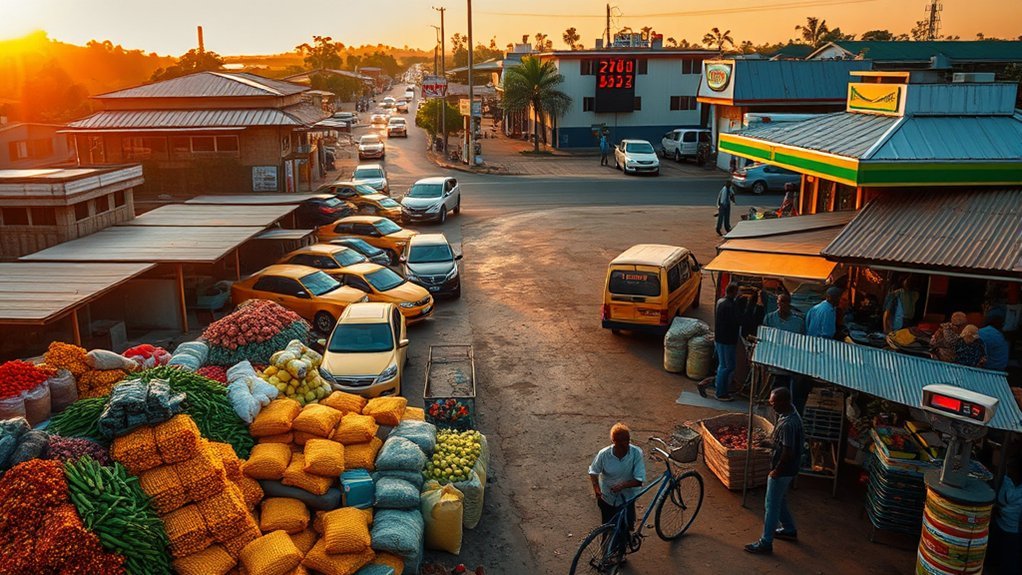
Three numbers shape what Malawi costs you this year.
The exchange rate. Malawi uses the kwacha (MWK). The Reserve Bank of Malawi’s official middle rate was MWK 1,750.20 per dollar on September 18, 2026, according to CDH Investment Bank’s weekly market update, which reports RBM data. The official rate has barely moved in more than a year. The government has said it won’t devalue, while the IMF has pushed for a more flexible rate. Dollars are scarce, so banks may ration foreign currency and informal traders quote weaker rates. If you earn in dollars, a devaluation would make Malawi much cheaper overnight, but you can’t plan on one.
Inflation. The National Statistical Office reported annual inflation of 20.0% in August 2026, down from 20.8% in July and 28.2% a year earlier. Food inflation has cooled to 13.4%, but non-food inflation is still 31.8%. Charcoal, firewood, clothing, restaurants, and health costs led the non-food rise. Prices still go up about 2% a month, so a budget built in early 2026 is already out of date.
The minimum wage. New minimum wages took effect on June 1, 2026, as reported by The Nation:
| Worker Category | 2025 Minimum (MWK/month) | 2026 Minimum (MWK/month) | Approx. USD |
|---|---|---|---|
| Commercial workers | 126,000 | 157,500 | $90 |
| Micro and small enterprises | 105,000 | 131,250 | $75 |
| Employers with turnover of MWK 500 million+ | 150,000 | 200,000 | $114 |
| Domestic workers | 72,800 | 83,720 | $48 |
Unions said the 25% raise still trails the cost of living. For foreigners, the domestic-worker rate matters most, since many expat households employ a housekeeper, guard, or gardener.
At MWK 1,750 per dollar, the 2026 minimum wage for commercial workers equals about $90 a month. Petrol for a 50-liter tank costs more than that.
Cost of Living by City
Most expats live in Lilongwe, the capital, or Blantyre, the commercial center. Rent data for Malawi is thin. Crowd-sourced averages come from only a handful of contributors, so treat the table as a rough guide and check local listings before you budget.
| City | 1-Bed, City Center | 1-Bed, Outside Center | 3-Bed, Outside Center | Basic Utilities |
|---|---|---|---|---|
| Lilongwe | MWK 946,000 (~$541) | MWK 149,000 (~$85) | MWK 1,199,000 (~$685) | MWK 79,000 (~$45) |
| Blantyre | MWK 398,000 (~$227) | MWK 201,000 (~$115) | MWK 682,000 (~$390) | MWK 47,000 (~$27) |
| Malawi average | MWK 535,000 (~$306) | MWK 152,000 (~$87) | MWK 701,000 (~$401) | MWK 68,000 (~$39) |
The Lilongwe and national figures were updated in early October 2026. The Blantyre figures date from December 2025 and come from very few reports. Utility figures are for a mid-size apartment and don’t include backup power.
A few patterns stand out:
- Lilongwe is the most expensive city for good housing. Embassies, aid agencies, and government offices compete for houses in low-density areas such as Areas 10, 11, 12, and 43.
- Blantyre is usually cheaper for comparable housing, especially in established suburbs like Nyambadwe, Namiwawa, and Sunnyside.
- Zomba, Mzuzu, and lakeshore towns have lower rents but fewer furnished rentals, private clinics, and international schools.
Housing: Rent and Neighborhoods
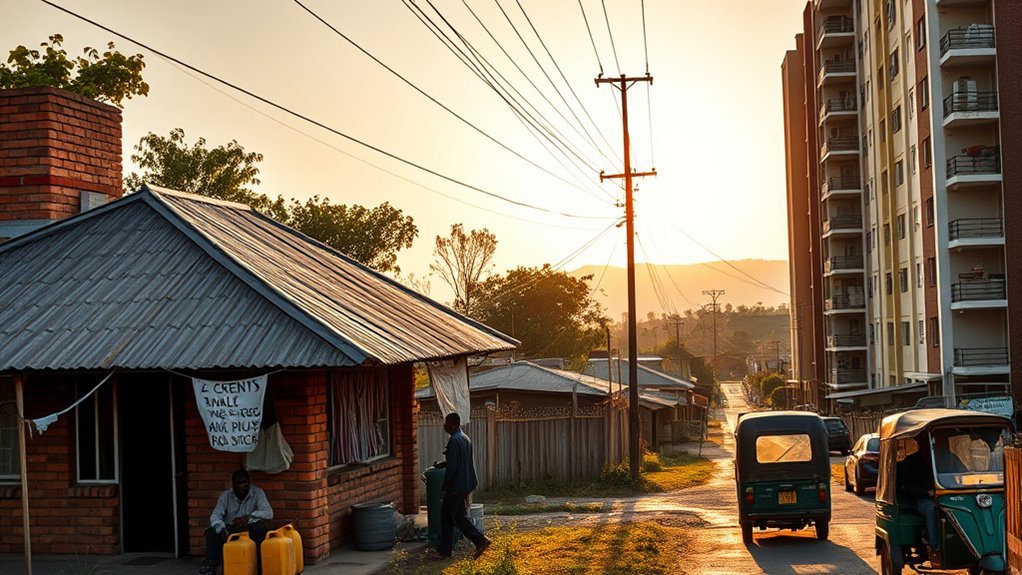
Housing is the biggest expense and the one with the widest range. Most expat housing is a house in a walled compound, not an apartment block.
Official 2026 data gives a useful benchmark. When the government raised rents on its own houses, it compared them with the private market. According to The Nation’s report on the 65% public rent increase, Department of Housing houses in low-density areas of Lilongwe and Blantyre rented for MWK 160,000–715,000 a month before the April 2026 increase, while comparable private homes cost MWK 600,000–2.5 million. The Malawi Housing Corporation raised its own rents by 30% from May 1, 2026, and the housing minister said similar private houses in Areas 10, 11, and 12 rent for up to MWK 2 million, The Nation reported.
| Housing Type | Monthly Rent (MWK) | Approx. USD |
|---|---|---|
| Room or simple unit in an outer area | 80,000–200,000 | $45–$115 |
| Small unfurnished home outside a prime area | 150,000–400,000 | $85–$230 |
| Furnished 1-bed in central Lilongwe | 550,000–950,000 | $315–$545 |
| Private house in a low-density area | 600,000–2,500,000 | $345–$1,430 |
The first two rows are based on crowd-sourced rents outside the center. The furnished row combines central-city averages with the higher prices furnished units charge. The last row comes from the government comparison above.
Before you sign:
- Expect to pay in advance. Many landlords ask for several months of rent upfront, plus a deposit.
- Ask what’s included. Check whether rent covers water, security guards, garden service, refuse collection, internet, or generator use.
- Check water and power. Ask about water pressure, borehole or tank backup, and how the house copes with power cuts.
- Test the network. Check mobile signal from both major networks inside the house.
Utilities, Internet, and Phone
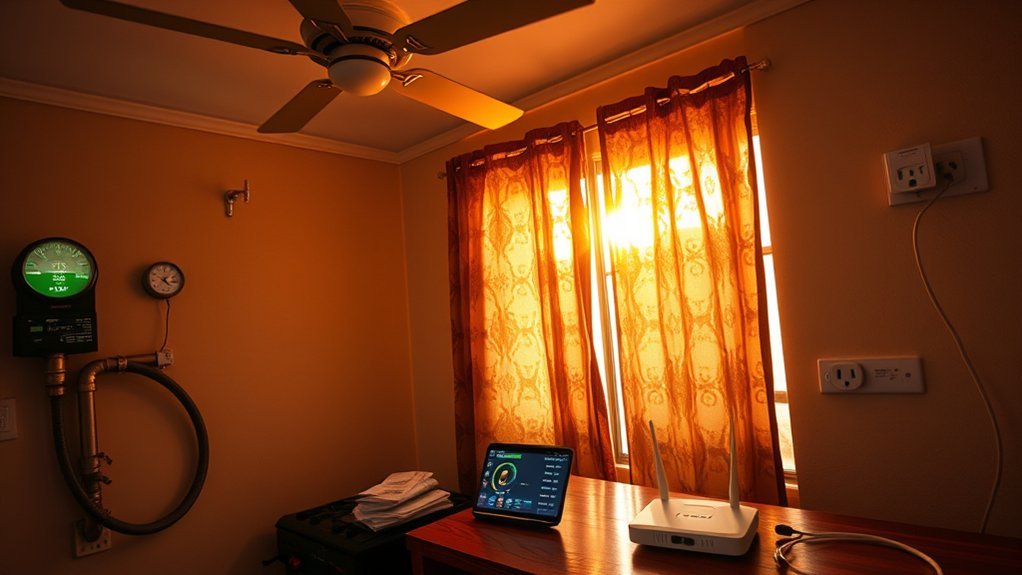
Basic utilities (electricity, water, and refuse) for a small or mid-size home run about MWK 60,000–150,000 (~$34–$86) a month. Crowd-sourced averages put a mid-size apartment at about MWK 68,000–79,000 (~$39–$45). Electric cooking, water pumps, air conditioning, and a generator push bills higher.
Electricity itself is cheap. Most homes use prepaid meters. The ESCOM tariff schedule lists these domestic prepaid rates:
| Tariff | Rate per kWh (MWK) | Example Monthly Cost |
|---|---|---|
| Single phase, first 50 kWh | 71.35 | 50 kWh: MWK 3,570 (~$2) |
| Single phase, above 50 kWh | 109.05 | 150 kWh: MWK 14,470 (~$8) |
| Three phase, all units | 154.85 | 300 kWh: MWK 46,460 (~$27) |
The bigger cost is unreliable supply. Load-shedding continued in 2026, so many households spend more on backup power than on the grid. A rechargeable lamp and power bank are the minimum. Remote workers often add an inverter and battery or a solar kit, and larger houses keep a generator. Generator fuel at MWK 5,619 a liter adds up fast.
Other monthly connections:
- Home broadband (60+ Mbps): about MWK 107,000–124,000 (~$61–$71) on crowd-sourced averages. Slower fixed or 4G home plans cost less.
- Mobile plan with 10 GB+ data: about MWK 18,000–21,000 (~$10–$12).
- Backup mobile data: a second SIM from the other main network is cheap insurance when broadband or power fails.
Food: Groceries and Dining Out
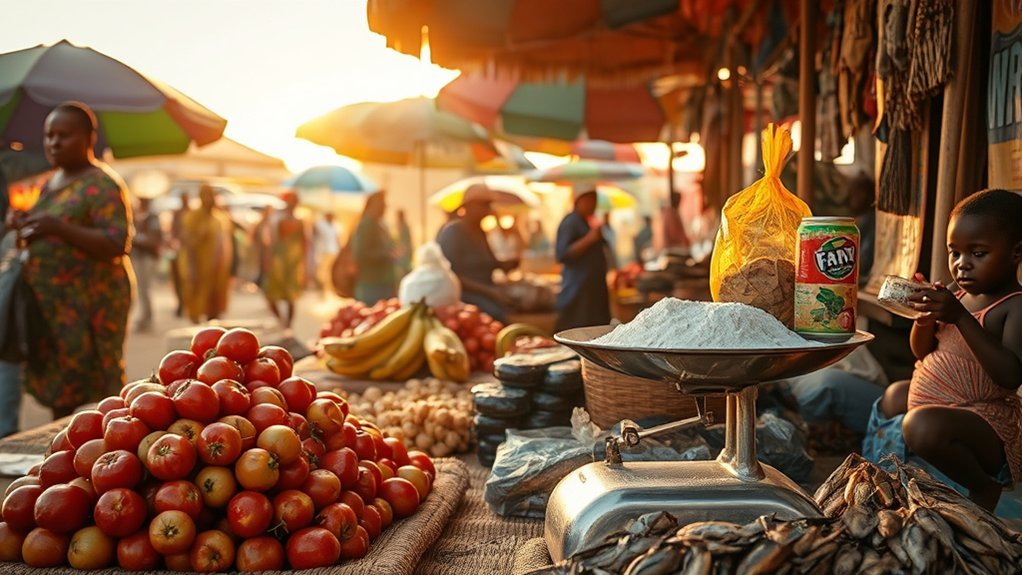
A single person who cooks mostly local food spends about MWK 250,000–350,000 (~$145–$200) a month on groceries. Imported cereal, cheese, wine, and snacks can double that. Food inflation has slowed to 13.4%, and vegetable prices fell in mid-2026, but maize flour, the main staple, was rising again in August.
Typical prices, based on crowd-sourced averages updated in October 2026:
| Item | Typical Cost (MWK) | Approx. USD |
|---|---|---|
| Milk (1 liter) | 2,100 | $1.21 |
| Bread (1 lb loaf) | 2,200 | $1.25 |
| Rice (1 kg) | 3,000 | $1.70 |
| Eggs (12) | 3,700–5,100 | $2.11–$2.90 |
| Chicken fillets (1 lb) | 3,400–4,200 | $1.96–$2.38 |
| Beef (1 lb) | 3,200–4,600 | $1.83–$2.60 |
| Tomatoes (1 lb) | 1,000–1,800 | $0.58–$1.03 |
| Bottled water (1.5 liters) | 1,750–2,200 | $1.00–$1.27 |
| Mid-range bottle of wine | 27,300 | $15.61 |
Open-air markets beat supermarkets on vegetables, fruit, beans, and eggs. Supermarkets are where imported goods push the bill up.
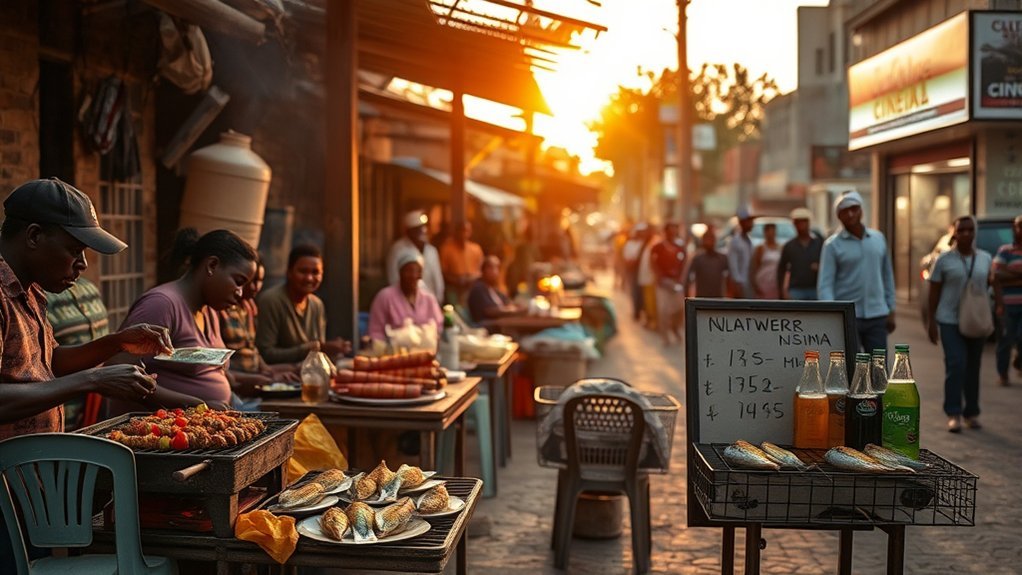
Eating out is cheap at local places and pricey at hotels and international restaurants. Nsima with relish or vegetables is the lowest-cost meal. Common prices:
- Meal at an inexpensive restaurant: about MWK 8,750 (~$5)
- Three-course dinner for two at a mid-range restaurant: about MWK 52,500–60,000 (~$30–$34)
- Fast-food combo meal: about MWK 11,400–17,900 (~$6.50–$10.25)
- Cappuccino: about MWK 5,600–6,100 (~$3.20–$3.50)
- Domestic draft beer: about MWK 3,100–3,850 (~$1.75–$2.20)
Restaurant and hotel prices were among the drivers of non-food inflation in August 2026, so menus change often.
Transportation and Fuel
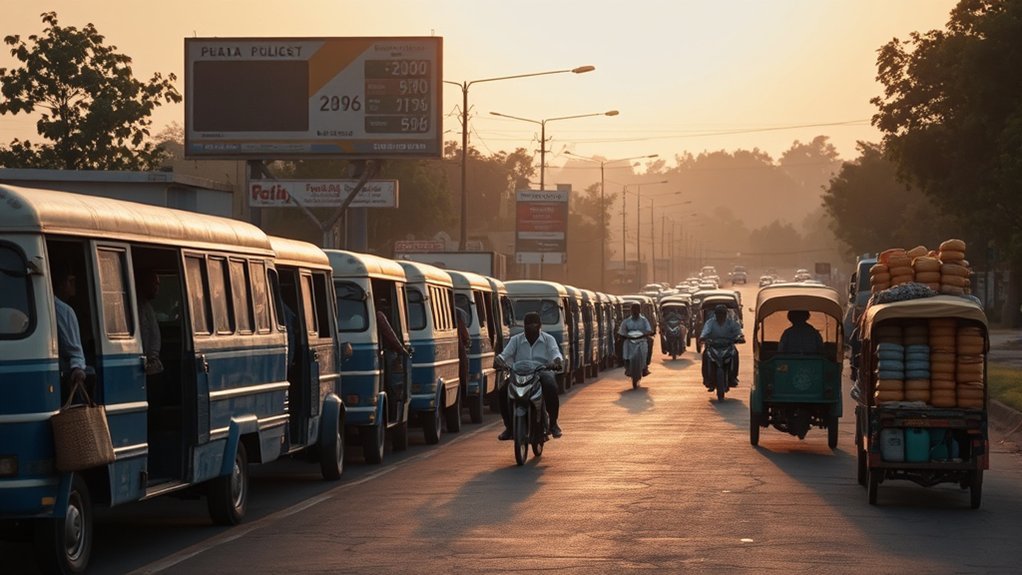
Fuel is the cost that changed most in 2026. On January 20, the Malawi Energy Regulatory Authority raised petrol from MWK 3,499 to MWK 4,965 a liter, a 41.9% jump. Prices rose again later in the year. MERA moved to an automatic pricing mechanism in May, and its August review cut diesel and paraffin but left petrol unchanged. Check the latest notice on the MERA website before you budget for driving.
| Fuel | Price per Liter (MWK) | Approx. USD | Notes |
|---|---|---|---|
| Petrol | 5,619 | $3.21 | unchanged in the August 1, 2026 review |
| Diesel | 5,863 | $3.35 | cut from 6,306 on August 1, 2026 |
| Paraffin | 4,389 | $2.51 | cut from 4,771 on August 1, 2026 |
At these prices, 100 liters of petrol a month costs about MWK 561,900 (~$321), more than three months of the minimum wage. Fuel shortages have also hit Malawi in recent years, so keep the tank topped up before long trips.
Other transport costs:
- Minibuses: the main way locals get around. A city ride costs about MWK 1,500–1,600 (~$0.86–$0.91) on crowd-sourced averages. Two rides each workday add up to about MWK 66,000 (~$38) a month.
- Taxis: about MWK 6,900–7,300 (~$3.90–$4.20) per mile. Agree on the fare before you get in, and use a trusted driver at night.
- Cars: imported cars, spare parts, and tires are expensive, and rough roads add wear. Budget for insurance, registration, security, and repairs as well as fuel.
A regular commuter using minibuses and the odd taxi spends roughly MWK 66,000–150,000 (~$38–$86) a month.
Salaries and Purchasing Power
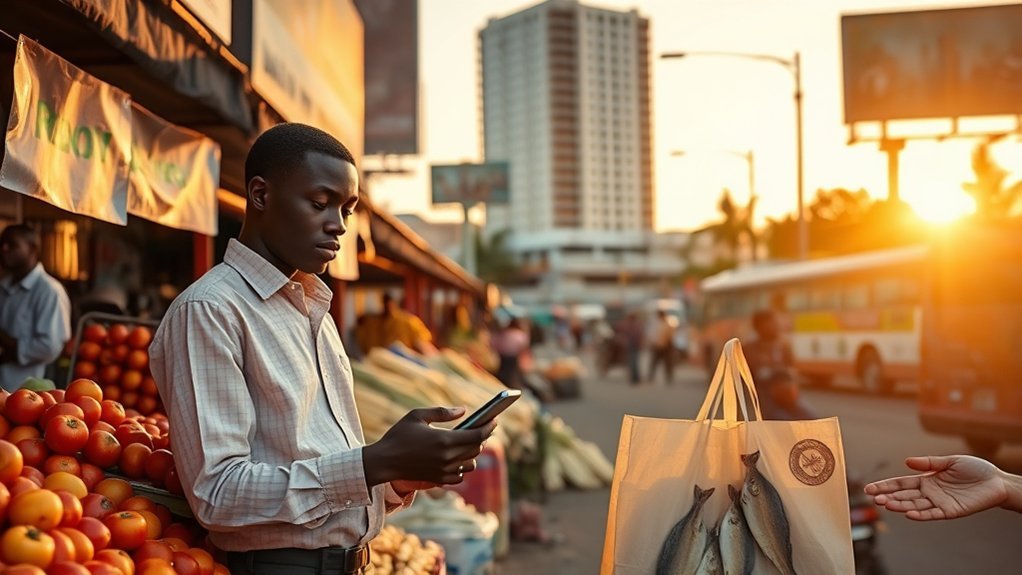
Local incomes are very low compared with the prices above. The World Bank’s Malawi overview puts the poverty rate at 76.6% in 2026, with growth of about 2.5%. Most people work in farming or the informal sector, where earnings are irregular.
Crowd-sourced averages put the typical net monthly salary of formal urban workers at about MWK 543,000–636,000 (~$310–$365). That is less than the rent on a central one-bedroom in Lilongwe. It explains why most locally paid workers share housing, live outside the center, and use minibuses.
If you are moving for a job, compare the whole package, not only the salary:
- housing or a housing allowance
- salary in dollars or protection against kwacha devaluation
- medical insurance with evacuation cover
- school fees, a vehicle, and flights home
- who pays your work permit and tax
Healthcare and Insurance Costs
Public hospitals are free or very cheap, but they are crowded and often short of medicine and staff. Most expats and middle-class Malawians use private clinics or mission hospitals and pay through a medical scheme.
The Medical Aid Society of Malawi (MASM), the largest local scheme, lists monthly premiums for a principal member of MWK 9,000 (~$5) on its Econo plan, MWK 30,000 (~$17) on Executive, and MWK 63,000 (~$36) on VIP. Children cost MWK 9,000–56,000 each, and senior-citizen plans cost MWK 25,000–112,000 (~$14–$64).
Local schemes cover care inside Malawi and sometimes in the region. Serious cases are often sent to South Africa, so most expats also carry international insurance with medical evacuation. That cover usually costs far more than a local plan and depends on age and provider. Budget for malaria prevention, repellent, and mosquito nets too.
Schools and Childcare
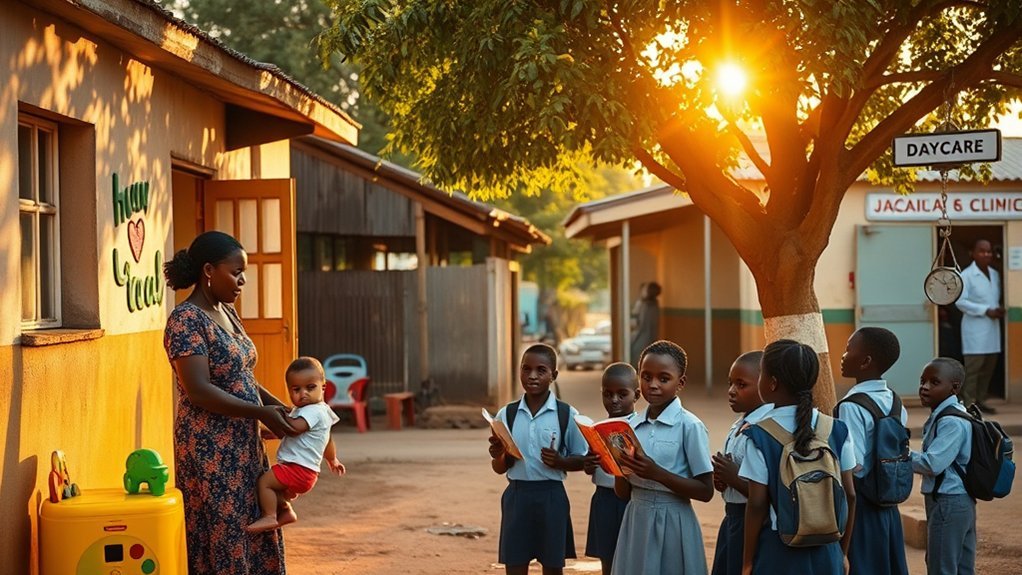
For families, school choice can matter more than rent.
- Private preschool: about MWK 612,000–684,000 (~$350–$390) per child a month for full-day care in Lilongwe or Blantyre, on crowd-sourced averages. Neighborhood nurseries charge much less.
- Public schools: primary tuition is free, but families pay for uniforms, books, exams, and transport. Secondary schools charge fees, and classes are large.
- International schools: the main cost for expat families. Fees are set in dollars.
Bishop Mackenzie International School in Lilongwe publishes its 2026–2027 tuition schedule:
| Level | Malawi Taxpayer (per year) | Non-Taxpayer (per year) |
|---|---|---|
| Pre-K to Grade 5 | $11,855 | $19,590 |
| Grades 6–10 | $16,993 | $28,011 |
| IB Diploma (Grades 11–12) | $18,270 | $29,932 |
On top of tuition, new families pay a one-time infrastructure fee of $3,376–$4,646 for the first child, a refundable enrollment deposit of $2,500–$3,500, and a $132 yearly registration fee. Taxpayer fees are invoiced in kwacha at the current exchange rate. Two primary-age children at the taxpayer rate cost about MWK 3.46 million (~$1,975) a month.
Taxes: VAT and Income Tax
- VAT: the standard rate is 16.5% and is included in shelf prices. Some basic foods are zero-rated or exempt, according to PwC’s Malawi tax summary.
- Income tax: employees pay PAYE at progressive rates of 0%, 25%, 30%, and 35%, with the first slice of monthly income tax-free. The Malawi Revenue Authority adjusts the bands in the national budget, so check the current thresholds with your employer or an accountant.
- Foreign income: Malawi taxes individuals mainly on Malawi-source income, so passive income from abroad is generally outside its scope. Your home country’s tax rules still apply.
Visas and Residence Permits
Malawi dropped visa requirements for citizens of many countries in 2023, including the US, the UK, and most of the EU. Check your country’s category on the e-visa portal before you travel. Where a visa is needed, the Department of Immigration’s fee list charges $50 (~MWK 87,500) for a transit visa, $75 (~MWK 131,250) for a single-entry visa, $150 (~MWK 262,500) for a six-month multiple-entry visa, and $250 (~MWK 437,500) for a 12-month multiple-entry visa. Visa fees are paid by card and are not refunded if an application is rejected. To stay longer than a visitor, you need a permit. The main options are the Temporary Employment Permit (your employer applies while you wait outside Malawi), the Temporary Residence Permit, the Business Residence Permit, and permanent residence. The department doesn’t publish permit fees online and says you pay them after approval, so ask the immigration office or your employer for the current amount.
One-Time Setup Costs
Budget for these before your first month:
- Rent in advance and deposit: often several months of rent upfront. For a MWK 800,000 house, three months is MWK 2.4 million (~$1,370).
- Visa or permit fees: $50–$250 for a visa; permit fees on approval.
- Furniture and appliances: unfurnished houses often come without a stove or fridge, and imported appliances are expensive.
- Backup power: rechargeable lights and a power bank at minimum; an inverter, batteries, or solar panels for remote work.
- School deposits: international schools charge thousands of dollars in one-time fees and refundable deposits.
- Health coverage: international insurance with evacuation from day one.
Sample Monthly Budgets
These budgets combine the figures above for Lilongwe or Blantyre. All amounts are in MWK per month.
| Expense | Single, Lean | Single, Comfortable | Couple | Family of Four |
|---|---|---|---|---|
| Rent | 150,000–250,000 | 550,000–950,000 | 700,000–1,200,000 | 950,000–2,000,000 |
| Utilities and backup power | 60,000–80,000 | 100,000–150,000 | 100,000–160,000 | 150,000–250,000 |
| Internet + mobile | 20,000 | 125,000–145,000 | 145,000–165,000 | 165,000–200,000 |
| Groceries | 250,000–350,000 | 400,000–500,000 | 700,000–900,000 | 1,000,000–1,300,000 |
| Eating out + leisure | 50,000–100,000 | 150,000–250,000 | 250,000–400,000 | 250,000–400,000 |
| Transport | 66,000–100,000 | 150,000–300,000 | 250,000–400,000 | 400,000–700,000 |
| Health coverage | 9,000–30,000 | 30,000–150,000 | 60,000–300,000 | 120,000–400,000 |
| Gym or household help | — | 55,000 | — | 84,000–120,000 |
| Personal and other | 45,000–70,000 | 90,000–100,000 | 150,000–200,000 | 200,000 |
| Total (MWK) | 650,000–1,000,000 | 1.65–2.6 million | 2.36–3.73 million | 3.32–5.57 million |
| Total (USD) | $370–$570 | $945–$1,485 | $1,345–$2,130 | $1,895–$3,185 |
Lean single: a simple home outside the center, local food, minibuses, and a basic MASM plan. This is still far above what most Malawians earn.
Comfortable single: a furnished one-bedroom in central Lilongwe, broadband, regular meals out, taxis or some driving, and better health cover.
Family of four: a three-bedroom house in a low-density area, a car, a housekeeper at the domestic minimum wage or a little more, and local health cover. Two children at Bishop Mackenzie (taxpayer primary rate) add about MWK 3.46 million a month, for a total of roughly MWK 6.78–9.03 million (~$3,875–$5,160).
Money-Saving Tips
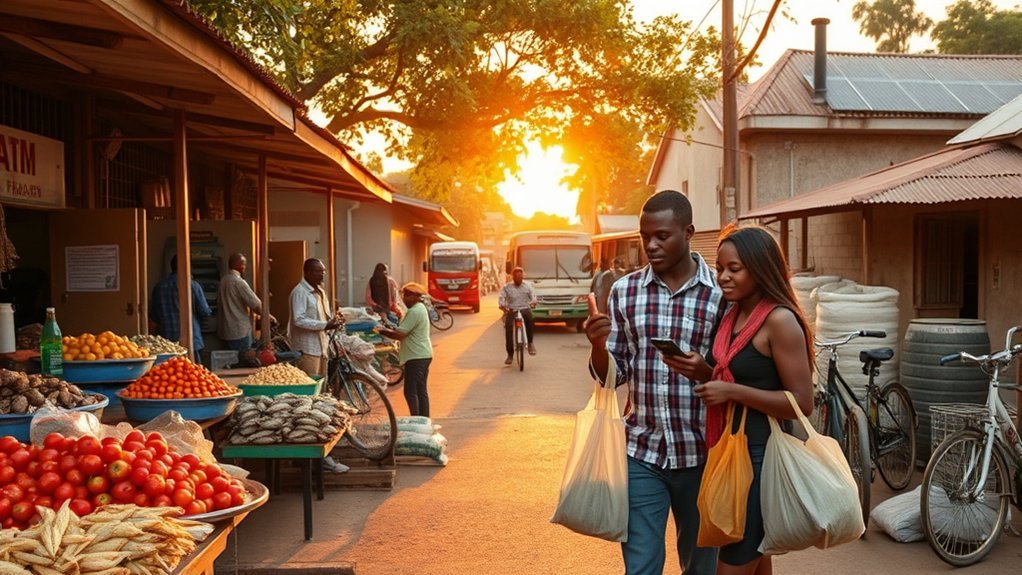
- Live close to work or school. With petrol above MWK 5,600 a liter, a short commute saves more than a cheaper house farther out.
- Look beyond the top expat areas. Blantyre and the less sought-after parts of Lilongwe cost much less than Areas 10, 11, and 12.
- Shop at markets. Buy seasonal vegetables, fruit, beans, and eggs locally and keep imported food as a treat.
- Plan for power cuts once. A good battery or solar setup costs less over a year than running a generator.
- Budget in kwacha. Prices rise about 2% a month, so review your budget every few months.
- Compare money transfer options. Look at the final kwacha amount you receive, not just the advertised fee. Mobile money is widely used for daily payments.
- Keep an emergency fund in dollars. It protects you against fuel shortages, medical evacuation costs, and a sudden devaluation.
Safety and Practical Notes
Malawi is generally calm and friendly, but petty theft and break-ins happen, which is why most expat homes have walls and guards. Avoid walking alone after dark, and keep car doors locked in traffic. Road travel at night is risky because of poor lighting, pedestrians, and unlit vehicles. Malaria is present all year, especially around Lake Malawi, so use prevention.
How Malawi Compares With Nearby Countries
For locals, Malawi is one of the poorest countries in the region. For expats, its cost is close to its neighbors, because good housing, imported goods, and fuel are expensive everywhere. If you are weighing options in southern Africa, see our guides to the cost of living in Zambia, which has a larger capital and more supermarket choice, and the cost of living in Mozambique, Malawi’s neighbor on the Indian Ocean. To the north, compare the cost of living in Tanzania, and to the southwest, the cost of living in Zimbabwe. Many aid and development workers also compare Malawi with the cost of living in Kenya.
Frequently Asked Questions
How much money do you need to live in Malawi per month?
A single person needs about MWK 650,000–1,000,000 (~$370–$570) a month for a simple life, and about MWK 1.65–2.6 million (~$945–$1,485) for a comfortable one in a furnished Lilongwe apartment. A couple should budget about MWK 2.36–3.73 million (~$1,345–$2,130).
Is $1,000 a month enough to live in Malawi?
Yes. At about MWK 1,750 per dollar, $1,000 is roughly MWK 1.75 million. That covers a lean budget easily and the low end of a comfortable single budget in Lilongwe. It is tight if you want a furnished central apartment, a car, and international health insurance.
Is Lilongwe more expensive than Blantyre?
Usually, yes. Lilongwe has more demand from embassies, aid agencies, and government, so houses in Areas 10, 11, and 12 cost up to MWK 2 million a month. Blantyre is often cheaper for comparable housing, though prices depend on the exact area and condition.
How much is rent in Malawi in 2026?
A simple one-bedroom outside the center costs about MWK 150,000–250,000 (~$85–$145) a month. A furnished one-bedroom in central Lilongwe costs about MWK 550,000–950,000 (~$315–$545), and a private house in a low-density area costs MWK 600,000–2.5 million (~$345–$1,430).
What is the minimum wage in Malawi in 2026?
Since June 1, 2026, the minimum wage is MWK 157,500 (~$90) a month for commercial workers, MWK 131,250 for micro and small enterprises, MWK 200,000 for large employers, and MWK 83,720 (~$48) for domestic workers.
How much does a family of four need in Malawi?
A family of four needs about MWK 3.32–5.57 million (~$1,895–$3,185) a month with a house in a low-density area, a car, and local health cover. Two children in international school add about MWK 3.46 million a month.
How much does fuel cost in Malawi?
Petrol costs MWK 5,619 (~$3.21) a liter and diesel MWK 5,863 (~$3.35) a liter after the August 2026 review. Prices jumped more than 40% in January 2026 and are now set through an automatic pricing mechanism, so they can change often.
Conclusion
Malawi can be affordable for dollar earners, but 2026 made it more expensive. Fuel prices rose more than 40%, non-food inflation is above 30%, and rents for good houses keep climbing. A single person can live simply on about $370–$570 a month or comfortably on about $945–$1,485, while families with international school fees should plan on about $3,875 or more. Choose your city and neighborhood first, budget in kwacha, plan for power cuts, and keep a dollar reserve in case of fuel shortages or a currency change.
Sources
- CDH Investment Bank – Market update, September 18, 2026 (RBM exchange rate)
- National Statistical Office – Consumer Price Index, August 2026
- Rio Times – Malawi’s forex crisis and IMF talks, September 2026
- The Nation – Government gazettes new minimum wage, May 2026
- The Nation – Public house rentals up 65%, April 2026
- The Nation – MHC tenants protest 30% rent hike, April 2026
- ESCOM – Tariffs and charges
- AllAfrica – Petrol and diesel prices jump over 41%, January 2026
- Malawi Energy Regulatory Authority
- World Bank – Malawi overview
- Medical Aid Society of Malawi – plans and premiums
- Bishop Mackenzie International School – fees and tuition 2026–2027
- PwC Worldwide Tax Summaries – Malawi other taxes
- Department of Immigration and Citizenship Services – Visa fees
- Numbeo – Malawi, Lilongwe, Blantyre (crowd-sourced averages)