The cost of living in Russia in 2026 runs about RUB 75,000–106,000 (~$900–$1,270) a month for a single person in a large regional city such as Kazan or Novosibirsk, and about RUB 128,000–153,000 (~$1,535–$1,830) in Moscow outside the center, rent included. A couple in Moscow should plan on roughly RUB 175,000–235,000 (~$2,095–$2,815), and a family of four on RUB 286,000–354,000 (~$3,425–$4,240) before private school. These figures use the Bank of Russia’s official rate of about RUB 83.5 per US dollar (October 3, 2026). Rent is the biggest swing factor: an average one-room apartment lists for about RUB 65,600 (~$785) in Moscow but about RUB 32,000 (~$385) in Kazan, Yekaterinburg, or Novosibirsk. Below you’ll find city-by-city rents, utilities after the October tariff increase, food and transport prices, taxes, residence fees, and sample budgets.
Quick Answer
- Single person: RUB 75,000–106,000 (~$900–$1,270) in a regional city; RUB 128,000–153,000 (~$1,535–$1,830) in Moscow outside the center; about RUB 186,000–208,000 (~$2,230–$2,490) in central Moscow.
- Couple: RUB 112,000–151,000 (~$1,340–$1,810) in a regional city; RUB 175,000–235,000 (~$2,095–$2,815) in Moscow.
- Family of four in Moscow: about RUB 286,000–354,000 (~$3,425–$4,240) before private school or preschool fees.
- Rent, one-room apartment: about RUB 32,000 (~$385) in Kazan, Yekaterinburg, and Novosibirsk; RUB 42,100 (~$505) in St. Petersburg; RUB 65,600 (~$785) in Moscow.
- Utilities: about RUB 11,700 (~$140) a month for an 85 m² apartment nationally and RUB 16,000 (~$190) in Moscow. Tariffs rose again on October 1, 2026.
- Transit: RUB 75 per Moscow metro ride on a Troika card; RUB 3,460 (~$41) for a 30-day pass.
- Minimum wage 2026: RUB 27,093 (~$325) a month. Average gross pay was RUB 114,743 (~$1,375) in June 2026.
Exchange Rate, Inflation, and Wages in 2026
Four numbers shape what Russia costs you this year.
The exchange rate. The Bank of Russia’s official rate was RUB 83.48 per dollar on October 3, 2026. In late July it was about RUB 78, so the ruble has weakened by roughly 7% in two months. If you earn in dollars or euros, your money now goes a bit further than it did in summer. Keep in mind that the rate you actually get at a bank or exchange office will include a spread.
Inflation and interest rates. Annual inflation was 6.3% in August 2026, above the central bank’s 4% target. On July 24 the Bank of Russia cut its key rate to 14% and forecast 6–7% inflation for 2026, mainly because of a sharp rise in fuel prices. Borrowing stays expensive, which matters if you plan to buy property or a car on credit.
The minimum wage. The federal minimum wage (MROT) is RUB 27,093 a month from January 1, 2026, about 21% above 2025, according to Rossiyskaya Gazeta. Some regions, including Moscow, set a higher local minimum.
Typical pay. Rosstat reported an average gross monthly wage of RUB 114,743 (~$1,375) in June 2026, as reported by Snob citing TASS. The median is much lower, at about RUB 75,000 (~$900), because a small group of high earners pulls the average up. Moscow’s average was about RUB 183,600 (~$2,200) in May.
After the standard 13% income tax, an average Russian salary leaves about RUB 99,800 (~$1,195) a month. That covers a single person in a regional city, but not a Moscow apartment plus everyday costs.
Cost of Living by City
Rents vary far more between cities than any other expense. The table combines crowd-sourced averages from Numbeo (updated August–October 2026) with CIAN listing averages for a one-room apartment (odnokomnatnaya, about 30–40 m²) pulled in early October 2026. Moscow and St. Petersburg have many price reports; the regional cities have far fewer, so treat their central-rent figures as rough guides.
| City | 1-Bed, City Center | 1-Bed, Outside Center | CIAN 1-Room Listing Average | Utilities (85 m²) | Monthly Transit Pass |
|---|---|---|---|---|---|
| Moscow | RUB 124,375 (~$1,490) | RUB 68,765 (~$825) | RUB 65,600 (~$785) | RUB 15,969 (~$190) | RUB 3,460 |
| St. Petersburg | RUB 62,444 (~$750) | RUB 37,375 (~$450) | RUB 42,100 (~$505) | RUB 12,529 (~$150) | RUB 4,489 |
| Kazan | RUB 56,847 (~$680) | RUB 35,593 (~$425) | RUB 32,000 (~$385) | RUB 10,544 (~$125) | RUB 1,600 |
| Yekaterinburg | RUB 71,429 (~$855)* | RUB 43,571 (~$520) | RUB 32,000 (~$385) | RUB 11,056 (~$130) | RUB 1,500 |
| Novosibirsk | RUB 47,143 (~$565) | RUB 32,571 (~$390) | RUB 32,000 (~$385) | RUB 9,335 (~$110) | RUB 2,412 |
| Russia average | RUB 49,916 (~$600) | RUB 34,317 (~$410) | — | RUB 11,674 (~$140) | RUB 3,275 |
*Yekaterinburg’s central figure comes from very few reports and sits well above its CIAN listing average. Expect most one-room apartments there to cost RUB 30,000–45,000.
CIAN listing averages by city: Moscow, St. Petersburg, Kazan, and Yekaterinburg.
A few patterns stand out:
- Moscow costs about twice as much as the regions for housing. Central rents average more than RUB 120,000, and even a modest one-room apartment far from the center rarely lists below RUB 40,000.
- St. Petersburg is the middle option: big-city services with rents about a third lower than Moscow’s.
- Kazan, Yekaterinburg, and Novosibirsk have similar one-room listing averages, around RUB 32,000. Transit passes there cost less than half of Moscow’s.
- Salaries follow rent. Moscow’s average net salary is about RUB 145,000 in crowd-sourced data, versus RUB 75,000–96,000 in the other cities, so local earners feel the gap less than foreigners do.
Housing: Rent, Deposits, and Buying
Apartment condition, renovation quality, building age, and distance to a metro station often matter as much as the city. Russian listings usually count rooms, not bedrooms: a “one-room” apartment has one main room plus a separate kitchen and bathroom.
Larger Apartments for Couples and Families
| Location | 3-Bed, City Center | 3-Bed, Outside Center |
|---|---|---|
| Moscow | RUB 257,333 (~$3,080) | RUB 125,156 (~$1,500) |
| St. Petersburg | RUB 132,222 (~$1,585) | RUB 77,238 (~$925) |
| Russia average | RUB 95,649 (~$1,145) | RUB 64,613 (~$775) |
Renting as a Foreigner
Foreigners can rent legally, and landlords often ask for a passport and proof of migration registration. Budget for move-in cash, not just the monthly rent:
- First month’s rent paid in advance.
- Security deposit, usually equal to one month’s rent.
- Agent commission, often 50–100% of one month’s rent when an agency is involved.
For a Moscow one-room apartment at RUB 65,600, that adds up to roughly RUB 130,000–200,000 (~$1,555–$2,395) before you move in. Ask whether utilities, internet, and building fees are included, and get the lease in writing.
Buying Property and Mortgages
Crowd-sourced data puts Moscow apartment prices at about RUB 844,000 (~$10,110) per square meter in the center and RUB 397,000 (~$4,755) outside it. Financing is costly. The Bank of Russia’s August 2026 mortgage data shows a weighted average rate of 18.0% on new market-rate mortgages. The average across all new mortgages was 10.1%, because subsidized programs, which mostly serve Russian citizens, pull it down.
Utilities, Internet, and Phone
Basic utilities (electricity, heating, water, and garbage) for an 85 m² apartment average about RUB 11,700 (~$140) a month nationwide and about RUB 16,000 (~$190) in Moscow. A one-room apartment typically costs less. Heating is often billed through the building, so winter bills are higher in older housing.
Utility tariffs rose twice in 2026. All regions saw a 1.7% increase on January 1. A second, larger round took effect on October 1, with regional caps from 8% to 22%, including 15% in Moscow and 14.6% in St. Petersburg. The averages above were mostly collected before that increase, so add 10–15% to be safe.
| Service | Moscow (RUB/month) | Russia Average (RUB/month) | Approx. USD |
|---|---|---|---|
| Basic utilities, 85 m² | 15,969 | 11,674 | $140–$190 |
| Home internet, 60+ Mbps | 845 | 738 | $9–$10 |
| Mobile plan, 10 GB+ data | 743 | 591 | $7–$9 |
| Gym membership | 3,591 | 3,155 | $38–$43 |
Internet and mobile service are some of the cheapest in Europe. To get a Russian SIM card you need a passport, and foreigners face extra identity checks before a number is activated, so allow time for this when you arrive.
Food: Groceries and Dining Out
A single person who cooks most meals spends about RUB 20,000–30,000 (~$240–$360) a month on groceries. Couples should plan on RUB 40,000–55,000, and a family of four on RUB 70,000–110,000. Local produce, dairy, bread, and grains are cheap. Imported cheese, wine, coffee, and branded goods cost noticeably more, and some Western brands are now sold under new names or through parallel imports.
Typical supermarket prices in October 2026:
| Item | Moscow (RUB) | Russia Average (RUB) | Approx. USD (Moscow) |
|---|---|---|---|
| Milk (1 liter) | 104 | 99 | $1.25 |
| White bread (1 lb / 454 g) | 79 | 61 | $0.95 |
| Rice (1 kg) | 143 | 125 | $1.71 |
| Eggs (12) | 159 | 137 | $1.90 |
| Chicken fillet (1 kg) | 562 | 470 | $6.73 |
| Beef (1 kg) | 1,249 | 953 | $14.96 |
| Local cheese (1 kg) | 1,220 | — | $14.61 |
| Apples (1 kg) | 176 | 155 | $2.11 |
Prices are crowd-sourced averages converted to kilograms where needed. Discount chains such as Pyaterochka and Magnit are cheaper than premium stores like Azbuka Vkusa.
Eating out is affordable outside central Moscow. A business lunch (biznes-lanch), a set weekday menu with soup, a main, and a drink, is a good-value option in most cities. Other common prices:
- Meal at an inexpensive restaurant: about RUB 950–1,000 (~$11–$12)
- Three-course dinner for two at a mid-range restaurant: about RUB 3,500 nationally and RUB 5,000 in Moscow (~$42–$60)
- Cappuccino in Moscow: about RUB 316 (~$3.80)
- Domestic draft beer (pint, at a bar): about RUB 400 (~$4.80)
Transportation and Fuel
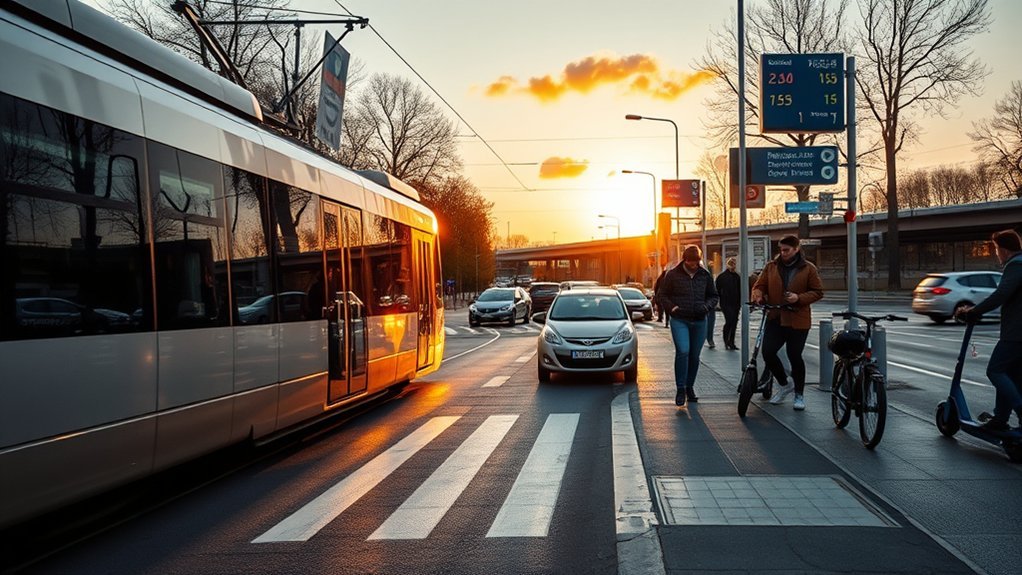
Public transport in big Russian cities is extensive and cheap. Moscow raised fares on January 2, 2026, as Interfax reported:
| Moscow Fare Product | 2026 Price (RUB) | Approx. USD |
|---|---|---|
| Single trip, Troika card | 75 | $0.90 |
| Single trip, Face Pay | 71 | $0.85 |
| Single “Unified” ticket | 90 | $1.08 |
| 90-minute ticket | 112 | $1.34 |
| 1-day unlimited pass | 415 | $4.97 |
| 30-day unlimited pass | 3,460 | $41.44 |
| 30-day surface transport pass | 2,250 | $26.95 |
| 365-day unlimited pass | 24,900 | $298.20 |
Regional cities are cheaper still: a monthly pass costs about RUB 1,500 in Yekaterinburg and RUB 1,600 in Kazan.
Other transport costs:
- Taxis: ride-hailing apps such as Yandex Go dominate. A base fare starts around RUB 200–300 (~$2.40–$3.60), and short city rides usually cost a few hundred rubles.
- Gasoline: AI-95 averaged RUB 80.78 per liter (~$0.97, or about $3.66 per gallon) nationwide on September 21, 2026. Prices are up more than 20% since the end of 2025, according to Rosstat data reported by The Moscow Times.
- Cars: purchase prices are high, loans carry rates near 18% or more, and winter tires, insurance, and parking add up. Most newcomers in big cities skip owning a car.
Healthcare, Schools, and Childcare
Healthcare Costs
Russia’s compulsory medical insurance system (OMS) covers citizens and foreigners with a temporary or permanent residence permit, plus officially employed residents. Most other foreigners, including workers on a patent, must carry a voluntary medical insurance (DMS) policy. Private clinic chains in Moscow and St. Petersburg offer faster appointments and some English-speaking staff, but prices vary by clinic, and a DMS policy for broad outpatient care costs far more than the basic policy migrants buy for their documents.
Foreign nationals applying for work documents or residence permits must also pass medical examinations at approved clinics. These rules were revised again from September 1, 2026, and the timing depends on your status, so confirm the current requirements with the Ministry of Internal Affairs (MVD) or an immigration lawyer.
Schools and Childcare
Public schools and kindergartens are free for residents, but instruction is in Russian and places in popular kindergartens can be scarce. Private options are costly:
| Service | Typical Cost (RUB) | Approx. USD |
|---|---|---|
| Private full-day preschool, Moscow | 69,158 per month | $828 |
| Private full-day preschool, Russia average | 37,990 per month | $455 |
| International primary school, Russia average | about 1.25 million per year | $14,945 |
| International primary school, Moscow average | about 2.26 million per year | $27,040 |
At the British International School Moscow, 2026/27 tuition for the Russian program is RUB 1.54–1.65 million a year (~$18,440–$19,760). The international program is priced in euros, from €30,000 to €37,500, paid at the central bank rate but no lower than RUB 96 per euro. That means at least RUB 2.88 million (~$34,490) a year.
Taxes: VAT and Income Tax
- VAT (NDS): the standard rate rose from 20% to 22% on January 1, 2026. A reduced 10% rate still applies to many basic foods, children’s goods, and medicines. VAT is included in shelf prices.
- Income tax for residents: a progressive scale applies to annual income: 13% up to RUB 2.4 million (~$28,740), 15% from RUB 2.4 million to 5 million, 18% from RUB 5 million to 20 million, 20% from RUB 20 million to 50 million, and 22% above that.
- Tax residency: you become a Russian tax resident after 183 days in the country within 12 consecutive months. Non-residents generally pay 30% on Russian-source employment income, though some groups, such as highly qualified specialists and patent workers, pay resident rates.
If you plan to stay longer than six months, talk to a tax adviser early, especially if you still have income, accounts, or tax obligations in your home country.
Visas and Residence Fees
Citizens of 64 countries can apply for a Russian unified e-visa. Since August 23, 2025, it is valid for 120 days from issue and allows a stay of up to 30 days. Longer stays need a regular visa and then a residence document. State duties for foreigners rose sharply on July 26, 2026, as summarized by PPT.ru:
| Document | State Duty Before July 26, 2026 | State Duty Now | Approx. USD |
|---|---|---|---|
| Temporary residence permit (RVP) | RUB 1,920 | RUB 15,000 | $180 |
| Permanent residence permit (VNZh) | RUB 6,000 | RUB 30,000 | $359 |
| Work permit (per employee) | RUB 4,200 | RUB 5,000 | $60 |
| Work patent issue or reissue | RUB 4,200 | RUB 4,200 | $50 |
| Citizenship application | RUB 4,200 | RUB 50,000 | $599 |
Workers from visa-free CIS countries who hold a work patent also pay a fixed monthly advance on income tax. In Moscow it rose to RUB 10,000 a month in 2026 (~$120), up from RUB 8,900. Translation, notarization, medical exams, and fingerprinting add further costs to most applications.
Payments, Banking, and Safety
Foreign-issued Visa and Mastercard cards generally do not work in Russian shops or ATMs since both networks suspended Russian operations in 2022. Russia runs on its own Mir card system and the SBP fast-payment network, so plan how you will access money before you arrive. Many newcomers bring cash and open a Russian bank account once they have the required documents. Cash and transfer rules can change, so check current guidance for your citizenship and bank.
Safety is also a cost factor. The US State Department rates Russia Level 4: Do Not Travel, citing terrorism, unrest, the risk of wrongful detention, and drone attacks. The UK government also advises against all travel to Russia. Flight options to Europe and North America are limited and usually route through Turkey, the Gulf, or Central Asia, which raises travel costs. Many travel insurance policies will not cover a trip against official advice.
One-Time Setup Costs
Budget for these before your first month:
- Visa and residence fees: from a few thousand rubles for an e-visa to RUB 15,000–30,000 (~$180–$360) for a residence permit.
- Rental move-in: first month, deposit, and agent fee, roughly RUB 80,000–100,000 in a regional city and RUB 130,000–200,000 in Moscow.
- Medical exams, translations, and notary fees for residence or work documents.
- Winter clothing: a proper coat, boots, and layers if you arrive from a warm climate.
- SIM card and transit card: small costs, but plan time for SIM identity checks.
- Cash buffer: since foreign cards don’t work, carry enough to cover your first weeks until local banking is set up.
Sample Monthly Budgets
These budgets combine the averages above. Regional rent uses one-room listing averages for Kazan, Yekaterinburg, and Novosibirsk; Moscow rent assumes an apartment outside the center. Family rent uses a three-bedroom outside central Moscow. All figures are in rubles.
| Expense | Single, Regional City | Couple, Regional City | Single, Moscow | Couple, Moscow | Family of Four, Moscow |
|---|---|---|---|---|---|
| Rent | 32,000–43,500 | 34,300–43,600 | 65,600–68,800 | 68,800–95,000 | 125,200 |
| Utilities | 7,000–9,000 | 8,000–11,000 | 9,000–12,000 | 12,000–16,000 | 16,000 |
| Internet + mobile | 1,400 | 2,000 | 1,600 | 2,300 | 3,000 |
| Groceries | 20,000–25,000 | 40,000–50,000 | 25,000–30,000 | 45,000–55,000 | 80,000–110,000 |
| Eating out + leisure | 8,000–15,000 | 15,000–25,000 | 15,000–25,000 | 25,000–40,000 | 30,000–50,000 |
| Transport | 1,500–2,400 | 3,000–4,800 | 3,460 | 6,920 | 6,920–10,000 |
| Health, clothing, personal | 5,000–10,000 | 10,000–15,000 | 8,000–12,000 | 15,000–20,000 | 25,000–40,000 |
| Total (RUB) | 75,000–106,000 | 112,000–151,000 | 128,000–153,000 | 175,000–235,000 | 286,000–354,000 |
| Total (USD) | $900–$1,270 | $1,340–$1,810 | $1,535–$1,830 | $2,095–$2,815 | $3,425–$4,240 |
Central Moscow: swap in a central one-bedroom at about RUB 124,400 and a single person’s budget rises to roughly RUB 186,000–208,000 (~$2,230–$2,490).
Family of four in a regional city: with a three-bedroom at about RUB 64,600, plan on roughly RUB 190,000–245,000 (~$2,275–$2,935) a month.
Private education: one child in a Moscow private preschool adds about RUB 69,000 a month. International school adds RUB 105,000–190,000 (~$1,255–$2,275) a month per child, depending on the school.
Money-Saving Tips
- Live outside Moscow. Kazan, Yekaterinburg, and Novosibirsk offer big-city services with rents about half of Moscow’s.
- Rent near a metro line, not in the center. In Moscow, a home 20–30 minutes from the center by metro can cost half as much as one inside the Garden Ring.
- Buy a long-term transit pass. Moscow’s 365-day pass works out to about RUB 2,075 a month, compared with RUB 3,460 for the 30-day pass.
- Eat business lunches. Weekday set lunches cost far less than ordering à la carte.
- Shop at discount chains and markets and choose local brands over imports.
- Watch the exchange rate. The ruble moved about 7% between July and October 2026 alone. Keep a buffer if you earn in another currency.
- Book a long lease directly with the owner when possible to avoid an agent commission.
How Russia Compares With Nearby Countries
Regional Russia is cheap by European standards, while central Moscow costs about as much as many Western European capitals for housing. Since 2022 many Russians who relocated chose countries in the former Soviet space, so those are the most common comparisons. See our guides to the cost of living in Kazakhstan, where Almaty and Astana offer a similar Russian-speaking environment, and the cost of living in Georgia and the cost of living in Armenia, two popular relocation hubs in the Caucasus. For a closer neighbor with a similar price structure, compare the cost of living in Belarus, and for an EU neighbor with much higher prices, read our Finland cost of living guide.
Frequently Asked Questions
How much money do you need to live in Russia per month?
A single person needs about RUB 75,000–106,000 (~$900–$1,270) a month in a regional city such as Kazan or Novosibirsk, and about RUB 128,000–153,000 (~$1,535–$1,830) in Moscow outside the center. A couple in Moscow should budget about RUB 175,000–235,000 (~$2,095–$2,815).
How much is rent in Moscow in 2026?
A one-room apartment in Moscow lists for about RUB 65,600 (~$785) a month on average. A one-bedroom in the city center averages about RUB 124,400 (~$1,490), and a three-bedroom outside the center about RUB 125,200 (~$1,500).
Which Russian city is cheapest to live in?
Among the largest cities, Kazan, Yekaterinburg, and Novosibirsk are the most affordable, with one-room apartments listing for about RUB 32,000 (~$385) a month. That is roughly half of Moscow’s average and about a quarter less than St. Petersburg’s.
What is the minimum wage in Russia in 2026?
The federal minimum wage is RUB 27,093 a month (about $325) from January 1, 2026. Some regions, including Moscow, set a higher local minimum. The average gross wage was RUB 114,743 (about $1,375) in June 2026.
Is $1,000 a month enough to live in Russia?
Yes, in a regional city. At about RUB 83.5 per dollar, $1,000 is roughly RUB 83,500, which covers a modest one-room apartment and everyday costs in Kazan, Yekaterinburg, or Novosibirsk. It is not enough for a single person in Moscow, where rent alone takes most of it.
Can foreigners use their bank cards in Russia?
Generally no. Foreign-issued Visa and Mastercard cards do not work in Russian shops or ATMs, because both networks suspended Russian operations in 2022. Plan how you will access cash or open a local account before you arrive.
How much does a Russian residence permit cost?
Since July 26, 2026, the state duty is RUB 15,000 (about $180) for a temporary residence permit and RUB 30,000 (about $359) for a permanent residence permit. Medical exams, translations, and notary fees cost extra.
Conclusion
Russia is two different budgets in 2026. A single person can live comfortably in Kazan, Yekaterinburg, or Novosibirsk for about $900–$1,270 a month, while the same lifestyle in Moscow costs $1,535–$1,830 or more. VAT rose to 22%, utility tariffs jumped again in October, fuel is up more than 20% this year, and residence fees multiplied in July, so older guides understate costs. The ruble’s recent weakening helps dollar earners a little, but foreign cards don’t work and travel advisories remain at their highest level. Choose your city first, since rent drives most of the difference, and plan your banking before you arrive.
Sources
- Bank of Russia – official exchange rates
- Bank of Russia – key rate decision, July 24, 2026
- Bank of Russia – mortgage lending indicators, August 2026
- Rossiyskaya Gazeta – 2026 minimum wage and VAT change
- Snob – Rosstat average wage, June 2026
- CIAN – Moscow one-room rentals
- CIAN – St. Petersburg one-room rentals
- CIAN – Kazan one-room rentals
- CIAN – Yekaterinburg one-room rentals
- CIAN – Novosibirsk one-room rentals
- Numbeo – Russia, Moscow, St. Petersburg, Kazan, Yekaterinburg, Novosibirsk (crowd-sourced averages)
- PPT.ru – October 2026 utility tariff increase
- Interfax – Moscow transit fares from January 2, 2026
- The Moscow Times – Rosstat fuel prices, September 2026
- British International School Moscow – tuition fees
- Russian Ministry of Foreign Affairs – e-visa FAQ
- PPT.ru – state duties for foreigners from July 26, 2026
- Fergana – Moscow work patent cost, 2026
- US State Department – Russia travel advisory
- UK FCDO – Russia travel advice