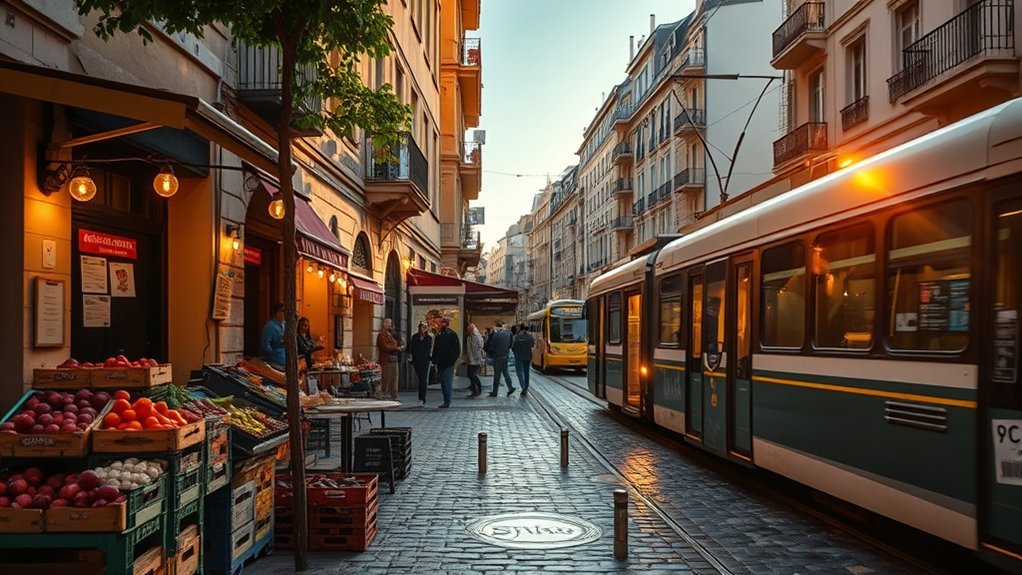
The cost of living in Serbia in 2026 is about 84,000–93,000 dinars (RSD) a month, or roughly $800–$890, for a single person renting outside the center of Niš or Kragujevac. In Belgrade, a single renter should plan on about RSD 140,000–195,000 (~$1,335–$1,860), depending on whether the apartment is outside or inside the center. A couple in central Belgrade needs roughly RSD 240,000–245,000 (~$2,290–$2,340), and a family of four about RSD 296,000–301,000 (~$2,830–$2,875) before private school fees. These figures use about RSD 104.7 per US dollar, based on the National Bank of Serbia’s euro middle rate of RSD 117.49 on October 2, 2026. Rent is the biggest swing factor: a central one-bedroom in Belgrade costs about twice as much as one in Niš. Public transit is now free in both Belgrade and Niš, which keeps daily costs down.
Quick Answer
- Single person, lean: RSD 84,000–93,000 (~$800–$890) a month in Niš or another smaller city.
- Single person, Belgrade: RSD 140,000–145,000 (~$1,335–$1,385) outside the center; RSD 190,000–195,000 (~$1,815–$1,860) in the center.
- Couple, central Belgrade: RSD 240,000–245,000 (~$2,290–$2,340).
- Family of four, Belgrade: about RSD 296,000–301,000 (~$2,830–$2,875) before preschool or private school.
- Rent, one-bedroom: RSD 29,000–58,000 (~$280–$555) outside the center; RSD 41,000–86,000 (~$390–$820) in the center, depending on the city.
- Utilities: about RSD 17,000–23,500 (~$160–$225) a month for an 85 m² apartment; internet adds about RSD 2,400–3,700 (~$23–$36).
- Transit: free in Belgrade and Niš; about RSD 2,600 (~$25) for a monthly pass in Novi Sad.
- Minimum wage 2026: RSD 371 net per hour, or about RSD 62,300–68,300 (~$595–$650) a month.
Exchange Rate, Inflation, and Wages in 2026
Three numbers shape what Serbia costs you this year.
The exchange rate. The National Bank of Serbia keeps the dinar very stable against the euro. Its official middle rate was RSD 117.49 per euro on October 2 and October 5, 2026, almost unchanged from the RSD 117.4 range seen all year. The dollar rate moves with the euro. In early October 2026, a dollar bought about RSD 104–105. This guide uses RSD 104.7. If you earn in euros, your budget is close to fixed. If you earn in dollars, expect swings of a few percent.
Inflation. Annual inflation was 2.2% in August 2026, according to the National Bank of Serbia. That is inside the bank’s 3% ± 1.5% target and well below the 4–5% rates of 2025. Rents, restaurant prices, and services have still climbed faster than the headline rate in Belgrade.
Wages. The Statistical Office of the Republic of Serbia reported an average net wage of RSD 121,346 (~$1,160) for July 2026. The median net wage was RSD 95,036 (~$910), so half of employees earned that amount or less. The minimum wage is RSD 371 net per hour in 2026. That works out to about RSD 62,300–68,300 (~$595–$650) a month, depending on the number of working hours. The government has already set the 2027 minimum at RSD 405 per hour, a 9.2% raise, Večernje Novosti reported.
A central one-bedroom in Belgrade rents for about RSD 86,000 a month. That is roughly 90% of Serbia’s median net wage, before utilities or food.
Cost of Living by City
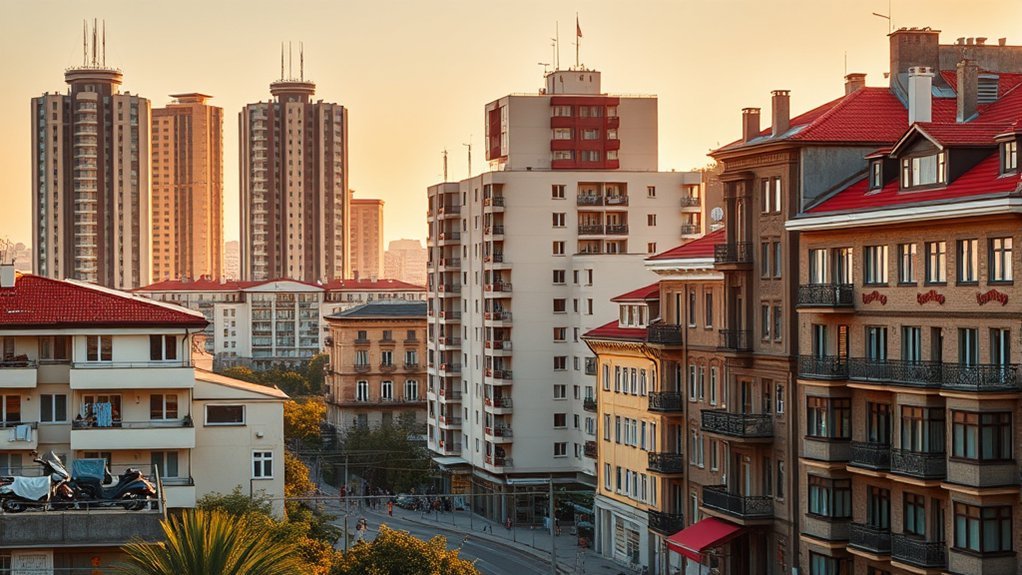
Rent varies more between cities than any other expense. The table uses crowd-sourced averages from Numbeo, updated October 2, 2026 for Belgrade, Novi Sad, Niš, and the national figure, and July 30, 2026 for Kragujevac. Belgrade has the most price reports. Kragujevac has few, so treat it as a rough guide.
| City | 1-Bed, City Center | 1-Bed, Outside Center | Basic Utilities (85 m²) | Internet (60+ Mbps) | Monthly Transit |
|---|---|---|---|---|---|
| Belgrade | RSD 86,086 (~$822) | RSD 57,982 (~$554) | RSD 22,892 (~$219) | RSD 3,738 (~$36) | Free |
| Novi Sad | RSD 51,466 (~$492) | RSD 41,729 (~$399) | RSD 23,545 (~$225) | RSD 3,512 (~$34) | RSD 2,566 (~$25) |
| Niš | RSD 41,055 (~$392) | RSD 29,240 (~$279) | RSD 16,927 (~$162) | RSD 2,370 (~$23) | Free |
| Kragujevac | RSD 41,216 (~$394) | RSD 31,543 (~$301) | RSD 19,547 (~$187) | RSD 3,288 (~$31) | RSD 3,000 (~$29) |
| Serbia average | RSD 51,999 (~$497) | RSD 37,199 (~$355) | RSD 19,551 (~$187) | RSD 3,075 (~$29) | — |
A few patterns stand out:
- Belgrade is in a different price class. Its central rents are about 67% higher than Novi Sad’s and more than double those in Niš. It also has the biggest job market, the most international services, and free transit.
- Novi Sad is the middle option. Central rents are moderate, but the gap between center and outskirts is small, so moving out saves less than in Belgrade.
- Niš has the lowest rents of the large cities and, since July 2025, free city and suburban buses.
- Kragujevac prices are close to Niš, with a smaller expat community and fewer English-speaking services.
Housing: Rent, Deposits, and Lease Checks
Larger Apartments for Couples and Families
Couples often stay in a one-bedroom, but families need more space. Three-bedroom averages from the same crowd-sourced data look like this:
| City | 3-Bed, City Center | 3-Bed, Outside Center |
|---|---|---|
| Belgrade | RSD 155,326 (~$1,484) | RSD 99,854 (~$954) |
| Novi Sad | RSD 99,290 (~$948) | RSD 78,018 (~$745) |
| Niš | RSD 61,522 (~$588) | RSD 42,236 (~$403) |
| Serbia average | RSD 85,052 (~$812) | RSD 64,220 (~$613) |
Many landlords quote rent in euros and accept dinars at the day’s rate. Ask which currency the lease uses before you sign.
Shared vs. Private Rentals
Sharing a two- or three-bedroom flat is the easiest way to make a small budget work, especially in Belgrade. A room in a shared Belgrade flat often costs less than a one-bedroom in Niš. Compare the total bill per person, including heating, internet, and building charges, not just the rent.
Upfront Costs and Lease Checks
Most landlords ask for a deposit, usually equal to one month’s rent. If you use an agency, expect a separate commission. Get every amount in writing before you transfer money, and check these points:
- Monthly rent, deposit, payment currency, and due date.
- Whether utilities, building maintenance, and internet are included.
- The heating system, plus the last winter’s bills from the previous tenant.
- An inventory with photos of existing damage.
- Notice period, early-exit terms, and how the deposit is returned.
- Whether the landlord will help register your address with the police, which you need for residence.
Never pay a deposit based only on photos or messages. Visit the apartment and confirm that the person you pay is the owner or an authorized agent.
Utilities, Heating, Internet, and Phone
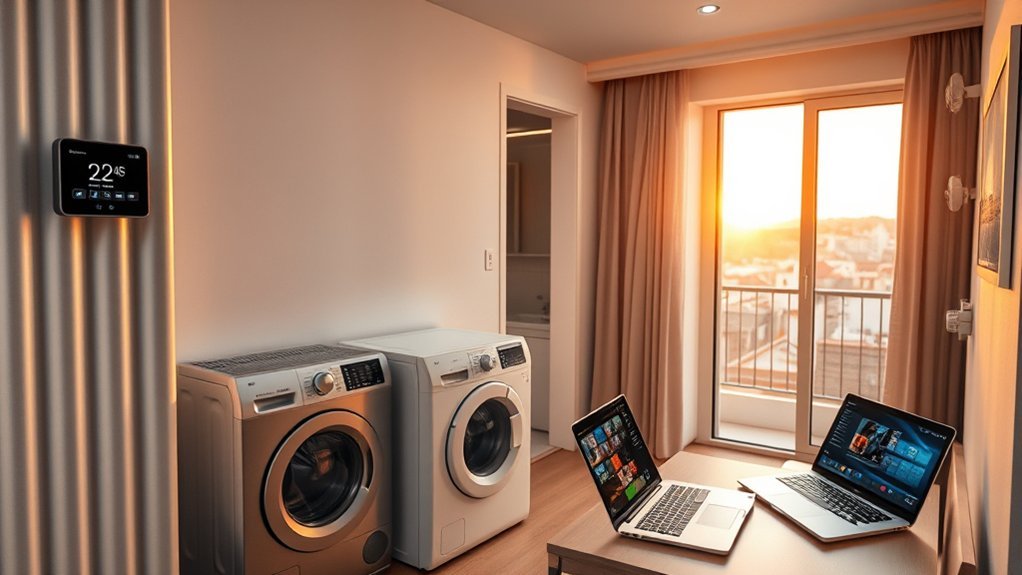
Basic utilities for an 85 m² apartment (electricity, heating, water, and garbage) average about RSD 19,551 (~$187) a month nationwide. They run from about RSD 16,900 (~$162) in Niš to about RSD 23,500 (~$225) in Novi Sad. A smaller one-bedroom usually costs less, but winter can push bills well above these averages.
Electricity. EPS, the state power company, bills households in three zones based on monthly use. The green zone covers up to 350 kWh, the blue zone 350–1,200 kWh, and the red zone anything above 1,200 kWh. Each kWh in the blue zone costs 50% more than in the green zone, and the red zone costs double the blue rate. Household tariffs rose an average of 6.6% on October 1, 2025, Balkan Green Energy News reported. Under its program with the IMF, the government also committed to another adjustment of at least inflation plus one percentage point by October 1, 2026. Apartments heated with electric radiators or heat-storage units can slip into the blue zone in winter, which raises bills fast.
Heating. Many apartments in Belgrade, Novi Sad, and Niš use district heating. It is usually billed per square meter, and in Belgrade it often arrives on a combined Infostan bill with water, garbage, and building maintenance. Apartments with gas boilers or electric heating are billed by use instead. Ask for the last 12 months of bills, not just a summer one.
Other monthly connections:
- Home internet (60+ Mbps): about RSD 3,700 (~$36) in Belgrade, RSD 3,500 (~$34) in Novi Sad, and RSD 2,400 (~$23) in Niš.
- Mobile plan with 10 GB+ data: about RSD 2,000–2,600 (~$19–$25).
- Building maintenance fee: small, but check whether it is in the rent.
Food: Groceries and Dining Out
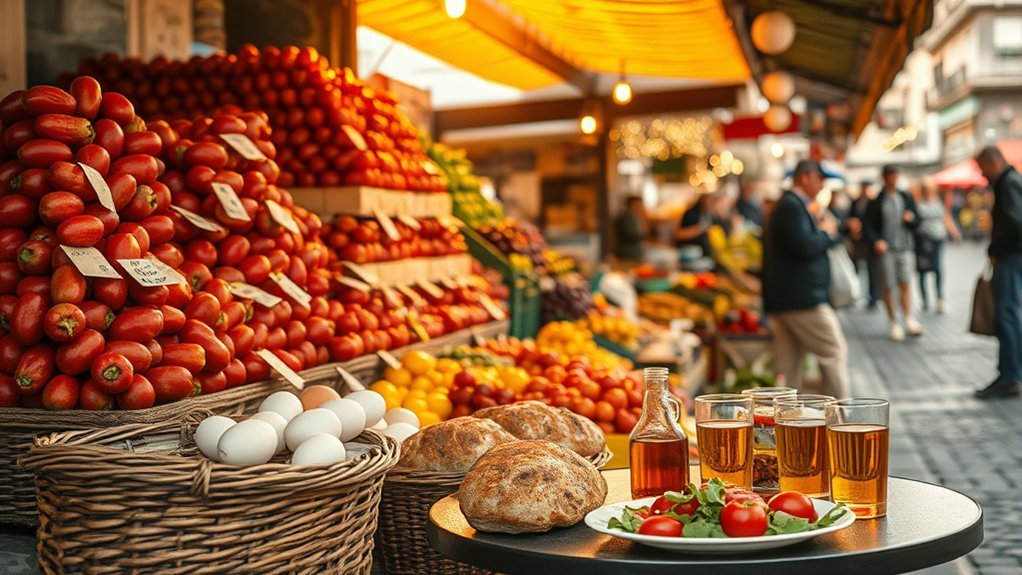
A single person who cooks most meals spends about RSD 25,000–35,000 (~$240–$335) a month on groceries. A couple should plan on about RSD 55,000–60,000 (~$525–$575). Belgrade costs the most and Niš the least.
Average national grocery prices in October 2026 (crowd-sourced, converted to metric units):
| Item | Typical Cost (RSD) | Approx. USD |
|---|---|---|
| Milk (1 liter) | 140 | $1.34 |
| White bread (500 g loaf) | 84 | $0.81 |
| Eggs (12) | 269 | $2.57 |
| Rice (1 kg) | 230 | $2.20 |
| Chicken fillets (1 kg) | 705 | $6.73 |
| Beef (1 kg) | 1,377 | $13.15 |
| Local cheese (1 kg) | 1,024 | $9.78 |
| Tomatoes (1 kg) | 249 | $2.38 |
| Apples (1 kg) | 146 | $1.39 |
| Domestic beer (0.5 liter, store) | 87 | $0.83 |
| Mid-range bottle of wine | 700 | $6.69 |
Local produce, dairy, bread, and beer are cheap. Imported foods, coffee brands, and some meats are where grocery bills climb. Green markets (pijace) are good for seasonal fruit and vegetables, while supermarkets often win on packaged goods and weekly promotions.
Eating out is still affordable, though less so than older guides suggest. Typical restaurant prices by city:
| Item | Belgrade | Novi Sad | Niš |
|---|---|---|---|
| Meal at an inexpensive restaurant | RSD 1,390 (~$13) | RSD 1,050 (~$10) | RSD 900 (~$9) |
| Three-course dinner for two, mid-range | RSD 6,000 (~$57) | RSD 5,270 (~$50) | RSD 3,500 (~$33) |
| Fast-food combo meal | RSD 1,400 (~$13) | RSD 1,250 (~$12) | RSD 1,000 (~$10) |
| Cappuccino | RSD 327 (~$3.10) | RSD 281 (~$2.70) | RSD 208 (~$2.00) |
A pint of local draft beer in a Belgrade bar costs about RSD 390 (~$3.70). Street food such as burek from a bakery or a pljeskavica from a grill stand keeps a quick lunch well under these restaurant prices.
Eating one inexpensive restaurant meal every weekday in Belgrade costs about RSD 30,000 (~$285) a month, about the same as a month of groceries.
Transportation and Getting Around
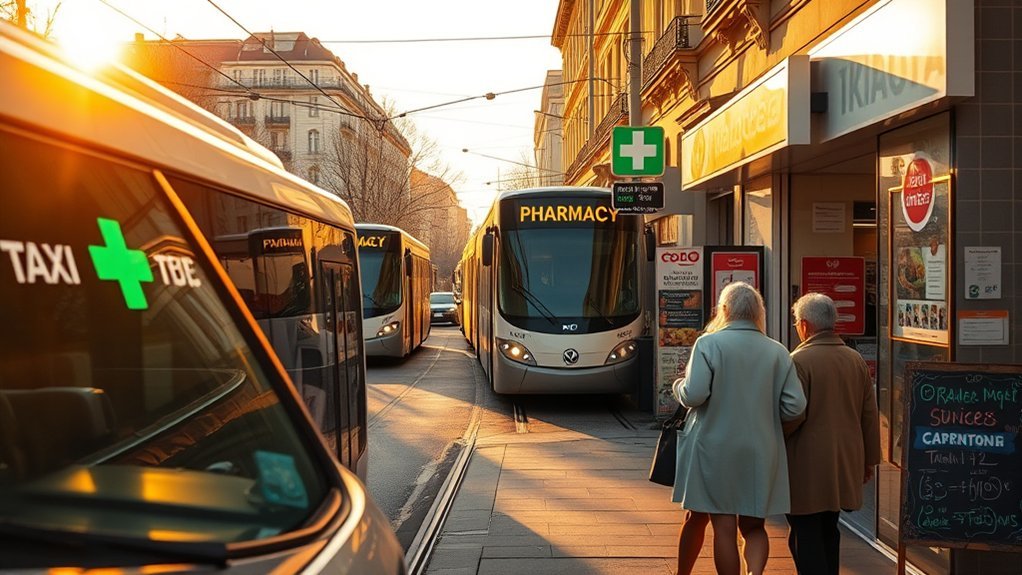
Free public transit in Belgrade and Niš has cut daily costs for residents of both cities.
| City | Fare | Notes |
|---|---|---|
| Belgrade | Free | all city lines in the integrated fare system since January 1, 2025 |
| Niš | Free | city and suburban lines since July 1, 2025 |
| Novi Sad | about RSD 2,566 a month (~$25) | single rides about RSD 100; crowd-sourced figure |
| Kragujevac | about RSD 3,000 a month (~$29) | crowd-sourced figure |
Belgrade’s Secretariat for Public Transport confirms that rides are free for all passengers in the city’s integrated system. In Niš, free buses for everyone, including visitors, started on July 1, 2025, Danas reported. The city has said it is studying the system, so check before you rely on it long term.
Other transport costs:
- Taxis: the meter starts around RSD 320 (~$3.05) in Belgrade, then about RSD 105 (~$1) per kilometer. Ride-hailing and local taxi apps are widely used.
- Gasoline: about RSD 193–198 per liter (~$1.85–$1.90, or about $7.00–$7.15 per gallon). The government caps retail fuel prices and updates them weekly.
- Cars: a new Toyota Corolla costs about RSD 2.58 million (~$24,700). Add insurance, registration, parking, and winter tires.
- Intercity travel: the high-speed train between Belgrade and Novi Sad takes under 40 minutes. Buses cover most other routes cheaply.
Healthcare and Insurance Costs
Serbia has compulsory public health insurance run by the National Health Insurance Fund (RFZO). Employees and self-employed people pay into it, and their dependent family members can be covered too. According to the government’s Welcome to Serbia healthcare guide, foreigners living in Serbia are covered by the public system when they have a basis for insurance, and anyone can add private coverage. Serbia also has health insurance agreements with 25 countries, which can cover emergency care during a temporary stay.
Contributions:
- Employees: 5.15% of gross salary for health insurance, plus an equal 5.15% paid by the employer.
- Self-employed people: pay their own contributions monthly. Your health card must be verified as paid up before you can use public care.
Private options:
- Private clinics in Belgrade, Novi Sad, and Niš offer quick appointments with English-speaking doctors. A general or specialist exam typically costs a few thousand dinars, roughly RSD 3,000–7,000 (~$29–$67).
- Private health insurance from Serbian insurers is often used by residence applicants who are not employed locally. Prices vary by age and coverage, so get quotes before you budget.
Visitors should carry travel health insurance. If you hold a foreign policy, check whether the insurer works with a partner in Serbia.
Schools and Childcare
Families face the widest cost range, because school choice matters so much.
- Private preschool or kindergarten: about RSD 44,600 (~$426) a month per child in Belgrade, RSD 38,600 (~$369) in Novi Sad, and RSD 26,100 (~$249) in Niš. Public kindergartens are heavily subsidized but often have waiting lists.
- International primary school: about RSD 1.18 million (~$11,230) a year per child in Belgrade, and about RSD 917,000 (~$8,760) on average nationwide. Top schools charge more, plus enrollment and bus fees.
- Public schools: free, taught in Serbian. Quality is generally solid, but children who don’t speak Serbian need time and support.
One child in a Belgrade international school adds about RSD 98,000 (~$935) a month to a family budget.
Taxes: VAT and Income Tax
- VAT (PDV): the standard rate is 20% and is included in shelf prices. A reduced 10% rate applies to many basic foods, medicines, and some other goods and services.
- Salary tax: 10% on gross pay above a monthly non-taxable amount. Employees also pay 19.9% in social contributions (14% pension, 5.15% health, 0.75% unemployment), and employers add 15.15%, according to PwC’s Serbia tax summary.
- Annual income tax: higher earners pay an extra 10% on income above three times the average annual salary and 15% above six times. People under 40 get a larger deduction.
- Tax residency: you can become a Serbian tax resident by having your home or center of business and life interests in Serbia, or by spending 183 days or more there in a 12-month period. Residents are taxed on worldwide income.
If you work remotely for foreign clients, talk to a Serbian accountant early. Your home country’s tax rules still apply too.
Salaries vs. Cost of Living
Local wages explain why expats with foreign income find Serbia affordable while many residents feel squeezed.
- Median net wage (July 2026): RSD 95,036 (~$910). That covers a central one-bedroom in Belgrade with almost nothing left, or a lean single budget in Niš.
- Average net wage: RSD 121,346 (~$1,160). Belgrade salaries run higher than the national figure.
- Minimum wage: about RSD 64,500 (~$615) in a typical month. Many minimum-wage earners live with family or in owned homes, since a private rental would take half their pay or more.
Visas, Residence, and Fees
US citizens can visit Serbia without a visa for up to 90 days in a six-month period starting from the first entry, according to Serbia’s Ministry of Foreign Affairs. Most EU, UK, and Canadian citizens get the same 90-day allowance. Staying longer requires temporary residence, which is not an automatic extension of visa-free entry.
Temporary residence is granted on a specific basis, such as employment, business, study, family reunion, or property ownership. Applications are filed online through the government’s Welcome to Serbia temporary-residence portal, and a permit can be issued for up to three years. Work-based stays use a single permit that covers both residence and work. Serbia also offers tax incentives for digital nomads, but there is no separate nomad visa with a published income floor.
Fees: from September 12, 2026, the Interior Ministry charges RSD 2,028 (~$19) for a temporary residence permit card, single permit card, or foreigner’s ID card, Paragraf reported. State administrative fees come on top, and the portal calculates the total when you apply. Accommodation hosts must register a foreign guest’s address with the police within 24 hours of arrival.
One-Time Setup Costs
Budget for these before your first month:
- Rental deposit: usually one month’s rent, so RSD 29,000–86,000 (~$280–$820) for a one-bedroom.
- Agency commission: if you use a real-estate agent, often a share of one month’s rent.
- Residence paperwork: the RSD 2,028 permit card fee, administrative fees, document translations, and notarized copies.
- Health insurance: travel or private coverage until you join the public system.
- Furnishing an unfurnished flat: most rentals in Serbia come furnished, which saves a large expense.
- Local SIM card and bank account: prepaid SIMs are cheap; a resident bank account usually requires your residence permit.
Sample Monthly Budgets
These budgets combine the averages above. Utilities assume a one-bedroom, which uses less than the 85 m² averages, and include winter heating spread across the year. All amounts are in RSD.
| Expense | Single, Lean (Niš) | Single (Novi Sad) | Single (Belgrade, Outside Center) | Single (Belgrade, Center) | Couple (Belgrade, Center) |
|---|---|---|---|---|---|
| Rent (1-bed) | 29,000–31,500 | 41,700–51,500 | 58,000 | 86,000 | 86,000 |
| Utilities | 12,000–17,000 | 15,000–20,000 | 15,000–20,000 | 18,000–23,000 | 20,000–23,000 |
| Internet + mobile | 4,400 | 5,600 | 6,300 | 6,300 | 8,900 |
| Groceries | 25,000 | 28,000 | 30,000 | 35,000 | 58,000 |
| Eating out + leisure | 8,000 | 15,000 | 15,000 | 25,000 | 35,000 |
| Transport | 0–1,000 | 2,600 | 1,000 | 3,000 | 4,000 |
| Health + personal care | 6,000 | 8,000 | 10,000 | 12,000 | 20,000 |
| Gym | — | — | 4,300 | 4,300 | 8,600 |
| Total (RSD) | 84,000–93,000 | 116,000–131,000 | 140,000–145,000 | 190,000–195,000 | 240,000–245,000 |
| Total (USD) | $800–$890 | $1,110–$1,250 | $1,335–$1,385 | $1,815–$1,860 | $2,290–$2,340 |
Family of four: a three-bedroom outside central Belgrade (about RSD 99,900), utilities of RSD 25,000–30,000, internet and two phones (RSD 11,500), groceries (RSD 95,000), eating out and leisure (RSD 30,000), car running costs (RSD 15,000), and health, clothing, and personal care (RSD 20,000) add up to about RSD 296,000–301,000 (~$2,830–$2,875). Public school is free. A private preschool adds about RSD 44,600 (~$426) per child, and an international school about RSD 98,000 (~$935) per child.
Retirees: a single retiree who rents can use the same columns, adding private health insurance and medicines. A retiree who owns a home in Niš or Novi Sad can live on well under RSD 80,000 (~$765) a month.
Safety and Practical Notes
Serbia is generally safe for residents and visitors, with low rates of violent crime against foreigners. Petty theft and taxi overcharging happen in busy parts of Belgrade, so use app-based taxis. Large anti-government protests have taken place regularly since the deadly canopy collapse at Novi Sad’s railway station in November 2024. Most are peaceful, but avoid crowds and check local news and your government’s travel advice before big gatherings. English is widely spoken by younger people in Belgrade and Novi Sad, less so in smaller cities and government offices.
Money-Saving Tips
- Pick your city carefully. Niš and Kragujevac rents are about half of central Belgrade’s.
- Live where transit is free. In Belgrade and Niš you can skip a car entirely and pay nothing for buses, trams, and trolleybuses.
- Look outside the center. In Belgrade, moving out cuts one-bedroom rent by about a third.
- Check the heating before you sign. District heating or a gas boiler is usually cheaper than electric heating that pushes you into the blue electricity zone.
- Share a flat. Splitting a larger apartment lowers rent, internet, and utilities per person.
- Shop at the pijaca. Seasonal produce at green markets is often cheaper and fresher than in supermarkets.
- Keep a 10–15% buffer. Winter bills, medical costs, and dollar swings can all push your total up.
How Serbia Compares With Nearby Countries
Serbia sits in the middle of the range for the Balkans. Belgrade costs more than Sarajevo or Bucharest, but less than Zagreb or Budapest. Typical single-person budgets in each capital, from our 2026 country guides:
| Country (City) | Single Person, Monthly | Currency |
|---|---|---|
| Serbia (Belgrade) | ~$1,335–$1,860 | dinar, stable to euro |
| Croatia (Zagreb) | ~$1,685–$1,895 | euro |
| Hungary (Budapest) | ~$1,360–$2,280 | forint |
| Montenegro (Podgorica, center) | ~$1,665–$1,760 | euro |
| Romania (Bucharest or Cluj) | ~$1,190–$1,440 | leu |
| Bosnia and Herzegovina (Sarajevo) | ~$1,100–$1,505 | convertible mark, pegged to euro |
If you want EU membership and the euro, compare the cost of living in Croatia, which is higher but has easier residence rules for EU citizens. Our guide to the cost of living in Hungary covers Budapest, a short train ride north of Novi Sad. For cheaper Balkan options, see the cost of living in Bosnia and Herzegovina and the cost of living in Romania. Montenegro, with its coast and euro, is covered in our Montenegro cost of living guide.
Frequently Asked Questions
How much money do you need to live in Serbia per month?
A single person needs about RSD 84,000–93,000 (~$800–$890) a month for a simple life in Niš or another smaller city, and about RSD 140,000–195,000 (~$1,335–$1,860) in Belgrade. A couple in central Belgrade should budget about RSD 240,000–245,000 (~$2,290–$2,340).
Can you live in Serbia on $1,000 a month?
Yes, outside Belgrade. At about RSD 104.7 per dollar, $1,000 is roughly RSD 105,000. That covers a lean single budget in Niš or Kragujevac with some room to spare. In Belgrade, $1,000 works only with a shared flat or very low rent.
What is the average rent in Serbia?
A one-bedroom averages about RSD 52,000 (~$497) in a city center and RSD 37,200 (~$355) outside it nationwide. Belgrade is much higher, at about RSD 86,100 (~$822) in the center, while central Niš averages about RSD 41,100 (~$392).
Which city in Serbia is cheapest to live in?
Among the large cities, Niš is the cheapest. One-bedrooms outside the center average about RSD 29,200 (~$279), and city and suburban buses have been free since July 2025. Kragujevac costs about the same.
Is public transport free in Serbia?
It is free in Belgrade, for all passengers since January 1, 2025, and in Niš since July 1, 2025. Other cities still charge fares. A monthly pass in Novi Sad costs about RSD 2,566 (~$25).
What is the minimum wage in Serbia in 2026?
The 2026 minimum wage is RSD 371 net per hour, or about RSD 62,300–68,300 (~$595–$650) a month depending on working hours. It rises to RSD 405 per hour on January 1, 2027.
How long can Americans stay in Serbia without a visa?
US citizens can stay up to 90 days in a six-month period starting from the first entry. To stay longer, you need temporary residence on a specific basis such as work, business, study, family, or property ownership.
Conclusion
Serbia is still one of the better-value places to live in Europe, but the old $500–$1,000 budget no longer fits Belgrade. A single person can live simply on about $800–$890 a month in Niš, while a Belgrade renter needs about $1,335–$1,860. Wages lag well behind Belgrade rents, inflation has cooled to about 2%, and the dinar barely moves against the euro, so euro earners can plan with confidence. Choose your city and heating type first, since they drive most of the difference, and use the free transit in Belgrade and Niš to keep daily costs low.
Sources
- National Bank of Serbia – exchange rates and inflation
- Kurir Biznis – NBS exchange rate list, October 2, 2026
- Statistical Office of the Republic of Serbia – salaries and wages, July 2026
- Večernje Novosti – 2026 and 2027 minimum wage
- Numbeo – Serbia, Belgrade, Novi Sad, Niš, and Kragujevac (crowd-sourced averages)
- Balkan Green Energy News – October 2025 electricity tariff increase
- Balkan Green Energy News – 2026 electricity tariff commitment
- Belgrade Secretariat for Public Transport – free public transport
- Danas – free public transport in Niš
- Welcome to Serbia – healthcare and health insurance
- PwC Worldwide Tax Summaries – Serbia, other taxes
- PwC Worldwide Tax Summaries – Serbia, personal income tax
- Ministry of Foreign Affairs of Serbia – visa regime for US citizens
- Welcome to Serbia – temporary residence
- Paragraf – 2026 Interior Ministry fees for foreigners