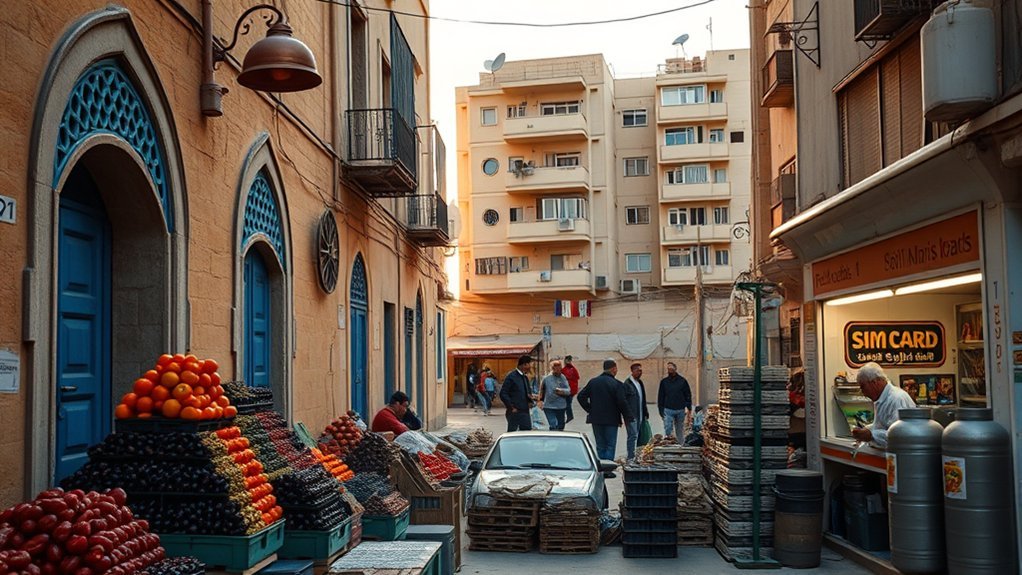
Living in Libya can cost less than living in many Western or Gulf countries, but the total depends heavily on rent, city, household size, access to subsidized goods, and whether you need private healthcare or international schooling. The figures below use June and July 2026 information and should be treated as planning estimates rather than guaranteed prices.
Quick Answer
Libya is inexpensive compared with many countries, but realistic 2026 costs are higher than some older online estimates. A single person may need roughly 2,000–4,200 LYD per month including rent, while a family of four may need about 4,700–9,300 LYD, depending on housing, schooling, transport, and location.
Key Takeaways
- Rent is usually the largest expense. A one-bedroom apartment averaged about 1,532 LYD in a city center and 732 LYD outside the center in June 2026 crowdsourced data.
- The reported average net salary was about 1,654 LYD, so average city-center rent alone could consume more than 90% of one salary.
- Local restaurant meals and basic groceries can be affordable, but imported food, electronics, vehicle parts, healthcare, and private education may cost much more.
- Use LYD for budgeting. Currency conversions can change quickly and may differ between the official banking rate and rates actually available to consumers.
- Anyone considering relocation must review current visa, safety, insurance, and medical-evacuation requirements before making financial plans.
Overview of Living Costs in Libya
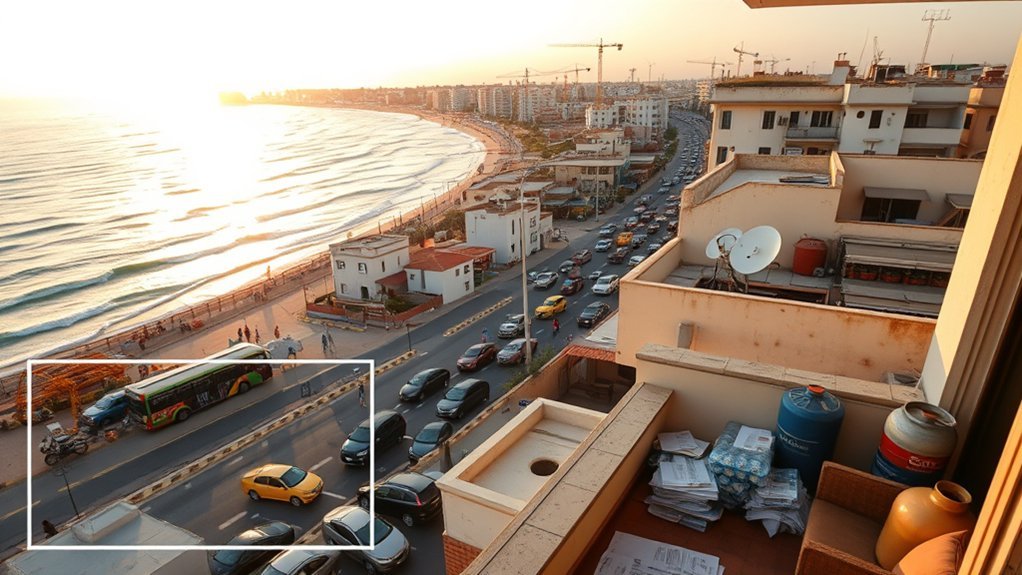
Libya remains one of the less expensive countries in North Africa when prices are compared internationally. However, a low national price level does not automatically make life affordable for someone earning a local salary.
June 2026 crowdsourced estimates placed the average monthly net salary near 1,654 LYD. During the same period, the average listed rent for a one-bedroom apartment in a city center was approximately 1,532 LYD. That means average central rent alone was equal to about 93% of the reported average salary, before food, utilities, internet, transportation, or healthcare.
Libya has low nominal prices, but housing can still be difficult to afford on one average local salary.
Note: Consumer prices in this guide are based partly on crowdsourced market entries. They are not official national averages, and actual costs can vary significantly by city, neighborhood, property condition, availability, and security conditions.

This heartfelt memoir blends laugh-out-loud honesty with tender reflections on love, loneliness, and the unexpected healing power of rescue dogs. Isabel Klee shares her journey fostering pups in the city while navigating dating and self-discovery, offering an intimate, relatable story for readers who enjoy emotional, character-driven narratives. It is a warm, engaging read about opening your heart and finding connection in surprising places.

This hardcover edition by Eric Metaxas offers a compelling look at the origins of the United States during the Colonial Period. It blends historical narrative with engaging storytelling, making it appealing for readers interested in American history, early nation-building, and the ideas that shaped the country. A strong choice for history enthusiasts, students, and anyone exploring the foundations of the nation.

These MathLink Cubes make early math hands-on and engaging for children ages 5 and up, helping turn counting, addition, subtraction, patterns, and comparison into interactive learning. The colorful linking cubes connect on all sides and feature geometric cutouts for shape recognition and more advanced patterning, while also building fine motor skills, spatial reasoning, and problem-solving through play.
How to Read the Dollar Conversions
The Libyan dinar should be your main budgeting currency. On July 28, 2026, the Central Bank of Libya listed official U.S. dollar buying and selling rates of approximately 6.4003–6.4324 LYD per $1.
At an illustrative rate of 6.42 LYD per dollar, 1,000 LYD would equal about $156. However, the rate available through a bank, card, employer, transfer service, or cash exchange may differ. Always date currency conversions rather than relying on an old fixed dollar equivalent.
Typical Monthly Budgets for Individuals and Families
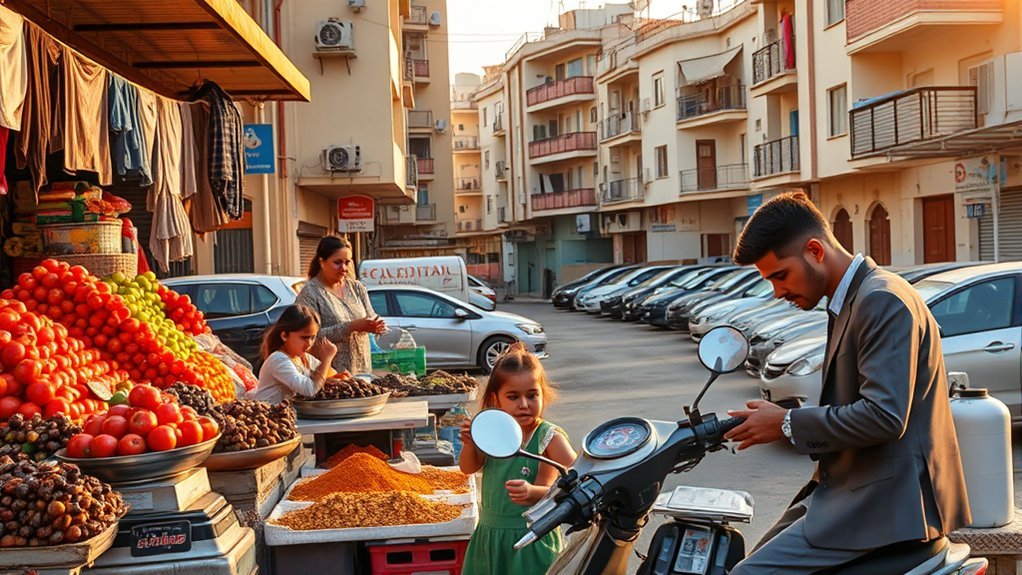
The following ranges are practical planning scenarios. They combine recent rent entries, basic grocery needs, utilities, communications, transportation, and a modest personal allowance. They are not official poverty lines or guaranteed spending levels.
| Household | Housing Assumption | Estimated Monthly Budget |
| Single person, lower-cost | Shared home or one-bedroom outside the center | 2,000–3,000 LYD |
| Single person, city-center | Private one-bedroom in a central area | 2,700–4,200 LYD |
| Family of four, moderate | Three-bedroom outside the center, limited private services | 4,700–7,300 LYD |
| Family of four, higher-cost | Central housing, private healthcare or international education | 6,500–9,300+ LYD |
A household can fall below these ranges when it owns its home, receives subsidized housing, shares accommodation, or relies heavily on public services. Costs can exceed them when a family imports goods, hires private transport, needs regular specialist healthcare, or pays international-school tuition.
Pro Tip: Build your budget from actual housing and school quotations. A national average is less useful than the price of the specific apartment, neighborhood, internet provider, school, and transport arrangement you will use.
Housing, Utilities, and Internet Prices

Housing produces the largest difference between a low-cost and higher-cost lifestyle. June 2026 crowdsourced entries reported the following national averages and ranges:
| Housing Type | Average | Reported Range |
| One-bedroom, city center | 1,531.54 LYD | 700–2,340 LYD |
| One-bedroom, outside center | 732.31 LYD | 500–1,040 LYD |
| Three-bedroom, city center | 2,847.69 LYD | 1,500–4,080 LYD |
| Three-bedroom, outside center | 1,394 LYD | 800–2,000 LYD |
Before signing a lease, ask which services are included. A lower rent may not include water storage, backup electricity, building security, maintenance, parking, furnishings, or internet installation.
Utilities and Communications
A reasonable starting budget is about 130–200 LYD per month for basic electricity, water, cooling, and related household utilities, although usage and service reliability vary. Internet and mobile services may add approximately 140–250 LYD, depending on speed, provider, equipment, and the number of users.
Do not assume that a higher advertised internet speed guarantees stable service. Ask neighbors or colleagues about local coverage and outages before choosing an apartment.
Food, Groceries, and Dining Out
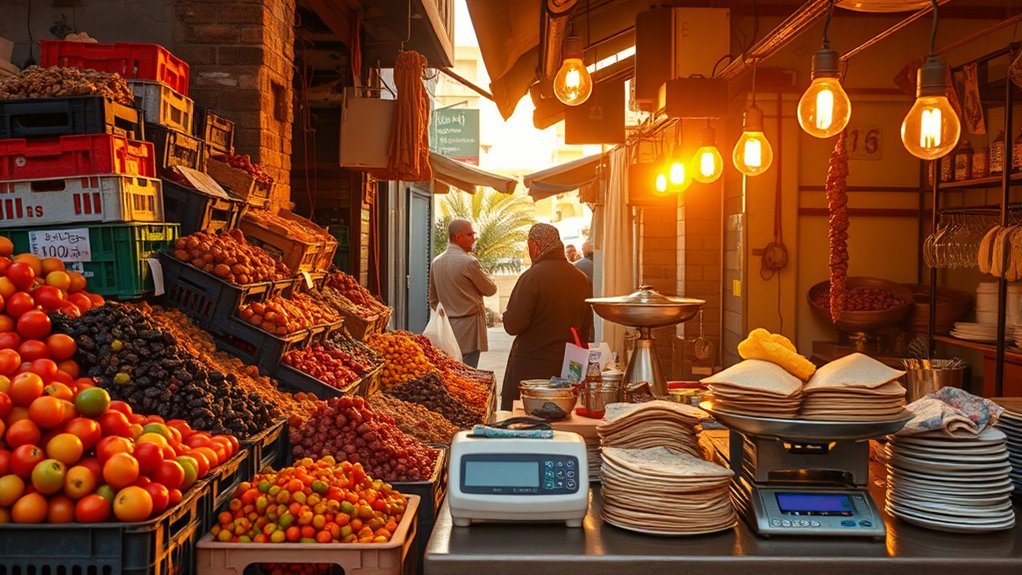
Local bread, vegetables, rice, and some subsidized staples can be inexpensive. Imported products, specialty foods, and branded packaged goods may be less predictable because supply and exchange-rate conditions affect their prices.
Typical Grocery Prices
| Item | June 2026 Benchmark |
| Milk, 1 liter | 5.71 LYD |
| White bread, 500 g | 1.50 LYD |
| Rice, 1 kg | 7.22 LYD |
| Eggs, 12 | 8.15 LYD |
| Chicken fillets, 1 kg | 21.03 LYD |
| Beef, 1 kg | 60.56 LYD |
| Tomatoes, 1 kg | 3.60 LYD |
| Potatoes, 1 kg | 4.31 LYD |
A practical grocery target is approximately 700–950 LYD per adult per month for a home-cooked diet. A family of four may spend roughly 2,800–3,800 LYD, although households that use more subsidized local foods may spend less.
Eating Out
- Inexpensive restaurant meal: about 20 LYD
- Fast-food combination meal: about 15 LYD
- Mid-range three-course meal for two: about 80 LYD
- Cappuccino: about 3.42 LYD
- Non-alcoholic beer: about 3.75 LYD
Warning: Alcohol is prohibited in Libya. Importing, possessing, using, or trafficking in alcohol may result in severe legal penalties. Prices listed for beer-like drinks refer to non-alcoholic products.
Transportation, Childcare, Healthcare, and Other Expenses
Transportation
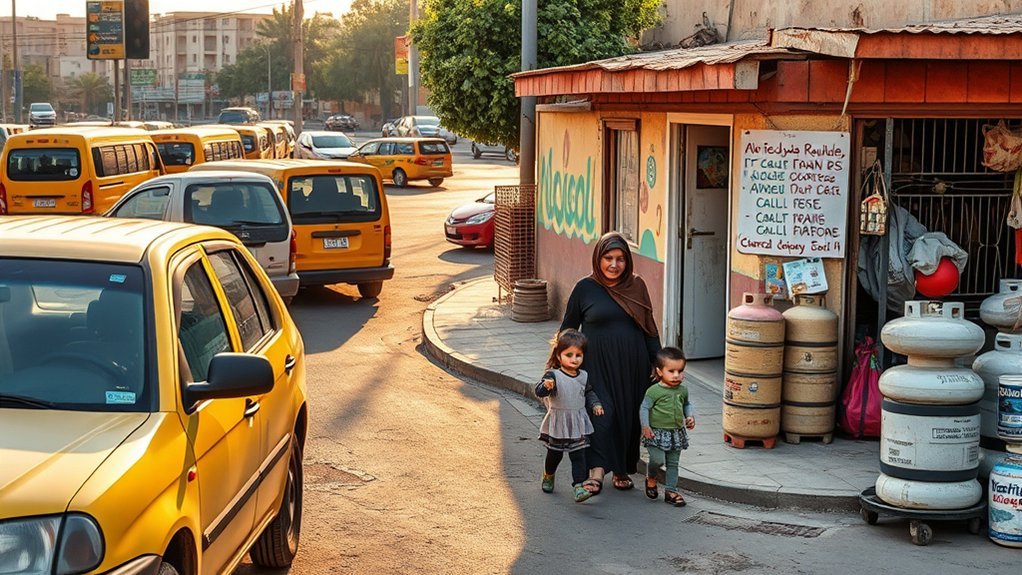
Fuel is heavily subsidized, which can make routine driving less expensive than in many countries. However, vehicle ownership also brings repair, imported-parts, tire, insurance, and availability costs.
Public transport options and posted fares are not uniform across Libya. Shared taxis, private taxis, employer transport, and personal vehicles may be more important than a formal monthly transit pass. A single person can start with a transport budget of about 100–250 LYD per month. A family may need 300–700 LYD, especially when school or work trips require private transport.
Childcare and Education
June 2026 crowdsourced entries placed private full-day preschool or kindergarten at an average of about 365 LYD per child per month, with reported prices from 200 to 600 LYD.
International primary-school tuition averaged approximately 4,500 LYD per child per year, with reported prices between 2,500 and 7,000 LYD. Registration, transport, uniforms, meals, supplies, and activities may be charged separately.
Healthcare and Insurance
Healthcare costs depend on whether a household can use public services or requires private clinics. The U.S. Department of State’s Libya information says adequate facilities are available in Tripoli, while rural care may fall below U.S. standards and public clinics may lack basic supplies.
Many providers expect cash payment. Foreign residents should budget for private medical consultations, prescription medicines, international insurance, and possible medical evacuation rather than assuming that low general living costs mean low healthcare risk.
Average Salary and What Counts as a Good Income
The June 2026 crowdsourced average monthly net salary was approximately 1,653.85 LYD. This figure should not be treated as a guaranteed wage because compensation varies widely by sector, employer, location, seniority, public-sector status, and whether the worker is paid partly in foreign currency.
A “good salary” should be defined by household expenses rather than by one national average:
- Single person sharing housing: about 2,500–3,000 LYD net can cover a modest lifestyle with some flexibility.
- Single person renting alone outside the center: about 3,000–3,500 LYD net offers a more practical buffer.
- Single person in a city-center apartment: about 3,500–5,000 LYD net may be more comfortable.
- Family of four: about 6,000–9,000+ LYD net may be needed, especially with private education, healthcare, or transport.
These are planning targets derived from the household budgets in this guide, not official salary thresholds.
How City and Lifestyle Change the Cost
National averages hide substantial differences. Tripoli generally has the greatest concentration of government offices, international organizations, private clinics, schools, and higher-priced central housing. Benghazi and Misrata may offer different combinations of rent, employment, transport, and service availability. Smaller cities can have lower rent but fewer housing choices and less reliable access to specialized services.
Your budget may rise when you need:
- A furnished or secured apartment
- Backup electricity or water storage
- Private school transportation
- Imported groceries or household goods
- Specialist medical care
- A hired driver or company vehicle
- Frequent international travel
- Foreign-currency transfers or payments
It may fall when you own a home, live with relatives, share rent, buy local seasonal food, or receive employer-provided housing and transport.

This hardcover cookbook offers fast, approachable recipes designed for busy days and low-energy nights. Caroline Chambers focuses on simple, flavorful meals that help you get dinner on the table without overthinking it. It's a practical pick for home cooks who want quick weeknight inspiration and minimal-fuss cooking.

This CUCKOO Micom rice cooker makes everyday meals easier with fuzzy logic cooking that helps deliver consistently fluffy rice and grains. With multiple menu options, a delay timer, keep warm setting, and versatile steaming and multi-cook functions, it is well suited for preparing rice, porridge, soups, and stews for small to medium households. The non-stick inner pot and customizable My Mode settings add convenience and flexibility for a variety of tastes and textures.

This daily devotional helps parents pray purposefully for their children through a full year of Scripture readings, reflections, and guided prayer prompts. Written to encourage faithful family discipleship, it offers practical, biblically grounded support for parents who want to shape their prayers around God's Word. A foreword by Sinclair B. Ferguson adds trusted theological insight and encouragement.
Currency, Inflation, and Price Changes
The International Monetary Fund projected average consumer-price inflation of approximately 2.3% for 2026. However, the IMF has also noted measurement weaknesses, regional price differences, extensive subsidies, and exchange-rate distortions.
The Central Bank of Libya publishes an updated consumer price index, including a series through June 2026. Even when national inflation appears low, an individual household may face larger increases in rent, imported food, electronics, medicine, vehicle parts, or private services.
The official exchange rate may also differ from rates available through other channels. Confirm the rate, fees, withdrawal rules, and transfer limits before converting a foreign-currency salary into an LYD household budget.
Moving to Libya: Visa and Safety Considerations
Warning: The U.S. Department of State currently lists Libya at Level 4: Do Not Travel because of terrorism, kidnapping, crime, civil unrest, unexploded landmines, and armed conflict. Anyone considering travel or relocation should review current official guidance for their nationality immediately before making plans.
U.S. citizens need both a passport and a visa. Visas are not available to U.S. passport holders at the port of entry. Business travelers generally need an invitation or sponsorship from a company operating in Libya, and processing may take weeks or months.
Current U.S. guidance also states that visitors must register at the nearest police station within three days of arrival. Border closures, flight changes, and local entry procedures may occur with limited notice.
There is no operating U.S. Embassy in Libya, and consular support is handled from Tunis. Prospective residents should arrange suitable insurance, emergency communication, evacuation planning, secure accommodation, and employer support before arrival.
Ways to Reduce Your Monthly Costs
- Compare central and outside-center rent. Moving outside the center can reduce one-bedroom rent significantly.
- Ask for the full housing cost. Confirm whether water, electricity, maintenance, furniture, security, parking, and internet are included.
- Use local and seasonal food. Imported brands can cost much more and may have inconsistent availability.
- Price education before relocating. Tuition is only part of the cost; ask about registration, transportation, uniforms, books, and activities.
- Keep a healthcare reserve. Private treatment, medicines, and medical evacuation can quickly exceed normal monthly spending.
- Track exchange rates. Recalculate any dollar or euro budget when the dinar rate changes.
- Maintain an emergency fund. Keep extra money for supply interruptions, temporary relocation, travel changes, or delayed salary payments.
Frequently Asked Questions
Is Libya cheap to live in?
Libya has low nominal prices compared with many countries, especially for local food and fuel. However, rent, imported goods, private healthcare, secure accommodation, and international education can be expensive relative to local salaries.
How much does one person need per month in Libya?
A single person may need roughly 2,000–3,000 LYD with shared or outside-center housing. Renting a private city-center apartment can raise the total to approximately 2,700–4,200 LYD.
How much does a family of four need?
A moderate family budget may fall between 4,700 and 7,300 LYD per month. Central housing, private healthcare, international schooling, or hired transportation can push the total above 9,300 LYD.
Can an American live in Libya?
An American may be able to obtain permission to live or work in Libya, but a passport and visa are required, visas are not issued at the port of entry, and business applicants normally need local sponsorship. The U.S. government currently advises citizens not to travel to Libya.
What is a good salary in Libya?
For a single renter, approximately 3,000–5,000 LYD net per month provides more flexibility than the reported average salary. A family may need 6,000–9,000 LYD or more, depending on housing, education, healthcare, and transport.
How much is a meal in Libya?
A basic restaurant meal averages about 20 LYD, while a mid-range three-course meal for two is around 80 LYD. Prices vary by city, restaurant type, and whether ingredients are local or imported.
Which exchange rate should I use?
Use the latest Central Bank of Libya rate as an official reference, but confirm the rate and fees actually available through your bank, employer, card, or transfer provider. Do not rely on an undated dollar conversion.
Conclusion
Libya can offer low prices for local food, fuel, and some everyday services, but affordability depends on income and access to housing. A single average local salary may not comfortably cover central rent and normal household expenses.
For a realistic plan, budget in LYD, obtain current housing and school quotations, maintain funds for healthcare and emergencies, and review the latest exchange-rate and security information. Families and foreign residents should pay particular attention to private education, medical evacuation, secure housing, and transport because these costs can outweigh the savings available elsewhere.
Sources
- Central Bank of Libya — Currency Exchange Rates — official dinar exchange-rate information.
- Central Bank of Libya — Economic Indicators — consumer-price-index publications through 2026.
- World Bank — Libya Overview — economic structure, public services, subsidies, and employment context.
- International Monetary Fund — Libya Article IV Consultation — inflation, exchange-rate, fiscal, and data-quality context.
- U.S. Department of State — Libya Travel Advisory — current security warning and travel risks.
- U.S. Department of State — Libya Country Information — visas, registration, healthcare, insurance, local laws, and consular limitations.

This compact electric kettle quickly boils up to 1 liter of water with 1500 watts, making it ideal for tea, French press coffee, and fast hot water needs. The BPA-free glass carafe features easy-to-read markings, a wide opening for simple cleaning, and a built-in mesh filter to help keep mineral scale out of your cup. With auto shutoff, boil-dry protection, and cordless serving, it offers a convenient and stylish way to heat water for smaller kitchens, dorms, and apartments.

These colorful answer buzzers turn lessons, review games, and family activities into lively game-show style challenges that boost participation and make learning more interactive. Each buzzer has a distinct sound to clearly identify who buzzed in first, while the durable, palm-sized design makes them easy for kids and adults to use in classrooms, homeschools, and group settings.

Die With Zero offers a fresh perspective on personal finance by encouraging readers to use money intentionally to create memorable life experiences instead of simply accumulating wealth. Written by Bill Perkins, this book combines practical guidance with a motivating philosophy to help readers align spending, saving, and life goals for a more fulfilling future.