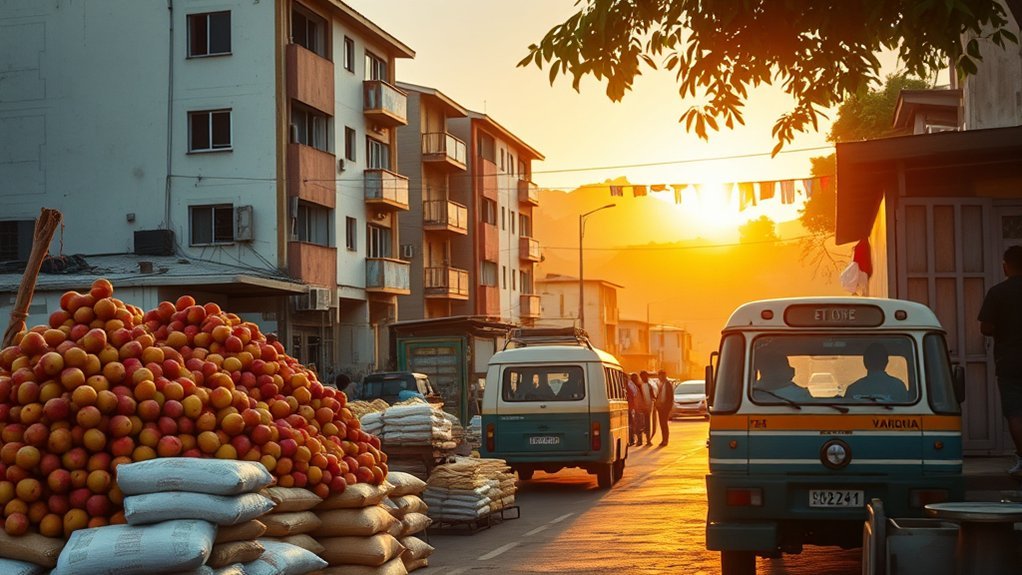
The cost of living in Madagascar in 2026 is about 1.4–2.1 million ariary (~$320–$480) a month for a single person living simply in Antananarivo, and about 3.5–4.5 million ariary (~$800–$1,025) for a comfortable expat-style single life. A couple should plan on roughly 5.2–6.7 million ariary (~$1,185–$1,525), and a family of four 7.0–10.7 million ariary (~$1,595–$2,440) before international school fees. Dollar figures use the Madagascar Customs reference rate of 4,387.22 ariary per US dollar, effective October 5, 2026. Local prices for food and shared transport are among the lowest in the region, but formal housing, imported goods, internet, private healthcare, and backup power push foreign budgets up fast. Below you’ll find rents, utility and grocery prices, wages, taxes, visa fees, and sample budgets.
Quick Answer
- Single person: 1.4–2.1 million Ar (~$320–$480) on a lean budget; 3.5–4.5 million Ar (~$800–$1,025) for a comfortable one.
- Couple: 5.2–6.7 million Ar (~$1,185–$1,525) a month in Antananarivo.
- Family of four: 7.0–10.7 million Ar (~$1,595–$2,440) before international school fees.
- Rent, one-bedroom in Antananarivo: about 666,000 Ar (~$152) outside the center and 1.44 million Ar (~$329) in the center.
- Utilities and connectivity: about 328,000 Ar (~$75) for basic utilities, 253,000 Ar (~$58) for 60 Mbps home internet, and 75,000 Ar (~$17) for a mobile plan.
- Transport: 600 Ar (~$0.14) per minibus (taxi-be) ride; gasoline about 5,100 Ar (~$1.16) per liter.
- Minimum wage: 315,000 Ar (~$72) a month in the private sector from October 2026.
Exchange Rate, Inflation, and Minimum Wage in 2026
Three numbers shape what Madagascar costs you this year.
The exchange rate. The Madagascar Customs weekly reference rate was 4,387.22 ariary per dollar and 4,984.37 ariary per euro for the week starting October 5, 2026. The ariary gained ground in the first half of the year. According to CapMad’s review of central bank data, the dollar fell from about 4,580 ariary at the start of 2026 to about 4,256 at the end of June, a 7% gain for the ariary. It has since slipped back a little. If you earn in dollars, your money goes about 4% less far than it did in January.
Inflation. The World Bank’s Madagascar overview reports that headline inflation eased to 6.8% in March 2026, then rose to 8.6% in June, driven by food and energy prices. The central bank raised its policy rate to 12.5% in August to slow it down. Food staples and fuel are the prices most likely to move during your stay.
The minimum wage. The private-sector minimum hiring wage (SME) rose from 262,680 Ar to 300,000 Ar on March 1, 2026. CNaPS, the national social security fund, lists 300,000 Ar for non-agricultural work and 304,300 Ar for agricultural work. Under the implementing decree published in June, reported by L’Express de Madagascar, the non-agricultural minimum rises again to 315,000 Ar (~$72) from October 2026.
At 4,387 ariary per dollar, the October 2026 minimum wage equals about $72 a month. Most Malagasy households live on far less than the expat budgets in this guide.
Cost of Living by City
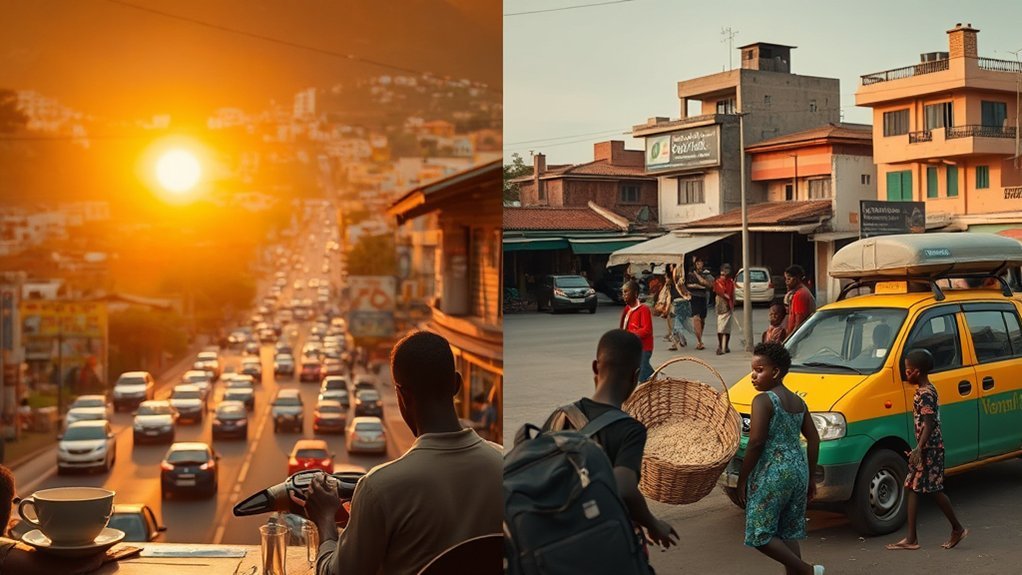
Reliable price data for Madagascar is thin. The table uses crowd-sourced averages from Numbeo (updated October 2, 2026). Antananarivo has about 300 price reports from the past year. Toamasina has only three, so treat it as a rough guide. Other cities, such as Antsirabe, Mahajanga, and Toliara, don’t have enough recent reports to list.
| Location | 1-Bed, City Center | 1-Bed, Outside Center | 3-Bed, City Center | 3-Bed, Outside Center |
|---|---|---|---|---|
| Antananarivo | 1,442,500 Ar (~$329) | 665,700 Ar (~$152) | 3,265,000 Ar (~$744) | 1,421,700 Ar (~$324) |
| Toamasina* | 600,000 Ar (~$137) | 250,000 Ar (~$57) | 2,000,000 Ar (~$456) | 600,000 Ar (~$137) |
| Madagascar average | 1,311,700 Ar (~$299) | 619,500 Ar (~$141) | 3,073,750 Ar (~$701) | 1,441,250 Ar (~$329) |
*Toamasina figures come from three reports by a single contributor in January 2026.
A few patterns stand out:
- Antananarivo has the most formal rentals, private clinics, international schools, and fiber internet. It also has heavy traffic and the highest demand for secure housing.
- Toamasina, the main port, can be cheaper for basic housing, but furnished expat-standard units are scarce and the east coast takes the brunt of the cyclone season.
- Nosy Be and other tourist areas often cost more than their size suggests, because short-term holiday rentals compete for housing and most goods arrive by boat.
- Smaller towns such as Antsirabe and Fianarantsoa may have lower rents, but fewer furnished options, weaker internet, and longer trips to reach specialist care.
For a deeper look at rents, see our guide to average rent in Madagascar.
Housing and Renting in Madagascar
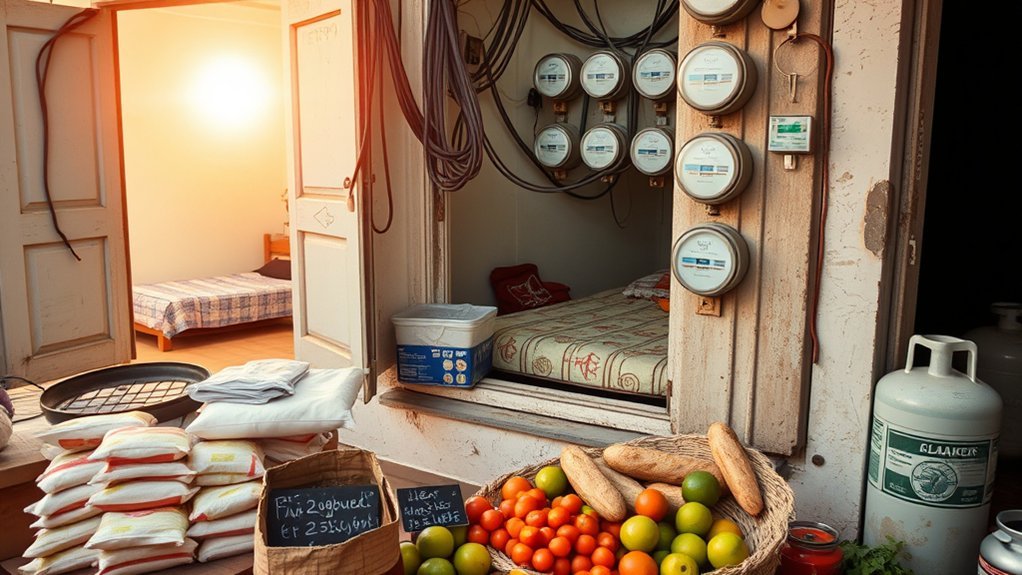
Rent is the biggest swing factor in any Madagascar budget. In Antananarivo, the crowd-sourced range for a one-bedroom in the center runs from about 700,000 Ar to 2.9 million Ar (~$160–$660). Outside the center it runs from about 300,000 Ar to 936,000 Ar (~$68–$213). The low end is typically a basic local unit. The high end is a furnished apartment in a secure building with parking, a water tank, and a generator.
Expats tend to look at areas such as Ivandry, Ambatobe, Ankorondrano, and Andraharo, which are closer to embassies, offices, and international schools. Prices there sit at or above the top of the ranges above.
Things that change the real cost of a rental:
- Backup power and water. A unit with a generator, inverter, or water tank costs more to rent but can save you money and stress during outages.
- Security. Guarded compounds and buildings with a gate guard cost more, but they are the norm for foreign renters in the capital.
- Location. Traffic in Antananarivo is slow. Living near work or school can cut taxi costs and hours in traffic.
- Payment terms. Landlords commonly ask for a deposit plus rent in advance. Ask for the rent and deposit in ariary, and get a written lease that lists who pays utilities and repairs.
Utilities, Internet, and Phone
Basic utilities (electricity, water, and garbage) for a 915-square-foot (85 m²) apartment average about 328,000 Ar (~$75) a month in Antananarivo, with a reported range of 212,500 Ar to 1 million Ar. Air conditioning, water heaters, and generator fuel push bills toward the top of that range.
Power is the main practical concern. A May 2026 World Bank release said only about 36% of Madagascar’s population has reliable electricity. Even in the capital, cuts from the state utility JIRAMA are common. The US State Department’s Madagascar page also warns that power outages and water shortages are frequent.
| Monthly Bill (Antananarivo) | Typical Cost (Ar) | Approx. USD |
|---|---|---|
| Basic utilities, 85 m² apartment | 328,000 | $75 |
| Home internet, 60 Mbps or faster | 253,000 | $58 |
| Mobile plan with calls and 10 GB+ data | 75,000 | $17 |
| Kerosene for lamps or cooking (1 liter) | 3,710 | $0.85 |
Fast home internet is expensive compared with local incomes, and cheaper plans have lower speeds. Many people rely on prepaid mobile data bundles from Telma, Orange, or Airtel, or keep a second SIM as a backup when the fiber line goes down. Remote workers should test the connection at the exact address before signing a lease.
Food: Groceries and Dining Out
Local staples are cheap. Imported cheese, wine, cereal, and packaged goods are where grocery bills climb. A single person who cooks mostly local food can eat for about 450,000–550,000 Ar (~$105–$125) a month. A mix of market produce and supermarket items runs closer to 700,000–800,000 Ar (~$160–$180).
Average Antananarivo prices in October 2026 (crowd-sourced):
| Item | Typical Cost (Ar) | Approx. USD |
|---|---|---|
| Milk (1 liter) | 4,325 | $0.99 |
| White bread (1 lb loaf) | 4,115 | $0.94 |
| White rice (1 kg) | 3,283 | $0.75 |
| Eggs (12) | 9,075 | $2.07 |
| Chicken fillets (1 lb) | 8,953 | $2.04 |
| Beef (1 lb) | 9,752 | $2.22 |
| Local cheese (1 lb) | 16,977 | $3.87 |
| Tomatoes (1 lb) | 1,717 | $0.39 |
| Bottled water (1.5 liters) | 3,100 | $0.71 |
| Mid-range bottle of wine | 22,500 | $5.13 |
Rice is the national staple, and its price is a political issue. When rice or fuel prices jump, the rest of the food basket usually follows. Tap water is not safe to drink, so budget for bottled or filtered water every month.

Eating out is cheap at local spots (hotely) and much pricier at international restaurants. Typical Antananarivo prices:
- Meal at an inexpensive restaurant: about 12,000 Ar (~$2.74)
- Three-course dinner for two at a mid-range restaurant: about 90,000 Ar (~$20.50)
- Fast-food combo meal: about 25,000 Ar (~$5.70)
- Cappuccino: about 7,300 Ar (~$1.67)
- Domestic draft beer (pint): about 4,500 Ar (~$1.03)
Eating one local restaurant meal every weekday costs about 264,000 Ar (~$60) a month.
Transportation and Getting Around
Public transport in Antananarivo means taxi-be minibuses and buses. A ride costs about 600 Ar (~$0.14), and there is no monthly pass. Two rides each workday cost only about 26,400 Ar (~$6) a month, but buses are crowded and slow, and most foreigners use them sparingly.
| Transport Cost | Typical Price (Ar) | Approx. USD |
|---|---|---|
| Taxi-be / bus ride | 600 | $0.14 |
| Taxi starting fare | about 15,000 | $3.42 |
| Gasoline (1 liter) | about 5,100 | $1.16 (~$4.40 per gallon) |
| Diesel (1 liter) | about 4,860 | $1.11 |
| New Toyota Corolla or similar | about 113 million | $25,830 |
Fuel prices are regulated. A May 2026 increase reported by Newsmada set gasoline at 5,100 Ar, diesel at 4,860 Ar, and kerosene at 3,710 Ar per liter. In July the government restarted its automatic monthly price adjustment, with each change capped at 200 Ar per liter up or down, so check the current pump price before you budget for a car.
Taxis don’t use meters. Agree on the fare before you get in, and expect to pay more at night and to the airport. Many expat families hire a car with a driver instead of driving themselves. For intercity travel, taxi-brousse shared vans are cheap, but road conditions and safety vary. Domestic flights save days of travel on long routes.
Healthcare and Insurance Costs
Healthcare is the cost newcomers most often underestimate. The US State Department notes that medical facilities are very limited, especially outside the capital, that many providers want cash or mobile money up front, and that serious emergencies often require medical evacuation out of the country.
What to budget for:
- International health insurance with evacuation cover. This is the most important health cost for foreigners. Premiums depend on age, coverage area, and deductible, so get quotes before you move.
- Private clinics in Antananarivo for routine care. Keep cash or mobile money on hand for upfront payment.
- Malaria prevention if you travel outside the capital, plus mosquito repellent and nets.
- Medicines. Counterfeit drugs are common, so bring a supply of prescriptions in their original packaging and buy from reputable pharmacies.
- Vaccinations. Rabies is common and treatment is limited, so consider pre-travel vaccination. Yellow fever proof is required if you arrive from a country with yellow fever risk.
Formal-sector employees in Madagascar are covered through employer health organizations and pay social security contributions to CNaPS. Retirees and remote workers living on foreign income are not part of that system and should plan on private coverage.
Schools and Childcare
School fees can cost more than rent for expat families.
- International primary school: about 66.5 million Ar (~$15,150) a year per child on average, with a reported range of about 55 million to 113 million Ar. French-curriculum schools are the most common international option, and English-language choices are limited.
- Private preschool, full day: about 111,000 Ar (~$25) a month at local private schools. International-school preschools charge far more.
- Public schools: classes are in Malagasy and French, and resources are stretched.
Two children in international school add roughly 11 million Ar (~$2,525) a month to a family budget. Ask each school for its current fee schedule, enrollment fees, and transport costs in writing.
Salaries and Purchasing Power
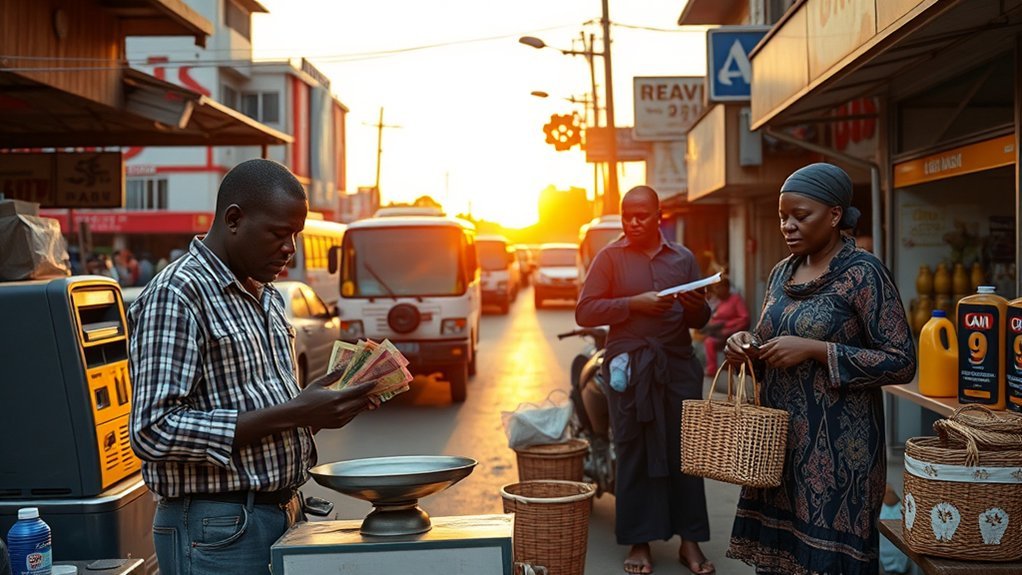
Local wages are very low compared with formal-market rents. The crowd-sourced average take-home pay in Antananarivo is about 585,000 Ar (~$133) a month. That is less than the average one-bedroom rent outside the center. The World Bank estimates that 66.5% of Malagasy people lived in poverty in 2025.
What this means in practice:
- A minimum-wage worker earns about 315,000 Ar (~$72) a month and cannot afford a formal one-bedroom alone. Most local families share housing or live in informal homes.
- Professional jobs in telecoms, banking, mining, NGOs, and international organizations pay well above the average, often with housing or transport allowances.
- A foreigner earning even $1,000 a month lives well above typical local standards, but the costs of secure housing, insurance, and imported goods still add up.
If you take a local job, check whether the offer is gross or net and whether it includes housing, health cover, school fees, or flights.
Taxes: VAT and Income Tax
- VAT (TVA): the standard rate is 20% and is included in shelf prices, according to PwC’s Madagascar tax summary. Butane gas carries a reduced 10% rate.
- Salary tax (IRSA): residents pay tax on worldwide income. The monthly brackets are listed below.
| Monthly Taxable Salary (Ar) | Approx. USD | IRSA Rate |
|---|---|---|
| Up to 350,000 | up to $80 | 0% |
| 350,001–400,000 | $80–$91 | 5% |
| 400,001–500,000 | $91–$114 | 10% |
| 500,001–600,000 | $114–$137 | 15% |
| Above 600,000 | above $137 | 20% |
Source: PwC, Madagascar individual income taxes. A minimum IRSA of 3,000 Ar a month applies. Because the top rate starts at about $137 a month, nearly every expat salary paid in Madagascar falls mostly in the 20% bracket. If you live on foreign income, talk to a tax adviser about residency and any tax treaty before you move.
Visas and Residence Costs
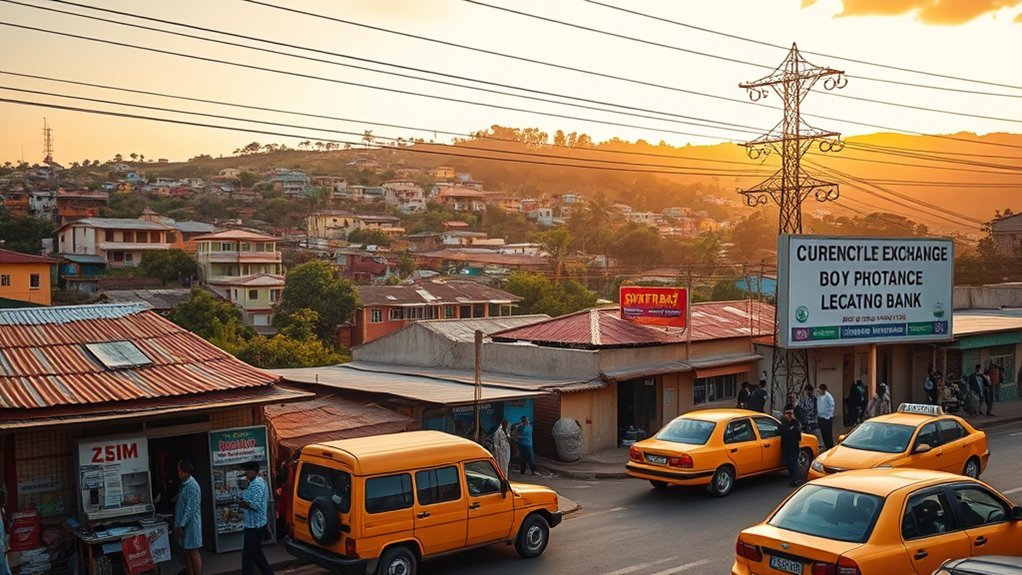
Most visitors need a visa, which they can get online through the official Madagascar eVisa portal or on arrival at the airport. The portal says the same fee applies online and on arrival. Use only the evisamada.gov.mg address, since look-alike sites charge extra. The tourist fees published by the eVisa service are:
| Length of Stay | Fee (USD) | Fee (EUR) |
|---|---|---|
| 1–15 days | $35 | €30 |
| 16–30 days | $41 | €35 |
| 31–60 days | $47 | €40 |
Stays beyond 60 days, up to a total of 90 days, need an extension from the immigration office. Your passport must be valid for six months beyond arrival and have three blank pages.
A tourist visa does not allow you to work or settle. Long-stay residence starts with a long-stay visa (often called a visa transformable) from a Malagasy embassy, which is then converted into a residence card in Madagascar. Categories include employees, investors, retirees, and family members. Fees, documents, and processing times change often, so confirm them with the embassy that serves your country and budget for translations, legalized documents, police records, and a medical certificate.
One-Time Setup Costs
Budget for these before your first month:
- Visa: $35–$47 for a tourist eVisa; more for a long-stay visa and residence card.
- Rental deposit and advance rent: for example, two months’ deposit plus one month in advance on a 1 million Ar (~$228) apartment comes to 3 million Ar (~$684). Ask for the exact terms in writing.
- Backup power and water: a power bank, inverter, solar kit, or water tank if the home lacks one.
- Furnishings: unfurnished units may lack a stove, fridge, water heater, or curtains.
- SIM cards and internet installation: a local SIM is cheap; fiber installation may carry a setup fee.
- Insurance: international health and evacuation cover from day one.
Sample Monthly Budgets
These budgets combine the Antananarivo averages above. The health line is a planning allowance for private insurance, not a quoted premium. All figures are in ariary.
| Expense | Single, Lean | Single, Comfortable | Couple | Family of Four |
|---|---|---|---|---|
| Rent | 450,000–665,000 | 1,000,000–1,450,000 | 1,450,000–2,000,000 | 1,420,000–3,265,000 |
| Utilities and backup power | 150,000–250,000 | 380,000–430,000 | 450,000–500,000 | 600,000–750,000 |
| Internet and mobile | 40,000–75,000 | 328,000 | 400,000 | 400,000 |
| Groceries | 450,000–550,000 | 700,000–800,000 | 1,300,000–1,500,000 | 2,200,000–2,600,000 |
| Eating out and leisure | 150,000–250,000 | 530,000–630,000 | 600,000–800,000 | 600,000–900,000 |
| Transport | 50,000–150,000 | 300,000–400,000 | 450,000–600,000 | 600,000–900,000 |
| Health allowance | 100,000–150,000 | 250,000–450,000 | 500,000–900,000 | 900,000–1,500,000 |
| Household help | — | — | — | 315,000–400,000 |
| Total (Ar) | 1.4–2.1 million | 3.5–4.5 million | 5.2–6.7 million | 7.0–10.7 million |
| Total (USD) | $320–$480 | $800–$1,025 | $1,185–$1,525 | $1,595–$2,440 |
Lean single: a basic room or small apartment outside the center, mostly local food, minibuses, and a mobile data plan instead of fiber. This is achievable but leaves little room for outages, illness, or travel.
Comfortable single: a furnished one-bedroom in a secure building, fiber internet, taxis, a mix of local and imported food, regular meals out, and private health cover.
Family of four: a three-bedroom, a part-time or full-time housekeeper paid at least the minimum wage, a car with driver or frequent taxis, and private insurance. Crowd-sourced data puts a family’s costs at about 6.4 million Ar (~$1,455) a month before rent, which fits the top half of this range. International school for two children adds about 11 million Ar (~$2,525) a month.
Keep a 10–15% buffer for price changes, exchange-rate swings, and repairs.
Money-Saving Tips
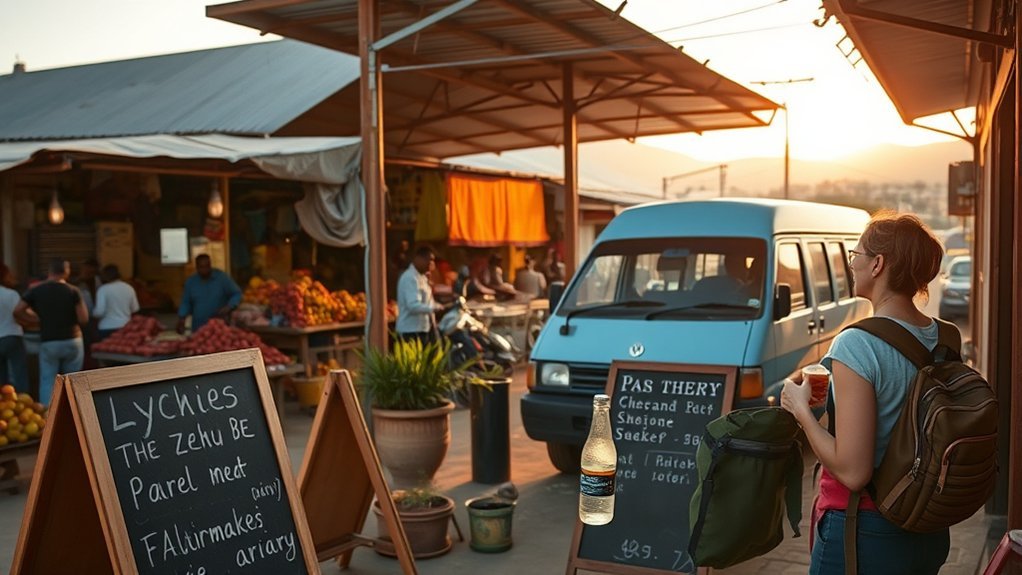
- Price everything in ariary. Ask for rent, deposits, and school fees in ariary, then do the conversion yourself.
- Shop at markets. Analakely and neighborhood markets beat supermarkets on produce, rice, and meat. Save supermarket trips for imported items.
- Eat at hotely. A local restaurant meal costs less than many supermarket meals.
- Live close to work or school. Paying a little more rent can save a lot on taxis and time in traffic.
- Use mobile money. MVola, Orange Money, and Airtel Money are widely accepted and avoid carrying large amounts of cash.
- Plan for outages. A good power bank or small solar kit costs less than lost work or spoiled food.
- Inspect before you pay. Never send a deposit based only on photos. See the property, meet the landlord or agent, and get a receipt.
Safety and Practical Notes
The US State Department rates Madagascar at Level 2, “exercise increased caution,” because of crime, unrest, and health risks. Petty theft is common in busy areas, and violent crime occurs, especially after dark and on some national roads in the south and west. Strikes and protests happen regularly, especially around elections.
Cyclone season runs from November to April and hits the east coast hardest. These risks add real costs: guarded housing, taxis at night instead of walking, and insurance that covers evacuation.
How Madagascar Compares With Nearby Countries
Madagascar is one of the cheapest places in the Indian Ocean region for day-to-day spending, but its services are also the most limited. Its island neighbors cost much more. See our guides to the cost of living in Mauritius, which has far better hospitals and infrastructure, and the cost of living in the Comoros, where a single foreigner renting near Moroni needs well over $1,000 a month.
On the African mainland, compare the cost of living in Mozambique, Madagascar’s closest neighbor across the channel, and East Africa’s main expat hubs. Our guides to the cost of living in Kenya and the cost of living in Tanzania show that Nairobi and Dar es Salaam cost more than Antananarivo, but offer more reliable power, more international schools, and better hospitals.
Frequently Asked Questions
How much money do you need to live in Madagascar per month?
A single person needs about 1.4–2.1 million ariary (~$320–$480) a month for a simple life in Antananarivo, and about 3.5–4.5 million ariary (~$800–$1,025) for a comfortable expat-style life. A couple should budget about 5.2–6.7 million ariary (~$1,185–$1,525).
Can you live in Madagascar on $500 a month?
Yes, but only on a lean budget. At about 4,387 ariary per dollar, $500 is roughly 2.2 million ariary. That covers a basic apartment outside central Antananarivo, local food, and minibuses, but leaves little for private healthcare, imported goods, or backup power.
How much is rent in Antananarivo?
A one-bedroom averages about 1.44 million ariary (~$329) in the city center and about 666,000 ariary (~$152) outside it. A three-bedroom averages about 3.27 million ariary (~$744) in the center and 1.42 million ariary (~$324) outside it.
What is the minimum wage in Madagascar in 2026?
The private-sector minimum hiring wage was 300,000 ariary a month from March 1, 2026, and rises to 315,000 ariary (about $72) from October 2026. The agricultural minimum from March was 304,300 ariary.
How much does a Madagascar tourist visa cost?
The eVisa service lists $35 for stays of up to 15 days, $41 for up to 30 days, and $47 for up to 60 days. The same fee applies on arrival. Stays beyond 60 days need an extension from immigration.
Is Madagascar cheaper than Mauritius?
Yes, by a wide margin for rent, food, and transport. Mauritius has better healthcare, more reliable power, and more international schools, so families and retirees with medical needs often find the extra cost worth it.
Conclusion
Madagascar is very cheap for local food and transport, but a foreigner’s real budget depends on secure housing, reliable power and internet, and private health cover. A single person can live simply in Antananarivo for about $320–$480 a month, while a comfortable expat lifestyle costs closer to $800–$1,025. Inflation is running above 8%, fuel prices now adjust monthly, and the minimum wage rose twice in 2026, so recheck prices and the exchange rate shortly before you move. Choose your neighborhood first, budget for outages and evacuation insurance, and keep a buffer for surprises.
Sources
- Madagascar Customs – weekly exchange rates (October 5, 2026)
- CapMad – ariary exchange rate, first half of 2026
- World Bank – Madagascar overview
- World Bank – Madagascar energy access program, May 2026
- CNaPS – minimum hiring wage history
- L’Express de Madagascar – minimum wage rises to 315,000 ariary
- Newsmada – May 2026 fuel price increase
- AllAfrica – automatic fuel price adjustment restarted, July 2026
- PwC – Madagascar individual income taxes
- PwC – Madagascar VAT and other taxes
- Madagascar eVisa – official portal
- US State Department – Madagascar travel information
- Numbeo – Antananarivo, Toamasina, and Madagascar crowd-sourced price data (October 2026)