The cost of living in Barbados depends heavily on whether you rent a residential apartment or a short-term holiday property, rely on buses or keep a car, and buy mostly local or imported products. This guide uses prices checked in July 2026 and separates recurring living expenses from one-time costs such as flights, deposits, and visa fees.
Quick Answer
A realistic monthly budget in Barbados is about $1,800 to $3,500 for one person, $2,800 to $4,800 for a couple, and $4,500 to $7,500 or more for a family. Rent is the biggest variable, while imported groceries, air-conditioning, restaurant meals, and private transportation can raise costs quickly.
Key Takeaways
- Long-term residential leases usually cost much less per night than hotels and holiday rentals.
- The Barbados dollar is fixed at BBD $2 to US $1, so BBD $100 equals US $50.
- The official public-bus fare is BBD $3.50, or US $1.75, for a one-way ride.
- The 12-Month Barbados Welcome Stamp costs US $2,000 for an individual or US $3,000 for a family.
- Flights, rental deposits, visa fees, shipping, and household setup should be budgeted separately from monthly living expenses.
Currency note: All unmarked dollar figures in this guide are in U.S. dollars. Official local charges are also shown in Barbados dollars where useful. The Central Bank of Barbados maintains the exchange rate at BBD $2 to US $1.
Cost of Living in Barbados per Month
Barbados offers warm weather, established services, and easy access to beaches, but it is not usually a low-cost destination. Housing in popular coastal areas, imported food, electricity, restaurant dining, and private transportation can make a household budget similar to or higher than budgets in some North American cities.
The exact amount you need depends on your household size and lifestyle. The following figures are planning ranges rather than official guaranteed averages.
| Household and Lifestyle | Estimated Monthly Budget | Typical Assumptions |
|---|---|---|
| One person, budget-conscious | $1,800–$2,700 | Modest long-term rental, mostly home cooking, buses, limited air-conditioning |
| One person, comfortable | $2,700–$4,000+ | Furnished coastal rental, frequent dining out, taxis or a car, more entertainment |
| Couple | $2,800–$4,800 | One- or two-bedroom home, mixed local and imported groceries, moderate transport |
| Family of four | $4,500–$7,500+ | Two- or three-bedroom home, family groceries, private transport, insurance and activities |
These ranges do not include international school tuition, major medical treatment, debt payments, luxury housing, frequent flights, or extensive shipping. Those expenses can increase the total substantially.

This combo kit helps women trying to conceive track fertile days and check for pregnancy with convenient at-home testing. The ovulation strips help monitor LH surge progression and are easy to read, while the pregnancy strips provide quick results with simple line interpretation. Designed for ease of use and dependable family planning support, it offers a practical way to stay on top of your fertility journey.

This hardcover cookbook offers fast, approachable recipes designed for busy days and low-energy nights. Caroline Chambers focuses on simple, flavorful meals that help you get dinner on the table without overthinking it. It's a practical pick for home cooks who want quick weeknight inspiration and minimal-fuss cooking.

This heartfelt cookbook shares the kitchen wisdom of a Korean mom alongside 100 family recipes that bring comforting, authentic flavors to your table. Blending personal stories with practical guidance, it offers home cooks approachable ways to explore Korean cooking with confidence. The hardcover format and trusted editorial guidance make it a beautiful and reliable addition to any cookbook collection.
Typical Monthly Cost Breakdown
| Expense | One-Person Planning Range | What Changes the Cost |
|---|---|---|
| Long-term rent | $500–$1,500+ | Location, bedrooms, furniture, air-conditioning, sea view, lease length |
| Utilities, internet and mobile service | $180–$350+ | Air-conditioning, property size, internet plan and included utilities |
| Groceries and household supplies | $350–$650 | Imported brands, meat, alcohol, dietary needs and food waste |
| Dining and entertainment | $150–$600+ | Restaurant type, alcohol, beach clubs, tours and nightlife |
| Transportation | $35–$1,000+ | Bus use versus taxis, rental car, fuel, parking and insurance |
| Healthcare and insurance | $100–$400+ | Age, coverage, deductibles, prescriptions and medical-evacuation benefits |
| Personal and miscellaneous costs | $200–$500+ | Clothing, household goods, subscriptions, gym fees and personal care |
A residential lease and regular bus use can keep a Barbados budget manageable. Short-term beachfront housing, imported groceries, restaurant dining, and a rental car can push the same household into a much higher spending tier.
Monthly Costs Versus Moving Costs
Do not include airline tickets in your regular cost-of-living total unless you fly every month. Flights, a rental security deposit, advance rent, shipping, visa fees, temporary accommodation, and household setup are one-time or occasional expenses.
A cautious moving fund should cover:
- Airfare and baggage or shipping fees
- Temporary accommodation while searching for housing
- A security deposit and any rent due before move-in
- Furniture, kitchen supplies, linens, and small appliances if needed
- Immigration or visa fees
- Medical or travel insurance
- At least three months of normal living expenses as an emergency reserve
Transportation Costs in Barbados
Barbados has public buses, privately operated minibuses and route taxis, conventional taxis, and rental cars. Your transportation budget can range from less than $100 per month for regular bus travel to more than $1,000 when you rent a car, buy fuel, pay for parking, and use taxis.
Public Bus and Minibus Fares
The official Transport Board fare is BBD $3.50, or US $1.75, per ride. The fare is fixed regardless of distance. Transport Board buses require exact fare because drivers do not provide change. You can review the current policy on the Barbados Transport Board website.
| Number of One-Way Rides per Month | Cost in BBD | Cost in USD |
|---|---|---|
| 20 rides | BBD $70 | $35 |
| 44 rides | BBD $154 | $77 |
| 60 rides | BBD $210 | $105 |
Buses are the lowest-cost choice for many residents, but routes, frequency, crowding, and late-evening availability may not suit every work schedule or neighborhood. Check the route before signing a lease if you will not have a car.
Flights and Taxi Costs
Airfare should be treated as a relocation or travel expense rather than part of an ordinary monthly living budget. Prices vary by departure city, travel dates, baggage allowance, airline, and how early you book.
Traditional Barbados taxis generally do not use onboard meters. Ask for the full fare before the trip begins. Grantley Adams International Airport uses authorized taxis and publishes destination-based rates in Barbados dollars. For example, the listed fare from the airport to Bridgetown is BBD $46, or about US $23, before any excess-luggage surcharge. Check the current airport ground-transportation information before traveling.
Public buses also serve the airport from the highway outside the terminal. The airport states that the fare is BBD $3.50 per ride, making this the least expensive airport-transfer option when your luggage and arrival time make bus travel practical.
Car Rental and Gas
A rental car provides more flexibility for work, shopping, and exploring less-connected parts of the island. However, the weekly rental quote is only one part of the cost. Ask whether the rate includes taxes, insurance, mileage, an additional driver, airport charges, and the Car Rental Levy.
Note: Barbados discontinued its visitor driving permit on October 15, 2025. Rental companies now collect a Car Rental Levy of BBD $5 per day, capped at BBD $35 per rental. The levy should be included in the rental charge.
Fuel spending depends on the vehicle’s efficiency and how far you drive. Estimate your monthly fuel cost with this formula:
Monthly distance ÷ vehicle efficiency × fuel price per liter = estimated fuel cost.
Also budget for collision coverage, tire or glass exclusions, parking, taxis used while the vehicle is unavailable, and any deductible due after damage.
Accommodation Expenses
Housing is usually the largest part of the cost of living in Barbados. A residential lease may cost much less than booking the same property by the night through a holiday-rental platform.
Current market snapshots suggest that a one-bedroom residential apartment can fall broadly between $500 and $1,100 per month, although furnished units in popular coastal areas may cost $1,500 or more. Two- and three-bedroom homes can range from roughly $1,200 to more than $3,250, especially near high-demand west- and south-coast locations.
These ranges are not official rent controls or guaranteed prices. The amount depends on:
- Parish and distance from the coast
- Number of bedrooms and bathrooms
- Furnished or unfurnished condition
- Air-conditioning and appliance quality
- Parking, security, pool, or sea view
- Lease length
- Whether water, electricity, internet, or maintenance is included
- Season and current availability
Pro Tip: Request a sample electricity bill before signing a lease, especially if the property has several air-conditioning units. Confirm in writing who pays for water, internet, garden care, pool service, pest control, and appliance repairs.
Short-Term Versus Long-Term Rentals
Hotels and holiday rentals often include furniture, internet, linens, utilities, and flexible cancellation, but their nightly pricing can make a 28-day stay much more expensive than a residential lease. High-demand winter dates and major events may raise short-term rates further.
Long-term leases usually offer a lower monthly rate, but you may need to pay a security deposit, purchase household supplies, arrange internet, and commit for six or twelve months. Some landlords also ask for the first month’s rent before occupancy.
Choosing an Area
South- and west-coast communities are popular because of beaches, restaurants, and services, but desirable coastal locations can command higher rents. Inland areas may provide more space for the money, although you should check bus access, commute times, road conditions, and nearby shopping before deciding.
Do not judge a property only by listing photos. Review the lease, inspect locks and windows, test water pressure and air-conditioning, check for dampness or pests, and document the property’s condition before moving in.
Utilities, Internet, and Mobile Service
There is no universal $75 cap on utilities. For one person, a practical combined allowance for electricity, water not included in rent, internet, and mobile service is about $180 to $350 per month. A large home or frequent air-conditioning use can cost more.
Ask each provider about installation charges, deposits, equipment rental, contract length, and early-cancellation fees. Remote workers should also verify the actual internet service available at the property rather than relying only on a landlord’s description.
Grocery Shopping and Costs
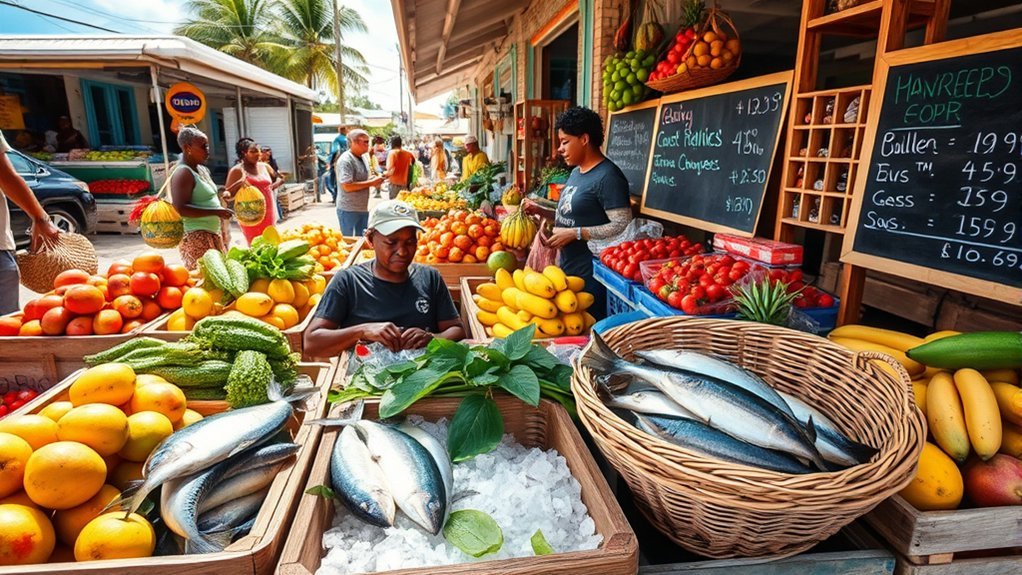
A one-person grocery and household-supply budget of about $350 to $650 per month is a useful starting range. Families, people with special diets, and shoppers who prefer imported brands may spend considerably more.
Barbados imports many consumer products, so imported produce, packaged foods, personal-care products, specialty ingredients, and alcohol can be expensive. The Barbados Statistical Service tracks food and non-alcoholic beverages as a major part of the national retail-price basket, which is another reason to review your food budget regularly.
Sample Grocery Prices
Market prices change by store and season, but recent crowd-sourced reports place common products around the following levels:
| Item | Approximate BBD Price | Approximate USD Price |
|---|---|---|
| Milk, 1 liter | BBD $6–$9 | $3–$4.50 |
| Bread, 500 g loaf | BBD $3–$7 | $1.50–$3.50 |
| Eggs, 12 | BBD $8–$19 | $4–$9.50 |
| Chicken fillets, 1 kg | BBD $15–$30 | $7.50–$15 |
| Tomatoes, 1 kg | BBD $7–$14 | $3.50–$7 |
| Bottled water, 1.5 liters | BBD $3–$8 | $1.50–$4 |
How to Lower Your Grocery Bill
- Plan meals before shopping and use a list.
- Compare supermarkets, produce markets, wholesalers, and neighborhood shops.
- Choose local or regional alternatives when imported brands are expensive.
- Buy seasonal produce and adjust meals when a product’s price rises.
- Cook larger portions and use leftovers safely.
- Track household supplies separately so toiletries and cleaning products do not distort the food budget.
- Check unit prices rather than choosing a product only because its package looks cheaper.
Dining Out and Entertainment Budget
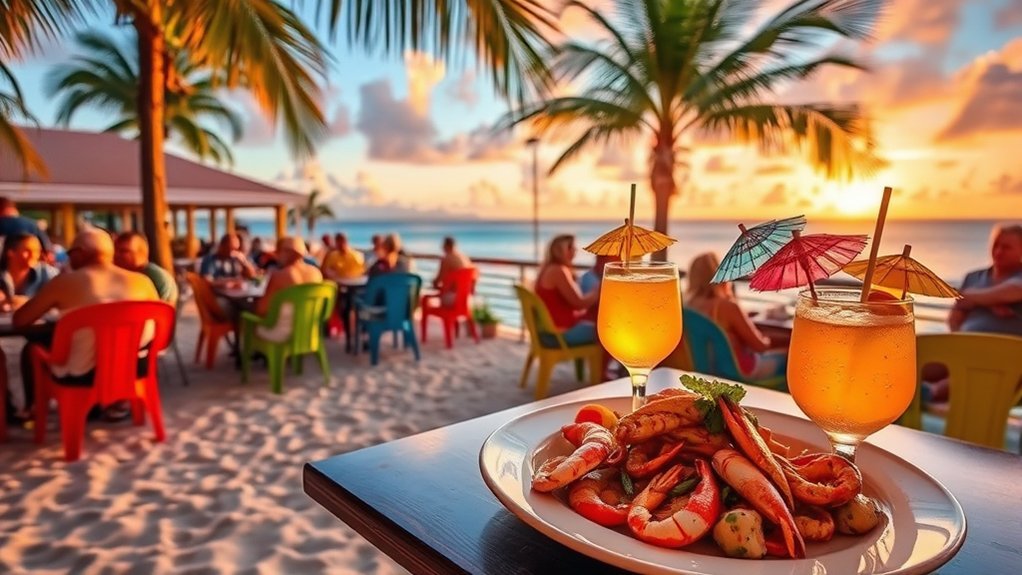
Dining out can range from a simple takeaway meal to an expensive beachfront dinner. A fast-food combo may cost around BBD $20 to $30, or $10 to $15. An inexpensive restaurant meal may fall around BBD $25 to $70, or $12.50 to $35. A three-course meal for two at a mid-range restaurant may cost roughly BBD $138 to $350, or $69 to $175, before drinks or transportation.
A person who cooks most meals at home might allocate $150 to $300 per month for occasional restaurant visits. Frequent full-service dining, alcohol, delivery charges, and beachfront venues can push the category above $600 per person.
Entertainment expenses may include:
- Cinema tickets
- Gym membership
- Boat trips and water activities
- Festivals and nightlife
- Museum, cave, garden, or wildlife attractions
- Beach-chair and umbrella rentals
- Taxis to and from evening venues
Free or low-cost activities include public beaches, walking routes, community events, and self-guided sightseeing. Confirm whether an advertised tour price includes transportation, food, equipment, taxes, and service charges.
Long-Term Living and Visa Considerations
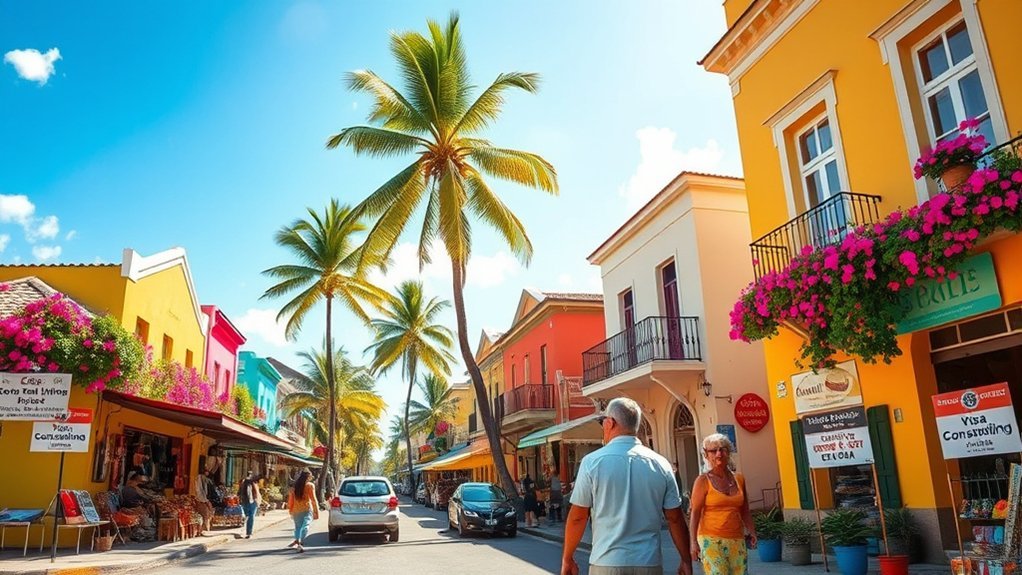
A visitor’s permission to enter Barbados is not automatically permission to live or work there indefinitely. Your citizenship, length of stay, source of income, and type of work determine which immigration route may be appropriate.

Come Eat offers 100 approachable recipes designed to make everyday cooking more enjoyable, nourishing, and sustainable. With a focus on flavorful meals and practical preparation, this hardcover cookbook is ideal for home cooks looking for inspiration for salads, sides, and main dishes. Author Melissa Ben-Ishay shares recipes that encourage consistent, feel-good eating without sacrificing taste.

This compact electric kettle quickly boils up to 1 liter of water with 1500 watts, making it ideal for tea, French press coffee, and fast hot water needs. The BPA-free glass carafe features easy-to-read markings, a wide opening for simple cleaning, and a built-in mesh filter to help keep mineral scale out of your cup. With auto shutoff, boil-dry protection, and cordless serving, it offers a convenient and stylish way to heat water for smaller kitchens, dorms, and apartments.

Die With Zero offers a fresh perspective on personal finance by encouraging readers to use money intentionally to create memorable life experiences instead of simply accumulating wealth. Written by Bill Perkins, this book combines practical guidance with a motivating philosophy to help readers align spending, saving, and life goals for a more fulfilling future.
Barbados Welcome Stamp Costs
The official 12-Month Barbados Welcome Stamp allows approved applicants to live in Barbados while working remotely for an employer, client, or business outside Barbados.
- Individual application fee after approval: US $2,000
- Family bundle after approval: US $3,000
- Validity: 12 months
- Financial declaration: Applicants certify that they expect to earn at least US $50,000 during the next 12 months or have sufficient means to support themselves and accompanying dependants.
- Documents: The application requests passport photographs, passport biodata pages, and proof of relationships for dependants.
The application declaration states that the holder and accompanying family members may not accept local employment or provide services to a citizen, resident, work-permit holder, or entity carrying on business in Barbados under the Welcome Stamp arrangement.
Warning: Immigration status and tax residency are separate issues. A visa does not by itself determine where all of your income is taxable. Obtain current advice from the Barbados Immigration Department, Barbados Revenue Authority, and a qualified cross-border tax professional before relocating or performing work.
Affordable Housing Options
Long-term residents can often reduce housing costs by looking beyond beachfront tourist districts, comparing furnished and unfurnished properties, and choosing a home near a practical bus route.
Before signing a lease:
- Ask for the full monthly amount and every additional charge.
- Confirm the security-deposit amount and refund conditions.
- Read the notice and early-termination clauses.
- List included furniture and appliances.
- Clarify responsibility for repairs and appliance replacement.
- Confirm whether pets are allowed.
- Ask whether occasional guests or remote work are restricted.
- Document existing damage with dated photographs.
Tax and Local Employment
People employed by a Barbados business, operating a local business, or staying long enough to create tax residency may face different requirements from a short-term visitor or Welcome Stamp holder. Barbados revised personal income-tax rates for the 2026 income year, but the rate applicable to a particular person depends on taxable income, residency, credits, and income source.
Do not assume that foreign payroll, remote work, pension income, investments, or business profits are automatically exempt. Review your circumstances with the Barbados Revenue Authority and a professional familiar with both Barbados and your home jurisdiction.
Family and School Costs
Families should budget separately for childcare, uniforms, books, transportation, activities, and private or international school tuition. Eligibility for publicly funded services can depend on immigration and residency status.
Contact schools directly for current tuition, enrollment requirements, waiting lists, term dates, and additional fees. Do not rely on an old annual tuition figure when planning a move.
Medical Care Expenses
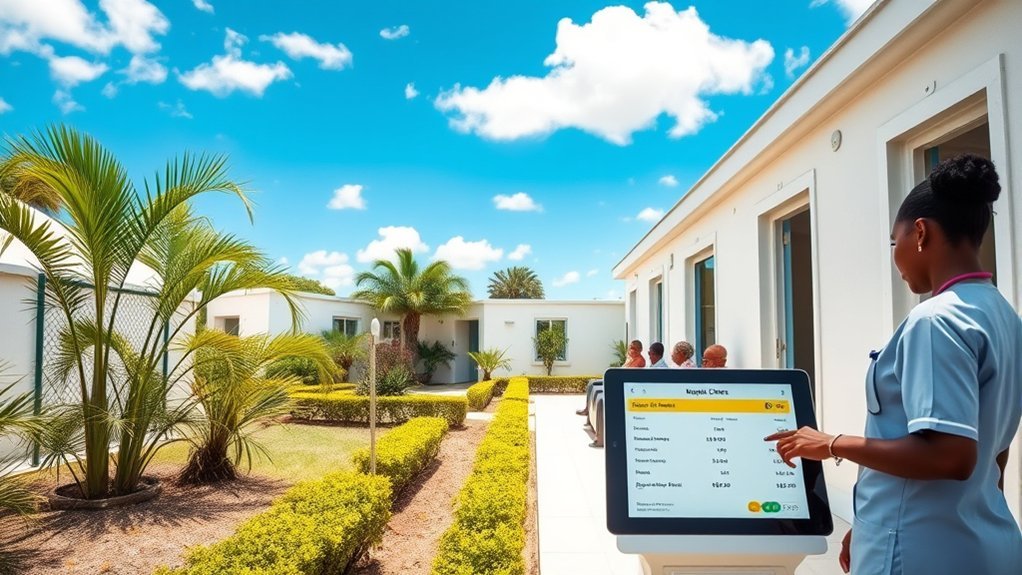
Medical expenses vary too widely by provider and procedure for one check-up price to represent the whole country. Before relocating, budget for insurance premiums, deductibles, prescriptions, dental and vision care, routine appointments, and emergency treatment.
The Queen Elizabeth Hospital states that free hospital treatment is provided to Barbados citizens and permanent residents. People who are not citizens or permanent residents may be charged for treatment.
Warning: Visitors and temporary residents should not assume that public medical care will be free or that a foreign health plan will be accepted directly. Confirm overseas coverage, upfront-payment rules, reimbursement procedures, prescription coverage, and medical-evacuation benefits before traveling.
Ask prospective insurers whether the policy covers:
- Routine outpatient visits
- Emergency care and hospitalization
- Pre-existing medical conditions
- Prescription medicine
- Pregnancy and maternity care
- Dental and vision treatment
- Ambulance transportation
- Medical evacuation to another country
- Direct billing or reimbursement only
Keep a separate emergency fund even when insured because a clinic or hospital may require payment before you receive reimbursement from your insurer.
Tips for Managing the Cost of Living

- Rent residentially rather than nightly. Compare the full cost of a six- or twelve-month lease with a holiday rental that bundles utilities and furnishings.
- Choose housing near your daily needs. A slightly higher rent may save money if you can walk or take one bus instead of maintaining a car.
- Set an electricity target. Use fans where practical, close rooms while cooling, clean air-conditioner filters, and monitor monthly usage.
- Mix local and imported groceries. Keep preferred imported products for items that matter most and use local alternatives elsewhere.
- Limit food waste. Plan meals, freeze portions, and use perishable produce first.
- Confirm taxi fares before traveling. Traditional taxis may not use meters, so agree on the total price before departure.
- Compare the complete cost of a car. Include rental rate, insurance, levy, fuel, parking, and deductibles.
- Keep one-time expenses separate. Flights and visa fees should not make an ordinary monthly budget appear permanently higher.
- Maintain an emergency reserve. Aim for at least three months of normal living costs, plus enough for an unexpected flight or medical expense.
- Review your budget after the first month. Replace estimates with actual electricity, grocery, transport, and dining totals.
Sample Relocation-Fund Calculation
A person expecting monthly expenses of $2,200 could calculate a starting fund as follows:
| Item | Illustrative Amount |
|---|---|
| Three months of living expenses | $6,600 |
| Security deposit and advance rent | $1,500–$3,000 |
| Airfare, baggage and temporary lodging | $1,000–$3,000+ |
| Household setup | $500–$1,500 |
| Welcome Stamp, if applicable | $2,000 individual or $3,000 family |
This example suggests a starting reserve of roughly $9,600 to $14,100 before the Welcome Stamp fee, depending on housing, travel, and setup costs. It is an illustrative calculation, not an official financial requirement.
Frequently Asked Questions
Can a U.S. citizen live in Barbados?
A U.S. citizen can visit Barbados subject to the entry permission granted on arrival, but a visitor stay is not permanent residence or unrestricted permission to work. Remote workers may qualify for the 12-Month Barbados Welcome Stamp. Longer residence, local employment, business activity, or permanent status may require a different immigration route.
How much money do I need to move to Barbados?
Add your airfare, temporary lodging, deposit, advance rent, household setup, insurance, visa fee, and at least three months of living expenses. Using a one-person monthly budget of $1,800 to $3,500, a cautious starting reserve may be about $7,000 to $15,000 before any Welcome Stamp fee or major shipping cost.
How much is average rent in Barbados?
A modest one-bedroom long-term rental may cost about $500 to $1,100 per month, while furnished coastal properties can cost $1,500 or more. Two- and three-bedroom homes often range from about $1,200 to more than $3,250, depending on area, condition, furnishings, and included utilities.
Are homes expensive in Barbados?
Housing can be expensive in beachfront and tourist-oriented areas, particularly for furnished short-term properties. Inland residential areas and longer leases may provide better value. Purchase prices also vary widely and involve legal, financing, insurance, maintenance, and transaction costs beyond the listing price.
How much is the bus fare in Barbados?
The official fare is BBD $3.50, equal to US $1.75, for a one-way ride. Transport Board buses require exact fare because change is not provided. Private minibuses and route taxis generally use the same government-set fare.
Does Barbados still require a visitor driving permit?
No. The visitor driving permit was discontinued on October 15, 2025. Rental providers now include a Car Rental Levy of BBD $5 per day, capped at BBD $35 per rental. Drivers still need a valid license accepted by the rental provider and must meet its age and insurance requirements.
Is healthcare free for foreigners in Barbados?
Do not assume it is free. Queen Elizabeth Hospital states that citizens and permanent residents receive free hospital treatment, while people without those statuses may be charged. Visitors and temporary residents should confirm international medical coverage and consider medical-evacuation insurance.
Conclusion
Barbados can support several different budgets, but it should not be described as universally cheap. A single person using a long-term residential rental, cooking regularly, and relying on buses may live on about $1,800 to $2,700 per month. Coastal housing, heavy air-conditioning, imported groceries, restaurant dining, taxis, and a rental car can raise the total to $3,500 or more.
The best way to prepare is to separate monthly costs from one-time moving expenses, confirm what a lease includes, use BBD and USD consistently, and build a budget around your actual neighborhood and transportation needs. Keep an emergency reserve and verify immigration, tax, insurance, and healthcare requirements before committing to a long stay.
Sources
- Central Bank of Barbados: Maintaining the Exchange Rate — confirms the BBD $2 to US $1 fixed exchange rate.
- Barbados Statistical Service: Retail Price Index — provides official price-index data for food, housing, transport, health, communications, and other household categories.
- Barbados Transport Board Fare Policy — confirms the BBD $3.50 fare and exact-payment requirement.
- Barbados Revenue Authority: Car Rental Levy — confirms the October 2025 removal of the visitor permit and introduction of the rental levy.
- Official Barbados Welcome Stamp Application — confirms the 12-month term, application declaration, financial requirement, and individual and family fees.
- Queen Elizabeth Hospital: Eligibility for Free Treatment — explains that non-citizens and non-permanent residents may be charged for hospital care.

Miracle-Gro Water Soluble All Purpose Plant Food helps feed a wide range of indoor and outdoor plants, including flowers, vegetables, houseplants, roses, trees, and shrubs. Its water-soluble formula starts working instantly to support bigger, more beautiful growth when used as directed, and the included scoop makes mixing easy for both indoor and outdoor feeding.

This heartfelt memoir blends laugh-out-loud honesty with tender reflections on love, loneliness, and the unexpected healing power of rescue dogs. Isabel Klee shares her journey fostering pups in the city while navigating dating and self-discovery, offering an intimate, relatable story for readers who enjoy emotional, character-driven narratives. It is a warm, engaging read about opening your heart and finding connection in surprising places.

First Saturday Lime is a natural outdoor pest deterrent designed to help protect gardens, yards, homes, and animal areas from unwanted insects. It can be applied around plants, building bases, lawns, and coops to help discourage pests while also reducing odors and moisture in barn and chicken coop environments.