The cost of living in Slovenia in 2026 is about €1,250–€1,450 (~$1,400–$1,625) a month for a single person living simply in a smaller city such as Maribor or Celje, and about €2,000–€2,175 (~$2,240–$2,435) for a comfortable single life in Ljubljana. A couple in Ljubljana should plan on roughly €2,750–€3,050 (~$3,080–$3,415), and a family of four on €3,750–€4,300 (~$4,200–$4,815) before private school or kindergarten fees. These figures use the European Central Bank reference rate of $1.1204 per euro on October 5, 2026, rounded to $1.12. Rent is the biggest swing factor: a one-bedroom in central Ljubljana averages close to €1,000, while the same apartment in Maribor costs about half that. Below you’ll find city-by-city rents, utilities, food and transport prices, healthcare, taxes, residence rules, and sample budgets.
By: Theo Ramirez
Quick Answer
- Single person: €1,250–€1,450 (~$1,400–$1,625) in a smaller city; €2,000–€2,175 (~$2,240–$2,435) for a comfortable life in Ljubljana.
- Couple: €2,050–€2,200 (~$2,295–$2,465) in Maribor; €2,750–€3,050 (~$3,080–$3,415) in Ljubljana.
- Family of four: about €3,750–€4,300 (~$4,200–$4,815) a month including a three-bedroom rental.
- Rent, one-bedroom: about €420–€660 (~$470–$740) outside the center in most cities; €800–€980 (~$890–$1,100) in Ljubljana.
- Utilities: about €250 (~$280) a month for an 85 m² apartment; internet adds about €36 (~$40).
- Transit: €1.50 a ride and €40 a month in Ljubljana since September 2026.
- Minimum wage 2026: €1,481.88 gross a month, or about €1,000 net.
Exchange Rate, Inflation, and Wages in 2026
Slovenia uses the euro, so the only currency risk is for people who earn in dollars or another currency.
The exchange rate. The ECB reference rate was $1.1204 per euro on October 5, 2026, down from about $1.14 in late September. A €2,000 monthly budget costs about $2,240 at today’s rate.
Inflation. Annual inflation reached 3.3% in September 2026, up from 3.0% in August, according to the Statistical Office (SURS) data reported by Trading Economics. Housing and utilities rose 8.8% year over year and drove most of the increase. Food prices fell 0.7%, which helps grocery budgets.
The minimum wage. The 2026 minimum wage is €1,481.88 gross a month (~$1,660) for work done from January 1, 2026, according to the Ministry of Labour. That leaves about €1,000 (~$1,120) net after contributions and tax.
Average pay. SURS reported an average gross wage of €2,751.37 (~$3,080) and an average net wage of €1,723.31 (~$1,930) for June 2026, for employees of companies and public bodies. Gross wages grew 8.3% year over year that month. Crowd-sourced averages put net pay a little lower nationally (about €1,525) and higher in Ljubljana (about €1,755).
A single person on the average net wage can cover a lean budget in most Slovenian cities, but central Ljubljana rent takes more than half of that wage.
Cost of Living by City
Ljubljana is in a different price bracket from the rest of the country. The table uses crowd-sourced averages from Numbeo, updated between June and October 2026. Ljubljana and Maribor have the most price reports. Koper, Celje, and Kranj each had fewer than 25 contributors, so treat those rows as rough guides.
| City | 1-Bed, City Center | 1-Bed, Outside Center | 3-Bed, City Center | 3-Bed, Outside Center |
|---|---|---|---|---|
| Ljubljana | €982 (~$1,100) | €796 (~$891) | €1,850 (~$2,072) | €1,294 (~$1,450) |
| Koper | €813 (~$910) | €663 (~$742) | €1,550 (~$1,736) | €1,025 (~$1,148) |
| Celje | €640 (~$717) | €505 (~$566) | €1,025 (~$1,148) | €750 (~$840) |
| Kranj | €617 (~$691) | €517 (~$579) | €988 (~$1,106) | €917 (~$1,027) |
| Maribor | €501 (~$561) | €422 (~$473) | €913 (~$1,022) | €655 (~$734) |
| Slovenia average | €668 (~$749) | €564 (~$631) | €1,192 (~$1,335) | €920 (~$1,030) |
A few patterns stand out:
- Ljubljana costs about 50% more than the national average for a central one-bedroom. Demand from students, government workers, and short-term rentals keeps supply tight.
- Koper, on the coast, is the second most expensive. Summer tourism pushes prices up in Koper, Izola, and Piran.
- Maribor, the second-largest city, has the lowest rents of the major cities, at about €420–€500 for a one-bedroom.
- Kranj is a popular base for people who commute to Ljubljana, about 30 minutes away by car or train.
Buying Property
Crowd-sourced data puts apartment purchase prices at about €3,860 per m² (~$4,320) in city centers and €3,025 per m² (~$3,390) outside them nationally. In Ljubljana, the figures rise to about €5,795 (~$6,490) and €4,360 (~$4,885) per m². A 20-year fixed mortgage carries an average rate of about 3.5%.
Renting as a Foreigner
Foreigners can rent freely. Most landlords ask for a deposit of one to three months’ rent. Agencies handle many Ljubljana listings and often charge a commission. Check whether the rent includes building costs (obratovalni stroški), such as heating in older blocks, cleaning of common areas, and the reserve fund. Register your address at the local administrative unit after you move in.
Utilities, Internet, and Phone
Basic utilities (electricity, heating, water, and garbage) for an 85 m² apartment average about €252 (~$282) a month nationally and €254 (~$285) in Ljubljana. Winters are cold, so bills climb from November to March, especially in older buildings with electric or oil heating. Housing and utility prices rose 8.8% in the year to September 2026, faster than any other category.
| Item | Typical Monthly Cost | Approx. USD |
|---|---|---|
| Basic utilities, 85 m² apartment | €252 | $282 |
| Broadband internet, 60 Mbps+ | €36 | $40 |
| Mobile plan with 10 GB+ data | €14 | $16 |
| Extra-light heating oil (per liter) | €1.506 | $1.69 |
The heating oil price is the regulated maximum for October 6–12, 2026, published by the Slovenian government. A family in a three-bedroom house with oil or electric heating can spend well above the average in winter.
Food: Groceries and Dining Out
A single person who cooks most meals spends about €280–€350 (~$315–$390) a month on groceries. A couple should plan on about €600–€650. Discount chains such as Lidl and Hofer (Aldi) are cheapest. Local chains Mercator and Spar cost a little more, and farmers’ markets are good value for seasonal produce.
Average national prices, September 2026 (crowd-sourced):
| Item | Typical Cost (EUR) | Approx. USD |
|---|---|---|
| Milk (1 liter) | 1.23 | $1.38 |
| Bread (1 lb loaf) | 1.69 | $1.89 |
| Rice (1 lb) | 1.17 | $1.31 |
| Eggs (12) | 3.40 | $3.81 |
| Chicken fillets (1 lb) | 3.99 | $4.47 |
| Beef (1 lb) | 5.61 | $6.28 |
| Local cheese (1 lb) | 5.96 | $6.68 |
| Tomatoes (1 lb) | 1.33 | $1.49 |
| Potatoes (1 lb) | 0.53 | $0.59 |
| Mid-range bottle of wine | 6.00 | $6.72 |
Local wine is a bargain, and so are dairy, bread, and seasonal vegetables. Imported goods and fresh fish cost more.
Eating out is moderately priced by Western European standards. Many restaurants serve a weekday set lunch (malica or dnevno kosilo) with soup, a main, and salad for less than the price of a dinner main. Common prices:
- Meal at an inexpensive restaurant: about €12 (~$13.45) nationally and €14 (~$15.70) in Ljubljana
- Three-course dinner for two at a mid-range restaurant: about €50 (~$56) nationally and €60 (~$67) in Ljubljana
- Fast-food combo meal: about €8 (~$9)
- Cappuccino: about €2.20 (~$2.45); €2.60 (~$2.90) in Ljubljana
- Domestic draft beer (pint): about €3 (~$3.35)
Transportation and Getting Around
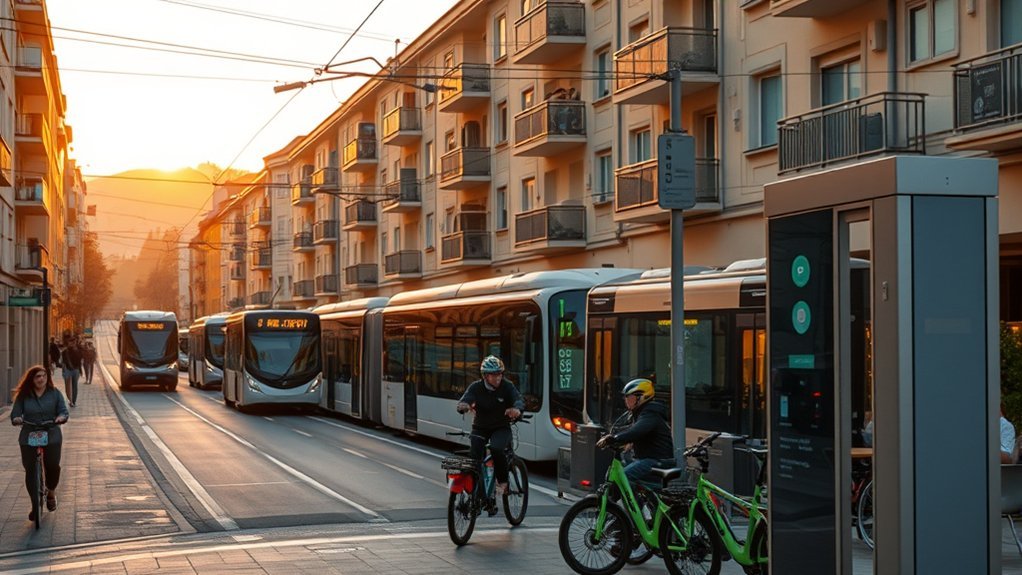
Ljubljana’s city buses (LPP) use the rechargeable Urbana card. A new price list took effect on September 1, 2026. The LPP fare table lists these zone 1 prices:
| Ticket (Ljubljana, zone 1) | Price (EUR) | Approx. USD |
|---|---|---|
| Single ride (transfers within 90 minutes) | 1.50 | $1.68 |
| Monthly pass, general | 40.00 | $44.80 |
| Monthly pass, high school and university students | 20.00 | $22.40 |
| Monthly pass, pensioners | 17.00 | $19.04 |
| Annual pass on Urbana card | 365.00 | $409 |
LPP notes that pensioners who are not working can get a free ticket. Monthly passes in other cities are usually cheaper, around €25–€36 in Maribor, Celje, and Kranj.
Other transport costs:
- Fuel: the regulated maximum price for October 6–12, 2026 is €1.744 per liter of 95-octane gasoline (~$1.95 per liter, or about $7.40 per gallon) and €1.883 for diesel (~$2.11 per liter).
- Highway vignette: cars need an e-vignette (e-vinjeta) to use Slovenian motorways. Buy the annual one if you drive often.
- Car ownership: add insurance, registration, parking, and winter tires or chains, which are required from November 15 to March 15.
- Trains and intercity buses: rail links between Ljubljana, Maribor, Celje, and Kranj are cheap and practical for commuters.
Healthcare and Insurance Costs
Slovenia has compulsory public health insurance run by ZZZS, the Health Insurance Institute. Since 2024, the old voluntary supplementary insurance has been replaced by a flat compulsory health contribution (OZP).
- Flat health contribution: €39.36 (~$44) a month from March 2026 through February 2027, according to ZZZS. It is adjusted every March.
- Payroll contributions: employees also pay health, pension, and other social contributions through their salary. Employers withhold these automatically.
- Self-employed and other residents: contributions depend on your insurance basis. Confirm your status with ZZZS before you budget.
- Out-of-pocket costs: private clinics, non-contracted providers, and services outside the insured basket are paid separately. Dental work beyond basic care is a common extra.
Permit applicants who are not yet insured in Slovenia usually need private health insurance that covers their stay. Many newcomers keep international coverage until they join the public system through work or residence.
Schools and Childcare
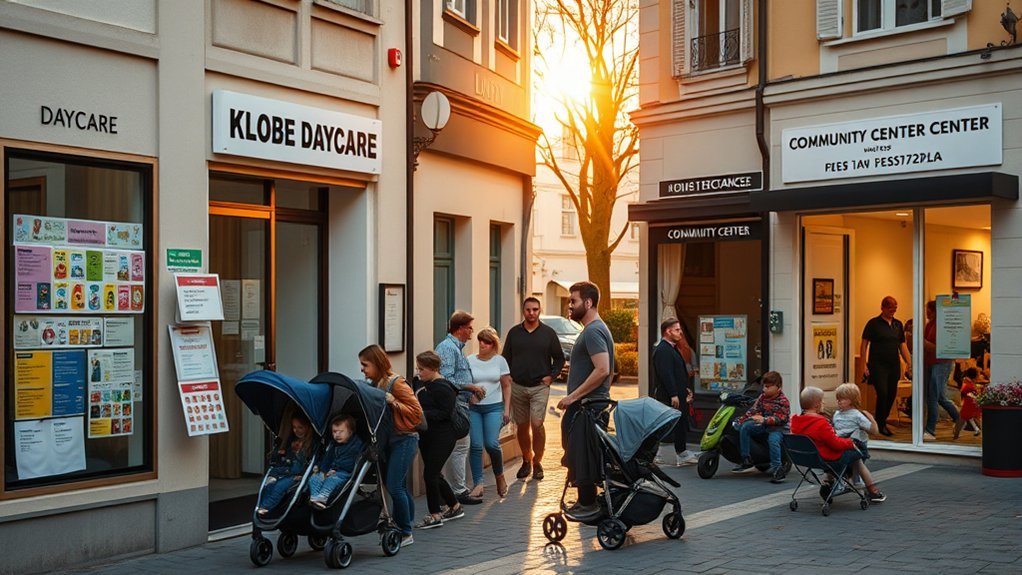
Families face the widest range of costs, because school choice and kindergarten subsidies change the total a lot.
- Public kindergarten (vrtec): the national average program price for 2025/26 was €675.71 a month for children aged 1–3 and €525.32 for ages 3–6, per the Ministry of Education. Parents pay only a share, set by household income, and siblings get large discounts.
- Private full-day kindergarten: about €495 (~$555) a month nationally and €583 (~$653) in Ljubljana.
- International primary school: about €11,760 (~$13,170) a year per child nationally and €12,445 (~$13,940) in Ljubljana, plus enrollment fees and extras.
- Public schools: free and taught in Slovenian. Some schools offer extra Slovenian lessons for foreign children.
For a family with two children in international school, tuition alone adds about €2,000 (~$2,240) a month.
Taxes: VAT and Income Tax
- VAT (DDV): the standard rate is 22% and is included in shelf prices. Most food and some services are taxed at 9.5%, and books and some other items at 5%.
- Tax residency: residents are taxed on worldwide income; non-residents only on Slovenian-source income. You can become a resident by moving your permanent residence or main life interests to Slovenia, or by staying more than 183 days in a tax year.
- Capital income: interest, dividends, and capital gains generally face a 25% rate, and the gains rate falls with longer holding periods.
The 2026 income tax scale on net annual income comes from the rules published in the Official Gazette No. 104/2025:
| Annual Taxable Income (EUR) | Approx. USD | Marginal Rate |
|---|---|---|
| Up to 9,721.43 | up to $10,890 | 16% |
| 9,721.43–28,592.44 | $10,890–$32,025 | 26% |
| 28,592.44–57,184.88 | $32,025–$64,045 | 33% |
| 57,184.88–82,346.23 | $64,045–$92,230 | 39% |
| Above 82,346.23 | above $92,230 | 50% |
Every resident taxpayer gets a general allowance of at least €5,551.93 (~$6,220) a year before the scale applies, and low earners get more. If you have foreign pensions, rental income, or investments, talk to a Slovenian tax adviser early. The US and Slovenia have a tax treaty, but US citizens still file at home.
Visas and Residence Permits
US citizens do not need a visa for short stays and can visit for up to 90 days in any 180-day period, according to the Slovenian government. To live in Slovenia longer, non-EU citizens need a long-stay D visa or a temporary residence permit tied to a purpose such as work, study, family, or remote work. The entry and residence guide lists the options. EU citizens only register their residence after three months.
- Work: most non-EU workers use a single residence and work permit. The first one is issued for the length of the job contract, up to two years.
- Digital nomads: since November 21, 2025, remote workers for foreign employers or clients can apply for a digital nomad residence permit. You need monthly income of at least twice Slovenia’s average net wage, which works out to roughly €3,400–€3,500 (~$3,800–$3,920) on recent wage data. The permit lasts up to one year, can’t be extended, and you can reapply six months after it expires.
- Retirees: Slovenia has no dedicated retirement visa. Non-EU retirees need another valid basis, such as family ties, so check with a consulate first.
- Permanent residence: usually possible after five years of continuous legal residence.
Fees: a Schengen short-stay visa costs €90 for adults. Long-stay visas and residence permits have separate administrative fees. Confirm the amount with the consulate or administrative unit before you apply.
One-Time Setup Costs
Budget for these before your first month:
- Rental deposit: one to three months’ rent, or about €800–€3,000 in Ljubljana.
- Agency commission: often charged on agency-listed rentals. Ask before you view.
- Visa and permit fees: consular and administrative fees, plus translations and certified documents.
- Health coverage gap: private insurance for the first months, until public insurance starts.
- Furnishing: many rentals come furnished. If not, budget roughly €2,000–€5,000 (~$2,240–$5,600) for basics.
- Transit card: the Urbana card costs about €2 in Ljubljana.
Sample Monthly Budgets
These budgets combine the averages above. Rent uses crowd-sourced averages for unfurnished apartments. New-build or furnished short-term rentals cost more.
| Expense (EUR) | Single, Smaller City | Single, Ljubljana | Couple, Maribor | Couple, Ljubljana |
|---|---|---|---|---|
| Rent (1-bed) | 420–565 | 795–980 | 500–660 | 980–1,300 |
| Utilities | 200–250 | 255 | 257 | 270 |
| Internet + mobile | 50 | 52 | 66 | 66 |
| Groceries | 300 | 350 | 600 | 650 |
| Eating out + leisure | 150 | 300 | 350 | 450 |
| Transport | 25–40 | 40 | 72 | 80 |
| Gym | — | 48 | — | — |
| Personal care + other | 100 | 150 | 200 | 250 |
| Total (EUR) | 1,250–1,450 | 2,000–2,175 | 2,050–2,200 | 2,750–3,050 |
| Total (USD) | $1,400–$1,625 | $2,240–$2,435 | $2,295–$2,465 | $3,080–$3,415 |
These totals leave out the €39.36 health contribution and payroll deductions, which come out of your salary before you spend it.
Family of four: crowd-sourced estimates put a family’s non-rent costs at about €2,815 (~$3,155) a month nationally and €3,015 (~$3,375) in Ljubljana. Add a three-bedroom outside the center (about €920 nationally, €1,295 in Ljubljana) and the total is about €3,750–€4,300 (~$4,200–$4,815). Private kindergarten or international school for two children can add €1,000–€2,000 more.
Salary vs. costs: the average net wage of about €1,723 covers a lean single budget anywhere except central Ljubljana. A Ljubljana couple usually needs two incomes or one well above average.
Money-Saving Tips
- Live outside Ljubljana’s center. Kranj, Domžale, and other commuter towns cut rent by €150–€300 a month.
- Shop at discount chains and markets. Lidl and Hofer beat other supermarkets on staples, and produce markets are cheap in season.
- Eat the weekday set lunch. It’s the best-value restaurant meal in most towns.
- Buy an annual transit pass. In Ljubljana, €365 a year works out to about €30 a month, versus €40 for a monthly pass.
- Check heating before you sign. Ask for past winter bills. Poor insulation can double your utility costs.
- Apply for kindergarten subsidies. Public kindergarten is far cheaper than private once the income-based discount applies.
How Slovenia Compares With Nearby Countries
Slovenia sits between its western and eastern neighbors on price. Austria and northern Italy cost more, especially for rent, while Hungary and Croatia’s inland cities cost less. If you’re weighing options, see our guides to the cost of living in Croatia, which shares a coastline and a similar lifestyle, and the cost of living in Austria, where many Slovenians in the north commute for higher wages. To the west, compare the cost of living in Italy. For cheaper Central European options, see the cost of living in Hungary and the cost of living in Slovakia, another small euro-zone country.
Frequently Asked Questions
How much money do you need to live in Slovenia per month?
A single person needs about €1,250–€1,450 (~$1,400–$1,625) a month in a smaller city such as Maribor, and about €2,000–€2,175 (~$2,240–$2,435) for a comfortable life in Ljubljana. A couple in Ljubljana should budget about €2,750–€3,050 (~$3,080–$3,415).
Is Slovenia expensive to live in?
Slovenia is cheaper than Austria and Italy but more expensive than Hungary and much of Central Europe. Rent outside Ljubljana is moderate, while central Ljubljana averages close to €1,000 for a one-bedroom. Food and transit prices are reasonable, but utility costs rose 8.8% in the year to September 2026.
What is the average rent in Slovenia?
A one-bedroom apartment averages about €668 (~$749) a month in a city center and €564 (~$631) outside the center nationally. In Ljubljana the averages are about €982 (~$1,100) and €796 (~$891). Maribor is the cheapest major city, at about €420–€500.
What is the minimum wage in Slovenia in 2026?
The 2026 minimum wage is €1,481.88 gross a month (~$1,660), which is about €1,000 (~$1,120) net. The average net wage was €1,723.31 (~$1,930) in June 2026.
Can US citizens live in Slovenia?
Yes, but not on a passport alone. US citizens can visit for up to 90 days in any 180-day period without a visa. Staying longer requires a residence permit based on work, study, family, or the digital nomad permit introduced in November 2025.
How much money do you need to retire in Slovenia?
A retired couple can live on about €2,050–€2,200 (~$2,295–$2,465) a month in Maribor or a similar city, or €2,750–€3,050 (~$3,080–$3,415) in Ljubljana, plus health insurance. Slovenia has no dedicated retirement visa, so non-EU retirees must confirm a valid residence basis first.
How much does public transport cost in Ljubljana?
Since September 1, 2026, a single bus ride costs €1.50 with free transfers for 90 minutes, and a monthly pass costs €40 (~$45). An annual pass costs €365, and students pay €20 a month.
Conclusion
Slovenia offers Western European quality of life at prices below its Austrian and Italian neighbors, but it’s not a budget destination in 2026. Wages are rising fast, inflation is back above 3%, and utility costs are climbing. A single person can live comfortably in Ljubljana for about €2,000–€2,175 a month, or for €1,250–€1,450 in Maribor or another smaller city. Choose your city first, since rent drives most of the difference, then confirm your residence and health insurance basis before you move.
Sources
- European Central Bank – EUR/USD reference rates
- Trading Economics – Slovenia inflation, September 2026
- Government of Slovenia – 2026 minimum wage
- Statistical Office of the Republic of Slovenia (SURS) – average earnings, June 2026
- Numbeo – Slovenia, Ljubljana, Maribor, Koper, Celje, Kranj
- Government of Slovenia – regulated fuel prices
- LPP – Ljubljana public transport price list, September 2026
- ZZZS – compulsory health contribution
- Ministry of Education – kindergarten program prices
- Official Gazette No. 104/2025 – 2026 income tax scale and allowances
- Government of Slovenia – information for US citizens
- Government of Slovenia – entry and residence
- Government of Slovenia – digital nomad residence permit