
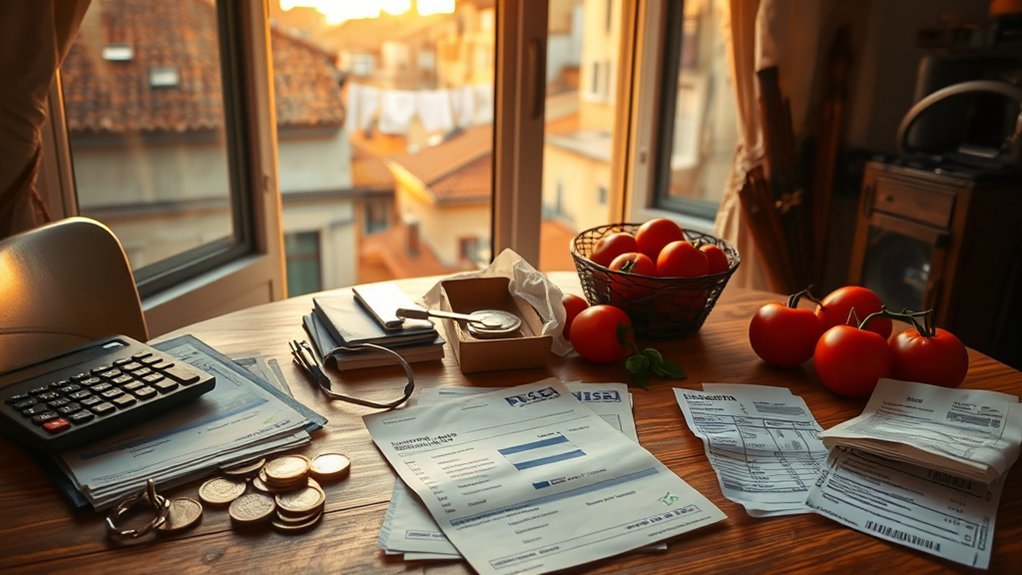
Rome’s living costs are higher than you might expect. Average net pay sits around €1,800–€1,900, while a one-bed in the centre runs €1,000–€1,300 and outside the centre €650–€900. Utilities, internet and transport add €150–€300, groceries €250–€300, and eating out fills in the rest. A comfortable single budget is closer to €2,200–€2,500. Keep reading for detailed breakdowns and practical tips.
Quick Answer
- A comfortable single person’s budget in Rome runs about €2,200–€2,500 per month.
- A one-bedroom in the centre costs €1,000–€1,300; outside the centre, €650–€900.
- Non-rent monthly costs (food, transport, utilities) typically add up to €900–€1,100.
- Average net salaries are around €1,800–€1,900, so most residents have to make trade-offs.
- Shared housing, living outside the centre, and using public transport are the main ways to keep costs down.
Is Rome Expensive to Live In?

Rome sits between cheaper Southern Italy and pricier Northern cities. Locals typically manage on a monthly net salary of about €1,800–€1,900, but newcomers aiming for comfort generally need €2,200–€2,500 or more. According to Numbeo’s Rome cost-of-living data, these figures are consistent with real-world spending patterns reported by residents.
Wondering if Rome will stretch your budget? Expect mid-range costs. Locals live on €1,800–€1,900; newcomers usually need €2,200+.
Rent on a 1-bedroom can be the deal breaker. Averages vary widely, so many students choose shared housing to keep monthly expenses near €1,200.
Outside rent, expect groceries of roughly €250–€300, an affordable public transport system (single ticket €1.50, monthly pass about €35), and occasional mid-range restaurant meals. A three-course dinner for two in tourist areas runs about €65. Overall, non-rent monthly expenses often land between €900 and €1,100.
Budget carefully, choose your location and housing wisely, and Rome feels reasonable. If you want city-centre convenience and private space, costs climb fast. The importance of careful budgeting cannot be overstated when managing living expenses in a city like Rome.
Monthly Housing Costs and Rent Breakdown
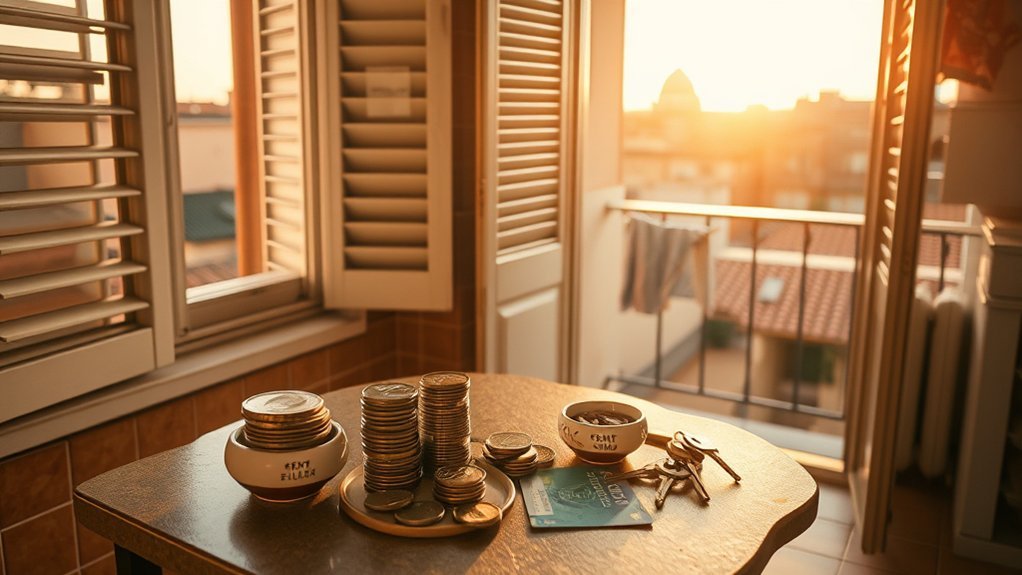
There’s a clear split between city centre and outside-centre prices. A 1-bedroom in the city centre averages €1,098–€1,255, while outside the centre you’re looking at about €670–€789. Studios and small one-bedrooms commonly fall in the €900–€1,100 range — a middle ground if you want some centrality without the highest costs.
If you’re sharing, a room averages around €645. A 3-bedroom in the centre rents for roughly €2,095–€2,352, and outside the centre €1,245–€1,479. Agency fees typically add 10–13% of the lease value upfront, so factor that into your moving costs.
Rent is the largest slice of most monthly budgets, and comfortable living usually requires about €2,200–€2,500 or more. Prices shift by neighbourhood and have been pushed up by tourism and service-sector changes. Consider peripheral residential areas for real savings. Understanding initial startup costs for housing can help you budget more effectively when moving to a new city.
Utilities, Internet and Home Services
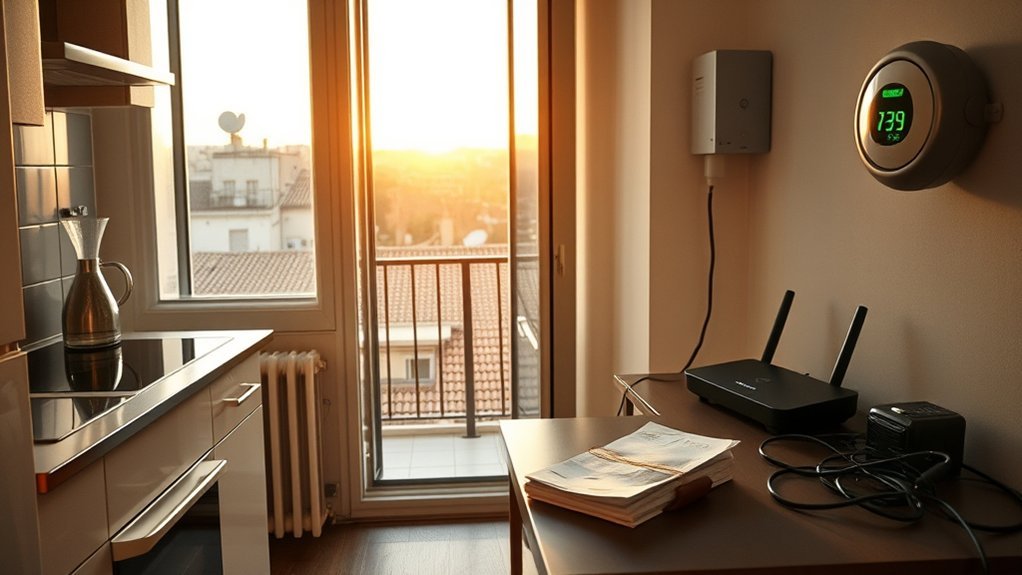
Add up lights, heat, water and garbage, and expect basic utilities for an average apartment to run roughly €150–€220 a month. Smaller flats can come in as low as €60–€120, but bills spike in winter if you rely on gas or electric heating.
A 45 m² flat can cost €60–€120 per month in utilities, while an 85 m² place often hits €80–€220 depending on heating usage.
Internet at 60 Mbps or more usually costs €25–€35 a month. Mobile plans with around 10 GB run about €6–€15. Combined internet plus mobile averages €35–€50, including occasional setup or modem fees.
Housekeeping can be hired for roughly €8–€12 per hour. Don’t forget annual home insurance, which often runs €250–€300 and sometimes includes earthquake cover. Regular maintenance, similar to preventative measures for other costly assets, can help minimize unexpected costs.
Grocery Prices and Food Budget

Grocery shopping in Rome keeps a good portion of your monthly food bill reasonable. Expect to spend about €250–€300 if you mostly cook at home. Supermarkets are efficient and about 14% cheaper than Milan, so a weekly shop saves both time and cash.
Staples like milk (€1–€1.53/L), a dozen eggs (€3.80–€4.50), and chicken fillets (€4.55–€10.10/kg) sit within expected ranges. Beef fillet runs higher, near €17/kg. Fresh produce is wallet-friendly: tomatoes €1–€3/kg, potatoes €1/kg, apples about €1.05/lb and bananas about €0.94/lb.
A mid-range bottle of wine in-store averages €5, and a domestic 0.5L beer is about €1.64. Bottled water (1.5L) costs around €0.39–€0.43. Regular maintenance tips can help you manage your overall food budget effectively.
If you mostly cook at home, these groceries will cover your monthly needs. Eating out regularly will push your food budget up considerably, so planning meals is the simplest way to keep costs steady.
Eating Out, Cafés and Nightlife Costs
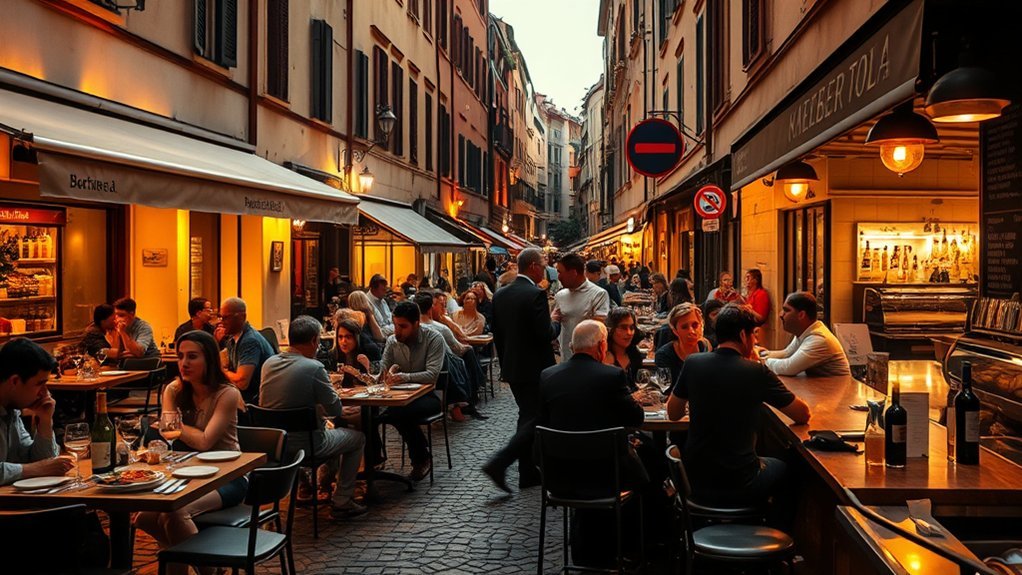
A meal out in Rome can feel like a ritual. A casual lunch typically costs about €16 per person. A three-course dinner for two in a mid-range, touristy spot averages around €65, while a local or basic dinner runs closer to €36.
Prices vary by neighbourhood. Tourist hubs push costs up; residential streets keep them friendlier.
Cafés serve cappuccino for €1.20–€2.50, so grabbing a coffee before you head out is cheap and charming. A fast-food McMeal costs about €7–€8.
Nightlife is lively and varied. An aperitivo or cocktail runs €10–€15, and a beer (0.5 L) in a bar is roughly €5. Supermarket bottled beer is closer to €1.60. An evening out — dinner plus drinks — for two often totals €40–€70 depending on location and tastes. Cinema tickets cost about €16–€20 for two. It’s also worth noting that regular inspections of your air conditioning system can help prevent future issues while enjoying your time in the city.
Transportation and Commuting Expenses

Rome’s public transport is extensive, though it can be crowded and prone to delays. Buses, trams and the metro are still the most practical and economical way to get around. A single ticket costs €1.50 (valid for about 75–90 minutes), a monthly pass runs roughly €35, and an annual pass is around €250. Current fares are published by ATAC, Rome’s official public transit authority. Budget extra travel time and watch for pickpockets in tourist areas.
| Item | Typical cost |
|---|---|
| One-way ticket | €1.50 |
| Monthly pass | €35 |
| Annual pass | €250 |
| Taxi fares (start/km) | €4–€5 start, €1.10–€1.50/km |
| Fuel per litre | €1.45–€1.80 |
If you drive, factor in parking and potential ZTL (restricted traffic zone) fines, plus utilities like heating and garbage at €150–€220. Taxis are useful late at night but costly. Petrol prices make daily car commuting less practical than a monthly transit pass. Be mindful of regular maintenance for your vehicle to avoid unexpected repair costs.
Entertainment, Health and Personal Spending
Eating and nightlife can be surprisingly affordable or easy to overspend on. Dinner for two in a mid-range place runs about €50–€70, cinema tickets are €8–€12, and theatre or concert seats commonly cost around €36 each.
For health, routine private doctor visits typically cost €70–€150. Annual spending on prescriptions and incidentals can add a few hundred euros more.
Personal care like a men’s haircut (€18), spa days (€30+), and fitness or court rentals (€10–€25/hr) round out the picture. Understanding the typical range of costs for various services can help you plan your finances better.
Nightlife & Dining Costs
Rome’s evenings are as lively as its mornings, but your wallet will notice the difference. A three-course tourist meal for two runs about €65, while a simple local dinner is nearer €36.
Lunch on a working day averages €12–€16 per person, with inexpensive meals hovering around €15. For drinks, a beer (0.5 liter) is about €5, cocktails around €11, and a cappuccino ranges from €1.20 to €2.50. Bar hops and café stops add up quickly.
Entertainment like cinema, theatre, and museum entry also affect your evening budget. Plan where you spend to stay on track.
Healthcare & Personal Care
To stay healthy and entertained in Rome without surprises, plan for a mix of regular costs and occasional splurges. Private doctor visits run about €70–€150. Basic over-the-counter meds cost around €7, and a course of common antibiotics is roughly €10. A private insurance policy for two averages around €748 a year.
Monthly gym or fitness club fees run €40–€70. Add occasional private dental or specialist visits and personal spending, and a single person’s non-rent budget typically reaches €900–€1,100. A men’s haircut in a residential area is about €18.
Decide where to splurge. Private health insurance cushions unexpected costs; pay-as-you-go care keeps monthly bills lower.
| Item | Typical Cost | Notes |
|---|---|---|
| private doctor | €70–€150 | short visits |
| monthly gym/fitness club | €40–€70 | budget to upscale |
| over-the-counter cold medicine | €7 | common meds |
| medical antibiotics | €10 | full course |
Salaries, Taxes and Financial Considerations

Take-home pay in Rome often sits around €1,800–€1,922 per month, though some datasets report averages closer to €1,386–€1,922.
After taxes and social contributions, your net salary can feel tight compared to the €2,200–€2,500 most single residents consider comfortable. Deductions and available credits matter a lot. Understanding the typical tax rates can help residents better manage their finances and plan their budgets.
Below are the key facts on typical tax rates, common payroll deductions, and what you’ll actually have left for rent, bills and savings.
Average Net Salaries
Average net salaries in Rome hover around €1,800–€1,922 per month. Once rent and basic bills are factored in, that income often won’t stretch far. A city-centre 1-bedroom eats a huge slice of wages. Suburban rent helps, but still tightens budgets. Add monthly utilities and a public transport pass, and disposable income shrinks fast.
Mortgage interest variability means buying doesn’t necessarily free you from financial pressure either. Most residents end up choosing between a smaller flat, shared housing, or commuting farther out.
| Cost item | Typical | Emotional hit |
|---|---|---|
| Rent 1-bedroom city-centre | €1,000–€1,300 | High |
| Outside (bedroom) rent | €650–€900 | Medium |
| Utilities & transport | €95–€235 | Noticeable |
Tax Rates & Deductions
Rent takes a big slice of your paycheck, so it helps to know what else is taken out before you see net pay. Italy’s personal income tax (IRPEF) is progressive: roughly 23% on income up to €15,000, 25% up to €28,000, 35% up to €50,000, and 43% above €50,000. On top of that, you’ll also face regional and municipal surtaxes of about 0.7–3%, plus employee social security (INPS) contributions of roughly 9–10%.
After IRPEF, INPS and surtaxes are deducted from gross pay, a typical net monthly salary in Rome lands around €1,800–€1,920. Tax deductions and credits can trim your bill. Dependent family members, deductible employment costs, mortgage interest, and healthcare premiums (public SSN or private) all reduce what you owe.
Practical tips:
- Check withholding to match your expected IRPEF bracket.
- Track deductible expenses monthly.
- Register for SSN if you are a resident.
- Look into tax credits for family dependants.
Tips to Cut Costs in Rome
Rome rewards residents who plan ahead. A few practical moves can make a real difference to your monthly balance:
- Choose shared housing. A room in a shared flat averages around €645, cutting housing costs sharply compared to a solo rental.
- Live outside the centre. Peripheral residential neighbourhoods offer the same public transport access at significantly lower rent.
- Use a monthly transit pass. At roughly €35, it beats daily tickets and makes owning a car largely unnecessary for commuting.
- Cook at home most days. A grocery budget of €250–€300 covers most needs. Eating out frequently can push your food spending well above that.
- Avoid tourist-area restaurants for everyday meals. Residential-street trattorias charge noticeably less for the same quality of food.
- Track deductible expenses. IRPEF credits for healthcare, rent and family can reduce your annual tax bill meaningfully.
Frequently Asked Questions
How Much Does It Cost to Live in Rome per Month?
You’ll typically need €1,200–€2,700 or more each month, depending on neighbourhood and lifestyle. Include transport passes, utilities, groceries, health insurance, co-working costs, entertainment and seasonal heating bills when planning.
Can You Live in Italy on $3,000 a Month?
Yes, you can live comfortably on $3,000 a month. Careful budget planning helps, but you’ll also want to think through visa requirements, healthcare access, tax obligations, language learning, remote work options, cultural adjustment and maintaining an emergency fund.
Is It Expensive for an American to Live in Rome?
Not particularly. Americans on higher U.S. wages generally find Rome affordable. Factor in cost comparisons, visa considerations, cultural adjustment, healthcare access, language barriers, banking setup, dining habits and transport costs as you settle in.
Is It Cheaper to Live in Italy or the USA?
Italy is generally cheaper overall, thanks to lower grocery prices, public transportation costs and healthcare access. That said, currency exchange rates, taxation differences, job availability, visa requirements and cultural adjustment can all influence the right choice for you.
Conclusion
Living in Rome is richly textured — cobblestones, espresso stops, and sunlit piazzas — and it’s not as outrageously expensive as you might fear if you plan well. You’ll pay more for central housing and convenience, but suburbs and shared flats cut costs without hurting your experience. Many residents balance wages and savings smartly on average local salaries. Stay flexible, and Rome delivers culture, food and transport value that often outweighs the extra euros.
