
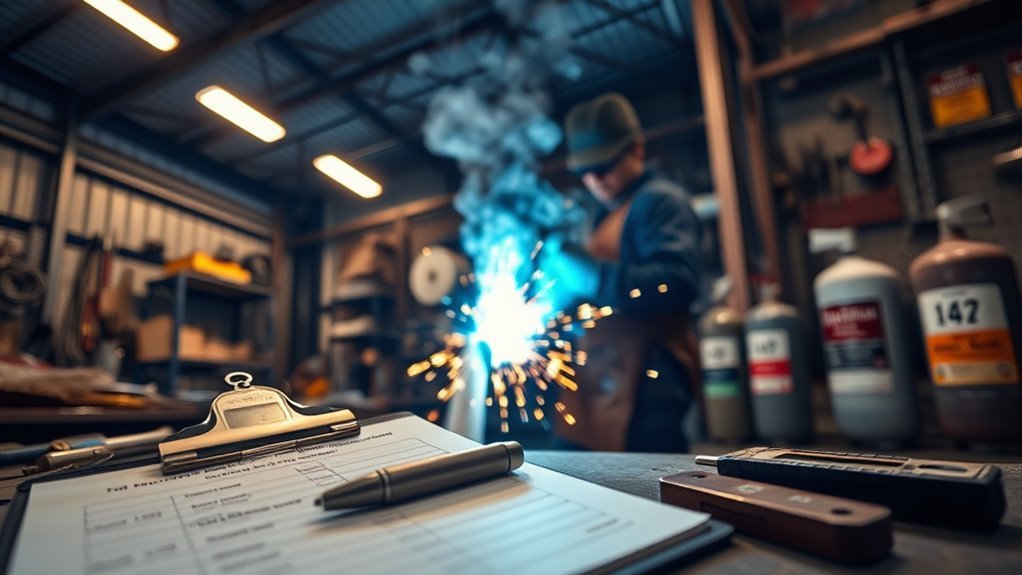
Hiring a welder usually costs more than the worker’s hourly wage because the service price also covers equipment, setup, insurance, travel, consumables, and business overhead. For many residential and light-fabrication jobs, expect a professional quote in the broad range of $60–$125 per hour, plus a minimum service charge or project minimum. The final price depends on the metal, welding process, access, preparation, finish, inspection needs, and whether the work happens in a shop or at your property.
Quick Answer
A professional welder commonly charges about $60–$125 per hour for residential or light-fabrication work. Small jobs may still cost $100–$250 because many welders use a one- or two-hour minimum. Mobile, structural, aluminum, stainless-steel, precision TIG, emergency, and code-regulated work may cost more.
Key Takeaways
- Published consumer cost guides place many professional welding rates around $60–$125 per hour, but local quotes can fall outside that range.
- A minimum charge, travel fee, setup time, and cleanup can make a short repair cost more than the weld time alone suggests.
- TIG, aluminum, stainless steel, cast iron, structural work, tight access, and inspection requirements often increase labor time and skill requirements.
- The best comparison is an itemized total quote, not the lowest advertised hourly rate.
- Structural or on-site welding may require permits, approved procedures, inspections, fire precautions, and proof of insurance.
Welder Hourly Rates and Minimum Charges
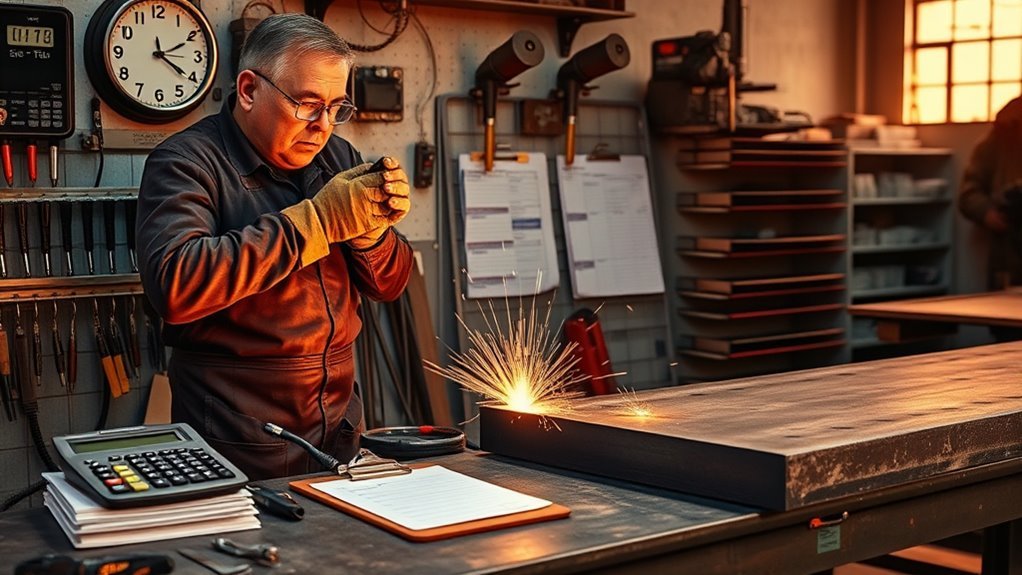
Recent consumer pricing guides do not support one universal national rate, but they do show a useful planning range. Angi’s 2026 welding cost guide lists professional labor at about $60–$125 per hour and notes that small jobs often include minimum charges. Other market guides place many residential welding services in a similar broad range.
At a Glance
| Typical Billed Rate | About $60–$125 per hour for many residential and light-fabrication jobs |
| Small-Job Minimum | Often one or two labor hours, even when the weld itself takes less time |
| Mobile Work | May include travel, truck, generator, gas-cylinder, setup, and site-safety charges |
| Higher-Cost Work | Precision TIG, difficult alloys, structural work, restricted access, emergency calls, and required inspection |
The hourly rate is only one part of the bill. For a small repair, the minimum charge, travel, preparation, and cleanup may matter more than the minutes spent running a weld bead.

OGX Extra Strength Damage Remedy + Coconut Miracle Hair Oil helps hydrate dry, coarse hair while smoothing frizz and flyaways for a silky finish. This nourishing leave-in treatment blends coconut oil, vanilla bean extract, and tiare essence to add softness, shine, and a pleasant scent. It is paraben-free and designed to support a restorative hair care routine for medium to coarse hair types.

The DeLonghi Water Filter helps reduce scale buildup and unwanted impurities that can affect your coffee machine's performance and taste. Its active carbon and ion-exchange technology helps improve brew consistency, maintain flavor, and reduce the need for frequent descaling. Designed as an OEM authorized replacement part, it fits select DeLonghi models for reliable everyday maintenance.

This hardcover edition by Eric Metaxas offers a compelling look at the origins of the United States during the Colonial Period. It blends historical narrative with engaging storytelling, making it appealing for readers interested in American history, early nation-building, and the ideas that shaped the country. A strong choice for history enthusiasts, students, and anyone exploring the foundations of the nation.
Why the Service Rate Is Higher Than a Welder’s Wage
An employee wage is not the same as a customer-facing shop rate. A welding business must also pay for machines, trucks, fuel, gas cylinders, filler metal, electrodes, abrasives, PPE, insurance, rent, licensing, administration, and non-billable time. The U.S. Bureau of Labor Statistics wage tables describe employee compensation, not the full price a contractor must charge a customer.
Common Ways Welders Price Work
- Hourly: Common for repairs, troubleshooting, and projects with an uncertain scope.
- Flat project price: Common when drawings, dimensions, materials, and finish requirements are clear.
- Minimum service charge: Covers mobilization, setup, and overhead for a short job.
- Per unit or per linear foot: Used for repeatable fabrication, fencing, railings, or production work.
- Time and materials: Labor is billed separately from metal, consumables, equipment, and outside services.
Note: Ask whether travel, setup, grinding, paint removal, cleanup, materials, taxes, permits, and inspection are included. Two welders can quote the same hourly rate and still produce very different final totals.
Factors That Affect Welding Costs
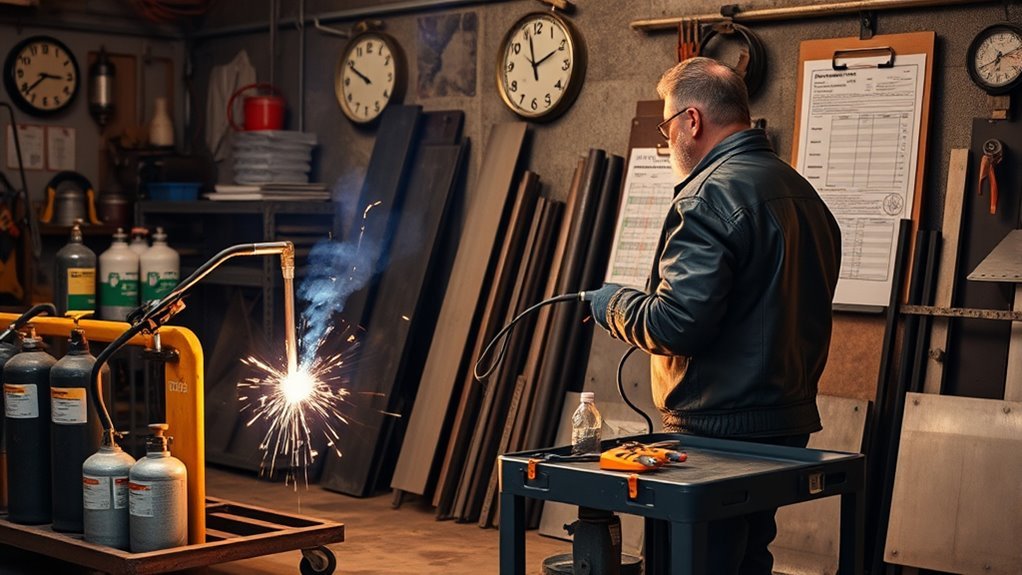
A reliable welding estimate breaks the job into labor, materials, consumables, access, safety, finishing, and compliance. The following factors usually have the greatest effect on the total.
- Preparation and fit-up: Removing paint, rust, oil, old welds, or damaged metal can take longer than welding. Cutting, beveling, clamping, measuring, and aligning parts also add labor.
- Joint design and weld size: A long multi-pass groove weld takes more time and filler metal than a short fillet weld. Thickness, position, and required penetration matter.
- Access: Overhead work, confined areas, ladders, lifts, crawl spaces, traffic control, and difficult equipment placement slow the job and may require extra personnel.
- Metal type and condition: Mild steel is often straightforward. Aluminum, stainless steel, cast iron, unknown alloys, dirty metal, and coated or galvanized surfaces may need special preparation, filler, shielding gas, heat control, or ventilation.
- Welding process: The fastest process is not always the right process. Strength requirements, appearance, metal thickness, location, and code rules determine what can be used.
- Quality requirements: Structural, pressure, sanitary, aerospace, or other critical work may require a written welding procedure, qualified personnel, traceable materials, inspection, or nondestructive testing.
- Finish: Grinding welds smooth, blending corners, polishing stainless steel, repainting, galvanizing, or powder coating can add significant labor and outside-service costs.
- Schedule and location: Remote travel, emergency response, evenings, weekends, weather protection, and limited shutdown windows can increase the quote.
Do not assume that aluminum or stainless steel always costs a fixed multiple of mild steel. The raw metal may cost more, but the larger difference often comes from preparation, heat control, shielding gas, filler selection, slower travel, and the skill needed to avoid distortion or contamination.
Types of Welding and How They Influence Price
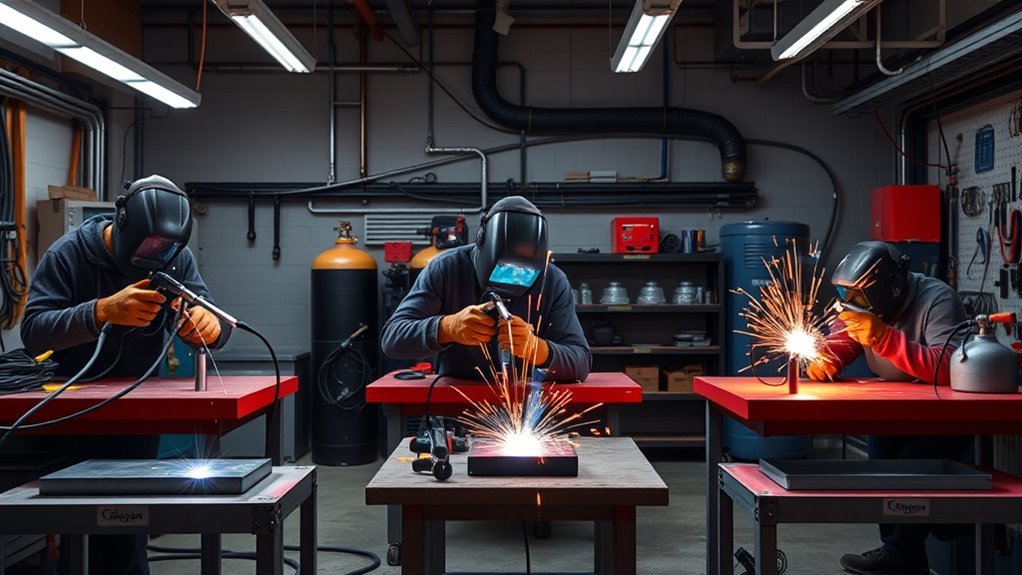
Welding processes change the setup time, deposition rate, cleanup, equipment needs, and skill level. The welder should choose the process that meets the material, strength, appearance, and code requirements rather than selecting one only because it has the lowest hourly price.
| Process | Cost Effect | Common Uses |
| MIG/GMAW | A continuous wire feed can produce faster travel and deposition on suitable work, which may reduce labor time. | Shop fabrication, automotive work, mild steel, stainless steel, and aluminum with the correct setup |
| TIG/GTAW | Fine heat and puddle control can produce precise, clean welds, but the process is usually slower and skill-intensive. | Thin metal, stainless steel, aluminum, visible joints, tubing, and precision fabrication |
| Stick/SMAW | Portable equipment and no external shielding-gas bottle can help outdoors, but electrode changes and slag cleanup add time. | Repair, maintenance, structural steel, outdoor work, and thicker material |
| Flux-Cored/FCAW | High deposition can improve productivity on heavier work, while slag removal, fumes, and cleanup may add labor. | Structural fabrication, field work, heavy sections, and production welding |
The American Welding Society’s GMAW overview notes that MIG/GMAW can provide faster travel speeds and higher deposition than stick welding. AWS also describes TIG/GTAW as a process that offers fine control but requires skill and patience. These differences help explain why TIG work often receives a higher quote even when the hourly rate is not listed separately.
Material and Metal Cost Breakdown
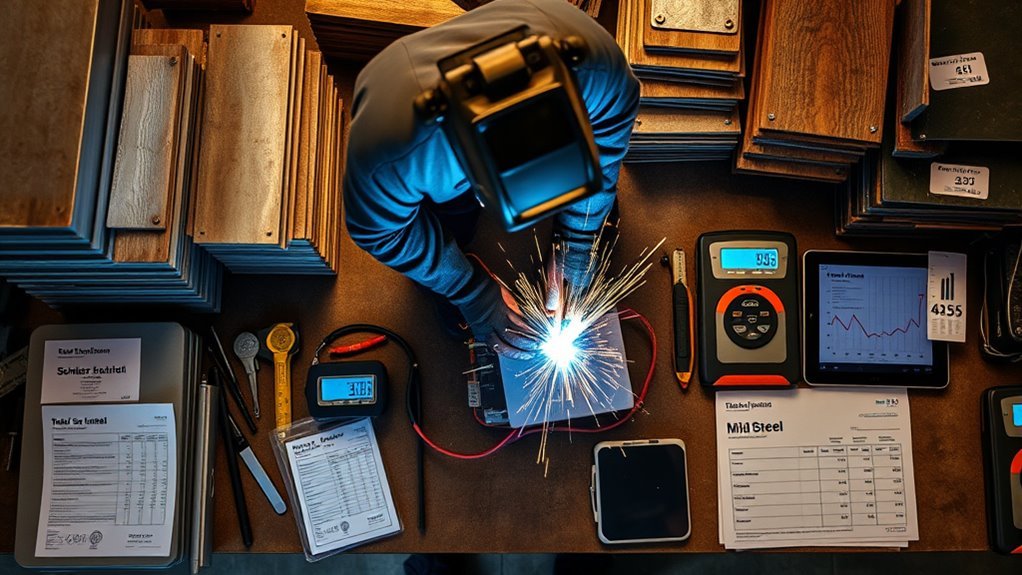
Material costs should be based on the actual grade, dimensions, quantity, supplier quote, and date—not a generic price per pound or an old example from another market. Ask the welder to separate the following line items when materials are a large part of the project.
- Base metal: Plate, sheet, tube, pipe, angle, channel, bar, castings, or replacement parts. Grade, thickness, cut length, waste, and minimum order quantities affect the price.
- Filler metal: MIG wire, TIG rod, stick electrodes, or flux-cored wire must be compatible with the base metal and service conditions.
- Shielding gas and fuel gas: Argon, carbon dioxide blends, helium blends, oxygen, acetylene, or propane may be included in shop overhead or billed as consumables.
- Preparation supplies: Cutting discs, grinding wheels, flap discs, wire brushes, solvents, anti-spatter products, and replacement tips or nozzles.
- Hardware and outside services: Bolts, hinges, bearings, anchors, machining, bending, laser cutting, galvanizing, powder coating, paint, or delivery.
A shop may add a material markup to cover ordering, pickup, storage, waste, and warranty risk. Supplying your own metal can reduce markup, but it can also create delays or compatibility problems if the grade, temper, coating, or dimensions are wrong.
Warning: Do not grind or weld painted, plated, galvanized, or previously contaminated metal without the welder evaluating the coating and ventilation needs. Welding fumes can contain hazardous metals and gases, and sealed containers or parts that held flammable material require specialized cleaning, venting, and testing.
Tips for Hiring a Welder and Getting Accurate Estimates

Meguiar’s Ultimate Compound is designed to remove stubborn stains, bird dropping marks, oxidation, light scratches, and swirl marks from automotive paint. Its advanced abrasive technology helps restore a smoother, clearer finish without scouring clear coats, making it a reliable choice for paint correction before waxing. Use it by hand or with a dual action polisher to prepare your vehicle for a brilliant final shine.

The U.S. Polo Assn. Women's Analog Watch blends classic style with everyday versatility, featuring a gold-tone dial, Roman numeral markers, and a crystal-embellished bezel for a polished look. Its stainless steel bracelet adds durability and comfort, while the adjustable fit makes it suitable for wrists from 5.5" to 8". Designed to elevate both formal and casual outfits, this timepiece offers an elegant finishing touch for any occasion.

This hair straightener combines a ceramic coating with keratin and almond oil to help create smoother, shinier styles while reducing heat-related damage. With five temperature settings, a Turbo Boost mode, and a Pro+ 185°C option, it offers flexible styling control for different hair needs. A heat-proof case, temperature lock, and included plug adapter add convenience for everyday use and travel.
Give Every Bidder the Same Scope
Provide clear photos, dimensions, material type and thickness, quantity, finish, location, access limits, and the result you need. For fabrication, include a dimensioned sketch or drawing. For repairs, show the full damaged area—not only the visible crack—because corrosion or fatigue may extend beyond the break.
Also state whether the part is load-bearing, used on a vehicle, exposed to weather, in contact with food or chemicals, or subject to a building, pressure, or industry code. These details can change the process, filler metal, inspection, and liability.
Compare Itemized Quotes
A useful written estimate should identify the scope, pricing method, estimated labor, materials, consumables, travel, preparation, finishing, tax, permit responsibility, inspection, exclusions, payment schedule, and change-order process.
| Quote Item | What to Confirm |
| Labor | Hourly, flat-rate, or time-and-materials; minimum hours; overtime or after-hours rate |
| Mobilization | Travel radius, mileage, truck or generator charge, setup, and return trips |
| Materials | Metal grade, dimensions, quantity, markup, waste allowance, hardware, and delivery |
| Preparation | Cutting, cleaning, rust or paint removal, old-weld removal, fit-up, and fixturing |
| Finish | As-welded, ground smooth, polished, primed, painted, galvanized, or powder-coated |
| Compliance | Permit, engineering, welding procedure, welder qualification, inspection, and testing |
Verify Experience, Qualifications, and Insurance
Ask for examples of similar work and confirm experience with the exact process and metal. Certification is not one universal license: a welder may be qualified for a specific process, position, material, thickness range, or code. The AWS Certified Welder program is performance-based, but the qualification still needs to match the work being performed.
For on-site work, request a current certificate of insurance and verify the business name, policy dates, and coverage relevant to the job. General liability, commercial auto, and workers’ compensation requirements vary by business structure and jurisdiction. Do not rely only on a verbal statement that the welder is “insured.”
Pro Tip: Send the same photos, dimensions, finish requirements, and questions to at least three qualified providers. Compare the complete scope and exclusions before comparing price. A lower hourly rate can cost more if it excludes preparation, travel, cleanup, or finishing.
Safety, Permits, and Site Preparation
Welding is hot work. Sparks, ultraviolet radiation, fumes, electricity, compressed gas, and hot metal can injure people or start a fire. Site preparation should be agreed upon with the welder rather than left to guesswork.
OSHA’s general welding requirements call for moving or protecting combustibles, providing suitable fire-extinguishing equipment, using a fire watch when conditions require one, and maintaining the fire watch for at least 30 minutes after welding or cutting in covered workplaces. OSHA also identifies a 35-foot radius in several hot-work fire-prevention provisions.
- Remove vehicles, paper, sawdust, fuel, solvents, dry vegetation, and other combustibles from the work area when it is safe to do so.
- Tell the welder about hidden utilities, fuel lines, tanks, insulation, coatings, sprinklers, alarms, and occupied rooms on the opposite side of the work.
- Provide safe access, stable footing, ventilation, lighting, and enough clearance for leads, cylinders, screens, and fire protection.
- Keep children, pets, customers, and unprotected bystanders away from the arc and hot metal.
- Do not open, clean, or prepare a tank, drum, pipe, or container that held flammable or toxic material unless a qualified professional directs the procedure.
Permit rules are local. A small nonstructural repair may not need a building permit, while load-bearing alterations, railings, commercial work, or hot work in controlled facilities may require plans, authorization, inspection, or special inspection. The 2024 International Building Code steel chapter points to special inspection requirements for certain structural welding, but the code adopted by your city or county controls.
Frequently Asked Questions
Do mobile welders carry liability insurance, and what does it cover?
Many established mobile welding businesses carry general liability insurance, but coverage is not automatic or identical. Ask for a current certificate of insurance. General liability may cover covered claims involving bodily injury or property damage, while commercial auto and workers’ compensation are separate policies. Read the policy limits and exclusions rather than assuming every incident is covered.
Can welding jobs be scheduled for evenings or weekends?
Often, yes. Availability depends on the provider, site rules, noise limits, lighting, weather, and whether an authorized fire watch or facility representative must be present. Ask whether after-hours labor, emergency response, travel, or minimum-call charges apply.
Do welders provide written warranties on workmanship?
Some do, but there is no universal warranty. Request the terms in writing before work starts. Confirm the duration, covered defects, exclusions, inspection process, repair remedy, and whether corrosion, misuse, overloading, movement, impact, or customer-supplied materials are excluded.
Are permits required for structural welding at my property?
Possibly. Permit and inspection rules depend on the jurisdiction and scope. Repairs or alterations to load-bearing members, stairs, guards, balconies, commercial structures, or engineered systems are more likely to require plans, a permit, qualified procedures, or inspection. Contact the local building department before authorizing structural work.
What safety precautions should I take before the welder arrives?
Ask the welder for site-specific instructions. In general, clear access, remove or protect combustibles, identify hidden hazards and utilities, keep bystanders away, and provide ventilation and lighting. Do not handle contaminated containers or remove hazardous coatings without professional guidance.
Is an hourly quote or a flat-rate quote better?
A flat price is easier to budget when the scope is well defined. Hourly or time-and-materials pricing can be fairer for hidden damage, repair work, or jobs that cannot be fully inspected in advance. In either case, require written assumptions, exclusions, and approval rules for extra work.
Can I save money by buying the metal myself?
Sometimes, but confirm the exact grade, thickness, dimensions, condition, and quantity first. Incorrect or contaminated metal can delay the job or make the weld unsuitable. Also ask whether the welder warranties work performed on customer-supplied material.
Conclusion
A reasonable starting budget for many professional welding services is $60–$125 per hour, but the final total depends on much more than arc time. Minimum charges, travel, preparation, access, metal type, welding process, finishing, permits, and inspection can all change the price. Give each bidder the same detailed scope, compare complete written estimates, verify relevant qualifications and insurance, and follow the welder’s site-safety instructions. That approach produces a more dependable result than choosing the lowest hourly rate alone.
Sources
- Angi: How Much Do Welding Projects Cost? (2026) — consumer pricing ranges, minimum charges, travel, preparation, and project factors
- OSHA 29 CFR 1910.252 — fire prevention, ventilation, authorization, and general welding safety requirements
- American Welding Society Certified Welder Program — performance-based welder certification
- American Welding Society: What Is GMAW? — MIG/GMAW process, speed, deposition, shielding gas, and applications
- American Welding Society: What Is GTAW? — TIG/GTAW control, skill requirements, and applications
- 2024 International Building Code, Chapter 22 — structural steel provisions and references to special inspection requirements

This heartfelt memoir blends laugh-out-loud honesty with tender reflections on love, loneliness, and the unexpected healing power of rescue dogs. Isabel Klee shares her journey fostering pups in the city while navigating dating and self-discovery, offering an intimate, relatable story for readers who enjoy emotional, character-driven narratives. It is a warm, engaging read about opening your heart and finding connection in surprising places.

This classic Japanese folding knife combines traditional craftsmanship with practical everyday utility. Its Blue Paper Steel blade offers excellent edge retention and wear resistance, while the brass handle provides a simple, durable grip. Compact when folded yet long enough for capable cutting tasks, it is made in Japan by Nagao Seisakusho and reflects more than a century of Higonokami heritage.

These Stanley MaxSteel straight aviation snips are built for clean, controlled cutting through sheet metal and other tough materials. Serrated cutting edges help prevent slippage for more accurate results, while the double pivot action delivers increased cutting power with less effort. Designed for dependable performance, they are a practical choice for metalworking, HVAC tasks, and general workshop use.
