
Welding school cost depends mostly on the type of school and the length of the program. As a rough planning guide, short certificate programs often cost a few thousand dollars, diploma and trade-school programs usually cost more, and associate degrees vary by school and residency. We could not verify a national average, so treat the ranges below as estimates and ask each school for a written cost sheet.
Quick Answer
- Certificate programs: often about $3,000 to $10,000, finishing in weeks to months.
- Diploma programs: often about $5,000 to $15,000 or more, taking roughly a year.
- Associate degrees: often about $10,000 to $25,000, taking roughly two years.
- Gear, books and consumables can add a few hundred to a couple thousand dollars.
- Community colleges, grants, scholarships and apprenticeships can lower what you actually pay.
These are planning ranges, not quotes. Published prices change, so confirm current amounts with each school.
Typical Welding School Cost by Program Type
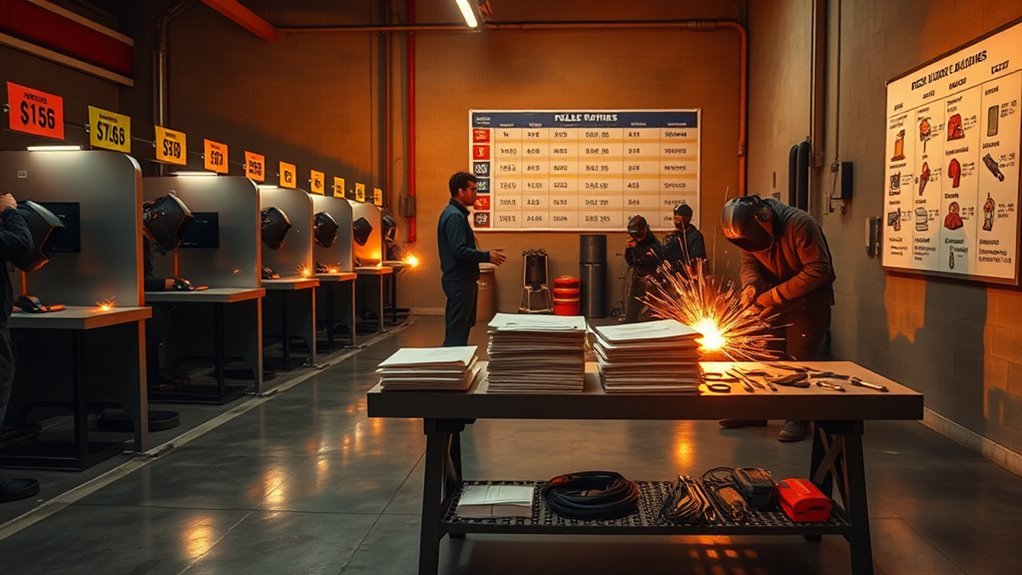
Welding programs come in three common formats, and each has a different price and time commitment.
| Program type | Typical length | Rough cost range |
|---|---|---|
| Certificate | Weeks to months | About $3,000 to $10,000 |
| Diploma | About one year | About $5,000 to $15,000 or more |
| Associate degree | About two years | About $10,000 to $25,000 |
Some private career schools charge more than these ranges, and some public colleges charge less for in-district or in-state students. Use the table as a starting point, then compare real cost sheets. For more detail, see our guides to the cost of a welding program and trade school for welding.
How School Type Changes Welding School Cost
The type of school you choose shapes both what you learn and what you pay.
- Trade and career schools: intensive, hands-on programs aimed at fast job entry. Tuition is usually higher, and some schools bundle tools and testing into the price.
- Community colleges: often the most affordable route for a certificate or associate degree, especially for in-district students. Degree programs add general education courses.
- Apprenticeships: you earn wages while you train, and tuition is often low or covered by the sponsor. Openings depend on employers and local programs.
Compare the total cost of attendance, not just tuition, because one school may include gear and testing that another bills separately.
Program Length and What You Get
Certificate programs are the quickest way to learn core techniques and start applying for entry-level work. Diplomas usually add more shop hours, more processes and more instruction in safety and inspection basics. Associate degrees add general education, deeper theory and sometimes internships, which can open supervision and inspection paths.
Compare the welding processes taught, the amount of supervised booth time, and whether the program prepares you for the tests employers ask for. A cheaper program that does not match the work you want can cost more in the end.
Extra Costs Beyond Tuition

Tuition is rarely the whole bill. Add these items before you compare programs:
- Safety gear and tools: welding helmet or hood, gloves, flame-resistant jacket or sleeves, safety glasses, hearing protection, boots, and basic hand tools. Some schools supply part of this and some require students to buy it.
- Books and supplies: textbooks, welding manuals, and consumables such as electrodes, wire and grinding discs if the school does not include them.
- Testing fees: certification tests, retests and code books, if they are not part of tuition.
- Living and travel: rent, food, fuel, parking and transit. This is often the biggest extra cost for full-time students and depends heavily on where you live.
A personal welding machine is usually optional while you are enrolled, since schools provide machines in the lab. Wait for the school’s current supply list before you buy equipment.
Financial Aid, Scholarships and Payment Plans

You may not have to pay the full price up front. Students at eligible colleges and career schools can complete the Free Application for Federal Student Aid to see whether they qualify for grants, work-study or federal loans. A short course is not automatically eligible, so ask the school’s financial aid office.
- Look for school and industry scholarships aimed at welding students, veterans and high school seniors.
- Ask about veterans’ education benefits if they apply to you.
- Ask about tuition payment plans, and check for enrollment fees, late fees and interest.
- Treat loans as borrowed money, not as a discount.
Trade School vs Community College vs Apprenticeship
Trade schools offer focused training and fast entry to work, community colleges offer lower tuition and transferable credits, and apprenticeships combine paid work with structured training. The right choice depends on your budget, your timeline and the credentials your target employers ask for. Registered apprenticeship openings are listed at Apprenticeship.gov. If you are comparing specific programs, our cost to study welding guide lists tools and hidden costs to check.
Does Welding School Pay Off?

The U.S. Bureau of Labor Statistics reports that the median annual wage for welders, cutters, solderers and brazers was $51,000 in May 2024. That national median does not predict a new graduate’s pay. Entry pay varies by location, industry, shift, overtime and specialty, and certifications and experience can raise earnings over time.
To judge whether a program is worth the cost, compare its net price after aid with real local job postings, and ask the school for completion and job-placement information.
How to Choose a Program for Your Budget

- Decide whether you need a fast certificate or a broader diploma or degree.
- Request a written cost sheet from each school showing tuition, fees, tools, books and testing.
- Subtract confirmed grants, scholarships and employer help to get a net price.
- Check which tests and credentials the program prepares you for, and whether employers in your area accept them.
- Compare the result against local entry-level pay before you commit.
For a broader look at training options, see welding training cost by program type.
Frequently Asked Questions
How much does welding school cost?
As a rough guide, certificates often run about $3,000 to $10,000, diplomas about $5,000 to $15,000 or more, and associate degrees about $10,000 to $25,000. Actual prices vary by school, so ask for a written cost sheet.
Is community college cheaper than a trade school for welding?
Often, especially for in-district or in-state students, but not always. Compare the total cost of attendance, program length and what each school includes.
Will welding school prepare me for AWS certification exams?
It can build the skills you need, but school completion does not make you AWS certified. The AWS Certified Welder program is based on a hands-on performance test at an accredited testing facility. Ask whether testing is included in tuition. See the American Welding Society for details.
Can I work part-time while enrolled in welding school?
Many students do, especially in evening or part-time programs. Plan shifts around lab time and check the school’s attendance rules.
Do I need prior metalworking experience to apply?
Many beginner programs accept students with no experience. Admission rules vary, so check the application requirements and any placement tests.
Can welding credits transfer between schools?
Sometimes. The receiving school decides which credits it accepts, so ask early and bring transcripts, course descriptions and lab competency records.