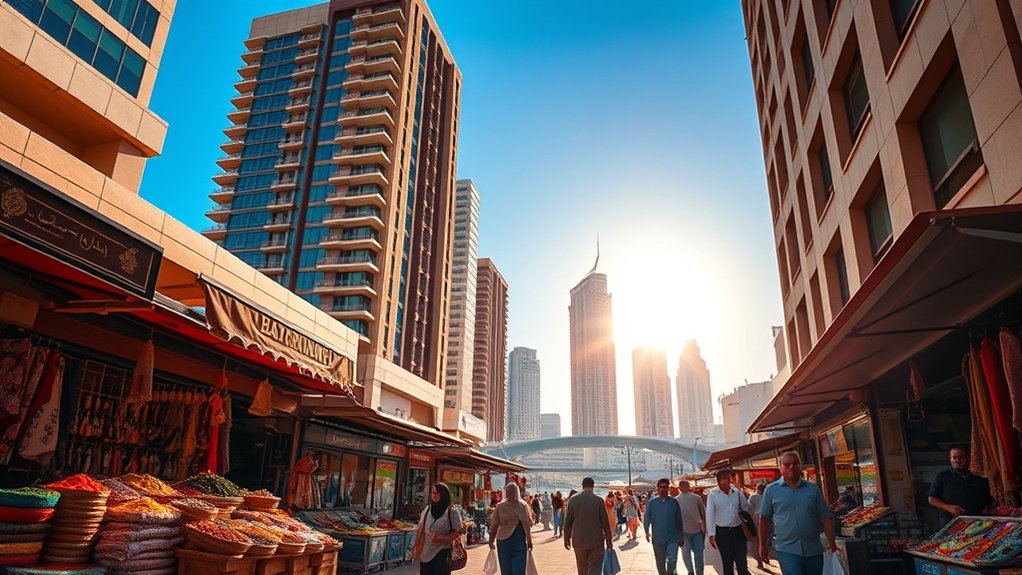
The cost of living in Bahrain in 2026 runs about BHD 550–600 (~$1,460–$1,595) a month for a single person renting a one-bedroom outside central Manama, and about BHD 850–950 (~$2,260–$2,525) for a comfortable single life in the center. A couple should plan on roughly BHD 1,100–1,250 (~$2,925–$3,325), and a family of four about BHD 1,550–1,800 (~$4,120–$4,785) before international school fees. The Bahraini dinar is pegged to the US dollar at about $2.66 per dinar, so dollar budgets stay stable. Rent is the biggest cost. A one-bedroom in central Manama averages about BHD 375 (~$1,000) a month. There is no personal income tax, and fuel and public transport are cheap, but food prices are rising faster than other costs. Regional security has also become a real factor in 2026. Below you’ll find rents, food and transport prices, wages, taxes, visa costs, sample budgets, and a comparison with other Gulf countries.
By Theo Ramirez · Last updated October 4, 2026
Quick Answer
- Single person, outside central Manama: BHD 550–600 (~$1,460–$1,595) a month, rent included.
- Single person, central Manama: BHD 850–950 (~$2,260–$2,525).
- Couple: BHD 1,100–1,250 (~$2,925–$3,325).
- Family of four: BHD 1,550–1,800 (~$4,120–$4,785), before international school fees.
- Rent, one-bedroom: about BHD 243 (~$645) outside the center and BHD 375 (~$1,000) in the center.
- Utilities: about BHD 58 (~$155) a month for an 85 m² apartment; internet adds about BHD 13 (~$35).
- Bus: BHD 12 (~$32) for 28 days of unlimited rides.
- Taxes: no personal income tax; 10% VAT.
Currency, Inflation, and Wages in 2026
Three numbers shape what Bahrain costs you this year.
The currency. The Central Bank of Bahrain pegs the dinar at BHD 1 = $2.659 (or $1 = BHD 0.376). The peg has held for decades, so if you earn in US dollars your budget won’t move with exchange rates. This guide converts at $2.66 per dinar.
Inflation. Annual inflation was 3.0% in August 2026, the highest since late 2022, according to Trading Economics. That is a sharp turn from 2025, when the World Bank recorded slight deflation. Food is the main driver: food and drink prices rose 8.1% over the year, and transport costs rose 7.8%. Clothing prices fell.
Wages. The median monthly wage across the public and private sectors was BHD 936 (~$2,490) in the second quarter of 2026, a record high, based on Social Insurance Organization data. Crowd-sourced data puts average take-home pay in Manama at about BHD 884 (~$2,350). Pay gaps are wide: many lower-paid migrant workers earn far less and live in shared or employer-provided housing, while professionals often receive housing and transport allowances on top of salary.
Employer benefits matter more in Bahrain than in most places. A housing allowance, company car, or school fee package can be worth BHD 300–1,000 a month.
Housing and Rent
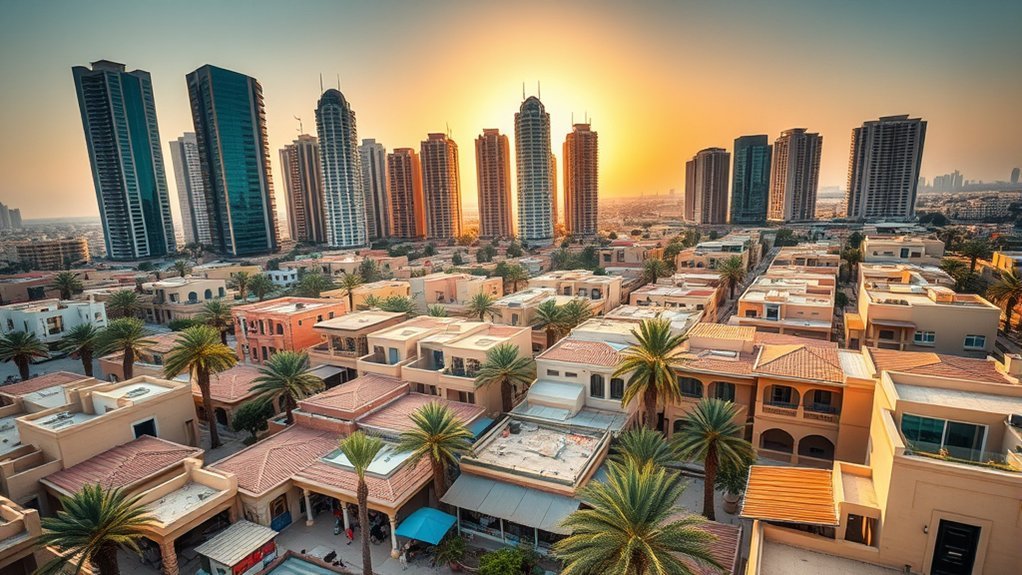
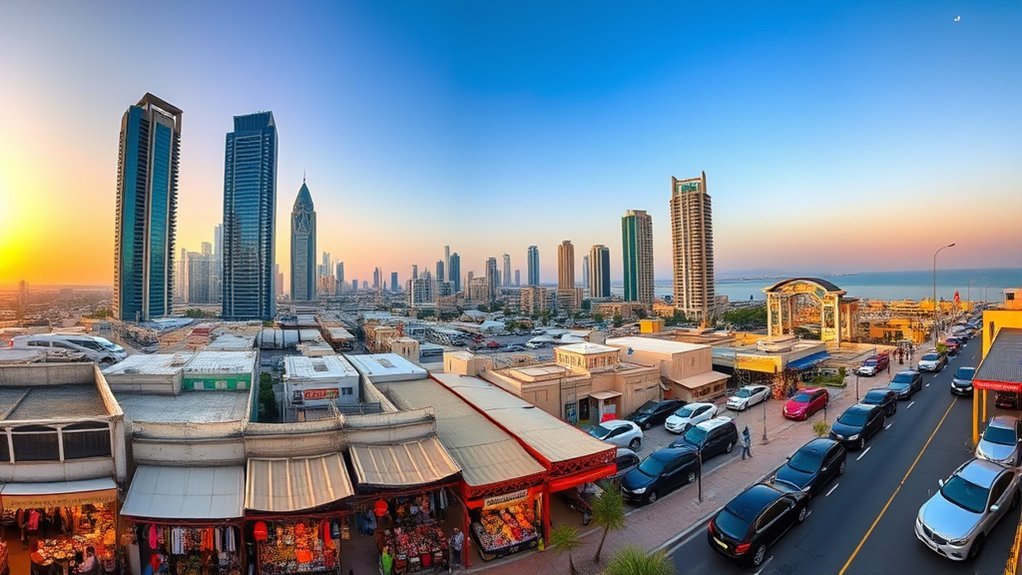
Bahrain has about 1.6 million people, and most expats live in or near Manama. Rent depends on the neighborhood, furnishings, building facilities, and whether utilities are included. Crowd-sourced averages for Manama in early October 2026:
| Apartment | Rent (BHD/month) | Approx. USD |
|---|---|---|
| 1-bedroom, city center | 375 | $998 |
| 1-bedroom, outside center | 243 | $647 |
| 3-bedroom, city center | 776 | $2,063 |
| 3-bedroom, outside center | 521 | $1,385 |
These averages are up from mid-2026, when central one-bedrooms averaged about BHD 344 and three-bedrooms about BHD 666.
Popular Areas for Expats
- Juffair: high-rise apartments, many furnished, close to cafes and restaurants. Popular with single professionals.
- Seef and the Diplomatic Area: near offices and malls, with newer buildings and higher rents.
- Amwaj Islands and Bahrain Bay: waterfront developments at the top end of the market.
- Saar, Janabiya, and Budaiya: villas and compounds favored by families, close to several international schools.
- Older parts of Manama, Riffa, and Isa Town: lower rents, older buildings, and a more local feel.
Tips for renting:
- Ask whether electricity and water are included. Many furnished apartments include them, which can save BHD 50–100 a month in summer.
- Check the air conditioning. Summer temperatures regularly pass 40°C, and old units use far more power.
- Budget for a deposit. Landlords usually ask for one month’s rent as a deposit, and agents may charge a commission.
Buying property. Crowd-sourced data puts apartment prices at about BHD 990 per square meter (~$2,630) in central areas and about BHD 740 (~$1,970) outside. Foreigners can buy freehold property in designated areas. Buyers should also budget for registration fees, service charges, and legal advice.
Utilities, Internet, and Phone
Basic utilities (electricity, cooling, water, and garbage) for an 85 m² apartment in Manama average about BHD 58 (~$155) a month. Bills swing with the seasons: air conditioning runs almost nonstop from May to October, so summer bills can be double winter ones.
Electricity and water are sold by the Electricity and Water Authority (EWA). Bahraini citizens get heavily subsidized rates on their first home account. Non-Bahraini households pay the full, unsubsidized tariff, which is several times the subsidized first-tier rate. If your rent does not include utilities, ask the landlord for recent bills before you sign.
Other monthly connections:
- Home internet (60+ Mbps): about BHD 13 (~$35).
- Mobile plan with calls and 10+ GB of data: about BHD 9 (~$25).
- Drinking water: bottled water is cheap, at around BHD 0.12 for a small bottle.
Food: Groceries and Dining Out
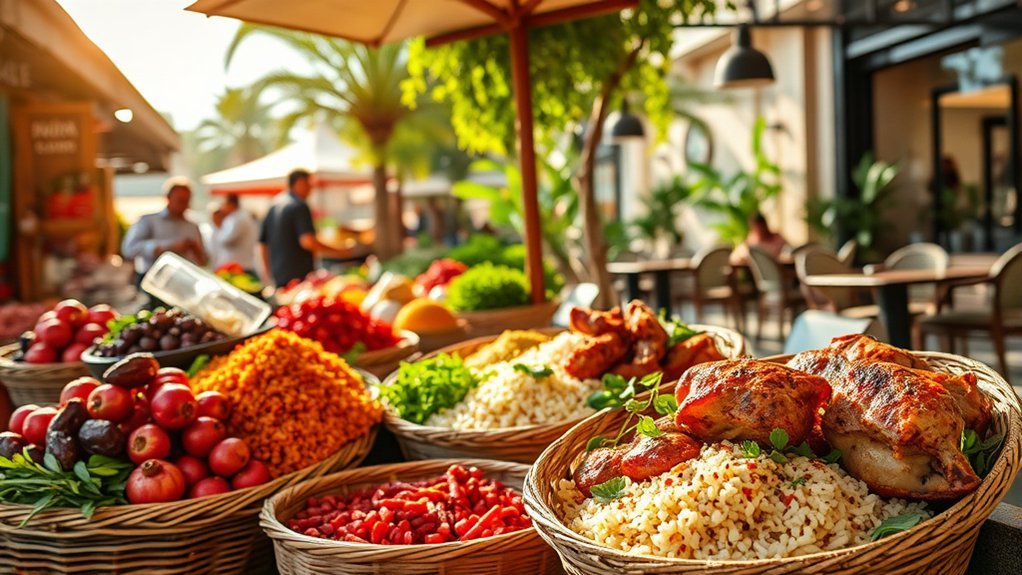
Food is where prices are climbing fastest in 2026. Still, groceries from local and regional brands are reasonably priced, and cheap South Asian and Arab restaurants are everywhere. A single person who cooks most meals can expect to spend about BHD 100–150 (~$265–$400) a month on groceries.
Average Manama prices in early October 2026:
| Item | Typical Cost (BHD) | Approx. USD |
|---|---|---|
| Milk (1 liter) | 0.53 | $1.41 |
| White bread (1 lb loaf) | 0.37 | $0.98 |
| Rice (1 lb) | 0.40 | $1.06 |
| Eggs (12) | 0.85 | $2.26 |
| Chicken fillets (1 lb) | 1.11 | $2.95 |
| Beef (1 lb) | 1.47 | $3.91 |
| Apples (1 lb) | 0.40 | $1.06 |
Eating out:
- Meal at an inexpensive restaurant: about BHD 2 (~$5.30)
- Three-course dinner for two at a mid-range restaurant: about BHD 20 (~$53)
- Fast-food combo meal: about BHD 2.80 (~$7.45)
- Cappuccino: about BHD 1.86 (~$4.95)
- Domestic draft beer (pint): about BHD 2.50 (~$6.65), served in licensed hotels and restaurants
A shawarma or a plate of biryani from a neighborhood restaurant costs a fraction of a mall food court meal. Local eateries are the easiest way to keep food spending down.
Transportation and Getting Around
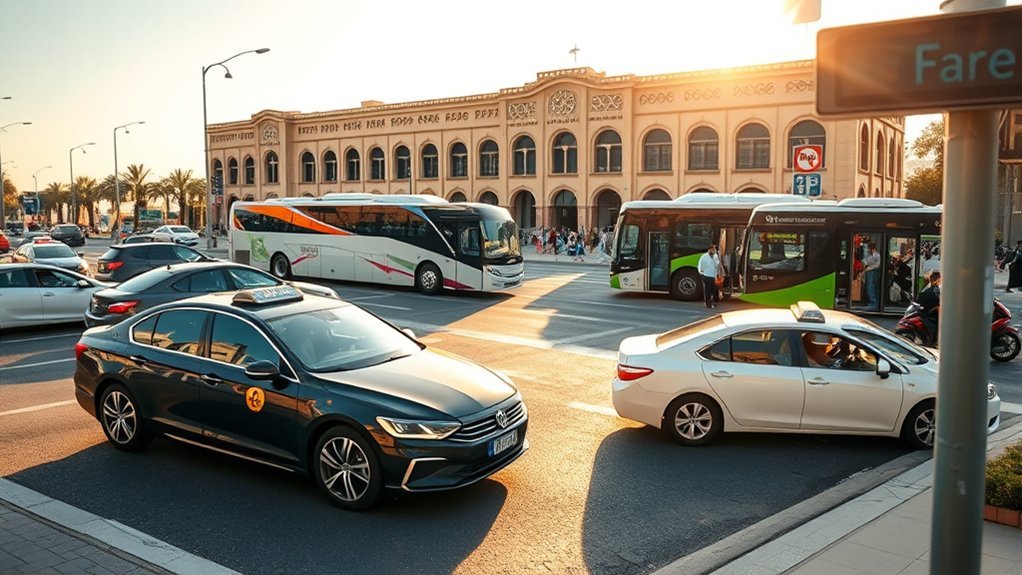
Bahrain is small, but the bus network does not reach every neighborhood conveniently, so most residents with the means drive.
- Bus: a single ride costs about BHD 0.25 with a GO Card. The Bahrain Bus GO Card also offers unlimited travel for BHD 3 for 7 days or BHD 12 for 28 days.
- Taxis and ride-hailing: about BHD 2 to start plus about BHD 2.09 per mile. Daily taxi commuting can cost BHD 100 or more a month.
- Gasoline: about BHD 0.24–0.25 per liter (~$0.65 per liter, or about $2.50 per gallon). Fuel prices are set by the government and rose in early 2025, but remain among the cheapest in the world.
- Cars: buying a car is common. Budget for insurance, registration, servicing, and parking in central areas on top of fuel.
Many employers provide a car, a transport allowance, or a staff bus. Ask about this before comparing job offers.
Healthcare and Insurance
Public healthcare is free for Bahraini citizens at government hospitals and health centers. Non-Bahrainis can use public facilities for a fee, but most expats rely on private hospitals and clinics in Manama and Juffair, where waiting times are short and English is widely spoken.
Most expat employees receive health insurance from their employer. Coverage varies a lot between policies, especially for dependents, dental care, maternity, and chronic conditions. The US State Department notes that medical facilities usually require payment before treatment and that most US health insurance plans do not cover care abroad.
What this means for your budget:
- Ask your employer for the full policy schedule, not just “medical insurance included.”
- If you are self-employed or retired, budget for private international coverage.
- Keep an emergency fund for upfront hospital payments and items your policy excludes.
Schools and Childcare
Education is the biggest extra cost for expat families.
- Private preschool (full day): about BHD 185 (~$490) a month per child.
- International primary school: about BHD 4,155 (~$11,045) a year per child on average, or about BHD 346 a month. Top British and American schools charge more, plus registration fees, books, uniforms, and bus service.
- Public schools: teach in Arabic and are mainly for Bahraini children.
Two children in international school add roughly BHD 690 (~$1,840) a month to a family budget. Many expat packages include an education allowance, so ask for it.
Taxes: VAT and Social Insurance
Bahrain is one of the few countries with no personal income tax. PwC’s Bahrain tax summary (reviewed July 2026) confirms there is no personal income tax regime and that income earned outside Bahrain is not taxed.
- VAT: 10% on most goods and services, included in prices. Some basic foods, healthcare, and education are zero-rated or exempt.
- Social insurance: under Social Insurance Organization rules, expatriate employees pay 1% of salary and employers 3%. Bahraini employees pay 8% and employers 18%.
- Other charges: municipal charges on housing, stamp duties, and customs duties on imported goods.
US citizens still owe US tax on worldwide income, so the absence of Bahraini tax does not remove that obligation.
Visas and Residence
Most Western visitors need a visa, which they can get online through the Bahrain eVisa system or, for many nationalities, on arrival. Typical fees:
| Visa | Stay Allowed | Fee (BHD) |
|---|---|---|
| eVisa, 2 weeks (single entry) | 2 weeks | 9 (~$24) |
| eVisa, 3 months (multiple entry) | 1 month per visit | 16 (~$43) |
| eVisa, 1 year (multiple entry) | 90 days per visit | 44 (~$117) |
| Visa on arrival, 2 weeks | 2 weeks | 5 (~$13) |
| US citizens, 10-year visa | 90 days per visit | 60 (~$160) |
To live in Bahrain, most people get a work visa and residence permit sponsored by their employer, who usually pays the main fees. Family members can then join on dependent visas. Bahrain also offers a long-term Golden Residency visa for high earners, property owners, and retirees with steady income. Check the current requirements and fees with the Nationality, Passports and Residence Affairs office before applying, since rules change.
Safety and Regional Security
Street crime in Bahrain is low. The main concern in 2026 is regional conflict. In August 2026 the US State Department raised Bahrain to Level 3, “Reconsider Travel,” citing terrorism and armed conflict, including the threat of drone and missile attacks after hostilities that began on February 28, 2026.
The UK Foreign Office reports that since mid-July 2026 Iran has carried out strikes in several countries in the region, including Bahrain, aimed at US military and civilian infrastructure. As of August 20, 2026, it no longer advises against all but essential travel, but it warns of the risk of further attacks, flight cancellations, and airspace closures.
For anyone moving to Bahrain, that means:
- Check both advisories before you sign a lease or job contract.
- Keep travel documents current and an emergency fund ready for short-notice travel.
- Ask your employer about its security and evacuation plans.
- Check that your insurance covers you in a country under a Level 3 advisory.
First-Month Setup Costs
Plan for these one-time costs before your first full month:
- Rental deposit: usually one month’s rent, about BHD 243–375 (~$645–$1,000) for a one-bedroom.
- Agent commission: common for apartments found through agencies.
- Utility account: EWA accounts for tenants may require a deposit.
- Furnishing: unfurnished apartments may come without appliances or air conditioners.
- Car: a deposit or down payment if you buy, plus insurance and registration.
- Visa and residence costs: usually paid by your employer; check who pays for dependents.
Sample Monthly Budgets
These budgets combine the Manama averages above. All amounts are in BHD per month.
| Expense | Single, Outside Center | Single, Central | Couple | Family of Four |
|---|---|---|---|---|
| Rent | 243 | 375 | 375 | 521–776 (3-bed) |
| Utilities | 50 | 58 | 70 | 100 |
| Internet + mobile | 22 | 22 | 32 | 40 |
| Groceries | 120 | 140 | 250 | 400 |
| Eating out + leisure | 60 | 100–140 | 180–250 | 200 |
| Transport | 14–60 | 80–120 | 120–150 | 150 |
| Gym, health, other | 40 | 75–95 | 100–120 | 150 |
| Total (BHD) | 550–600 | 850–950 | 1,100–1,250 | 1,550–1,800 |
| Total (USD) | $1,460–$1,595 | $2,260–$2,525 | $2,925–$3,325 | $4,120–$4,785 |
Family with international school: two children at the average international school fee push the family total to roughly BHD 2,250–2,500 (~$5,985–$6,650) a month.
Shared housing: renting a room in a shared flat can bring a single person’s budget well below BHD 550, mainly because rent and utilities are split.
Salary Versus Cost of Living
Here is how common incomes compare with the budgets above:
| Income | Monthly (BHD) | Approx. USD | What It Covers |
|---|---|---|---|
| Average take-home pay, Manama | 884 | $2,350 | a lean to comfortable single budget |
| Median wage, national (Q2 2026) | 936 | $2,490 | a comfortable single budget in the center |
| Couple budget | 1,100–1,250 | $2,925–$3,325 | more than one median wage |
| Family with two kids in international school | 2,250–2,500 | $5,985–$6,650 | usually needs a full expat package |
With no income tax and expat social insurance of just 1%, take-home pay is close to gross pay. A single professional on BHD 1,200 or more can usually save a meaningful share of income, especially with employer-provided housing or transport.
Money-Saving Tips
- Look outside the premium districts. One-bedrooms outside central Manama cost about BHD 130 less a month.
- Rent with utilities included. It protects you from summer air-conditioning bills.
- Use the 28-day bus pass if your route works. At BHD 12, it costs less than a few taxi rides.
- Eat at local restaurants. A full meal for about BHD 2 beats most home-cooked imported food on price.
- Buy regional brands. Imported European and American products cost much more, and food prices are rising.
- Negotiate allowances. Housing, transport, flights, and school fees are often worth more than a small salary increase.
How Bahrain Compares With Nearby Countries
Bahrain is one of the more affordable places to live in the Gulf, especially for rent. The table compares crowd-sourced averages for each capital or main city, updated in early October 2026 and converted to US dollars.
| City | Single Person, Excluding Rent | 1-Bed, City Center |
|---|---|---|
| Manama, Bahrain | not published | ~$998 |
| Doha, Qatar | ~$893 | ~$1,900 |
| Dubai, UAE | ~$1,143 | ~$2,408 |
| Muscat, Oman | ~$884 | ~$681 |
Central rents in Manama are about half those in Doha and well under half those in Dubai. Muscat is cheaper still on rent. For full breakdowns, see our guides to the cost of living in Qatar, what it costs to live in the UAE, and monthly living costs in Oman. Across the King Fahd Causeway, compare our Saudi Arabia cost of living guide, and for the northern Gulf see our Kuwait living expenses breakdown.
Frequently Asked Questions
How much money do you need to live in Bahrain per month?
A single person needs about BHD 550–600 (~$1,460–$1,595) a month outside central Manama and about BHD 850–950 (~$2,260–$2,525) for a comfortable life in the center, rent included. A couple should budget about BHD 1,100–1,250 (~$2,925–$3,325), and a family of four about BHD 1,550–1,800 before international school fees.
Is Bahrain cheaper than Dubai?
Yes, mainly because of rent. A one-bedroom in central Manama averages about BHD 375 (~$1,000) a month, compared with about $2,400 in central Dubai. Daily costs such as restaurant meals, fuel, and utilities are also generally lower in Bahrain.
How much is rent in Manama in 2026?
A one-bedroom averages about BHD 375 (~$1,000) a month in the city center and about BHD 243 (~$645) outside it. A three-bedroom averages about BHD 776 (~$2,065) in the center and BHD 521 (~$1,385) outside.
Does Bahrain have income tax?
No. Bahrain has no personal income tax. Expatriate employees pay a 1% social insurance contribution, and a 10% VAT applies to most goods and services. US citizens still owe US tax on their worldwide income.
What is the average salary in Bahrain?
The median monthly wage across the public and private sectors was BHD 936 (~$2,490) in the second quarter of 2026. Crowd-sourced data puts average take-home pay in Manama at about BHD 884 (~$2,350), though pay varies widely by job and nationality.
Is it safe to live in Bahrain in 2026?
Everyday crime is low, but regional conflict is a real risk. The US State Department rates Bahrain Level 3, “Reconsider Travel,” because of terrorism and the threat of drone and missile attacks. The UK no longer advises against essential travel but warns of further attacks and airspace closures.
Conclusion
Bahrain offers some of the best value in the Gulf: no income tax, a dollar-pegged currency, cheap fuel, and rents far below Dubai or Doha. A single person can live comfortably in central Manama for about $2,260–$2,525 a month, or for closer to $1,500 outside the center. The trade-offs in 2026 are rising food prices and a tense regional security situation that has led to a Level 3 US advisory. Compare the full employment package, not just the salary, and check the latest travel advice before you commit.
Sources
- Central Bank of Bahrain – dinar exchange rate
- Trading Economics – Bahrain inflation, August 2026
- Trading Economics – Bahrain median wages (Social Insurance Organization data)
- World Bank – Bahrain country data
- Numbeo – Manama and regional crowd-sourced prices, October 2026
- Bahrain Bus – GO Card fares
- PwC Worldwide Tax Summaries – Bahrain personal income tax
- PwC Worldwide Tax Summaries – Bahrain social insurance and other taxes
- US State Department – Bahrain country information
- UK FCDO – Bahrain travel advice