

You’ll typically need about £1,400 to £1,700 a month in Nottingham if you rent a one-bed outside the centre and cover utilities, food, transport and basics. Expect rent around £695 to £919 for a one-bed, groceries £150 to £200, utilities and broadband £165 to £199, and a monthly transport pass of £60 to £75. Student or shared options cut costs further, especially when bills are included.
Quick Answer
- A single person needs roughly £1,400 to £1,700 a month in Nottingham, including rent.
- Non-rent essentials (food, utilities, transport) average about £747 a month for one person.
- Nottingham is around 61.9% cheaper for rent than London.
- A one-bed flat outside the city centre typically costs £695 to £850 a month.
- A monthly bus pass costs £72.50; cycling is the cheapest option of all.
Monthly Budget Breakdown for Singles and Families
For a single person, expect about £746.90 a month excluding rent. That covers groceries (£150 to £200), utilities, mobile and internet (roughly £165 to £199), and transport (a monthly pass is £72.50). For a family of four, non-housing expenses average £2,618.90 a month, reflecting higher grocery and utility use.
Nottingham’s cost of living (excluding rent) is about 27.9% cheaper than London, and rents run roughly 61.9% lower. That gap means your overall monthly budget stretches much further here, especially if you pick housing outside the city centre. You can check current benchmarks on Numbeo’s Nottingham cost-of-living data.
Track your actual bills against these figures so you can adjust spending categories and avoid surprises.
Rent and Housing Options in Nottingham
Finding the right place means weighing location against cost. City-centre one-bed flats average about £919 a month. Outside the centre, you’ll commonly pay around £695 (typically £650 to £850). En-suite rooms in shared houses average roughly £516 a month.
Your main choices are private one-bed flats, shared houses with en-suite rooms, and student halls. For students, accommodation from about £99 a week can cut monthly expenses significantly. If you want lower rent, target neighbourhoods outside the core. They’re still well connected but noticeably cheaper.
Compare listings by exact location, included bills, and contract length. Short-term lets often cost more per month. If you’re moving from Manchester, expect generally lower rents in Nottingham. Weigh proximity to work or campus against rent to find the best balance for your budget.
Food, Groceries and Eating Out Costs

Basic groceries in Nottingham are generally affordable. A typical monthly shop can come in around £150 to £200. Eating out varies: a mid-range meal for two is roughly £15 per person, a McMeal about £8, a cappuccino around £3.30, and a pub pint about £4.50.
Use these figures to decide how often to cook versus eat out, and to plan a realistic weekly food-and-housekeeping budget (often quoted at £30 to £50).
Grocery Prices Overview
Nottingham’s staple prices keep monthly living costs manageable if you plan carefully. Whole milk runs about £4.12 per litre, a 1 kg bag of tomatoes £2.73, apples £3.29 per kg, and 500 g of local cheese £2.41. A dozen eggs is just £1.00 and a 500 g loaf of white bread £0.83. Prices vary by store and season, so it’s worth comparing.
- Surprise at low egg and bread costs
- Relief seeing affordable fresh tomatoes and cheese
- Concern over higher milk price
- Frustration if chicken fillets (£7.67/kg) stretch your budget
- Comfort from manageable staple prices overall
Eating Out Expenses
Eating out in Nottingham can be economical if you plan ahead. An inexpensive restaurant meal averages £14, a mid-range dinner for two about £15 per person, and a cappuccino about £3.30. Quick convenience items add up too: a 500 ml domestic beer from a shop is £2.66 and a 2 L Coca-Cola £2.03.
Use grocery prices (milk £4.12/L, tomatoes £2.73/kg, cheese £2.41/500g, apples £3.29/kg) to decide when cooking at home saves more. Students in particular benefit from combining supermarket staples with occasional restaurant visits to keep food costs low.
Utilities, Internet and Mobile Expenses
When budgeting for an 85 m² flat in Nottingham, expect basic utilities to run about £152.47 a month. Add roughly £29.44 for a 60 Mbps unlimited broadband connection and about £13.20 for a 10 GB mobile plan.
Optional extras include a £32.88 gym membership and a £60 public transport pass. These give you a clear baseline for planning your monthly bills.
Basic Home Utilities
Basic utilities for an 85 m² apartment run about £152.47 a month. Broadband and mobile add roughly £42.64 more (£29.44 for 60 Mbps unlimited broadband plus £13.20 for mobile). Combined, that puts utilities, broadband and mobile in the £165 to £199 monthly range, which is affordable compared with larger UK cities.
- Relief: Nottingham’s lower rates ease financial pressure.
- Predictability: flat broadband and mobile fees help with planning.
- Caution: bills vary with usage and the time of year.
- Simplicity: most packages are straightforward.
- Flexibility: you can trim costs by adjusting usage.
Internet and Broadband
Reliable internet in Nottingham costs about £29.44 a month for a 60 Mbps unlimited plan. That’s a modest share of your overall connectivity bill. Combined with basic utilities and mobile, most people land in the £165 to £199 monthly range.
| What it is | Typical cost |
|---|---|
| 60 Mbps unlimited broadband | £29.44/month |
| Basic home utilities (85m2) | £152.47/month |
| Combined utilities & connectivity range | £165–£199/month |
Mobile Plans and Data
A 10 GB mobile plan costs about £13.20 a month in Nottingham. Prepaid calls run around £0.16 per minute if you prefer pay-as-you-go. Combined with broadband (£29.44) and basic utilities (£152.47), your connectivity and essentials sit comfortably in the £165 to £199 monthly range before rent.
- Relief: affordable mobile plans let you stay social without stress.
- Choice: prepaid or contract fits different habits.
- Predictability: clear monthly data costs aid budgeting.
- Value: decent speed and unlimited broadband.
- Balance: save on housing, spend on connection.
Transportation and Commuting Costs
Nottingham transport costs are reasonable if you match your travel style to your needs. A one-way public transport ticket is about £3.00, while a monthly pass runs £72.50. If you commute daily, the monthly pass saves money quickly. For route maps and timetables, see the Nottingham City Council transport page.
Taxis start at £2.00 with roughly £1.12 per kilometre, so a typical 8 km ride costs around £16.00. Use them for occasional trips or when time is tight. If you drive, factor in petrol at about £1.41 per litre, plus parking and maintenance. Car commuting adds up fast compared with transit.
Cycling is the most economical option. The city has good cycling infrastructure and bike-sharing schemes, so short trips can be free or very cheap.
Student-Specific Expenses and Money-Saving Tips

Transport choices like cycling, buying a monthly bus pass, or sharing taxi trips can free up cash for study-related expenses. Full-time home undergraduates can receive a maintenance loan of up to £10,554, paid in termly instalments. Planning matters: factor rent, food, and one-off purchases like a laptop or bike into your budget from the start.
Use university offers where you can. Microsoft 365 is free through most institutions. Hunt student discounts via Totum, Unidays and Student Beans to reduce both start-up and ongoing costs.
- Relief when you spot a good deal on a laptop or bike
- Comfort knowing bills-included halls simplify budgeting
- Satisfaction from saving on daily coffee or lunches
- Confidence using your maintenance loan efficiently
- Pride in stretching funds with student discounts
Keep a simple spreadsheet, prioritise essentials, compare private and university accommodation weekly rents, and track small recurring expenses like lunch and subscriptions.
Health, Personal Care and Everyday Services

Everyday health and personal care costs are manageable. Tampons cost around £4.99 a box and deodorant £1.78, while basic cold medicine for six days runs about £3.16. For routine outings, a cinema ticket is £11.88 and a 500 ml pub beer £4.99.
Everyday health and personal-care costs stay manageable: tampons £4.99, deodorant £1.78, cold medicine £3.16, cinema £11.88.
If you use private health services, a 15-minute doctor’s appointment costs around £55 and private antibiotics about £4.99 per box.
Recurring service costs include mobile at £13.20, internet £29.44, and a gym membership at £32.88. Basic utilities for an 85 m² flat run roughly £152.47 a month. Add a monthly transport pass at £60 if you commute.
Tally these items alongside rent and groceries to build a precise monthly estimate for health, personal care and everyday services.
Comparing Nottingham With London and Manchester
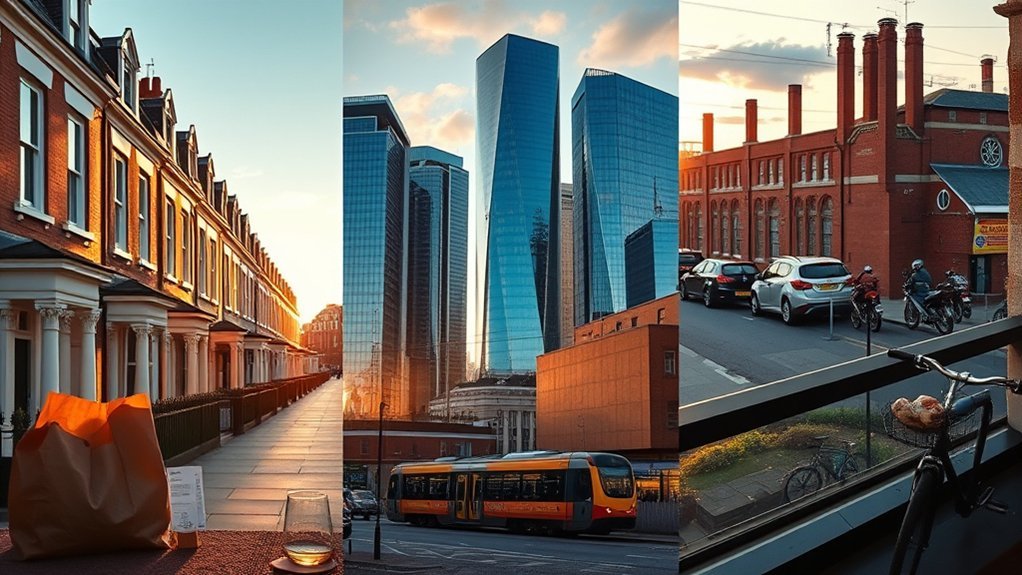
The cost gap between Nottingham and London is striking. Monthly non-rent costs in Nottingham come to about £1,134.48 versus roughly £3,075 in London. Rents tell a similar story: city-centre one-bed flats in Nottingham average £844.17 and outside-centre about £725.00, roughly 61.9% cheaper than London equivalents.
Compared with Manchester, rents are lower or similar, with utilities and transport broadly comparable. That makes Nottingham a strong option if you want affordable city living without giving up amenities.
- Relief: your paycheck stretches further here.
- Confidence: lower rent eases budgeting pressure.
- Practicality: transport and utilities won’t surprise you.
- Opportunity: savings can fund social life or study.
- Comfort: decent quality at a lower cost.
Use these contrasts to decide whether Nottingham’s balance of price and quality fits your plans.
Frequently Asked Questions
How Much Does It Cost to Live in Nottingham?
You’ll spend roughly £750 a month excluding rent. Add student housing (£725 to £850 outside the centre) or higher for city-centre flats. Budget around £60 to £72.50 for transport and £150 to £200 for groceries.
What Is the Average Cost of Living in the UK per Month With Rent?
Most people spend £1,500 to £2,500 a month with rent, depending on location. Costs vary widely, so knowing your local housing market and budgeting for bills, groceries and transport in advance makes a real difference.
Is Nottingham an Affordable City?
Yes. Nottingham is cheaper than London across almost every category: lower non-rent monthly costs, more affordable rents for students and singles, and reasonable transport and utility bills overall.
How Much Cheaper Is Nottingham Than London?
You save about £1,940.52 a month on non-rent costs alone. Overall rents average roughly 61.9% lower in Nottingham, making it one of the more affordable mid-sized UK cities for practical everyday living.
Conclusion
You’ve seen what day-to-day life in Nottingham costs, from rent and utilities to transport, food and student expenses. With careful budgeting, the right neighbourhood, and a bit of planning around student deals and public transport, living comfortably here while saving each month is genuinely achievable. Compare your options, prioritise what matters, and adjust your spending as your situation changes.
