Living in Nottingham is usually cheaper than living in London or Manchester, but rent, council tax and energy use can change your total quickly. Using the latest available 2026 official figures, a single person renting a one-bedroom home should plan for roughly £1,350 to £1,850 a month. The ONS recorded an average one-bedroom private rent of £734 in July 2026. Sharing a home or choosing bills-included student accommodation can reduce the total.
Last updated: 8 September 2026 — refreshed with July 2026 ONS rent data, current Ofgem energy-cap benchmarks, 2026/27 council tax, current transport fares and student-cost information.
Quick Answer
A realistic monthly budget for one person in Nottingham is about £1,350 to £1,850 with rent. The latest ONS data puts the July 2026 city-wide average private rent at £1,011 and the one-bedroom average at £734. Food, council tax, utilities, broadband, mobile service, transport and personal spending commonly add several hundred pounds more, depending on the household and lifestyle.
Key Takeaways
- The ONS recorded Nottingham’s average private rent at £1,011 in July 2026; the one-bedroom average was £734.
- A private one-bedroom renter should usually budget about £1,350 to £1,850 a month, depending on council tax, heating, travel and lifestyle.
- A current adult NCT city-zone monthly pass costs £82, while an eligible student pass costs £69.15.
- Full-time students living only with other qualifying students can usually receive a full council tax exemption.
- Keep extra cash for the deposit, first month’s rent, moving costs and basic household items.
Cost of Living in Nottingham: Monthly Budget by Household
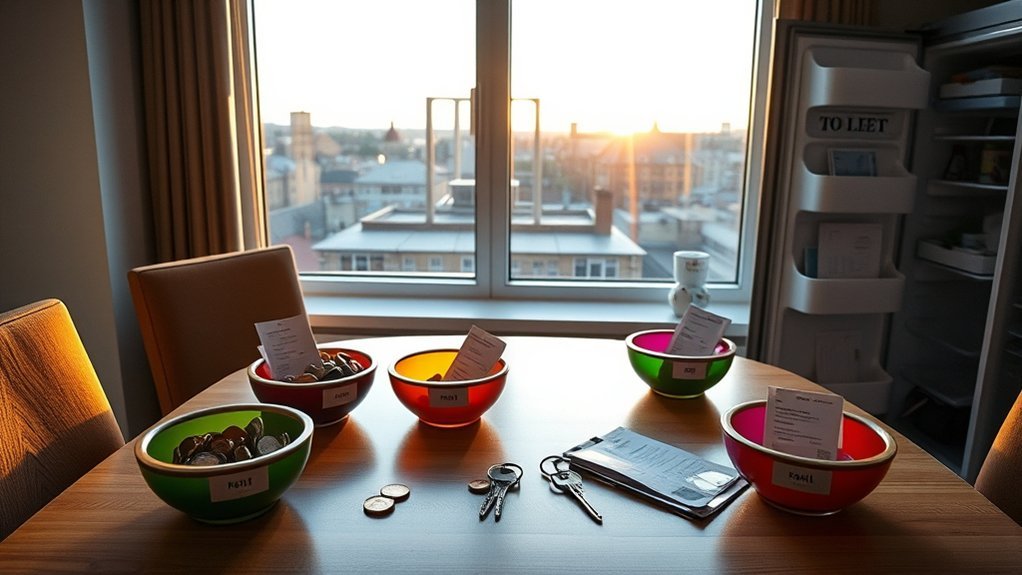
No single figure fits every household. The ranges below are practical planning estimates built around current rent, council tax, transport and energy benchmarks. They are not guaranteed quotes.
| Household | Housing assumption | Estimated monthly total |
|---|---|---|
| Single person renting alone | One-bedroom home plus bills and council tax | £1,350–£1,850 |
| Single person sharing | Room in a shared house, with some bills split or included | £900–£1,350 |
| Student | Shared or university accommodation, often bills included | £850–£1,400 |
| Family of four | Three-bedroom home, childcare excluded | £2,700–£4,000+ |
How these estimates are built: Housing figures use ONS private-rent data, council tax uses Nottingham City Council charges, transport uses published NCT fares and energy uses Ofgem benchmarks. Food, personal spending and the household totals above are practical planning ranges rather than quoted prices. Your actual total can differ by property, usage and lifestyle.
Is £1,500 a Month Enough in Nottingham?
It can be enough for a careful single renter, but there may not be much spare room in the budget. At the July 2026 ONS one-bedroom average of £734, a £1,500 monthly budget leaves £766 before council tax, energy, water, broadband, food, transport and personal spending. Sharing a home gives substantially more headroom because rent and some household bills can be divided.
For one adult, non-rent essentials commonly fall between £600 and £1,000 a month. A careful household without a car may spend less, while high energy use, frequent meals out, debt payments or private childcare can push the total much higher.
Note: Childcare is not included in the family estimate because nursery fees can add a large separate cost. Ask providers for current weekly fees before choosing an area or signing a tenancy.
Rent and Housing Options in Nottingham

Housing is the biggest part of most Nottingham budgets. The Office for National Statistics reported these city-wide average private rents for July 2026:
| Property size | Average monthly rent |
|---|---|
| One bedroom | £734 |
| Two bedrooms | £913 |
| Three bedrooms | £1,049 |
| Four or more bedrooms | £1,457 |
The average across all privately rented homes was £1,011. That overall figure is higher than the one-bedroom average because it includes larger properties. City-centre flats, new developments and furnished short lets can cost more than the city-wide average, while rooms in shared houses and homes farther from the centre can cost less.
Your main options are a private flat, a room in a shared house, purpose-built student accommodation or university halls. Compare the total cost rather than rent alone. A higher weekly price may still be competitive if heating, water, broadband and contents insurance are included.
Upfront Renting Costs
Before moving, plan for the first month’s rent, a tenancy deposit, a possible holding deposit, removals and basic household items. Under current rules in England, a holding deposit can be no more than one week’s rent, and the usual tenancy-deposit cap is five weeks’ rent when annual rent is below £50,000. Since 1 May 2026, new private-renting rules also restrict rent in advance: a landlord or agent should not ask for or accept rent before the tenancy agreement is signed, and the amount that can be required in advance after signing is limited under the current rules.
Warning: Do not send money until you have checked the landlord or agent, viewed the property where possible and read the agreement. Current GOV.UK tenant-fee guidance explains which payments are permitted and which fees are prohibited.
Council Tax in Nottingham
Council tax is easy to miss when comparing rents. For 2026/27, Nottingham City Council’s annual charge runs from £1,836.93 for Band A to £2,755.39 for Band D, equal to about £153 to £230 a month before discounts. A single adult normally receives a 25% discount. A property occupied only by qualifying full-time students can usually receive a full exemption.
Check the property’s band and who is responsible for payment before signing. Houses in multiple occupation, mixed student/non-student homes and bills-included contracts can have different arrangements.
Food, Groceries and Eating Out Costs

A practical grocery allowance for one adult is about £150 to £250 a month. Students who cook most meals, use discount supermarkets and avoid food waste may spend less. A University of Nottingham student guide reports roughly £25 to £35 a week for a careful supermarket shop, although that figure may not cover toiletries, cleaning products or frequent convenience food.
Eating out can change the budget quickly. A few lunches, coffees, takeaways and pub visits each week can add £100 to £250 or more a month. Set a separate dining and entertainment allowance so these purchases do not quietly reduce money reserved for rent and bills.
Grocery Prices Overview
Exact prices change by shop, pack size, brand and season, so a monthly plan is more useful than a long list of point-in-time item prices. Build your weekly shop around staple categories:
- Protein: eggs, beans, lentils, chicken, fish or meat alternatives.
- Carbohydrates: rice, pasta, potatoes, oats and bread.
- Fruit and vegetables: choose seasonal produce and compare loose versus packaged prices.
- Dairy and alternatives: check the price per litre or kilogram rather than the pack price.
- Household products: include toiletries, laundry products and cleaning supplies in the same budget.
Pro Tip: Plan four or five low-cost meals before shopping, check the price per 100 g or litre, and freeze extra portions. This is usually more effective than chasing individual discounts without a meal plan.
Eating Out Expenses
For occasional meals out, create a weekly allowance rather than relying on an old city-wide average. Menu prices vary sharply between student areas, pubs, independent cafés and city-centre restaurants. Check current menus before planning a celebration or regular work lunches.
Cooking at home will usually cost less than restaurant meals, but convenience also has value. A balanced budget can include supermarket staples, one planned takeaway or meal out, and a fixed coffee or snack allowance.
Utilities, Internet and Mobile Expenses
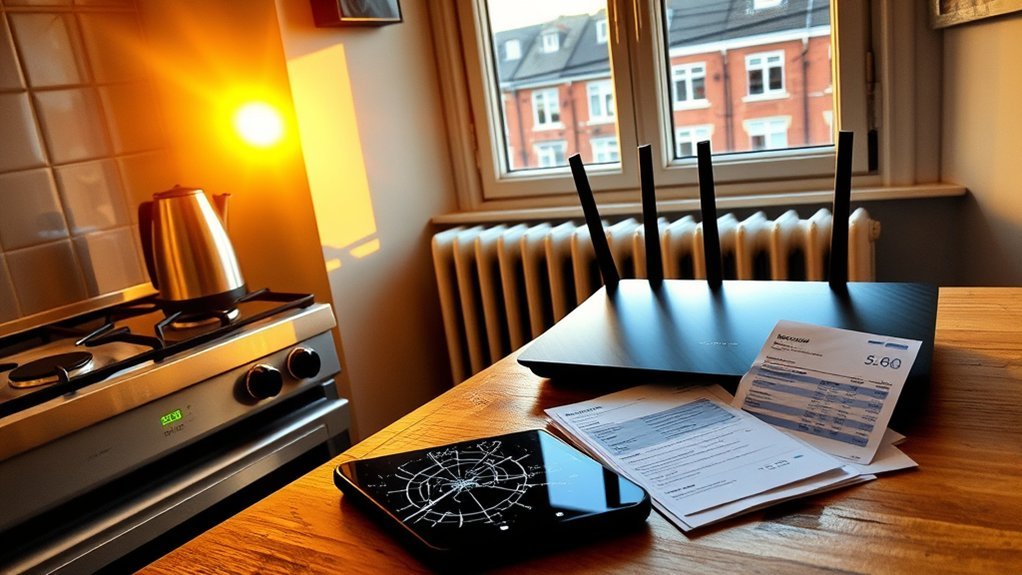
Utility costs depend more on the home, tariff and household than on the city itself. A small, efficient flat with shared walls may cost much less to heat than a large, poorly insulated house. Ask for the Energy Performance Certificate, check whether the home uses gas or electric heating and confirm which bills are included.
Basic Home Utilities
For 1 July to 30 September 2026, Ofgem’s headline energy price-cap benchmark is £1,663 a year for a typical dual-fuel household paying by Direct Debit under the updated Typical Domestic Consumption Values introduced in July. The comparable figure under the previous consumption benchmark was £1,862. From 1 October to 31 December 2026, the updated typical-household benchmark is set to rise to £1,723. The price cap limits unit rates and standing charges rather than setting a maximum household bill, so the amount you actually pay still depends on energy use, region, payment method, meter type and property efficiency.
For a one-bedroom home, a practical combined allowance for energy, water and broadband is often £160 to £280 a month. Add more for an inefficient property, electric heating, home working or heavy winter use. In shared accommodation, divide only the bills that are genuinely shared.
Internet and Broadband
Broadband prices vary by speed, contract length and introductory deal. Budget roughly £25 to £45 a month for a standard home connection, then compare the full contract cost, setup fees and scheduled price rises. Ofcom notes that customers may save by switching, and social tariffs are available from participating providers for eligible households.
| Budget item | Planning allowance |
|---|---|
| Energy for a small home | £100–£200+ per month, usage dependent |
| Water | £25–£45 per month for planning |
| Home broadband | £25–£45 per month |
| Mobile service | £5–£25 per month without a financed handset |
Mobile Plans and Data
A SIM-only mobile plan will often cost less than a contract that includes a financed handset. Your actual payment depends on data allowance, roaming, network, introductory pricing and contract terms. Compare the full contract cost rather than only the first advertised monthly payment.
- Check whether the quoted price changes during the contract.
- Use Wi-Fi calling and home broadband where mobile coverage is weak.
- Consider a social tariff if you receive a qualifying benefit.
- Do not compare a SIM-only price with a handset-inclusive contract as though they offer the same thing.
Transportation and Commuting Costs

Nottingham has buses, trams, local trains, walking routes and cycle routes. The cheapest choice depends on how often you travel and whether one operator covers your route.
From 21 June 2026, an adult NCT city-zone single costs £3, an NCT day ticket costs £5.70 and a multi-operator Robin Hood day ticket costs £6.90. From 1 March 2026, the NCT Easyrider Everyday monthly pass costs £82 for adults and £69.15 for eligible students. A monthly app subscription for adults costs £80.
| NCT city-zone ticket | Current price |
|---|---|
| Adult single | £3 |
| Adult NCT day ticket | £5.70 |
| Robin Hood multi-operator day ticket | £6.90 |
| Adult monthly pass | £82, or £80 by monthly app subscription |
| Eligible student monthly pass | £69.15 |
Check the current NCT fares and your route before buying a pass. A monthly pass is not automatically the cheapest option for hybrid workers or people who travel only a few days each week.
Taxis and app-based rides are useful for late trips, luggage or inaccessible routes, but the cost depends on distance, time and demand. If you drive, include fuel, insurance, vehicle tax, parking, maintenance and repairs. These costs can easily exceed a public-transport budget.
Cycling and walking can be the lowest-cost options for short journeys. Nottingham City Council publishes information on local cycling routes and secure cycle parking, but check the route, lighting and traffic conditions before relying on a bike for a daily commute.
Student-Specific Expenses and Money-Saving Tips

Student accommodation varies widely. Current 2026/27 UPP Broadgate Park listings serving University of Nottingham students include an Essential Standard Bedroom at about £129 a week and a Standard Bedroom at about £155 a week, while Nottingham Trent University’s current accommodation search includes rooms from about £143.75 a week. Availability and contract length matter, so compare the full annual cost rather than only the weekly rate.
For the 2026/27 academic year, an eligible full-time undergraduate living away from parents and studying outside London can receive up to £10,830 in Maintenance Loan support if not eligible for the higher benefits-related rate. The amount is means-tested, and many students receive less than the maximum. Payments are usually made in termly instalments.
Build your budget around the amount you will actually receive. Include rent, food, transport, course materials, laundry, a laptop or bike, deposits and travel home. Do not assume the Maintenance Loan will cover every cost.
- Apply for the council tax exemption or disregard when everyone in the property qualifies.
- Compare bills-included halls with private rent plus energy, water and broadband.
- Use university software access, library equipment and free campus transport where available.
- Check student travel products before buying ordinary adult tickets.
- Use genuine student discounts through your university, TOTUM, UNiDAYS or Student Beans, but compare the final price.
Pro Tip: Divide each term’s Maintenance Loan by the number of weeks until the next payment, then move one week’s allowance at a time into your spending account.
Health, Personal Care and Everyday Services
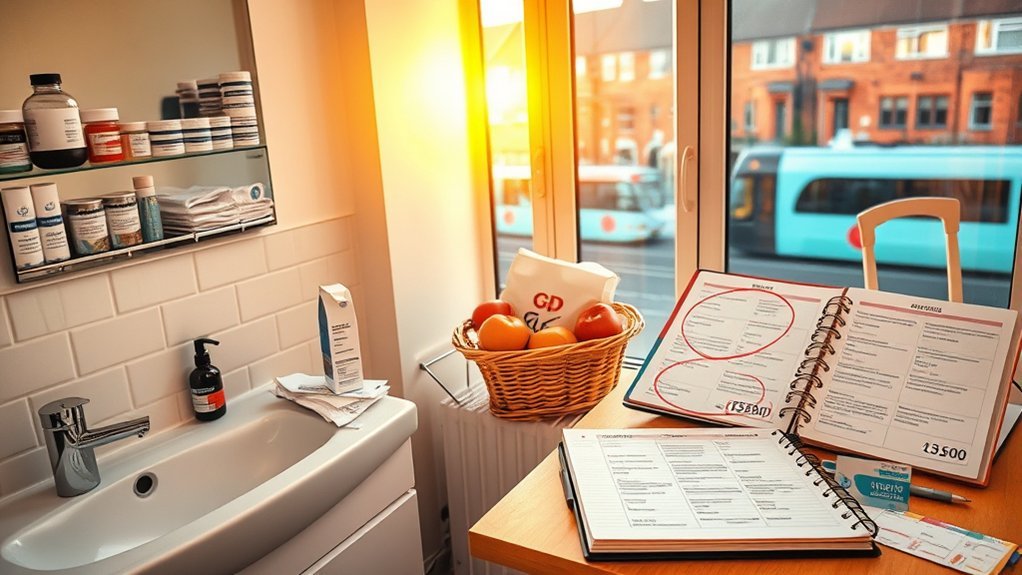
Routine NHS GP appointments are generally free at the point of use for eligible patients, but prescriptions, dentistry, eye care, over-the-counter medicine and personal-care products may still cost money. In England, the NHS prescription charge is £9.90 per item in 2026. From 1 April 2026, NHS dental charges are £27.90 for Band 1, £76.60 for Band 2 and £332.10 for Band 3 treatment.
Keep a small monthly health and household buffer even when you mainly use NHS services. Prescriptions, dental treatment, glasses, toiletries and unexpected travel can arrive in the same month.
A reasonable personal-care and household allowance is £30 to £100 a month, depending on toiletries, haircuts, menstrual products, medication and clothing. Private appointments and private prescriptions can cost much more, so ask for the full price before booking or collecting medicine.
Leisure is optional but should still be budgeted. Cinema visits, gym membership, pub drinks, subscriptions and cafés can add £50 to £250 or more each month. The 2026 colour TV Licence is £180 a year if you need one.
Comparing Nottingham With London and Manchester

Official rent data gives a clearer comparison than mixing unrelated non-rent estimates. In July 2026, the average private rent across all property sizes was £1,011 in Nottingham, £1,365 in Manchester and £2,317 across London.
| Area | Average private rent, July 2026 | Difference from Nottingham |
|---|---|---|
| Nottingham | £1,011 | Baseline |
| Manchester | £1,365 | Nottingham about 25.9% lower |
| London | £2,317 | Nottingham about 56.4% lower |
These are broad averages, not like-for-like quotes for identical homes. London and Manchester contain large neighbourhood price differences, and Nottingham listings also vary by postcode, property size and condition. Even so, the official figures show that Nottingham’s average rent is substantially lower.
Ways to Lower Your Cost of Living
- Share housing: splitting rent, energy and broadband can produce the largest saving.
- Check council tax: claim the single-person discount or student exemption when eligible.
- Compare total housing cost: add rent, council tax, energy, water, broadband and travel before choosing a property.
- Match the ticket to your travel: a monthly pass helps frequent commuters, but flexible tickets may suit hybrid work.
- Reduce food waste: plan meals, freeze portions and compare unit prices.
- Review contracts: check broadband, mobile, insurance and subscriptions before renewal.
- Keep an emergency fund: even £25 to £50 a month can soften the impact of repairs, dental costs or a higher winter bill.
Frequently Asked Questions
How much does it cost to live in Nottingham?
A single person renting a one-bedroom home should usually plan for about £1,350 to £1,850 a month. Sharing can reduce the total to roughly £900 to £1,350, depending on rent, included bills, transport and lifestyle.
What is the average one-bedroom rent in Nottingham?
The Office for National Statistics reported an average one-bedroom private rent of £734 a month in July 2026. Individual listings may be higher or lower depending on location, furnishing, condition and included services.
Is Nottingham an affordable city?
Nottingham is relatively affordable compared with London and Manchester, especially for rent. It may still feel expensive for a person on a low income, living alone, running a car or paying high energy and childcare costs.
Is £1,500 a month enough to live in Nottingham?
It can be enough for a careful single renter, especially with lower rent or shared housing. At the July 2026 average one-bedroom rent of £734, £1,500 leaves £766 for council tax, utilities, food, transport and other spending, so someone renting alone may need to keep those costs near the lower end of the planning ranges.
How much cheaper is Nottingham than London?
Using ONS average private rents for July 2026, Nottingham was about 56.4% cheaper than London: £1,011 a month compared with £2,317. This compares all privately rented property sizes rather than identical homes.
How much money should I save before moving to Nottingham?
Aim to hold the first month’s rent, up to five weeks’ tenancy deposit, moving costs and at least one month of essential expenses. For a one-bedroom renter, a practical target is often £2,500 to £4,000, depending on rent and furniture needs.
Do students pay council tax in Nottingham?
A home occupied only by qualifying full-time students can usually receive a full council tax exemption. In a mixed household, students are normally disregarded, but a non-student resident may still be liable for a reduced or full bill.
Conclusion
A realistic Nottingham budget starts with housing, then adds council tax, energy, food and transport. For one person renting alone, about £1,350 to £1,850 a month remains a sensible planning range in 2026, with the July ONS one-bedroom average at £734. Sharing, student exemptions, careful travel choices and bills-included accommodation can reduce the total. Before committing to a tenancy, check the live rent, council tax band and included bills, keep money aside for moving costs, and review your budget after the first full month.
Sources
- Office for National Statistics: Housing prices in Nottingham — July 2026 average rents by property size.
- Nottingham City Transport: Single and day fares — current adult and day-ticket prices.
- Nottingham City Transport: 2026 season-ticket prices — monthly and student pass costs.
- Nottingham City Council: Council tax bands and charges — 2026/27 council tax rates.
- GOV.UK: Tenant Fees Act guidance for tenants — permitted payments, deposits and current renting rules.
- GOV.UK: Student support for 2026/27 — Maintenance Loan limits.
- Ofgem: Energy price cap rates — July to September 2026 energy benchmark and current unit-rate guidance.
- Ofcom: Social tariffs — discounted broadband and phone options for eligible households.
- University of Nottingham: Cost of living in Nottingham — student grocery budgeting example.
- Nottingham Trent University: Find accommodation — current student accommodation listings.