Student living costs in Derby in 2026 are typically about £900–£1,300 per month for many students, excluding tuition and immigration charges. Housing creates the biggest swing: University of Derby halls start at £119.42 per week on the standard 2026/27 price list, while ONS data puts the average one-bedroom private rent in Derby at £606 per month. Food, bills, transport and personal spending then determine whether your total stays near the lower end or rises above £1,300.
Quick Answer
For 2026/27, use £900–£1,300 per month as a practical planning range for many Derby students, excluding tuition and immigration charges. A standard hall room or shared home, home cooking and limited paid transport can keep costs near the lower end. A studio, private flat, higher energy use, frequent travel or regular meals out can push spending above £1,300.
Key Takeaways
- University of Derby’s standard 2026/27 room-price list runs from £119.42 to £207.76 per week, with electricity, heating, water and WiFi included in halls.
- ONS data puts Derby’s July 2026 average private rent at £857 per month, while a one-bedroom property averages £606. These are whole-market property averages, not student-room quotes.
- The University of Derby’s own cost guide suggests a £30–£50 weekly food shop, equal to roughly £130–£217 per calendar-month equivalent.
- Arriva’s Derby student annual ticket is £600 and can be paid by Direct Debit at £50 per month; the 2026/27 academic-year ticket is £590.
- Full-time students may be exempt from Council Tax. International students should also budget for the current £558 Student visa application fee and the £776-per-year student Immigration Health Surcharge rate, where applicable.
Monthly Budget at a Glance
| Typical Total | About £900–£1,300 per month for many students; higher-cost private living can exceed this, excluding tuition and immigration charges |
| University Halls | £119.42–£207.76 per week for 2026/27; most bills included |
| Private Rent | £606 average for a one-bedroom property; £857 average across all Derby private rentals |
| Groceries | University of Derby benchmark: £30–£50 per week (about £130–£217 per calendar-month equivalent) |
| Household Bills | Usually included in halls; among students paying energy separately, the 2026 National Student Accommodation Survey reported £83 per month for energy alone |
| Local Transport | £0 if you walk or cycle regularly; £50 monthly Direct Debit instalment for Arriva’s £600 Derby student annual ticket, or £590 for the 2026/27 academic-year ticket |
How Much Should a Student Budget Per Month in Derby?
A sensible Derby student budget starts at roughly £900 per month and can rise above £1,300 if you choose premium accommodation, live alone, travel frequently or eat out often. Treat that as a planning range rather than a guaranteed average: your housing contract and what it includes will determine most of the difference. Tuition fees and immigration charges are not included.
Rent remains the largest expense. Food, household bills, transport, mobile service, study materials and personal spending make up the rest. The 2025 National Student Money Survey reported average monthly spending of £1,142, including £529 for rent, £146 for groceries, £69 for household bills and £67 for transport. That is a UK-wide survey benchmark, not a Derby-specific average.
The average private rent in Derby was £857 per month in July 2026, compared with £918 across the East Midlands and £1,393 across the UK.
Verified Derby Student Cost Benchmarks
These benchmarks are more useful than a made-up “cheap/average/premium” budget because each number comes from a current source and measures a different part of student spending. Use your actual housing quote first, then add the categories that apply to you.
| Benchmark | Current Figure | How to Use It |
|---|---|---|
| University of Derby halls | £119.42–£207.76 per week on the standard 2026/27 room list | Compare the full 42-, 50- or 51-week contract cost; electricity, heating, water and WiFi are included. |
| Derby private rent | £606 per month for a one-bedroom property; £857 across all private rentals in July 2026 | ONS figures cover the whole private market, so do not treat them as guaranteed student-room prices. |
| Student housing market | £139 per person per week average for 2026/27 Derby listings on UniHomes, with bills included | Use as a current commercial listing benchmark, then verify the exact room, contract and included bills. |
| Food | University of Derby: £30–£50 per week | Roughly £130–£217 per calendar-month equivalent; add toiletries and meals out separately. |
| Energy when paid separately | £83 per month average among respondents in the 2026 National Student Accommodation Survey | This is a national student survey figure for energy only, not a Derby tariff or a complete utilities bundle. |
| Arriva Derby student travel | £50 monthly Direct Debit for the £600 annual ticket; £590 academic-year ticket | Compare with walking, cycling and pay-as-you-go travel before committing to a long pass. |
| UK-wide student spending | £1,142 per month in the 2025 National Student Money Survey | Use as a national sense-check, not as a Derby-specific target. |
Budget formula: start with the full housing contract, convert it into the payment schedule you will actually face, then add food, any bills not included, transport, phone, study costs, leisure and an emergency allowance. Keep deposits, moving costs and immigration charges outside your normal monthly total.
Note: Weekly rent does not convert neatly into a calendar-month payment. Check the full contract cost, contract length and instalment dates rather than multiplying one weekly price by four.
How Much Is Student Housing and Rent in Derby?
University of Derby Halls Prices
The University of Derby’s official 2026/27 halls prices range from £119.42 per week for a standard single room at Princess Alice Court to £207.76 per week for a large studio at Darley Bank.
Other current examples include:
- St Christopher’s Court premium standard room: £128.59 per week.
- Princess Alice Court en-suite: £150.57 per week.
- Darley Bank small en-suite: £170.59 per week.
- Peak Court en-suite: £180.81 per week.
- Agard Court premium en-suite: £187.25 per week.
Undergraduate contracts generally run for 42 or 50 weeks, while Darley Bank studios use 51-week contracts. Hall prices normally include electricity, heating, water and WiFi, which makes the final cost easier to predict.
Private Rent in Derby
The Office for National Statistics reported these average Derby rents for July 2026:
- One bedroom: £606 per month.
- Two bedrooms: £775 per month.
- Three bedrooms: £933 per month.
- Four or more bedrooms: £1,297 per month.
- All private rental properties: £857 per month.
These are whole-property averages across Derby, not guaranteed student-room prices. A room in a shared house may cost less per person, while a newly furnished property close to campus may cost more. Check whether gas, electricity, water, broadband and contents insurance are included before comparing a private listing with halls.
For a student-specific market comparison, UniHomes reports an average of £139 per person per week across its Derby student accommodation listings for 2026/27, with utility bills included. That is a commercial listing average rather than an official city statistic, so use it as a comparison point and verify the exact contract before booking.
Upfront Housing Costs
Private renters may need money before moving in. Under current rules for covered private tenancies in England, a landlord or agent can generally request:
- A refundable tenancy deposit of up to five weeks’ rent when annual rent is below £50,000.
- A refundable holding deposit of up to one week’s rent.
- Up to one month’s rent in advance after the tenancy agreement has been signed and before the tenancy begins.
- Payment for permitted items such as replacing a lost key when the charge reflects the reasonable cost.
Read the current GOV.UK tenancy-fee guidance before paying. Rules for private renting changed on 1 May 2026, so older student-renting guides may no longer be accurate.
Warning: Never compare homes using rent alone. A cheaper private room can cost more overall if it excludes heating, electricity, water, internet, insurance or a long summer contract.
Utilities, Bills and Internet
Electricity, gas, water and WiFi are generally included in University of Derby halls. This protects you from winter heating increases and makes weekly rent easier to compare.
Private tenants should check the listing and tenancy agreement carefully. In the 2026 National Student Accommodation Survey, respondents who paid energy bills separately reported an average of £83 per month for energy. That is a national survey figure for energy only, not a Derby tariff; water, broadband and other costs can be separate. Ask for recent bills where possible and agree how costs will be divided before moving in.
A private-house budget may need to cover:
- Gas and electricity.
- Water charges.
- Broadband installation and monthly service.
- Mobile phone service.
- Contents insurance if it is not included.
- A TV Licence when required.
Council Tax for Students
Full-time students who live alone or only with other full-time students generally do not pay Council Tax in Derby. Halls of residence are also exempt when they are occupied by students and managed by an educational establishment.
You must still tell Derby City Council about your student status. Do not ignore a bill. A household containing one non-student adult may qualify for a 25% discount rather than a full exemption. Part-time students usually remain liable but may be able to apply for Council Tax Support.
TV Licence
A TV Licence currently costs £180 per year. You need one to watch or record live television on any channel or service, or to use BBC iPlayer. This applies to televisions, laptops, tablets, phones and games consoles.
Students in halls may need a separate licence for their room. One licence will normally cover a shared property with a joint tenancy, but separate room agreements can require separate licences. Check the official student TV Licence guidance before paying.
Food, Groceries and Dining Out

The University of Derby currently suggests a £30–£50 weekly food shop, which is about £130–£217 per calendar-month equivalent. The 2025 National Student Money Survey reported average grocery spending of £146 per month. Use your own diet and shopping habits to choose a figure within or above those benchmarks.
You may need more if you follow a specialist diet, buy many convenience foods or regularly shop in smaller convenience stores. Toiletries and cleaning products should also have their own allowance because they are not always included in grocery estimates.
Grocery Budgeting Tips & Local Derby Options
- Compare supermarkets: Compare unit prices at budget supermarkets such as Aldi and Lidl with larger supermarkets and campus convenience stores rather than assuming one store is always cheapest.
- Plan meal batches: Plan four or five main meals before shopping.
- Compare price metrics: Compare price per kilogram or litre rather than package price alone.
- Buy store brands: Use supermarket own-brand staples for pasta, rice, oats, beans and frozen vegetables.
- Batch cook: Cook several portions at once and freeze extras.
- Coordinate with housemates: Share only products that housemates have agreed to split.
Eating Out Costs
Café, takeaway and restaurant prices change frequently, so include them in a separate leisure allowance rather than treating them as essential food spending. One takeaway or casual meal each week can add a noticeable amount to your monthly total.
Choose a fixed weekly amount for meals out and stop when it is used. Lunch offers, student deals and campus food options can cost less than evening dining, but cooking at home remains the most dependable way to keep food costs controlled.
Cheap Meal Options
Low-cost meals work best when they share ingredients. Rice, pasta, potatoes, oats, lentils, beans, eggs, frozen vegetables and tinned tomatoes can be used across several dishes without leaving expensive unused ingredients.
- Cook chilli, curry, soup or pasta sauce in a large batch.
- Freeze individual portions for busy study days.
- Use leftovers for lunch instead of buying food on campus.
- Plan one affordable treat rather than making unplanned takeaway orders.
Transport, Leisure and Entertainment
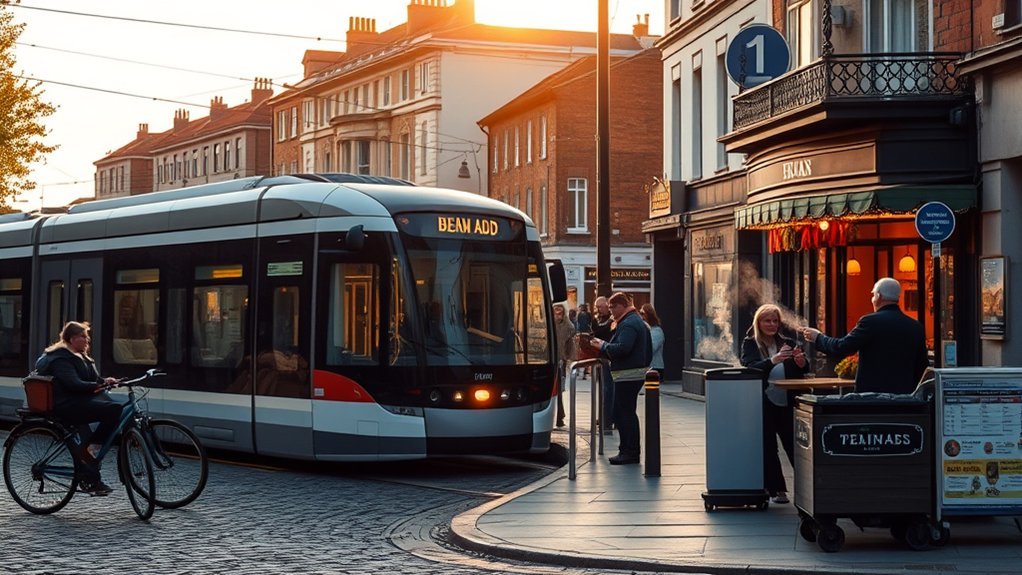
Derby is compact enough for many students to walk or cycle between accommodation, the city centre and university sites (such as Kedleston Road, One Friar Gate Square, and Markeaton Street). Where buses are needed, compare single fares with weekly, monthly and academic-year products based on how often you actually travel.
Current Arriva Derby ticket prices and the Midlands student Direct Debit scheme include:
- Student annual ticket by Direct Debit: £50 per month, totalling £600 per year.
- Student annual ticket: £600.
- 2026/27 student academic-year ticket: £590.
- Student autumn-term ticket: £230.
- Adult four-week ticket: £83.
The academic-year pass runs from 24 August 2026 to 23 July 2027 and requires valid student identification. Students under 19 who live in Derby or Derbyshire may also qualify for the b_line scheme, but it is not a general discount for university students of every age.
For leisure, set a separate allowance for cafés, pubs, cinema visits, sports, events and taxis. Combine paid activities with parks, walking routes, university events and free or low-cost local attractions.
Pro Tip: Work out the cost per journey before buying a long bus pass. Walking most days and paying for occasional trips can be cheaper than an unlimited ticket.
Additional Student Costs to Remember
A complete Derby student budget should include costs that are easy to miss during the first calculation:
- Course materials: printing, books, software, specialist clothing or equipment not covered by tuition fees.
- Placement travel: commuting to schools, hospitals, studios or workplaces.
- Phone and subscriptions: mobile service, cloud storage, streaming and app memberships.
- Travel home: rail, coach, fuel or flights during holidays.
- Summer housing: rent due beyond the teaching term or temporary accommodation between contracts.
- Moving costs: bedding, kitchen equipment, storage, delivery and transport.
- Emergency fund: unexpected travel, replacement technology, dental costs or delayed funding.
Check your course page before enrolling because optional trips, specialist equipment and placement travel may not be included in tuition fees.
What Extra Costs Should International Students Budget for in Derby?
International students should keep immigration expenses separate from their normal monthly budget. These costs may need to be paid before arriving in Derby.
The current Student visa application fee is £558 for an application made from outside or inside the UK. This is separate from the Immigration Health Surcharge and from the financial-evidence amount you may need to show.
Immigration Health Surcharge
The current Immigration Health Surcharge rate for students and their dependants is £776 per person per year. However, the exact amount depends on the visa length rather than the course length alone.
A visa lasting more than six months but less than one year is charged at the full yearly rate. Longer visas may include additional full- or half-year charges. Check the official GOV.UK surcharge calculator guidance before applying.
Student Visa Financial Requirement
For a Student visa course outside London, applicants who must meet the financial requirement currently need to show £1,171 per month for up to nine months, in addition to applicable course fees.
This is an immigration evidence requirement, not a promise that every student will spend exactly £1,171 each month. The money generally needs to be held for at least 28 consecutive days, with the end of that period falling within 31 days of the visa application. Some applicants are exempt from providing this evidence.
Warning: Do not use an informal online budget as evidence for a visa application. Follow the current GOV.UK Student visa financial rules and the instructions attached to your Confirmation of Acceptance for Studies.
Part-Time Student Work & Earnings Potential in Derby
Part-time work can offset some living costs, but visa limits depend on your course and immigration conditions. Under the current Student route, eligible students on full-time degree-level courses can normally work up to 20 hours per week during term time. Students on eligible full-time courses below degree level are normally limited to 10 hours, and some visa categories do not permit work. Check the work condition shown on your immigration status before accepting hours.
Part-time opportunities in Derby include campus, retail and hospitality roles. From 1 April 2026, the legal minimum hourly rate is £10.85 for workers aged 18–20 and £12.71 for workers aged 21 and over. At 12–15 paid hours per week, that is roughly £564–£705 gross per month for ages 18–20 and £660–£826 gross per month for ages 21+, using 4.33 weeks per month. Actual take-home pay depends on hours, age, pay rate and deductions.
Money-Saving Tips and Student Support

Budgeting and Planning
Build your budget around the dates on which money enters and leaves your account. Maintenance Loans are normally paid at the start of each term, while rent, food and transport continue throughout the month.
- Write down your full rent contract cost and payment dates.
- Add fixed costs such as phone service, bus passes and subscriptions.
- Set weekly limits for groceries and social spending.
- Divide annual costs, such as a TV Licence, into a monthly saving amount.
- Keep part of each funding payment for later months rather than treating it as immediately available spending money.
- Review the budget after the first month using your actual transactions.
Use the University of Derby cost-of-living guide for information on halls, work opportunities, equipment hire and financial support.
Student Discounts Available
Carry a valid student ID and compare discounts before buying. Savings may be available on buses, rail travel, software, cinema tickets, food, clothing and leisure activities.
Do not buy a paid discount membership until you have checked that the expected savings exceed the membership fee. Free student verification services and direct retailer discounts may provide the same benefit.
Campus Financial Services
The University of Derby provides Student Money Advisers who can help with budgeting, funding questions and changes in financial circumstances. The university also points students toward:
- Money and wellbeing advice.
- Scholarships, bursaries and eligible fee discounts.
- The Discretionary Support Fund for some unforeseen financial difficulties.
- Free laptop, software and multimedia-equipment hire for study needs.
- Part-time work opportunities through university and Students’ Union services.
Ask for help as soon as a funding gap appears. Rent arrears, missed utility payments and unplanned borrowing become harder to manage when advice is delayed.
Student Finance and Maintenance Loans
For the 2026/27 academic year, the standard maximum Maintenance Loan for eligible new full-time students from England who live away from their parents and study outside London is £10,830. The amount depends on household income and personal circumstances. Some students who are eligible for benefits can qualify for higher living-cost support, so use the official calculator for your circumstances.
Courses starting on or after 1 January 2027 may fall under the new Lifelong Learning Entitlement funding system, so students with a January 2027 start should use the current GOV.UK guidance for their exact course start date rather than assuming the September 2026 rules apply unchanged.
Use the official student-finance guidance and calculator before signing a housing contract. Compare your confirmed funding with the full contract cost rather than relying on the maximum advertised loan.
Frequently Asked Questions
How much does it cost to live in Derby as a student?
Use approximately £900–£1,300 per month as a practical planning range for many students, excluding tuition and immigration charges. Standard halls or shared housing, home cooking and limited paid transport can keep costs lower; private living and heavier discretionary spending can push the total above £1,300.
Is Derby an expensive city for students?
Derby is relatively affordable compared with many parts of the UK. ONS data for July 2026 shows an average Derby private rent of £857, below the East Midlands average of £918 and the UK average of £1,393. Your actual affordability still depends on accommodation, income and lifestyle.
What should a Derby student living-cost budget include?
Include rent, utilities, groceries, transport, phone service, course materials, personal spending, travel home and an emergency fund. Private renters may also need a tenancy deposit and moving costs. International students should list visa fees and the Immigration Health Surcharge separately.
How much does student life in England cost per month?
The 2025 National Student Money Survey reported average student spending of £1,142 per month. Actual costs vary widely by city, accommodation type, travel needs and lifestyle. London and other high-rent locations can cost considerably more.
Do full-time students pay Council Tax in Derby?
Full-time students living alone or only with other full-time students generally do not pay Council Tax, but they must notify Derby City Council. A mixed household containing one non-student adult may receive a 25% discount instead of a full exemption.
How much money must an international student show for Derby?
Applicants who must meet the Student visa financial requirement currently need to show £1,171 per month for up to nine months when studying outside London, plus applicable course fees. The evidence and holding-period rules must meet current GOV.UK requirements.
How much is University of Derby accommodation in 2026/27?
The University of Derby’s standard 2026/27 room-price list runs from £119.42 per week for a standard single room at Princess Alice Court to £207.76 per week for a large studio at Darley Bank. Contract lengths vary, so compare the full contract cost rather than multiplying the weekly rate by four.
Can international students work part-time in Derby?
Many Student visa holders on full-time degree-level courses can work up to 20 hours per week during term time. Eligible below-degree courses are normally limited to 10 hours, and some visa categories do not allow work. Always follow the work condition on your immigration status.
Conclusion
For 2026/27, £900–£1,300 per month is a practical planning range for many Derby students, excluding tuition and immigration charges, but it is not a hard ceiling. Accommodation creates the largest difference: standard halls and shared homes can keep costs down, while studios, private flats and higher discretionary spending can push the total above £1,300.
Compare the full housing contract rather than the weekly headline price, confirm which bills are included and apply for any Council Tax exemption promptly. A written weekly budget for food, transport and leisure will make termly funding last longer. Keep an emergency reserve and use university money advice early if your confirmed income does not cover the full academic year.
Sources
- Office for National Statistics: Housing prices in Derby — July 2026 private-rent averages for Derby.
- University of Derby: 2026/27 halls prices — official room rates, annual costs and contract lengths.
- University of Derby: Cost of living — inclusive halls, student support, equipment hire and work opportunities.
- Derby City Council: Student Council Tax discounts — exemption and mixed-household eligibility.
- Arriva UK Bus: Derby fares and student tickets — current single, annual and academic-year ticket prices.
- GOV.UK: Immigration Health Surcharge — current student rate and visa-length calculation rules.
- GOV.UK: Student visa — current £558 application fee and visa overview.
- GOV.UK: Student visa financial requirement — current outside-London maintenance requirement.
- GOV.UK: Student finance for new full-time students — 2026/27 Maintenance Loan maximums.
- GOV.UK: National Minimum Wage rates — rates from 1 April 2026 used in the part-time earnings examples.
- Save the Student: National Student Money Survey 2025 — UK-wide monthly student spending benchmark.
- Save the Student: National Student Accommodation Survey 2026 — student rent and energy-bill survey data.
- UniHomes: Derby student accommodation — 2026/27 commercial listing average used as a student-market comparison point.
- Arriva UK Bus: Midlands student Direct Debit tickets — £50 monthly Derby student Direct Debit and £600 annual total.
- GOV.UK: Immigration Rules Appendix Student — work conditions and financial-evidence rules for Student permission.
- TV Licensing: Students — when students need a TV Licence and how shared accommodation is treated.