
Slovakia remains less expensive than many Western European countries, but a realistic budget depends heavily on where you live and whether you rent alone, share a home, or use student housing. This guide was updated in July 2026 using the latest available wage, rental, property, transportation, education, healthcare, and residence information. All amounts are in euros.
Quick Answer
A single adult should plan about €1,000–€1,450 a month outside Bratislava or €1,300–€1,800 in Bratislava when renting alone. A student in a dorm or shared home may manage on €550–€900. Couples often need €1,900–€2,800, while families generally need €2,700–€4,200 before private-school fees.
Key Takeaways
- Housing creates the largest difference: Bratislava’s average advertised apartment rent was €969 in Q4 2025, compared with €749 across the Slovak cities tracked by Deloitte.
- Do not compare expenses with gross pay: Slovakia’s official average gross monthly wage was €1,620 in 2025, but take-home pay is lower and varies by household and tax circumstances.
- Students can spend much less: university dorm beds may start around €60–€140 per month, although availability and room quality vary.
- Public transportation is affordable: Bratislava fares include €1.20 for 30 minutes and €1.80 for 60 minutes.
- Keep a setup fund: deposits, first-month rent, temporary lodging, household items, residence fees, and moving costs can require several thousand euros before normal monthly spending begins.
Overview of Slovakia’s Cost of Living
There is no official government figure for the amount every person needs to live comfortably in Slovakia. Rent, household size, city, transportation, eating habits, and childcare can change the total by hundreds or even thousands of euros.
Slovakia’s overall consumer-price level remains below the European Union average, but that does not mean every product is cheap. Housing and local services may offer clear savings compared with cities such as Vienna, Munich, or Paris, while food, electronics, imported goods, and fuel may feel less heavily discounted.
The following ranges are practical planning estimates based on current rental data, official student-cost guidance, public-transport fares, and normal household categories. They are not government-set minimums.
| Household or Lifestyle | Estimated Monthly Budget | Main Assumption |
|---|---|---|
| Student | €550–€900 | Dormitory or shared housing, student discounts, limited dining out |
| Single adult outside Bratislava | €1,000–€1,450 | Modest private rental or lower-cost location |
| Single adult in Bratislava | €1,300–€1,800 | Small private apartment and moderate discretionary spending |
| Couple | €1,900–€2,800 | Shared one- or two-bedroom home |
| Family of four | €2,700–€4,200+ | Private rental, normal family spending, no international-school tuition |
Note: Rental reports, student guidance, and consumer-price websites measure different things. Always check whether a quoted rent includes utilities, furniture, parking, internet, or building-management fees before comparing it with another listing.

This hardcover cookbook offers fast, approachable recipes designed for busy days and low-energy nights. Caroline Chambers focuses on simple, flavorful meals that help you get dinner on the table without overthinking it. It's a practical pick for home cooks who want quick weeknight inspiration and minimal-fuss cooking.

The Eastpak Tranverz S is a compact wheeled suitcase designed to keep short trips and weekend travel organized with two main compartments and a convenient front pocket. Its dual-wheel system and telescopic handle make rolling smooth and stable, while the TSA-approved lock and compression straps help keep your belongings secure and in place. Built from a durable, water-resistant fabric blend, it offers dependable protection for travel on the go.

Come Eat offers 100 approachable recipes designed to make everyday cooking more enjoyable, nourishing, and sustainable. With a focus on flavorful meals and practical preparation, this hardcover cookbook is ideal for home cooks looking for inspiration for salads, sides, and main dishes. Author Melissa Ben-Ishay shares recipes that encourage consistent, feel-good eating without sacrificing taste.
Housing: Rent, Utilities, and Where to Live
Housing is usually the largest part of the cost of living in Slovakia. Bratislava is the country’s most expensive rental market, while Trenčín and several smaller regional cities are generally more affordable.
According to the Deloitte Rent Index for Q4 2025, average advertised apartment rent across the Slovak cities it monitored was €749 per month. Bratislava averaged €969, while Trenčín had the lowest tracked city average at €551.
Bratislava’s average advertised apartment rent was about €418 per month higher than Trenčín’s in Q4 2025.
Rent by City and Area
The figures below cover advertised apartments of different sizes. They should not be treated as one-bedroom averages or guaranteed lease prices.
| Market | Average Monthly Advertised Rent | Context |
|---|---|---|
| Tracked Slovak cities | €749 | Average across monitored cities and apartment types |
| Bratislava | €969 | Highest city average in the Q4 2025 index |
| Trenčín | €551 | Lowest city average in the index |
| Bratislava Old Town | €1,297 | Most expensive Bratislava district average |
| Podunajské Biskupice | €671 | Lowest Bratislava district average in the report |
Košice is usually cheaper than Bratislava but can still command high rents in central or recently renovated buildings. Cities such as Nitra, Žilina, Banská Bystrica, Prešov, and Trenčín may offer better value, especially when a resident does not need to commute regularly to the capital.
Utility Costs and Seasonal Bills
Slovakia’s official international-student guide lists an approximate utility average of €170 per month. Actual bills depend on apartment size, heating type, insulation, occupancy, and whether the landlord includes energy in the advertised rent.
A single person in a compact apartment can often plan around €100–€180 for electricity, heating, water, and building-related charges. A couple or family in a larger home may need €180–€300 or more. Winter heating can push bills above the normal monthly average.
Home internet commonly adds another €15–€30, while mobile service varies with data allowance, device financing, and contract length.
Pro Tip: Ask the landlord for the previous 12 months of utility statements. A low advertised rent can become expensive when heating, building fees, parking, and internet are billed separately.
Deposits and Move-In Costs
A private rental may require the first month’s rent, a refundable security deposit, and sometimes an agency commission. Exact terms are negotiable and must be stated in the lease.
- First month’s rent: normally payable before or when the keys are handed over.
- Security deposit: commonly used to cover damage or unpaid bills.
- Agency fee: may apply when a real-estate agent arranges the lease.
- Utility advance: some landlords collect a monthly estimate and reconcile the balance later.
- Household setup: bedding, cookware, cleaning supplies, small furniture, and internet installation can add several hundred euros.
Photograph the property at move-in, list existing damage, record meter readings, and keep the signed inventory with the lease.
Finding Affordable Neighborhoods
Central Bratislava offers short commutes and strong public transportation, but outer districts and nearby towns can reduce rent. Before choosing a cheaper location, calculate the full cost of commuting, including ticket zones, time, parking, and any need for a car.
Students should check university dormitories early. Slovakia’s official study portal says dormitory beds may range from about €60 to €140 per month, depending on the university, city, room type, and availability.
Food and Grocery Prices
A single adult who cooks most meals can plan roughly €250–€400 per month for groceries. A family of four may spend about €650–€950, depending on children’s ages, dietary needs, brands, imported products, and the amount of food wasted.
The official Study in Slovakia living-cost guide lists restaurant meals from about €7, pizza from €8, milk around €1 per liter, eggs from €3 per dozen, rice around €2 per kilogram, and chicken fillets around €7.50 per kilogram. These are approximate guidance figures rather than guaranteed current prices at every store.
| Food Category | Practical Budget |
|---|---|
| Single adult, mostly home cooking | €250–€400 per month |
| Couple, mostly home cooking | €450–€700 per month |
| Family of four | €650–€950 per month |
| Casual restaurant meal | About €7–€12+ |
| Dinner for two | About €30–€60+, depending on venue and drinks |
Discount supermarkets, loyalty apps, weekly promotions, seasonal produce, and store-brand pantry items can reduce the grocery total. Imported specialty foods, convenience meals, premium meat, alcohol, and frequent delivery orders increase it quickly.
Pro Tip: Build your first grocery budget from actual receipts for four weeks. Online national averages rarely match a household’s dietary needs, preferred brands, and local supermarket choices.
Transportation: Public Transit, Taxis, and Fuel
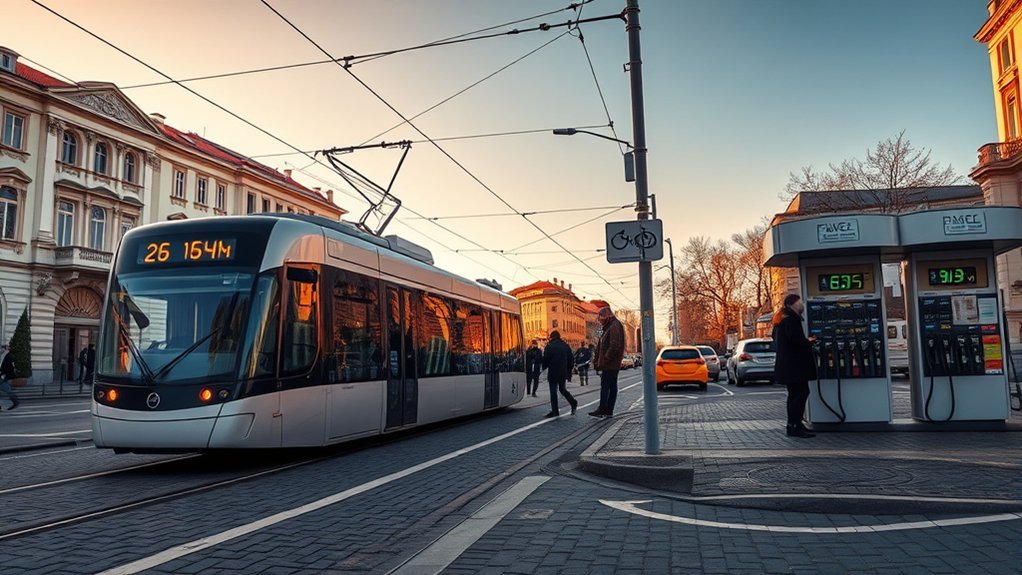
Public transportation is often the cheapest way to travel in Slovak cities. Bratislava’s integrated network includes trams, trolleybuses, buses, selected trains, and regional services under a zone-based system.
Public Transport Fares
Current IDS BK Bratislava fare examples include:
| Ticket | Standard Fare |
|---|---|
| 30 minutes | €1.20 |
| 60 minutes | €1.80 |
| 24 hours | €5.40 |
| 72 hours | €10.70 |
Subscription-pass prices depend on zones, validity period, and eligibility for a discount. Daily commuters should compare a pass with the cost of buying individual tickets rather than relying on an old national monthly-pass estimate.
Taxi and Ride-Hailing Costs
Taxi and app-based fares depend on the city, pickup charge, distance, waiting time, traffic, time of day, and demand. A quoted per-kilometer rate does not show the full cost of a trip.
Check the total app estimate before booking. For routine commuting, public transportation is usually cheaper. Taxis are more useful for late-night travel, airport trips, heavy luggage, or journeys poorly served by public routes.
Fuel and Car Costs
Fuel prices can change every week. In the 29th week of 2026, Slovakia’s Statistical Office reported that regular petrol had moved above €1.70 per liter and diesel was approaching €1.70 per liter. Check the European Commission Weekly Oil Bulletin or current station prices before calculating a driving budget.
A 45-liter fill at €1.70 per liter costs about €76.50. Car owners must also budget for insurance, registration, servicing, tires, repairs, parking, tolls or motorway vignettes, and depreciation.
A household that already owns a reliable car may find driving practical outside major cities. Buying a car solely for an urban commute can be much more expensive than using public transportation.
Healthcare, Insurance, and Personal Care

Healthcare costs depend more on insurance status than on a single national doctor-visit price. Employees, students, pensioners, EU residents, and third-country residents can fall under different rules.
- Employees: people working in Slovakia are generally covered under the applicable Slovak social-security and health-insurance system.
- EU students on a temporary stay: a valid European Health Insurance Card may cover medically necessary treatment through participating public-system providers.
- Residents using an S1 form: eligible EU residents may register an S1 document with the local system.
- Private care: private clinics may charge their own fees, and EHIC does not normally cover ordinary private treatment.
- Third-country nationals: proof of suitable health coverage may be required for a visa or residence process, depending on the category.
Warning: Do not assume an EHIC covers planned treatment, ordinary private care, repatriation, or every patient charge. Confirm your status with the relevant insurer or authority before moving.
Routine personal-care spending can include toiletries, haircuts, over-the-counter products, dental care, glasses, and prescriptions. A single adult may reserve approximately €30–€100 per month, while a household with regular private appointments or ongoing treatment may need substantially more.
Medicine prices should not be estimated from one example. The amount paid depends on the prescribed product, reimbursement rules, package size, pharmacy, and insurance coverage.
Education and Child-Related Costs

Slovakia’s compulsory school attendance normally begins at age six, lasts ten years, and continues until the end of the school year in which the pupil turns 16. Pre-primary education is also compulsory for children who meet the applicable age rule before starting primary school.
Public primary and secondary education does not normally charge tuition, but families may still pay for meals, supplies, class trips, clubs, transportation, devices, and optional activities.
University Tuition
The official Study in Slovakia tuition guide states that:
- Foreign-language programs may charge from €0 to €13,000 per academic year.
- Each university or faculty sets its own foreign-language tuition.
- Full-time students studying in Slovak generally do not pay tuition when they remain within the standard program length.
- Admission, administration, extended-study, and other institutional fees may still apply.
Private and international schools set their own prices. Families should request a complete fee schedule covering enrollment, tuition, meals, transportation, uniforms, books, devices, after-school care, and refundable deposits.
Childcare and Activities
Public preschool charges and availability vary by municipality. Private nurseries and kindergartens can cost much more, especially in Bratislava and when full-day meals or bilingual instruction are included.
Sports, music, tutoring, camps, and clubs may add €20–€150 or more per child each month. A family using private childcare or an international school can spend far above the general family budget shown in this guide.
Entertainment, Sports, and Leisure
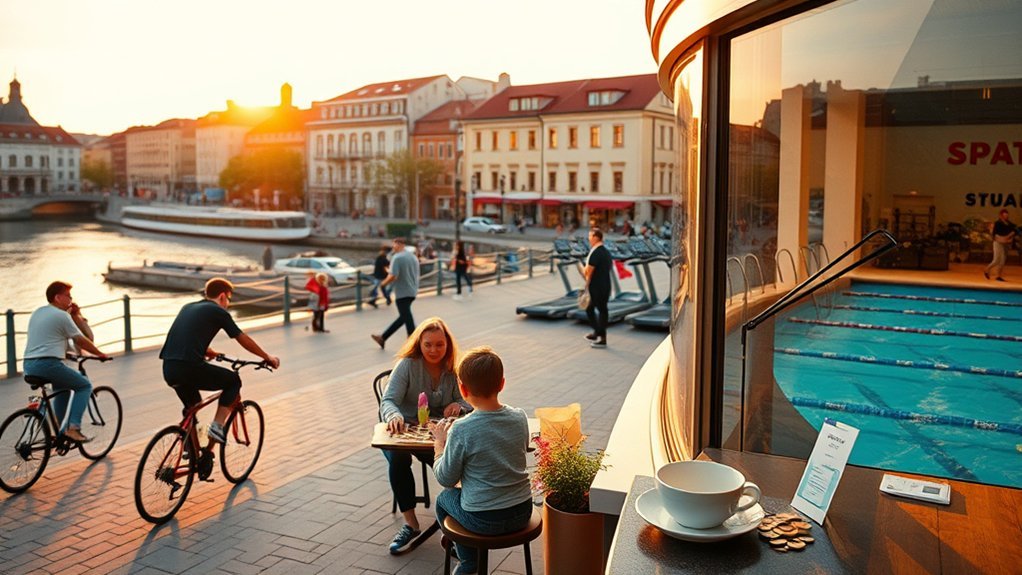
Leisure can remain affordable when you use student discounts, public outdoor spaces, community facilities, and occasional rather than frequent premium events.
Slovakia’s official international-student guidance lists approximate prices such as:
- Movie ticket from about €6 with an eligible student discount
- Museum admission from about €2 with a student discount
- Theater ticket around €10–€45
- Opera or ballet around €15–€40
- Fitness-center visit from about €5 with a student discount
- Swimming-pool visit from about €4 with a student discount
- Bicycle rental from about €11 per day
Regular gym memberships, concerts, nightlife, skiing, equipment rental, and weekend travel can raise monthly leisure spending. A modest adult entertainment budget may be €60–€150 per month, while an active social or travel-focused lifestyle may require €200–€400 or more.

This Command Variety Pack provides a versatile, damage-free way to organize and decorate homes, dorms, apartments, and offices without tools. It includes a mix of picture hanging strips and hooks designed for smooth surfaces, helping you hang decor, accessories, and everyday essentials with a clean white finish that blends into light-colored spaces. With reusable hardware and replacement strip compatibility, it offers convenient, tidy storage and display solutions.

Stay organized with a durable 1-subject notebook set designed for school, note-taking, and digital study support. The college ruled pages resist ink bleed, tear out cleanly, and work with the Five Star Study App to create flashcards and sync notes to Google Drive. Tough pockets, a water-resistant cover, and Spiral Lock wire help protect your work throughout the year.

This kid-friendly cookbook helps young chefs build confidence in the kitchen with more than 100 recipes designed for fun, learning, and delicious results. Created by America's Test Kitchen Kids, it offers approachable instructions, helpful guidance, and a wide range of dishes that make cooking and eating an engaging family activity.
Monthly Budget Examples
The examples below are planning ranges, not official minimums. Your rent, insurance, debt, childcare, car use, and travel habits may move the total outside these ranges.
Student Budget
| Dorm or shared housing | €60–€350 |
|---|---|
| Food | €220–€350 |
| Transportation | €20–€50 |
| Phone, study, personal care, and leisure | €150–€250 |
| Estimated total | €550–€900 |
Single Adult Outside Bratislava
| Rent | €500–€750 |
|---|---|
| Utilities and internet | €120–€220 |
| Food | €250–€400 |
| Transportation | €20–€100 |
| Phone, health, personal care, and leisure | €110–€250 |
| Estimated total | €1,000–€1,450 |
Single Adult in Bratislava
| Rent | €700–€1,000 |
|---|---|
| Utilities and internet | €130–€230 |
| Food | €280–€420 |
| Transportation | €30–€80 |
| Phone, health, personal care, and leisure | €160–€300 |
| Estimated total | €1,300–€1,800 |
Couple and Family Budgets
| Household | Estimated Monthly Total | Important Exclusions |
|---|---|---|
| Couple | €1,900–€2,800 | Major debt, frequent travel, and unusually high medical costs |
| Family of four | €2,700–€4,200+ | Private nursery, international school, and large car payments |
Families living in central Bratislava, using two cars, paying private childcare, or enrolling children in international education may spend well above €4,200 per month.
Salaries, Taxes, and Required Income
The Statistical Office of the Slovak Republic reported an average gross monthly wage of €1,620 for 2025. The average reached €1,739 in the fourth quarter.
Regional differences were substantial. Bratislava Region averaged €2,068 in Q4 2025, while Prešov Region averaged €1,411. Industry, experience, education, shift work, bonuses, and employer location can create even larger differences.
Warning: Gross salary is not take-home pay. Employee insurance contributions, income tax, allowances, dependents, bonuses, and other payroll factors affect the final amount deposited into your account.
Use the Slovak Financial Administration for current tax guidance. A payroll calculator can provide an estimate, but an employer, accountant, or tax professional should confirm complicated cross-border or self-employment cases.
As a practical affordability test:
- A person taking home less than €1,100 may need a room, dorm, shared apartment, or low-cost regional location.
- Take-home income around €1,300–€1,600 can support a modest regional apartment or shared Bratislava housing.
- Living alone in Bratislava becomes more manageable when take-home pay is around €1,700–€2,000 or more.
- Households should leave room for savings rather than matching every euro of income to recurring expenses.
Moving to Slovakia: Residence and Setup Costs
Entry and residence requirements depend on nationality, purpose, and length of stay. EU, EEA, and Swiss citizens follow EU free-movement and registration rules. Third-country nationals may need a visa or purpose-specific residence authorization for employment, business, study, family reunification, or another approved activity.
Current examples from the IOM Migration Information Centre include:
| Temporary Residence Purpose | Example Administrative Fee |
|---|---|
| Employment | €250 |
| Business | €330, or €350 in the stated embassy case |
| Family reunification | €200 |
| Special activities | €140 |
| Seasonal employment | €50 |
| EU Blue Card | €250 |
| Residence card delivery | €10 within 30 days or €39 within two business days |
Exemptions, reduced electronic-submission fees, embassy fees, document legalization, translation, insurance, and appointment rules may change the final amount.
For residence categories that require proof of financial resources, the applicable subsistence reference should be checked immediately before applying. From July 1, 2026, the referenced monthly subsistence amount was €295.22, or €3,542.64 for 12 months.
Recommended Relocation Cash Buffer
One adult renting privately should consider arriving with approximately €3,500–€7,000 beyond confirmed employment income. A student with a secured dorm room may need less, while a family, international shipment, or premium Bratislava rental can require much more.
| First month’s rent | €550–€1,200+ |
|---|---|
| Deposit | €550–€1,200+ |
| Agency or arrangement costs | €0–€1,200+ |
| Residence, documents, translations, and insurance | €100–€800+ |
| Temporary lodging and travel | €300–€2,000+ |
| Household setup and emergency reserve | €1,000–€2,500+ |
Practical Moving Checklist
- Confirm the correct visa or residence category before paying nonrefundable moving costs.
- Check passport validity and document-age limits.
- Arrange certified translations, apostilles, or legalization where required.
- Confirm health-insurance coverage from the first day of residence.
- Request a written lease that is acceptable for any residence application.
- Verify whether rent includes energy, building charges, internet, and parking.
- Keep enough accessible money for delays in payroll, residence processing, or deposit refunds.
Ways to Reduce the Cost of Living
- Share housing first: a room or shared apartment can save more than small cuts to food and entertainment.
- Compare total housing costs: include utilities, internet, commuting, parking, and furnishings.
- Use public transportation: calculate the correct zone pass before deciding to own a car.
- Cook most weekday meals: keep restaurant spending as a separate budget category.
- Use student and youth discounts: eligible residents may save on transportation, culture, sports, and meals.
- Avoid relying on overtime: build a budget that works with normal take-home pay.
- Keep an emergency fund: aim to preserve at least three months of essential expenses after setup costs.
Frequently Asked Questions
How much money do you need to live in Slovakia?
A single adult can plan around €1,000–€1,450 per month outside Bratislava or €1,300–€1,800 in Bratislava when renting alone. Sharing a home can reduce the total substantially. Couples may need €1,900–€2,800, while a family of four commonly needs €2,700–€4,200 before private education.
Is Slovakia cheap or expensive?
Slovakia is generally cheaper than many Western European countries and remains below the EU average for overall household-consumption prices. Bratislava is noticeably more expensive than smaller Slovak cities, especially for rent.
How much does it cost to live alone in Bratislava?
A realistic planning range is about €1,300–€1,800 per month for a modest private apartment, utilities, groceries, transportation, phone service, personal care, and limited leisure. Central or premium housing can push the total above €2,000.
Can a student live cheaply in Slovakia?
Yes. A student with a dormitory bed, student transportation discounts, and mostly home-cooked or canteen meals may spend about €550–€900 per month. A private apartment in Bratislava can increase the budget sharply.
What is the average rent in Slovakia?
Deloitte’s Q4 2025 Rent Index reported an average advertised apartment rent of €749 across the Slovak cities it tracked. Bratislava averaged €969 and Trenčín €551. These figures combine different apartment sizes and may not include utilities.
What is the average house price in Slovakia?
There is no single useful total house price because size and region differ. The National Bank of Slovakia reported an average residential property offer price of €2,906 per square meter in Q4 2025. Apartments averaged €3,262 per square meter, while individual houses and regions varied.
Can you live on the average Slovak salary?
It depends on take-home pay and housing. The official 2025 average was €1,620 gross per month, not net. A person renting alone in Bratislava may feel financially constrained, while shared housing or a lower-cost regional city can make the same income easier to manage.
Is healthcare free in Slovakia?
Healthcare is not universally free in every setting. Coverage depends on insurance status and provider. Insured residents may receive covered public-system services, but patient charges, prescriptions, dental care, and private clinics can create out-of-pocket costs. EHIC does not normally cover ordinary private treatment.
Conclusion
Slovakia can offer a comparatively affordable Central European lifestyle, especially for residents who live outside central Bratislava, share housing, use public transportation, and cook regularly. A student may manage on €550–€900 per month, while a single private renter should normally plan around €1,000–€1,800 depending on the city.
Rent is the most important variable. Compare the full housing cost, not only the advertised monthly amount, and keep enough savings for a deposit, first-month rent, setup expenses, residence paperwork, and unexpected bills. Salary comparisons should always use estimated take-home pay rather than the published gross average.
Sources
- Statistical Office of the Slovak Republic — official 2025 wage and regional salary data.
- Deloitte Slovakia Rent Index Q4 2025 — national, city, and Bratislava district rental benchmarks.
- National Bank of Slovakia — Q4 2025 residential property and apartment offer prices.
- Study in Slovakia: Living Costs — official student accommodation, food, transportation, and leisure guidance.
- IDS BK Bratislava Fares — current Bratislava public-transport ticket examples.
- IOM Migration Information Centre — current Slovak residence application and card fees.

This heartfelt memoir blends laugh-out-loud honesty with tender reflections on love, loneliness, and the unexpected healing power of rescue dogs. Isabel Klee shares her journey fostering pups in the city while navigating dating and self-discovery, offering an intimate, relatable story for readers who enjoy emotional, character-driven narratives. It is a warm, engaging read about opening your heart and finding connection in surprising places.

This combo kit helps women trying to conceive track fertile days and check for pregnancy with convenient at-home testing. The ovulation strips help monitor LH surge progression and are easy to read, while the pregnancy strips provide quick results with simple line interpretation. Designed for ease of use and dependable family planning support, it offers a practical way to stay on top of your fertility journey.

This versatile cookware set equips home cooks with essential pots, pans, and a steamer insert for everyday meals and larger gatherings. The aluminum-encapsulated base promotes quick, even heating, while Cool Grip handles and tight-fitting glass lids support comfortable, controlled cooking. Designed for stovetop, oven, broiler, and dishwasher use, it offers reliable performance across a wide range of recipes.
