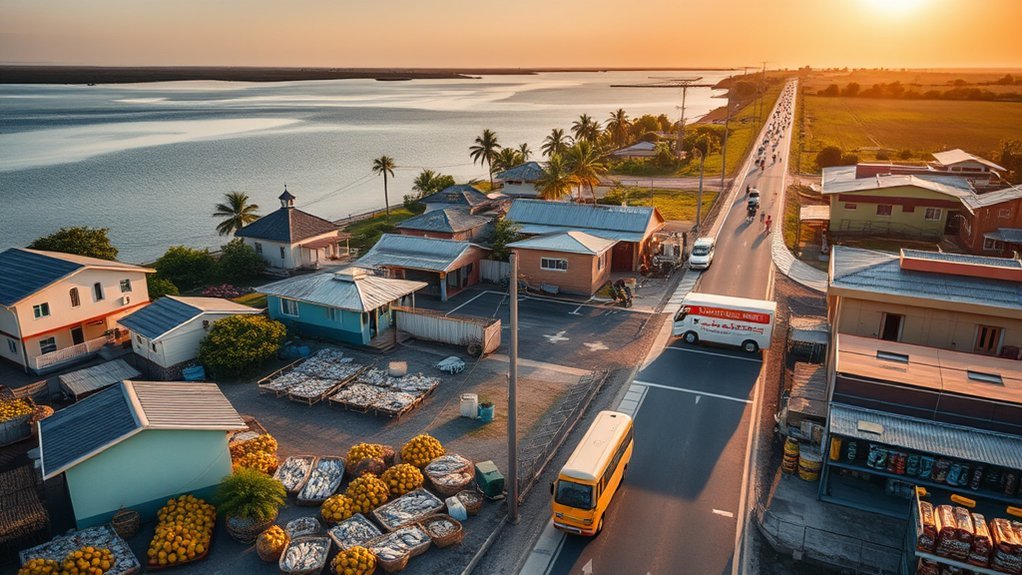
The cost of living in Nauru in 2026 is about A$1,130 (~$790) a month for a single person living simply, including rent, and about A$1,620 (~$1,130) for a more comfortable single budget that includes health and evacuation insurance. A couple should plan on roughly A$2,270 (~$1,580), and a family of four about A$2,840–3,340 (~$1,980–$2,330). These figures use the Reserve Bank of Australia rate of A$1 = US$0.697 (about A$1.43 per US dollar) on October 6, 2026. Nauru is the world’s smallest republic, with about 12,000 people on 21 square kilometers, and almost everything is imported. Public price data is thin, so treat every figure here as a planning range and confirm rent, insurance, and flights with real quotes.
Byline: Theo Ramirez
Quick Answer
- Single person: about A$1,130 (~$790) a month on a lean budget; about A$1,620 (~$1,130) with insurance and more eating out.
- Couple: about A$2,270 (~$1,580) a month.
- Family of four: about A$2,840–3,340 (~$1,980–$2,330), with free government schooling.
- Rent, one-bedroom: about A$385–550 (~$268–$385) in crowd-sourced data, but very few units are on the market.
- Utilities and internet: about A$100 (~$70) a month for one person.
- Currency: Australian dollar. Carry cash, since cards are often not accepted.
- Biggest risks: limited flights, imported-goods prices, and medical evacuation to Australia for serious cases.
Currency, Exchange Rate, and Prices in 2026
Nauru has no currency of its own. It uses the Australian dollar (AUD), so local prices, wages, and bills are all quoted in A$. The Reserve Bank of Australia set the rate at US$0.697 per Australian dollar on October 6, 2026. That works out to about A$1.43 per US dollar. The United Nations operational rate for October 2026, which also applies to Nauru, is A$1.432 per dollar.
Many international cost databases publish Nauru prices in US dollars. In this guide, those figures are converted to A$ at the October 2026 rate, with the US dollar amount in brackets.
Inflation in Nauru follows import prices. Food, fuel, building materials, and most consumer goods arrive by ship or air from Australia, Fiji, and Asia. The Asian Development Bank’s April 2026 outlook expects Pacific inflation to rise in 2026 on higher energy prices, which feeds directly into fuel, power, and freight costs on the island.
Most published Nauru price data comes from a small number of crowd-sourced reports. Use it to compare, not as a quote.
Housing and Rent
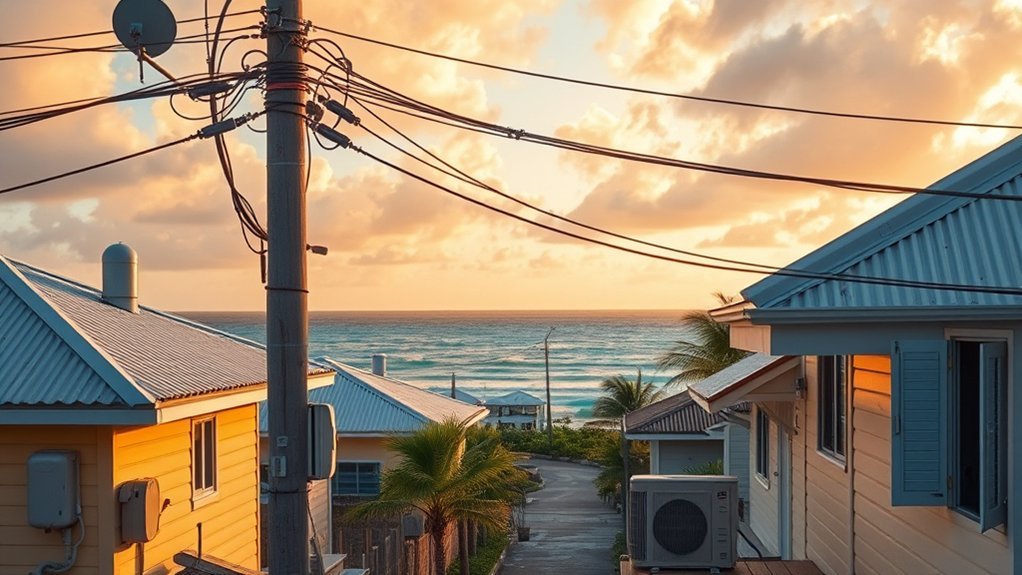
Nauru has no cities in the usual sense. The island is divided into 14 districts along one coastal ring road, and government offices sit in Yaren district. Because of this, rent does not vary city by city. It varies by the kind of housing you can get.
Crowd-sourced averages (updated June 2026) give these monthly rents:
| Home Type | Monthly Rent (A$) | Approx. USD |
|---|---|---|
| 1-bedroom, central | 552 | $385 |
| 1-bedroom, cheaper area | 385 | $268 |
| 3-bedroom, central | 1,006 | $701 |
| 3-bedroom, cheaper area | 736 | $513 |
A second crowd-sourced database lists a central one-bedroom at more than US$2,800 a month and warns that its Nauru data is incomplete. The gap shows how few listings exist. In practice:
- Most land is owned by Nauruan families. Foreigners generally rent through a landowner, an employer, or the government rather than buy.
- Employer housing is common. Many expatriate roles in government, aid projects, health, and education come with housing. Ask about it before you accept a job.
- Hotels are limited. There are only a handful of hotels and guesthouses, so book before you arrive. The U.S. Department of State notes that entry can require proof of a hotel booking.
- Check what the rent includes. Ask whether electricity, water, furniture, and repairs are covered, and how long repairs take when parts must be imported.
Utilities, Internet, and Phone
Electricity on Nauru comes mostly from diesel generators, with a growing share of solar. Fresh water is limited and relies on desalination and rainwater tanks. Both depend on imported fuel, so supply interruptions can happen.
| Item | Monthly Cost (A$) | Approx. USD |
|---|---|---|
| Utilities, one person | 71 | $49 |
| Utilities, family | 110 | $77 |
| Internet, 50 Mbps or faster | 29 | $20 |
| Utilities + internet, one person | 100 | $70 |
Mobile service is provided by Digicel. Prepaid mobile plans are the norm. Check data allowances carefully, since heavy video use can cost more than the base internet figure above.
Running air conditioning all day is the main way bills climb. Nauru sits just south of the equator, and it is hot and humid year-round.
Food: Groceries and Dining Out
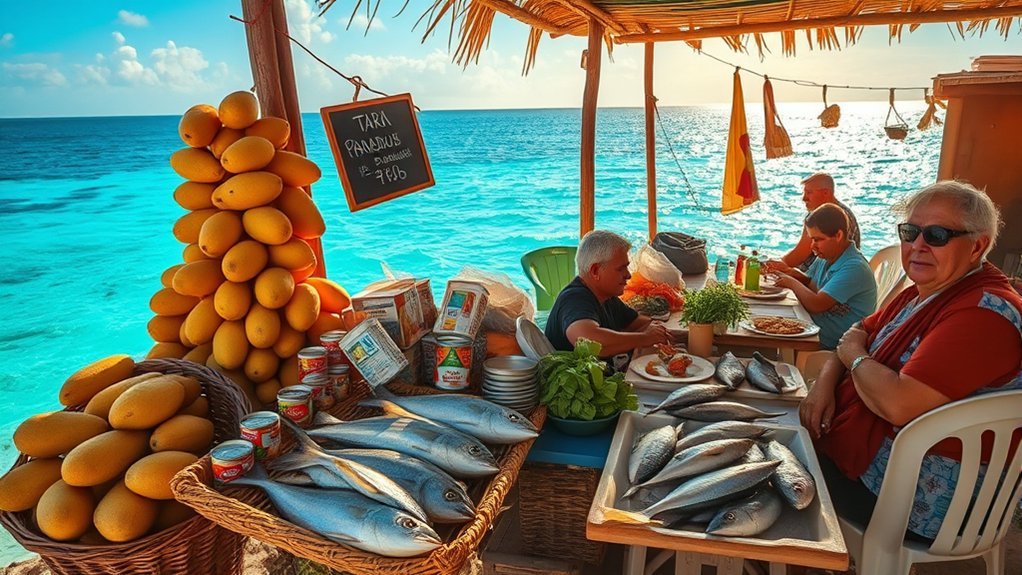
Food is the second-largest cost after housing. Crowd-sourced data puts food spending at about A$446 (~$311) a month for one person and about A$1,172 (~$817) for a family of four. Very little food is grown on the island, so most groceries are imported.
| Item | Typical Cost (A$) | Approx. USD |
|---|---|---|
| Milk (1 liter) | 2.24 | $1.56 |
| Bread (500 g) | 2.02 | $1.41 |
| Rice (1 kg) | 2.02 | $1.41 |
| Eggs (12) | 3.13 | $2.18 |
| Chicken breast (1 kg) | 8.06 | $5.62 |
| Beef, round steak (1 kg) | 16.21 | $11.30 |
| Cheese (1 kg) | 15.21 | $10.60 |
| Bananas (1 kg) | 2.53 | $1.76 |
| Tomatoes (1 kg) | 2.71 | $1.89 |
| Bottled water (1 liter) | 0.79 | $0.55 |
These averages are low for a remote island and come from few reports. Fresh fruit, vegetables, dairy, and branded imports often cost more than the table suggests, especially when a supply ship is late and shelves run short.
Eating out is limited to a small number of restaurants, cafes, and takeaway shops. Typical prices:
- Lunch at an inexpensive restaurant: about A$10.70 (~$7.46)
- Dinner for two at a restaurant: about A$45.80 (~$31.90)
- Fast-food style meal: about A$10.10 (~$7.02)
- Cappuccino: about A$4.20 (~$2.92)
- Beer at a bar (0.5 liter): about A$3.35 (~$2.33)
Fish caught locally is often the best-value protein. Imported cheese, wine, and packaged snacks are where grocery bills grow fastest.
Transportation and Getting Around
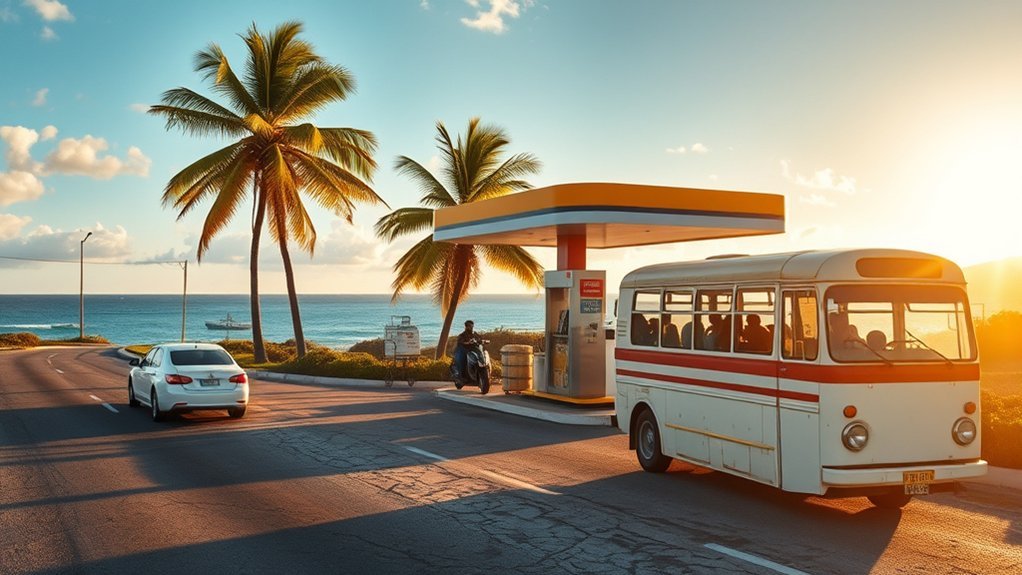
The main road loops around the whole island in about 19 kilometers, so local travel costs stay low. Most residents use cars, motorbikes, or scooters. Public transport is minimal.
| Item | Typical Cost (A$) | Approx. USD |
|---|---|---|
| Local transport ticket | 0.95 | $0.66 |
| Monthly transport pass | 34.70 | $24.20 |
| Taxi, 8 km | 15.10 | $10.50 |
| Gasoline (1 liter) | 1.64 | $1.14 |
| Transport spending, one person per month | 45 | $31 |
Owning a vehicle costs more than fuel alone. Cars, spare parts, and tires are imported, and repairs can wait weeks for parts. The U.S. Department of State says roads off the main ring road are mostly unpaved, traffic drives on the left, and night driving is risky because of animals and pedestrians.
International travel is the big transport cost. Nauru Airlines is the main carrier, linking the island with Brisbane, Nadi, Tarawa, Majuro, and other Pacific stops. The State Department says there are only a small number of commercial flights each week. Keep a separate budget for flights home and for changes when a flight is cancelled.
Healthcare and Insurance
Nauru has one main public hospital, the Republic of Nauru Hospital, and few other health facilities. Routine care is available, but specialist services are limited.
- Serious cases go abroad. The U.S. Department of State says people with serious illness or injury usually need medical evacuation to Australia. It strongly recommends insurance that covers evacuation.
- Pay in cash. Doctors and hospitals often expect immediate payment.
- Local referral program. Nauru Medical Centre runs an Overseas Medical Referral program for approved Nauruan patients who need care it cannot provide. Foreign residents should not count on it.
- Bring medicines. Pack enough prescription medicine for your stay, plus copies of prescriptions, since stock can run out.
International health insurance with evacuation cover is the largest health cost for foreigners. Premiums vary widely by age, deductible, and provider, so get quotes before you move. The budgets below include an allowance of about A$150 a month per adult.
Schools and Family Costs
Section 73 of the Nauru Education Act 2011 says education for school-age children in government schools is free, and schools may not charge fees for it. Families still pay for uniforms, supplies, and transport.
There is no large international school sector on the island. Families who want an Australian or other foreign curriculum often use distance education or boarding schools abroad, which can cost far more than living on Nauru itself. Confirm enrollment rules and available places directly with the school before you move.
Salaries and Taxes
Crowd-sourced data puts the average after-tax salary at about A$1,100 (~$766) a month. That is below the comfortable single budget in this guide, which is why many local households share housing and rely on family land and fishing.
- Main employers: the government and state-owned companies, the regional processing center funded by Australia, phosphate mining, and aid-funded projects.
- Income tax: Nauru introduced an Employment and Services Tax in October 2014, its first income tax. It is withheld from wages. Confirm the current rates with your employer or the Nauru Revenue Office, since public sources give conflicting figures.
- Sales tax: Nauru does not have a broad GST like Australia’s. Prices are pushed up instead by import duties and excise on goods such as tobacco, alcohol, and sugary foods.
Visas, Entry, and Residence Costs
All visitors need a visa before they travel. The State Department’s Nauru page says there is no visa on arrival. You also need a passport valid for at least three months, an onward or return ticket, and proof of a hotel booking or sponsorship by a Nauru resident. Visa fees are not widely published, so ask the Nauru immigration office or a Nauru diplomatic mission for the current amount.
Long-term residence normally comes through a work permit tied to an employer. Most foreign residents are on contracts with the government, aid programs, or the processing center.
Nauru also runs a citizenship-by-investment scheme, the Economic and Climate Resilience Citizenship Program. Its published costs are:
| Cost Item | Single Applicant (US$) | Approx. A$ |
|---|---|---|
| Contribution to the Treasury Fund | 105,000 | 150,650 |
| Application fee | 25,000 | 35,870 |
| Due diligence fee | 10,000 | 14,350 |
| Passport fee | 500 | 720 |
| Limited-time discount (applications before Dec 31, 2026) | −25,000 | −35,870 |
Families pay a higher contribution: US$110,000 for two to four members and US$115,000 for five or more, plus higher application fees and US$7,500 in due diligence for each extra member aged 16 or older.
First-Month Setup Costs
Budget for these before your first month on the island:
- Flights: the largest single setup cost. Book early, since seats are limited.
- Visa or work permit fees: confirm with immigration before you travel.
- First month’s rent and any deposit: about A$385–1,006 (~$268–$701) for rent alone, depending on size. Many employers cover this.
- Insurance: health and evacuation cover must start on the day you land.
- Cash: bring enough Australian dollars to cover your first weeks. Declared cash can be brought in without limit, but you can take out only A$2,500 without a permit.
- Household items: pack small appliances, electronics, and specialty items, since imported replacements are scarce and expensive.
Sample Monthly Budgets
These budgets combine the crowd-sourced averages above with an insurance allowance. All figures are in A$, with the US dollar total underneath.
| Expense | Single, Lean | Single, Comfortable | Couple | Family of Four |
|---|---|---|---|---|
| Rent | 385 | 552 | 552 | 736 |
| Utilities | 71 | 90 | 110 | 110 |
| Internet | 29 | 29 | 29 | 29 |
| Food | 446 | 520 | 890 | 1,172 |
| Transport | 45 | 80 | 90 | 124 |
| Health and evacuation insurance | — | 150 | 300 | 500 |
| Personal and other | 155 | 200 | 300 | 670 |
| Total (A$) | 1,131 | 1,621 | 2,271 | 3,341 |
| Total (USD) | $788 | $1,130 | $1,583 | $2,329 |
The lean single budget matches the crowd-sourced average of about US$788 a month. A family that skips private insurance and keeps a lean lifestyle would sit near the crowd-sourced family figure of about A$2,840 (~$1,981). None of these budgets include flights, school fees abroad, or emergency evacuation costs above your insurance cover.
Safety and Practical Notes
- Crime: the State Department rates Nauru at Level 1, its lowest advisory level, and says crime is low. Still, keep valuables secure.
- Cash: credit cards are often not accepted, so hotels and most services expect cash.
- Weather: the island is hot all year, so plan for heat and sun. The State Department lists November to April as cyclone season.
- Isolation: with few flights, an emergency can leave you waiting days for a seat. Some people arrange private charters in a crisis.
Money-Saving Tips
- Negotiate housing into your contract. Employer-provided housing removes the most uncertain cost.
- Eat local fish and staples. Buy imported treats only when they’re in stock and you need them.
- Shop when the ship arrives. Fresh goods are best and most available just after a delivery.
- Bring what you can. Electronics, spare parts, medicines, and toiletries are cheaper and easier to find before you fly.
- Limit air conditioning. Fans and good shade cut the power bill.
- Keep an emergency fund. Set aside enough for a last-minute flight to Brisbane and any insurance excess.
How Nauru Compares With Nearby Countries
Nauru’s day-to-day costs look similar to other small Pacific island states, where imports and freight set most prices. Its nearest neighbor is Kiribati, so compare it with the cost of living in Kiribati and the cost of living in Tuvalu, two other tiny, import-dependent nations. To the north, see the cost of living in the Marshall Islands, which also has direct flights on Nauru Airlines. If you’re weighing a regional hub with more services, read our guide to the cost of living in Fiji. And because Nauru uses the Australian dollar and relies on Australia for flights and medical care, the cost of living in Australia is a useful benchmark for what imported goods cost before freight.
Frequently Asked Questions
How much does it cost to live in Nauru per month?
A single person spends about A$1,130 (~$790) a month on a simple budget that includes rent, based on crowd-sourced averages. A comfortable single budget with health and evacuation insurance is closer to A$1,620 (~$1,130). A couple should plan on about A$2,270 (~$1,580), and a family of four about A$2,840–3,340 (~$1,980–$2,330).
How much is rent in Nauru?
Crowd-sourced averages put a one-bedroom at about A$385–550 (~$268–$385) a month and a three-bedroom at about A$735–1,005 (~$513–$701). Very few homes are listed for rent, and other databases show much higher figures, so get a written quote for a real property before you budget.
What currency does Nauru use?
Nauru uses the Australian dollar. In early October 2026, A$1 was worth about US$0.697, so US$1 bought about A$1.43. Credit cards are often not accepted, so plan to pay most bills in cash.
Is $1,000 a month enough to live in Nauru?
Only on a very lean budget. US$1,000 is about A$1,435, which covers the crowd-sourced single budget of about A$1,130 with some room left. It does not leave much for international flights, private insurance, or imported goods.
What is healthcare like in Nauru?
Nauru has one main hospital and few other health facilities. The U.S. Department of State says serious illness or injury usually requires medical evacuation to Australia, and doctors often expect cash payment. Buy insurance that covers treatment abroad and evacuation before you arrive.
Do you need a visa to visit or live in Nauru?
Yes. Visitors must get a visa before they travel, because Nauru does not issue visas on arrival. You also need a passport valid for at least three months, an onward or return ticket, and proof of a hotel booking or a local sponsor.
How much does Nauru citizenship by investment cost?
The Economic and Climate Resilience Citizenship Program asks for a contribution of US$105,000 for a single applicant, plus a US$25,000 application fee, a US$10,000 due diligence fee, and a US$500 passport fee. A US$25,000 discount on the contribution applies to applications filed before December 31, 2026.
Financial, Legal, and Health Disclaimer: This article is for informational purposes only and does not provide financial, legal, medical, immigration, insurance, or investment advice. Cost data for Nauru is limited and can change. Confirm current prices and requirements with the relevant landlord, provider, insurer, school, government agency, or qualified professional before making a decision.
Conclusion
Nauru is not expensive day to day. A single person can live on about A$1,130 (~$790) a month, and a comfortable budget with insurance is about A$1,620 (~$1,130). The real costs sit outside the monthly budget: scarce housing, limited flights, imported goods, and the chance of a medical evacuation to Australia. Secure housing through your employer if you can, buy insurance with evacuation cover, carry cash, and keep an emergency fund for a flight off the island.
Sources
- Reserve Bank of Australia – exchange rates, October 2026
- United Nations – operational rates of exchange, October 2026
- U.S. Department of State – Nauru international travel information
- Nauru Airlines – routes and services
- Asian Development Bank – Asian Development Outlook, April 2026
- RONLAW – Nauru Education Act 2011
- Nauru Economic and Climate Resilience Citizenship Program Office
- Livingcost and Wise – crowd-sourced Nauru price averages (June 2026)