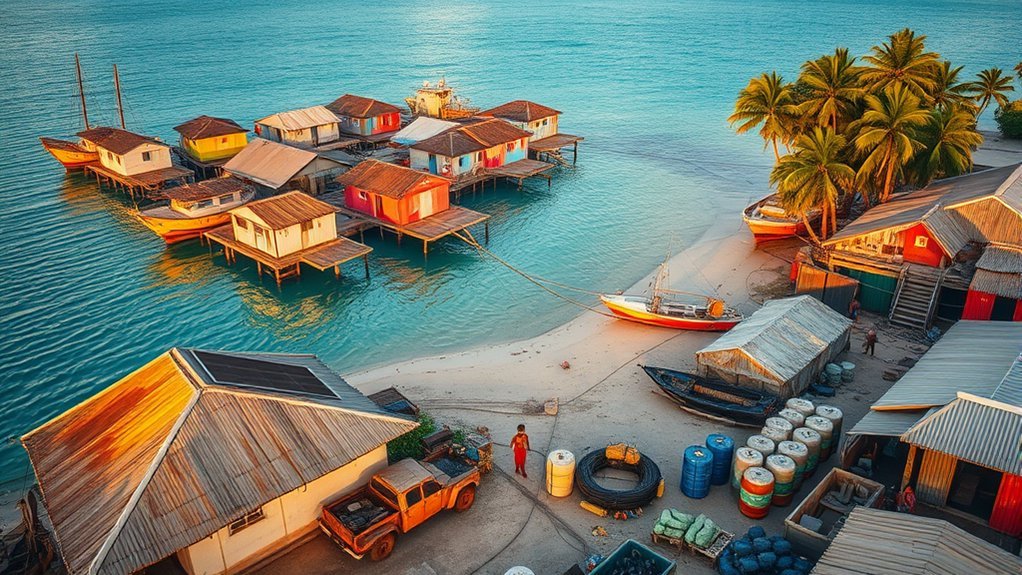
The cost of living in the Marshall Islands in 2026 runs about $1,500–$1,650 a month for a single person living simply in Majuro, and about $1,900–$2,050 for a more comfortable single life. A couple should plan on roughly $2,400–$2,550, and a family of four on about $3,050–$3,450 before school fees. The US dollar is the official currency, so there is no exchange rate to track (1 USD = 1 USD, October 2026). What does move is the price of fuel. Diesel and gasoline spiked in the first half of 2026, pushing electricity, groceries, and taxi fares up across the country. Rent is the biggest single cost, at about $700–$830 a month for a one-bedroom. Below you’ll find rents, electricity rates, food and fuel prices, taxes, wages, and sample budgets.
Quick Answer
- Single person: about $1,500–$1,650 a month on a lean budget; $1,900–$2,050 for a comfortable one.
- Couple: about $2,400–$2,550 a month in a one-bedroom.
- Family of four: about $3,050–$3,450 a month before international school fees.
- Rent, one-bedroom: about $700–$830 a month; three-bedroom about $1,080–$1,400.
- Electricity: roughly 50 cents per kWh for homes after the 2026 increases, among the highest rates in the Pacific.
- Internet: about $70–$72 a month for home broadband.
- Minimum wage: $5.00 an hour from October 1, 2026, about $866 a month full time.
- Currency: US dollar. Cash matters because ATMs are few.
Prices in 2026: Fuel, Inflation, and Wages
Three things shape what the Marshall Islands costs you this year.
The fuel shock. Almost everything in the country, from power to rice, arrives by ship or plane, and electricity comes mostly from diesel generators. In June 2026 the World Bank reported that fuel costs had tripled during the energy crisis tied to the conflict in Iran. The fuel import bill rose by about $40 million, equal to 11.5% of GDP. The World Bank said households faced higher prices for electricity, food, and transport, and that outer-island communities were hit hardest because they rely on sea freight.
Inflation. The World Bank projects inflation of 8.6% for fiscal year 2026 (October 2025 to September 2026). That is well above the 3.3% the IMF had forecast before the crisis, and far above the long-run average of about 1.4%. Prices eased a little in September as global fuel costs came down, but they remain well above 2025 levels.
The minimum wage. Under the Minimum Wage (Amendment) Act 2024, the hourly minimum for government and private employees rises on a fixed schedule:
| Effective Date | Hourly Minimum Wage | Full-Time Monthly (40 hrs/week) |
|---|---|---|
| October 1, 2024 | $4.00 | about $693 |
| October 1, 2025 | $4.50 | about $779 |
| October 1, 2026 | $5.00 | about $866 |
| October 1, 2027 | $5.25 | about $909 |
Monthly figures use the standard 4.33 weeks per month. The law lets the Cabinet ask the Nitijela (parliament) to halt a future step if an economic review is unfavorable, so confirm the current rate with your employer.
A full-time minimum-wage job now pays about $866 a month. That covers a one-bedroom rent in Majuro and little else, which is why many local families share housing.
Cost of Living in Majuro, Ebeye, and the Outer Islands
The Marshall Islands is about 60,000 people spread over 29 atolls and 5 islands, with only about 70 square miles of land, according to the RMI Embassy’s country profile. Daily life and prices differ sharply by location:
- Majuro, the capital, has the main supermarkets, the hospital, government offices, most rentals, and nearly all foreign residents. The price data in this guide comes mostly from Majuro.
- Ebeye, on Kwajalein Atoll, is one of the most crowded islands in the Pacific. Housing is very tight, and most foreigners there work for the US Army Garrison on nearby Kwajalein, which provides its own housing.
- Outer islands have few rentals, limited stores, and irregular supply ships. Imported goods cost more, and in May 2026 fuel reached up to $20 a gallon on some atolls.
Public price data is thin. The two main crowd-sourced databases each draw on a small number of reports (one lists only 11 entries from four contributors in the year to March 2026), and they sometimes disagree. This guide uses their crowd-sourced averages as a starting point and checks them against official and news sources where possible.
Housing and Rent
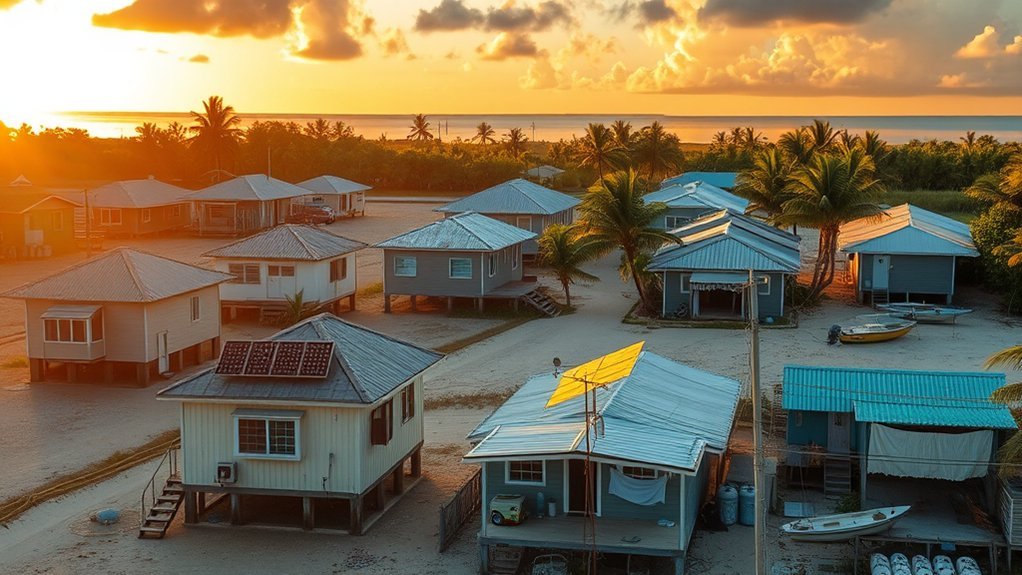
Rent takes the biggest share of a newcomer’s budget. Crowd-sourced averages for Majuro in 2026 look like this:
| Apartment Type | Central Majuro | Outside the Center |
|---|---|---|
| 1-bedroom | $693–$767 | $750–$833 |
| 3-bedroom | $1,300–$1,305 | $1,078–$1,400 |
Ranges show the spread between the two crowd-sourced databases (updated March and June 2026). A few things to know:
- “Outside the center” is not always cheaper. Majuro is a long, thin atoll with one main road. Homes toward Laura, at the western end, are quieter, but supply is small, so prices don’t follow the usual city pattern.
- Furnished units with air conditioning cost more. Expect to pay at the top of the range or above for a modern unit with reliable water storage and a backup for power cuts.
- Many foreigners get housing through work. Government contracts, aid agencies, NGOs, and schools often include housing or a housing allowance. Ask about it before you negotiate salary.
- Buying property is rarely an option. Most land is held by Marshallese families under customary tenure, and foreigners generally lease rather than buy. Get local legal advice before signing any long-term land lease.
Utilities, Electricity, Internet, and Phone
Electricity is the utility to watch. Marshalls Energy Company (MEC) runs on imported diesel, and its rates follow fuel prices through a monthly fuel cost adjustment. Residential rates in 2026 moved like this:
| Date | Residential Rate per kWh | Change |
|---|---|---|
| Before February 9, 2026 | 41.2 cents | — |
| February 9, 2026 | 43.2 cents | +2 cents |
| Early May 2026 | 49.2 cents | +6 cents |
| May 18, 2026 | 54.2 cents | +5 cents |
| June 1, 2026 | further increase | amount not published |
| September 3, 2026 | lowered | −4.5 cents |
The February step was reported by the Marshall Islands Journal, and the May steps by Marianas Variety. MEC then announced a 4.5-cent cut from September 3, 2026 for all customer groups in Majuro, Ebeye, Jaluit, Wotje, and Kili, as global fuel prices eased. That leaves home power at roughly 50 cents per kWh, about three times the US average.
What that means for a monthly bill:
- Small apartment, fans and a fridge (about 200 kWh): roughly $100.
- One-bedroom with air conditioning at night (about 300–400 kWh): roughly $150–$200.
- Family home with several AC units (600 kWh or more): $300 or more.
Crowd-sourced averages put total basic utilities (power, water, garbage) at about $153 a month for one person and about $250 for a 915 sq ft apartment. Many homes use prepaid “cash power” meters, which you top up as you go. MEC also charges $115.20 to connect a new single-phase meter and $100 to reconnect one.
Other connections:
- Home internet (50–60 Mbps or more): about $70–$72 a month on crowd-sourced averages. Speeds and reliability vary, so remote workers should test the connection before signing a lease.
- Mobile plan with 10 GB or more of data: about $37.50 a month on crowd-sourced averages.
- Water: Majuro relies heavily on rainwater catchment. During droughts, the city water supply can be rationed, so a home with a large storage tank is worth paying a little more for.
Food: Groceries and Dining Out
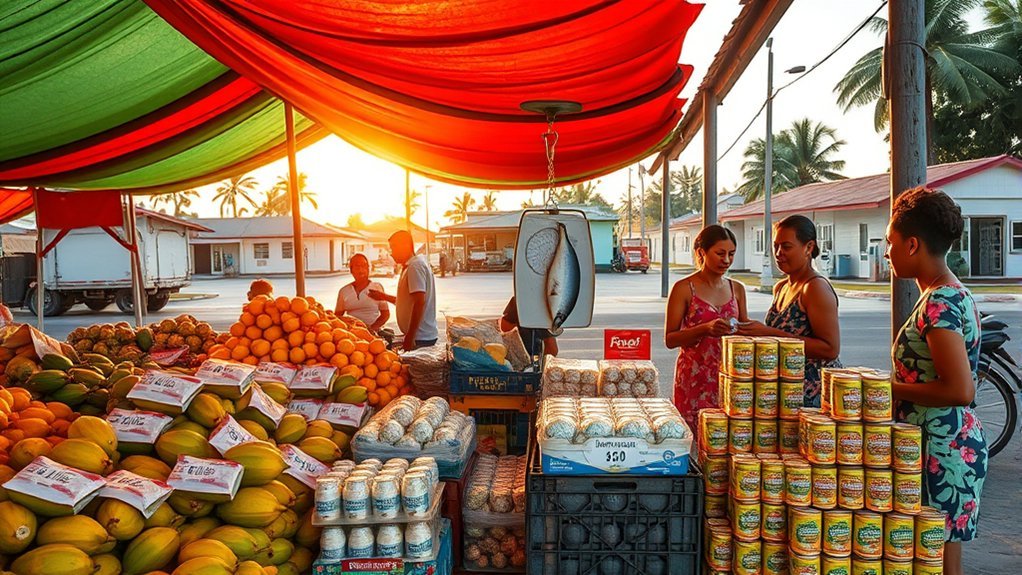
Nearly all food is imported, mostly from the US and Asia, so supermarket prices run close to or above Hawaii’s for many items. A single person who cooks most meals should budget about $400–$450 a month for groceries. A couple should plan on about $800, and a family of four on about $1,100 or more.
Crowd-sourced average prices in Majuro (2026):
| Item | Typical Price (USD) |
|---|---|
| Milk (1 liter) | $2.25 |
| White bread (1 lb loaf) | $3.08 |
| White rice (1 lb) | $0.82 |
| Eggs (12) | $5.14–$5.19 |
| Chicken fillets (1 lb) | $4.99–$5.03 |
| Beef round (1 lb) | $8.29 |
| Local cheese (1 lb) | $3.68–$13.97 |
| Tomatoes (1 lb) | $5.79 |
| Bottled water (1.5 liter) | $1.85 |
| Mid-range bottle of wine | $10.00 |
Where the two databases differ, the table shows both figures. Cheese is the clearest example of how thin the data is. Fresh produce is the most expensive part of the cart, because it is flown or shipped in. Rice, canned goods, and frozen chicken are the budget staples, and locally caught reef fish and tuna are often good value from local sellers. Fuel-driven freight costs pushed many shelf prices up in 2026, so check current prices at the stores you plan to use.
Eating out is moderately priced compared with groceries:
| Item | Typical Price (USD) |
|---|---|
| Meal at an inexpensive restaurant | $7.50–$10.80 |
| Three-course dinner for two, mid-range | $29.80–$30.00 |
| Fast-food combo meal | $10.50 |
| Cappuccino | $4.29–$4.33 |
| Domestic beer (pint, at a bar) | $4.48–$4.50 |
| Soft drink (12 oz) | $1.83 |
Entertainment options are limited: hotel restaurants and bars, a few cafés, church and community events, diving, fishing, and lagoon trips. A gym membership averages about $37.50 a month.
Buying lunch out every weekday costs roughly $165–$240 a month at local restaurant prices.
Transportation and Fuel
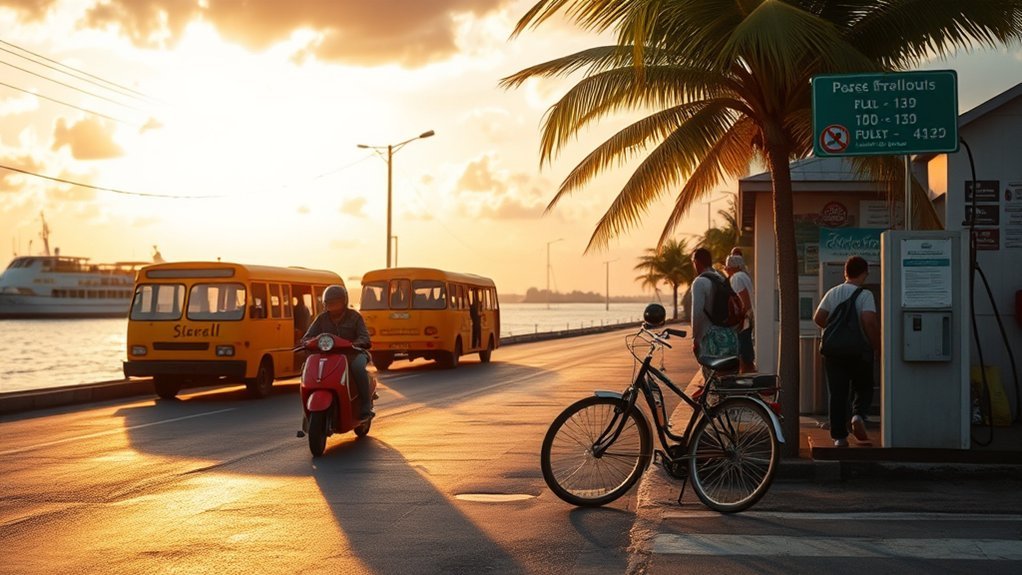
There are no buses or trains. The US State Department confirms there is no public transportation in the country. In Majuro, shared taxis run up and down the single main road, picking up and dropping off passengers along the way. Crowd-sourced averages put a short ride at about $3.00 and an 8 km trip at about $10.30. Monthly “transit pass” figures that some databases show don’t reflect a real product.
Fuel prices swung hard in 2026:
| Date | Gasoline (per gallon) | Diesel (per gallon) | Source |
|---|---|---|---|
| April 23, 2026 | $7.70 (PII) / $8.20 (Mobil) | $7.00 (PII) / $9.75–$9.85 (Mobil) | Marshall Islands Journal |
| May 2026 | up to $8.40 | up to $10.35 | Marianas Variety |
| May 2026, outer islands | up to $20 | — | World Bank / Pacific Island Times |
The Marshall Islands Journal reported that diesel at the PII station alone rose $1.75 a gallon between early March and late April. Global prices eased by September, so pump prices are likely lower now, but still above the roughly $6.40–$6.80 a gallon implied by older crowd-sourced averages.
Other transport costs:
- Cars: a new Toyota Corolla averages about $35,000, since every vehicle is shipped in. Most residents buy used. The speed limit is 25 mph, and the island is small, so fuel use is low even at high prices.
- Inter-island travel: outer islands are reached by Air Marshall Islands flights and by boat. The State Department notes that domestic flights are unreliable and boat travel can be dangerous from December to April.
- Airport departure fee: $20 for international flights and $2 for domestic flights, for travelers aged 13 to 59.
Healthcare and Insurance Costs
Healthcare is limited, and it is the area where newcomers most often underbudget.
- Facilities: hospitals in Majuro and Ebeye do not meet Western standards, and care on the outer islands is basic. Hospitals usually require payment up front, and most do not accept US health insurance.
- Medical evacuation: serious cases must be flown off-island, often to Honolulu. The State Department says medevacs frequently cost more than $100,000. Majuro has no hyperbaric chamber, which matters for divers.
- US coverage: Medicare and Medicaid do not pay for care abroad.
- Health Fund: formal-sector employees contribute to the national Health Fund through payroll deductions, which covers care at public facilities.
Plan on an international health policy with evacuation cover. Premiums depend heavily on age, deductible, and whether the US is included, so get quotes before you move rather than relying on a single figure. If your employer provides coverage, check that it includes evacuation.
Schools and Childcare
- Private or international primary school: about $2,640–$2,976 a year per child on crowd-sourced averages. Majuro’s private schools are mostly church-run or cooperative schools, and tuition is far lower than at international schools in larger countries.
- Preschool or daycare: about $150 a month per child.
- Public schools: free, with teaching in Marshallese and English. Quality and resources vary.
For a family with two children in private school, tuition adds roughly $440–$500 a month.
Taxes
- No VAT yet. The Marshall Islands has no VAT or GST today. Prices include import duties, and some local governments add small sales taxes. The IMF’s 2025 Article IV statement says phase two of the tax reform, scheduled for fiscal year 2027 (which began October 1, 2026), would replace the gross revenue tax with a VAT, starting at 12%, and a business profit tax. Watch for an announcement, since a VAT would raise shelf prices.
- Wage tax: after the 2026 tax cut, the first $8,320 of annual wages is exempt from the 8% wage tax, according to Marianas Variety. Higher incomes pay a top marginal rate of 12%. The cut gives a typical biweekly worker about $25.60 more per paycheck.
- Social security and health: employees and employers each pay about 8% of wages to the Marshall Islands Social Security Administration (MISSA) and 3.5% to the Health Fund, up to quarterly caps.
- Business tax: businesses currently pay a gross revenue tax of about 3%, which is passed on in prices.
Foreign workers should check whether their home country taxes them on worldwide income. US citizens, for example, still file US returns.
Salaries and Purchasing Power
Local pay is low compared with living costs. There is no reliable current figure for the average salary. Crowd-sourced averages range from about $442 to $1,000 a month after tax, and both are based on very few reports. The 2026 minimum wage works out to about $866 a month full time, before tax.
The government has added cash support to help households cope:
- Universal basic income: began in November 2025 at about $203 a quarter per citizen. By May 2026, about 40,000 people received roughly $160 a quarter.
- Disability and retiree stipend: $100 a month for eligible citizens.
- Wage tax cut: worth about $665 a year for a typical worker.
For foreigners, the math depends on the contract. Expats on government, aid-agency, or NGO packages often get housing, flights, and insurance, which removes the largest costs. Someone renting privately on a local salary will find Majuro expensive. Compare your offer with the sample budgets below, and add a buffer for fuel-driven price swings.
Visas and Residency
- US citizens don’t need a visa to enter under the Compact of Free Association. The Compact also lets US citizens live and work in the Marshall Islands, subject to local law. Your passport should be valid for six months beyond arrival.
- Citizens of the Federated States of Micronesia and Palau have similar free-movement rights under their own compacts.
- Other nationalities need an entry permit, and those taking a job need a work permit arranged with the employer through the RMI Division of Immigration. Requirements and fees change, so confirm them with the nearest RMI embassy or consulate before you travel.
One-Time Setup Costs
Budget for these before your first month:
- Flights: Majuro is served by United’s Island Hopper (Honolulu–Guam) and a small number of regional carriers. One-way fares are high and seats limited, so book early.
- Rental deposit: usually one month’s rent, about $700–$1,400 depending on the home.
- Electricity hookup: $115.20 for a new single-phase meter if the unit isn’t connected.
- Furnishing: furniture and appliances are shipped in and cost more than in the US. Many newcomers rent furnished or buy from departing expats.
- Shipping household goods: sea freight from the US West Coast or Honolulu takes weeks. Bring only what you need.
- Health and evacuation insurance: have it in place before you arrive.
- Cash reserve: because ATMs are limited, keep a cash buffer for the first weeks.
Sample Monthly Budgets
These budgets combine the averages above for Majuro. Electricity is figured at about 50 cents per kWh. Health insurance is not included, because premiums depend on age and plan.
| Expense (USD) | Single, Lean | Single, Comfortable | Couple | Family of Four |
|---|---|---|---|---|
| Rent | 700–770 (1-bed) | 770–830 (1-bed) | 770–830 (1-bed) | 1,078–1,400 (3-bed) |
| Electricity, water, garbage | 150–200 | 200–250 | 250–300 | 300–350 |
| Internet + mobile | 90–110 | 110 | 145 | 180 |
| Groceries | 400 | 450 | 800 | 1,100 |
| Eating out + leisure | 100 | 250 | 300 | 200 |
| Transport (taxis or fuel) | 60 | 100 | 150 | 200 |
| Gym | — | 40 | — | — |
| Total | $1,500–$1,640 | $1,920–$2,030 | $2,415–$2,525 | $3,058–$3,430 |
Family of four: add about $440–$500 a month for two children in private school, which brings the total to roughly $3,500–$3,930.
With employer housing: if your contract covers rent and utilities, a single person’s costs drop to roughly $650–$950 a month, and a family’s to about $1,680.
These totals line up with crowd-sourced estimates of about $1,498 a month for one person and $2,914 for a family of four including rent, which were collected before most of the 2026 fuel-driven increases.
Money-Saving Tips
- Negotiate housing into your contract. Rent and power are the two biggest costs. An employer-provided home saves more than any other single step.
- Control air conditioning. At about 50 cents per kWh, running AC all day can double a power bill. Use fans by day and AC only in the bedroom at night.
- Buy local fish and staples. Reef fish, tuna, breadfruit, and coconut cost less than imported meat and fresh produce.
- Shop the bulk sections. Rice, canned goods, and frozen items in bulk are cheaper per pound.
- Use shared taxis instead of buying a car. On an island this small, fares add up to less than owning a vehicle for most singles.
- Bring what you can. Electronics, clothing, and specialty foods cost more locally. Pack them in your luggage allowance.
- Keep a fuel buffer. Power, food, and taxi prices all follow diesel. Set aside 10% of your budget for price jumps like those in 2026.
Safety and Natural Hazards
The State Department rates the Marshall Islands at Level 1, “exercise normal precautions,” as of May 2026. Crime is low overall, though home and vehicle break-ins happen, and fights occur at some bars. Women are advised to avoid shared taxis alone after dark. Natural hazards matter more for your budget: flooding during king tides, typhoon risk mainly from May to November, and droughts that can ration water.
How the Marshall Islands Compares With Nearby Countries
The Marshall Islands is one of the pricier small island nations in the Pacific, mainly because of imported food and diesel power. The closest comparison is the cost of living in the Federated States of Micronesia, which also uses the US dollar and has a similar compact with the US. The cost of living in Palau is another useful benchmark, since Palau also uses the dollar but has a tourism-driven economy. To the south, the cost of living in Kiribati shows another import-dependent atoll economy. For a larger and cheaper Pacific option, compare the cost of living in Fiji. Many Marshallese move to the US, so the cost of living in the United States is a useful reference too.
Frequently Asked Questions
How much money do you need to live in the Marshall Islands per month?
A single person needs about $1,500–$1,640 a month for a lean life in Majuro and about $1,920–$2,030 for a comfortable one. A couple should budget about $2,415–$2,525, and a family of four about $3,058–$3,430 before school fees. Health and evacuation insurance come on top.
Is the Marshall Islands expensive to live in?
Yes, compared with local wages. Almost all food and fuel is imported, and home electricity costs roughly 50 cents per kWh after the 2026 increases. The World Bank projected inflation of 8.6% for fiscal year 2026 after fuel costs tripled.
How much is rent in Majuro?
A one-bedroom apartment costs about $693–$833 a month on crowd-sourced averages, and a three-bedroom about $1,078–$1,400. Furnished units with air conditioning cost more, and many expats get housing through their employer.
What is the minimum wage in the Marshall Islands in 2026?
The minimum wage rose from $4.50 to $5.00 an hour on October 1, 2026, under the Minimum Wage (Amendment) Act 2024. That is about $866 a month for full-time work. The next step, to $5.25, is scheduled for October 1, 2027.
Can US citizens live in the Marshall Islands?
Yes. Under the Compact of Free Association, US citizens can enter without a visa and can live and work in the Marshall Islands, subject to local law. Other nationalities need an entry permit and, to take a job, a work permit.
Is there public transportation in the Marshall Islands?
No. There are no buses or trains. In Majuro, shared taxis run along the main road, with short rides costing about $3. Outer islands are reached by small planes and boats.
What currency is used in the Marshall Islands?
The US dollar is the official currency, so there is no exchange rate to manage. Cash is preferred in many places, and ATMs are very limited, so keep a cash reserve.
Conclusion
The Marshall Islands is not cheap. A single person needs about $1,500–$2,050 a month in Majuro, a couple about $2,400–$2,550, and a family of four about $3,050–$3,450 before school fees. Rent and electricity drive most of that, and both rose in 2026 as fuel costs tripled. The US dollar removes exchange-rate risk, and the minimum wage rose to $5.00 an hour on October 1, 2026. Still, local pay stays low against prices. Before you move, get housing and evacuation cover into your contract if you can, test the internet where you’ll live, and keep a cash and fuel buffer for the next price swing.
Sources
- World Bank – Support for the Marshall Islands energy crisis, June 2026
- Pacific Island Times – Marshall Islands energy crisis aid and fuel prices, June 2026
- IMF – 2025 Article IV concluding statement
- PacLII – Minimum Wage (Amendment) Act 2024
- WageIndicator – Marshall Islands minimum wage
- Marshalls Energy Company – Tariff decrease effective September 3, 2026
- Marshalls Energy Company – Tariff increase effective June 1, 2026
- Marshalls Energy Company – Meter and connection fees
- Marshall Islands Journal – MEC raises power rates, March 2026
- Marianas Variety – Majuro reels from huge power rate increase, May 2026
- Marshall Islands Journal – Latest fuel price increase, April 2026
- US Department of State – Marshall Islands travel advisory and country information
- Embassy of the Republic of the Marshall Islands – Country profile
- Numbeo and Livingcost – Marshall Islands crowd-sourced price data (March and June 2026)