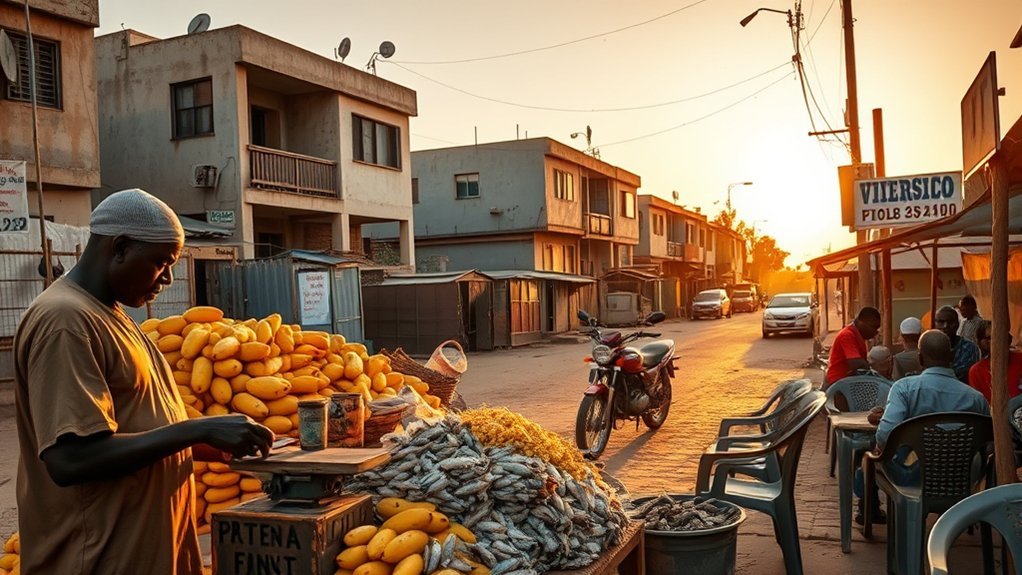
The cost of living in Mali in 2026 is about 210,000–340,000 CFA francs (~$360–$580) a month for a single person living a simple, local-style life in Bamako, and about 505,000–905,000 CFA (~$865–$1,545) for a foreigner who wants a secure apartment in ACI 2000 or Hamdallaye, air conditioning, imported food, and private taxis. A couple should plan on roughly 770,000–1.26 million CFA (~$1,315–$2,145), and a family of four on about 1.03–1.64 million CFA (~$1,760–$2,800) before school fees. These figures use the central bank rate of 585.47 CFA per US dollar (October 5, 2026). Rent, power, and security drive most of the difference. Price data for Mali is thin, so treat every figure here as a planning range. Before any budget, know this: the US and UK advise against all travel to Mali, and fuel blockades have disrupted supplies around Bamako. Below you’ll find rents by area, utilities, food prices, transport, healthcare, wages, taxes, sample budgets, and the security picture.
Quick Answer
- Single person, local-style: about 210,000–340,000 CFA (~$360–$580) a month in Bamako.
- Single person, expat-style: about 505,000–905,000 CFA (~$865–$1,545) a month.
- Couple: about 770,000–1,255,000 CFA (~$1,315–$2,145) a month.
- Family of four: about 1.03–1.64 million CFA (~$1,760–$2,800) before international school fees.
- Rent, one-bedroom: about 50,000–150,000 CFA (~$85–$255) in ordinary districts; 150,000–320,000 CFA (~$255–$545) for a furnished or central unit.
- Fuel: 875 CFA per liter of gasoline and 940 CFA per liter of diesel since late March 2026.
- Minimum wage: 40,000 CFA (~$68) a month.
Currency, Exchange Rate, and Inflation in 2026
Mali uses the West African CFA franc (XOF), shared with seven other countries and pegged at 655.957 CFA to one euro. Prices are often written as CFA or FCFA.
The exchange rate. The BCEAO reference rate was 585.47 CFA per US dollar on October 5, 2026. All dollar figures in this guide use that rate and are rounded. Because the CFA franc is tied to the euro, its dollar value moves with the euro. A guide written in July, at about 577 CFA per dollar, shows dollar costs about 1.5% higher than they are now.
Inflation. Mali’s statistics office, INSTAT, reported that consumer prices rose 2.8% in the year to July 2026. Food rose faster, at 5.2%, led by leafy vegetables, fresh fruit, tubers, and meat. Charcoal and firewood also climbed during the rainy season. The World Bank puts full-year 2025 inflation at 3.3%.
Fuel. In late March 2026 the government raised pump prices and cut some subsidies. According to AllAfrica’s report on the increase, gasoline went from 775 to 875 CFA per liter (+12%) and diesel from 725 to 940 CFA (+29%). Fuel costs feed into taxi fares, generator use, and the price of goods trucked in from the coast.
At 585 CFA per dollar, the 40,000 CFA minimum wage equals about $68 a month. A modest expat budget of $1,000 is roughly 585,000 CFA, or more than 14 minimum wages.
Safety and Travel Advisories
No cost-of-living guide for Mali is complete without the security picture, because it affects where you can live, what you pay, and whether you can get supplies.
- United States: the US State Department rates Mali Level 4, “Do Not Travel” (advisory dated June 8, 2026), citing crime, terrorism, unrest, health, and kidnapping. US government staff may not travel outside Bamako. Mali also suspended visa issuance to US citizens on January 1, 2026, with limited exceptions.
- United Kingdom: the UK FCDO advises against all travel to Mali. It reports that the armed group JNIM has set up blockades on key routes in southern and western Mali, including around Bamako, targeting fuel trucks. It also reports a fuel shortage, long queues, and rising prices, and advises keeping several days of food and water at home.
- Supplies: deliveries improve and worsen with the convoys. In early June 2026, APA News reported that 663 tankers carrying about 31 million liters entered Mali in four days, easing shortages at Bamako stations, while some towns still ran dry.
In practice, insecurity adds costs that cheap rent hides: guarded housing, a reliable driver, backup power, stockpiled supplies, and insurance that covers evacuation. Many policies are void if you travel against government advice, so check yours in writing.
Cost of Living by City
Almost all usable price data comes from Bamako. The capital has most of the formal jobs, private clinics, international organizations, and shops that stock imported goods. AfriCarrières, a West African job and relocation portal, gives a rough regional index with Bamako at 100. Treat these as broad signals, not measured averages.
| City / Region | Cost Index (Bamako = 100) | What to Know |
|---|---|---|
| Bamako | 100 | best services and price data; highest rents in ACI 2000, Hamdallaye, and Badalabougou |
| Sikasso, Ségou, Mopti | 70–80 | cheaper housing and food; fewer clinics, imports, and internet options |
| Kayes, Koulikoro | 60–70 | lowest local prices; road links exposed to blockades |
| Gao, Timbuktu, Kidal | 80–90 | transport and insecurity push prices up; not practical for relocation |
Lower nominal prices outside Bamako come with real trade-offs. Healthcare, fuel, and imported goods are harder to find, and travel between cities by road is risky.
Housing and Rent
Housing is the biggest swing factor. Local rents for a simple unit are low, but secure, furnished apartments in the neighborhoods foreigners favor cost two to three times more.
Local rent ranges. AfriCarrières’ 2026 Mali cost-of-living guide lists these typical monthly rents in Bamako. It notes that ACI 2000, Hamdallaye, and Badalabougou cost two to three times more than Magnambougou or Kalaban-Coura.
| Unit Type | Monthly Rent (CFA) | Approx. USD |
|---|---|---|
| Studio / single room with lounge | 25,000–75,000 | $43–$128 |
| 2-room apartment (1 bedroom) | 50,000–150,000 | $85–$256 |
| 3-room apartment (2 bedrooms) | 100,000–300,000 | $171–$512 |
| Villa, 4+ rooms | 200,000–800,000 | $342–$1,366 |
Crowd-sourced benchmarks. International price sites draw on very few reports for Bamako, so they disagree. Their 2026 figures still show the gap between ordinary and expat-standard housing:
| Benchmark | Ordinary Area | Central or Expensive Area |
|---|---|---|
| 1-bedroom, unfurnished (June 2026) | 92,500 CFA (~$158) | 151,600 CFA (~$259) |
| 3-bedroom, unfurnished (June 2026) | 163,900 CFA (~$280) | 279,300 CFA (~$477) |
| Furnished 45 m² studio (Jan 2026) | 75,000 CFA (~$128) | 320,200 CFA (~$547) |
| Furnished 85 m² apartment (Jan 2026) | 105,000 CFA (~$179) | 503,700 CFA (~$860) |
Before you sign:
- Ask what is included. A low rent may exclude electricity, water, a guard, generator fuel, internet installation, and repairs.
- Expect advance rent. Landlords commonly ask for several months up front plus a deposit, so the first month can cost far more than the monthly rent.
- Visit day and night. Check water pressure, mobile signal, air conditioning, locks, lighting, and backup power.
Utilities, Internet, and Phone
Electricity comes from the state utility, EDM-SA, and supply is unreliable. The World Bank reports that only 49.5% of Mali’s population had electricity access in 2024, and power cuts are common in Bamako. Expect to pay for a generator, an inverter with batteries, or solar backup if you need steady power.
| Service | Monthly Cost (CFA) | Approx. USD |
|---|---|---|
| Electricity (EDM), local household | 15,000–45,000 | $26–$77 |
| Water | 3,000–12,000 | $5–$20 |
| All utilities, studio with air conditioning | about 65,000 | ~$111 |
| All utilities, 85 m² apartment with air conditioning | about 139,500 | ~$238 |
| Home internet (ADSL, fiber, or 4G box) | 25,000–50,000 | $43–$85 |
| Mobile data, 10 GB | 8,000–12,000 | $14–$20 |
| Security guard (gardien) | 15,000–25,000 | $26–$43 |
The first two rows and the internet, data, and guard figures come from AfriCarrières’ 2026 guide. The air-conditioned totals are crowd-sourced (January 2026) and show what happens when cooling runs most of the day. Mali’s hot season, from March to June, is when power bills peak.
Food: Groceries and Dining Out
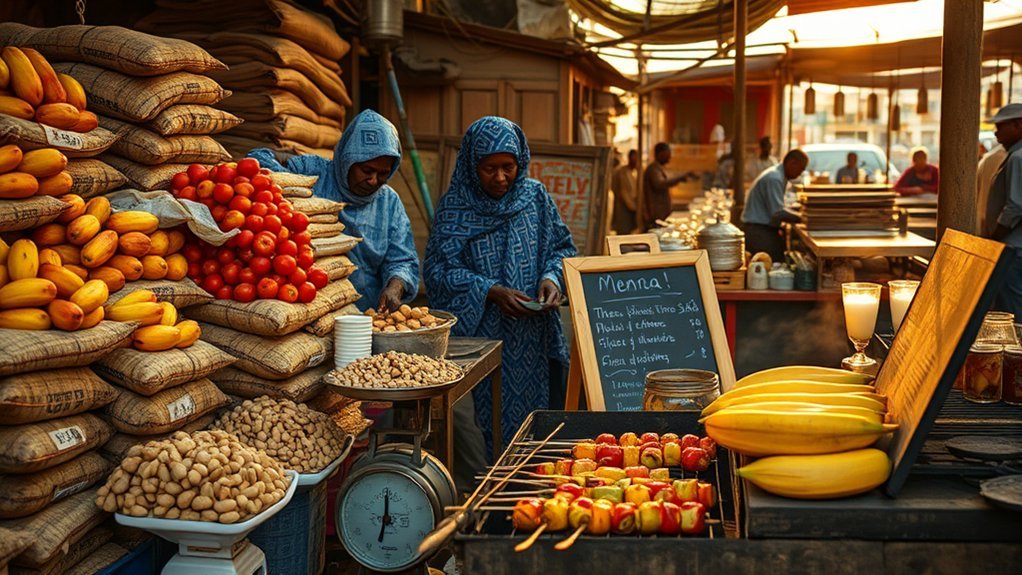
Local staples bought at neighborhood markets are cheap. Imported goods cost much more because Mali is landlocked and supplies come by road from Dakar, Abidjan, or Conakry. A single person who cooks with local food spends about 90,000–120,000 CFA (~$155–$205) a month. Crowd-sourced data puts average food spending at about 118,900 CFA (~$203) for one person.
| Item | Typical Cost (CFA) | Approx. USD |
|---|---|---|
| Local rice (1 kg) | 350–450 | $0.60–$0.77 |
| Millet or sorghum (1 kg) | 250–350 | $0.43–$0.60 |
| Baguette | 150–175 | $0.26–$0.30 |
| Beef (1 kg) | 2,500–3,500 | $4.27–$5.98 |
| Local chicken (1 kg) | 1,800–2,500 | $3.07–$4.27 |
| Eggs (each) | 100–125 | $0.17–$0.21 |
| Onions (1 kg) | 300–600 | $0.51–$1.02 |
| Vegetable oil (1 liter) | 800–1,000 | $1.37–$1.71 |
| Milk (1 liter, supermarket) | about 1,100 | ~$1.91 |
| Local cheese (500 g, imported style) | about 10,000 | ~$17 |
Market prices come from AfriCarrières’ 2026 guide; milk and cheese are crowd-sourced supermarket prices. Tomatoes and mangoes swing a lot with the season.
Eating out:
- Street food or a plate of rice and sauce at a local eatery: often under 1,500 CFA (~$2.50)
- Lunch menu with a drink in the business district: about 7,000 CFA (~$12)
- Fast-food combo meal: about 4,200 CFA (~$7.20)
- Basic dinner for two at a neighborhood spot: about 10,000 CFA (~$17)
- Dinner for two at an expat-area restaurant: about 30,000 CFA (~$51)
- Cappuccino in an expat area: about 3,750 CFA (~$6.40)
- Local beer at a bar (500 ml): about 1,000 CFA (~$1.70)
These restaurant prices are crowd-sourced (January 2026) and based on very few reports, so check locally.
Transportation and Fuel
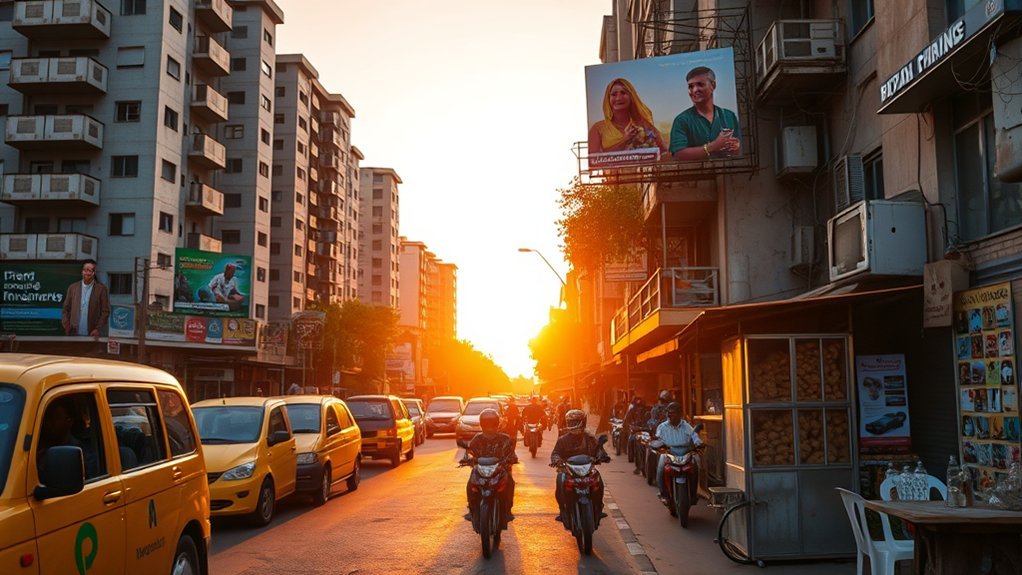
Bamako has no metro or formal bus network. People get around by green minibuses (sotramas), shared taxis, moto-taxis, and private taxis.
| Transport | Cost (CFA) | Approx. USD |
|---|---|---|
| Sotrama minibus, per trip | 125–200 | $0.21–$0.34 |
| Shared taxi, short trip | 200–500 | $0.34–$0.85 |
| Moto-taxi | 300–1,000 | $0.51–$1.71 |
| Private taxi, per trip | 2,000–5,000 | $3.42–$8.54 |
| Gasoline (1 liter) | 875 | $1.49 |
| Diesel (1 liter) | 940 | $1.61 |
| Car insurance (per year) | 25,000–80,000 | $43–$137 |
A local commuter using sotramas and shared taxis spends about 15,000–30,000 CFA (~$26–$51) a month. A foreigner relying on private taxis or a hired driver should budget 60,000–120,000 CFA (~$100–$205) or more. Official prices only hold when stations have fuel. During shortages, the UK FCDO reports long queues and higher prices in many areas, and the US State Department advises keeping your tank at least half full and avoiding road travel outside Bamako.
Healthcare and Insurance
Mali’s health system is fragile. The WHO Health Cluster for Mali counts about 1.9 million people in need of health assistance in 2026 and reports shortages of staff, equipment, and medicines, plus a fuel shortage affecting services. Advanced treatment often means travel abroad.
Typical out-of-pocket costs in Bamako:
- Public general practitioner visit: 1,000–2,500 CFA (~$2–$4)
- Private general practitioner visit: 10,000–25,000 CFA (~$17–$43)
- Specialist visit: 15,000–40,000 CFA (~$26–$68)
- Hospital stay: 5,000–50,000 CFA (~$9–$85) a day, depending on the facility
Formal-sector employees contribute to compulsory health insurance (AMO): 3.06% of salary from the worker and 3.5% from the employer. Foreigners should carry international health insurance that includes medical evacuation, and confirm it stays valid despite Level 4 and “against all travel” advisories. Premiums vary widely by age and cover, so get quotes before you move.
Entry rules include a yellow fever vaccination certificate, according to the UK’s Mali entry requirements. Malaria is present all year, so budget for prevention medicine and mosquito nets.
Schools and Childcare
- Daycare or preschool: about 75,500 CFA (~$129) a month, based on crowd-sourced June 2026 data.
- International primary school: about 2.8 million CFA (~$4,775) a year per child on the same basis. Fees, enrollment charges, and whether schools are operating normally should be confirmed directly, since security conditions have disrupted foreign-run services.
- Public and private local schools: classes are in French. Local private schools cost far less than international ones.
Salaries and the Minimum Wage
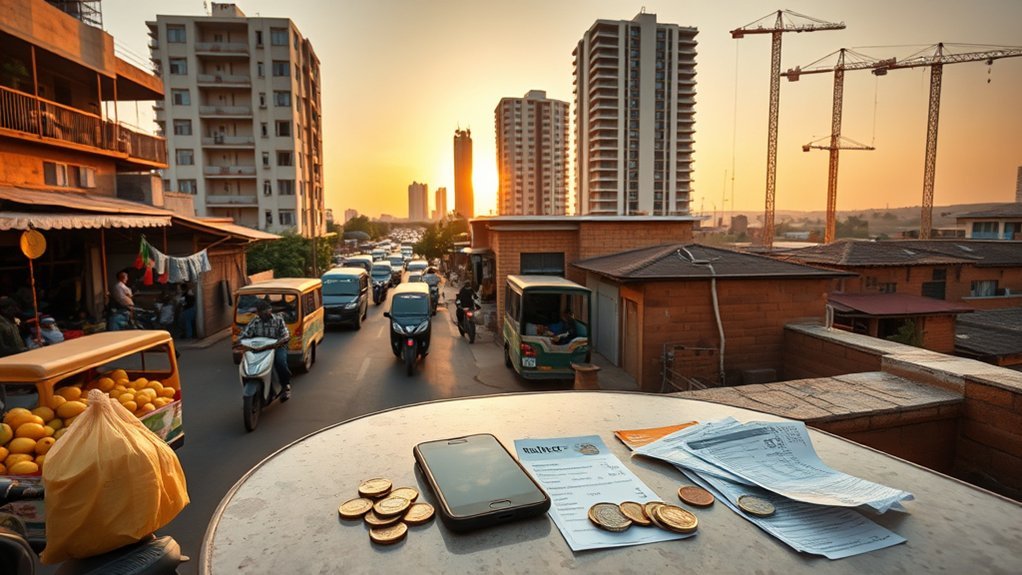
Local pay is low compared with expat-style costs, so most foreigners in Mali rely on outside income or an employer package.
| Income Level | Monthly (CFA) | Approx. USD |
|---|---|---|
| Minimum wage (SMIG) | 40,000 | $68 |
| Informal sector | 15,000–100,000+ | $26–$171+ |
| Public sector average | 80,000–150,000 | $137–$256 |
| Formal private sector average | 100,000–300,000 | $171–$512 |
| Formal sector, Bamako | 160,000–250,000 | $273–$427 |
The minimum wage of 40,000 CFA has applied since January 2016 under Decree 2015-0363, according to AfriCarrières’ minimum wage page. Sector averages come from AfriCarrières’ 2026 guide, and the Bamako formal-sector range comes from Les Afriques’ 2026 salary overview, which also reports unions pushing for a higher minimum. Crowd-sourced data puts the median after-tax salary in Bamako near 97,800 CFA (~$167). That covers less than a third of a basic single-person budget with rent.
Taxes: VAT and Income Tax
- VAT (TVA): the standard rate is 18%, included in shelf prices.
- Income tax on salaries (ITS): progressive. Published brackets run from 0% on the first 30,000 CFA of monthly income up to 30% above 120,000 CFA, after a standard 20% deduction and small allowances for dependents.
- Social security: employees pay 6.66% (3.06% health insurance and 3.6% pension). Employers pay about 18.9%–21.9%, depending on the work-accident rate.
These rates come from AfriCarrières’ guide to Mali employer charges, which cites CLEISS data for social security. Confirm income tax brackets with Mali’s tax authority or a local accountant before you rely on them, especially if you earn abroad.
Visas and Entry
Most foreigners, including British nationals, need a visa. The UK says applications and payment are handled online through Mali’s Ministry of Foreign Affairs, which issues an electronic entry permit. Visa issuance to US citizens has been suspended since January 1, 2026, with limited exceptions. Check current rules and fees with the nearest Malian embassy before you book, because they change often. A yellow fever certificate is required at entry.
One-Time Setup Costs
Budget for these before your first month:
- Advance rent and deposit: often several months of rent up front. For a 150,000 CFA apartment, three months is 450,000 CFA (~$770).
- Furniture and appliances: unfurnished units need everything. A microwave alone runs about 80,000 CFA (~$137), and a 40-inch TV about 567,000 CFA (~$970), based on crowd-sourced prices.
- Backup power: a generator, inverter, or solar kit, sized to how much air conditioning you run.
- Visa, vaccinations, and malaria prevention: yellow fever is required; budget for the shot and a supply of prevention medicine.
- Emergency fund: keep cash for several days of supplies and a flight out. The FCDO advises leaving by commercial flight, not by road.
Sample Monthly Budgets
These budgets combine the ranges above for Bamako. The local-style budget assumes a simple apartment in a district like Kalaban-Coura, local food, and sotramas. The others assume a secure unit in ACI 2000, Hamdallaye, or Badalabougou.
| Expense (CFA) | Single, Local-Style | Single, Expat-Style | Couple | Family of Four |
|---|---|---|---|---|
| Rent | 50,000–90,000 | 150,000–320,000 | 200,000–350,000 | 280,000–500,000 |
| Utilities and backup power | 25,000–45,000 | 65,000–100,000 | 80,000–140,000 | 120,000–180,000 |
| Internet + mobile | 8,000–12,000 | 35,000–60,000 | 45,000–70,000 | 50,000–75,000 |
| Guard | — | 15,000–25,000 | 15,000–25,000 | 20,000–25,000 |
| Food | 90,000–120,000 | 150,000–220,000 | 250,000–350,000 | 310,000–420,000 |
| Transport | 15,000–30,000 | 60,000–120,000 | 90,000–150,000 | 120,000–200,000 |
| Health (out of pocket) | 20,000–40,000 | 30,000–60,000 | 50,000–90,000 | 80,000–140,000 |
| Leisure and household | — | — | 40,000–80,000 | 50,000–100,000 |
| Total (CFA) | 210,000–340,000 | 505,000–905,000 | 770,000–1,255,000 | 1,030,000–1,640,000 |
| Total (USD) | $360–$580 | $865–$1,545 | $1,315–$2,145 | $1,760–$2,800 |
These totals leave out international health insurance with evacuation cover, international school fees, and flights. The local-style range lines up with AfriCarrières’ estimate of 200,000–300,000 CFA for a decent single life in Bamako and with a crowd-sourced figure of about 328,000 CFA (~$561) for one person with rent. Malian families live on far less: AfriCarrières puts a typical local family of four at about 190,000–310,000 CFA (~$325–$530) a month.
Families: one child in international primary school adds roughly 233,000 CFA (~$400) a month at the crowd-sourced annual fee of 2.8 million CFA.
Money-Saving Tips
- Look beyond ACI 2000. Districts like Magnambougou or Kalaban-Coura cost a third to half as much. Check security block by block first.
- Negotiate the lease. Ask for fewer months of advance rent and get every included service in writing.
- Shop at markets. Local rice, millet, onions, and seasonal fruit cost a fraction of imported supermarket goods.
- Use shared transport for short trips and keep private taxis or a driver for night travel.
- Cut cooling costs. Air conditioning is the biggest driver of power bills; fans and solar backup help.
- Carry cash, but not too much. Mali is a cash economy, cards are rarely accepted outside large hotels, and ATMs often charge high fees or don’t work.
- Keep a supply buffer. Buying staples ahead of shortages protects you from price spikes when convoys are blocked.
How Mali Compares With Nearby Countries
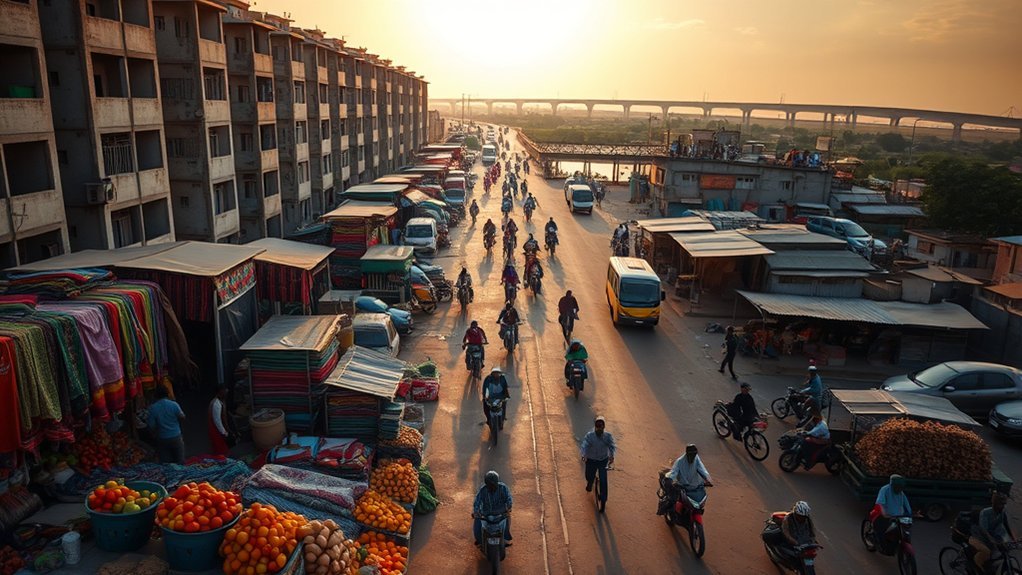
Bamako is one of the cheaper capitals in West Africa for local-style living, but security costs close much of the gap for foreigners. The cost of living in Burkina Faso is similar and comes with the same security warnings. The cost of living in Ivory Coast is higher, but Abidjan offers far better services and supply. The cost of living in Guinea is higher for foreigners because of imports and backup power. You can also compare the cost of living in Senegal, the main coastal gateway for Malian trade, and the cost of living in Niger.
| Country | Single, Simple Budget | Single, Comfortable Budget |
|---|---|---|
| Mali (Bamako) | $360–$580 | $865–$1,545 |
| Burkina Faso (Ouagadougou) | $495–$700 | $1,050–$1,560 |
| Ivory Coast (Abidjan) | $1,150–$1,480 with a 1-bedroom | — |
| Guinea (Conakry) | $855–$1,150 | $1,740–$2,600 |
Figures come from our 2026 country guides and use slightly different assumptions, so compare ranges rather than exact totals.
Frequently Asked Questions
How much money do you need to live in Mali per month?
A single person living a simple, local-style life in Bamako needs about 210,000–340,000 CFA (~$360–$580) a month. A foreigner with a secure apartment, air conditioning, and private taxis should plan on about 505,000–905,000 CFA (~$865–$1,545), before international health insurance.
How much is rent in Bamako?
A one-bedroom apartment in an ordinary district costs about 50,000–150,000 CFA (~$85–$255) a month. Furnished or central units in ACI 2000, Hamdallaye, or Badalabougou run about 150,000–320,000 CFA (~$255–$545), and villas list for 200,000–800,000 CFA (~$340–$1,365).
What is the minimum wage in Mali?
The guaranteed minimum wage (SMIG) is 40,000 CFA a month, about $68. It has applied since January 2016 under Decree 2015-0363.
What currency does Mali use?
Mali uses the West African CFA franc (XOF), pegged at 655.957 CFA to one euro. On October 5, 2026, the central bank rate was 585.47 CFA per US dollar. Mali is a cash economy, and cards are rarely accepted outside large hotels.
How much does fuel cost in Mali in 2026?
Since late March 2026, gasoline costs 875 CFA (~$1.49) a liter and diesel 940 CFA (~$1.61) a liter. Blockades on supply routes have caused shortages, and prices rise in many areas when stations run dry.
Is it safe to live in Mali?
The US State Department rates Mali Level 4, “Do Not Travel,” and the UK advises against all travel. Armed groups have blockaded key routes, including around Bamako, so anyone living there needs secure housing, supply buffers, and an evacuation plan.
Is Mali cheaper than Senegal?
Yes, for local-style living. Rent and local food in Bamako cost less than in Dakar. For foreigners, the gap shrinks once you add guarded housing, backup power, private transport, and evacuation insurance.
Conclusion
Mali is cheap on paper. A simple single life in Bamako costs about 210,000–340,000 CFA (~$360–$580) a month, and local food and transport cost very little. But the real cost for a foreigner is set by security and supply. Guarded housing, air conditioning with backup power, private taxis, imported food, and insurance with evacuation cover push a comfortable budget to about $865–$1,545 for one person. Fuel prices rose sharply in 2026, blockades still disrupt deliveries, and both the US and UK advise against all travel. Check current advisories, confirm every major cost locally, and keep a cash and supply buffer before you commit.
Sources
- BCEAO – reference exchange rates, October 5, 2026
- INSTAT Mali – consumer price index, July 2026
- World Bank – Mali data (inflation, electricity access)
- AllAfrica – Mali fuel price increase, March 2026
- APA News – fuel supply in Mali, June 2026
- US State Department – Mali travel advisory, June 8, 2026
- UK FCDO – Mali safety and security
- UK FCDO – Mali entry requirements
- WHO Health Cluster – Mali
- World Food Programme – Mali
- AfriCarrières – Mali cost of living, 2026
- AfriCarrières – Mali minimum wage
- AfriCarrières – Mali VAT, income tax, and social security
- Les Afriques – average salaries in Mali, 2026
- Crowd-sourced price averages for Bamako, updated January and June 2026