
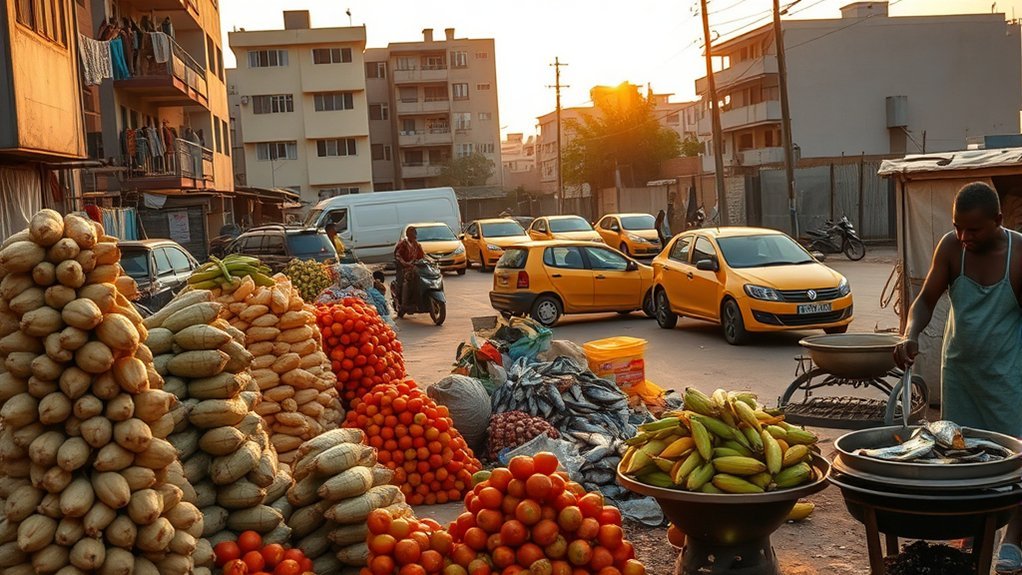
Living in Ivory Coast costs less than living in the United States, but Abidjan is not cheap relative to local wages. Using May 2026 Abidjan data, a single person needs about 474,900 CFA per month before rent; adding an average one-bedroom apartment brings a practical total to roughly 677,000–870,000 CFA. A family of four is about 1.70 million CFA before rent. Your real budget still depends on neighborhood, transport, private healthcare, schooling, and imported goods, so use dated local estimates rather than exchange-rate shortcuts before you move.
Last updated: August 10, 2026
Quick Answer
Using May 2026 Abidjan price data, a single person needs about 474,900 CFA ($823) per month before rent, while a family of four needs about 1.70 million CFA ($2,940). Add roughly 202,100–395,500 CFA for a one-bedroom apartment. Costs are lower than in the U.S., but local purchasing power is also far lower.
What’s in This Article
- Cost of Living in Ivory Coast Vs. the United States
- Monthly Budget Estimates for Singles and Families
- How Much Does Rent Cost in Abidjan?
- Grocery, Restaurant, and Street-Food Costs
- Utilities, Internet, and Household Expenses
- Transportation and Commuting Costs
- Healthcare, Insurance, and Medical Expenses
- Education and Childcare Costs
- What Salary Do You Need to Live in Côte d’Ivoire?
- Currency, Banking, and Everyday Payments
- Is Côte d’Ivoire Safe for Expats?
- What Should You Do Before Moving to Côte d’Ivoire?
- Frequently Asked Questions
- Conclusion
Key Takeaways
- Current crowd-sourced data puts Côte d’Ivoire about 36% below the United States before rent, not 50%–55% below.
- A representative single-person Abidjan budget rises to roughly 677,000–870,000 CFA after adding one-bedroom rent.
- Rent, private healthcare, air conditioning, school fees, and imported goods create the largest budget swings.
- The legal minimum wage is 75,000 CFA, while the crowd-sourced Abidjan net-salary estimate is about 126,800 CFA.
- The CFA franc is fixed to the euro, not the U.S. dollar, so dollar equivalents change with the euro-dollar exchange rate.
Note: Most consumer prices below come from Numbeo’s Abidjan data, last updated May 21, 2026. That page used 233 entries from 23 contributors. Treat the figures as planning estimates, not official prices or guaranteed quotes.
Cost of Living in Ivory Coast Vs. the United States
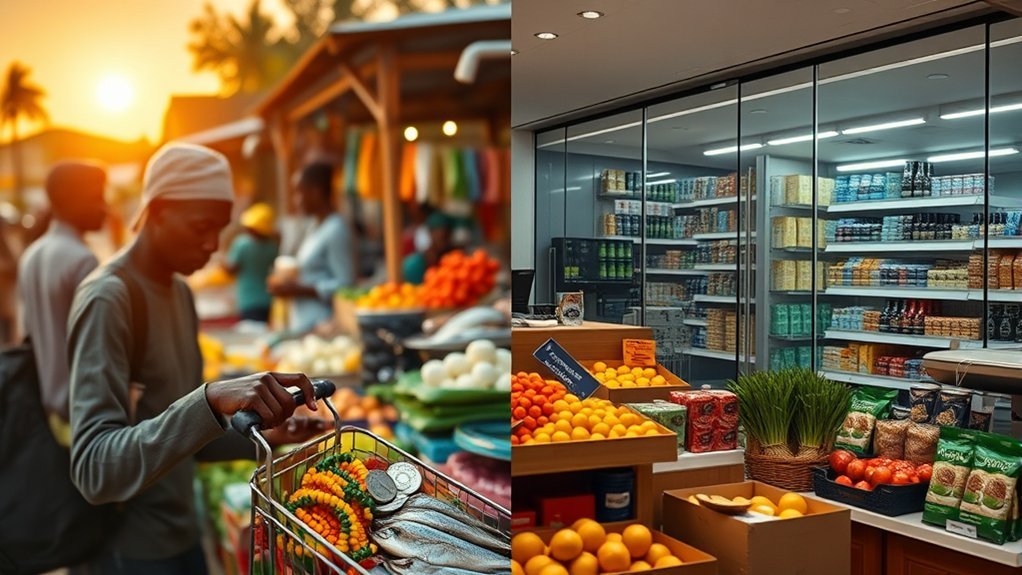
Living in Ivory Coast generally costs less than living in the United States, but the difference is smaller than the original figures suggested. Current country-comparison data places Côte d’Ivoire about 36% below the U.S. before rent and about 36.6% below it after rent is included.
Restaurant prices are estimated at about 48.6% below U.S. prices, while groceries are about 43.8% lower. Rent is roughly 38.2% lower at the country level. These figures compare national data sets, so your result will change depending on whether you compare Abidjan with New York, Houston, Chicago, or a smaller U.S. city.
Côte d’Ivoire’s prices are lower than U.S. prices, but Numbeo estimates local purchasing power at about 91.9% below the U.S. level.
That purchasing-power gap is important. A foreign salary, pension, or remote-work income may stretch well, while someone earning a typical local wage can face serious pressure from rent, imported goods, and private services.
The World Bank reports that Côte d’Ivoire’s economy grew by 6% in 2024, with inflation contained at 3.5%. Strong national growth does not mean that every household has high purchasing power, so compare any job offer with your actual housing and family expenses.
| Current comparison | Côte d’Ivoire vs. United States |
|---|---|
| Living costs before rent | About 36% lower |
| Living costs including rent | About 36.6% lower |
| Restaurant prices | About 48.6% lower |
| Grocery prices | About 43.8% lower |
| Local purchasing power | About 91.9% lower |
Monthly Budget Estimates for Singles and Families
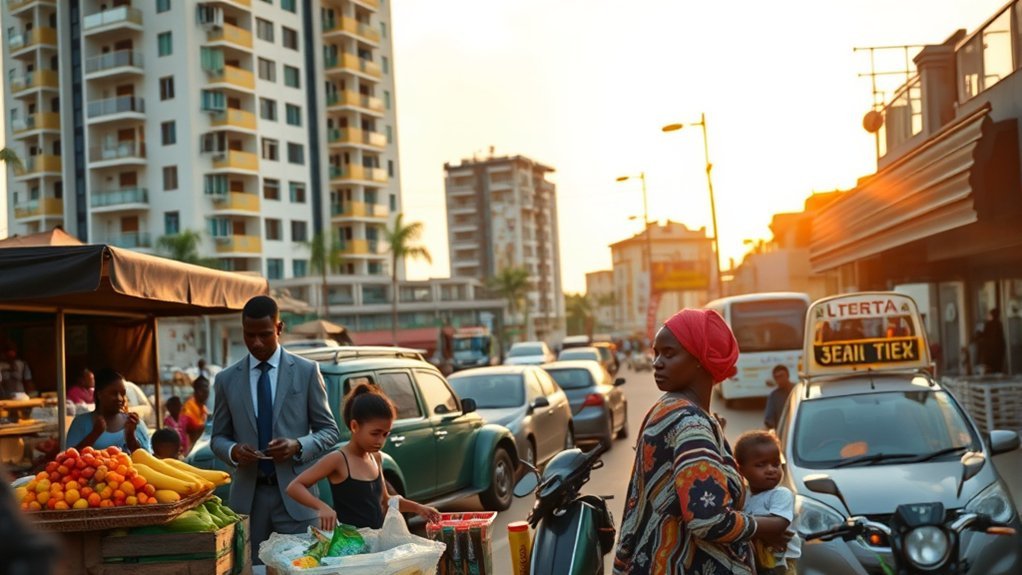
A single person in Abidjan may spend about 474,900 CFA per month before rent. A family of four may spend about 1.70 million CFA before rent. The source paired those estimates with approximately $823 and $2,940, respectively, at the exchange rates used when the data was published.
Adding representative rent produces a more useful planning total. A single person renting a one-bedroom apartment outside the center reaches about 677,000 CFA per month. Choosing a central one-bedroom raises the estimate to about 870,000 CFA.
A family using a three-bedroom apartment outside the center reaches roughly 2.31 million CFA per month. With a central three-bedroom apartment, the combined estimate rises to about 3.27 million CFA.
| Planning scenario | Estimated monthly cost | What it includes |
|---|---|---|
| Single person, before rent | 474,881 CFA | Typical consumer expenses excluding housing |
| Single person, outside-center 1BR | About 677,006 CFA | Non-rent estimate plus average outside-center rent |
| Single person, central 1BR | About 870,362 CFA | Non-rent estimate plus average central rent |
| Family of four, before rent | 1,695,779 CFA | Typical consumer expenses excluding housing |
| Family, outside-center 3BR | About 2,308,446 CFA | Family estimate plus average outside-center rent |
| Family, central 3BR | About 3,265,779 CFA | Family estimate plus average central rent |
Note: These totals do not automatically include international-school tuition, large medical bills, immigration fees, furnishing, flights, a vehicle purchase, rent deposits, employer taxes, or emergency evacuation insurance.
A modest household that cooks locally, shares housing, and uses public transport may spend less. A household choosing furnished expat housing, daily ride-hailing, imported groceries, private clinics, and international education may spend far more.
How Much Does Rent Cost in Abidjan?

Housing creates the biggest swing in an Abidjan budget. Current crowd-sourced figures place a one-bedroom city-center apartment near 395,500 CFA per month, with reported prices ranging from about 150,000 to 676,000 CFA.
A one-bedroom apartment outside the center averages about 202,100 CFA. A three-bedroom apartment outside the center averages roughly 612,700 CFA, while a central three-bedroom apartment averages about 1.57 million CFA.
These averages combine very different properties. Furnishing, backup power, water storage, air conditioning, parking, guards, road access, commute time, and proximity to international schools can all affect the price.
| Housing item | Average | Reported range |
|---|---|---|
| 1BR in city center | 395,481 CFA | 150,000–676,000 CFA |
| 1BR outside center | 202,125 CFA | 100,000–400,000 CFA |
| 3BR in city center | 1,570,000 CFA | 1,000,000–2,080,000 CFA |
| 3BR outside center | 612,667 CFA | 350,000–1,300,000 CFA |
| Basic utilities for 85 m² | 106,000 CFA | 50,000–270,000 CFA |
| Broadband internet | 21,364 CFA | 15,000–35,000 CFA |
Rent Advance and Security Deposits
Côte d’Ivoire’s official public-service guidance says a landlord may not require more than two months of rent in advance when a residential lease is signed. A security deposit may also be charged, but the housing code limits it to two months of rent.
This means a lawful move-in request can still total as much as four months of rent: two months paid in advance and a two-month deposit. Agency, registration, moving, furnishing, and utility-connection expenses may be additional.
Warning: Do not transfer a deposit based only on photos or messages. Visit the property, verify the landlord or authorized agent, read the lease, document the condition of the unit, and obtain receipts for every payment.
Pro Tip: Book short-term housing first. Compare the commute, traffic, drainage, nighttime lighting, mobile signal, water pressure, power reliability, and noise before signing a long lease.
Grocery, Restaurant, and Street-Food Costs
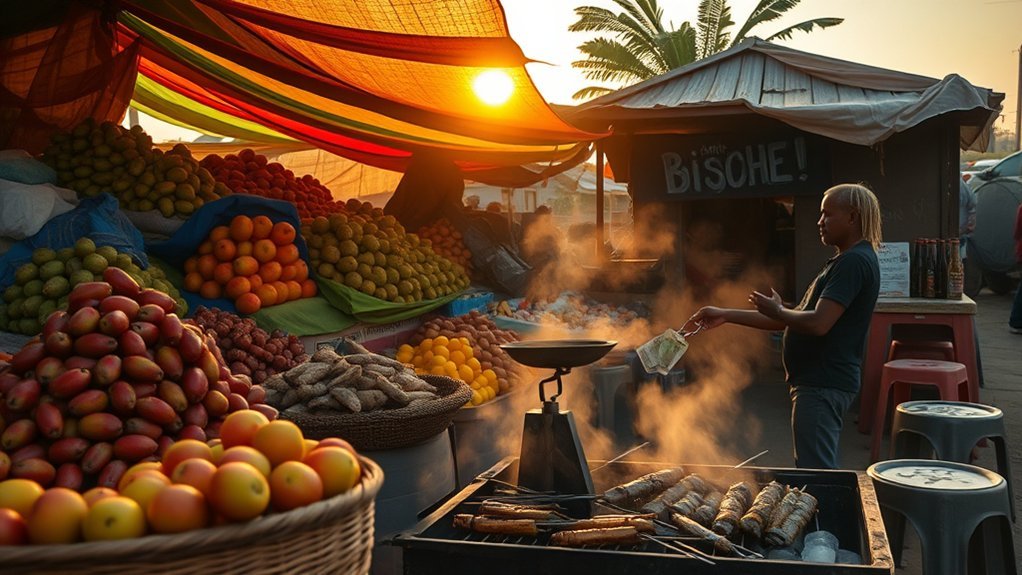
Food costs depend heavily on where you shop and how often you eat imported products. Local produce, rice, seasonal fruit, and market meals can be affordable. Imported dairy products, specialty foods, and supermarket brands can raise the total quickly.
A meal at an inexpensive restaurant averages about 1,500 CFA. A three-course meal for two at a mid-range restaurant averages about 40,000 CFA, but reported prices range from 20,000 to 100,000 CFA. A fast-food combination meal averages about 6,000 CFA.
Current sample grocery prices include about 1,066 CFA for one liter of milk, 256 CFA for a 500-gram loaf of white bread, 695 CFA for one kilogram of white rice, 1,330 CFA for 12 eggs, and 3,700 CFA for one kilogram of chicken fillets.
| Food item | Typical Abidjan estimate |
|---|---|
| Inexpensive restaurant meal | 1,500 CFA |
| Mid-range meal for two | 40,000 CFA |
| Fast-food combination meal | 6,000 CFA |
| Local draft beer, 0.5 liter | 600 CFA |
| Soft drink, 0.33 liter | 450 CFA |
| Milk, 1 liter | 1,066 CFA |
| White rice, 1 kilogram | 695 CFA |
| Eggs, 12 | 1,330 CFA |
| Chicken fillets, 1 kilogram | 3,700 CFA |
- Local markets: Often provide better value for seasonal produce, rice, plantains, cassava, fish, and household staples.
- Street food: Can lower meal costs, but choose busy stalls with clean preparation and high food turnover.
- Supermarkets: Offer convenience and imported products, usually at a higher price.
- Home cooking: Gives you the most control over both food spending and dietary needs.
Utilities, Internet, and Household Expenses
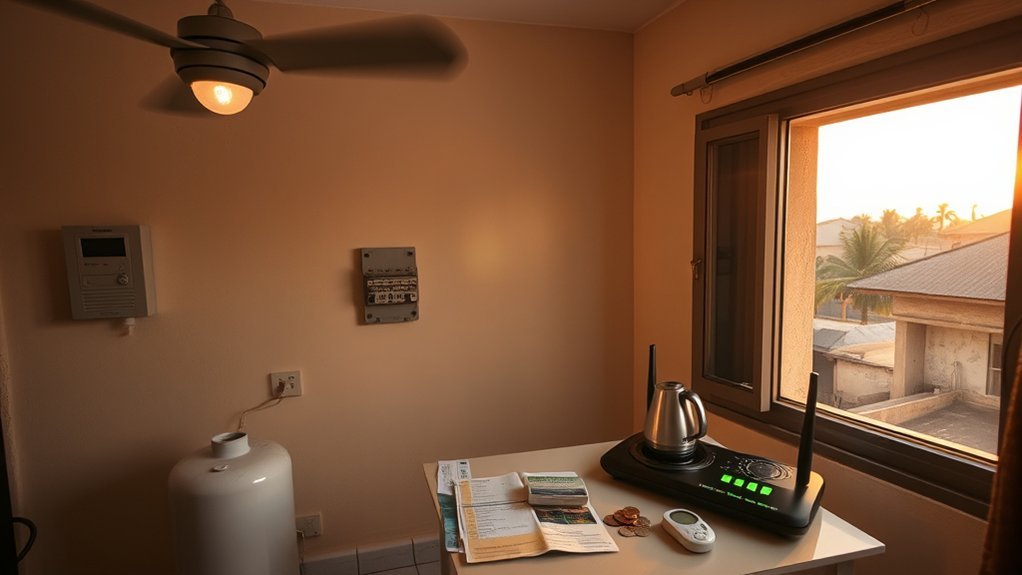
Basic utilities for an 85 m² apartment average about 106,000 CFA per month. The reported range is wide—about 50,000 to 270,000 CFA—because apartment size, cooling use, appliance efficiency, household size, and what the landlord includes can differ greatly.
Broadband internet of 60 Mbps or more averages about 21,364 CFA per month, with reported plans between 15,000 and 35,000 CFA. A mobile plan with calls and at least 10 GB of data averages about 15,833 CFA.
Monthly Utility Expenses
Air conditioning can be one of the largest electricity costs. Before signing a lease, ask for recent bills, inspect the air-conditioning units, and find out whether the property has prepaid power, separate water charges, a generator, or shared building fees.
- Check which utilities are included in the lease.
- Ask for recent electricity and water bills from the same unit.
- Inspect windows, ventilation, shade, and appliance efficiency.
- Budget toward the top of the range if you work from home or cool several rooms.
- Ask how the building handles power or water interruptions.
Internet Plans and Speeds
Urban areas such as Abidjan usually offer more broadband choices than rural locations, but advertised speed does not guarantee the same performance at every address. Ask neighbors about peak-hour reliability before signing a contract.
Compare the installation fee, router fee, contract length, data limits, cancellation rules, and repair response time. Remote workers should keep a mobile-data backup in case fixed service fails.
Transportation and Commuting Costs
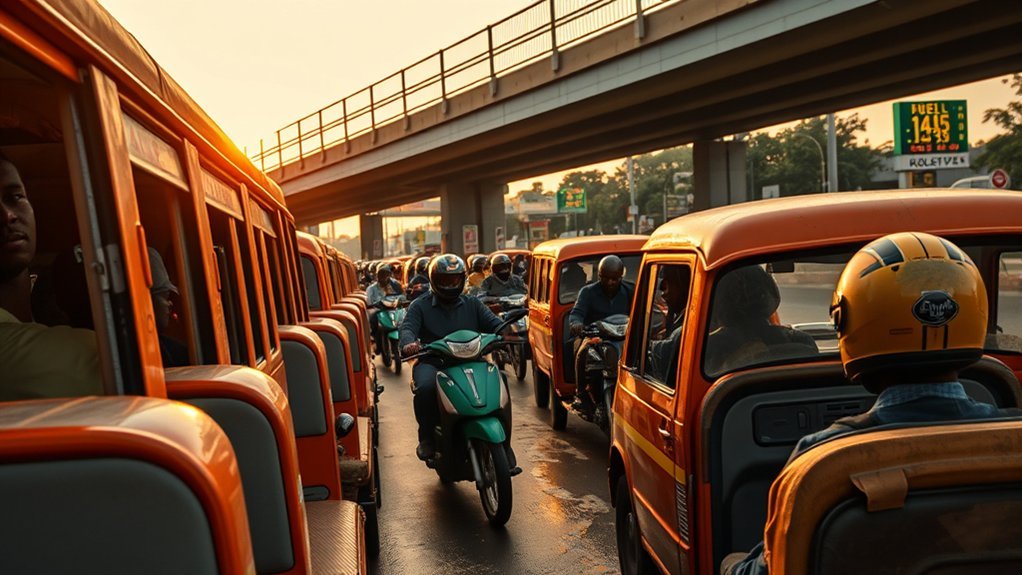
Public transport can keep routine commuting affordable, but traffic and route availability matter as much as the ticket price. A local one-way trip averages about 500 CFA. A generic monthly public-transport estimate is about 25,000 CFA, although actual passes, stored-value products, routes, and eligibility can differ.
Taxis and ride-hailing provide more direct travel. Current crowd-sourced estimates list a starting fare near 1,000 CFA and a standard rate near 1,000 CFA per kilometer. Treat those numbers as rough guides because traffic, negotiation, taxi type, time, and app demand can change the final fare.
Public Transport Fares
A commuter taking two 500 CFA trips on 22 workdays would spend about 22,000 CFA per month before transfers or weekend travel. Compare that simple calculation with any available pass or stored-value option for your routes.
Public transport can reduce commuting costs, but route coverage, crowding, wait times, and road traffic can make travel time unpredictable. Test your actual route at commute time before relying on a generic monthly transport estimate.
Taxi and Ride-Hailing
Use taxis or ride-hailing for airport trips, late arrivals, poor bus connections, or occasional direct travel. Confirm the fare or app estimate before departure and check that the vehicle and driver match the booking information.
A daily taxi commute can exceed the cost of public transport quickly. Test the route during the hours when you would normally travel before choosing a home based only on map distance.
Fuel and Vehicle Costs
Gasoline was reported at 875 CFA per liter in July 2026. Fuel prices are reviewed regularly, so verify the pump price when creating a long-term budget.
Vehicle ownership also includes insurance, maintenance, repairs, registration, parking, tires, and the purchase price. Numbeo’s sample price for a new compact or mid-size imported car was around 16.1–16.5 million CFA.
Note: A cheaper home far from work may not save money after you add fuel, taxi fares, tolls, parking, and hours lost in traffic. Compare total monthly cost and commute time together.
Healthcare, Insurance, and Medical Expenses
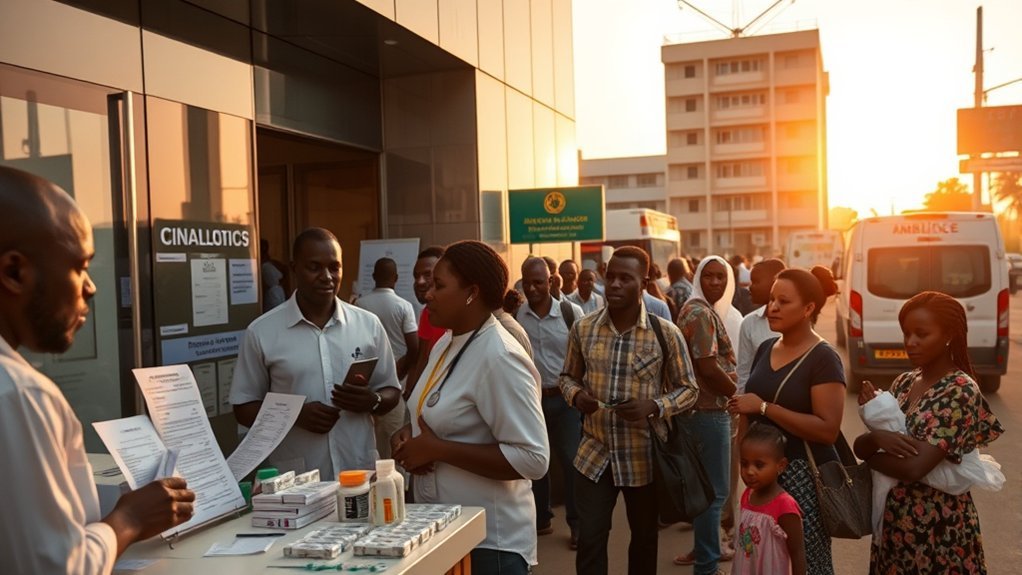
Healthcare needs careful planning because the price of a routine visit tells you little about the cost of a serious illness, hospital stay, specialist procedure, or medical evacuation.
The U.S. Department of State says medical facilities are available in major cities, but routine and emergency services can be limited. Rural facilities are less adequate, medicine and supply shortages can occur, and hospitals or doctors may require payment before treatment or admission.
Many U.S. health plans do not cover care abroad. Medicare and Medicaid do not cover overseas medical bills. Confirm whether your policy pays providers directly or requires you to pay first and request reimbursement later.
Côte d’Ivoire’s National Health Insurance Fund operates the Universal Health Coverage program, known as CMU. Residents should check current enrollment eligibility, covered facilities, contribution requirements, waiting periods, and exclusions rather than assuming every service is covered.
Warning: Review hospital, prescription, specialist, emergency-transport, repatriation, and medical-evacuation coverage before arrival. Keep an emergency payment method because some providers require payment upfront.
Also budget for vaccinations, malaria prevention, dental care, eyeglasses, regular prescriptions, and travel to a preferred clinic. U.S. travelers must carry proof of yellow-fever vaccination when entering Côte d’Ivoire.
Education and Childcare Costs
Families can underestimate the cost of private childcare and international education. Current crowd-sourced Abidjan estimates put private full-day preschool or kindergarten near 211,667 CFA per child each month.
International primary-school tuition averages about 2.7 million CFA per child per year, but the reported range runs from about 800,000 to 8 million CFA. Registration, uniforms, books, meals, activities, technology, exams, and school transport may be separate.
| Family expense | Average estimate | Reported range |
|---|---|---|
| Private full-day preschool | 211,667 CFA per month | 150,000–300,000 CFA |
| International primary school | About 2.7 million CFA per year | 800,000–8 million CFA |
Contact each school directly for the current fee schedule and waiting-list policy. A school that looks affordable on tuition alone may cost much more after transport, meals, activities, deposits, and capital fees are added.
What Salary Do You Need to Live in Côte d’Ivoire?

Numbeo’s May 2026 Abidjan data estimates an average monthly net salary of about 126,795 CFA. This is a small crowd-sourced city estimate, not an official national wage average.
Côte d’Ivoire’s legal minimum interprofessional wage is 75,000 CFA per month, following the increase that took effect in January 2023. Actual pay varies widely by sector, qualifications, employer, contract type, language skills, and whether the role is local or international.
The gap between current rent estimates and local wage benchmarks explains why many households share housing, live farther from central districts, receive family support, or combine several income sources.
Salary Benchmarks to Use
- 75,000 CFA: Legal monthly minimum-wage benchmark.
- 126,795 CFA: Crowd-sourced Abidjan net-salary estimate, not an official nationwide average.
- Your sector’s real offers: The most useful benchmark for negotiation.
- Total compensation: Salary plus housing, transport, insurance, school support, flights, pension, taxes, and bonuses.
Job Market Sectors
Abidjan is a regional business hub with opportunities in finance, technology, logistics, energy, construction, education, hospitality, consumer goods, and international development. Pay levels and recruitment methods differ too much to rank entire sectors simply as “high” or “low.”
| Sector | What to verify before accepting |
|---|---|
| Finance and consulting | Net pay, bonus rules, hours, health insurance, transport, and contract currency |
| Technology and telecom | Employment status, equipment, internet allowance, training, and remote-work terms |
| Education | School calendar, housing, tuition benefits, flights, certification, and insurance |
| Hospitality and services | Base pay, service charges, meals, transport, working hours, and overtime |
| Energy, logistics, and construction | Site location, rotation schedule, housing, transport, safety coverage, and allowances |
How to Check a Salary Offer
Do not convert your current U.S. salary by a single national percentage. Build a destination budget instead:
- List your expected monthly rent, utilities, food, transport, healthcare, school costs, debt payments, savings, and travel.
- Add annual expenses such as insurance, flights, school registration, residence documents, and vehicle servicing, then divide them by 12.
- Subtract benefits the employer will pay directly, such as housing, tuition, transport, or medical insurance.
- Add a savings target and an emergency margin.
- Confirm whether the offer is quoted before or after tax and which currency will be used.
The remaining total is the minimum net monthly income needed for your planned lifestyle. Negotiate from that number rather than from a broad national “cost-of-living adjustment.”
Currency, Banking, and Everyday Payments
Côte d’Ivoire uses the West African CFA franc, identified by the currency code XOF. The Central Bank of West African States fixes the currency at 655.957 CFA for one euro.
The CFA franc is not fixed to the U.S. dollar. Its dollar value changes as the euro-dollar rate changes. On July 28, 2026, BCEAO’s transfer table showed U.S. dollar purchase and sale rates of about 573.5 and 580.5 CFA per dollar.
Note: Never divide a CFA amount by 655.957 and label the result as U.S. dollars. That calculation produces euros because 655.957 CFA equals one euro.
Credit cards are accepted by many major hotels, established restaurants, chains, and larger businesses. Cash remains necessary in many other situations. Internet or payment-system outages can also stop card processing.
ATMs are widely available in Abidjan and some other large cities, but not every machine accepts every foreign card. Before moving, ask your bank about international fees, withdrawal limits, fraud blocks, and replacement-card delivery.
- Keep more than one payment method.
- Carry a reasonable cash backup without displaying large amounts publicly.
- Notify your bank before travel if required.
- Check ATM and currency-conversion fees before accepting a transaction.
- Keep emergency funds in an account you can reach from abroad.
Is Côte d’Ivoire Safe for Expats?
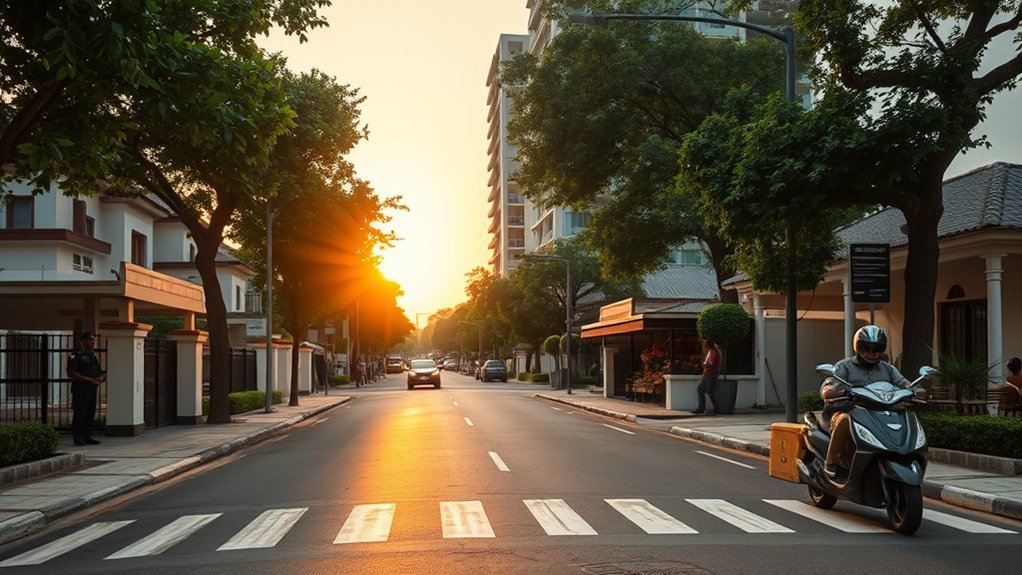
Abidjan offers business activity, restaurants, cultural life, international schools, healthcare, and a wide range of housing. Safety and transport access should still be treated as part of your housing decision.
As of August 2026, the U.S. State Department places Côte d’Ivoire at Level 2: Exercise Increased Caution because of crime, terrorism, unrest, health concerns, and piracy in nearby waters. It advises travelers not to visit northern-border areas because of crime and terrorism.
Violent crime, including robbery, carjacking, and home invasion, occurs in some areas. Demonstrations can become violent, and the U.S. government has limited capacity to provide emergency services outside Abidjan.
Flood risk should also be part of the housing check. In July 2026, the Associated Press reported that floods had killed at least 59 people in Côte d’Ivoire that year, with recent flooding and landslides affecting parts of Abidjan. Ask landlords and neighbors about prior flooding, drainage, road access during heavy rain, and whether ground-floor units have taken water.
Plateau, Cocody, Marcory, Zone 4, Riviera, Bingerville, Yopougon, and other districts offer very different rent levels, housing types, traffic patterns, and services. No district should be treated as uniformly safe or unsafe. Inspect the exact street and building at different times.
- Check the building entrance, locks, guards, lighting, and emergency exits.
- Ask about flooding, drainage, road access, power cuts, water supply, and noise.
- Test the commute during morning and evening traffic.
- Avoid displaying expensive jewelry, watches, phones, or large amounts of cash.
- Avoid demonstrations, political rallies, and large crowds.
- Keep copies of your passport, visa, insurance, and emergency contacts.
The cheapest apartment is not always the lowest-cost choice once security, flooding, transport, electricity, and commute time are included.
What Should You Do Before Moving to Côte d’Ivoire?
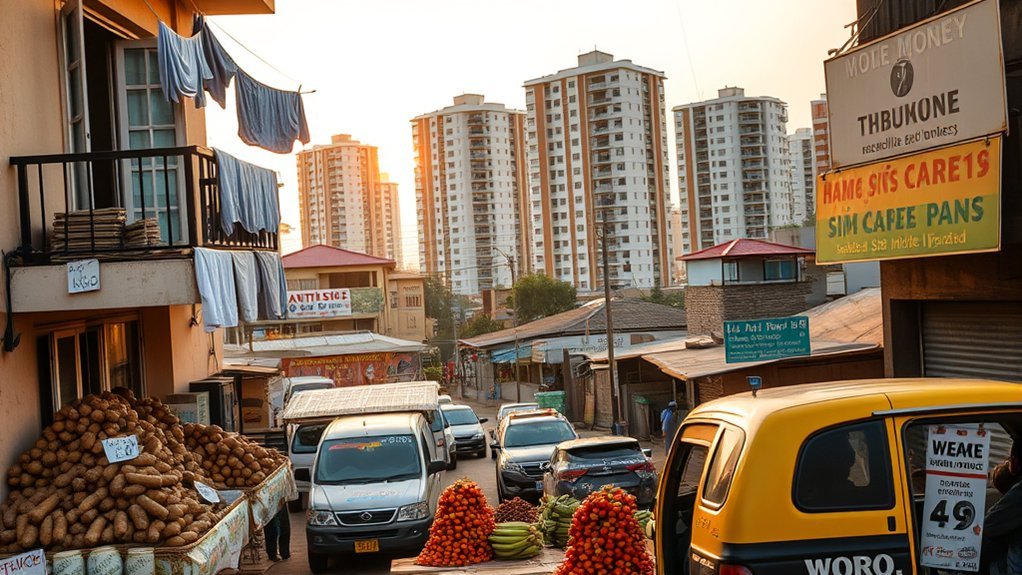
Start with temporary housing and a written first-month budget. Compare the location of your workplace, clinic, school, grocery store, and preferred transport before choosing a long-term neighborhood.
Entry and Residency
For U.S. citizens, the State Department says a visa is required for tourist visits. An airport e-visa must be requested online and approved before arrival. Travelers also need proof of yellow-fever vaccination, at least one blank passport page, and a passport valid for six months beyond the arrival date.
Foreigners planning to live in Côte d’Ivoire must obtain an appropriate residence credential. Côte d’Ivoire’s public-service portal lists passport and visa copies among the documents required for a first residence-card application. Requirements, fees, and processing procedures can change, so verify them before travel.
First-Month Checklist
- Confirm your visa, passport validity, vaccination proof, work authorization, and residence requirements.
- Book temporary accommodation for enough time to inspect long-term housing.
- Get a local SIM and test coverage at home and work.
- Arrange health insurance and identify a preferred clinic and pharmacy.
- Open or activate suitable banking and payment access.
- Test your commute during normal working hours.
- Review the lease, inventory, deposit, advance-rent request, and payment receipts.
- Set up internet, electricity, water, and a backup connection if you work online.
- Keep an emergency cash and evacuation fund.
How Much Move-In Cash Might You Need?
For a one-bedroom apartment averaging 395,481 CFA in central Abidjan, two months of advance rent plus a two-month deposit could total about 1.58 million CFA. That does not include agency, registration, moving, furnishing, utility, or temporary-housing costs.
For an outside-center one-bedroom averaging 202,125 CFA, the same four-month calculation would be about 808,500 CFA. The actual lawful amount may be lower depending on the agreement.
Pro Tip: Keep your relocation fund separate from your normal monthly budget. Rent deposits, temporary lodging, visa costs, flights, furnishings, and connection fees can consume several months of ordinary spending at once.
Frequently Asked Questions
How much does one person need to live in Abidjan per month?
Using May 2026 Abidjan estimates, one person needs about 474,881 CFA per month before rent. Adding average one-bedroom rent gives a planning total of about 677,006 CFA outside the center or 870,362 CFA in the city center. These are crowd-sourced planning estimates, not guaranteed monthly bills.
What is the average salary in Ivory Coast?
Numbeo’s May 2026 Abidjan estimate is about 126,795 CFA after tax, but this is a small crowd-sourced city figure rather than an official national average. Côte d’Ivoire’s legal minimum wage is 75,000 CFA per month. Actual salaries vary greatly by profession, experience, employer, and contract benefits.
How much is rent in Ivory Coast?
In Abidjan, a one-bedroom apartment averages about 395,481 CFA in the city center and 202,125 CFA outside it. A three-bedroom apartment averages about 1.57 million CFA centrally and 612,667 CFA outside the center. Smaller cities and modest neighborhoods may cost less.
How much is a Coke in Ivory Coast?
A 0.33-liter Coca-Cola or Pepsi in an Abidjan restaurant averages about 450 CFA. The reported range is approximately 300–650 CFA, so shops, restaurants, hotels, neighborhoods, and package sizes can produce different prices.
Is Ivory Coast a good place to live?
Côte d’Ivoire can suit people who value a warm climate, active city life, regional business opportunities, and lower costs than many U.S. locations. The decision should also account for income, French-language ability, traffic, healthcare, schooling, safety, immigration status, and distance from family.
Is Abidjan more expensive than other cities in Ivory Coast?
Abidjan usually has higher rents and more premium services because it is the country’s main economic center. Smaller cities may offer cheaper housing, but they may also have fewer international schools, specialized clinics, job opportunities, broadband choices, and transport connections.
Can an expat live cheaply in Ivory Coast?
Yes, especially with modest housing, local food, limited air-conditioning use, and public transport. Costs rise quickly with furnished expat housing, imported groceries, frequent taxis, private healthcare, international schools, regular flights, and a private vehicle.
Can a landlord demand six months of rent upfront?
Official housing guidance says a residential landlord may not require more than two months of rent in advance. A separate security deposit may be included, but it may not exceed two months of rent. Ask for a written lease and receipts and seek local professional advice if a demand appears unlawful.
How much money should I bring when moving to Abidjan?
Keep enough for temporary housing, up to four months of rent for lawful advance rent and deposit, utility setup, furnishings, transport, immigration costs, insurance, food, and an emergency reserve. The required amount can easily exceed several months of your normal living budget.
Financial Disclaimer: This article is for informational purposes only and does not constitute financial, tax, legal, immigration, medical, or investment advice. Prices, exchange rates, laws, entry rules, and service availability can change. Verify current requirements and consult qualified professionals before making relocation or financial decisions.
Conclusion
Living in Ivory Coast can cost less than living in the United States, but the country’s lower local purchasing power changes how affordable those prices feel. A single person in Abidjan may need roughly 677,000–870,000 CFA per month after representative one-bedroom rent is added. A family can need 2.31 million CFA or more before international schooling, major medical costs, or relocation expenses.
Start with housing, because rent, deposits, commute time, utilities, and neighborhood services create the largest budget differences. Then add food, transport, healthcare, school fees, immigration costs, savings, and an emergency reserve. Verify every major price locally before signing a lease or accepting a job offer.
Sources
- Numbeo: Cost of Living in Abidjan — consumer prices, rent, utilities, transport, childcare, and salary estimates updated May 2026
- Numbeo: United States and Ivory Coast Comparison — country-level cost, rent, grocery, restaurant, and purchasing-power comparison
- Central Bank of West African States — official CFA transfer exchange rates
- Côte d’Ivoire Public Service: Residential Leases — limits on advance rent and security deposits
- International Labour Organization — Côte d’Ivoire’s 75,000 CFA minimum-wage benchmark
- U.S. Department of State: Côte d’Ivoire — entry rules, safety, healthcare, transportation, currency, and residence guidance
- Associated Press: 2026 Côte d’Ivoire floods — July 2026 reporting on flood deaths, landslides, and impacts in Abidjan
