

Airbnb and Vrbo can both offer good vacation-rental value, but neither platform is always cheaper. Airbnb usually gives travelers more property types, including private rooms and unusual stays, while Vrbo focuses on private whole-home vacation rentals. For U.S. travelers, mandatory fees are included in the prominent upfront price, so the fairest comparison uses the same trip filters and ends with the final payment breakdown after taxes and any optional extras.
Last updated: September 7, 2026. Reviewed against current Airbnb, Vrbo, and FTC pricing, fee, cancellation, and booking-protection guidance.
Quick Answer
Neither Airbnb nor Vrbo is always cheaper. Airbnb is usually the stronger place to start for private rooms, city stays, couples, solo travelers, and unusual properties. Vrbo is built around private vacation homes and is often a natural starting point for families and groups. Compare the same dates, guest count, location, amenities, cancellation terms, rewards, and final price after taxes before choosing.
How this comparison was checked: This guide compares current official platform rules, pricing structures, cancellation options, rewards, and booking protections. The worked price example below is hypothetical and is not presented as a statistically representative Airbnb-versus-Vrbo price study, because actual totals change by property, dates, location, and guest count.
Key Takeaways
- Airbnb is usually the stronger starting point for city stays, private rooms, solo trips, and unusual properties.
- Vrbo is built around entire homes, making it a natural fit for families, reunions, and groups that want privacy.
- In the United States, mandatory fees are included in the prominent upfront price; taxes and optional extras may still be added later.
- Cleaning fees have the greatest per-night impact on short stays because they are usually charged once per booking.
- The best value is the lowest suitable total, not the lowest nightly rate or the platform with the lowest advertised fee percentage.
- For eligible U.S. Vrbo bookings, One Key rewards or member pricing can change the effective value for signed-in members.
What’s in This Article
- Airbnb Vs. Vrbo: Which Offers Better Value?
- Quick Verdict: Airbnb or Vrbo?
- Airbnb vs. Vrbo Side-by-Side Comparison
- How to Compare Airbnb and Vrbo Fairly
- Understanding Cost Structures of Airbnb and Vrbo
- Service Fees: What Do You Really Pay?
- Worked Example: Compare the All-In Price
- Cleaning Fees: What to Expect on Airbnb Vs. Vrbo?
- Cancellation Policies: How They Impact Costs?
- Booking Protection and Support
- Airbnb Vs. Vrbo: Discounts and Promotions
- Common Extra Costs on Airbnb and Vrbo
- The Impact of Location on Pricing
- Long-Stay Discounts: Maximizing Your Value
- Choose Airbnb If…
- Choose Vrbo If…
- Overall Cost Comparison: Airbnb Vs. Vrbo
- Frequently Asked Questions
- Conclusion
Airbnb Vs. Vrbo: Which Offers Better Value?
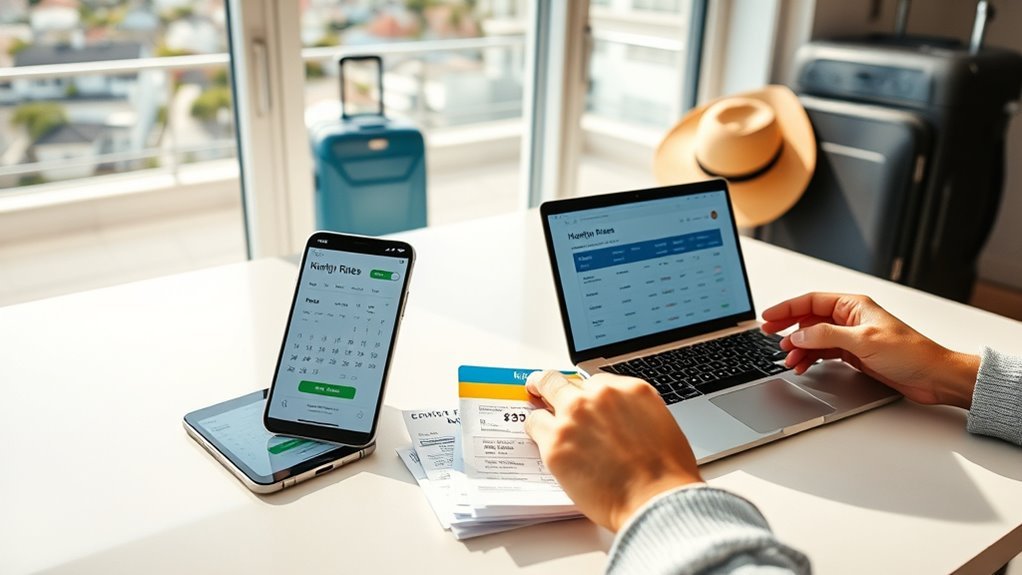
Airbnb and Vrbo can both deliver good value, but they solve different travel needs. Airbnb offers entire homes plus private rooms and a broad range of property styles. Vrbo focuses on private vacation rentals and does not allow vacation-rental properties with living spaces shared between the booking party and a host or other guests, although common areas such as community pools or hallways can be exceptions.
For a short city trip, Airbnb’s additional property types can create more options near restaurants, transit, and attractions. For a beach week, family reunion, ski trip, or multi-bedroom group stay, Vrbo’s whole-home focus can make relevant properties easier to identify.
Airbnb usually wins on variety. Vrbo usually wins on whole-home focus. The price winner can change from one listing and date combination to the next.
The smartest choice comes from comparing the total for a rental that actually meets your needs. Check the displayed trip price, taxes, optional extras, damage-deposit terms, cancellation policy, bedrooms, bed setup, parking, and required house rules before booking.

This hardcover edition by Eric Metaxas offers a compelling look at the origins of the United States during the Colonial Period. It blends historical narrative with engaging storytelling, making it appealing for readers interested in American history, early nation-building, and the ideas that shaped the country. A strong choice for history enthusiasts, students, and anyone exploring the foundations of the nation.

This pop-up laundry hamper offers a spacious, easy-to-use solution for keeping laundry and household items organized. Its collapsible mesh design saves space when not in use, while the built-in side pocket adds convenience for sorting smaller items or labeling contents. Breathable construction helps promote airflow and reduce odors, making it a practical choice for laundry rooms, travel, dorms, and versatile storage around the home.

Blokus is a fast, easy-to-learn strategy board game that delivers engaging fun for kids and adults alike. Players place their pieces using one simple rule while trying to claim territory, block opponents, and fit as many pieces on the board as possible. Color-blind accessible patterns and family-friendly gameplay make it a great choice for game nights and parties.
Quick Verdict: Airbnb or Vrbo?
Choose Airbnb when you want more property types, a private room, an unusual stay, or more options in a dense city. Choose Vrbo when you want an entire home and prefer a search experience centered on family and group vacation rentals.
If price matters most, search both platforms with the same dates, guest count, map area, bedroom count, pet setting, and must-have amenities. Then compare the final total and cancellation protection rather than assuming one platform is cheaper.
Best Platform to Check First by Trip Type
| Trip Type | Check First | Why |
|---|---|---|
| Solo traveler or private room | Airbnb | Airbnb supports private-room inventory that Vrbo’s shared-space policy generally does not. |
| Couple on a city break | Airbnb, then Vrbo | Airbnb’s broader property types can produce more small-unit choices; cross-check whole homes when privacy matters. |
| Family vacation | Compare both | Vrbo’s whole-home focus fits family trips, while Airbnb may still have a suitable home at a better total or location. |
| Large group, reunion, beach, or ski stay | Vrbo, then Airbnb | Vrbo is centered on private vacation homes, but cross-shopping can reveal different rates or cancellation terms. |
| Unusual or distinctive stay | Airbnb | Airbnb carries a wider range of property styles in addition to conventional homes. |
| Eligible One Key member | Vrbo, then compare cash totals | Eligible Vrbo stays can earn OneKeyCash and may show member pricing. |
| Plans may change | No automatic winner | Compare the exact cancellation window and refund terms on the two specific listings. |
Airbnb vs. Vrbo Side-by-Side Comparison
| Feature | Airbnb | Vrbo |
|---|---|---|
| Best for | City stays, solo travelers, couples, rooms, unique rentals, and broad selection | Families, groups, reunions, and private whole-home vacations |
| Property types | Private rooms, apartments, houses, cabins, and unusual stays | Entire houses, condos, cabins, villas, cottages, and similar vacation homes |
| Shared spaces | Available on eligible listings | Vacation rentals with living spaces shared with a host or other guests are not allowed; common-area exceptions can apply |
| Upfront pricing in the U.S. | Mandatory fees included in the prominent price; tax handling depends on applicable display and collection rules | Mandatory fees and service fee included; taxes are generally added at checkout unless applicable rules require otherwise |
| Guest service fee | 14.1%–16.5% of the booking subtotal on current split-fee listings; no separate guest service fee on single-fee listings | Varies with the reservation amount and is included in the upfront price |
| Damage deposit | Most hosts cannot charge one; select software-connected hosts and hotels may | A host may require a card on file, refundable deposit, or damage-protection option |
| Long-stay discounts | Hosts may offer weekly discounts at 7+ nights and monthly discounts at 28+ nights | Hosts may offer weekly discounts at 7+ nights and monthly discounts at 28+ nights |
| Booking support | AirCover for guests is included with home bookings | VrboCare applies to qualifying vacation-rental bookings that meet its terms |
| U.S. loyalty value | Check listing-specific promotions and any eligible Airbnb offers | Eligible One Key members may earn OneKeyCash and see member prices on select stays |
How to Compare Airbnb and Vrbo Fairly
A fair comparison uses the same trip requirements on both sites. A cheaper listing is not a substitute if it has fewer bedrooms, a worse location, no parking, or a stricter cancellation policy.
- Match the search: Use the same dates, guest count, pets, map area, and bedroom count.
- Match the essentials: Compare air conditioning, parking, laundry, kitchen access, accessibility, workspace, pool, and other must-haves.
- Record the displayed total: Use the full-stay price before taxes, not a divided or average nightly figure.
- Add taxes and optional choices: Include any selected insurance, extended-cancellation option, heated-pool fee, parking option, or other add-on.
- Apply usable rewards: If you are signed in to a loyalty program such as One Key, count only rewards or member prices that actually apply to that booking.
- Compare risk: Read cancellation deadlines, refund rules, deposit terms, recent reviews, and host responsiveness.
- Calculate unit value: Divide the final price by nights, and for group trips, also divide by the number of guests.
Pro Tip: Search the property name or distinctive listing text on both platforms. Some homes are cross-listed at different totals or with different cancellation terms, but confirm that the host, address area, photos, and amenities truly match.
Understanding Cost Structures of Airbnb and Vrbo
In the United States, the FTC’s Rule on Unfair or Deceptive Fees, effective May 12, 2025, requires short-term lodging sellers and marketplaces that advertise a price to show the total of mandatory charges upfront. Taxes and other government charges and genuinely optional add-ons may be disclosed later before payment. Before payment, the final amount must reflect taxes and any optional items you selected.
Airbnb and Vrbo therefore use mandatory-fee-inclusive upfront pricing, although tax display can vary by platform and jurisdiction. For a broader U.S. pricing benchmark rather than a platform comparison, see our 2026 U.S. vacation rental cost guide.
The amount you ultimately pay can include the rental price, platform service fee, cleaning fee, extra guest fee, pet fee, mandatory property fee, and taxes. Optional travel insurance, damage protection, or amenity add-ons may increase the price only when selected or used.
Do not judge value from a host’s fee model alone. Host fees influence how owners set rates, but travelers should focus on the total price shown for their exact trip.
Note: Airbnb describes its U.S. display as a fee-inclusive total, while its tax display depends on applicable collection and pricing rules. Vrbo says taxes are generally added at checkout unless local rules require a different display. Always review the final payment screen because optional extras and permitted usage-based charges can still change the amount due.
Service Fees: What Do You Really Pay?
Service fees support payment processing, customer support, platform operations, and booking protections. Their structure differs, but the traveler’s best comparison remains the all-in trip total.
Airbnb Fee Structure Explained
Airbnb currently describes two fee structures for home stays. Under the split-fee structure, most hosts pay a host service fee and guests pay a service fee that Airbnb says ranges from 14.1% to 16.5% of the booking subtotal, although the exact fee can vary. Under the single-fee structure, Airbnb deducts the service fee from the host’s payout, so the guest does not see a separate Airbnb guest service fee.
Airbnb’s current help page says the single-fee structure is mandatory for certain hosts, including traditional hospitality listings, property-management-software-connected hosts, and hosts in countries subject to that structure. Most single-fee hosts currently pay 15.5%, while Airbnb says remaining single-fee hosts typically pay 14%–16%. Because eligible listings can still use different fee structures, two Airbnb stays may show different-looking price breakdowns even when their displayed totals are similar.
- Check the total price for your exact dates and guest count.
- Expect host-set cleaning, pet, and extra guest fees where applicable.
- Remember that a single-fee listing can build platform costs into the host’s pricing.
- Check whether paying in a different currency creates a higher service fee or bank conversion cost.
Vrbo Pricing Breakdown
Vrbo charges travelers a service fee that is a percentage of the reservation total before taxes and refundable fees. Vrbo states that the percentage varies with the reservation amount. Its traveler service fee is included in the mandatory-fee-inclusive price shown upfront.
Vrbo hosts may use a pay-per-booking model or, where available, another account arrangement. Those host-side costs may influence the listed rent, but they do not tell you whether a specific Vrbo stay is cheaper than Airbnb.
Vrbo’s upfront price includes required fees, while taxes and optional extras may appear separately. Open the full breakdown to identify cleaning, pet, parking, resort, utility, or other property-level charges.
Extra-Cost Comparison
The old idea of a low search price suddenly jumping at checkout is less accurate now because mandatory fees must be shown upfront in the U.S. However, travelers can still overlook costs that are displayed separately or depend on their choices.
- Taxes: Lodging and sales taxes may be added after the fee-inclusive price.
- Optional insurance: Travel insurance or damage protection can increase the total when selected.
- Usage-based charges: Electricity, heating, pool heat, or similar costs may depend on actual use where permitted and disclosed.
- Currency costs: Exchange-rate differences and card issuer fees can affect international bookings.
- House-rule charges: Documented charges may follow damage, unauthorized guests, smoking, late checkout, or other rule violations.
Worked Example: Compare the All-In Price
A simple worksheet can expose a “cheap” nightly rate that is not actually the best deal. Imagine two suitable three-night rentals after you have entered the same dates and guest count:
| Cost Item | Rental A | Rental B |
|---|---|---|
| Nightly rent | $180 × 3 = $540 | $195 × 3 = $585 |
| Mandatory fees shown upfront | $170 | $105 |
| Subtotal before taxes | $710 | $690 |
| Example taxes | $85 | $83 |
| Example final total | $795 | $773 |
Rental A starts with the lower nightly rate, but Rental B is $22 cheaper in this hypothetical example after mandatory fees and taxes. The numbers are illustrative, not live marketplace averages; compare the actual full-stay totals shown for your trip.
Cleaning Fees: What to Expect on Airbnb Vs. Vrbo?

Airbnb and Vrbo both allow hosts to set cleaning fees. Because the fee is generally charged once per reservation, it affects one-night and weekend trips more than week-long stays.
For example, a $120 cleaning fee adds $60 per night to a two-night stay but about $17 per night to a seven-night stay. This does not make the fee hidden; it shows why a low average nightly rate can still produce a high total.
Use this formula for a fair comparison: final trip price ÷ number of nights = effective nightly cost. For a group, also calculate final trip price ÷ nights ÷ guests.
Warning: A cleaning fee does not automatically remove all checkout duties. Read the house rules for trash, dishes, linens, pet cleanup, key return, and checkout time before booking.
Cancellation Policies: How They Impact Costs?
Cancellation protection can be worth more than a small price difference. A slightly higher refundable stay may protect your budget better than a cheaper nonrefundable reservation.
Airbnb cancellation terms are set by the host and displayed before payment. Under Airbnb’s current standard policies for stays under 28 nights, guests generally have a 24-hour period after confirmation to cancel for a full refund when the booking was confirmed at least seven days before check-in. Certain nonrefundable hotel listings are exempt, and listing-specific terms still control.
Airbnb Current Standard Cancellation Windows
| Policy | Main Full-Refund Window | After That |
|---|---|---|
| Flexible | Until 24 hours before check-in | Host payout rules apply for late cancellation |
| Moderate | Until 5 days before check-in | Partial/no refund of lodging depending on timing |
| Limited | Until 14 days before check-in | 50% refund from 7–14 days; less than 7 days is more restrictive |
| Firm | Until 30 days before check-in | 50% refund from 7–30 days; less than 7 days is more restrictive |
Airbnb also has invitation-only Strict and Super Strict policies for some listings. For monthly stays of 28 nights or more, separate long-term cancellation policies apply.
Note: Eligible Airbnb homes in supported markets may offer a paid extended cancellation option that allows cancellation for a full reservation refund up to 24 hours before check-in. It is not available on every home, so include its added cost when comparing value.
Vrbo Current Standard Cancellation Windows
Vrbo hosts select a cancellation policy for each listing and may create seasonal policies. Vrbo currently lists these policy options:
| Policy | Main Full-Refund Window | After That |
|---|---|---|
| Day-before | 100% refund at least 24 hours before check-in | No refund after the 24-hour deadline |
| Lenient | 100% refund at least 5 days before check-in | No refund after the 5-day deadline |
| Relaxed | 100% refund at least 14 days before check-in | 50% refund 7–14 days before check-in |
| Moderate | 100% refund at least 30 days before check-in | 50% refund 14–30 days before check-in |
| Firm | 100% refund at least 60 days before check-in | 50% refund 30–60 days before check-in |
| Strict | 100% refund at least 60 days before check-in | No refund after the 60-day deadline |
| No refund | No standard full-refund window | No refund under the standard listing policy |
Vrbo says travelers must cancel by 11:59 p.m. in the property’s time zone on the last day of the applicable refund window. Seasonal rules can change the policy for specific check-in dates.
- Check the exact time zone and deadline, not only the calendar date.
- Confirm what a “100% refund” includes for the specific reservation.
- Check whether a seasonal policy applies to your check-in date.
- Compare the refundable option with any discounted nonrefundable alternative.
- Save the booking confirmation and policy shown when you pay.
A lower price is not better value when one change of plans could make the full reservation nonrefundable.
Booking Protection and Support
Both platforms provide support when a serious booking problem occurs, but their programs, eligibility rules, and reporting steps are not identical.
AirCover for guests is included with Airbnb home bookings. Airbnb says it may help with rebooking or a full or partial refund when a host cancels before check-in, the guest cannot access the home, or the listing is significantly different and the host cannot resolve the issue. For a problem discovered during a stay, Airbnb generally tells guests to document it and report it to the host or Airbnb within 72 hours of discovery.
Guests who complete a qualifying vacation-rental booking through Vrbo Checkout may be eligible for VrboCare. VrboCare is a limited program rather than a general satisfaction or money-back guarantee, and its terms cover defined situations such as certain access problems, host cancellations, material defects or misrepresentation, fraud, and wrongful withholding of qualifying payments or deposits.
If a Vrbo property is significantly different from its listing, Vrbo’s property-not-as-described guidance tells guests to contact the host and also report the issue to Vrbo within 24 hours of check-in.
- Keep pre-booking communication and payments on the platform.
- Photograph serious problems when you arrive.
- Contact the host first unless there is an immediate safety concern.
- Report unresolved problems within the applicable platform time window.
- Do not treat platform protection as a replacement for travel insurance covering illness, flights, weather, or other trip risks.

Experience J.R.R. Tolkien's legendary Middle-earth saga in a compact hardcover boxed set that brings together The Hobbit and The Lord of the Rings. This deluxe collection is ideal for readers who want a portable, collectible edition of the classic fantasy adventures, making it perfect for gifting, re-reading, and building a treasured library. The boxed presentation adds display appeal while the hardcovers offer lasting durability for years of enjoyment.

This hardcover book celebrates the art of gathering with inspiring table settings, thoughtful traditions, and practical ideas for hosting memorable meals. Written by Shea McGee, it offers beautiful design inspiration alongside approachable guidance for creating warm, welcoming spaces for family and friends. It's a charming resource for anyone who loves entertaining, home styling, and making everyday moments feel special.

SET is a fast-paced family card game that challenges players to spot patterns and make matches by color, shape, shading, or number. Easy to learn yet mentally engaging, it works well for solo play, group game nights, travel, and classroom fun. Its quick rounds and educational value make it a favorite for kids, teens, and adults alike.
Airbnb Vs. Vrbo: Discounts and Promotions
Both platforms allow hosts to discount longer stays and selected dates. The offer shown depends on the property, dates, and host settings.
Airbnb hosts may offer weekly, monthly, early-bird, last-minute, custom, new-listing, or nonrefundable discounts where eligible. Airbnb defines weekly stays as seven or more nights and monthly stays as 28 or more nights.
Vrbo hosts may offer weekly and monthly extended-stay discounts, early-booking promotions, last-minute promotions, and member-only deals where available. Vrbo can combine one promotion with a length-of-stay discount.
Do not assume a badge proves the lowest market price. Compare the discounted total with similar listings and with the same property on another platform.
Vrbo One Key Rewards and Member Prices
For U.S. travelers, Vrbo’s One Key terms effective July 28, 2026 can affect effective value on eligible bookings. Signed-in Silver members can earn 1% in OneKeyCash per eligible dollar spent on qualifying accommodation rentals, excluding taxes and fees; Gold and Platinum members can earn 2%. Member Prices may also appear on select properties and dates.
Do not subtract future rewards from today’s cash price unless you expect to use them. A $20 future reward is not the same as paying $20 less now, especially when another listing has a better location, cancellation policy, or lower final total.
Pro Tip: Check a seven-night search even when you first planned six nights. A weekly discount can occasionally make an extra night inexpensive, but only book it when the total and cancellation terms still make sense.
Common Extra Costs on Airbnb and Vrbo

Mandatory fees should be included in the upfront U.S. price, but you should still inspect the breakdown and house rules. Some costs are taxes, refundable amounts, optional services, or usage-based charges rather than hidden mandatory fees.
- Taxes: Local lodging taxes may be added to the fee-inclusive subtotal.
- Pet charges: These may be per stay, per pet, per night, or a combination, depending on the listing.
- Parking or amenity charges: Optional parking, pool heat, club access, or recreation services may cost extra.
- Damage arrangements: Vrbo may require a card on file, refundable deposit, or damage-protection choice. Most Airbnb home hosts cannot charge a security deposit, although select software-connected hosts and hotels may.
- Extra guest charges: The total may rise when the guest count exceeds the listing’s base occupancy.
- Currency conversion: Platform conversion and card issuer charges can affect international reservations.
Read the house rules before payment. Rules can also affect whether the home fits your trip, including quiet hours, age limits, event restrictions, pet limits, parking rules, and checkout duties.
The Impact of Location on Pricing
Location strongly affects rental value on both platforms. Urban listings may cost more near transit, dining, and events. Beach, lake, ski, and national-park markets often rise during peak dates. A property farther away may have a lower rental total but add driving, parking, toll, or car-rental costs.
| Location Type | Airbnb Value Pattern | Vrbo Value Pattern |
|---|---|---|
| Dense urban area | Broader property types can produce more room and smaller-unit choices | Whole-home inventory may be more limited in some dense areas |
| Beach or resort market | Mix of condos, houses, and unusual stays | Whole-home focus can suit families and groups |
| Rural or nature trip | Cabins, tiny homes, farm stays, and other distinctive choices | Private houses, cabins, cottages, and larger properties |
| Peak event or season | Rates and minimum stays can change with demand | Rates, minimum stays, and seasonal cancellation settings can change |
| Large group trip | Worth checking when suitable entire homes are available | Private vacation-rental focus makes group-oriented searching straightforward |
Long-Stay Discounts: Maximizing Your Value
Long-stay discounts can lower the average nightly rate because hosts get fewer turnovers and longer calendar coverage. Both Airbnb and Vrbo let hosts set weekly discounts for stays of seven or more nights and monthly discounts for stays of 28 or more nights.
Airbnb may work well for remote workers, solo travelers, or couples who want a wider range of property types. Vrbo may work well for families that prioritize multiple bedrooms, kitchens, laundry, storage, and private outdoor space. Airbnb treats 28 nights or more as a monthly stay and charges a first-month payment upfront, followed by monthly installments for longer reservations.
- Compare the discounted total after mandatory fees and taxes.
- Confirm whether utilities, internet, parking, and housekeeping are included.
- Check laundry, kitchen equipment, workspace, and mail or delivery rules.
- Read long-stay cancellation terms separately from short-stay terms.
- Research tenant-rights implications for extended stays where relevant.
Note: Stays of several weeks may be governed by different cancellation rules and local occupancy laws. Review the booking terms and local requirements before committing to a monthly rental.
Choose Airbnb If…
Choose Airbnb when you want the widest mix of property types, including options that Vrbo does not generally support.
- You want a private room, apartment, tiny home, cabin, or unusual stay.
- You need more property-type choices in a dense city or near public transit.
- You are traveling alone or as a couple and do not need a whole vacation house.
- You want AirCover for guests included with the home booking.
- The Airbnb listing has the better suitable total or cancellation terms.
Choose Vrbo If…
Choose Vrbo when you want a complete private home and a search experience designed around vacation properties for families and groups.
- You need multiple bedrooms, a full kitchen, laundry, or private outdoor space.
- You are traveling with children, relatives, or a larger group.
- You do not want private-room or host-shared living-space listings in the results.
- You are planning a beach, lake, ski, or reunion trip in a vacation-home market.
- You can benefit from an eligible One Key reward or member price.
- The Vrbo listing has the better suitable total or cancellation terms.
Overall Cost Comparison: Airbnb Vs. Vrbo
Airbnb may cost less for a solo traveler when a suitable private room or small unit is available. Vrbo may deliver better per-person value when a family or group splits a larger whole home. Either platform can win when the same property is cross-listed because hosts can set different rates, promotions, minimum stays, and policies.
Use three numbers before deciding:
- Total trip cost: The final amount including taxes and selected extras.
- Effective nightly cost: Total trip cost divided by nights.
- Per-person nightly cost: Total trip cost divided by nights and paying guests.
Then check the non-price differences: location, sleeping layout, reviews, cancellation protection, deposit requirements, house rules, accessibility, and support coverage. If you are also deciding between a rental and a hotel, our guide to budgeting for U.S. hotel costs explains which hotel expenses belong in the same comparison.
The better value is the property that meets your needs at the lowest acceptable total and risk.
Frequently Asked Questions
What Is the Main Difference Between Airbnb and Vrbo?
The main difference is property type. Airbnb offers entire homes plus private rooms and a wider range of unusual stays. Vrbo focuses on private vacation rentals and does not allow vacation rentals where the booking party shares living spaces with a host or unrelated guests, apart from permitted common-area exceptions.
Why Would You Choose Vrbo Over Airbnb?
Vrbo can be a better starting point when you specifically want a private whole vacation home for a family, reunion, or larger group. Eligible One Key members may also earn OneKeyCash or see member pricing. Still compare the exact total, location, reviews, and cancellation terms with Airbnb before booking.
Is Airbnb Cheaper Than Vrbo for Short Stays?
Airbnb can be cheaper when a traveler books a private room or small unit that Vrbo does not offer. For comparable whole homes, either platform can be cheaper. Compare the same dates and guest count using the final total after taxes and selected extras, not only the nightly rate.
Is Vrbo Better Than Airbnb for Families?
Vrbo is often a natural starting point for families because it focuses on private vacation homes rather than host-shared living spaces. Airbnb also has many suitable entire homes, so compare bedrooms, bed layout, kitchen, laundry, child-safety features, cancellation terms, reviews, and total price.
Which Platform Has Fewer Hidden Fees?
For U.S. short-term lodging searches, mandatory charges must be included in the prominently displayed total, subject to permitted exclusions such as government taxes and genuinely optional add-ons. The better question is which listing has the lower final payment amount. Review taxes, optional services, damage arrangements, currency costs, and house rules.
Does Airbnb or Vrbo Charge a Security Deposit?
Most Airbnb home hosts cannot charge security deposits, although select software-connected hosts and hotels may. Vrbo hosts may use damage arrangements such as a card on file, a refundable damage deposit, or an eligible damage-protection option. Check the listing’s damage terms before booking.
Can the Same Rental Cost Different Amounts on Airbnb and Vrbo?
Yes. A cross-listed property can have different nightly rates, promotions, platform-fee structures, minimum stays, taxes, and cancellation terms. Verify that the photos, host, amenities, dates, and property details match before treating two listings as the same rental.
Can Vrbo One Key Rewards Make Vrbo a Better Value?
Yes, for eligible U.S. bookings and members who will actually use the rewards. Under Vrbo’s One Key terms effective July 28, 2026, eligible Silver members earn 1% in OneKeyCash on qualifying accommodation-rental spend excluding taxes and fees, while Gold and Platinum members earn 2%. Compare the cash total first, then treat usable rewards as a secondary benefit.
Can I Pay Extra for More Flexible Cancellation on Airbnb?
Sometimes. Eligible homes in supported markets may offer Airbnb’s paid extended cancellation option, which can allow a full reservation refund when you cancel up to 24 hours before check-in. Availability and price vary, so include the extra cost in your comparison.
Conclusion
The best value comes from matching the platform to the trip. Airbnb usually offers more property variety, while Vrbo gives travelers a private-vacation-rental marketplace centered on whole homes that can suit families and groups.
Both platforms use mandatory-fee-inclusive upfront pricing for U.S. short-term lodging, so focus on the final amount after taxes and any optional extras you select. Compare the same trip filters, then weigh cancellation terms, deposit rules, reviews, location, booking protection, and rewards you can genuinely use. Airbnb’s optional extended cancellation and Vrbo’s One Key benefits can change value for some trips, but neither replaces a direct all-in price comparison.
Sources
- Federal Trade Commission: Rule on Unfair or Deceptive Fees FAQs — U.S. upfront total-price and final-payment requirements for short-term lodging.
- Airbnb Help Center: Pricing display in the United States — fee-inclusive price display and tax-display details.
- Airbnb Help Center: Airbnb service fees — current split-fee and single-fee structures and percentages.
- Airbnb Help Center: Cancellation policies for your home — shorter-stay and monthly-stay cancellation windows.
- Airbnb Help Center: AirCover for guests — rebooking, refund support, and issue-reporting guidance.
- Airbnb Help Center: Security deposits — restrictions and exceptions for security deposits.
- Airbnb Help Center: Extended cancellation option — optional paid cancellation flexibility on eligible homes.
- Vrbo Help: About Vrbo’s upfront pricing — mandatory fees, service fees, taxes, and optional extras.
- Vrbo Help: Cancellation policy options — current Day-before, Lenient, Relaxed, Moderate, Firm, Strict, and No refund windows.
- Vrbo: VrboCare Terms and Conditions — qualifying bookings, protected incidents, limitations, and assistance.
- Vrbo Help: Shared spaces policy — whole-home privacy rules and common-area exceptions.
- Vrbo: One Key Terms and Conditions — current U.S. OneKeyCash earn rates and member-program rules.

This hardcover cookbook offers fast, approachable recipes designed for busy days and low-energy nights. Caroline Chambers focuses on simple, flavorful meals that help you get dinner on the table without overthinking it. It's a practical pick for home cooks who want quick weeknight inspiration and minimal-fuss cooking.

This heartfelt memoir blends laugh-out-loud honesty with tender reflections on love, loneliness, and the unexpected healing power of rescue dogs. Isabel Klee shares her journey fostering pups in the city while navigating dating and self-discovery, offering an intimate, relatable story for readers who enjoy emotional, character-driven narratives. It is a warm, engaging read about opening your heart and finding connection in surprising places.

See You Later, Alligator is a charming children's picture book that blends playful rhyme with colorful animal storytelling. Written by Sally Hopgood and illustrated by Emma Levey, it makes read-aloud time fun and engaging while helping young readers enjoy rhythm, repetition, and early language development.
