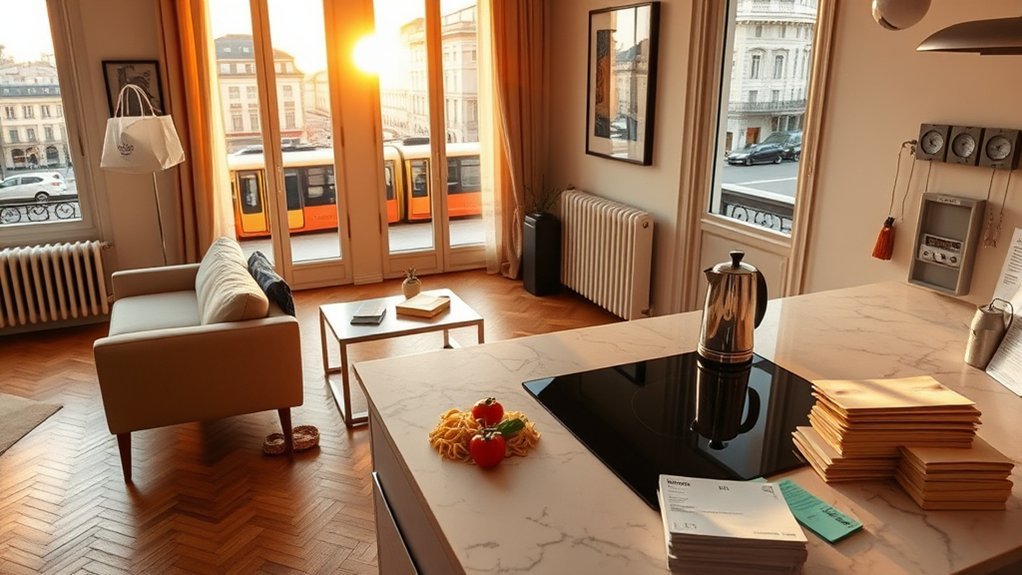
Living in Italy’s fashion and financial capital comes with world-class amenities, efficient public transit, and incredible cuisine, but it also carries the highest cost of living in the country. To live comfortably in Milan as a single adult, you will need a net monthly income of roughly €2,000 to €2,400. Rent dominates most budgets, with a studio or 1-bedroom apartment starting around €800–€1,350 on the city outskirts and reaching €1,200–€2,000 in central neighborhoods. Shared apartment rooms offer a popular budget alternative at €450–€900 per month. Read on for a complete, itemized breakdown of rent, food, transport, utilities, and practical money-saving strategies for Milan.
Quick Answer
A single person needs roughly €2,000–€2,400 net per month to live comfortably in Milan. Expect to spend €800–€1,450 on housing (or €450–€800 for a shared room), €250–€350 on groceries, €120–€300 on utilities, and €39 for an unlimited monthly public transit pass.
Key Takeaways
- Housing drives your budget: Expect rent to consume 40% to 50% of take-home pay unless you opt for room-sharing or suburban living.
- Transit is fast and affordable: An ATM urban monthly pass costs just €39 (€22 for adults under 27) and covers metro, tram, and bus lines.
- Groceries vs. dining out: Cooking home meals from supermarkets keeps food costs under €300/month, whereas dining out regularly rapidly inflates expenses (€35–€50+ per mid-range meal).
- Budget for extra building fees: Always clarify if rental contracts include spese condominiali (building fees) and central heating charges.
Monthly Rent and Where to Live
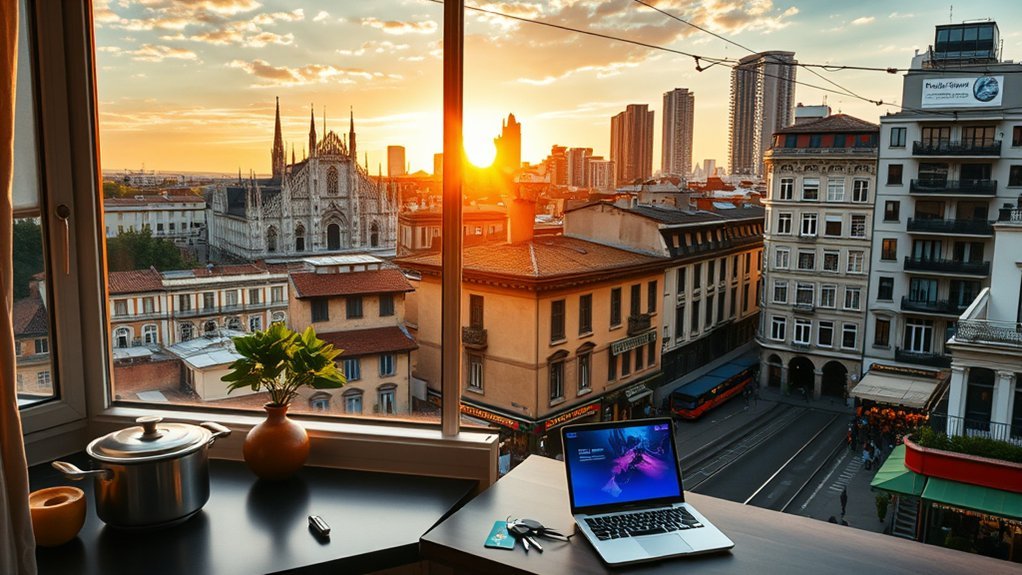
Although living in central Milan (such as Brera, Porta Venezia, or Duomo) puts you steps away from top dining, cultural sites, and nightlife, it carries steep rental premiums. A typical 1-bedroom apartment in the center averages roughly €1,453 per month (ranging from €1,200 to €2,000 depending on finish and precise location). In contrast, a similar 1-bedroom outside the city center or along outer metro lines averages €1,026 per month (typically €800 to €1,350).
You will constantly weigh cost against commute time. Milan’s rental demand pushes many students and young professionals to pick outer neighborhoods like Lambrate, Bovisa, Bicocca, or San Siro, where metro access makes central commuting fast and painless.
If you need larger accommodation, 3-bedroom apartments average €2,897 in central districts (€2,200–€4,500) and €1,881 in surrounding residential zones (€1,500–€2,600).
Shared housing remains the most effective way to live in Milan affordably. Private single rooms in shared flats range from €450 to €700 per month outside the center, while central private rooms run €600 to €900, bringing the citywide average room rent near €680.
Note: Rental agreements in Italy standardly require a security deposit equal to 2 to 3 months of rent up front, alongside agency fees (usually 10% to 15% of annual rent plus VAT) if you secure your flat through a real estate broker (*agenzia immobiliare*).
Grocery Prices and Eating Out
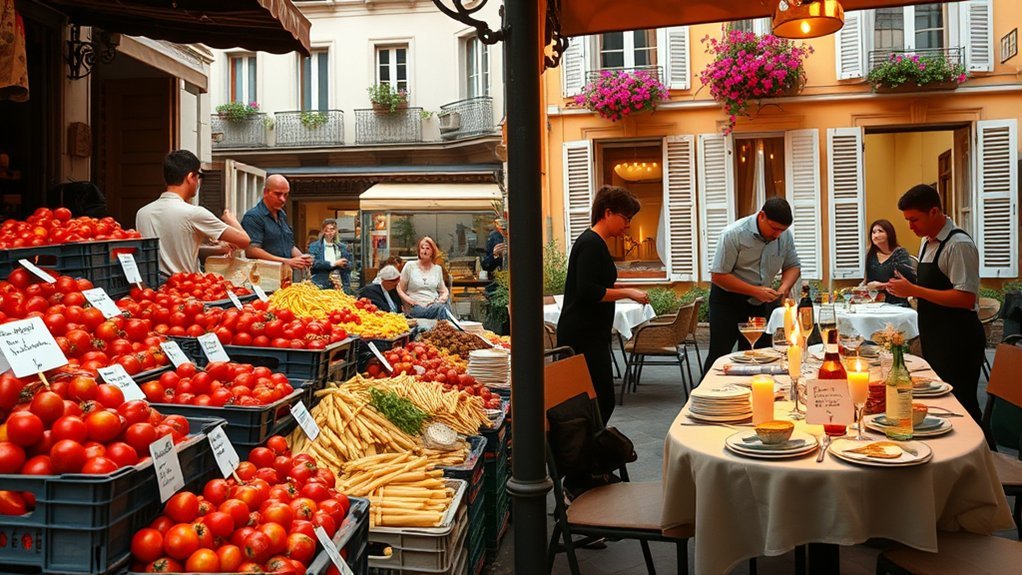
Supermarket shopping in Milan is very reasonable, allowing home cooks to maintain a nutritious diet for €250 to €350 per month. Everyday staples at local supermarket chains (such as Esselunga, Conad, Carrefour, or Lidl) fall into reliable price ranges:
- Milk (1 Liter): €1.49
- Fresh White Bread (500g): €2.45
- White Rice (1 kg): €2.95
- Eggs (12 large): €4.14
- Fresh Produce (Apples / Bananas / Tomatoes): €2.10–€3.50 per kg
- Mid-Range Italian Wine (750ml bottle): €6.00–€8.00
- Domestic Beer (500ml): €1.50–€2.40
Dining out, however, expands your monthly spending quickly. A modest lunch at a local *tavola calda* or cafe costs €12–€18, while a three-course dinner for two at a mid-range restaurant averages €80 (€35–€50 per person with wine). A standard espresso at a neighborhood bar remains heavily protected by Italian coffee culture at roughly €1.20–€1.50, while a classic cappuccino averages €1.90–€2.20.
Pro Tip: Take advantage of Milan’s famous aperitivo tradition between 6:30 PM and 9:00 PM. Purchasing one drink (€10–€15) at participating bars includes access to a generous buffet or food platter, offering an enjoyable and cost-effective dinner alternative.
Utilities, Internet and Mobile Costs
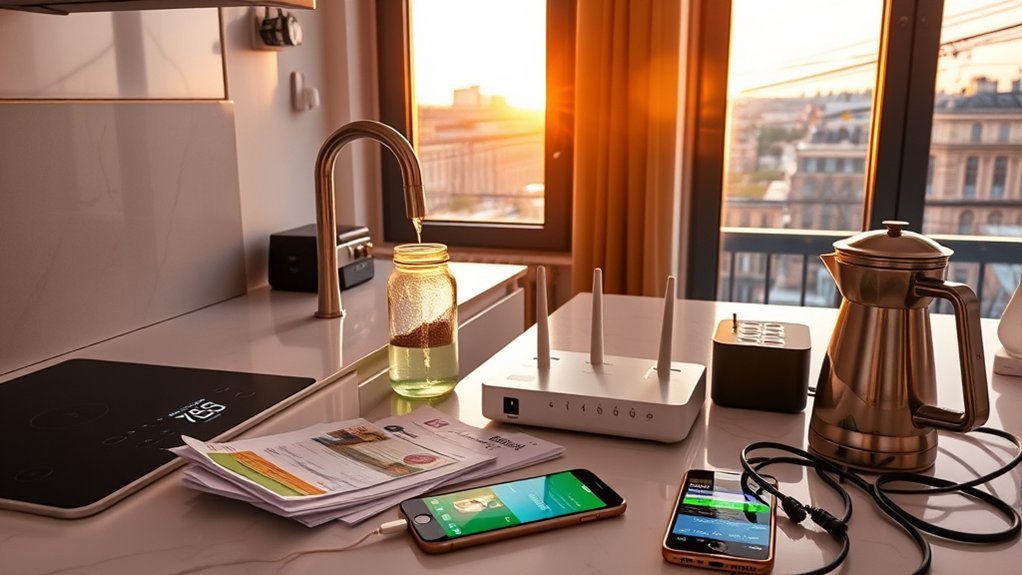
Essential utility bills—electricity, gas, water, and municipal garbage tax (*TARI*)—for a standard 85 m² apartment average around €186 per month, but seasonal variations can push this anywhere between €120 in autumn and €300+ during severe winter heating months.
Warning: Always inspect whether building condominium fees (spese condominiali) and centralized heating charges (riscaldamento centralizzato) are included in your quoted rent. In older Milanese buildings, non-included condo and heating fees can add an unexpected €100 to €250 to your monthly housing bill.
Telecommunications in Italy are among the most competitively priced in Europe:
- Unlimited Fiber Internet (60–100+ Mbps): €24 to €30 per month (Vodafone, Fastweb, Iliad, TIM).
- Mobile Phone Plan (100GB+ Data & Unlimited Calls): €7.90 to €11.99 per month (Iliad, Very Mobile, Ho Mobile).
Transportation and Commuting Expenses
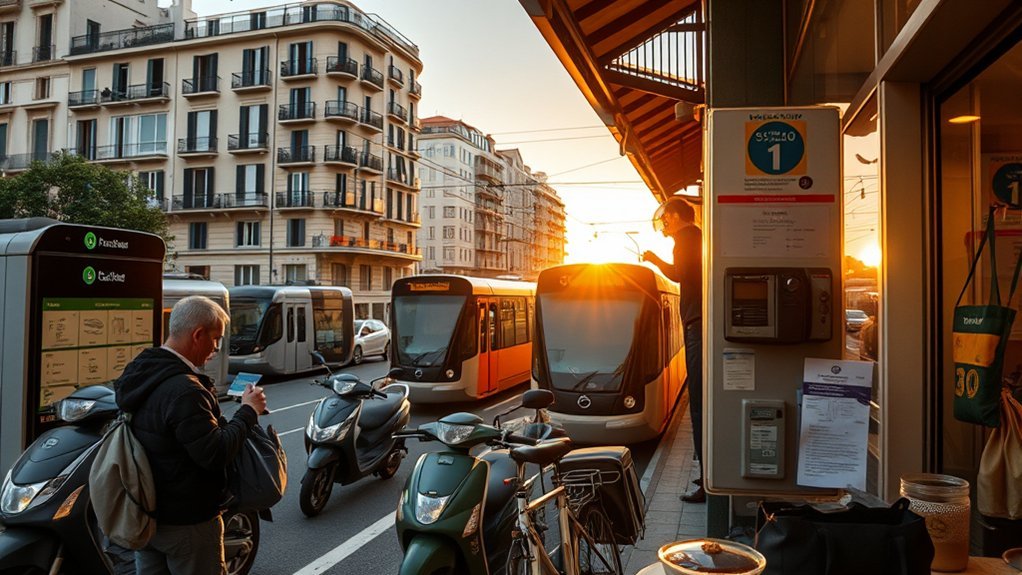
Milan boasts one of Europe’s most efficient public transport networks, operated by Azienda Trasporti Milanesi (ATM), comprising four major underground metro lines, extensive tram networks, and comprehensive bus routes.
A single ATM travel ticket costs €2.20 and remains valid for 90 minutes across all metro, tram, and bus lines within the urban zone.
For daily commuters, purchasing transit passes offers substantial savings:
- Standard Adult Monthly Pass (Urban Mi1–Mi3): €39 / month
- Youth Monthly Pass (Under 27 years old): €22 / month
- Standard Adult Annual Pass: €330 / year
- Youth Annual Pass: €200 / year
Alternative transit modes include shared bike services (BikeMi starts at €36/year for unlimited 30-minute rides), electric scooter shares (e.g., Dott, Lime), and taxis. Taxis carry steep base fares (€3.50–€6.50 initial charge depending on hour and day) and should be reserved for late nights or airport connections.
Healthcare, Fitness, and Entertainment
Factor in personal maintenance, fitness, and healthcare expenses when calculating your total monthly living costs in Milan:
- Healthcare (Public vs. Private): Legal residents and employed expats are eligible for Italy’s public health system (Servizio Sanitario Nazionale / SSN), which covers general practitioner care for free or nominal co-pays (*ticket*). Non-EU students and freelancers making voluntary SSN contributions pay a flat annual fee, while private health insurance plans range from €35 to €90/month.
- Gym Memberships: Monthly gym fees range from €30–€45/month at commercial budget chains (e.g., FitExpress, McFIT) up to €80–€150+/month for mid-to-luxury fitness clubs (e.g., Virgin Active).
- Entertainment & Culture: Cinema tickets average €9–€12, cocktail bar drinks in nightlife hubs (Navigli, Isola, Corso Como) range from €10–€16, and museum entry fees typically run €10–€15.
Average Salaries, Budgeting and Money-Saving Tips
While gross salaries in Lombardy are the highest in Italy according to official data from ISTAT, income taxes (IRPEF) and social security deductions mean your gross salary (*Reddito Annuo Lordo* / RAL) reduces noticeably in take-home pay. For example, a gross annual salary of €30,000 yields a net monthly salary of approximately €1,650 to €1,750 (spread across 13 or 14 annual monthly installments common in Italian labor contracts).
Because non-rent living costs in Milan run €800 to €1,000 per month for a single person, living solo in a private 1-bedroom apartment requires a net income closer to €2,000–€2,400 per month. If your earnings fall near the entry-level net average (€1,500–€1,700), adopting smart money-saving habits is essential:
- Choose Shared Housing: Sharing a 2- or 3-bedroom flat drops your monthly rent expense by 40% to 50% compared to living alone.
- Pack a “Schiscetta”: Follow the Milanese tradition of bringing a packed lunch box (*schiscetta*) to work or university instead of buying daily €15 restaurant lunches.
- Shop Local Neighborhood Markets: Visit weekly outdoor markets (*mercati rionali*) for fresh produce, cheeses, and meats at prices 20% to 30% below major supermarket chains.
- Leverage Transit Subsidies: If you are under 27, claim the youth transit pass rate (€22/month). Many corporate employers in Milan also offer tax-subsidized transit cards as part of employee welfare packages (*welfare aziendale*).
Frequently Asked Questions
What Is the Average Cost of Living in Milan?
The total average cost of living in Milan for a single individual ranges between €1,800 and €2,500 per month. This includes rent (€800–€1,450), utilities (€150–€250), groceries and dining (€300–€450), transportation (€39), and personal leisure.
How Much Do Utilities Cost per Month in Italy?
Basic utilities for a standard apartment in Italy average €120 to €300 per month. This figure includes electricity, gas heating, water, and waste collection fees (*TARI*). Costs peak during winter months due to gas heating demands.
Can You Live on €3,000 a Month in Italy?
Yes, a net monthly income of €3,000 allows for a very comfortable lifestyle anywhere in Italy, including Milan. At this budget, a single person can easily afford a central 1-bedroom apartment, frequent restaurant dining, health insurance, gym memberships, and regular leisure travel.
How Much Do You Need to Make to Live Comfortably in Milan?
To live comfortably in a private apartment without financial stress, a single adult should target a net monthly salary of €2,000 to €2,400. Students and young professionals sharing housing can live comfortably on €1,300 to €1,600 per month.
Conclusion
While Milan is undeniably Italy’s most expensive urban center, deliberate budgeting and strategic location choices allow you to enjoy its world-class lifestyle without overspending. Opting for neighborhoods connected to the metro network, taking advantage of affordable public transit, cooking with local produce, and clarifying rental fees before signing contracts will keep your finances balanced. Track your actual spending for your first three months, adjust your housing or dining habits accordingly, and you will maintain high living standards in this vibrant European hub.
Sources
- Azienda Trasporti Milanesi (ATM) — Official urban public transport fare structure and pass pricing for Milan.
- Istituto Nazionale di Statistica (ISTAT) — Italian national economic indicators, inflation statistics, and official household spending metrics.
- Italian Ministry of Health (Ministero della Salute) — National health service (SSN) access requirements and public healthcare guidelines.
- Numbeo Cost of Living Index (Milan) — Aggregated market data for rental pricing, grocery benchmarks, utility averages, and restaurant costs in Milan.