
Reviewed by: Certified UK Personal Finance Editor |
Last updated: August 10, 2026
Living in London requires careful financial planning due to steep rent variations across zones, daily transport fares, and localized council tax rates. On average, a single person needs roughly £3,200 net per month to cover modest solo living in a one-bedroom apartment, whereas flat-sharing in Outer London (Zones 3–6) can lower monthly expenses to £1,800–£2,200.
Quick Answer
The total cost of living in London for a single adult ranges between £1,800 and £3,800 per month including rent. A central 1-bedroom flat (Zones 1–2) averages £2,280/month plus £250–£450 in household bills, while a flatshare room in Outer London (Zones 3–6) costs £800–£1,100/month.
| Expense Category | Flatshare (Outer Zones) | Solo 1-Bed (Outer Zones) | Solo 1-Bed (Central Z1–2) |
|---|---|---|---|
| Rent | £800 – £1,100 | £1,400 – £1,800 | £2,000 – £2,800 |
| Utilities & Council Tax | £100 – £180 (shared) | £250 – £380 | £280 – £450 |
| Transport (TfL) | £200 – £270 | £200 – £270 | £171 – £201 |
| Groceries & Food | £200 – £300 | £200 – £300 | £250 – £350 |
| Leisure & Misc. | £200 – £350 | £250 – £450 | £300 – £600 |
| Estimated Monthly Total | £1,500 – £2,200 | £2,250 – £3,200 | £3,000 – £4,400 |
Key Takeaways
- Housing Costs Drive Everything: Central 1-bedroom rents average £2,280/month, falling to £1,709 in Zones 3–6 and £800–£1,100 for room shares.
- Utilities & Taxes Add £250–£450: Gas, electricity, water, broadband, TV licence, and council tax average £250–£450/month.
- Commuting Offsets Outer Rent: Travelcards range from £171.70/month (Zones 1–2) to £201.60/month (Zones 1–3) and ~£270/month (Zones 1–6).
- Income Baseline: A net monthly salary of £3,200 (approx. £47,000–£60,000 gross) allows comfortable solo living without strict sacrifice.
Rent Prices Across London Zones

Although central London commands the highest rents, you can cut housing costs substantially by moving to outer zones. When you compare rent prices in London, Zones 1–2 show a typical 1-bedroom rent around £2,280 (range £1,800–£3,000), reflecting steep central London rent pressure.
In Zones 3–6 the 1-bedroom rent falls to roughly £1,709/month (range £1,400–£2,000), so shifting a couple of zones lowers your baseline by several hundred pounds.
If you need larger space, a 2-bedroom in central areas commonly starts near £2,500 and a 3-bedroom averages about £3,818/month (range £3,000–£6,000), reinforcing the cost benefits of outer boroughs rent.
Flatshare room prices offer the most effective savings: typical room-in-flatshare rates range from £800 to £1,200, with an average around £970–£1,000 per month. For the lowest 1-bedroom asking rents in outer districts, consider the Bexley average near £1,124 as a clear benchmark.
Upfront Move-In Costs & Tenant Protections: Under the UK Tenant Fees Act, security deposits for residential lets are legally capped at 5 weeks’ rent (for annual rents under £50,000). Holding deposits are capped at 1 week’s rent. Ensure your tenancy deposit is registered with a government-approved protection scheme (DPS, MyDeposits, or TDS).
Note for international movers: Lacking a UK guarantor may require 3 to 6 months of rent upfront.
Utilities, Council Tax and Monthly Bills

Expect basic utilities for an 85 m² flat to average about £242/month (typical range £159–£442), with one-bedroom flats commonly quoted £150–£250 and higher costs in cold months. Council tax depends on borough and band—Band D averages £935 to £2,250/year across London boroughs (roughly £78–£188/month). Adding broadband (£25–£38), mobile (~£20) and a standard TV licence (£169.50/year, or ~£14.12/month) means total household bills commonly land in the £250–£450/month range.
Typical Monthly Utilities
When you budget for living in London, plan on monthly recurring bills of roughly £250–£400 for a typical solo household: basic utilities (gas, electricity, water) average about £242/month for an 85 m² flat (typical range £159–£442), one‑bed flats commonly see £150–£250, council tax adds around £78–£188 per month depending on location, broadband runs about £25–£38/month, and a TV licence costs ~£14.12/month (£169.50/year) if you watch live TV or BBC iPlayer.
Gas and electricity drive most utility bills; monitoring usage and improving home energy efficiency helps keep average bills manageable.
Council Tax Breakdown
Council tax is a mandatory line item: a Band D property ranges from ~£935/year in Westminster up to £2,250+/year in outer boroughs like Kingston upon Thames. Single occupants qualify for a 25% single-person discount, cutting a Band D bill by about £20–£45/month.
| Item | Typical Monthly Cost |
|---|---|
| Band D Council Tax (London Range) | £78 – £188 |
| Single‑Person Discount Saving (25%) | -£20 to -£47 |
| Broadband & Water Utilities | £60 – £90 |
Transport Costs and Commuting Trade‑offs
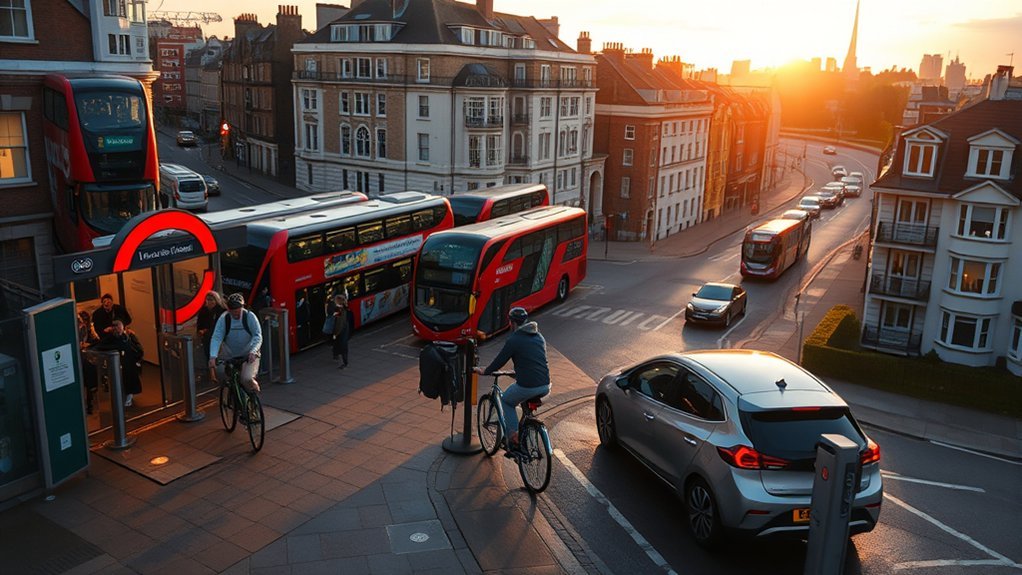
Weigh shorter commutes against higher rent by comparing exact figures: a central one‑bed averages ~£2,280 vs ~£1,709 outside the centre, but travel from outer zones adds £150–£270/month and longer journey times.
A Zones 1–2 monthly pass is £171.70, while a Zones 1–3 monthly Travelcard is £201.60. Pay‑as‑you‑go Tube trips average ~£2.80–£3.50 each, so daily commuters usually save money with a monthly pass or weekly capping.
Commuting Time Vs Rent
Moving to outer zones cuts one‑bed rent from roughly £2,280 to about £1,709 (or £1,124 in Bexley), but increases monthly travel costs and travel time: Zone 1–2 monthly passes cost £171.70, Zone 1–3 cost £201.60, and Zone 1–6 reach around £270. Factor in driving costs, petrol, Congestion Charge (£15/day), and ULEZ fees, which quickly erase outer rent savings.
Warning: Transport for London (TfL) operates peak pricing on weekdays between 06:30–09:30 and 16:00–19:00. Pay-as-you-go Tube fares increase significantly during peak hours compared to off-peak travel.
Public Transport Costs
Single Tube fares in central London average ~£2.80–£3.40 peak, with daily pay-as-you-go caps sitting at £8.90 for Zones 1–2 and £10.50 for Zones 1–3. A weekly cap for Zones 1–2 is £44.70, while Zones 1–3 is £52.50.
For short commutes, Santander Cycles or e‑bike passes (£36–£40/month) cut transport costs drastically compared to motorized transit.
Grocery and Food Expenses

Monthly groceries in London average £200–£300 per adult for regular home cooking. Shopping at discounters like Lidl or Aldi keeps food expenses under £200, whereas shopping at local express stores (Sainsbury’s Local, Tesco Express) adds a 10–15% premium.
- Shop at discount chains: Buying pantry staples at Aldi or Lidl cuts grocery bills significantly compared to premium supermarkets.
- Utilize local street markets: Open-air markets in Brixton, Walthamstow, and Lewisham offer fresh produce at lower prices than supermarket chains.
- Exploit the TfL Hopper Fare: Leverage the £1.75 TfL Hopper fare for unlimited bus rides within one hour to combine grocery trips without paying double fares.
- Mix home cooking with street food: Street food markets (Borough, Whitechapel) offer fresh meals (£6–£12) without sit-down restaurant service charges.
Eating Out, Entertainment and Leisure

When dining out in London, a mid-range restaurant meal averages £20–£35 per person (£50–£80 for a three-course dinner for two). A takeaway or fast-food meal costs £8–£12. Coffee prices average £3.90 for a cappuccino, while a pint of draught beer ranges from £5.50 in neighborhood pubs to £8.00+ in West End venues.
Discretionary leisure spending averages £150–£300 monthly for active residents, though taking advantage of London’s free cultural institutions keeps costs controlled.
Budget cinema tickets cost £12–£16, while West End theatre day seats or rush tickets start from £25–£35. PureGym and The Gym Group offer memberships from £25–£35/month, while mid-tier gyms average £50–£80/month.
Salaries, Take‑Home Pay and What Counts as “Good” Pay

According to ONS figures, the median full-time gross salary in London is approximately £47,455 per year, yielding a net take-home pay of ~£3,141 monthly under standard UK tax codes. A £60,000 gross salary yields roughly £3,654 monthly take-home pay after Income Tax and National Insurance.
Lettings Affordability Requirement: Most UK letting agencies require prospective tenants to pass an affordability check where gross annual salary must equal at least 30 times the monthly rent (e.g., £60,000 gross salary for a £2,000/month apartment).
- Solo Baseline (£47k–£60k gross): Delivers ~£3,100–£3,650 net monthly, covering independent 1-bed housing, transit, and modest savings.
- Flatshare Baseline (Under £35k gross): Yields ~£2,200 or less net monthly, making shared housing (£800–£1,100/mo) necessary to preserve discretionary funds.
Childcare, Education and Family Costs

Childcare represents one of the largest expenses for London families: full‑time private nursery places average £1,920/month (£1,250–£2,400 depending on borough). International primary schools average £20,758/year, and private day schools range from £15,000 to over £25,000 annually.
State schools are free for resident children aged 5–18, though parents should budget for uniforms, meals, and activities (~£100–£200/month per child). Eligible working parents can access government schemes like Tax-Free Childcare and 15–30 hours funded childcare to reduce net outlays.
Budgeting Strategies and Money‑Saving Tips

To live comfortably in London, cap rent at 30–40% of take‑home pay whenever possible. A single professional targeting solo living should aim for £3,200+ net income, or choose flatsharing in Zones 3–6 to keep rent near £900/month.
- Cap Rent at 35% Net Income: Select outer zone hubs along fast transport links (e.g., Elizabeth Line, Thameslink) to balance rent and transit speed.
- Utilize Off-Peak Travel Fares: Travel outside peak hours (06:30–09:30 & 16:00–19:00) to cut TfL pay-as-you-go tube fares by up to 25%.
- Apply for Single Person Council Tax Discount: Claim the 25% discount immediately upon moving into solo housing to save £30–£45/month.
- Audit Grocery Tiers: Purchase weekly staples at Aldi/Lidl and avoid express convenience stores for main shops.
Frequently Asked Questions
How much does it cost to live in London per month with rent?
A single adult needs between £1,800 and £3,800 per month in total living costs including rent. Rent accounts for £800–£1,200 in a flatshare or £1,700–£2,280 for solo 1-bed living, with household bills adding £250–£450, transport costing £150–£270, and groceries/leisure requiring £400–£600.
Can I live off £1,000 or $1,000 a month in London?
No, £1,000 per month is insufficient to cover basic living costs in London. Average flatshare room rates alone cost £800–£1,100/month, leaving virtually nothing for food, transport, or utilities.
Can you live in London with 3,000 pounds a month?
Yes, £3,000 net per month is sufficient for comfortable living in London. It easily covers a flatshare or a solo 1-bedroom flat in Zones 3–6 (£1,200–£1,700), utilities (£200–£300), transport (£170–£200), and groceries with leftover savings.
Is £1,500 a month enough to live in London?
£1,500 per month net is extremely tight and requires strict budgeting. It is only feasible if you rent a budget room share (£650–£800), cycle or commute off-peak, and strictly limit dining out.
Conclusion
Living in London successfully relies on balancing fixed baseline costs with zone choices and lifestyle decisions. Zone selection establishes your baseline rent, while travelcard options and council tax bands dictate daily operational cashflow. By capping housing expenses at 35% of net income, leveraging budget grocery discounters, and selecting strategic transport corridors, you can live comfortably in London while building long-term savings.
Sources
- Transport for London (TfL) Fares & Travelcards — Official London public transport fares, daily caps, and monthly Travelcard pricing schedules.
- Office for National Statistics (ONS) Earnings Data — Official UK median salary and earnings metrics for London employees.
- GOV.UK Local Government Council Tax Statistics — Official council tax bands and local authority charging data across England.
- Greater London Authority (GLA) Housing Hub — Official London rent benchmarks and regional housing affordability metrics.
- MoneyHelper UK Budgeting Guides — Government-backed guidance on household budgeting and living costs.