The cost of living in Las Vegas in 2026 depends heavily on housing and transportation. RentCafe reported an average Las Vegas one-bedroom apartment rent of about $1,307 per month and a two-bedroom average of $1,579 as of September 1, 2026. For a broader basic-needs benchmark, MIT’s Living Wage Calculator estimates that one adult with no children in the Las Vegas metro needs about $50,337 per year before taxes, or roughly $4,195 in gross monthly income. That is a basic-needs estimate rather than a universal “comfortable” salary, so add more if you have debt, substantial savings goals, frequent travel, or higher lifestyle spending.
Quick Answer
| Cost Benchmark | 2026 Figure | What It Means |
|---|---|---|
| Average 1-Bedroom Apartment | $1,307/month | RentCafe, September 1, 2026 |
| Average 2-Bedroom Apartment | $1,579/month | RentCafe, September 1, 2026 |
| Median Home Sale Price | $459,770 | Redfin, July 2026 |
| Single Adult Basic-Needs Income | $50,337/year before taxes | MIT Living Wage Calculator, one adult and no children |
| Single Adult Food Budget | About $353/month | MIT annual food estimate of $4,241 |
| Single Adult Transportation | About $759/month | MIT annual transportation estimate of $9,103 |
| RTC 30-Day Residential Pass | $65 | Current RTC Southern Nevada regular fare |
- Las Vegas apartment rent averages about $1,475 across all unit sizes, according to RentCafe’s September 2026 market data.
- One-bedroom apartment averages are around $1,307, although median-rent datasets can be lower because they use different property samples and methodologies.
- MIT estimates a one-adult, no-child basic-needs income of about $50,337 before taxes in the Las Vegas metro.
- Transportation varies sharply. MIT’s broad one-adult estimate is about $759 per month, while an RTC residential 30-day pass is currently $65.
- Nevada has no state individual income tax, although federal taxes and local sales taxes still affect take-home spending.
What Is the Cost of Living in Las Vegas in 2026?

There is no single Las Vegas cost-of-living number that fits every household. A more useful approach is to combine current housing prices with a household-specific basic-needs model.
RentCafe’s September 2026 data puts the average apartment rent at $1,475. A one-bedroom averages about $1,307, while a two-bedroom averages about $1,579. Apartment List, which measures median rents differently, reported July 2026 medians of roughly $1,058 for a one-bedroom and $1,283 for a two-bedroom. The difference shows why you should check the methodology before comparing rent statistics.
Homebuyers face a different market. Redfin reported a Las Vegas median sale price of about $459,770 in July 2026. Mortgage rates, down payment, homeowners insurance, HOA dues, taxes, and maintenance can make the monthly ownership cost much higher or lower than a simple home-price comparison suggests.
For a basic-needs benchmark, MIT estimates that one adult with no children needs $50,337 per year before taxes. The model includes housing, food, transportation, medical costs, internet and mobile service, civic expenses, and other necessities.
Best budgeting method: choose your likely rent first, decide whether you will drive or rely heavily on RTC, add food and medical costs, and then add your own savings, debt payments, entertainment, and travel budget. That produces a more realistic answer than relying on one citywide “comfortable living” number.
Housing and Rental Prices by Neighborhood
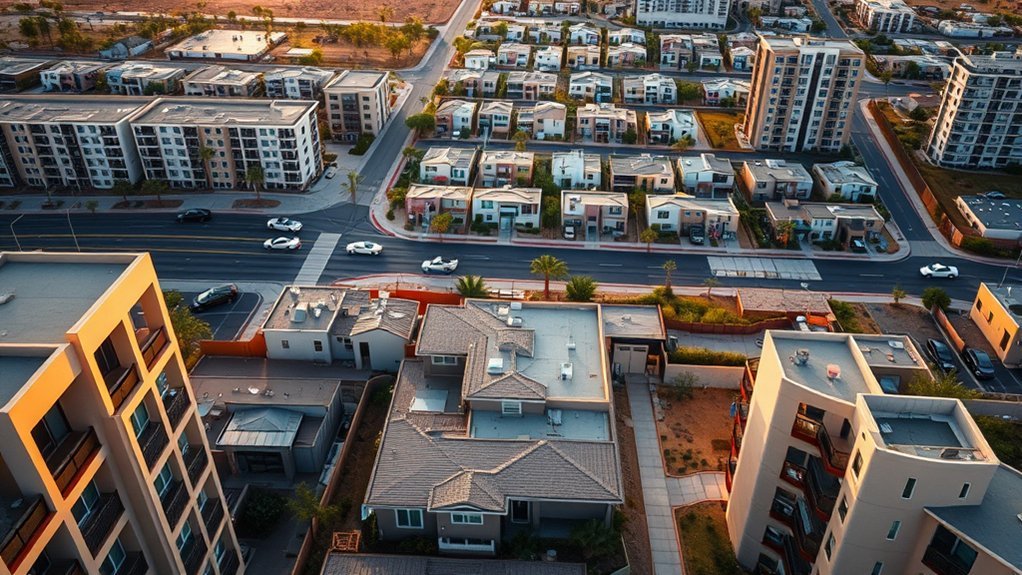
Las Vegas-area rent can change significantly by neighborhood, apartment size, building age, and amenities. Current rental-market data also shows why older neighborhood figures should not be treated as permanent benchmarks.
| Area | Current Rental Benchmark | Source / Context | Budget Takeaway |
|---|---|---|---|
| Las Vegas Citywide | $1,475 average apartment rent | RentCafe, September 2026 | Useful general apartment-market baseline |
| Summerlin | $1,391 1-bed / $1,602 2-bed | RentCafe, August 31, 2026 | Current figures are lower than many older premium-market estimates |
| Spring Valley | $1,498 1-bed / $1,750 2-bed | RentCafe, August 31, 2026 | Unit mix and location can put rents above the citywide one-bedroom average |
| Downtown Las Vegas | About $1,227 average apartment rent | RentCafe neighborhood comparison, August 2026 | Can offer a lower average than several western neighborhoods |
Neighborhood Rent Differences
Do not assume that a famous suburban area is automatically more expensive for every unit type. In August 2026 RentCafe data, Summerlin’s average one-bedroom was about $1,391, while Spring Valley’s was about $1,498. Downtown Las Vegas showed a lower average apartment rent of roughly $1,227.
- Compare the same unit size: an all-apartment average should not be compared directly with a one-bedroom average.
- Check mandatory fees: ask about parking, pets, trash, bundled internet, technology packages, and other recurring charges.
- Price the commute: saving $150 on rent may not help if the location adds substantial fuel, insurance, or parking expense.
Buying Vs Renting
Redfin reported a Las Vegas median sale price of about $459,770 in July 2026. Whether buying is cheaper than renting cannot be answered from the purchase price alone.
Compare the mortgage payment, down payment, mortgage insurance when applicable, property tax, homeowners insurance, HOA dues, repairs, and maintenance against your complete rental cost. Also consider how long you expect to stay. A buyer staying many years may value equity accumulation differently from someone who expects to move again in two or three years.
Renting usually provides more flexibility and requires less cash upfront. Buying can provide long-term stability and equity, but it carries more transaction and maintenance risk. Run both scenarios using the same expected time horizon before deciding.
Affordability by Area
The most useful affordability comparison is not simply “cheap neighborhood versus expensive neighborhood.” Compare total housing plus commuting cost.
- Summerlin: current RentCafe averages are about $1,391 for a one-bedroom and $1,602 for a two-bedroom.
- Spring Valley: averages are about $1,498 for a one-bedroom and $1,750 for a two-bedroom.
- Downtown Las Vegas: RentCafe’s neighborhood comparison shows an average apartment rent around $1,227.
Rental prices and availability move frequently. Treat these as September 2026 planning benchmarks, not guaranteed asking rents for a specific building.
Monthly Budget Breakdown: Rent, Utilities, and Groceries

MIT’s 2026 Las Vegas metro model provides a useful basic-needs framework. For one adult with no children, it estimates annual expenses of $16,078 for housing, $4,241 for food, $9,103 for transportation, $2,715 for medical costs, and $1,806 for internet and mobile service, along with civic and other necessary spending.
| Expense Line Item | Approximate Monthly Benchmark | Basis |
|---|---|---|
| Market 1-Bedroom Apartment | $1,307 | RentCafe average, September 2026 |
| Food | $353 | MIT annual estimate of $4,241 |
| Transportation | $759 | MIT annual estimate of $9,103 |
| Medical | $226 | MIT annual estimate of $2,715 |
| Internet & Mobile | $151 | MIT annual estimate of $1,806 |
These numbers should not simply be added to the market rent without checking methodology because MIT’s housing category already incorporates its own local housing assumption. Use the table to understand individual categories, then build one consistent budget model.
For another utility reference point, June 2026 Las Vegas market data from Numbeo reported basic utilities for an approximately 85 m² apartment around $223 per month, broadband around $78, and a mobile plan around $77. These are user-contributed market averages, so your actual bill can differ substantially.
Summer cooling matters. Air conditioning can push electricity use well above mild-season levels. Before signing a lease, ask which utilities you pay directly and, where possible, request a typical summer electricity range for a comparable unit.
Transportation, Commuting, and Parking Costs

Transportation can create one of the largest differences between two Las Vegas budgets. MIT estimates approximately $9,103 per year, or about $759 per month, for transportation for one adult with no children in its basic-needs model.
Drivers should build their own estimate from car payment, insurance, fuel, maintenance, registration, parking, and expected mileage. Fuel is especially volatile: AAA reported Nevada regular gasoline at about $4.97 per gallon on September 7, 2026. Use a current price when you calculate your commute rather than assuming today’s rate will remain fixed.
- Public Transit (RTC Southern Nevada): A regular residential single ride is $2, a 24-hour residential pass is $5, and a 30-day residential pass is $65.
- Car ownership: insurance can be a major expense. Experian reported a statewide Nevada average of about $3,170 per year, or $264 per month, in July 2026 data, although individual Las Vegas premiums can differ widely.
- Parking: fees depend heavily on destination and whether you regularly visit the Strip, Downtown, or paid garages.
If your home and job work with RTC routes, compare a transit-heavy budget with a driving budget before choosing an apartment. A slightly higher rent near a useful route may still produce a lower total monthly cost.
Childcare, Education, and Family Expenses

Childcare can change a family’s Las Vegas budget more than groceries or entertainment. MIT’s 2026 Las Vegas metro model estimates childcare at approximately $14,368 per year for one child and $28,067 for two children in households where paid childcare is required.
That equals roughly $1,197 per month for one child or $2,339 per month for two. Actual provider rates depend on the child’s age, care schedule, facility, subsidies, and whether a parent or relative provides care.
Public K-12 schools do not charge ordinary tuition to enrolled public-school students, although families may still pay for supplies, activities, transportation, meals, and before- or after-school care.
For higher education, the College of Southern Nevada lists approximately $4,853 in tuition and fees in its 2026–27 cost-of-attendance budget for a full-time Nevada student taking 15 credits per semester. Books, housing, food, transportation, and personal expenses are additional.
Healthcare, Insurance, and Wellness Costs

Healthcare is highly household-specific, so a single average should be treated as a budgeting benchmark rather than a quote. MIT’s February 2026 model estimates $2,715 per year, or about $226 per month, in medical costs for one adult with no children.
For two working adults with two children, MIT estimates approximately $7,817 per year in medical expenses. Employer coverage, deductibles, prescriptions, chronic-care needs, provider networks, and subsidy eligibility can all move actual spending substantially.
- Compare both the premium and the deductible when evaluating job benefits.
- Check copays, coinsurance, out-of-pocket maximums, and prescription coverage.
- Families should model healthcare and childcare separately because both can create large recurring costs.
Taxes, Wages, and How Much You Need to Live Comfortably

Because Nevada has no state individual income tax, residents do not pay a Nevada individual income tax on wages. Federal income and payroll taxes still apply.
Clark County’s combined sales tax rate is 8.375% in 2026. Whether sales tax applies depends on what you buy, so do not treat it as an 8.375% surcharge on every household expense.
Current BLS data shows that workers across all occupations in the Las Vegas-Henderson-North Las Vegas metropolitan area earned a mean hourly wage of $29.23 in May 2025. That is an average across very different occupations, not the salary every worker earns.
MIT’s household-specific living-wage model is more useful for basic-needs planning:
| Household | Living Wage | Required Income Before Taxes |
|---|---|---|
| 1 Adult, 0 Children | $24.20/hour | $50,337/year |
| 1 Adult, 1 Child | $41.70/hour | $86,744/year |
| 2 Adults Working, 2 Children | $29.30/hour per working adult | $121,903 combined/year |
These figures represent basic-needs income, not a luxury or high-savings lifestyle. If you want to save aggressively, pay down debt, travel frequently, support relatives, or maintain expensive hobbies, your personal target should be higher.
Entertainment, Fitness, and Lifestyle Expenses

Lifestyle spending is where a Las Vegas budget can move far beyond a basic-needs estimate. Restaurants, concerts, casinos, clubs, sporting events, and resort-area parking can make a resident’s discretionary spending very different from that of someone who mainly uses local parks and neighborhood restaurants.
Nightlife and Shows
Do not build a long-term budget from a fixed show-ticket or cocktail average because resort-corridor pricing changes by venue, artist, event, day, and demand. Instead, set a monthly entertainment allowance and track actual spending for your first two or three months.
- Set separate limits for dining, nightlife, shows, and gambling rather than treating them as one category.
- Check resident discounts when available, but do not assume every venue offers them.
- Keep tourism-style spending separate from essential living costs.
Gym and Classes
Fitness spending can range from a low-cost commercial gym to boutique classes and personal training. Compare the full monthly membership price, annual fees, cancellation rules, and travel distance before joining.
If you mainly need basic exercise facilities, community recreation options and outdoor activities can keep this category relatively low.
Outdoor Recreation
Las Vegas has strong access to outdoor recreation, including Red Rock Canyon National Conservation Area. The Bureau of Land Management currently lists a $20 private-vehicle day-use fee for Red Rock Canyon and a $50 Red Rock annual pass.
- Red Rock Canyon and Mount Charleston provide hiking and trail options outside the resort corridor.
- Local parks can provide low-cost recreation closer to residential neighborhoods.
- Outdoor recreation may still involve fuel, equipment, entry fees, permits, or seasonal reservation costs.
How to Build a Realistic Las Vegas Budget
Use four steps rather than relying on one citywide total:
- Choose your real housing target. Use current listings in the neighborhoods you would actually consider, then add recurring building fees.
- Choose your transportation model. Calculate either your full car cost or a transit-heavy budget using your actual home-to-work route.
- Add basic necessities. Food, medical costs, internet, mobile service, childcare, and household spending should reflect your household size.
- Add your personal margin. Include savings, debt payments, travel, entertainment, gifts, emergencies, and other expenses that basic-needs models do not fully represent.
Before signing a lease, also prepare for one-time move-in costs such as a security deposit, application charges, moving expenses, utility setup, furnishings, pet deposits, or other property-specific fees. Ask for a written list of all mandatory recurring charges so you can compare apartments on total monthly cost rather than advertised rent alone.
Compare Nearby Cost-of-Living Guides
If you are flexible about where you live in the Las Vegas Valley, compare this citywide guide with the site’s North Las Vegas cost-of-living guide and Henderson cost-of-living guide. Keep commute distance in the comparison because a lower rent can be offset by higher transportation costs.
Frequently Asked Questions
How Much Does It Cost to Live in Las Vegas for a Month?
MIT’s 2026 basic-needs model implies about $3,568 per month in after-tax expenses for one adult with no children, based on $42,812 in required annual income after taxes. Its required income before taxes is $50,337 per year. Your actual monthly spending can be higher or lower depending on rent, transportation, debt, savings, and lifestyle.
What Salary Do You Need to Live in Las Vegas?
MIT estimates that one adult with no children needs about $50,337 per year before taxes to cover basic needs in the Las Vegas metro. That is not a universal “comfortable” salary. A person who wants substantial retirement savings, frequent travel, debt repayment, or more expensive housing should target more.
What Is the Average Rent in Las Vegas in 2026?
RentCafe reported an average Las Vegas apartment rent of $1,475 as of September 1, 2026. A one-bedroom averaged about $1,307 and a two-bedroom about $1,579. Other datasets can report lower median figures because they use different samples and methodologies.
Is Las Vegas Expensive to Live In?
Las Vegas can be manageable compared with more expensive Western metros, but affordability depends on your housing and transportation choices. Nevada’s lack of state individual income tax can help take-home pay, while high car costs, summer cooling, childcare, and Clark County’s 8.375% sales tax can raise monthly spending.
Is It Cheaper to Use Public Transit or Drive in Las Vegas?
For a household that can realistically use RTC routes, transit can cost far less than owning and operating a car. RTC currently charges $2 for a regular residential single ride and $65 for a 30-day residential pass. Drivers must account for insurance, fuel, maintenance, registration, financing, and parking, so compare the complete cost for your specific commute.
Conclusion
The cost of living in Las Vegas in 2026 is easiest to understand by separating market prices from household-specific basic needs. Current RentCafe data puts the average one-bedroom apartment around $1,307 and a two-bedroom around $1,579, while Redfin reported a July 2026 median home sale price near $459,770. MIT estimates that one adult with no children needs about $50,337 per year before taxes for basic needs.
Your own budget can differ significantly. Price the exact neighborhood you want, decide whether you will drive or use RTC, check summer utility exposure, and add savings, debt, childcare, healthcare, and lifestyle spending. Compare the complete monthly total—not just advertised rent—before deciding whether Las Vegas fits your income.