
Detroit can look affordable at first, but rent is only one part of the monthly budget. You’ll also need room for utilities, groceries, healthcare, taxes, and transportation. A single adult may spend about $2,500 to $3,000 per month depending on housing choice, commute, insurance, and lifestyle.
What’s in This Article
- Cost of Living Overview for Detroit, MI
- Housing: Renting and Buying Costs
- Monthly Utilities and Internet Expenses
- Grocery Prices and Dining Out
- Healthcare and Insurance Costs
- Transportation and Commuting Expenses
- Taxes, Recreation, and Neighborhood Differences
- Sample Monthly Budget for Detroit
- Frequently Asked Questions
- Conclusion
Quick Answer
A realistic Detroit budget often falls near $2,500 to $3,000 per month for one adult. Rent can be lower than many large U.S. cities, but utilities, car costs, insurance, and food can raise your total. Your final cost depends most on neighborhood, housing type, and commute.
Key Takeaways
- Plan for more than rent because utilities, food, transport, and insurance can change your budget fast.
- Compare neighborhoods carefully because Downtown rents can cost much more than lower-cost areas.
- Use a separate transportation budget if you own a car, since fuel, insurance, parking, and repairs add up.
- Check current rent, mortgage, tax, and utility quotes before making a move or signing a lease.
- Keep an emergency fund because seasonal heating bills and car repairs can raise monthly costs.
Cost of Living Overview for Detroit, MI

Housing and everyday expenses in Detroit often cost less than many major U.S. cities. Some cost-of-living indexes place Detroit below the national average, mainly because housing can be cheaper.
You’ll still need to plan beyond rent. Utilities, internet, food, healthcare, taxes, and transportation can raise your total monthly cost.
Rent estimates vary by source, unit size, and neighborhood. A lower-cost one-bedroom may sit below $1,000, while higher-demand areas can cost much more.
Food costs can sit close to the national average, but your habits matter. Cooking at home usually keeps your budget lower than frequent restaurant meals.
Transportation can become one of your largest expenses if you rely on a car. Fuel, insurance, maintenance, parking, and repairs can all change your monthly total.
Compare your expected costs with your take-home pay before you move. That gives you a clearer view of what Detroit will feel like day to day.
Housing: Renting and Buying Costs

You’ll want to compare rental tiers across neighborhoods before choosing a place. A one-bedroom may cost about $776 in lower-priced estimates, while two-bedroom units may sit near $1,039.
Downtown apartments can cost much more, with some estimates near $1,750. Lower-cost neighborhoods may offer rents closer to $950, depending on the building and lease terms.
Buying can make sense for some residents, but home prices vary widely. Neighborhood, property condition, mortgage rate, taxes, and repair costs all affect the true cost of ownership.
Rent Prices Breakdown
Rent in Detroit depends on location, unit size, building quality, parking, and amenities. A basic apartment in a lower-cost area can cost far less than a newer Downtown unit.
Use one-bedroom and two-bedroom rent estimates as a starting point, not a final number. You should check current listings before you set your budget.
- Lower-cost areas: Some neighborhoods may offer rents near $950 for basic units.
- One-bedroom units: Some estimates place median rent around $776, though current listings may vary.
- Two-bedroom units: Some estimates place median rent near $1,039.
- Downtown units: Higher-demand apartments may reach about $1,750 or more.
For a one-bedroom estimate near $776, a rent-only income target near $31,040 per year follows the common 30% rent rule. That rule helps you avoid spending too much of your income on housing.
Buying vs. Renting
Renting gives you more flexibility and fewer repair risks. It can work well if you’re new to Detroit or unsure how long you’ll stay.
Buying can build equity, but it also adds property taxes, insurance, maintenance, closing costs, and possible repairs. Older homes can need major work, so inspect carefully before you buy.
Mortgage payments may look close to rent in some cases. The full ownership cost can still rise once you include taxes, insurance, upkeep, and utility changes.
Note: Treat rent and home price figures as planning estimates, then verify current listings before you sign or buy.
Monthly Utilities and Internet Expenses

On average, you may need about $300 to $400 per month for utilities and internet in Detroit. Some estimates place basic utilities near $251.12 and high-speed internet near $108.61.
Basic utilities usually include electricity, gas, water, sewer, and trash service. Your exact bill depends on home size, insulation, appliance use, and provider rates.
Heating can raise costs during cold months. Older homes may also use more energy if windows, doors, or insulation need upgrades.
Internet costs depend on speed, provider, bundle discounts, and promotional rates. Remote workers should check upload speeds and service reliability before choosing a plan.
Build utilities into your fixed monthly expenses. This keeps your budget more realistic than looking at rent alone.
Grocery Prices and Dining Out

You’ll want to budget for groceries and eating out separately. A single adult may spend about $344 per month on groceries, while a family of four may spend near $1,014.
Common grocery examples include milk around $4.80, eggs near $3.37 per dozen, and bread around $4.13. Actual prices can change by store, brand, and season.
Dining out can raise your monthly cost quickly. An inexpensive restaurant meal may cost about $19, while a mid-range dinner for two may run about $75 to $78.
Grocery Price Breakdown
One key thing to know about Detroit grocery costs is simple: small price differences add up. Track your weekly staples before setting your monthly food budget.
- Grocery staples: Watch unit prices for milk, eggs, bread, meat, produce, and pantry items.
- Monthly totals: Plan around $344 for one adult or about $1,014 for a family of four.
- Store choice: Compare discount stores, local markets, warehouse clubs, and delivery fees.
- Budget buffer: Add extra room if you buy prepared foods, snacks, or specialty items.
Eating Out Costs
Eating out changes your budget more than many people expect. One weekly inexpensive meal at about $19 adds roughly $76 per month.
A mid-range dinner for two can cost about $75 to $78 before extras. Drinks, tips, delivery fees, and parking can raise that amount.
Set a separate restaurant budget if you eat out often. This makes your grocery and entertainment costs easier to control.
Healthcare and Insurance Costs

Healthcare and insurance can make a meaningful difference in your Detroit budget. Some estimates list routine visits near $183 for a family doctor, $126 for a dentist, and $96 for an eye exam.
Monthly health insurance premiums can vary widely by age, plan, income, employer coverage, and household size. A planning estimate near $350 per month may help, but you should compare real plan quotes.
Prescription costs can also vary. Generic drugs, insurance networks, pharmacy choice, and discount programs can change your out-of-pocket cost.
- Include monthly insurance premiums when you build your budget.
- Plan for co-pays, prescriptions, dental care, and vision visits.
- Check whether your preferred doctors and pharmacies sit in network.
- Keep a medical savings buffer for urgent visits or surprise bills.
Transportation and Commuting Expenses
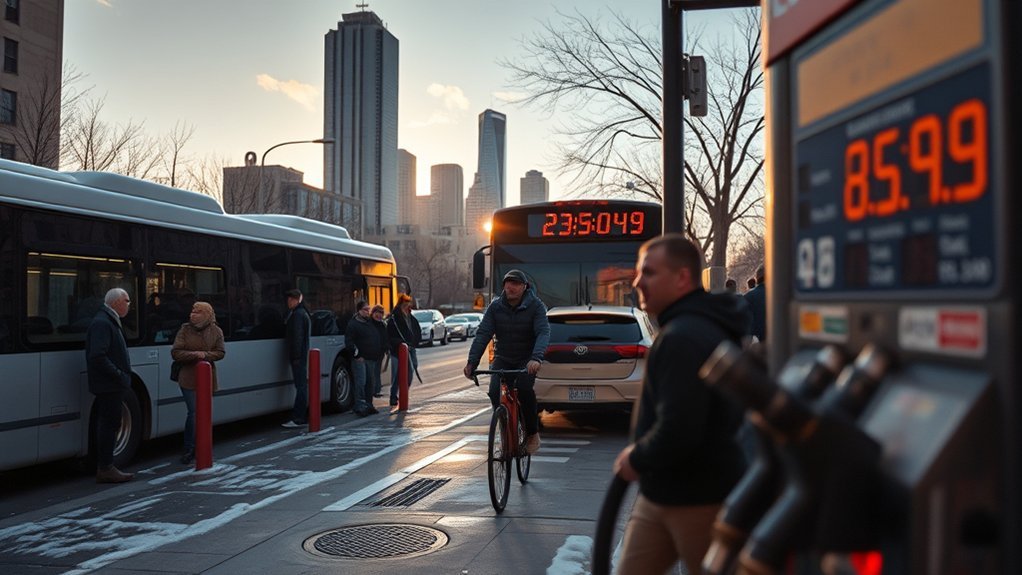
Transportation will likely be one of your larger monthly expenses in Detroit. A single adult may spend about $9,840 per year, while a family of four may spend much more.
Driving gives you flexibility, but it also adds fuel, insurance, maintenance, parking, registration, and repairs. Gas prices can change fast, so use a buffer when you plan.
Auto insurance can vary by ZIP code, driving record, vehicle type, coverage level, and insurer. A lower monthly estimate may not match your final quote.
If you use public transportation, Detroit Department of Transportation (DDOT) buses can reduce your cost. Bus fare estimates include about $2 for a four-hour pass and $5 for a 24-hour pass.
Compare your commute before choosing where to live. A cheaper apartment may not save money if it creates a long or costly drive.
Pro tip: Price your commute before signing a lease, because fuel, parking, and insurance can erase rent savings.
Taxes, Recreation, and Neighborhood Differences
Taxes and neighborhood choice can change how affordable Detroit feels. Residents should plan for city income tax, state taxes, sales tax, and possible property taxes.
Detroit residents may pay a local income tax, and Michigan sales tax adds to many purchases. Homeowners also need to plan for property taxes, insurance, maintenance, and possible repairs.
Recreation can stay affordable if you use parks, community centers, and free local events. Belle Isle, neighborhood parks, and low-cost memberships can help keep leisure spending under control.
- Compare neighborhoods: Downtown can cost much more than lower-cost residential areas.
- Prioritize essentials: Budget for housing, utilities, food, taxes, and transport first.
- Use low-cost recreation: Parks and community programs can lower entertainment costs.
- Model monthly expenses: Include taxes, insurance, housing, food, and a small recreation buffer.
Sample Monthly Budget for Detroit
A sample Detroit budget helps you see how the main categories work together. Your real total may land higher or lower based on rent, commute, insurance, and family size.
| Expense Category | Estimated Monthly Cost | Budget Note |
|---|---|---|
| Rent | $776 to $1,750+ | Depends heavily on neighborhood and unit size. |
| Utilities and internet | $300 to $400 | Heating can raise winter bills. |
| Groceries | About $344 | Cooking at home usually lowers food costs. |
| Transportation | $100 to $820+ | Transit costs less, while car ownership costs more. |
| Healthcare and insurance | Varies widely | Compare real quotes before finalizing your budget. |
| Dining and recreation | $100 to $300+ | This category depends on your lifestyle. |
For one adult, a practical monthly target often sits near $2,500 to $3,000. Add more if you own a car, live Downtown, support a family, or need higher insurance coverage.
Frequently Asked Questions
What Is the Average Cost of Living in Detroit?
A single adult may need about $2,500 to $3,000 per month to live in Detroit. Your total depends on rent, utilities, groceries, transportation, healthcare, taxes, and lifestyle.
How Much Money Do You Need to Live Comfortably in Detroit?
You may need about $3,000 per month for a more comfortable single-adult budget. Add more if you own a car, live in a higher-rent area, eat out often, or have higher insurance costs.
Is Rent Expensive in Detroit?
Rent in Detroit can be affordable compared with many large U.S. cities. Still, prices vary by neighborhood, apartment size, building condition, parking, and nearby services.
What Is the Average Cost of Living per Month in Michigan?
Many Michigan monthly budgets fall around $1,800 to $2,400 for basic living, but that range can change by city. Housing, transportation, healthcare, and family size make the biggest difference.
Is It Cheaper to Rent or Buy in Detroit?
Renting may cost less upfront because you avoid repairs, property taxes, and closing costs. Buying may work better if you plan to stay long term and can handle maintenance and ownership costs.
How Can You Lower Your Cost of Living in Detroit?
Choose a lower-cost neighborhood, compare utility providers, cook at home, and price your commute before moving. You can also use public transit, parks, and community programs to reduce monthly spending.
Financial Disclaimer: This article is for informational purposes only and does not constitute professional financial advice. Always consult a qualified financial advisor before making decisions based on this information.
Conclusion
Detroit can be affordable, but your full monthly budget matters more than rent alone. Start with housing, then add utilities, groceries, transportation, healthcare, insurance, taxes, and a small savings buffer.
Before you move, compare current listings and price your real commute. A clear plan helps you choose a neighborhood that fits your income and lifestyle.
With careful budgeting, you can enjoy Detroit while keeping your finances steady.