

The cost of living in Kuala Lumpur for one person is roughly RM2,500–RM3,300 per month with shared housing and careful spending, while a private one-bedroom lifestyle is more realistically RM3,900–RM6,500+ depending on location and lifestyle. Numbeo’s June 2026 Kuala Lumpur benchmark puts a one-bedroom at about RM2,600 in the city centre and RM1,544 outside the city centre. Basic utilities plus home internet average about RM379, or roughly RM418 including a mobile plan. For whole-unit rentals, a common move-in arrangement is 2 months’ security + 1 month advance rent + 0.5 month utility deposit, but the exact deposit terms depend on the tenancy agreement.
Quick Answer: Kuala Lumpur Monthly Budget Summary
A single person renting alone in Kuala Lumpur should plan on about RM3,900–RM5,000 a month outside the city centre or roughly RM5,000–RM6,500 for a central solo lifestyle. Shared housing can bring the total closer to RM2,500–RM3,300. For a whole-unit lease, keep enough cash for the commonly used 2 + 1 + 0.5 deposit structure, plus stamping duty and any building or internet setup charges written into your agreement.
Key Takeaways
- Rent Breakdown: Numbeo’s June 2026 benchmark is about RM2,600 for a 1-bedroom in the city centre vs. RM1,544 outside the city centre.
- Utilities & Mobile: Basic utilities plus broadband average about RM379/month; including a mobile plan brings the benchmark to about RM418. Air-conditioning use can materially change the electricity portion.
- Public Transit Rules: The RM50 My50 pass is for Malaysians; Rapid Bulanan costs RM150 and is open to Malaysian and non-Malaysian users who want 30-day unlimited Rapid KL travel.
- Food & Dining: Numbeo’s June 2026 benchmark for an inexpensive restaurant meal is RM20, with a contributor range of RM10–RM25.
- Upfront Deposit Risk: Many whole-unit rentals use a 3.5-month move-in structure (2 months security + 1 month advance + 0.5 month utility deposit), but deposit terms are contractual. Tenancy stamping duty still applies where required.
How Were These 2026 Kuala Lumpur Costs Calculated?
This guide separates official policy data from crowdsourced market benchmarks. Housing, utilities, restaurant prices, childcare, and leisure benchmarks use Numbeo’s Kuala Lumpur data updated June 4, 2026. Wage data uses the Department of Statistics Malaysia’s first-quarter 2026 formal-sector release. Transit pass eligibility comes from Rapid KL, Employment Pass thresholds from the Expatriate Services Division, tax-residency rules from LHDN/HASIL, and fuel prices from OpenDOSM. Monthly lifestyle totals are planning ranges built from those components rather than an official government “cost of living” figure.
Data-date note: Kuala Lumpur prices move quickly. Recheck rent listings, exchange rates, fuel prices, and pass rules immediately before signing a lease or relocating.
Cost of Living in Kuala Lumpur Per Month
Your overall monthly expenses in Kuala Lumpur depend primarily on whether you share accommodation, rent a private apartment, live near MRT/LRT rail lines, or own a motor vehicle. The ranges below are planning scenarios built from 2026 rent, utility, food, transport, and lifestyle benchmarks across distinct spending tiers.
Kuala Lumpur Monthly Budget at a Glance (2026)
| Shared Room / Frugal | RM2,500–RM3,300 per month |
| Solo, Outside City Centre | RM3,900–RM5,000 per month |
| Solo, Central Neighborhood | RM5,000–RM6,500 per month |
| Comfortable Expat Lifestyle | RM6,500–RM8,500+ per month |
The frugal range relies on shared housing, cooking at home, public transportation, and modest leisure. The upper tier accounts for a full private condominium, frequent restaurant dining, Grab e-hailing, private medical insurance, and regular travel savings.
Note: Price aggregation databases like Numbeo provide useful baselines, but your actual monthly spend depends heavily on lease negotiation, air-conditioning habits, transport choices, and healthcare coverage.
How Much is Rent and Utilities in Kuala Lumpur?

Housing is usually the largest line item in a Kuala Lumpur monthly budget. Numbeo’s June 2026 contributor data puts a one-bedroom apartment at approximately RM2,600 per month in the city centre and RM1,543.75 outside the city centre. Using those two benchmarks, the outside-centre average is about RM1,056 lower per month.
Using the June 2026 city-centre and outside-centre averages, the rent gap is about RM12,675 per year before transport or utility differences.
Neighborhood selection significantly shifts pricing tiers across the Greater Kuala Lumpur area:
- Prime Expat Hubs (KLCC, Bukit Bintang, Mont Kiara, Bangsar): Varies; check current local pricing.
- Transit-Connected Areas (Petaling Jaya, Cheras, Subang Jaya, Kepong): Varies; check current local pricing.
Numbeo’s June 2026 benchmark for basic utilities in an 85m² apartment is RM270.33 per month. Broadband of 60 Mbps or faster averages RM108.35, while a mobile plan with calls and 10GB+ data averages RM39.12. That puts utilities plus home internet at about RM379, or roughly RM418 including mobile service.
Air-conditioning is a major variable in electricity use, so two similar apartments can have very different bills. Peninsular Malaysia’s current electricity framework runs under Regulatory Period 4 from July 1, 2025 through December 2027, with a base tariff plus an Automatic Fuel Adjustment mechanism. Check the official TNB tariff page before estimating heavy-AC usage.
Pro Tip: Evaluate property listings by total monthly outlay rather than base rent alone. A slightly higher-priced apartment near an MRT/LRT station may reduce e-hailing, parking, and commuting costs enough to offset part of the rent difference.
To cross-reference real-time rental benchmarks, inspect live market reports on Numbeo’s Kuala Lumpur Cost of Living Index before negotiating lease agreements.
What is the Monthly Cost of Food and Groceries in KL?

Food can be inexpensive if you eat locally, but the price depends heavily on venue and neighborhood. Numbeo’s June 2026 contributor data places an inexpensive restaurant meal at RM20 on average, with a reported range of RM10–RM25. Hawker stalls and mamak restaurants can sit near the lower end, while malls and tourist areas often cost more.
Fast-food combo meals average about RM20. A three-course meal for two at a mid-range restaurant averages about RM110 in Numbeo’s June 2026 data, although the contributor range is wide. Treat restaurant budgets as a lifestyle variable rather than a fixed citywide price.
For a quick grocery reference, Numbeo’s June 2026 benchmark shows fresh milk at about RM8.92 per liter. Other grocery prices vary by pack size, supermarket, and brand, so use the live source below instead of treating a fixed basket as universal. Imported goods and specialty Western brands can raise a monthly grocery budget quickly.
Monthly food budgets generally follow three primary spending profiles:
- Frugal Plan (Home Cooking + Hawker Meals): RM600–RM900 per month.
- Balanced Plan (Groceries + Regular Local Dining Out): RM900–RM1,300 per month.
- Expat/Western Plan (Imported Groceries + Frequent Cafes & Delivery): RM1,500–RM2,200+ per month.
Track your actual food expenses during your first 30 days. Neighborhood choices, dietary needs, work lunches, and GrabFood delivery frequency exert a far greater impact on your wallet than base grocery inflation.
How Much Do Transportation and Public Transit Cost in KL?
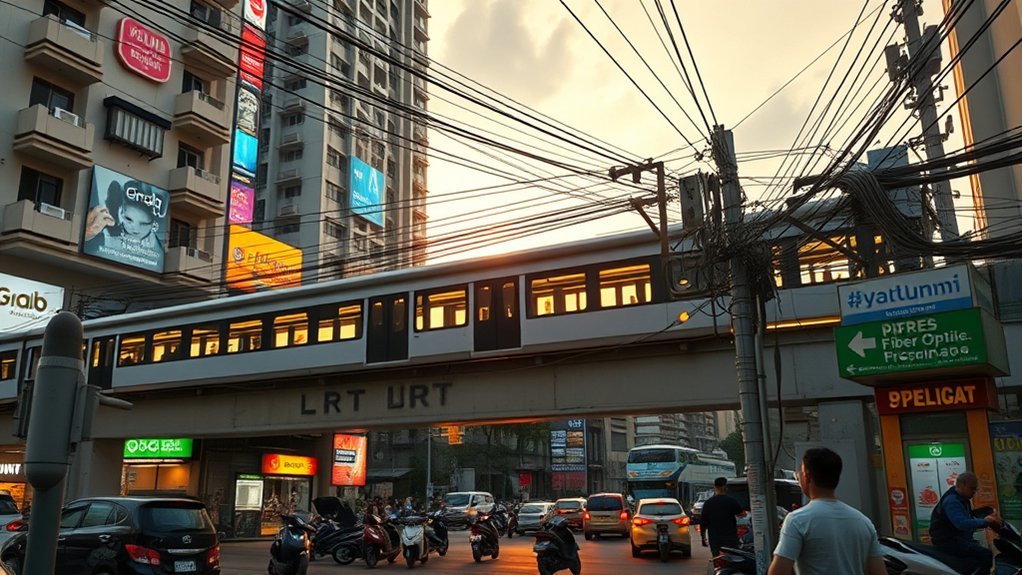
Kuala Lumpur and the wider Klang Valley are served by MRT, LRT, Monorail, BRT, buses, and KTM Komuter. Rapid KL single-journey fares vary by route and distance, so commuters should compare pay-as-you-go fares with a monthly pass based on their actual travel pattern.
Pass eligibility and pricing differ by product:
- My50 Unlimited Travel Pass: RM50 for 30 days of unlimited travel on participating Rapid KL rail and bus services. It is exclusively for Malaysians; MyRapid lists MyKad/MyTentera and eligible eWallet activation routes. Details are on the official My50 page.
- Rapid Bulanan Pass: RM150 for 30 days of unlimited travel on participating Rapid KL services. It is open to Malaysian and non-Malaysian users. Official details are on the Rapid Bulanan Pass Page.
Non-Malaysians who expect to use Rapid KL frequently should compare the RM150 Rapid Bulanan pass with pay-as-you-go fares; the RM50 My50 subsidy is reserved for Malaysians.
E-hailing services such as Grab are widely used for late-night travel and areas without direct rail access. Fares are dynamic and can rise during peak periods or rain, so check the app for current pricing. For budgeting, record a week of actual rides and multiply that pattern across the month rather than relying on a fixed citywide fare.
Car ownership incurs substantial secondary costs, including fuel, toll fees (Touch ‘n Go), parking, vehicle insurance, and condo parking slot fees. Under Malaysia’s targeted BUDI95 framework, eligible individuals can receive subsidized RON95 subject to program rules, while the general-market RON95 price is published separately. Track real-time weekly petrol prices via OpenDOSM’s Official Fuel Price Dataset.
Expected monthly transport expense profiles:
- Malaysian Transit Commuter (My50): RM50–RM150 per month (including occasional rides).
- Expat Transit Commuter (Rapid Bulanan): RM150–RM300 per month (including occasional Grab rides).
- Mixed Transit & Regular E-Hailing: RM300–RM600 per month.
- Private Car Driver: RM600–RM1,200+ per month (fuel, tolls, parking, maintenance, insurance).
What Salary Do You Need to Live Comfortably in Kuala Lumpur?
Evaluating income sufficiency requires distinguishing between gross salary, net take-home pay, and statutory deductions. Department of Statistics Malaysia (DOSM) data shows that W.P. Kuala Lumpur’s median monthly wage for formal employees was RM4,527 in March 2026. Numbeo’s June 2026 crowdsourced benchmark for average monthly net salary was about RM6,946. These measures are different: one is an official median for formal employees, while the other is a contributor-reported net average.
A net income of RM4,000 supports a frugal solo lifestyle in an outside-centre unit or shared housing. However, renting a central 1-bedroom condominium comfortably while maintaining healthy savings and insurance requires a net take-home salary between RM5,500 and RM7,500 per month.
Foreign professionals moving on an Employment Pass (EP) must meet official minimum basic monthly salary thresholds under Malaysia’s updated ESD regulations:
- Category I Employment Pass: RM20,000 or more per month.
- Category II Employment Pass: RM10,000–RM19,999 per month.
- Category III Employment Pass: RM5,000–RM9,999 per month.
These policy thresholds represent minimum visa criteria rather than guaranteed living cost recommendations. Review full application guidelines on the official Expatriate Services Division Portal.
Tax Warning for Expats: LHDN states that a person who is in Malaysia for fewer than 182 days in a year is generally non-resident for tax purposes, but Section 7 includes additional residence tests that can change the result. Non-resident employment income is generally taxed at 30%, and personal reliefs are not generally available. Do not assume that crossing 182 days is the only test; confirm your status using LHDN’s official resident-status guidance and non-resident tax page.
What Are the Upfront Moving and Rental Setup Costs in KL?
Upfront cash requirements can be significant. A 2 + 1 + 0.5 deposit structure is common in Malaysian residential rentals, but it is a market convention rather than a universal legal requirement. Your signed tenancy agreement controls the actual amounts:
- Security Deposit (2 Months’ Rent): Commonly refundable at the end of the tenancy, subject to deductions allowed by the signed agreement.
- Advance Rental (1 Month’s Rent): Pays for your initial first month of occupancy.
- Utility Deposit (0.5 Month’s Rent): Commonly held against unpaid utility charges, with refund terms set by the tenancy agreement.
Using the June 2026 Numbeo rent benchmarks, a 3.5-month move-in structure would equal about RM5,403 on an outside-centre rent of RM1,543.75 or RM9,100 on a city-centre rent of RM2,600. These examples illustrate the common formula; your lease may use different deposit terms.
Other possible move-in and setup costs include:
- LHDN Tenancy Stamping Duty: For a lease not exceeding one year, Item 49 of the Stamp Act schedule charges RM1 for every RM250 or part thereof of annual rent above RM2,400. Longer lease terms use higher rates.
- Internet Installation & Router Deposits: Varies; check current local pricing.
- Condo Access Cards & Parking Keyfobs: Varies; check current local pricing.
- Household Essentials & Bedding: Budget depends on whether the unit is fully, partly, or unfurnished; price a personal move-in list before signing.
- Immigration & Visa Processing Fees: Varies by nationality; verify current structures via the Immigration Department Visa Fee Page.
Relocation Caution: Never transfer rental deposits without inspecting the property in person, verifying the landlord’s title deed or agent’s REN (Real Estate Negotiator) registration number, obtaining a signed tenancy agreement, and securing written receipts.
What Extra Healthcare, Tax, and Family Costs Should You Budget?
Standard living cost calculations often overlook essential secondary expenses that impact long-term financial stability.
Healthcare and Medical Insurance
Public healthcare is subsidized differently for citizens and foreigners, and many expatriates use employer-provided or private medical coverage. Premiums vary sharply by age, coverage limit, deductible, pre-existing conditions, and outpatient benefits. .
Statutory Deductions (EPF & SOCSO)
Statutory deductions differ by nationality and status. For most non-Malaysian citizen employees registered with EPF after August 1, 1998, the mandatory rate effective from October 2025 wages is 2% employee + 2% employer; permanent residents and certain older EPF members can fall under different rates. PERKESO also covers foreign workers, including expatriates, under the Employment Injury and Invalidity schemes, with contribution rules that differ from Malaysian employee schedules. Check the official EPF non-Malaysian contribution page and PERKESO foreign-worker page when calculating take-home pay.
Childcare and Education
For families, education can become one of the largest expenses. Numbeo’s June 2026 benchmark puts private full-day preschool or kindergarten at about RM1,219 per child per month, with contributor values ranging from RM800 to RM2,000. International primary-school tuition averages about RM50,329 per child per year, with a reported range of roughly RM25,000 to RM97,599, before any school-specific registration, transport, uniform, or technology charges.
Leisure, Fitness and Personal Spending
Numbeo’s June 2026 Kuala Lumpur data puts a fitness-club membership at about RM203 per month, a cinema ticket at about RM22, and a regular cappuccino at about RM13. Your discretionary budget should also include subscriptions, nightlife, hobbies, clothing, and travel—items that are easy to omit from a “basic living cost” total.
How Can You Lower Your Cost of Living in Kuala Lumpur?
- Prioritize Rail Proximity: Choosing housing within easy walking distance of MRT/LRT can reduce reliance on e-hailing or a private car.
- Compare Outside-Centre Housing: Numbeo’s June 2026 one-bedroom benchmark outside the city centre is about 41% below its city-centre benchmark. Check the commute before assuming the cheaper rent produces a lower total monthly cost.
- Embrace Local Dining Options: Hawker centres and kopitiams can reduce food costs, but track a real 30-day food total before setting a long-term budget.
- Audit Energy Usage: Air-conditioning is a major electricity variable. Timers, moderate thermostat settings, and checking the current TNB tariff can help control usage.
- Choose the Right Transit Payment: Non-Malaysians cannot use My50, but they should still compare the RM150 Rapid Bulanan pass with pay-as-you-go fares based on expected trip volume.
- Verify Tax Residency Status: The 182-day test is important, but it is not the only residence test under Section 7. Check your actual travel pattern against LHDN rules before estimating net income.
Sources & Reference Data
- Numbeo: Cost of Living in Kuala Lumpur Index — Contributor price database for housing, dining, and utilities.
- Department of Statistics Malaysia (DOSM) — Q1 2026 formal-sector wage statistics, including W.P. Kuala Lumpur.
- OpenDOSM Consumer Price Index — National inflation and consumer basket data.
- Rapid KL Rail & Bus Portal — My50 and Rapid Bulanan transit pass terms and eligibility.
- Bank Negara Malaysia (BNM) — Reference foreign exchange rates.
- Expatriate Services Division (ESD) — Employment Pass salary thresholds effective June 1, 2026.
- LHDN/HASIL Resident Status — Individual tax-residence tests under Section 7.
- Employees Provident Fund (EPF/KWSP) — Mandatory contribution rules for non-Malaysian employees.
- Energy Commission (Suruhanjaya Tenaga) — RP4 electricity tariff framework and Automatic Fuel Adjustment.
More Southeast Asia City Guides
Comparing Southeast Asian cities? See our guides to average utility costs in Kuala Lumpur, the cost of living in Singapore, and the cost of living in Bali.
Frequently Asked Questions
How Much Are Utilities in Kuala Lumpur?
Numbeo’s June 2026 benchmark puts basic utilities for an 85m² apartment at RM270.33 per month, broadband at RM108.35, and a mobile plan at RM39.12. That is about RM379 for utilities plus internet or roughly RM418 including mobile. Air-conditioning use can materially change the electricity portion.
Is US$100 a Lot in Malaysia?
Bank Negara Malaysia’s Kuala Lumpur USD/MYR reference rate was 4.0476 on September 7, 2026, so US$100 was about RM404.76 before exchange fees or card spreads. That is more than the RM150 Rapid Bulanan pass, but far below a typical month of private apartment rent.
How Much Salary Do You Need to Live Comfortably in Kuala Lumpur?
A single person sharing housing can live comfortably on RM3,500–RM4,500 net per month. Renting a private one-bedroom outside the city centre requires a net income of RM4,500–RM5,500, while a central apartment generally suits a net take-home pay of RM5,500–RM7,500 or more. Foreign workers must also account for tax residency rules and visa thresholds.
How Much Is Monthly Rent in Kuala Lumpur?
Numbeo’s June 2026 Kuala Lumpur benchmark is about RM2,600 for a one-bedroom in the city centre and RM1,543.75 outside it. Three-bedroom apartments average about RM4,942.86 in the city centre and RM2,506.25 outside it. Individual buildings and neighborhoods can sit well above or below these averages.
Can You Live in Kuala Lumpur on RM3,000 a Month?
Yes, but it usually requires shared housing or a low room rent, mostly local food, public transportation, and limited discretionary spending. RM3,000 is generally not enough for an average private city-centre one-bedroom plus normal food, utility, and personal expenses.
How Much Money Do You Need to Move Into an Apartment?
A common whole-unit rental arrangement is 3.5 months of rent at move-in: 2 months security deposit, 1 month advance rent, and 0.5 month utility deposit. It is not universal, so follow the signed lease. Also budget for tenancy stamping duty and any building, internet, or household setup charges that apply.
Do Foreigners Get the RM50 Kuala Lumpur Transit Pass?
No. My50 is exclusively for Malaysians. Non-Malaysians can use pay-as-you-go fares or purchase the RM150 Rapid Bulanan pass, which provides 30 days of unlimited travel on participating Rapid KL rail and bus services.
Summary & Final Financial Guidance
Kuala Lumpur can still support a relatively low monthly budget, but RM3,000–RM3,500 is mainly a shared-housing or carefully managed scenario. For private solo living, a more useful planning range is about RM3,900–RM5,000 outside the city centre or RM5,000–RM6,500 centrally, then add or subtract for insurance, e-hailing, entertainment, and personal savings goals.
Before moving, compare neighborhoods by total monthly cost rather than rent alone, verify current transit and fuel eligibility, and read the lease carefully. If your landlord uses the common 2 + 1 + 0.5 structure, keep about 3.5 months of rent available for move-in, plus stamping duty and any agreed setup charges.

1 thought on “Kuala Lumpur Cost of Living 2026: Rent, Food, Transport & Tips”
Pingback: Average Living Cost In Hong Kong: Prices, Rent & Utilities