Last updated: July 28, 2026. Denpasar can still be affordable by international standards, but the total depends far more on housing, air-conditioning, imported products, transport habits, healthcare, and school choice than on any single citywide average. The figures below use current mid-2026 price snapshots and should be treated as planning ranges, not guaranteed quotes.
Quick Answer
In 2026, a realistic monthly budget in Denpasar is about Rp5–9 million for a frugal single renter, Rp9–18 million for a more comfortable single lifestyle, and roughly Rp18–31 million for a family before international-school tuition. Housing, cooling, imported food, private healthcare, and school choice create the biggest swings.
Key Takeaways
- A one-bedroom apartment averages about Rp6.78 million in central Denpasar and Rp2.85 million outside the center in the June 2026 market snapshot.
- Local meals and staple groceries can be inexpensive, while imported food, alcohol, specialty coffee, and Western-style dining raise the budget quickly.
- Basic utilities average about Rp670,000 for an 85 m² apartment, but heavy air-conditioner use can move the bill toward the upper end of the reported range.
- International-school tuition, private medical coverage, visa costs, and upfront rent can matter more than everyday food or bus fares.
- Always compare the full housing deal: furnishing, electricity, water, internet, maintenance, deposit, payment schedule, and commute time.
Note: The June 2026 Denpasar price snapshot is crowdsourced and was based on 147 entries from 16 contributors during the previous 12 months. It is useful for a planning baseline, but a specific neighborhood, lease term, and property condition can produce a very different quote.
Monthly Budget Breakdown by Lifestyle Tier
No single figure describes everyone in Denpasar. A local-style room, daily warung meals, and a short motorcycle commute cost much less than a furnished central apartment, frequent café visits, private transport, imported groceries, and international schooling. The following ranges are practical planning budgets built from current rent, food, utility, and transport prices.
| Lifestyle | Estimated Monthly Total | What It Usually Assumes |
|---|---|---|
| Frugal single | Rp5–9 million | A kos or modest outside-center rental, mostly local food, limited air-conditioning, low-cost transport, and few imported extras. |
| Comfortable single | Rp9–18 million | A private one-bedroom, regular dining out, stronger cooling use, ride-hailing or a scooter, fitness or entertainment, and a larger contingency fund. |
| Family of four | Rp18–31 million before international school | A two- or three-bedroom home, family groceries, utilities, transport, healthcare, childcare, and routine household spending. |
These totals are not official government cost-of-living standards. They are budgeting ranges. A household with international-school tuition can spend an additional Rp5–12.5 million per month per child when annual fees are spread across 12 months, before enrollment charges, uniforms, transport, meals, and activities.
Denpasar’s annual inflation reached 3.46% in June 2026, so a budget copied from an older guide may already understate food, transport, housing-service, healthcare, or education costs.
Sample Monthly Budget for One Person
- Rent: Rp2–7.8 million, depending on whether you choose a simple room, an outside-center apartment, or a central one-bedroom.
- Food: Rp1.5–4.5 million, depending on home cooking, local warungs, cafés, and imported products.
- Utilities, internet, and phone: Rp400,000–2 million, with air-conditioning as the main variable.
- Transport: Rp300,000–1.5 million, depending on bus use, fuel, parking, scooter costs, taxis, or ride-hailing.
- Healthcare, leisure, and miscellaneous: Rp800,000–3 million or more.
Housing and Rental Prices in Denpasar
Housing is usually the largest monthly expense. In the June 2026 Denpasar snapshot, a one-bedroom apartment in the city center averaged Rp6,783,333 per month, with reported prices from Rp4.5 million to Rp7.8 million. A one-bedroom outside the center averaged Rp2,847,500, with a much wider Rp2–8 million reported range.
For larger homes, a three-bedroom apartment averaged about Rp9.95 million in the center and Rp7.42 million outside the center. These are apartment-market averages, not quotes for every villa, guesthouse, kos, or serviced residence. Furnishing, pool access, security, parking, road access, water supply, mold, building age, and proximity to Sanur or major employment areas can change the price substantially.
Pro Tip: Ask whether electricity, water, internet, waste collection, maintenance, and neighborhood fees are included. A cheaper room with prepaid electricity and a long commute may cost more overall than a slightly higher all-inclusive rental near work.
Rent Compared With Local Wages
The official Denpasar labor portal publishes the city’s 2026 minimum-wage document. The 2026 city minimum wage is Rp3,499,878.78 per month. That is a wage floor for eligible formal employment, not an average salary and not a recommended expat budget. A central one-bedroom can therefore cost more than the monthly minimum wage by itself.
Upfront Rental Costs to Plan For
- Security deposit or advance rent.
- Several months or a full lease period paid upfront when required by the owner.
- Furniture, cookware, linens, water dispenser, and small appliances for an unfurnished property.
- Internet installation, prepaid electricity credit, parking, and move-in cleaning.
- Agent, notary, translation, or contract-review costs when applicable.
Warning: Do not transfer a large deposit only from photos or chat messages. Confirm the property, owner or authorized agent, payment schedule, inventory, damage rules, refund terms, and written lease before paying. Foreign property ownership and apartment-title rules are legally complex, so obtain independent Indonesian legal advice before buying.
Buying an Apartment
Current crowdsourced asking-price benchmarks are about Rp42.05 million per square meter in the city center and Rp13.64 million per square meter outside the center. Treat those as broad market indicators only. Purchase eligibility, title type, minimum-value rules, taxes, due diligence, and residency status can affect whether a transaction is available or sensible. Indonesia’s Government Regulation No. 18 of 2021 covers land rights, apartment units, and registration.
Food, Groceries and Dining Costs
Food can remain one of the most manageable parts of a Denpasar budget when you eat local dishes and shop at traditional markets. The June 2026 snapshot lists an inexpensive restaurant meal at about Rp32,500, a fast-food combo at Rp57,500, and a three-course mid-range meal for two at about Rp500,000 before drinks.
Typical Grocery Prices
| Item | June 2026 Snapshot |
|---|---|
| Milk, 1 liter | About Rp20,357 |
| White rice, 1 kg | About Rp16,667 |
| Eggs, 12 | About Rp25,223 |
| Chicken fillets, 1 kg | About Rp60,200 |
| Local cheese, 1 kg | About Rp113,500 |
| Bottled water, 1.5 liters | About Rp6,167 |
A domestic draft beer averages about Rp35,000 for 0.5 liter, not hundreds of thousands of rupiah per glass. Imported alcohol and wine remain relatively expensive. A monthly food budget rises quickly when it includes delivery fees, beach clubs, imported dairy, Western breakfast products, specialty coffee, or frequent restaurant meals in tourist-focused areas.
How to Keep Food Costs Lower
- Use traditional markets and neighborhood produce sellers for fresh staples.
- Mix home cooking with local warungs instead of relying on delivery apps.
- Compare unit prices because imported packaging can hide a large premium.
- Budget separately for coffee, alcohol, snacks, and delivery charges.
- Keep a small food-price buffer around holidays and periods of higher inflation.
Healthcare, Insurance and Education Expenses
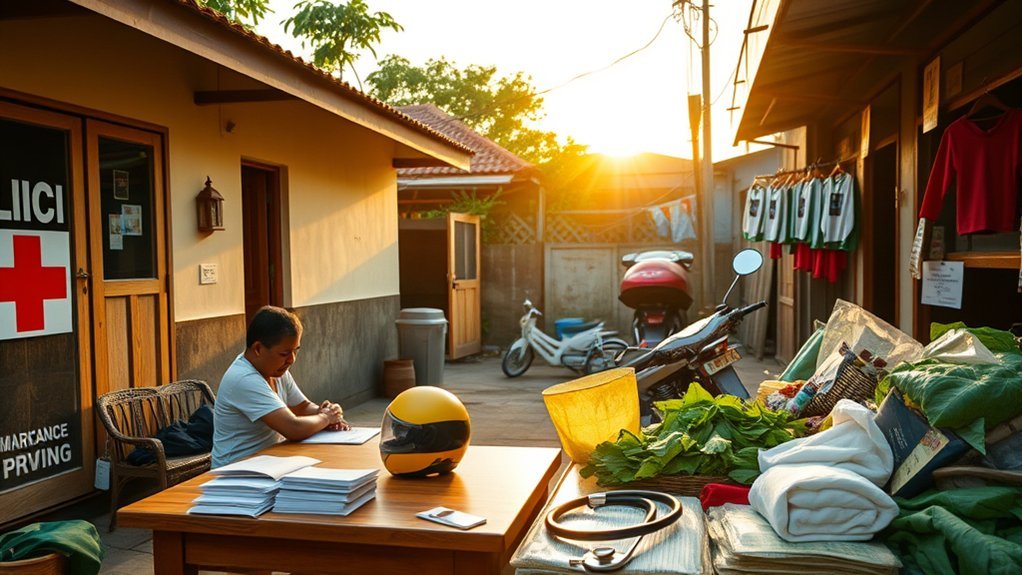
Healthcare costs cannot be reduced to one reliable monthly insurance quote. Premiums depend on age, medical history, geographic coverage, deductible, outpatient benefits, evacuation coverage, and whether care in Singapore or another country is included. A low advertised travel-insurance price may not provide suitable long-term medical protection.
Indonesia’s BPJS Kesehatan administers the national JKN health program and provides channels for registering foreign nationals in eligible categories. Eligibility and enrollment duties depend on residency and employment status. Long-term foreign residents should confirm current requirements and also decide whether private coverage is needed for preferred hospitals, faster access, higher room categories, international treatment, or evacuation.
Note: Keep a separate medical reserve even when insured. Policies may exclude pre-existing conditions, routine dental care, maternity, high-risk activities, or treatment outside an approved network.
Childcare and Schooling
School choice can dominate a family budget. The current Denpasar snapshot places private full-day preschool or kindergarten near Rp2.63 million per month per child. International primary-school tuition averages about Rp83.75 million per year, with reported figures from Rp60 million to Rp150 million.
Ask each school for the full annual fee sheet. Tuition may exclude application fees, capital levies, uniforms, books, devices, meals, buses, activities, field trips, and English-language support. Families should also check the school calendar, curriculum, accreditation, commute, and waiting-list policy before signing a lease.
Transport, Utilities and Everyday Services
Transport
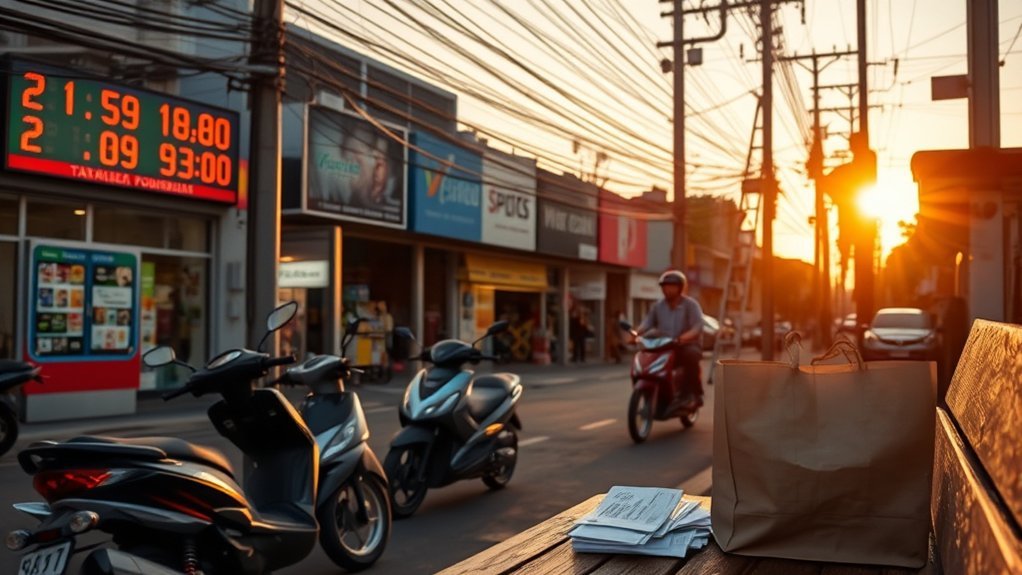
A local public-transport trip is listed at about Rp4,400. Trans Metro Dewata continues to serve the wider Sarbagita area in 2026 under cooperation between the provincial and local governments. Routes and operating times do not cover every neighborhood equally, so many residents still combine buses with walking, ride-hailing, or a motorcycle.
The current snapshot lists a taxi starting tariff near Rp15,000, taxi travel around Rp5,000 per kilometer, and gasoline around Rp12,604 per liter. Your real transport budget should include parking, maintenance, registration, helmet or safety gear, rental deposit, and occasional ride-hailing during heavy rain or late hours.
Before renting or driving a scooter, confirm licensing, insurance, helmet, and local legal requirements. The cheapest transport choice is not worthwhile if it leaves you uninsured or unlicensed.
Utilities, Internet, and Mobile Service
Basic utilities for an 85 m² apartment average about Rp670,000 per month, with a reported range of Rp400,000 to Rp2 million. Broadband internet of 60 Mbps or faster averages about Rp286,000, while a mobile plan with calls and at least 10 GB of data averages about Rp74,000.
Electricity can exceed the average when several air conditioners run for long periods. Before moving in, ask whether power is prepaid, what electrical capacity the property has, whether water comes from the municipal system or a well, and who pays for pump, filter, or building-maintenance problems.
Visa, Tourist Levy, and Legal Costs
Short-term entry costs should not be confused with the legal cost of living in Indonesia long term. Indonesia’s official immigration guidance states that a Visa on Arrival costs Rp500,000, permits an initial 30-day stay, and can generally be extended once for another 30 days. A tourist or visit visa is not a work permit.
Warning: Do not work, run a local business, or perform commercial activity on a visa that does not authorize it. Use the official Indonesian Immigration visa guidance and obtain qualified advice for employment, investment, retirement, study, family, or remote-work arrangements.
Bali’s official foreign-tourist levy is Rp150,000 per person for travelers who are subject to it. The Love Bali FAQ lists exemptions for several categories, including eligible temporary- or permanent-stay permit holders. Visa, extension, agent, translation, reporting, and permit costs should be budgeted separately from ordinary monthly living expenses.
How to Build a Realistic Denpasar Budget
- Choose the exact area first. Denpasar, Sanur, Kuta, Canggu, Seminyak, and Ubud have different rental markets and commute patterns.
- Price housing as a complete package. Add deposits, advance rent, electricity, water, internet, maintenance, parking, and furnishing.
- Track one normal week of food. Include groceries, warungs, cafés, delivery fees, alcohol, and imported items, then multiply by 4.3.
- Model two transport plans. Compare bus plus ride-hailing with a scooter or car after fuel, maintenance, parking, insurance, and legal requirements.
- Add annual costs monthly. Divide insurance, visas, school fees, memberships, and planned flights by 12.
- Keep a buffer. Add at least 10% to 20% for inflation, medical needs, repairs, exchange-rate changes, and move-in surprises.
Frequently Asked Questions
How much does it cost to live in Denpasar per month?
A frugal single renter can target roughly Rp5–9 million per month. A comfortable single lifestyle is more likely to cost Rp9–18 million. A family of four may need about Rp18–31 million before international-school tuition. Actual spending depends heavily on housing, cooling, transport, healthcare, and imported products.
How much is rent in Denpasar?
The June 2026 snapshot shows a one-bedroom averaging about Rp6.78 million in the center and Rp2.85 million outside it. Three-bedroom apartments average about Rp9.95 million in the center and Rp7.42 million outside. Simple kos rooms, villas, and serviced rentals can fall outside these ranges.
Can you live in Bali for $1,000 a month?
Yes, a $1,000 monthly budget can support a modest Denpasar lifestyle for one person when rent is controlled and most meals are local. It becomes tight with a premium villa, frequent Western dining, a car, extensive nightlife, private international insurance, or regular trips. The rupiah amount also changes with the exchange rate.
Is Denpasar cheaper than living in the United States?
Denpasar is generally cheaper than most U.S. cities for local food, services, and many rentals. The gap narrows when you choose imported goods, Western-style housing, international schools, private overseas medical coverage, or frequent flights. Compare your own basket of expenses instead of relying on one percentage.
Is $1,000 enough for one week in Bali?
For one traveler, $1,000 is usually enough for a week of modest or mid-range accommodation, local transport, food, and several activities, excluding international airfare. Luxury villas, private drivers every day, beach clubs, diving packages, and high-end dining can use that budget quickly.
What is the biggest hidden cost of living in Denpasar?
Upfront housing terms are often the biggest surprise. Deposits, advance rent, furnishings, electricity, maintenance, and a longer commute can turn a low advertised rent into a costly move. For families, international-school fees are usually the largest extra expense.
Conclusion
Denpasar offers a wide cost range rather than one universal monthly price. A single person can live modestly on a local-style budget, while central housing, imported comforts, private medical coverage, and international education can multiply the total. Start with the exact neighborhood and lease terms, build the budget in rupiah, add annual legal and insurance costs, and keep a buffer for inflation and unexpected expenses.
Sources
- Numbeo: Cost of Living in Denpasar — June 2026 rent, food, utility, transport, childcare, school, and property-price snapshot.
- BPS Kota Denpasar: Consumer Price Index, June 2026 — official Denpasar inflation data.
- Denpasar Labor Department: UMK Kota Denpasar 2026 — official city minimum-wage publication.
- Bali Provincial Government: Trans Metro Dewata 2026 Cooperation — continued public-bus operation in the Sarbagita area.
- Directorate General of Immigration: Visa FAQ — official visa requirements and e-VOA guidance.
- Love Bali: Foreign Tourist Levy FAQ — levy amount, payment, and exemption information.