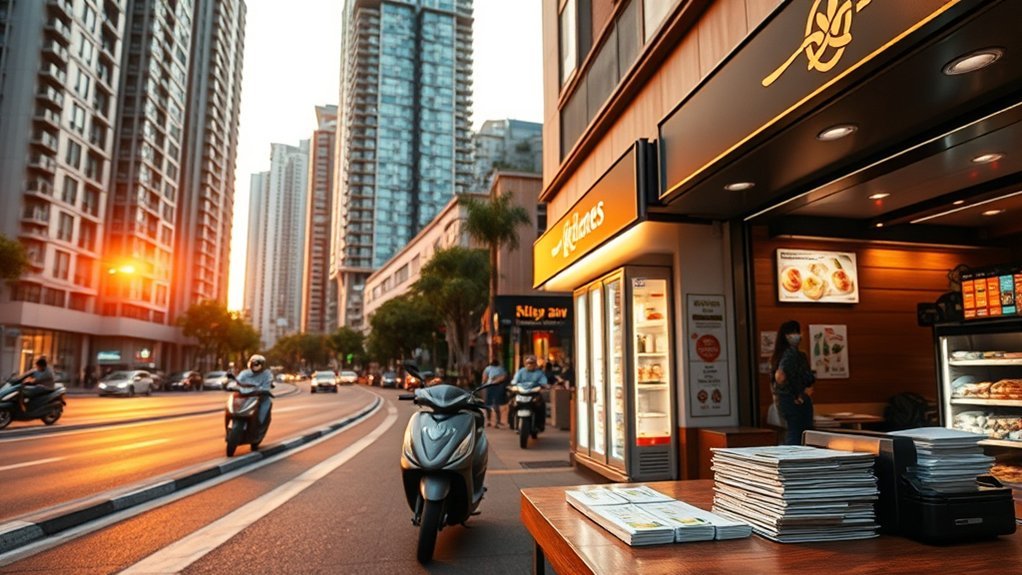
Taipei cost of living in 2026 depends mainly on rent, school choice, insurance, and lifestyle. A single renter with a private one-bedroom should use NT$55,000–70,000 per month as a practical planning target, while NT$70,000–90,000 gives more room for dining, private coverage, hobbies, local travel, and savings. A family of four should plan about NT$135,000–170,000 before international-school tuition. Use the verified item prices and official rules below to adjust those ranges for your actual rent, commute, school, insurance, taxes, and savings goals.
Quick Answer
Living alone in Taipei generally requires about NT$55,000–70,000 per month with a private one-bedroom, while NT$70,000–90,000 allows more dining, insurance, hobbies, local travel, and savings. A family of four should plan about NT$135,000–170,000 before international-school tuition. Numbeo’s June 2026 benchmark annualizes to about NT$44,300 per month for international primary school, while Taipei American School lists 2026–27 Pre-K–Grade 5 tuition equal to about NT$79,700 per month before additional fees.
Last updated: September 8, 2026
Key Takeaways
- Numbeo’s June 12, 2026 snapshot puts a one-bedroom at about NT$24,000 in central Taipei or NT$16,500 outside the center.
- A three-bedroom averages about NT$49,400 in the center or NT$29,700 outside it.
- Basic utilities plus broadband for an 85-square-meter apartment average about NT$3,135 per month; a mobile plan averages about NT$550.
- International primary-school tuition can vary sharply: Numbeo’s city benchmark is about NT$44,300 per month annualized, while Taipei American School’s published 2026–27 Pre-K–Grade 5 tuition is about NT$79,700 per month annualized before extra fees.
- Budget separately for a rental deposit, initial setup, visa costs, taxes, private insurance before NHI eligibility, and emergency savings.
Monthly Budget Snapshot for Taipei
| Budget profile | Monthly target | Typical assumptions | Main risk |
|---|---|---|---|
| Frugal single | NT$40,000–55,000 | Shared housing or a small outer-area unit, local food, transit, limited taxis and nightlife. | A private central apartment can push this range higher. |
| Single renter with private one-bedroom | NT$55,000–70,000 | Modest apartment, routine utilities, local meals, public transport, and basic personal spending. | Imported groceries, frequent delivery, bars, and private insurance. |
| Comfortable single | NT$70,000–90,000 | More central housing, dining out, hobbies, private coverage, local travel, and monthly savings. | Premium housing and frequent international travel. |
| Family of four without international-school tuition | NT$135,000–170,000 | Three-bedroom rent, food, transport, utilities, insurance, activities, and routine family spending. | Childcare, private school, larger housing, and multiple insurance policies. |
| Family with one international primary-school child | NT$180,000–250,000+ | Family budget plus roughly NT$44,300–79,700 per month in annualized tuition using the Numbeo benchmark and Taipei American School’s published 2026–27 tuition as reference points. | Enrollment fees, transport, meals, uniforms, camps, and a second child’s tuition. |
How to Build a Taipei Monthly Budget Without Double-Counting
Use the budget table as a planning range, then replace the assumptions with your own numbers. Start with the rent for the exact unit you would lease. Add recurring food, utilities, phone, transport, insurance, and personal spending. Add school or childcare separately because those costs vary too much to hide inside a citywide average. Keep deposits, furniture, visa fees, and other move-in costs in a separate cash-reserve bucket rather than treating them as normal monthly spending.
Note: Crowd-sourced city averages describe different baskets and household assumptions. Do not add a source’s all-in or “excluding rent” total to every itemized food, utility, and transport figure from the same source, or you may double-count costs.
Source note: The item-price benchmarks in this guide use Numbeo’s June 12, 2026 Taipei snapshot, which reported 1,200 entries from 146 contributors during the prior 12 months. Visa, NHI, transit, taxi, tax, rental-deposit, and electricity-billing rules were rechecked against official sources on September 8, 2026. Crowd-sourced prices are planning benchmarks, not quotes, so check live rental listings, school fee schedules, insurance quotes, and your exact commute before committing.
Taipei Cost of Living: 2026 Budget Benchmarks
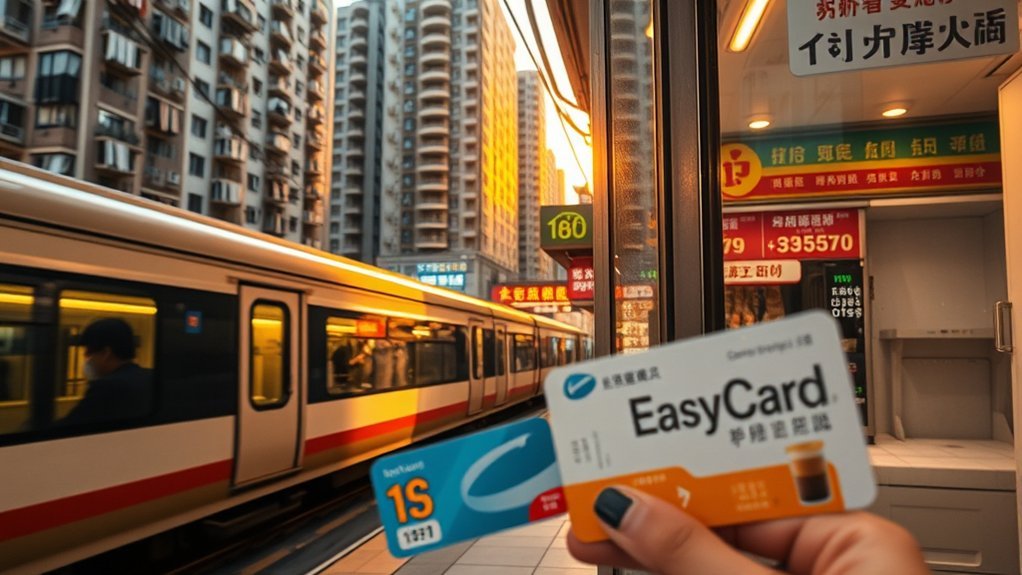
Taipei’s cost of living is moderate for an international capital, but housing and household choices change the total quickly. Numbeo’s June 12, 2026 snapshot is most useful as an item-price reference rather than a promise of what every household will spend. For a second check, Expatistan’s September 7, 2026 estimate is NT$58,570 for one person and NT$110,455 for a family of four, but that service warns that its current Taipei sample is small. Use both as context, then build your budget from the exact rent and recurring costs that apply to you.
The estimates also do not settle the cost of private or international school, a specific insurance policy, overseas travel, major purchases, debt payments, or the savings rate you want. Families should add school and childcare separately, while newcomers should also plan for deposits and setup costs.
Daily expenses remain manageable for people who eat local and use transit. In Numbeo’s June snapshot, an inexpensive restaurant meal averages around NT$160, a mid-range three-course meal for two is near NT$1,500, and a cappuccino is around NT$113. Basic utilities for an 85-square-meter apartment average about NT$2,272 per month, while broadband internet adds about NT$863.
Rent remains the main swing factor. Numbeo’s June 2026 snapshot puts a one-bedroom at about NT$24,012 in the city center and NT$16,482 outside the center. A three-bedroom averages about NT$49,379 in the center and NT$29,689 outside. Compare these figures with the salary or foreign income you will actually receive after tax.
Using Numbeo’s June 2026 figures, a one-bedroom equals roughly 30% of the reported average net salary outside the center and about 43% in the center—before food, transport, insurance, or savings.
Housing: Renting, Buying and Neighborhood Comparisons
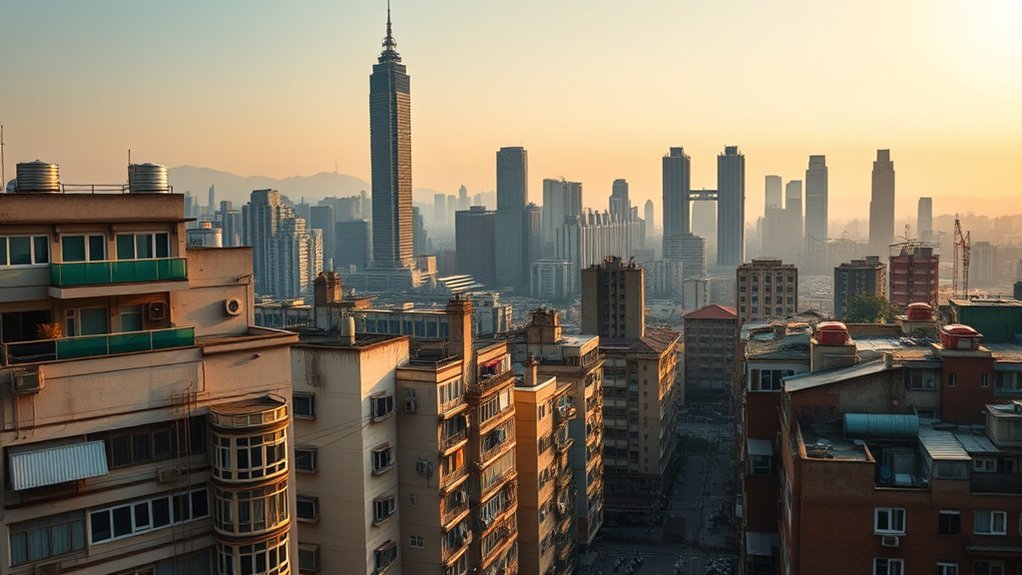
Housing is usually the largest monthly cost in Taipei. A city-center one-bedroom averages about NT$24,012 per month in Numbeo’s June 2026 snapshot, but actual listings vary by district, floor area, building age, elevator access, furnishings, MRT distance, and whether management fees are included. Outside the center, the average is about NT$16,482. For families, three-bedroom averages are about NT$49,379 in the center and NT$29,689 outside.
Compare rent with take-home pay rather than gross salary. Numbeo’s June 2026 snapshot puts Taipei’s average monthly net salary near NT$55,460. A central one-bedroom equals about 43% of that figure before utilities, food, transport, insurance, and savings.
Neighborhood choice matters more than a citywide average. Da’an, Xinyi, Zhongzheng, and newer buildings near popular MRT stations often command higher asking rents. Wanhua, parts of Nangang and Neihu, or nearby New Taipei areas such as Banqiao, Xindian, and Yonghe may offer different price-to-commute tradeoffs. Also compare like-for-like rental types: a self-contained studio, a true one-bedroom, and a room in a shared apartment are not interchangeable products even when English-language guides group them together. Do not assume every listing in an outer district is cheap; compare current units during the same week. For a rent-only breakdown, see the site’s average rent for a 1-bed flat in Taipei.
Inspect the unit in person when possible. Older walk-ups, humidity, mold, street noise, weak water pressure, poor windows, pests, limited natural light, and aging appliances can make a low advertised rent poor value.
Upfront Move-In Costs
Your first-month cash need is much higher than the monthly rent alone. Taiwan’s official English Sample Rental Housing Contract states that the maximum security deposit must not exceed two months’ rent. Add the first month’s rent, any disclosed agent or service fee, building management charges, internet installation, household supplies, furniture or appliances, and temporary accommodation while you search.
- Security deposit: up to two months’ rent under the official model lease.
- First month’s rent: usually due when the lease starts.
- Management and setup: confirm building fees, internet, gas, water, electricity, and garbage arrangements.
- Agent or service charges: ask who pays, how much, and what the charge covers before signing.
- Emergency reserve: keep cash available for repairs, a delayed paycheck, or an early move.
Warning: Read the electricity clause before signing. For qualifying residential leases signed from July 15, 2024, landlords who bill by usage cannot charge more than the current average electricity price per kilowatt-hour shown on the bill, and they must provide billing information. See the Ministry of the Interior guidance.
Renting Versus Buying
Buying is a separate financial decision. Taipei purchase prices are high relative to local income, so buyers should compare price per square meter, building age, management fees, earthquake standards, mortgage rates, taxes, renovation costs, and resale demand. Foreign buyers should also confirm the rules that apply to their nationality and the property type.
Renting gives newcomers flexibility while they learn the city, test a commute, understand building quality, and decide whether a long-term purchase makes sense.
Monthly Utilities and Ongoing Household Expenses
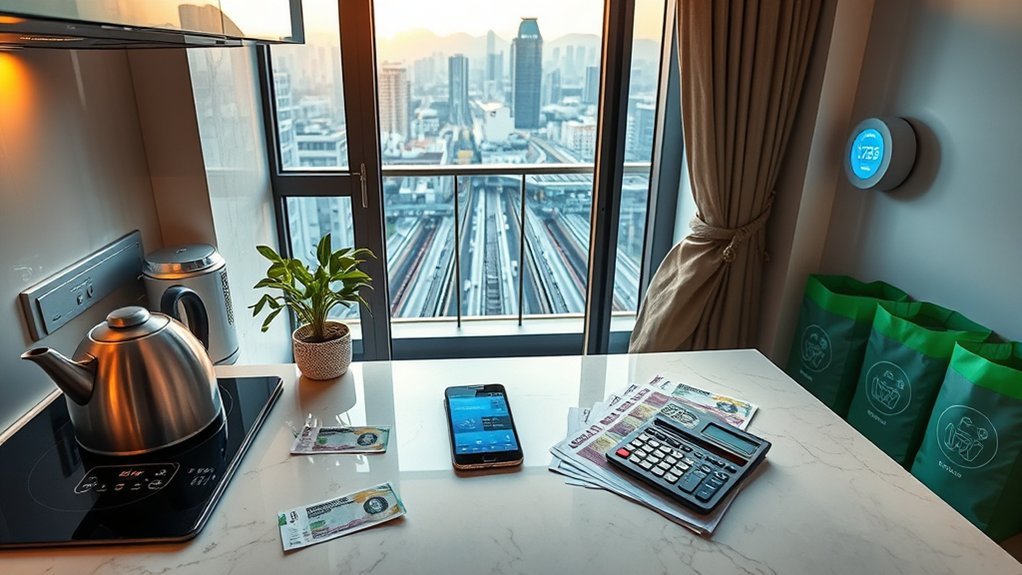
For an apartment of about 85 square meters, Numbeo’s June 2026 snapshot places basic electricity, cooling, water, and garbage costs near NT$2,272 per month. Broadband internet averages about NT$863, creating a practical utilities-plus-internet reference of roughly NT$3,135 per month. A mobile plan with calls and at least 10 GB of data averages around NT$550.
Summer cooling can push electricity bills higher, especially in older apartments with inefficient air conditioners. Larger family apartments may also spend more on laundry, dehumidifiers, water, cooking gas, and extra appliances.
Keep household costs visible in your budget even when they are small. Add mobile service, cleaning supplies, official garbage bags where required, minor repairs, management fees, and appliance replacement. Also confirm whether the landlord or tenant pays each bill and whether the meter is shared.
Pro Tip: Ask to see recent summer and winter electricity bills for the exact unit. A citywide average cannot reveal an inefficient air conditioner, shared meter, or unusually humid apartment that needs constant dehumidification.
Groceries, Markets and Typical Food Prices
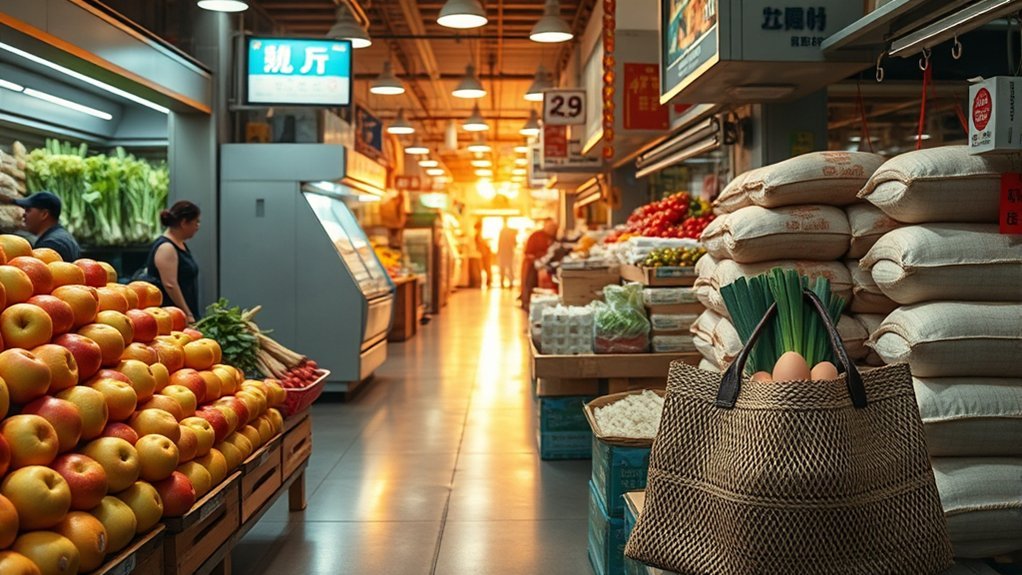
Food in Taipei ranges from low-cost local meals to expensive imported groceries. Current crowd-sourced examples include a 500-gram loaf of white bread around NT$60, rice around NT$98 per kilogram, eggs around NT$80 per dozen, and chicken fillets around NT$296 per kilogram. Prices vary by brand, neighborhood, season, and store.
Supermarkets are convenient for packaged goods, dairy, imported foods, and late shopping hours. Wet markets can offer better value for seasonal vegetables, fruit, seafood, tofu, and local cuts of meat. If you cook regularly, combining wet-market produce with supermarket staples often costs less than relying on convenience stores or imported products.
Night Market Bargains
Night markets are one of Taipei’s most useful budget options. Shilin, Raohe Street, Ningxia, and smaller neighborhood markets let you build a meal from snacks, noodles, rice dishes, dumplings, fried chicken, fruit, and drinks. Individual items can cost far less than a formal restaurant meal, although famous tourist stalls may charge more.
Use night markets for variety rather than every meal. Fried snacks, sweet drinks, and impulse purchases can add up. A realistic food budget combines wet-market groceries, simple local restaurants, night-market meals, and occasional supermarket or delivery spending.
Wet Market Freshness
Taipei’s wet markets can lower grocery costs when you buy local produce and proteins in season. Go early for a wider selection or later for possible discounts on items vendors want to clear. Bring cash when needed, compare unit prices, and learn the normal price of staples you buy often.
- Compare unit prices before assuming a supermarket or wet market is always cheaper.
- Buy seasonal produce to avoid paying extra for imported fruit.
- Use supermarkets for packaged goods, dairy, and imported items when they offer better selection.
- Use convenience stores carefully because frequent small purchases can become a large monthly leak.
Wet markets work best when you cook several times a week and plan meals around what is fresh.
Eating Out, Night Markets and Dining on a Budget
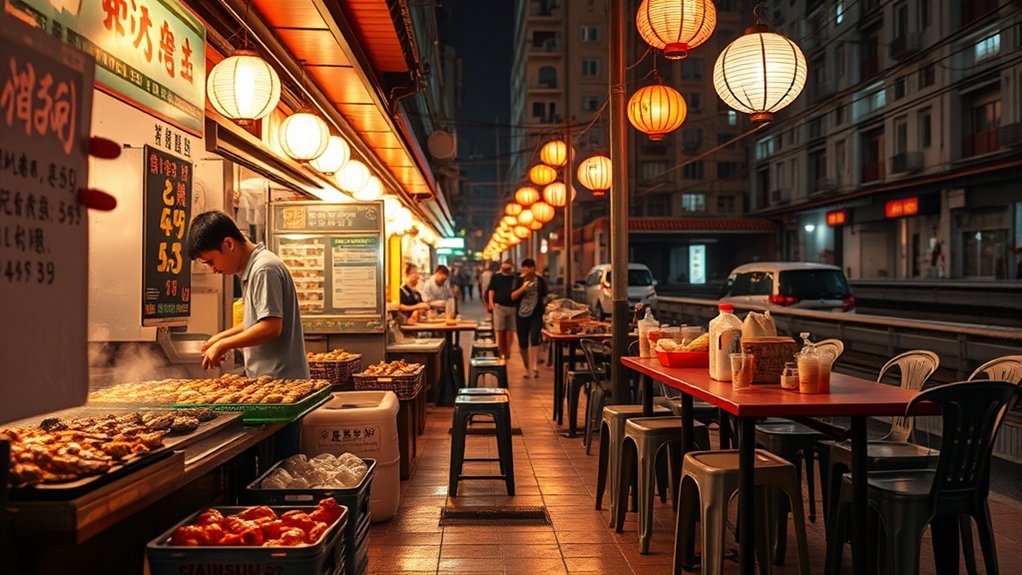
Taipei rewards flexible eaters. Local lunch boxes, noodle shops, dumpling restaurants, breakfast stalls, and night markets can keep meals affordable. Western restaurants, imported coffee, delivery fees, cocktails, and bar drinks raise costs quickly.
In Numbeo’s June 2026 snapshot, an inexpensive restaurant meal averages about NT$160, a fast-food combo about NT$183, and a cappuccino about NT$113. Beer prices vary widely between supermarkets, neighborhood restaurants, and bars.
For stronger savings, eat local most of the week and reserve higher-priced restaurants for occasional meals. One practical pattern is wet-market groceries for breakfast and simple dinners, local shops for lunch, and night markets when you want variety without a formal restaurant bill.
Local Transportation, Commuting and Travel Costs
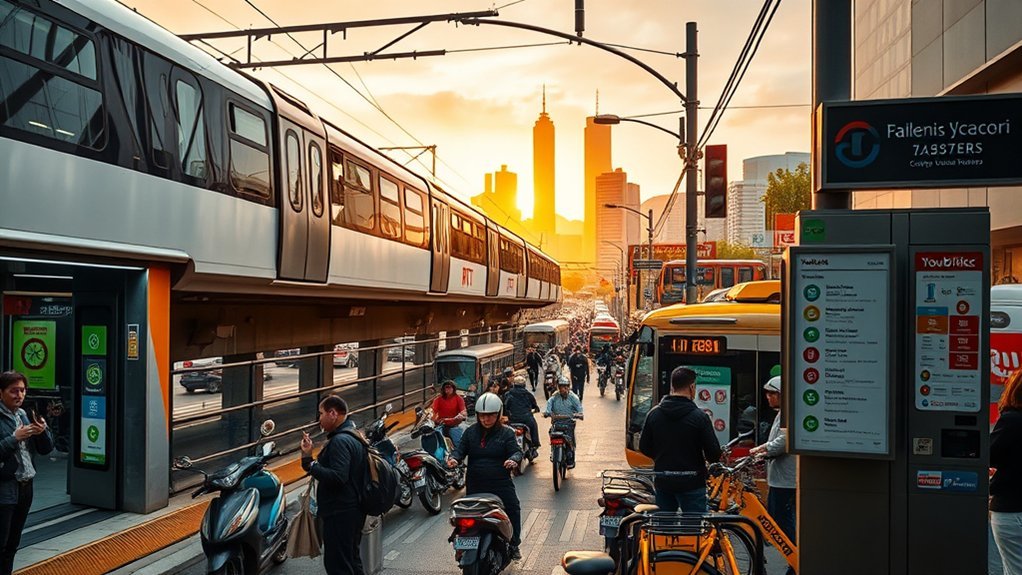
Taipei’s transport network can offset higher central rent. Official Taipei Metro single-journey tickets cost NT$20–65, depending on distance. Buses and many common short rides remain inexpensive, so a transit-based lifestyle is usually cheaper than frequent taxi use or vehicle ownership.
Public Transport Prices
Stored-value cards such as EasyCard, iPASS, and iCASH can be topped up and used on public transport and for small payments. Taipei Metro gates also accept supported bank cards, Transit QR Codes, Apple Pay, Google Pay, and Samsung Pay. Payment support can differ on buses and other systems, so do not assume every method works everywhere.
The official Metro Tickets & Travel Pass Recommendations page lists single tickets, stored-value cards, visitor passes, and the Megacity Pass. The NT$1,200 Megacity Pass is valid for 30 consecutive days after activation and covers eligible metro, bus, rail, intercity bus, and YouBike travel within its defined Keelung–New Taipei–Taipei–Taoyuan area.
- Single metro journey: NT$20–65 based on route distance.
- Stored-value cards: convenient for metro, buses, transfers, and small purchases.
- Bank cards and mobile wallets: accepted at Taipei Metro gates, subject to the official rules.
- Monthly pass: the NT$1,200 Megacity Pass can be valuable for frequent regional commuters.
- Route check: use Taipei Metro’s fare and travel-time inquiry for your exact trip.
Since January 3, 2026, Taipei Metro’s Frequent Passenger Program has also paid cashback to eligible full-fare stored-value-card and Transit QR Code riders based on the previous month’s trip count: 5% for 11–20 trips, 10% for 21–40 trips, and 15% for more than 41 trips. Compare that program with the NT$1,200 Megacity Pass before buying a pass; the better choice depends on how often you ride and whether you need the pass’s wider regional coverage.
Pro Tip: Test the commute during the hours you will actually travel. A cheaper apartment may not save money if it requires long transfers, ride-hailing during rain, or frequent late-night taxis.
Taxi and Vehicle Costs
Taxis are useful late at night, during heavy rain, or when carrying luggage, but they should not be the default commute for a tight budget. Taipei’s official daytime meter starts at NT$85 for the first 1.25 kilometers, then adds NT$5 per 200 meters. Waiting-time, nighttime, and holiday surcharges may apply. See the official taxi pricing system.
Ten short taxi rides a week can easily become several thousand New Taiwan dollars per month. If you buy a scooter or car, add fuel, parking, insurance, maintenance, registration, repairs, depreciation, and accident risk. For many newcomers, renting near transit and using taxis selectively is cheaper and simpler than owning a vehicle.
Healthcare, Insurance and Medical Expense Considerations
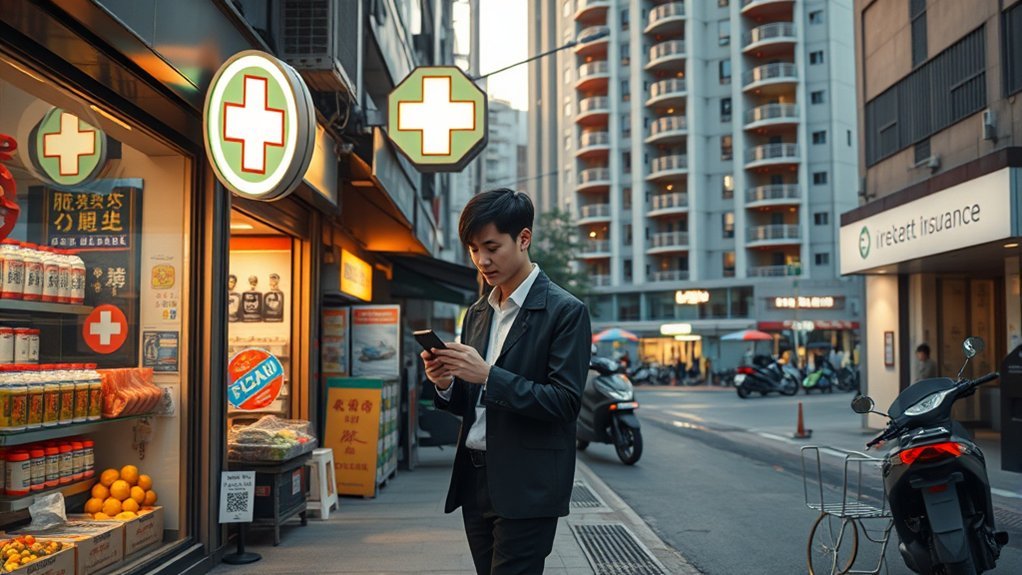
Taiwan’s National Health Insurance system helps eligible residents manage routine medical costs, but enrollment depends on status. According to the National Health Insurance Administration, foreign nationals with a valid Alien Resident Certificate generally enroll after six months of qualifying residence. People with a work permit and ARC must be enrolled by their employer from the first day of employment. Some foreign professionals and dependents have separate rules.
Confirm your exact eligibility with the National Health Insurance Administration. Premiums depend on the insured category, salary basis, dependents, and contribution rules, so one flat monthly number will not fit every resident.
If you are not yet eligible for NHI, budget for private health insurance and out-of-pocket visits. Even after enrollment, international coverage may still matter if you want treatment outside Taiwan, medical evacuation, broader private access, or specific English-language support.
Separate healthcare into three budget buckets:
- Routine care: doctor visits, prescriptions, dental cleanings, and checkups.
- Insurance premiums: employer-linked NHI contributions or a private international plan.
- Emergency buffer: urgent care, specialist treatment, travel coverage, and evacuation if needed.
Local care can be affordable, but do not move without active coverage and a medical cash reserve.
Education, Childcare and Family-Related Costs
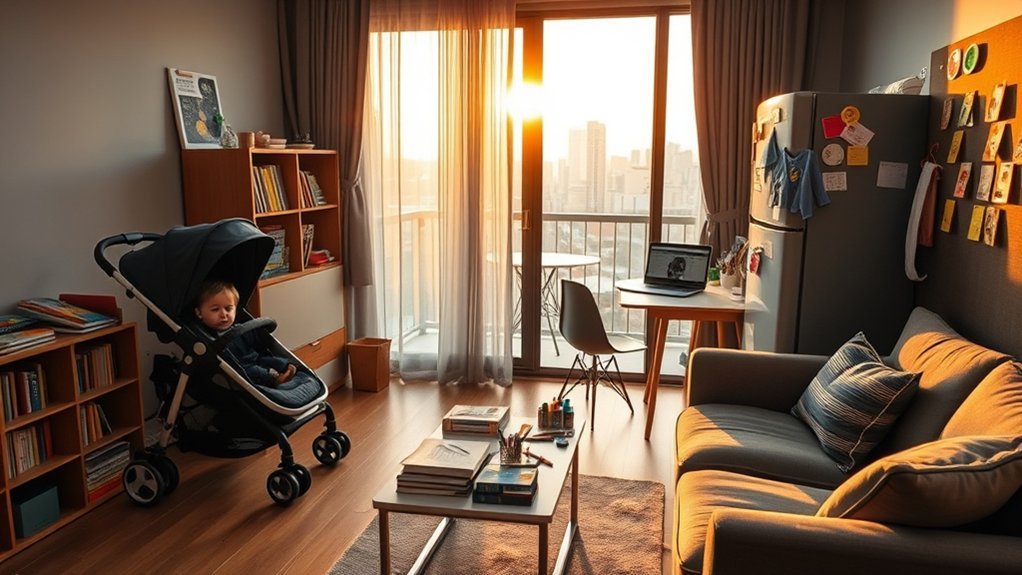
Families need a wider budget range than single renters because housing, childcare, and schooling can change the total by tens of thousands of New Taiwan dollars per month. A three-bedroom averages about NT$49,379 in central Taipei and NT$29,689 outside the center in Numbeo’s June snapshot, before food, transport, utilities, insurance, activities, or tuition.
Numbeo’s June 2026 snapshot puts private full-day preschool or kindergarten at about NT$20,182 per month per child. Its international primary-school benchmark is NT$531,250 per year, or about NT$44,300 per month when spread across 12 months. Treat that as a benchmark, not a cap: Taipei American School lists 2026–27 Pre-K–Grade 5 tuition of NT$956,770 per year, or about NT$79,700 per month annualized, plus a one-time NT$350,000 capital fee and other charges.
Public school may cost less, but language, residence, admissions, catchment rules, support needs, and curriculum fit matter. Parents should budget beyond tuition for registration, uniforms, supplies, lunches, after-school programs, transport, camps, tutoring, healthcare, and larger housing.
Note: The NT$135,000–170,000 family range in this guide does not promise international-school affordability. Request the current fee schedule directly from each school and include application, capital, transport, meal, technology, and activity charges.
Visa, Tax and Income Planning
Americans and other foreign nationals can live in Taipei when they qualify under Taiwan’s immigration rules. A visit or visa-exempt stay is not the same as legal long-term residence or work authorization. Taiwan’s Bureau of Consular Affairs states that resident visas are intended for eligible foreign nationals planning to stay more than six months for approved purposes such as work, study, investment, or joining family.
Resident visa holders generally must apply for an Alien Resident Certificate and re-entry permit within 30 days after arrival. Requirements vary by the purpose of residence, so check the current resident visa guidance before moving.
Taxes can also change take-home income. Taiwan’s Ministry of Finance states that a foreign individual who stays in Taiwan for 183 days or more within a taxable year is treated as a resident for individual income-tax purposes. Work location, income source, treaty questions, and remote employment can be complex, so review the official foreign-individual tax residency guidance or consult a qualified Taiwan tax professional.
Warning: Do not build a Taipei budget from gross foreign income alone. Account for exchange-rate movement, transfer fees, Taiwan and home-country tax obligations, health coverage, retirement contributions, and any months when work or residency status is changing.
Tips for Saving Money and Finding Affordable Services
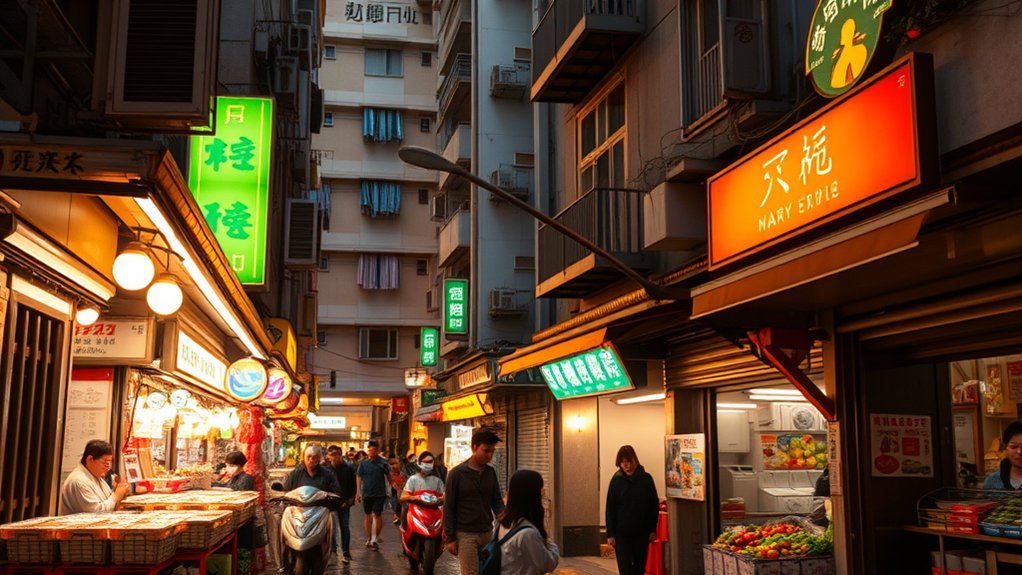
The fastest way to lower your Taipei budget is to control rent. Choose a smaller unit, share an apartment, live outside the most expensive central areas, or target reliable MRT access instead of a prestige address.
- Test the commute first: a low rent can become expensive if you need taxis or lose hours to transfers.
- Inspect before signing: check humidity, mold, noise, appliances, windows, water pressure, pests, meters, and building condition.
- Confirm every recurring charge: ask about management fees, electricity calculation, gas, water, internet, and garbage.
- Use local food patterns: wet markets, lunch boxes, breakfast shops, and night markets can stretch the budget.
- Track small purchases: convenience stores, drinks, delivery fees, and coffee can quietly add thousands per month.
- Compare transit with rent: an apartment near the right line may cost more but lower total commuting expense.
- Keep insurance active: local healthcare is strong, but newcomers still need coverage for eligibility gaps and emergencies.
- Automate savings: move the planned savings amount out of your spending account soon after income arrives.
Small savings compound when you apply them to rent, transport, food, and recurring services every month.
Frequently Asked Questions
How much money do you need to live comfortably in Taipei?
A single renter should budget about NT$55,000–70,000 per month for a modest private one-bedroom lifestyle, or NT$70,000–90,000 for more dining, insurance, hobbies, travel, and savings. A family of four should plan about NT$135,000–170,000 before international-school tuition.
How much does it cost to rent in Taipei?
Numbeo’s June 2026 snapshot puts a one-bedroom at about NT$24,012 per month in the city center and NT$16,482 outside the center. A three-bedroom averages about NT$49,379 in the center and NT$29,689 outside. Live listings vary by district, size, rental type, age, condition, furnishings, and MRT access.
How much is a three-bedroom apartment in Taiwan?
In Numbeo’s June 2026 Taipei snapshot, a three-bedroom averages about NT$49,379 per month in the city center and NT$29,689 outside the center. Other Taiwanese cities may cost less, so do not use Taipei’s market as a national average.
Is food expensive in Taipei?
Food can be affordable when you eat local. Breakfast shops, lunch boxes, noodle restaurants, wet markets, and night markets keep costs down. Imported groceries, Western restaurants, delivery, bars, and specialty coffee increase the monthly total.
How much are utilities in Taipei?
For an apartment of about 85 square meters, Numbeo’s June 2026 snapshot puts basic utilities at roughly NT$2,272 per month and broadband at about NT$863. Mobile service averages around NT$550. Summer cooling, inefficient appliances, dehumidifiers, and larger homes can raise the bill.
How much cash should you have before renting?
Plan for the first month’s rent, a security deposit of up to two months’ rent under the official model lease, setup costs, and an emergency reserve. Also confirm management fees, agent charges, utilities, internet installation, furniture, and temporary accommodation.
When can foreign residents join Taiwan’s NHI?
Foreign nationals with a valid ARC generally enroll after six months of qualifying residence. People with a work permit and ARC are enrolled through their employer from the first day of employment. Special rules may apply to students, foreign professionals, dependents, and business owners.
Can Americans live in Taipei?
Yes. Americans can live in Taipei when they qualify for the required visa, residence, and work status. A visa-exempt visit does not by itself authorize long-term residence or employment. Budget for rent, insurance, taxes, school needs, and the effect of exchange rates on foreign income.
Can you live in Taipei on NT$30,000 a month?
NT$30,000 per month is possible only with major housing and lifestyle tradeoffs. Numbeo’s June 2026 outside-center one-bedroom average is about NT$16,482, which would leave roughly NT$13,500 for food, utilities, phone, transport, insurance, and everything else. Shared housing, local meals, and low discretionary spending make this budget more realistic than renting a typical private one-bedroom.
How much does international school cost in Taipei?
Numbeo’s June 2026 international-primary-school benchmark is NT$531,250 per year, or about NT$44,300 per month annualized. Actual schools can be much higher: Taipei American School lists 2026–27 Pre-K–Grade 5 tuition of NT$956,770 per year, or about NT$79,700 per month annualized, before its one-time capital fee and other charges.
Conclusion
Taipei can be affordable, but it is not as cheap as older cost guides suggest. For most newcomers, rent, school choice, insurance, transport habits, imported purchases, and dining patterns determine whether the city feels comfortable or tight.
Start with a realistic monthly target: NT$55,000–70,000 for a single renter with a modest one-bedroom, NT$70,000–90,000 for more comfort and savings, and NT$135,000–170,000 for a family of four before international-school tuition. Then replace the citywide benchmarks with the rent you can actually lease, your real commute, current school fees, healthcare status, taxes, and one-time move-in costs before deciding whether the budget works.
Sources
- Numbeo: Cost of Living in Taipei — June 12, 2026 crowd-sourced benchmarks for rent, food, utilities, childcare, school tuition, and salaries.
- Taipei Rapid Transit Corporation: Tickets and Travel Passes — official single-ticket, payment-method, stored-value-card, and Megacity Pass information.
- Taipei Rapid Transit Corporation: Frequent Passenger Program — official 2026 trip-count cashback rules.
- Taipei Department of Transportation: Taxi Pricing System — official base fare, distance, waiting-time, and surcharge rules.
- National Health Insurance Administration: Foreign Resident Enrollment — NHI eligibility for ARC holders, employees, students, dependents, and other residents.
- Bureau of Consular Affairs: Resident Visas — official long-stay eligibility, requirements, and ARC timing.
- Ministry of Finance: Foreign Individual Tax Residency — official 183-day tax-residency guidance for foreign individuals.
- Ministry of the Interior: Sample Rental Housing Contract — official English contract guidance, including the two-month maximum security deposit.
- Ministry of the Interior: Residential Rental Electricity Rules — official electricity billing protections for qualifying residential leases.
- Taipei American School: 2026–27 Tuition & Fees — published tuition and required-fee schedule used as a school-specific comparison point.