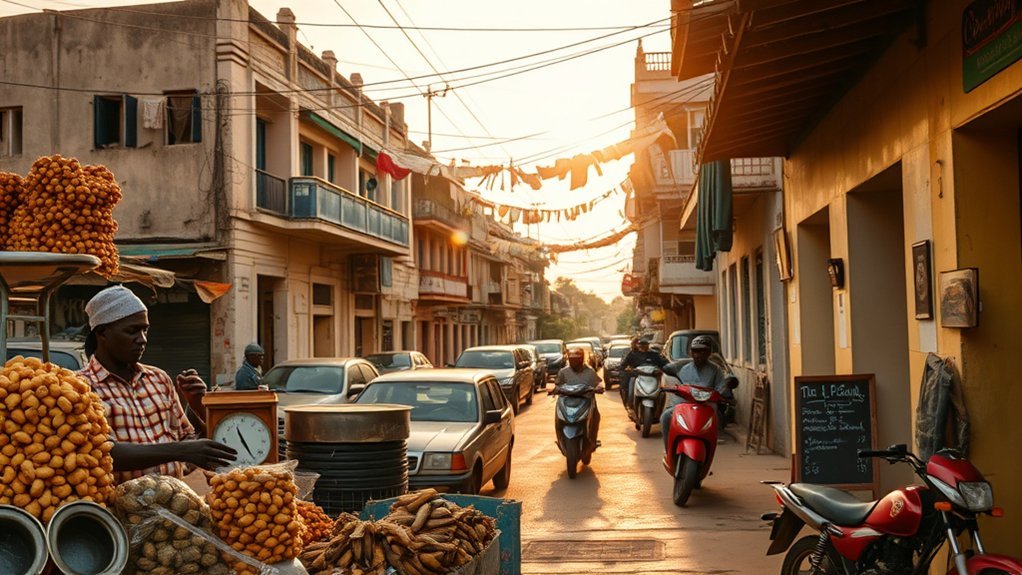
The cost of living in Guinea-Bissau in 2026 runs about XOF 460,000–816,000 (~$790–$1,400) a month for one person in Bissau, depending on whether you rent outside the center and eat local food or rent a better central apartment with backup power and private health cover. A couple should plan on roughly XOF 1.1 million (~$1,920), and a family of four about XOF 1.7 million (~$2,890) before school fees. These figures use the fixed CFA franc peg and the euro-dollar rate of early October 2026, which works out to about XOF 584 per US dollar. Data for Guinea-Bissau is thin, so every number below is a planning range, not a price list. The country is also in a military-led transition after the November 2025 coup, and that affects safety, services, and how you should budget.
Quick Answer
- Single person: XOF 460,000 (~$790) on a lean budget; XOF 816,000 (~$1,400) for a comfortable one in central Bissau.
- Couple: about XOF 1.12 million (~$1,920) a month.
- Family of four: about XOF 1.69 million (~$2,890) before private school fees.
- Rent, one-bedroom: about $175–$235 (XOF 102,000–137,000) outside the center; $409–$529 (XOF 239,000–309,000) in central Bissau.
- Utilities: about $73–$108 (XOF 43,000–63,000) a month; home internet adds about $42–$45.
- Fuel: XOF 899 per liter of gasoline and XOF 898 for diesel after the April 2026 price rise (~$1.54).
- Currency: West African CFA franc (XOF), fixed at 655.957 per euro.
Exchange Rate, Inflation, and the 2026 Context
Three things shape what Guinea-Bissau costs you this year.
The exchange rate. Guinea-Bissau uses the West African CFA franc, which the Central Bank of West African States (BCEAO) pegs at XOF 655.957 to €1. The dollar value moves with the euro. The ECB reference rate was $1.1225 per euro on October 2, 2026, which gives about XOF 584 per dollar. All dollar figures in this guide use that rate. If the euro weakens, your dollars buy more CFA francs; if it strengthens, they buy fewer.
Inflation. Prices were calm in 2025. The IMF reported average inflation of just 0.9% in 2025, helped by lower food prices, and growth of about 5.5%. The World Bank’s country overview projects inflation of about 3% in 2026 and growth slowing to 4.8%. The big exception this year is fuel, covered below.
Politics. The military took power on November 26, 2025. Gen. Horta Inta-a heads a transitional government, which approved a 2026 state budget of XOF 531 billion (about €810 million) in late December, according to Portuguese broadcaster RTP. In January 2026 the junta set legislative and presidential elections for December 6, 2026. Expect some uncertainty around that date.
At about XOF 584 per dollar, a lean single budget of XOF 460,000 equals roughly $790. A 1% move in the euro-dollar rate changes that by about $8.
How Reliable Is the Data?
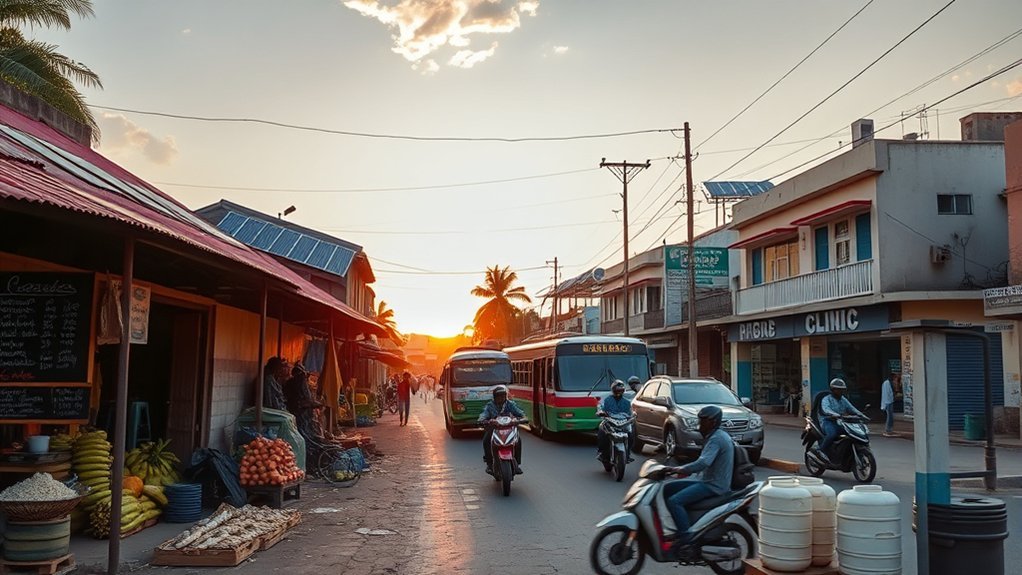
Guinea-Bissau is one of the hardest countries in the world to price from a distance. There is no regular public rent survey, few online listings, and crowd-sourced sites have very few contributors. Here is what the main crowd-sourced averages showed in 2026:
| Data Set (Date) | Single Person, With Rent | Family | Caveat |
|---|---|---|---|
| LivingCost (June 2026) | $857 | $2,099 (family of four) | partly crowd-sourced |
| CityCost (September 2026) | $824 | $1,819 (family of three) | modeled plus user input |
| Expatistan (2026) | $1,385 | $2,888 (family of four) | “only a few data points” |
Numbeo’s Bissau page had no new contributions in the 12 months to early 2025, so we don’t use it for current prices. The practical approach is to budget from the range, then replace it with real quotes and receipts within your first month.
Housing and Rent in Bissau
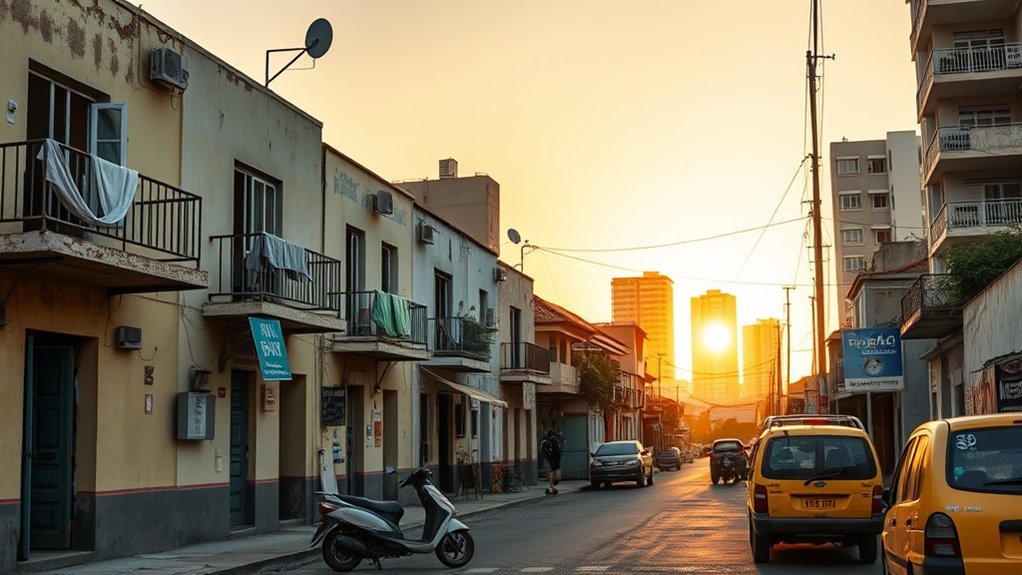
Rent is the biggest cost for most newcomers, and almost all foreign residents live in Bissau. Crowd-sourced averages for 2026 look like this:
| Apartment | City Center | Outside Center |
|---|---|---|
| 1 bedroom | $409–$529 (XOF 239,000–309,000) | $175–$235 (XOF 102,000–137,000) |
| 3 bedrooms | $687–$863 (XOF 401,000–504,000) | $416–$486 (XOF 243,000–284,000) |
The low ends come from LivingCost (June 2026) and the high ends from CityCost (September 2026) and Wise. Expatistan lists a furnished 85 m² apartment in an expensive area at about $343, which shows how far the sources disagree.
What drives the price is less the neighborhood name and more what comes with the house:
- Power backup. A generator, inverter, or solar battery system adds rent but saves you from outages.
- Water. Ask about storage tanks and a pump. Low water pressure is common.
- Security. Walled compounds with guards cost more but are standard for foreign staff.
- Road access. Some streets flood or turn to mud in the rainy season, roughly June to October.
Renting Tips and Move-In Costs
Most leases are found through word of mouth, employers, and local agents rather than websites. Ask up front how many months of rent the landlord wants in advance, since some request more than one month plus a deposit. Get a written lease and a signed receipt for every payment. Before you pay anything, inspect the property in person, confirm the person renting it has the right to do so, and note who pays for generator fuel, repairs, and water deliveries.
Buying property is not a good first step. Title records can be unclear and there is little reliable price data. Rent first and learn the market.
Utilities, Internet, and Phone
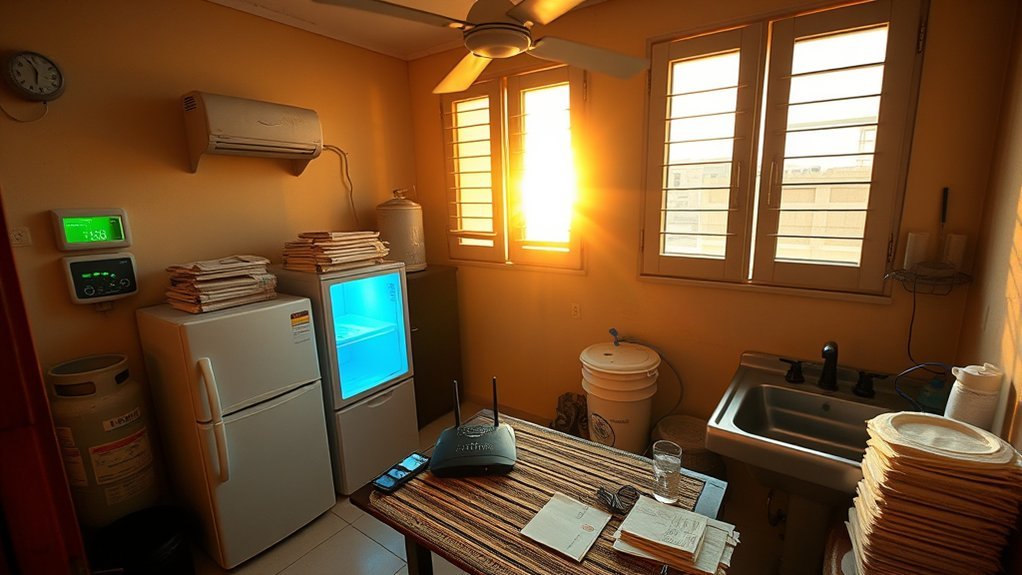
Basic utilities (electricity, water, and garbage) run about $73 a month for one person and $106–$113 for a family-size home, based on crowd-sourced averages. That is about XOF 43,000–66,000. Air conditioning and a generator can push real bills well above that.
Power supply is the main issue. World Bank data shows that 43.7% of the population had electricity access in 2024, up from 40.5% in 2023. Bissau’s grid now draws cheaper power from the regional OMVG line, but outages still happen, so most foreigners budget for backup.
- Home internet (50+ Mbps): about $42–$45 (XOF 24,500–26,500) a month.
- Mobile plan with 10 GB+ of data: about $34 (XOF 20,000) a month. Many people use mobile data as their main connection.
- Backup power: generator fuel or battery wear can add XOF 30,000–45,000 (~$50–$75) a month in our budgets below. Your real cost depends on outage hours.
Before you sign a lease, run a video call and a speed test from inside the property, and ask how many hours the backup system lasts.
Food: Groceries and Eating Out
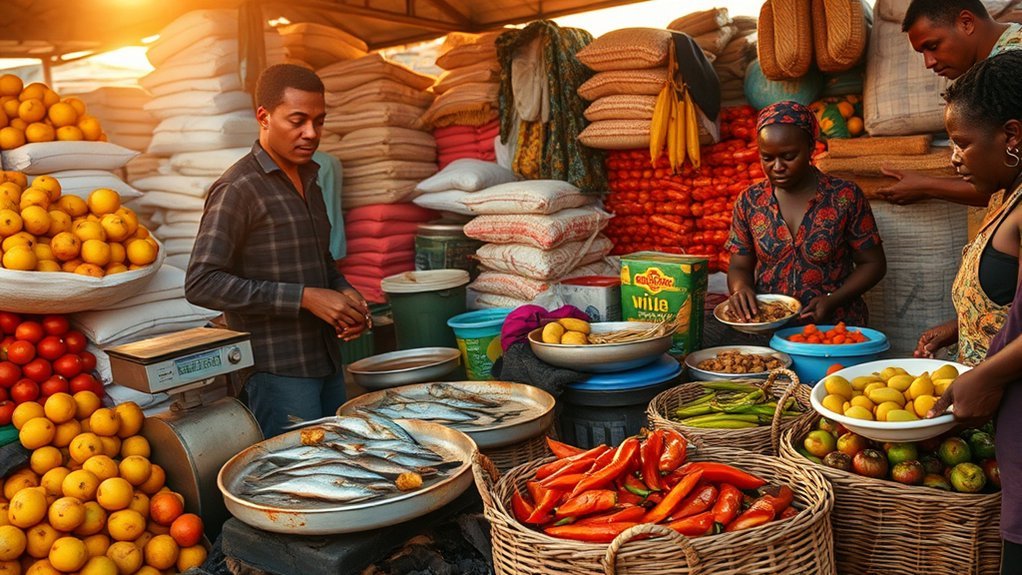
Food is where local and imported lifestyles split. Rice, fish, cashew-region produce, and market vegetables are cheap. Imported cheese, cereal, wine, and packaged goods arrive mostly via Portugal and Senegal and cost much more. Crowd-sourced estimates put one person’s food spending at about $300–$370 (XOF 175,000–216,000) a month.
| Item | Typical Cost (USD) | Approx. XOF |
|---|---|---|
| Rice (1 kg) | $1.58 | 920 |
| Bread (500 g) | $0.82 | 480 |
| Milk (1 liter) | $1.76 | 1,030 |
| Inexpensive restaurant meal | $5.14–$6.11 | 3,000–3,600 |
| Dinner for two, mid-range restaurant | $25.66–$27 | 15,000–15,800 |
| Cappuccino | $1.76–$2 | 1,030–1,170 |
Prices are crowd-sourced averages from LivingCost, CityCost, and Wise in mid to late 2026. Market prices move with the season and with fuel costs, since most goods travel by truck.
A practical single-person food budget:
- Mostly local food, cooking at home: about XOF 120,000–175,000 (~$205–$300).
- Mix of local and imported: about XOF 175,000–235,000 (~$300–$400).
- Frequent restaurants and imported goods: XOF 235,000 (~$400) and up.
Grocery prices also include tax. Guinea-Bissau replaced its old 19% sales tax with a VAT on January 1, 2025. Per VATCalc’s summary, the standard rate is 19%, with a reduced 10% rate for some basic goods and services, and exemptions for medicines, education, and some financial and property services.
Transportation and Fuel
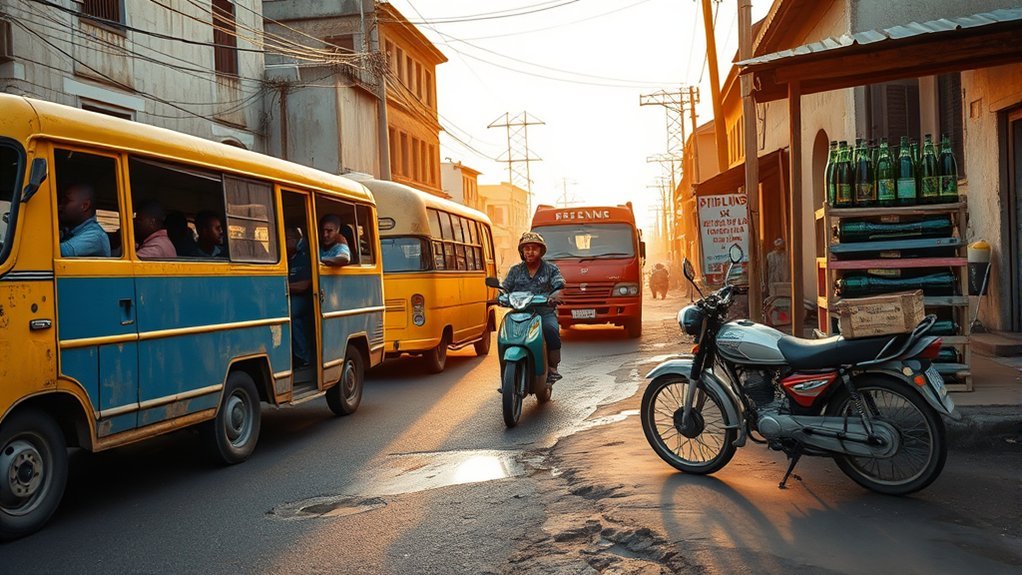
Most people get around Bissau by shared minibus (toca-toca) and shared taxi. A local ride costs about XOF 300 (~$0.53), and a month of regular commuting runs about XOF 15,000 (~$26). A private taxi for 8 km costs about XOF 3,800 (~$6.40), more at night or with luggage.
Fuel prices jumped in April 2026. After two weeks of shortages linked to the Middle East conflict, the government raised diesel from XOF 700 to XOF 898 per liter and gasoline from XOF 794 to XOF 899 (~$1.54). It also barred transport operators from raising fares, which led to a drivers’ strike in Bissau, Gabu, and Mansoa, as Culture Custodian reported. Check current pump prices locally, since they can change again.
| Transport | Typical Cost | Notes |
|---|---|---|
| Shared minibus or shared taxi | about XOF 300 (~$0.53) | fares frozen by the government in April 2026 |
| Monthly commuting | about XOF 15,000 (~$26) | no formal transit pass system |
| Private taxi, 8 km | about XOF 3,800 (~$6.40) | agree the fare before you get in |
| Gasoline / diesel | XOF 899 / 898 per liter | set by the government, April 2026 |
A car makes sense only if you travel outside Bissau often. Add fuel, frequent repairs from rough roads, insurance, and possibly a driver.
Healthcare and Insurance
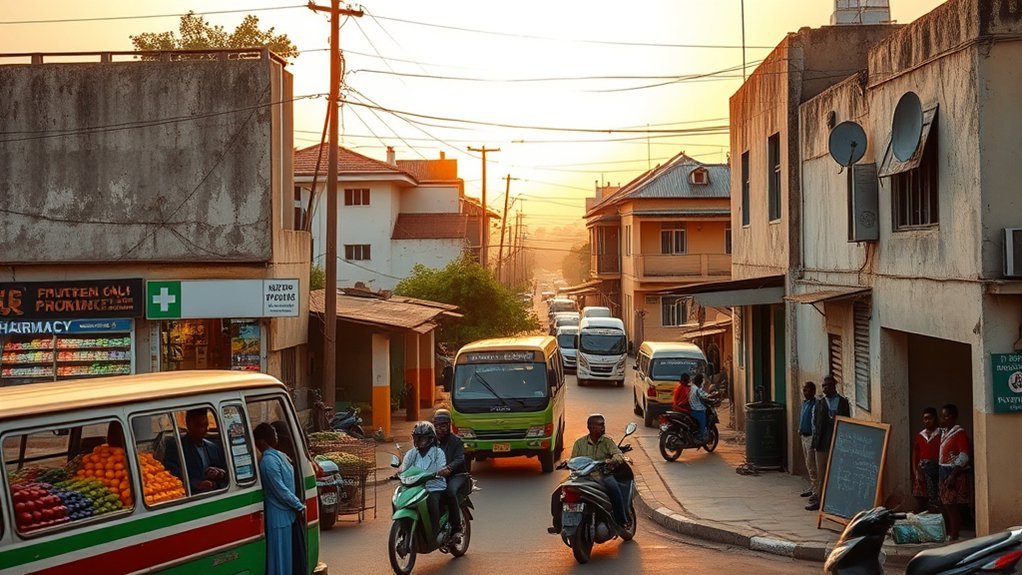
Healthcare is the biggest hidden cost. The US State Department says there are no modern medical facilities in Guinea-Bissau and advises buying medical evacuation insurance. Serious cases usually go to Dakar or Lisbon.
- Doctor visit: a basic private consultation is reported at about $15 (XOF 8,800), but quality and available tests vary a lot.
- Insurance: an international plan with evacuation cover is the most important line in a foreigner’s budget. Premiums depend on age and plan, so get quotes. Our sample budgets set aside XOF 60,000–150,000 (~$100–$255) per adult.
- Vaccines and malaria: proof of yellow fever vaccination is required for travelers aged one year and older. Malaria is present, so ask a travel clinic about prevention medicine before you go.
Schools and Childcare
School access is limited. The World Bank’s Human Capital Review found that only about 27% of children complete primary school and about 33% of children aged 6–11 have never attended. Public schools teach in Portuguese.
Foreign families usually choose one of the few private or Portuguese-curriculum schools in Bissau. There is no reliable public fee list, so ask schools directly for tuition, registration, books, uniforms, and transport costs. Some families choose schools in Dakar or boarding abroad, which adds flights to the budget. Our family budget below excludes school fees for this reason.
Salaries, Minimum Wage, and Taxes
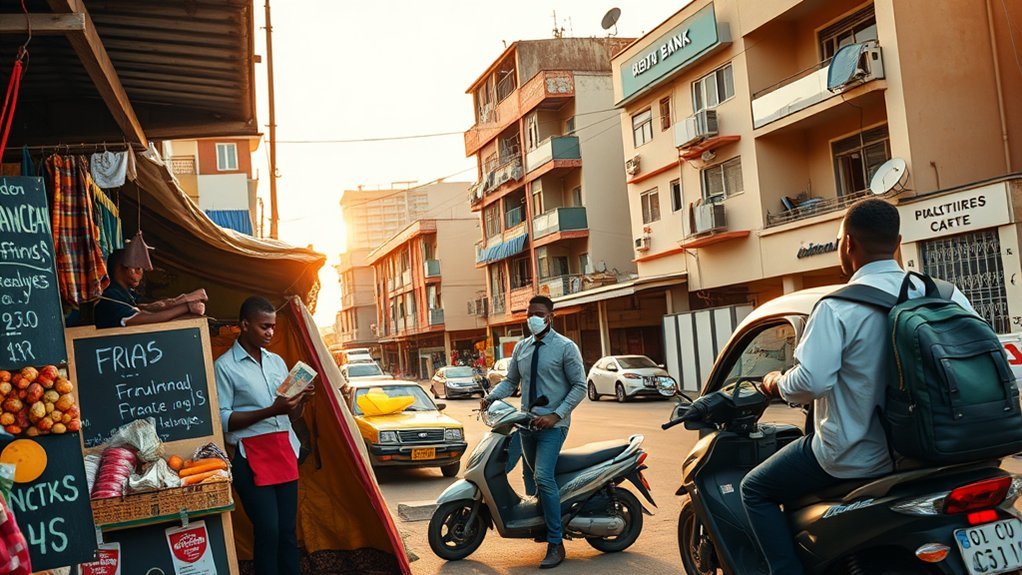
Local incomes are far below the budgets in this guide. In 2018 the government agreed to raise minimum monthly pay from XOF 19,200 to XOF 50,000 (now about $86), News24 reported after a public-sector strike. We found no official update since then.
Average salary figures online disagree wildly. LivingCost lists about $124 a month after tax, while CityCost and Wise list about $1,024–$1,039. The lower figure is closer to what most local workers earn; the higher figures likely reflect a handful of office and international-organization salaries.
Poverty is widespread. The World Bank estimates that 50.5% of people lived below the national poverty line in 2021 and projects extreme poverty at about 39.6% in 2026. Most jobs are in farming, especially cashew nuts, which are the main export.
Taxes: VAT is 19% (10% reduced rate) and is included in shelf prices. If you are employed locally or stay long-term, get advice from a local accountant on income tax and residency, since rules and enforcement can change under the transitional government.
Visas, Safety, and Money
- Visas: US citizens need a visa. The State Department says you can get one on arrival or in advance from a Bissau-Guinean embassy, such as the ones in Dakar or Lisbon. Your passport needs six months of validity and a blank page. Confirm the current fee with the embassy before you travel.
- Travel advisory: the US rates Guinea-Bissau Level 3, “Reconsider travel,” because of unrest, poor health infrastructure, and landmines (advisory issued December 11, 2025). There is no US embassy; the US Embassy in Dakar handles consular services.
- Cash: only a few businesses take credit cards. ATMs in Bissau accept US bank cards but are not always reliable. Western Union is available. Carry enough CFA francs for daily needs and keep a backup way to get money.
One-Time Setup Costs
Budget for these before your first month:
- Flights and visa: check the embassy for the current visa fee.
- Vaccinations and medicines: yellow fever certificate and malaria prevention, bought before departure.
- Advance rent and deposit: ask the landlord; plan for at least two months of rent in cash.
- Furniture and household items: many rentals are unfurnished. Mosquito nets, fans, water filters, and a fridge are basics.
- Backup power: if the home lacks it, a small inverter or generator is a one-time cost plus fuel.
- SIM cards: many residents carry two SIMs for better coverage.
- Emergency fund: enough to buy a flight out at short notice.
Sample Monthly Budgets
These budgets combine the averages above. Amounts are in CFA francs. Health is an allowance for insurance and routine care, and backup power is an allowance for fuel or battery wear.
| Expense | Single, Lean | Single, Comfortable | Couple | Family of Four |
|---|---|---|---|---|
| Rent | 120,000 (1-bed, outside center) | 270,000 (1-bed, central) | 270,000 (1-bed, central) | 450,000 (3-bed, central) |
| Utilities | 45,000 | 65,000 | 75,000 | 90,000 |
| Internet + mobile | 20,000 | 46,000 | 66,000 | 66,000 |
| Food | 160,000 | 210,000 | 350,000 | 550,000 |
| Transport | 15,000 | 45,000 | 60,000 | 90,000 |
| Health allowance | 60,000 | 90,000 | 180,000 | 300,000 |
| Backup power | — | 30,000 | 30,000 | 45,000 |
| Personal + leisure | 40,000 | 60,000 | 90,000 | 100,000 |
| Total (XOF) | 460,000 | 816,000 | 1,121,000 | 1,691,000 |
| Total (USD) | ~$790 | ~$1,400 | ~$1,920 | ~$2,890 |
The lean budget assumes a basic apartment outside the center, local food, shared transport, and no generator. It leaves little room for emergencies. The comfortable budget is closer to what most foreign staff spend. The family budget excludes school fees and lines up with Expatistan’s family estimate of about $2,890, while LivingCost’s lower $2,099 assumes cheaper housing and no private health cover.
Money-Saving Tips
- Start short-term. Stay in a guesthouse for a few weeks, then rent once you know the neighborhoods.
- Pay for backup power, not size. A smaller home with a good inverter beats a large one that goes dark every evening.
- Eat local. Rice, fish, and market produce cost a fraction of imported goods.
- Use shared transport by day and taxis only at night or with luggage.
- Track spending in CFA francs. It makes price changes, like the April fuel rise, easier to spot.
- Keep startup costs separate. Deposits, furniture, flights, and vaccines shouldn’t hide inside your monthly budget.
How Guinea-Bissau Compares With Nearby Countries
On crowd-sourced averages for one person including rent, Guinea-Bissau sits at the lower middle of the region:
| Country | Single Person, With Rent | Currency |
|---|---|---|
| Senegal | about $1,223 | XOF (same as Guinea-Bissau) |
| Guinea | about $1,028 | Guinean franc |
| Cape Verde | about $984 | escudo (pegged to the euro) |
| Guinea-Bissau | about $857 | XOF |
| The Gambia | about $578 | dalasi |
Figures are LivingCost national averages from 2026, used here only for comparison. Dakar is the regional hub for flights, healthcare, and shopping, so see our guide to the cost of living in Senegal if you are weighing the two. To the south, our Guinea living cost breakdown covers Conakry. Other options in the region include monthly budgets for The Gambia and the island nation in our Cape Verde expense guide.
Frequently Asked Questions
How much money do you need to live in Guinea-Bissau per month?
A single person needs about XOF 460,000–816,000 (~$790–$1,400) a month in Bissau, depending on housing, food habits, and backup power. A couple should plan on about XOF 1.1 million (~$1,920) and a family of four about XOF 1.7 million (~$2,890) before school fees.
How much is rent in Bissau?
A one-bedroom apartment averages about $409–$529 (XOF 239,000–309,000) a month in the center and $175–$235 (XOF 102,000–137,000) outside it. A central three-bedroom runs about $687–$863. These are crowd-sourced averages with few data points, so compare several homes before you sign.
Is Guinea-Bissau cheap to live in?
Local food, rent outside the center, and shared transport are cheap. Costs rise quickly with imported groceries, backup power, private health insurance with evacuation cover, and private schooling, which most foreigners need.
What currency is used in Guinea-Bissau?
Guinea-Bissau uses the West African CFA franc (XOF), fixed at 655.957 per euro. In early October 2026 that was about XOF 584 per US dollar.
How much is fuel in Guinea-Bissau in 2026?
After the April 2026 increase, gasoline costs XOF 899 per liter and diesel XOF 898, about $1.54. Diesel rose from XOF 700 and gasoline from XOF 794.
Is it safe to live in Guinea-Bissau?
The US rates Guinea-Bissau Level 3, Reconsider travel, because of unrest, poor health infrastructure, and landmines. The military took power in November 2025 and elections are set for December 6, 2026. Check current advisories before you commit.
What is the minimum wage in Guinea-Bissau?
The government agreed in 2018 to raise minimum monthly pay to XOF 50,000, about $86 today. No official update has been published since, and most workers earn far less than a foreigner’s typical budget.
Conclusion
Guinea-Bissau can be inexpensive if you live like most residents, but a foreigner’s budget is shaped by costs that don’t show up in price tables: backup power, water, evacuation insurance, and a cash buffer. For one person in Bissau, plan on about $790–$1,400 a month, and closer to the top of that range if you want reliable power and private health cover. Fuel prices rose sharply in April 2026, and the country is in a military-led transition ahead of December elections, so keep your plans flexible. Confirm a real lease, test the power and internet, and replace these estimates with your own receipts as soon as you arrive.
Sources
- BCEAO – History of the CFA franc (euro peg)
- European Central Bank – EUR/USD reference rate, October 2, 2026
- IMF – Press release 26/051 on Guinea-Bissau (2025 growth and inflation)
- World Bank – Guinea-Bissau overview
- World Bank – Access to electricity, Guinea-Bissau
- World Bank – Guinea-Bissau Human Capital Review
- RTP – Transitional government approves 2026 budget
- Culture Custodian – Transport strike over April 2026 fuel prices
- VATCalc – Guinea-Bissau VAT rates
- News24 – Minimum pay agreement, 2018
- US Department of State – Guinea-Bissau travel advisory and country information
- LivingCost, CityCost, Wise, and Expatistan – crowd-sourced Bissau price averages, 2026