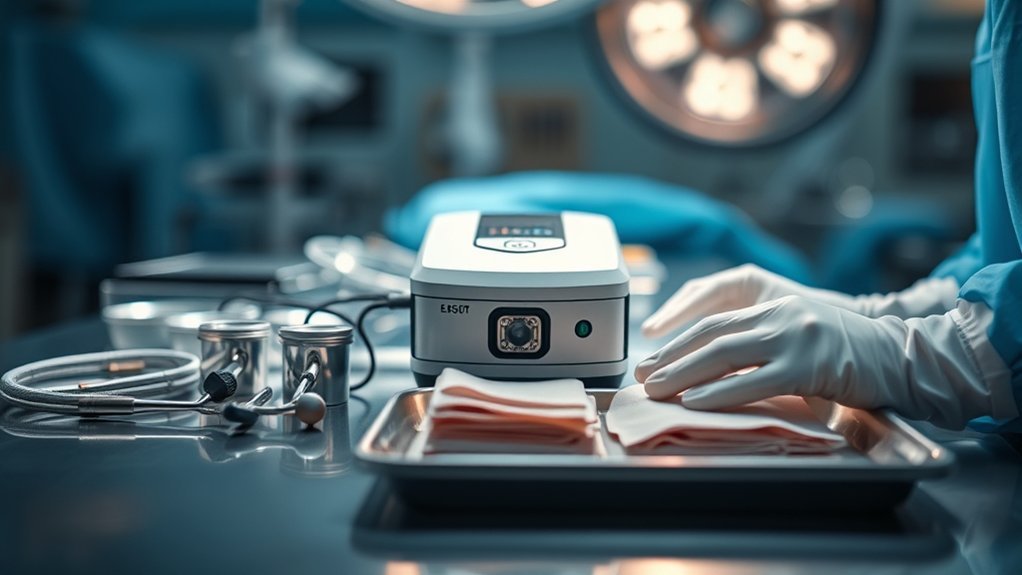
“Tissue welding” usually describes a surgical method used to seal vessels or join tissue with controlled energy. Tissue welding cost is not normally a separate line item with one standard price. Patients are billed for the underlying surgery and related care, while hospitals may separately evaluate the cost of generators, instruments, training, maintenance, and supplies.
Quick Answer
There is no standard tissue welding price. Patients are billed for the named surgery in which a vessel-sealing or tissue-fusion device is used, not for “welding” as a separate service. Your cost depends on the procedure, facility, anesthesia, insurance, and follow-up care. Hospitals must obtain device-specific vendor quotes.
Key Takeaways
- “Tissue welding” may refer to established electrosurgical vessel sealing or to more limited laser-assisted tissue-welding techniques.
- Patients need the exact procedure name and billing code before they can obtain a useful cost estimate.
- Surgeon, facility, anesthesia, pathology, imaging, medication, and follow-up charges may be billed separately.
- Hospitals should compare the full lifecycle cost of the generator, compatible instruments, service, training, software, and disposables.
Warning: This article provides general medical-cost information, not medical advice or a price quote. A surgeon should determine which technique and care setting are appropriate. Confirm benefits, network status, authorization requirements, and expected charges directly with your providers and insurer.
Overview of Tissue Welding Costs

The first step is to identify what a provider means by tissue welding. The term is used broadly, but two categories are especially important.
Electrosurgical Vessel Sealing and Tissue Fusion
The U.S. Food and Drug Administration defines a vessel sealer as an electrosurgical device intended to seal isolated blood and lymphatic vessels for hemostasis as an alternative to ties. These devices are usually bipolar.
Commercial systems such as Medtronic’s LigaSure tissue-fusion instruments and J&J MedTech’s ENSEAL tissue sealers are used during specific open or minimally invasive operations. The device is one part of the surgical service rather than a separate treatment purchased directly by the patient.
Laser Tissue Welding or Soldering
Laser tissue welding uses controlled light energy, sometimes with a protein-based solder, to join or seal tissue. Some applications have been studied in laboratory, animal, or early clinical settings. For example, ClinicalTrials.gov study NCT03147768 evaluated laser tissue welding after distal pancreatectomy in a Phase 1 feasibility study.
Do not assume that a laser tissue-welding system is cleared or approved for every organ, operation, or wound. Regulatory status, evidence, and insurance coverage are specific to the device and its intended use.
The meaningful price is the total cost of the named surgery—not a generic price for the tissue-sealing instrument used during it.
Note: Surgical adhesives, ultrasonic instruments, electrocautery, advanced bipolar sealers, and laser tissue-welding systems are different technologies. Their costs and approved uses should not be combined into one estimate.
Equipment and Materials Expenses
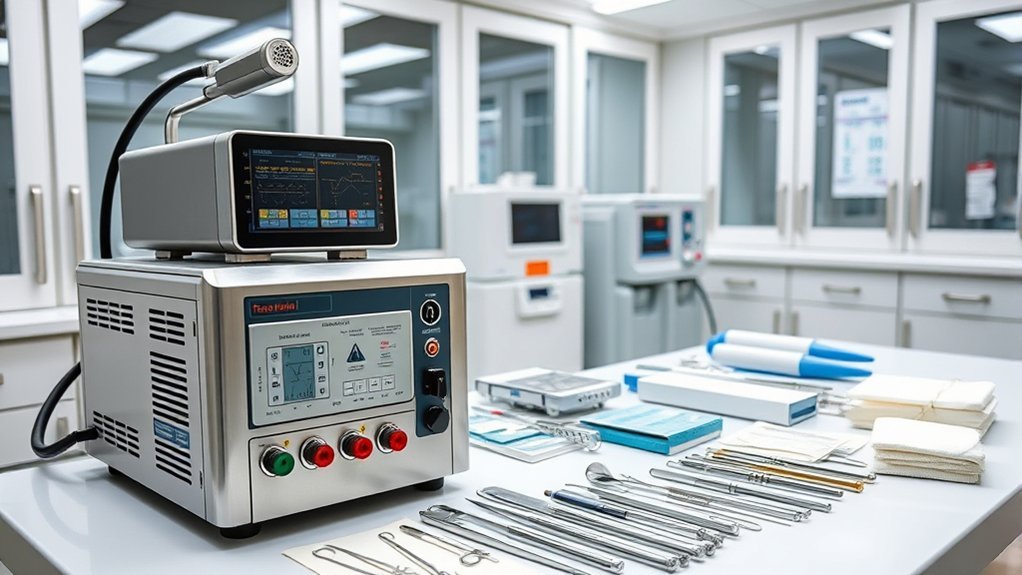
Hospitals and surgical centers should not rely on a generic equipment range. Current manufacturer pages commonly direct purchasers to an ordering representative rather than publish one universal price. The amount paid may depend on purchasing volume, an existing generator, a lease or placement agreement, instrument commitments, service terms, and group-purchasing contracts.
A complete facility estimate may include:
- Energy generator: The platform that delivers and controls electrical or other energy.
- Procedure instruments: Handpieces, sealers, dividers, probes, tips, cables, or foot controls that must be compatible with the generator.
- Single-use supplies: Many tissue-sealing instruments are sterile, disposable items charged per case or purchased in boxes.
- Reusable accessories: Clamps, cables, carts, foot switches, or other components that may require cleaning, testing, and replacement.
- Software and compatibility: Some newer instruments require a compatible generator or software version.
- Service and inspection: Preventive maintenance, biomedical testing, repairs, loaner coverage, and service response times.
- Inventory and waste: Storage, expiration risk, packaging waste, and the cost of keeping several instrument sizes available.
Pro Tip: Facilities should request a written cost-per-case model that separates capital equipment, disposable instruments, service, software, accessories, training, shipping, and minimum purchasing commitments.
Training, Credentialing, and Clinical Competency
There is no universal six-month-to-two-year “tissue welding certification” with a standard tuition fee. Surgeons, nurses, technicians, and other professionals first complete the education, licensing, credentialing, and specialty training required for their roles.
Additional preparation for a tissue-sealing system may include:
- Reviewing the device’s instructions for use, indications, contraindications, warnings, and generator requirements.
- Manufacturer-led education or in-service training.
- Practice with the instrument, generator controls, alarm tones, and troubleshooting steps.
- Operating-room competency validation and documentation.
- Training on electrosurgical hazards, including burns, unintended tissue injury, smoke, equipment incompatibility, and surgical-fire prevention.
- Procedure-specific supervision or proctoring when required by the facility.
Programs such as the J&J MedTech Energy Academy provide education about monopolar, advanced bipolar, and ultrasonic energy modalities. A facility’s total training cost depends on staff time, travel, simulation, proctoring, credentialing rules, and whether education is included with the equipment agreement.
Additional Costs to Consider

For patients, the tissue-sealing device may represent only a small part of the total bill. Charges are based mainly on the operation, where it is performed, who provides the care, and what happens before and after surgery.
Cost Components at a Glance
| Surgeon and Professional Fees | The surgeon’s services and, when applicable, assistant-surgeon or specialist fees. |
| Facility | Operating-room use, nursing, recovery care, supplies, equipment, and inpatient or outpatient services. |
| Anesthesia | Anesthesia professional fees, medications, monitoring, and time under anesthesia. |
| Tests and Pathology | Laboratory work, imaging, pre-operative testing, and examination of removed tissue. |
| Devices and Supplies | Single-use sealing instruments, implants, medications, dressings, and other case-specific supplies. |
| Recovery and Follow-Up | Prescriptions, follow-up visits, home health, rehabilitation, wound care, or additional treatment. |
| Unexpected Care | Longer hospitalization, complications, emergency care, readmission, or another procedure. |
Hospital Outpatient Department vs. Ambulatory Surgery Center
Some operations can be performed in an ambulatory surgery center, while others require a hospital outpatient department or inpatient admission. An ambulatory center may have a different facility charge, but the least expensive setting is not automatically the safest or most appropriate.
Patients with Medicare can use the Medicare Procedure Price Lookup to compare national average costs for eligible outpatient procedures in ambulatory surgery centers and hospital outpatient departments. The tool requires the actual procedure rather than the phrase “tissue welding.”
Insurance and Separate Bills
Insurance coverage normally depends on the underlying surgery, medical necessity, provider network, site of service, authorization requirements, and plan benefits. The surgeon, facility, anesthesiologist, pathologist, radiologist, and laboratory may submit separate claims.
Before surgery, ask whether every expected provider is in network. Also confirm your deductible, copay, coinsurance, out-of-pocket maximum, prior-authorization status, and coverage for any device or service the insurer may consider investigational.
Budgeting for Tissue Welding Procedures

Cost Checklist for Patients
- Get the exact procedure name. Ask the surgeon what operation is planned and whether “tissue welding” refers to a vessel sealer, laser system, adhesive, or another technology.
- Request the billing codes. Ask for the expected CPT, HCPCS, or facility codes so the insurer and hospital can provide a relevant estimate.
- Confirm medical necessity and authorization. Obtain written confirmation when prior authorization is required.
- Check every provider’s network status. Include the surgeon, facility, anesthesia group, assistant surgeon, laboratory, pathology group, and imaging providers.
- Request itemized estimates. Ask the surgeon and facility for separate estimates and find out whether anesthesia, pathology, and follow-up care are included.
- Review hospital pricing information. Search the hospital’s consumer price tool or machine-readable pricing file using the procedure or billing code.
- Ask what could change the estimate. Examples include a longer operation, conversion from minimally invasive to open surgery, an inpatient admission, complications, extra imaging, or another device.
- Ask about financial assistance. Hospitals may offer charity-care policies, discounts, or payment plans based on eligibility.
Under federal rules, patients who are not using insurance may be entitled to a good-faith estimate for scheduled care. CMS advises that surgery may require separate estimates from the surgeon and hospital because one estimate may not include every provider.
Pro Tip: Ask the surgeon’s office to write down the procedure name, likely billing codes, facility, expected anesthesia type, and whether the tissue-sealing device is standard for the operation or investigational. Use the same information when contacting the hospital and insurer.
Procurement Checklist for Hospitals and Surgical Centers
- Define the specialties, procedures, annual case volume, and vessel sizes the system must support.
- Verify FDA clearance, intended use, contraindications, and compatible generators.
- Compare capital purchase, lease, placement, and instrument-commitment arrangements.
- Calculate the disposable cost per case at realistic purchasing volumes.
- Include service, software, biomedical inspection, accessories, shipping, and replacement costs.
- Assess staff education, competency validation, proctoring, and operating-room setup changes.
- Review published clinical evidence for the specific device and operation rather than relying only on general marketing claims.
- Plan for inventory levels, expiration dates, supply interruptions, and compatible alternatives.
Note: A lower instrument price does not prove lower total cost. Facilities should also evaluate procedure time, instrument exchanges, reliability, training needs, service response, waste, and clinically relevant outcomes.
Looking for industrial rather than surgical welding prices? See our guides to laser welding cost and ultrasonic welding machine cost.
Frequently Asked Questions
How does insurance coverage affect tissue welding costs?
Insurance usually evaluates the named surgery, medical necessity, care setting, billing codes, and provider network—not “tissue welding” as a generic service. Your deductible, copay, coinsurance, out-of-pocket maximum, and prior-authorization requirements determine your share. Ask whether any proposed device or technique is considered investigational.
Are grants available for tissue welding procedures?
There is no general patient grant specifically for “tissue welding.” Depending on the diagnosis and financial situation, help may be available through a hospital financial-assistance policy, disease-specific nonprofit, payment plan, Medicaid program, or clinical trial. A hospital financial counselor or social worker can identify programs that match the actual procedure and condition.
What are the long-term costs associated with tissue welding?
Long-term costs depend on the underlying operation and outcome. They may include follow-up visits, medication, wound care, rehabilitation, imaging, management of complications, or another procedure. The use of a tissue-sealing instrument alone does not prove that recovery will be faster or that future costs will be lower.
Can tissue welding be performed in an outpatient setting?
A tissue-sealing device may be used during some outpatient operations, but the correct setting depends on the surgery, anesthesia, expected recovery, health conditions, and risk of complications. Some procedures qualify for an ambulatory surgery center, while others require hospital outpatient care or an inpatient admission.
What is the average recovery time after tissue welding?
There is no standard recovery period for tissue welding. Recovery is determined mainly by the organ treated, size and type of operation, open or minimally invasive approach, anesthesia, complications, and the patient’s health. Ask the surgeon for a timeline based on the specific procedure.
Does tissue welding replace sutures or staples?
Not always. A vessel sealer can close and divide certain vessels or tissue bundles during surgery, but the surgeon may still use sutures, clips, staples, adhesives, drains, or other closure methods elsewhere in the operation. The combination depends on the anatomy and procedure.
Is every laser tissue-welding procedure FDA approved?
No. Clearance or approval is specific to a device and its intended use. Laser tissue welding has been studied in limited and early clinical applications, so patients should ask for the device name, regulatory status, evidence, alternatives, and insurance coverage before agreeing to an investigational use.
Conclusion
There is no reliable one-price answer for tissue welding. For patients, the cost is driven by the named surgery, surgeon, facility, anesthesia, tests, insurance benefits, and recovery needs. For healthcare facilities, the relevant figure is the full lifecycle cost of the generator, compatible instruments, supplies, service, software, and staff competency.
Before making a financial or medical decision, identify the exact procedure and device. Then request itemized estimates, confirm insurance requirements, review the device’s regulatory status, and discuss proven alternatives with the surgical team.
Sources
- U.S. Food and Drug Administration — Electrosurgical Devices Guidance — defines electrosurgical devices and vessel sealers.
- FDA 510(k) K981916 — LigaSure Vessel Sealing System — documents the system’s FDA clearance record.
- ClinicalTrials.gov — Laser Tissue Welding Distal Pancreatectomy Study — documents a Phase 1 feasibility application of laser tissue welding.
- Centers for Medicare & Medicaid Services — Good Faith Estimates — explains estimate rights and separate provider estimates.
- CMS — Hospital Price Transparency — explains hospital requirements for publishing pricing information.
- Medicare — Procedure Price Lookup — compares eligible outpatient procedure costs by care setting.