
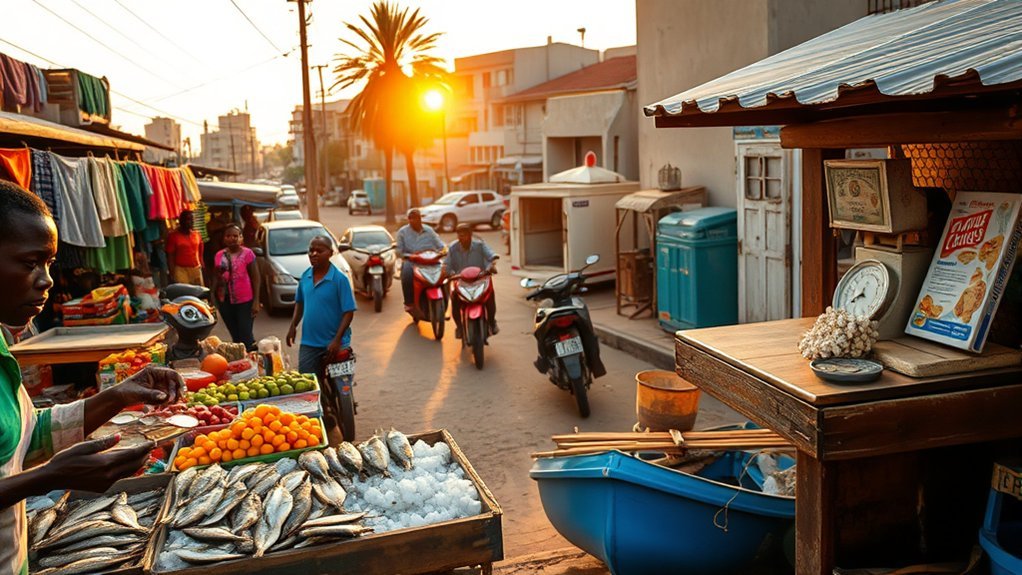
Senegal’s cost of living is about 494,651 CFA per month for one person before rent and 1,739,175 CFA for a family of four before rent, based on Numbeo’s May 2026 crowdsourced benchmarks. In Dakar, adding average one-bedroom rent produces a baseline of about 755,000–977,000 CFA per month for one person. Housing is the biggest swing factor; electricity, private healthcare, international schools, taxis, and imported goods can push a household well above the baseline. This guide breaks down rent, food, transport, utilities, healthcare, education, currency, and relocation costs.
Quick Answer
Senegal’s monthly cost of living varies sharply by housing. May 2026 crowdsourced estimates put one person at about 494,651 CFA before rent and a family of four at about 1,739,175 CFA. In Dakar, a simple rent-plus-non-rent baseline is about 755,000 CFA outside the center or 977,000 CFA centrally for one person. Treat these as planning benchmarks rather than guaranteed household budgets.
Last updated: August 10, 2026
What’s in This Article
- Senegal Cost of Living Snapshot
- Realistic Monthly Budgets in Dakar
- Monthly Budget Breakdown for Individuals and Families
- Housing Costs: Rent and Buying Property
- Food, Dining Out, and Grocery Prices
- Transportation, Utilities, and Communication
- Healthcare, Education, and Insurance
- Currency, Exchange Rates, and Payments
- Local Income and Affordability
- Tips to Save Money
- Frequently Asked Questions
- Conclusion
- Sources
Key Takeaways
- A single person in Dakar may need roughly 755,000–977,000 CFA per month after adding average one-bedroom rent to the non-rent benchmark.
- A family of four may need roughly 2.30–2.79 million CFA before international school tuition and major private-insurance costs.
- Moving outside central Dakar can reduce rent substantially, but commute time and taxi use may offset part of the saving.
- International schools, private healthcare, imported food, and frequent air-conditioning use create the largest optional cost increases.
- Treat online prices as planning benchmarks and verify current leases, school fees, insurance policies, and provider quotes before committing.
Senegal Cost of Living Snapshot
Use the following figures as planning benchmarks rather than guaranteed prices. Numbeo’s May 2026 Senegal page was based on 186 entries from 17 contributors, while its Dakar page used 169 entries from 13 contributors. That is enough to show broad price patterns, but not enough to represent every neighborhood or household.
| Budget Item | May 2026 Benchmark | Planning Use |
|---|---|---|
| Single person in Senegal, before rent | 494,651 CFA/month | Country-level non-rent baseline |
| Family of four in Senegal, before rent | 1,739,175 CFA/month | Country-level family baseline |
| Single person in Dakar, before rent | 502,357 CFA/month | Dakar personal-budget baseline |
| Family of four in Dakar, before rent | 1,768,098 CFA/month | Dakar family-budget baseline |
| Dakar one-bedroom, city center | 475,000 CFA/month | Central rent comparison |
| Dakar one-bedroom, outside center | 252,600 CFA/month | Lower-rent comparison |
| Basic utilities, 85 m² apartment | 118,944 CFA/month | Electricity, water, cooling, and waste benchmark |
| Unlimited 60 Mbps+ internet | 27,160 CFA/month | Work-from-home planning |
Price source: May 2026 crowdsourced data from Numbeo Senegal and Numbeo Dakar. Confirm current listings and provider quotes before making a financial commitment.
Note: Non-rent estimates already reflect typical spending across categories such as food, transport, utilities, and leisure. Add rent to create a simple total, but do not automatically add every individual category again or you may double-count expenses. Crowdsourced platforms also use different baskets and contributor samples, so compare definitions before combining figures from different sites.
Senegal’s National Agency of Statistics and Demography reported average inflation of 1.4% in 2025. Food and non-alcoholic drinks rose by 2.2%, health by 1.8%, transport by 1.5%, and housing, water, electricity, gas, and other fuels by 1.0%. In its June 2026 consumer-price update, ANSD reported prices 0.4% higher than in June 2025; food was down 0.2% year over year, housing, water, electricity, gas, and other fuels down 0.6%, transport down 0.6%, and health up 1.6%. These national averages do not prevent individual rents or imported products from changing much faster.

This hardcover cookbook offers fast, approachable recipes designed for busy days and low-energy nights. Caroline Chambers focuses on simple, flavorful meals that help you get dinner on the table without overthinking it. It's a practical pick for home cooks who want quick weeknight inspiration and minimal-fuss cooking.

Die With Zero offers a fresh perspective on personal finance by encouraging readers to use money intentionally to create memorable life experiences instead of simply accumulating wealth. Written by Bill Perkins, this book combines practical guidance with a motivating philosophy to help readers align spending, saving, and life goals for a more fulfilling future.

The DeLonghi Water Filter helps reduce scale buildup and unwanted impurities that can affect your coffee machine's performance and taste. Its active carbon and ion-exchange technology helps improve brew consistency, maintain flavor, and reduce the need for frequent descaling. Designed as an OEM authorized replacement part, it fits select DeLonghi models for reliable everyday maintenance.
Realistic Monthly Budgets in Dakar
The following totals add average Dakar rent to Numbeo’s non-rent estimates. They are useful starting points, but they do not include every possible relocation expense, international-school contract, premium insurance plan, or major emergency.
| Household Scenario | Non-Rent Estimate | Average Rent | Simple Monthly Total |
|---|---|---|---|
| One person, outside-center one-bedroom | 502,357 CFA | 252,600 CFA | About 755,000 CFA |
| One person, central one-bedroom | 502,357 CFA | 475,000 CFA | About 977,000 CFA |
| Family of four, outside-center three-bedroom | 1,768,098 CFA | 535,833 CFA | About 2.30 million CFA |
| Family of four, central three-bedroom | 1,768,098 CFA | 1,017,333 CFA | About 2.79 million CFA |
Adding average rent to the Dakar non-rent benchmark produces a planning range of roughly 755,000–977,000 CFA per month for one person and 2.30–2.79 million CFA for a family of four.
A modest household that shops locally and uses public transport may spend less. A household choosing an expatriate-focused neighborhood, international school, imported groceries, private drivers, premium insurance, or frequent air conditioning may spend considerably more.
Monthly Budget Breakdown for Individuals and Families
Living costs in Senegal vary by location, lifestyle, and household size. Current country-level benchmarks put one person’s non-rent expenses near 495,000 CFA per month. A family of four may spend about 1.74 million CFA before rent.
Dakar sits slightly above the country-level benchmark. One person may need about 502,000 CFA before rent, while a family of four may need about 1.77 million CFA. Rent then creates the largest change in the final total.
For one person, non-rent spending normally includes groceries, transport, mobile service, utilities, internet, clothing, leisure, and routine daily expenses. Families add more food, larger utility use, childcare, healthcare, transportation, and education costs.
Use a three-level budget rather than relying on one exact total:
- Essential budget: Local food, routine public transport, limited dining out, basic mobile service, and housing outside the most expensive areas.
- Moderate budget: A better-located home, home internet, regular restaurants, occasional taxis, private appointments, and a larger emergency buffer.
- Higher-comfort budget: Central or expatriate-focused housing, imported groceries, frequent air conditioning, a vehicle or driver, international insurance, and private education.
Pro Tip: Track your first six to eight weeks of spending by category. Short hotel stays, taxis, restaurant meals, deposits, and setup purchases can make your arrival month look much more expensive than a normal month.
Housing Costs: Rent and Buying Property in Major Cities
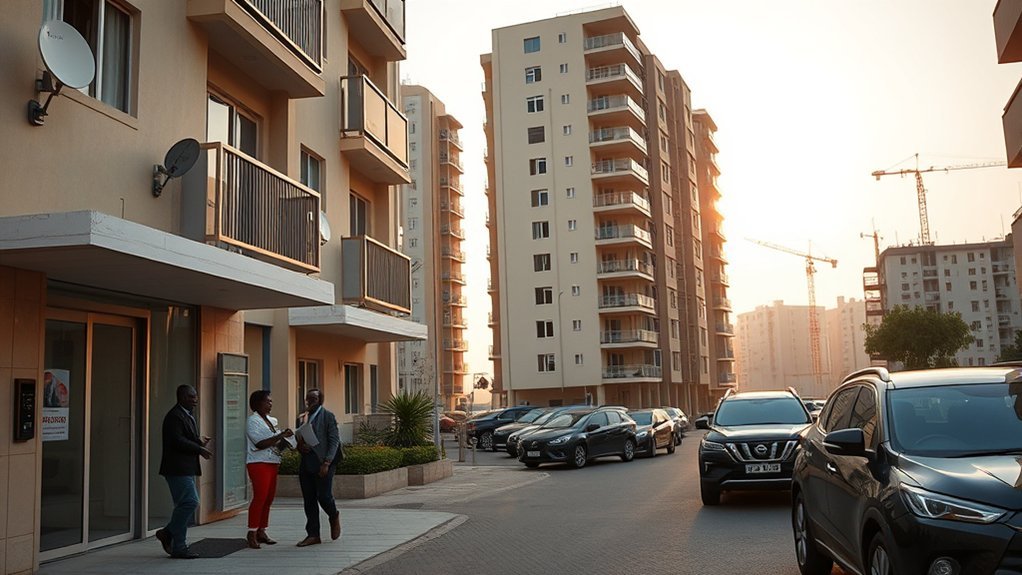
Housing often creates the largest gap between a modest budget and a high one. In central Dakar, a one-bedroom apartment averages about 475,000 CFA. Outside the center, a similar apartment averages about 252,600 CFA.
Three-bedroom homes show the same pattern. A three-bedroom apartment averages about 1.02 million CFA in the city center and about 536,000 CFA outside it. These averages cover a wide range of building quality, furnishings, water reliability, security, road access, and neighborhood demand.
If you want to buy, Numbeo’s limited May 2026 sample placed central Dakar apartment prices near 2.86 million CFA per square meter and outside-center property near 832,000 CFA per square meter. Purchase prices can vary sharply, so compare verified listings and obtain independent legal and technical advice before paying a deposit.
Rental Prices by Area
Dakar rents shift sharply from one neighborhood to another. Central and highly serviced areas cost more because residents remain close to offices, restaurants, clinics, schools, and major transport routes. Peripheral areas often provide more space for the same rent.
- Central areas: Expect stronger demand, higher rent, and less floor space for the same budget.
- Outside-center areas: Expect lower average rent and more space, but check commute time and transport reliability.
- Smaller cities: Rent may be lower than in Dakar, but current online datasets are thinner and may not represent actual local listings.
- Property condition: Check water storage, ventilation, cooling, electricity backup, locks, appliances, and signs of moisture.
Buying: Cost per M²
If you compare buying with renting, look beyond the advertised sale price. Include taxes, professional fees, repairs, maintenance, financing, insurance, resale prospects, and the amount of time you expect to remain in Senegal.
Buying generally requires more due diligence than renting. Confirm the seller’s authority to transfer the property, review ownership documents with an independent qualified professional, inspect the building, and keep a written record of every payment.
Your break-even point depends on the verified purchase price, financing costs, maintenance, expected appreciation, transaction costs, and how long you keep the property. Rural and smaller-city property may cost less than central Dakar property, but marketability and infrastructure also differ.
Neighborhoods and Amenities
Neighborhood amenities shape both cost and daily comfort. Areas close to schools, clinics, markets, restaurants, offices, and reliable transport normally command higher rents. The premium may still make sense when it reduces taxi costs and saves several hours of travel each week.
Before choosing an area, compare rent with transport, utility reliability, road access, security arrangements, grocery options, flood exposure, and healthcare access. The lowest advertised rent does not always produce the lowest total monthly cost.
Upfront Rental and Relocation Costs
Your first-month cash requirement may be much higher than one month’s rent. Before agreeing to a property, request a written breakdown of every amount due.
- Security deposit and advance rent
- Agent or property-management charges
- Furniture, appliances, curtains, and household equipment
- Internet installation and utility setup
- Moving, temporary accommodation, and storage
- Repairs or maintenance agreed before move-in
- Backup-power, cooling, water-storage, or security equipment
Note: Photograph the property and complete a written inventory before moving in. Record the condition of walls, appliances, furniture, locks, plumbing, electricity, and water systems.
Food, Dining Out, and Grocery Prices
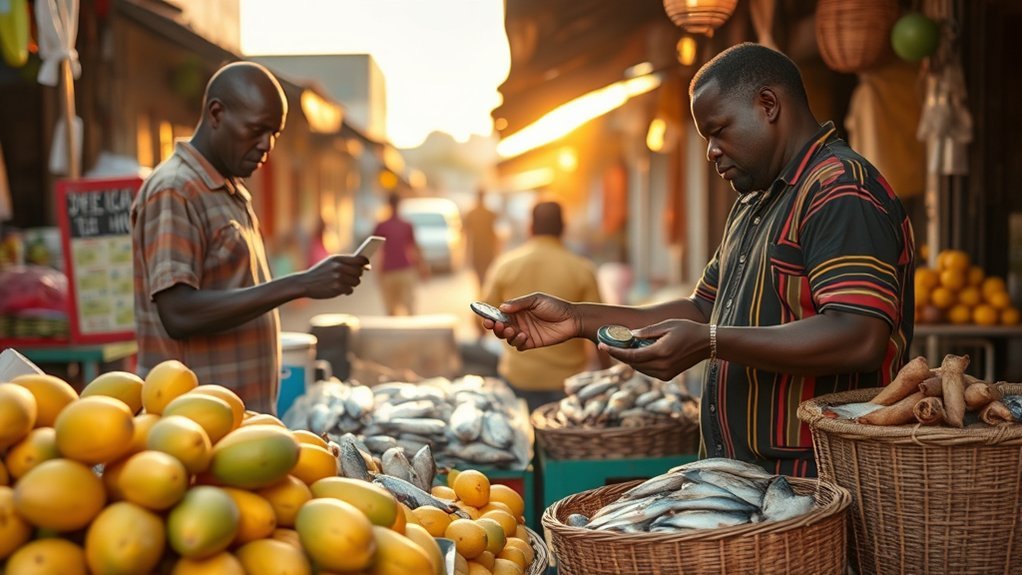
Food in Senegal can remain affordable when you eat local meals and shop at neighborhood markets. A mid-range three-course dinner for two averages about 31,000 CFA in the May 2026 country-level benchmark, while a fast-food combo meal costs about 6,500 CFA.
A domestic draft beer averages about 1,500 CFA, and a cappuccino averages about 2,495 CFA. Imported food, premium supermarkets, tourist areas, and upscale restaurants can raise the budget quickly.
Local markets often offer better value on produce, rice, onions, fish, and other staples. Prices still vary by season, neighborhood, quality, bargaining practices, and whether an item is locally produced or imported.
| Item | Benchmark Price | Planning Note |
|---|---|---|
| Mid-range dinner for two | 31,000 CFA | Often higher in tourist and expatriate-focused areas |
| Fast-food combo meal | 6,500 CFA | Useful quick-meal benchmark |
| Milk, 1 liter | 1,457 CFA | Brand and import status affect price |
| White rice, 1 kg | 936 CFA | Bulk and market purchases may cost less |
| Domestic draft beer | 1,500 CFA | Restaurant and neighborhood prices vary |
| Cappuccino | 2,495 CFA | Higher in premium cafés and hotels |
Pro Tip: Record the price of the same 10 to 15 grocery items for four weeks. This creates a personal market basket and helps you recognize fair neighborhood prices.
Transportation, Utilities, and Communication Expenses
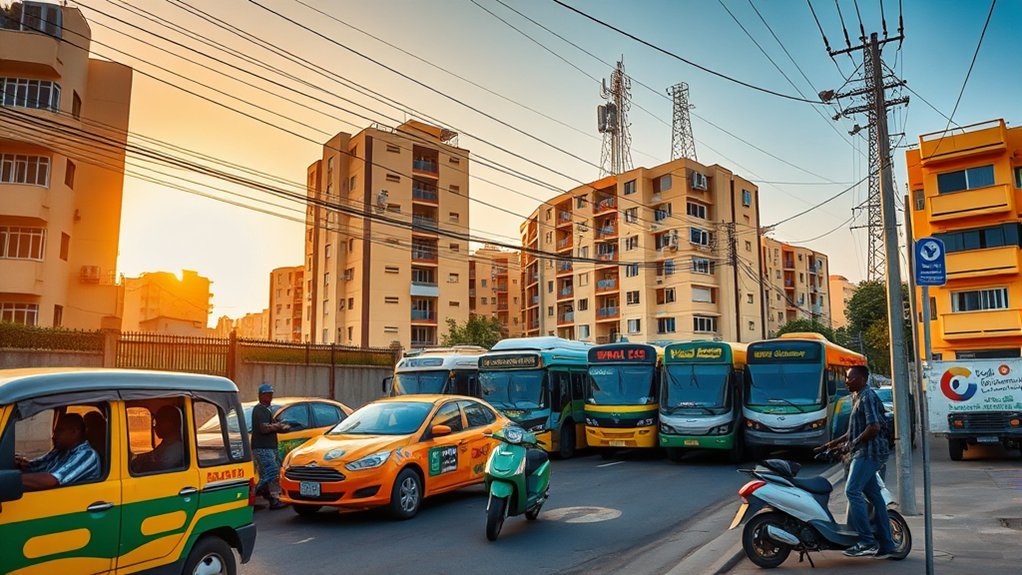
Public transport can be inexpensive per trip, but taxis, fuel, electricity, and cooling can push monthly spending higher. A one-way local-transport ticket in Dakar averages about 225 CFA in Numbeo’s May 2026 sample. Monthly-pass estimates are less stable: Numbeo lists about 45,000 CFA, while Expatistan’s August 2026 collaborative data lists about 11,004 CFA. Treat either figure as a rough benchmark and verify the operator, route, and pass product before budgeting.
Taxis start near 1,250 CFA in the Dakar benchmark, and distance-based charges can make repeated rides expensive. Include expected travel costs when comparing neighborhoods. A cheaper apartment far from work or school may not save much after daily taxis or long commutes.
Basic utilities average about 118,944 CFA per month for electricity, cooling, water, and waste service in an 85 m² apartment. A mobile plan with calls and at least 10GB of data averages about 6,825 CFA in Dakar, while unlimited home internet at 60 Mbps or faster averages about 27,160 CFA.
- Compare the full commute: Add transit fares, taxis, fuel, parking, vehicle maintenance, and travel time.
- Ask for past utility bills: An apartment’s cooling needs, appliances, insulation, and occupancy can change electricity use.
- Test mobile coverage: Service quality can differ by building and neighborhood.
- Check internet installation: Ask about equipment, installation charges, speed, outages, contract length, and cancellation terms.
Warning: Do not assume the 118,944 CFA utility average will match your home. Frequent air-conditioning, a larger household, inefficient appliances, or backup-power equipment can materially increase monthly costs.
Healthcare, Education, and Insurance Costs
Healthcare costs in Senegal depend heavily on whether you use public facilities, private clinics, or an international insurance network. Medical care is not free, including in public facilities. The U.S. State Department’s Senegal guidance says hospitals and doctors commonly require upfront payment and that private hospitals may require proof of adequate insurance before treatment or admission.
Dakar has the country’s strongest concentration of hospitals and clinics. Medical facilities outside Dakar can be extremely limited and may not be able to manage serious injuries or illnesses. Long-stay residents should identify nearby clinics, preferred hospitals, emergency transport options, and insurance procedures before an urgent problem occurs.
Expatistan’s August 2026 collaborative benchmark places a short 15-minute private-doctor visit near 24,967 CFA. Its Dakar dataset is very small—18 prices contributed by fewer than five people—so use this only as a rough reference, not a clinic quote. It does not cover laboratory tests, imaging, medicines, specialist care, admission, surgery, or emergency treatment.
Families must also plan for education. Numbeo’s May 2026 Dakar benchmark places international primary-school tuition near 6.0 million CFA per year, but the reported range is extremely wide. The International School of Dakar lists 2026–2027 tuition from US$12,000 for Pre-Kindergarten to US$32,100 for Grades 11 and 12. A US$250 application fee and applicable capital-development fees may be charged in addition to tuition.

This heartfelt memoir blends laugh-out-loud honesty with tender reflections on love, loneliness, and the unexpected healing power of rescue dogs. Isabel Klee shares her journey fostering pups in the city while navigating dating and self-discovery, offering an intimate, relatable story for readers who enjoy emotional, character-driven narratives. It is a warm, engaging read about opening your heart and finding connection in surprising places.

This advanced Hidden Pictures puzzle book challenges kids ages 8-12 with ultra-difficult seek-and-find games designed to sharpen focus and problem-solving skills. With over 1,500 hidden objects to discover, it delivers hours of engaging brain-teasing fun for independent play, travel, or quiet time.

Come Eat offers 100 approachable recipes designed to make everyday cooking more enjoyable, nourishing, and sustainable. With a focus on flavorful meals and practical preparation, this hardcover cookbook is ideal for home cooks looking for inspiration for salads, sides, and main dishes. Author Melissa Ben-Ishay shares recipes that encourage consistent, feel-good eating without sacrificing taste.
Public Healthcare Access
Public facilities may cost less than private care, but you should still budget for medicines, diagnostic tests, referrals, supplies, transport, and specialist appointments. A low consultation price does not represent the full cost of an illness.
- Service availability: Primary care is generally easier to access than advanced diagnostics or specialist treatment.
- Out-of-pocket spending: Keep accessible funds for medicines, tests, and payments required before treatment.
- Location gaps: Check the distance and route to suitable medical facilities before choosing a long-term home.
- Language and records: Keep copies of prescriptions, medical history, vaccination records, and insurance contact details.
Private Insurance Costs
Private insurance may provide faster access to selected facilities and a wider provider network. International plans often cost more because they may include treatment abroad, evacuation, dental care, vision care, maternity care, chronic-condition management, or higher annual limits.
Compare exclusions, waiting periods, deductibles, co-payments, direct-billing rules, annual limits, geographic coverage, and evacuation terms as carefully as you compare premiums. A lower-cost plan may cover routine appointments but exclude major treatment or international evacuation.
Warning: Confirm in writing whether your insurance covers emergency evacuation, treatment outside Senegal, pre-existing conditions, and payment guarantees before relying on it for serious care.
Pre-Travel Health Planning
The CDC’s Senegal traveler guidance recommends reviewing routine vaccines and destination-specific vaccines or medicines before travel. CDC recommends malaria-prevention medicine for travelers going to Senegal and provides current guidance for hepatitis A, hepatitis B, polio, yellow fever, typhoid, and other risks.
Budget for any pre-travel appointment, vaccinations, prescriptions, mosquito protection, travel insurance, and medicines you need to bring. Seek personalized medical guidance from a qualified clinician because recommendations depend on age, health, itinerary, and length of stay.
Currency, Exchange Rates, and Payment Methods
Senegal uses the West African CFA franc, identified by the currency code XOF and commonly written as CFA, FCFA, or F CFA. The Central Bank of West African States states that the currency is fixed at 655.957 CFA per euro.
The U.S. dollar value changes with the euro-dollar exchange rate. Avoid placing a permanent dollar conversion beside every price because it may become inaccurate even when the CFA amount has not changed.
Cash and mobile-money services are widely useful, while card acceptance can be limited outside larger establishments. Confirm bank charges, ATM limits, exchange margins, and transfer fees before moving large amounts of money.
Note: Keep contracts and budgets in CFA when the expense will be paid locally. Convert to your home currency separately using a recent rate and include transfer or exchange fees.
Local Income and Affordability
Affordability depends on income, not only on price. Numbeo’s small May 2026 Dakar sample places average monthly net salary near 246,131 CFA. This is a crowdsourced figure rather than an official national wage statistic, but it shows why central Dakar housing and private services can be difficult to afford on local earnings.
A one-bedroom city-center rent benchmark of 475,000 CFA is almost twice that limited salary estimate. Even the 252,600 CFA outside-center benchmark is slightly higher. Foreign-income households and employer-supported expatriates may therefore experience Senegal’s costs very differently from households earning local wages.
The World Bank classifies Senegal as a lower-middle-income economy for fiscal year 2027. That classification describes national income levels; it does not mean every household has the same income or purchasing power.
Tips to Save Money and Find Affordable Services
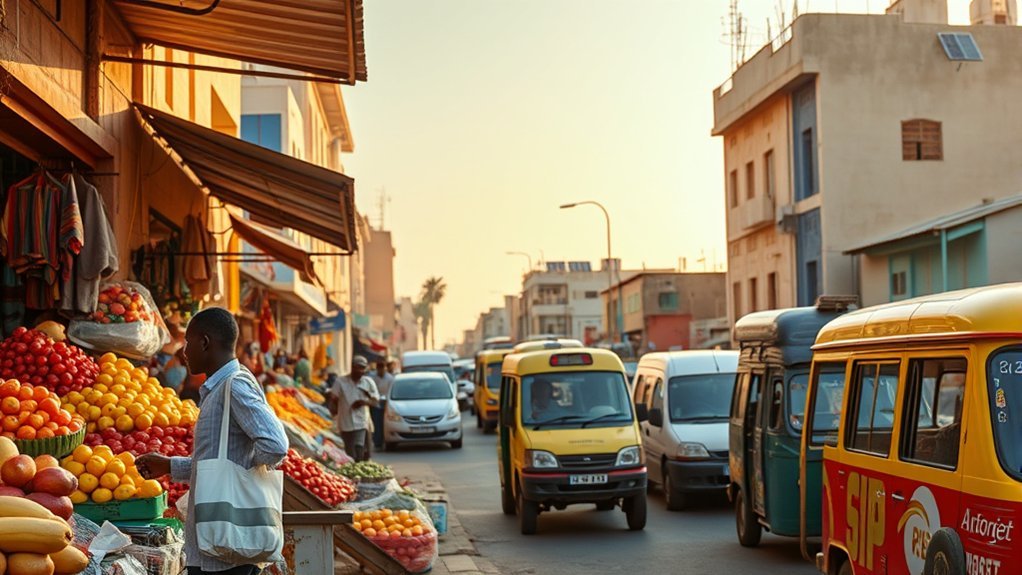
You can control costs in Senegal by focusing on recurring expenses rather than only searching for the lowest advertised rent. Housing, electricity, transport, school fees, insurance, and imported food produce the largest long-term differences.
- Compare total location cost: Add rent, commuting, taxis, school transport, and time before selecting a neighborhood.
- Request written housing terms: Confirm deposits, advance rent, agent charges, included furniture, repairs, and utility responsibility.
- Shop locally: Buy produce, rice, fish, and other staples at neighborhood markets when quality and storage are suitable.
- Limit imported products: Imported groceries, toiletries, electronics, and replacement parts can cost substantially more.
- Control cooling use: Choose shade, ventilation, efficient equipment, and sensible air-conditioning settings.
- Compare communication providers: Review installation, equipment, data limits, reliability, and cancellation terms.
- Use public or shared transport: Reserve taxis for journeys where they provide enough convenience or safety to justify the cost.
- Review insurance annually: Compare the provider network, exclusions, evacuation coverage, deductibles, and direct-billing rules.
- Keep a contingency fund: Allow for medical payments, repairs, utility spikes, travel, and exchange-rate movement.
Frequently Asked Questions
How much money do you need to live in Senegal?
A May 2026 crowdsourced planning baseline is about 495,000 CFA per month for one person before rent and about 1.74 million CFA for a family of four before rent. Your actual total depends on housing, utilities, private healthcare, education, transport, and imported goods.
What is a realistic monthly budget in Dakar including rent?
Adding average rent to the non-rent benchmark gives a simple estimate of about 755,000 CFA for one person outside the center and about 977,000 CFA centrally. A family of four may need about 2.30 million CFA outside the center or 2.79 million CFA centrally, before major private-school and insurance costs.
Is Dakar expensive to live in?
Dakar is generally more expensive than smaller Senegalese cities because of higher housing demand and greater access to offices, restaurants, private clinics, international schools, and services. A one-bedroom averages about 475,000 CFA in the center and 252,600 CFA outside it in the May 2026 benchmark.
How much are utilities and internet in Dakar?
Numbeo’s May 2026 Dakar benchmark places basic utilities for an 85 m² apartment near 118,944 CFA per month and unlimited 60 Mbps+ internet near 27,160 CFA. Electricity use can vary sharply with air conditioning, household size, appliances, and backup power.
Is Senegal a good country to live in?
Senegal may suit people who value its culture, food, coastal setting, and community life. Prospective residents should also plan for Dakar traffic, heat, variable infrastructure, limited advanced healthcare outside Dakar, and potentially high costs for central housing, imported goods, private insurance, and international schools.
How much is rent in Senegal?
Rent varies most by city, neighborhood, size, condition, and furnishings. In Dakar, a one-bedroom averages about 475,000 CFA in the center and 252,600 CFA outside it. A three-bedroom averages about 1.02 million CFA centrally and 536,000 CFA outside the center.
Is Senegal a rich or poor country?
The World Bank classifies Senegal as a lower-middle-income economy for fiscal year 2027. This national classification does not describe every household. Housing, private care, imported goods, and international education can remain expensive relative to local earnings.
What is the cheapest way to live in Senegal?
The lowest-cost approach is usually to rent outside central Dakar or in a smaller city, shop at local markets, cook regularly, limit imported goods, use public or shared transport, and control electricity use. Compare commute and service access before selecting the cheapest property.
What currency is used in Senegal?
Senegal uses the West African CFA franc, with the currency code XOF. It is commonly shown as CFA, FCFA, or F CFA. The BCEAO maintains a fixed rate of 655.957 CFA per euro, while the currency’s U.S. dollar value changes with the euro-dollar exchange rate.
Financial Disclaimer: This article is for informational purposes only and does not constitute professional financial, legal, insurance, medical, or investment advice. Verify current prices and consult qualified professionals before making major relocation, property, insurance, or healthcare decisions.
Conclusion
Senegal can offer a manageable cost of living when housing, transport, healthcare, and education choices match your income. In Dakar, a useful starting range is approximately 755,000–977,000 CFA per month for one person after average rent and 2.30–2.79 million CFA for a family of four before major international-school and premium-insurance costs.
Start with housing because it creates the largest change. Then adjust the benchmark for electricity use, commute, private care, school contracts, imported products, and your preferred comfort level. Recheck current listings and provider quotes before signing an agreement, and keep a buffer for setup costs, medical payments, repairs, and unexpected travel.
Sources
- Numbeo Senegal and Numbeo Dakar — May 2026 crowdsourced rent, food, transport, utility, salary, and school benchmarks.
- Expatistan Dakar — August 2026 collaborative cross-check for a monthly transport ticket and a short private-doctor visit; the page warns that its sample is very small.
- Senegal National Agency of Statistics and Demography — official 2025 consumer-price and inflation analysis; June 2026 IHPC update — latest year-over-year consumer-price snapshot used in this article.
- Central Bank of West African States — CFA-franc history, member countries, and fixed euro parity.
- U.S. State Department Senegal Information and CDC Senegal Traveler Guidance — healthcare access, upfront payment, evacuation, vaccines, and malaria prevention.
- International School of Dakar — official 2026–2027 tuition and fee information.
- World Bank Country and Lending Groups — current FY2027 income classification.

The LG LT1000P is a genuine replacement refrigerator water filter designed to deliver cleaner, fresher-tasting water and ice for your household. Certified to meet NSF standards, it helps reduce a wide range of contaminants while ensuring a proper fit and reliable performance in compatible LG refrigerators. With a recommended replacement cycle of several months and support for substantial water volume, it offers dependable filtration and peace of mind.

This combo kit helps women trying to conceive track fertile days and check for pregnancy with convenient at-home testing. The ovulation strips help monitor LH surge progression and are easy to read, while the pregnancy strips provide quick results with simple line interpretation. Designed for ease of use and dependable family planning support, it offers a practical way to stay on top of your fertility journey.

Velveeta Shells and Cheese Original Cup delivers a creamy, comforting mac and cheese experience in convenient single-serve cups. Made with real cheese and shelf-stable for easy storage, it’s a quick microwave meal or side that works for busy nights, kids’ meals, and snack cravings. Each cup includes shell pasta and cheese sauce for rich flavor with minimal prep.
