
The cost of living in Mauritania varies enough that one national number can be misleading. LivingCost’s June 2026 population-weighted model estimates about $652 per month for one person including rent, while other 2026 relocation datasets place a typical single-person budget closer to roughly $900–$1,026. For planning a move, a starting budget around $900–$1,100 per month gives more room for housing differences, private transport, connectivity, healthcare planning, and imported goods. A leaner local lifestyle can cost less.
Last updated: September 7, 2026. Rent, food, utilities, transport, education, visa, healthcare, and legal guidance were rechecked against current pricing datasets and government sources.
Quick Answer
- LivingCost’s June 2026 model estimates about $652/month including rent for one person.
- Other 2026 relocation estimates are higher, so roughly $900–$1,100/month is a more conservative starting range for someone planning a move.
- A one-bedroom benchmark is about $196/month in a city center or roughly $135 for a cheaper location in LivingCost’s model.
- One-person utilities average about $78.90, while 50 Mbps+ home internet is around $60/month.
- Cheap local transport exists, but current U.S. travel guidance says public transportation and taxis may not be safe choices for foreign visitors.
- Do not judge affordability from one national salary figure: current salary datasets disagree substantially.

This hardcover book celebrates the art of gathering with inspiring table settings, thoughtful traditions, and practical ideas for hosting memorable meals. Written by Shea McGee, it offers beautiful design inspiration alongside approachable guidance for creating warm, welcoming spaces for family and friends. It's a charming resource for anyone who loves entertaining, home styling, and making everyday moments feel special.

This hardcover cookbook offers fast, approachable recipes designed for busy days and low-energy nights. Caroline Chambers focuses on simple, flavorful meals that help you get dinner on the table without overthinking it. It's a practical pick for home cooks who want quick weeknight inspiration and minimal-fuss cooking.

Come Eat offers 100 approachable recipes designed to make everyday cooking more enjoyable, nourishing, and sustainable. With a focus on flavorful meals and practical preparation, this hardcover cookbook is ideal for home cooks looking for inspiration for salads, sides, and main dishes. Author Melissa Ben-Ishay shares recipes that encourage consistent, feel-good eating without sacrificing taste.
Overview of Living Costs and Key Numbers
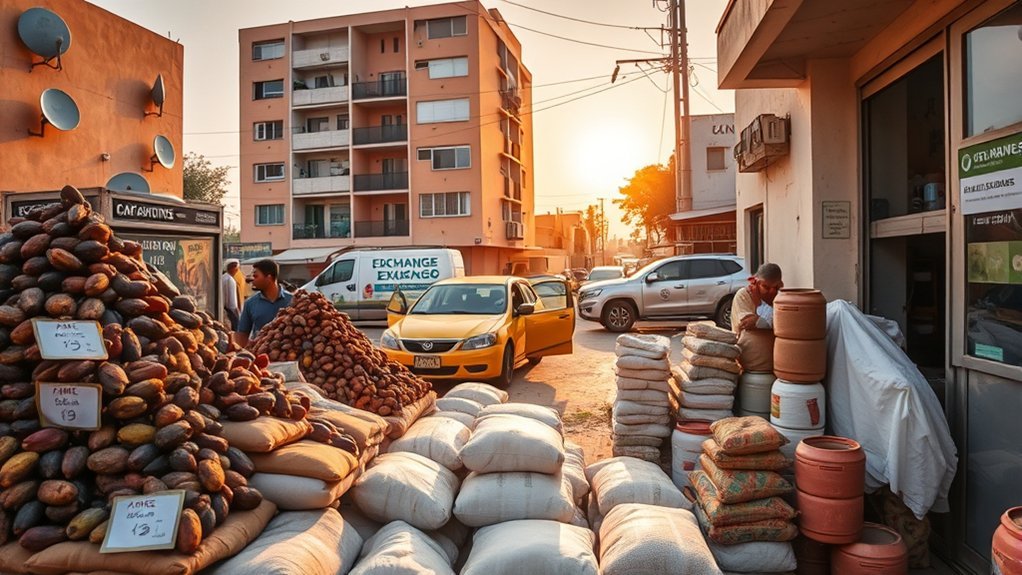
There is no single cost-of-living figure that represents every household in Mauritania. LivingCost, updated June 21, 2026, estimates $652 per month for one person including rent. Its model uses a population-weighted average from two Mauritanian cities, so it should be treated as a planning benchmark rather than a guaranteed household budget.
Other current estimates are higher. Wise displays an average monthly figure of about $1,026 for one person in 2026. Differences like this usually reflect methodology, lifestyle assumptions, housing choices, and the limited amount of price data available for Mauritania.
A useful way to budget is to treat roughly $650 as a lean national-model benchmark and roughly $900–$1,100 as a more cautious starting range for relocation planning.
| Budget Item | 2026 Benchmark | Planning Note |
|---|---|---|
| One person, total with rent | $652 | LivingCost population-weighted model |
| Food, one person | $244/month | LivingCost model |
| Transport, one person | $58.60/month | Cost benchmark only; safety and suitability vary |
| City-center 1BR | $196/month | LivingCost benchmark |
| Cheaper 1BR | $135/month | LivingCost benchmark |
| Internet, 50 Mbps+ | $60/month | LivingCost benchmark |
Your real budget can rise quickly if you choose furnished expatriate housing, use private transportation, buy imported food, need private medical care, or pay international-school fees. Compare these benchmarks with actual quotes before signing a lease or accepting a relocation package.
Housing and Rent Prices by City
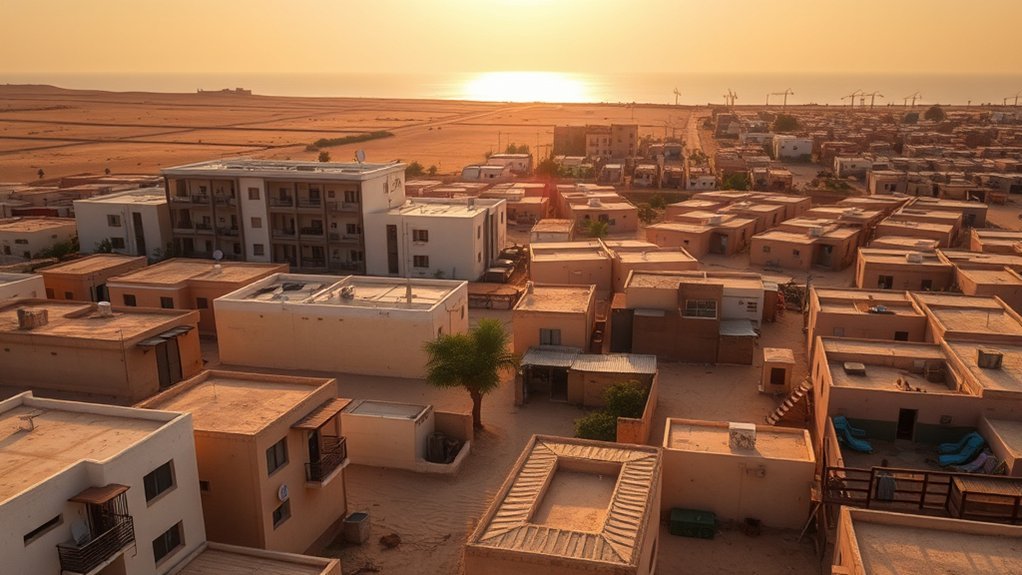
A one-bedroom apartment costs about $196 per month in a city center in LivingCost’s June 2026 national model. A cheaper one-bedroom is about $135 per month. These are broad benchmarks rather than guaranteed rents for a specific neighborhood or furnished property.
| Location Type | Typical 1BR Benchmark | Best Use |
|---|---|---|
| City center | About $196/month | Central-access planning benchmark |
| Cheaper/outside-center option | About $135/month | Lower-rent planning benchmark |
| Furnished or expatriate-oriented housing | Varies widely | Confirm with current listings before budgeting |
Nouakchott has the largest housing market and the greatest concentration of services, so housing there should not automatically be compared with smaller towns. Furnishing, air-conditioning, backup utilities, neighborhood security, lease length, and proximity to work can also change the real rent substantially.
Before committing to a property, price the rent together with electricity, water, internet, transport, deposits, furniture, maintenance, and any security arrangements required by the property.
Typical Monthly Utilities and Internet Costs
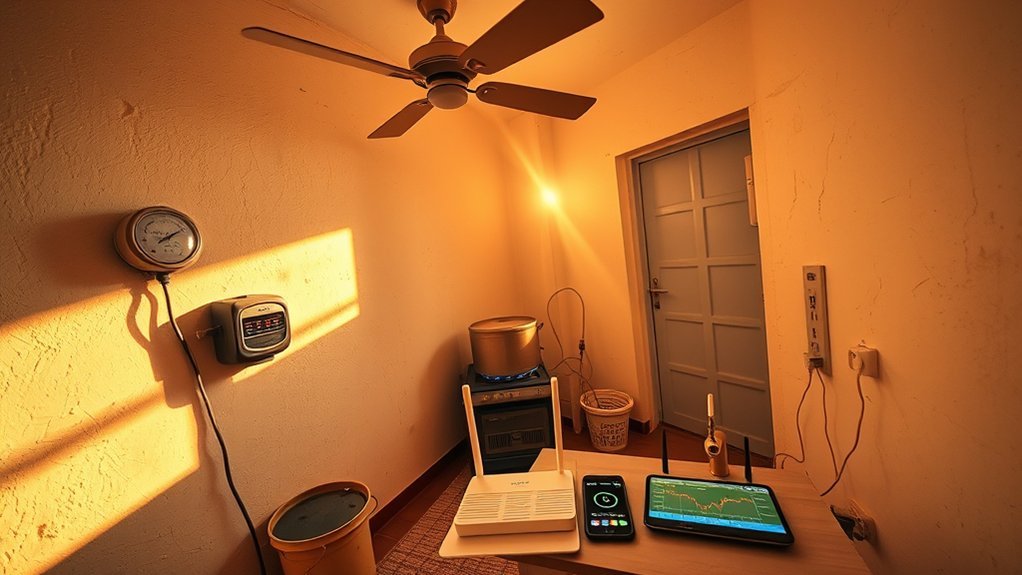
LivingCost’s June 2026 model puts a one-person utility bill at about $78.90 per month and a family utility bill at about $123. A 50 Mbps+ unlimited internet plan averages about $60 per month.
Actual electricity spending can move above the benchmark when air-conditioning runs heavily. Apartment size, appliance efficiency, backup-power arrangements, and the season also matter.
Internet deserves separate attention if you work remotely. The national price benchmark does not guarantee the same speed, uptime, or service quality at every address, so confirm provider coverage before signing a long lease.
Grocery and Food Prices (Markets and Restaurants)
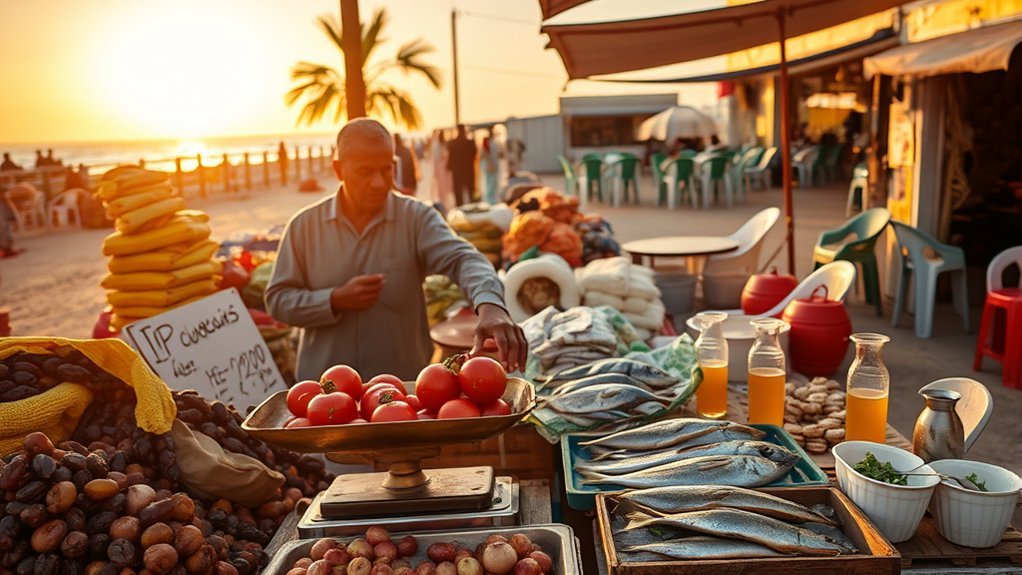
Local staples remain relatively inexpensive in the June 2026 LivingCost model. A liter of milk is about $1.53, a 500 g loaf of bread about $0.27, a dozen eggs about $2.28, and chicken breast about $5.34 per kg.
Food spending depends heavily on how much you buy locally. Imported packaged goods can cost much more than local staples, so a household trying to stay near the lower budget estimates needs to shop accordingly.
Market Staple Prices
| Item | June 2026 Benchmark |
|---|---|
| Milk, 1 liter | $1.53 |
| Bread, 500 g | $0.27 |
| Rice, 1 kg | $1.36 |
| Eggs, 12 | $2.28 |
| Chicken breast, 1 kg | $5.34 |
| Tomatoes, 1 kg | $0.93 |
| Potatoes, 1 kg | $0.82 |
Use these figures as reference prices rather than a fixed grocery basket. Market, neighborhood, season, brand, and whether a product is imported can all change what you actually pay.
Restaurant Meal Costs
A basic lunch is about $2.54 in LivingCost’s June 2026 model. A fast-food-style meal is roughly $6.03, while dinner for two at a restaurant averages about $24.80. A cappuccino is about $2.32.
- Lunch menu: about $2.54
- Fast-food-style meal: about $6.03
- Restaurant dinner for two: about $24.80
- Cappuccino: about $2.32
Cooking with local staples is usually the easier way to control a monthly food budget. Restaurant spending can still remain moderate if dining out is occasional rather than daily.
Is Street Food a Good Budget Option?
Low-cost prepared food can reduce meal spending, but price should not be your only consideration. Current U.S. travel guidance says tap water in Mauritania is not safe to drink and advises caution with uncooked produce and ice that may have been made from tap water.
Choose food that is freshly and thoroughly cooked, use sealed bottled water, and consider hygiene and food handling when comparing a street meal with a restaurant or home cooking.
Transportation and Commuting Expenses

Transport can look inexpensive on paper. LivingCost’s June 2026 model lists a local transport ticket at about $0.45, a monthly local-transport ticket at about $21.90, an 8 km taxi ride at roughly $3.94, and gasoline at around $1.46 per liter.
| Transport Item | 2026 Benchmark |
|---|---|
| Local transport ticket | $0.45 |
| Monthly local ticket | $21.90 |
| Taxi ride, about 8 km | $3.94 |
| Gasoline, 1 liter | $1.46 |
However, low cost does not automatically make public transport the best choice for an international visitor. current U.S. Department of State guidance says taxis and public transportation are not considered safe for foreign visitors and that public transportation is limited, especially outside Nouakchott.
If you are relocating for work, ask your employer whether a driver, vehicle, transport allowance, or secure commuting arrangement is provided. That can change your real monthly budget far more than the price of a bus ticket.

This daily devotional helps parents pray purposefully for their children through a full year of Scripture readings, reflections, and guided prayer prompts. Written to encourage faithful family discipleship, it offers practical, biblically grounded support for parents who want to shape their prayers around God's Word. A foreword by Sinclair B. Ferguson adds trusted theological insight and encouragement.

This hardcover edition by Eric Metaxas offers a compelling look at the origins of the United States during the Colonial Period. It blends historical narrative with engaging storytelling, making it appealing for readers interested in American history, early nation-building, and the ideas that shaped the country. A strong choice for history enthusiasts, students, and anyone exploring the foundations of the nation.

This heartfelt memoir blends laugh-out-loud honesty with tender reflections on love, loneliness, and the unexpected healing power of rescue dogs. Isabel Klee shares her journey fostering pups in the city while navigating dating and self-discovery, offering an intimate, relatable story for readers who enjoy emotional, character-driven narratives. It is a warm, engaging read about opening your heart and finding connection in surprising places.
Salaries, Employment and Purchasing Power
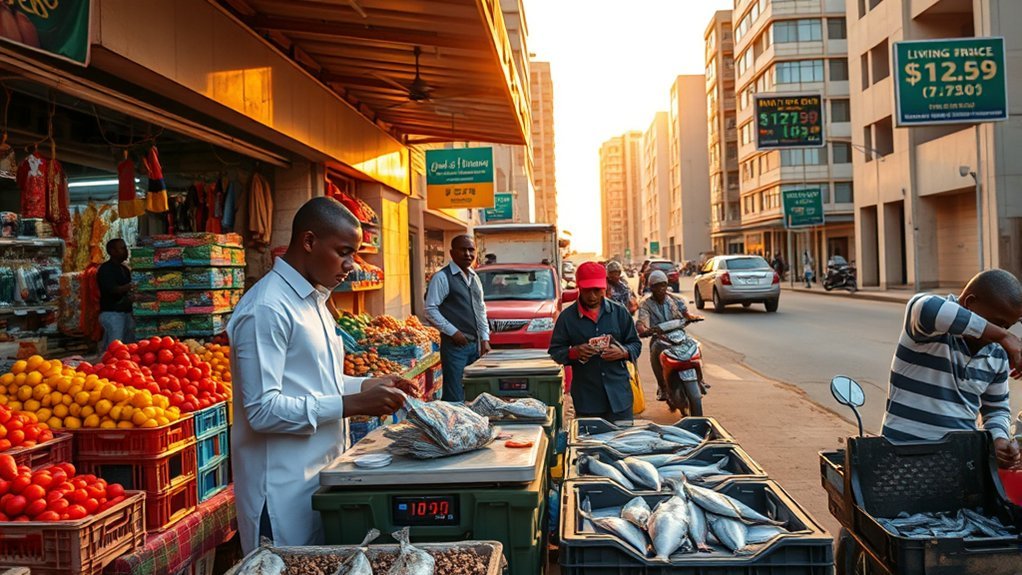
Do not use one national “average salary” to decide whether Mauritania is affordable. Current 2026 datasets disagree too much for that approach to be reliable.
For example, LivingCost’s June 2026 model reports an after-tax monthly salary of about $187, while Wise currently shows about $570. The large difference is a warning that national salary estimates may use different data, samples, occupations, and calculation methods.
If you are evaluating a job offer, compare your actual net compensation package with your expected rent, transportation, food, health insurance, emergency travel, school fees, and savings target. Employer-paid housing, transportation, health cover, flights, or school allowances can make a major difference for expatriate households.
Education, Childcare and Healthcare Costs
Education and healthcare require more careful planning than a simple “cheap versus expensive” comparison.
Low nominal prices do not necessarily mean that schooling or healthcare is easy to access at the standard an international family expects.
LivingCost’s June 2026 model lists daycare or preschool at about $97.70 per month and international primary school at about $6,805 per year. School-specific tuition can be substantially different, so families should request current fee schedules directly from the schools they are considering.
A basic doctor visit is modeled at about $20, but this price should not be interpreted as a measure of healthcare quality or availability.
The U.S. Department of State says medical facilities are not available throughout Mauritania, public clinics can lack basic resources and supplies, and healthcare does not meet U.S. standards. It strongly recommends supplemental insurance that covers medical evacuation.
If you are relocating, budget for health insurance and a realistic emergency plan rather than relying only on the cost of a local consultation.
Tips for Budgeting and Money-Saving in Mauritania
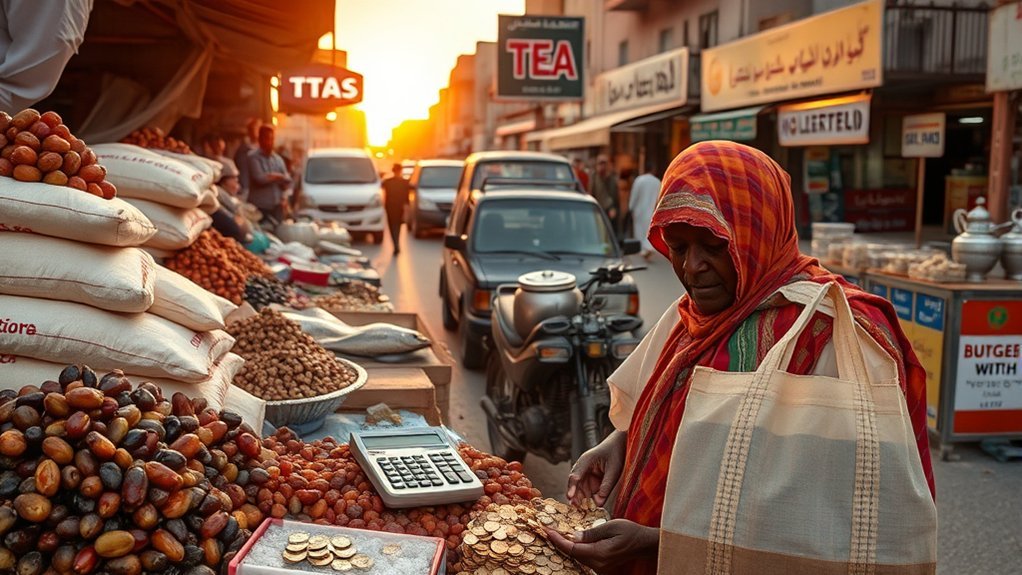
Start with the expenses that are hardest to change: rent, transportation, healthcare, internet, and schooling. Then build food and discretionary spending around the money that remains.
- Price housing before arrival: a national rent average may not match a furnished property in your preferred Nouakchott neighborhood.
- Buy local staples: imported food can move your grocery budget far above the lower national estimates.
- Confirm transportation arrangements: the cheapest public option may not be appropriate for a foreign resident.
- Budget for medical contingencies: include insurance and possible evacuation rather than only routine consultation prices.
- Families should price schools individually: international-school fees can become one of the household’s largest expenses.
- Keep an emergency reserve: low headline living costs do not remove the risk of unexpected travel, medical, housing, or repair expenses.
If you are comparing nearby countries as well, see our cost of living in Senegal guide to compare another West African budget.
Frequently Asked Questions
How Much Does It Cost to Live in Mauritania Per Month?
LivingCost’s June 2026 model estimates about $652 per month for one person including rent. Other 2026 relocation datasets are closer to roughly $900–$1,026. Because the methodologies differ, someone planning a move should treat about $900–$1,100 as a cautious starting budget and then replace the estimates with actual housing, transport, insurance, and lifestyle costs.
How Much Is Rent in Mauritania?
LivingCost’s June 2026 model puts a one-bedroom city-center apartment at about $196 per month and a cheaper one-bedroom at about $135. Furnished, expatriate-oriented, larger, or better-located properties can cost more, so check current listings before committing to a budget.
What Is the Average Monthly Income in Mauritania?
Available salary datasets disagree sharply. LivingCost reports about $187 per month after tax, while Wise displays about $570. Because that difference is large, use your actual employment offer and benefits rather than a national average to judge affordability.
Can I Move to Mauritania?
Foreign nationals can live in Mauritania if they meet the applicable immigration and residence requirements. Visa rules depend on nationality. Mauritania operates an electronic visa system, so check the official ANRPTS eVisa portal and Mauritania Ministry of Foreign Affairs visa guidance before travel.
Can You Drink Alcohol in Mauritania?
No. UK government travel guidance states that importing or consuming alcohol is illegal for Muslims and non-Muslims in Mauritania. Authorities may confiscate alcohol and may arrest or fine people carrying it.
Is Public Transport Cheap in Mauritania?
Price benchmarks are low: LivingCost lists a local ticket at about $0.45 and a monthly ticket at about $21.90. However, current U.S. travel guidance says taxis and public transportation are not considered safe for foreign visitors and that services are limited outside Nouakchott. Factor secure transportation into a relocation budget.
What Is Healthcare Like in Mauritania?
Routine care can look inexpensive in price databases, but availability and quality are limited. U.S. travel guidance says facilities are unavailable across parts of the country and public clinics may lack basic supplies. International residents should consider medical insurance that includes evacuation.
Is Mauritania Cheap to Travel?
Local food, basic rent, and transport prices can be low, but a travel budget is not the same as a resident’s cost-of-living estimate. Hotels, guides, private transport, insurance, long-distance travel, and security arrangements can raise visitor costs considerably. Build a trip budget from your actual itinerary rather than multiplying the monthly living-cost estimate.
Conclusion
Mauritania can be inexpensive if you use local housing, food, and services, but the old idea that everyone can comfortably live there for one fixed monthly number is too simple. Current 2026 sources range from about $652 for a lean population-weighted model to around $900–$1,026 in other relocation estimates.
For a move, start with roughly $900–$1,100 for one person as a planning range, then replace every estimate with real quotes for your rent, transportation, insurance, internet, and other major expenses. Families should also price international schooling separately. The goal is not to find the lowest published number; it is to build a budget that matches the way you will actually live.

This heartfelt cookbook shares the kitchen wisdom of a Korean mom alongside 100 family recipes that bring comforting, authentic flavors to your table. Blending personal stories with practical guidance, it offers home cooks approachable ways to explore Korean cooking with confidence. The hardcover format and trusted editorial guidance make it a beautiful and reliable addition to any cookbook collection.

This combo kit helps women trying to conceive track fertile days and check for pregnancy with convenient at-home testing. The ovulation strips help monitor LH surge progression and are easy to read, while the pregnancy strips provide quick results with simple line interpretation. Designed for ease of use and dependable family planning support, it offers a practical way to stay on top of your fertility journey.

This versatile cookware set equips home cooks with essential pots, pans, and a steamer insert for everyday meals and larger gatherings. The aluminum-encapsulated base promotes quick, even heating, while Cool Grip handles and tight-fitting glass lids support comfortable, controlled cooking. Designed for stovetop, oven, broiler, and dishwasher use, it offers reliable performance across a wide range of recipes.