Welding nitrogen cost depends on three things: how you get the cylinder (buy, lease or exchange), the refill or exchange charge, and supplier fees such as delivery, hazmat, retest and cylinder rental. Suppliers rarely publish nitrogen prices, so the only reliable figure is a written quote for your cylinder size and purity from a local welding-gas supplier. This guide shows what goes into the bill, which questions to ask, and how to compare quotes fairly.
We could not find a consistent public price list for welding nitrogen, so this guide does not quote exact dollar amounts. Treat any single price you see online as an example, not a standard rate.
Quick Answer
Nitrogen can be affordable for occasional shop use, but the cheapest option depends on how often you refill and whether you buy, lease or exchange the cylinder. Small cylinders cost less upfront but need more frequent refills. Larger cylinders cost more to buy or lease but can lower your cost per use. Always compare the full quote, not just the refill number.
- Cylinder: buying, leasing or exchanging each create a different long-term cost.
- Gas: the refill or exchange price depends on cylinder size, purity and supplier.
- Rental: supplier-owned cylinders may be billed daily, monthly or yearly, and rates can rise after the first year.
- Hidden costs: delivery, hazmat, retest, cap, deposit and exchange fees can change the final bill.
- Best budgeting move: get quotes from at least two local welding-gas suppliers using the same cylinder size and purity.
Welding Nitrogen Cost Breakdown
Use this table before you call suppliers. It keeps every quote consistent and helps you avoid comparing a refill quote against a lease-and-delivery quote.
| Cost Item | What It Covers | What You Should Verify |
|---|---|---|
| Cylinder purchase | Buying a customer-owned nitrogen cylinder | Size, valve type, hydro/retest date, exchange rules and ownership paperwork |
| Cylinder lease or rental | Supplier-owned cylinder use billed daily, monthly or yearly | Daily rate, renewal rate, deposit, lost-cylinder charge and return terms |
| Refill or exchange | Gas charge for filling or swapping the cylinder | Tank size, purity, pressure, supplier minimums and whether the quote includes fees |
| Delivery and handling | Local delivery, pickup, hazmat, fuel or cylinder handling charges | Whether these fees apply per cylinder, per order or per trip |
| Testing and accessories | Retest fees, cylinder cap, regulator, hose or safety equipment | Whether the supplier requires a current hydrostatic test or a specific cap or regulator |
Understanding Welding Nitrogen Costs
When you look at welding nitrogen costs, do not judge the price by the refill alone. The real cost depends on tank size, gas purity, supplier policy, rental terms, delivery distance and how often you use the gas.
Larger cylinders, such as 125 CF or 300 CF sizes, usually require more upfront money but can reduce refill trips. Smaller cylinders are easier to move and store but need to be refilled or exchanged more often.
Some suppliers no longer refill customer-owned tanks, or they may only exchange cylinders that meet their inspection and ownership rules. Ask about this before you buy a used cylinder.
Nitrogen can be used in selected purging, backing and gas-mix applications, but it is not a direct substitute for argon or every shielding gas. Confirm material compatibility and your welding procedure before using nitrogen on stainless steel, aluminum or critical welds. If you are pricing argon instead, see how much welding argon costs.
Pricing Overview for Welding Nitrogen
When you check welding nitrogen costs, separate the purchase price from the rental price and the refill price. A low refill quote may not be the cheapest option if it comes with high delivery, exchange or cylinder fees.
If you only weld occasionally, a lease or exchange program may cost less than buying a cylinder you rarely use.
Current Pricing Trends
Demand, local competition, gas purity and supplier rules can all move welding nitrogen prices. Treat online or old quote examples as a starting point only, and do not assume one price is a national average.
Specialty gases may also take longer to source than common welding gases. Ask whether the supplier has your size in stock, whether delivery is included and whether a rush order changes the price.
Cylinder Rental Costs
Cylinder rental costs can raise your total bill, especially if you keep a bottle for months without using much gas. Some suppliers bill daily, monthly or yearly, and some require deposits or lease agreements. The rate for the first year can differ from the renewal rate, so ask for both.
Ask about retest fees, cylinder cap fees, lost-cylinder charges and maintenance costs as well. The same questions apply to other gases, as covered in our guide to welding gas cylinder costs.
Refill Pricing Comparisons
Knowing refill pricing helps you control spending, but only if every quote covers the same service. Ask whether the price is for a refill, cylinder exchange, delivery order or lease account.
Do not compare nitrogen directly against CO2, argon or mixed-gas pricing unless your welding process uses those gases too. Each gas has different purity, handling and supplier pricing rules. For a general view of refill charges, see how much it costs to refill welding gas.
Before you choose a supplier, ask these questions:
- What cylinder sizes do you offer for nitrogen?
- Is the price for refill, exchange or delivered service?
- Are hazmat, fuel, delivery or handling fees extra?
- Do you refill customer-owned cylinders?
- Do you require current hydrostatic test markings?
Factors Influencing Nitrogen Pricing
Several factors affect nitrogen pricing. Use them as a quote checklist when you plan your welding budget.
- Purity level: Higher-purity gas can cost more and may have limited local availability.
- Cylinder size: Larger tanks usually cost more upfront but reduce refill frequency.
- Ownership model: Buying, leasing and exchanging cylinders all create different long-term costs.
- Local competition: Prices vary by region and supplier network.
- Delivery terms: Delivery, fuel, hazmat and minimum-order fees can change the final price.
- Testing and compliance: Out-of-date or damaged cylinders may require testing or replacement before refill.
Tank Sizes and Their Impact on Cost
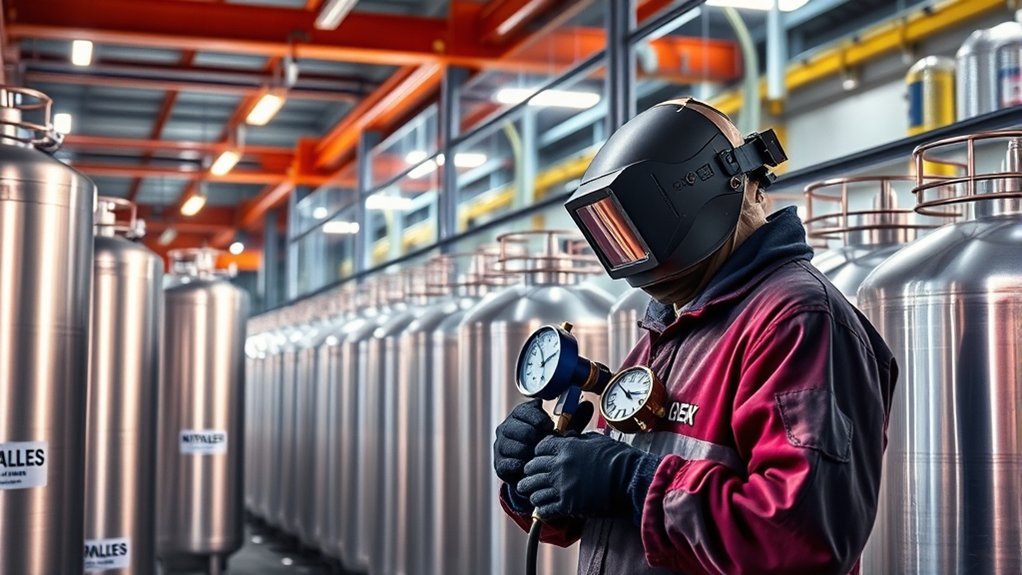
Pick a nitrogen tank based on how often you weld, how much space you have and how easily you can get refills. The lowest upfront price is not always the lowest long-term cost.
| Tank Size Range | Best Fit | Cost Logic |
|---|---|---|
| 20 CF to 40 CF | Occasional use, small projects, limited storage | Lower upfront cost but more refill trips |
| 80 CF to 125 CF | Regular garage or small-shop use | Better balance between storage, refill frequency and long-term value |
| 300 CF | Frequent shop use or steady purging work | Higher upfront or lease cost but fewer refill interruptions |
Available sizes differ by supplier, so confirm which cylinders your local supplier actually stocks.
Tank Size Options
Choosing the right tank size for nitrogen directly affects how often you refill and how much each project costs. Smaller tanks are easier to move but need more frequent refills. Larger 125 CF or 300 CF tanks can be more cost-efficient for steady use, but they may need more storage space and a lease or delivery plan.
Initial Purchase Expenses
The initial purchase cost of a nitrogen cylinder shapes your long-term spending. Your upfront budget should include the tank, first fill, regulator, hose, safety cap and any required supplier fees. Cylinder prices differ widely by size, material and supplier, so get a current quote rather than relying on a published range.
Compare these costs against your expected refill schedule. A larger bottle can make sense if it saves trips, downtime and delivery charges.
Refill Frequency Impact
Tank size directly changes refill frequency and overall costs. A small cylinder may look cheaper on day one but cost more if you refill often.
A simple rule works well: choose the smallest cylinder that supports your normal projects without constant refill trips. Upgrade only when refill frequency or delivery cost becomes the bigger expense.
Refill Expenses for Welding Nitrogen
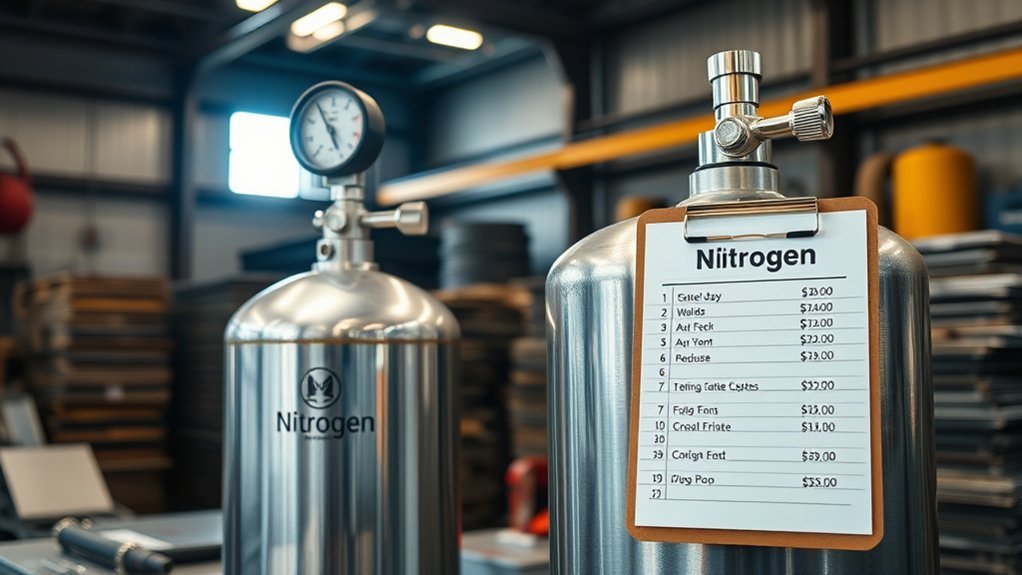
Refill expenses for welding nitrogen depend on cylinder size, purity, supplier rules, and whether the supplier refills your bottle or swaps it for another cylinder.
Before you approve a refill, check these items:
- Additional fees: Ask about delivery, hazmat, fuel, environmental and handling charges.
- Supplier policies: Some suppliers may not refill customer-owned tanks or may require exchange-only service.
- Refill logistics: Larger tanks can save trips but may need delivery or special handling.
- Price changes: Gas costs and fees can change, so update your budget with fresh quotes.
Keep a record of your refill date, cylinder size, total bill and gas usage. After a few cycles, you can see whether buying, leasing or moving up a size saves money.
Calculating Total Costs for Nitrogen Usage
Total costs for nitrogen usage include more than the refill price. Use this formula:
Total nitrogen cost = cylinder purchase or lease + refill/exchange charges + rental time + delivery/hazmat/retest/accessory fees.
For example, a low refill price may become expensive if you pay delivery every time. A higher refill price may be better if the supplier is nearby, exchanges cylinders quickly or includes handling in the quote.
Also include safety considerations. Nitrogen can displace oxygen in enclosed or poorly ventilated spaces. Store cylinders upright, secure them from falling, keep protective caps in place during transport, and use the correct regulator and fittings.
Purchasing and Refilling Options
Buying nitrogen for welding means choosing the cylinder size and the supplier relationship. Consider these options:
- Buy a cylinder: Best when you use nitrogen regularly and can confirm that local suppliers will refill or exchange customer-owned cylinders.
- Lease a cylinder: Best when you want supplier support, easier exchange, and less concern about testing or ownership paperwork.
- Use exchange service: Best when your supplier swaps empty cylinders for full ones and you want fast turnaround.
- Schedule delivery: Best for larger cylinders or shops where downtime costs more than delivery fees.
Smaller tanks usually need refills more often, while larger tanks usually cost less per use. Oxygen cylinders follow a similar pattern, as our guide to filling a welding oxygen tank explains.
Should You Buy, Lease, or Exchange a Nitrogen Cylinder?
Buy a cylinder if you use nitrogen often, have safe storage, and know a supplier that accepts customer-owned bottles. This can lower long-term costs, but you may be responsible for testing, caps and cylinder condition.
Lease a cylinder if you want fewer ownership headaches. Leasing may cost more over time, but the supplier usually controls the cylinder program and exchange process.
Use exchange service if speed matters. Exchange programs can be convenient, but ask whether you keep ownership credit for your cylinder and whether exchange fees differ from refill fees.
Safety Notes for Welding Nitrogen
Nitrogen is not flammable, but it can create a serious oxygen-displacement hazard. In a small or poorly ventilated space, leaking nitrogen can reduce breathable oxygen without a strong warning smell.
- Use nitrogen only in well-ventilated areas.
- Secure cylinders upright with a chain, strap or cart.
- Keep valve protection caps on during storage and transport.
- Do not use damaged cylinders, unknown cylinders or out-of-test cylinders.
- Use the correct regulator, hose and fittings for nitrogen service.
- Do not enter confined spaces where nitrogen may have displaced oxygen unless proper workplace procedures and monitoring are in place.
Tips for Budgeting Welding Gas Expenses
Managing welding gas expenses starts with tracking both first-time costs and repeat costs. Build your budget around your actual refill pattern, not only the advertised cylinder price.
Ask for the all-in quote: cylinder size, gas purity, refill or exchange price, rental or lease terms, delivery, hazmat, retest, cap and deposit.
Use this quote script when calling suppliers:
- I need nitrogen for welding or purging. What cylinder sizes do you offer?
- Is this a refill, exchange, lease or purchase quote?
- What is the total out-the-door cost today?
- Do you refill customer-owned cylinders?
- What fees apply after the first year?
Small changes in supplier terms can make a big difference over a year of welding work.
Frequently Asked Questions
How much does welding nitrogen cost?
Welding nitrogen cost has no single price. It depends on cylinder size, refill or exchange pricing, rental terms, delivery and local supplier fees. Suppliers rarely publish nitrogen prices, so ask for a written quote for your cylinder size and purity.
Is it cheaper to buy or lease a nitrogen cylinder?
Buying can be cheaper for regular use if local suppliers refill or exchange customer-owned cylinders. Leasing can be easier if you want supplier-managed cylinders, predictable exchange service, and less responsibility for testing or cylinder condition.
What size nitrogen tank should I get for welding?
Choose 20 CF to 40 CF for occasional small projects, 80 CF to 125 CF for regular garage or small-shop use, and 300 CF for frequent shop use. Confirm the cylinder size with your supplier and match it to your storage space, refill access, and usage rate.
Can nitrogen replace argon for welding?
Do not treat nitrogen as a direct replacement for argon. Nitrogen may work in selected purging, backing, or gas-mix applications, but it can be unsuitable for some materials and welding procedures. Confirm compatibility before using it.
Are nitrogen cylinders safe to store?
Nitrogen cylinders can be stored safely when they are upright, secured, capped, protected from damage, and kept in a ventilated area. The main hazard is oxygen displacement in enclosed spaces, not flammability.
Can I purchase nitrogen online or only in-store?
You may find cylinders or gas services online, but compressed gas rules, delivery limits, cylinder ownership, and refill policies vary by supplier. For welding use, a local welding-gas supplier is often the easiest way to confirm cylinder exchange and refill options.
Is there a difference between industrial and food-grade nitrogen?
Yes. Industrial nitrogen is used for welding, purging, pressure testing, and other shop tasks. Food-grade nitrogen must meet food-use requirements. Choose the grade your application requires and confirm purity with the supplier.
Conclusion
Smart shopping for welding nitrogen starts with the full cost, not one refill number. Compare cylinder size, lease terms, refill or exchange pricing, delivery, hazmat, retest and accessory fees before choosing a supplier.
If you weld only occasionally, a smaller cylinder or exchange plan may be enough. If you use nitrogen steadily, a larger cylinder or lease program may reduce refill trips and downtime. Verify every quoted price locally, then choose the option that gives you the lowest total cost for your actual use.