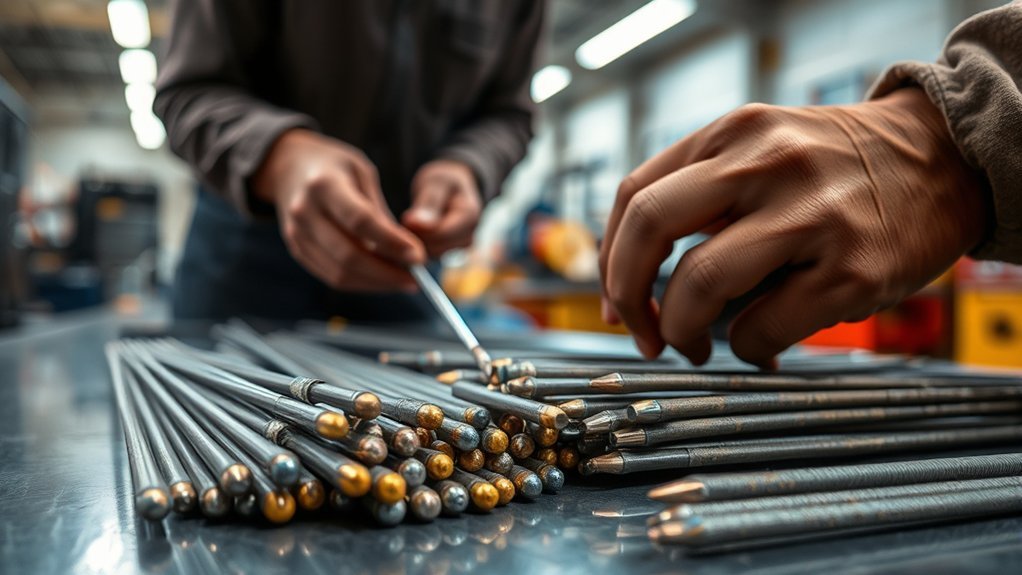
Welding electrode cost varies sharply by classification, alloy, diameter, and package size. In the August 10, 2026 price snapshot used in this guide, the checked E6010 and E7018 examples worked out to about $4.83 to $6.32 per pound before tax and freight, while two checked 1-pound Nickel 99 cast-iron electrodes were $48.00 and $65.65. Compare the exact product and delivered cost per pound rather than the shelf price alone.
Quick Answer
Among the exact products rechecked on August 10, 2026, the common E6010 and E7018 examples below work out to about $4.83 to $6.32 per pound before tax and freight. The two checked 1-pound Nickel 99 cast-iron listings were $48.00 and $65.65. Always compare the exact classification, diameter, package weight, availability, and delivered cost.
Key Takeaways
- Current advertised prices vary widely even for the same classification and package weight.
- Compare delivered cost per pound, not only the price shown on the product page.
- Bulk cans save money only when you can use and store the electrodes correctly.
- E6010, E7018, nickel electrodes, aluminum filler rods, and carbon-gouging rods serve different processes and are not interchangeable.
- For structural or code-governed work, follow the approved welding procedure specification and project requirements.
Planning the full job budget? Compare welding labor and project costs and welding equipment costs separately from consumable prices.
Welding Electrode Cost Snapshot
By: Logan Barrett · Last updated: September 7, 2026 · Price snapshot: August 10, 2026
The following prices are advertised online prices from the August 10, 2026 price snapshot. They are examples rather than national averages. Promotions, account pricing, local inventory, taxes, freight, and product availability can change the amount you pay.
Price-check method: Each example was matched by product name or manufacturer SKU, diameter, and package size. The figures below are advertised item prices from the August 10, 2026 snapshot before checkout unless stated otherwise; use the cart total for the final delivered-cost comparison. This September 7 update rechecked the article methodology, technical guidance, and supporting sources without relabeling the older price snapshot as a new price check.
Evidence boundary: This guide compares advertised retailer prices and published manufacturer, AWS, and OSHA information. It does not claim hands-on testing of every electrode listed. For code-governed work, the approved WPS, project requirements, and exact manufacturer data sheet take priority.
| Product Example | Checked Advertised Price | Price per Pound | Important Detail |
|---|---|---|---|
| Lincoln Fleetweld 5P+ E6010, 1/8 inch, 50 lb | $296.84 to $310.00 | About $5.94 to $6.20 | Cellulosic E6010 commonly run on DCEP; confirm the exact product data and machine compatibility. |
| Lincoln Excalibur 7018 MR, 1/8 inch, 50 lb | $241.43 to $315.83 | About $4.83 to $6.32 | Low-hydrogen product; opened electrodes require controlled storage. |
| Hobart E7018, 3/32 inch, 5 lb | $24.65 to $25.49 | About $4.93 to $5.10 | Small package limits leftover inventory but may have higher freight per pound. |
| Nickel 99 cast-iron electrode, 1 lb | $48.00 to $65.65 | About $48.00 to $65.65 | Specialty AWS A5.15 ENi-CI products for machinable cast-iron repairs; verify the manufacturer certificate rather than retailer metadata alone. |
| Copper-coated carbon-gouging rods, 3/16 inch, 50 pack | $16.95 to $23.53 | Compare by rod count | Used to remove metal during air-carbon-arc gouging; not welding filler metal. |
Note: Advertised prices do not always include sales tax, freight, residential-delivery fees, or other checkout charges. Confirm the delivered total before deciding which package offers the best value.

These Stanley MaxSteel straight aviation snips are built for clean, controlled cutting through sheet metal and other tough materials. Serrated cutting edges help prevent slippage for more accurate results, while the double pivot action delivers increased cutting power with less effort. Designed for dependable performance, they are a practical choice for metalworking, HVAC tasks, and general workshop use.

This versatile cookware set equips home cooks with essential pots, pans, and a steamer insert for everyday meals and larger gatherings. The aluminum-encapsulated base promotes quick, even heating, while Cool Grip handles and tight-fitting glass lids support comfortable, controlled cooking. Designed for stovetop, oven, broiler, and dishwasher use, it offers reliable performance across a wide range of recipes.

Coghlan's Magnetic Bear Bell helps alert bears and other wildlife to your presence while hiking, walking, or exploring outdoors. The built-in magnetic silencer lets you quiet the bell when it is not needed, and the hook-and-loop closure makes it easy to attach to clothing, boots, hats, packs, or pet collars. It is a simple safety accessory designed to add peace of mind on the trail.
How to Compare Welding Electrode Prices Before You Buy
Use this formula to compare packages fairly:
Delivered cost per pound = (item price + shipping + fees + estimated tax) ÷ net package weight in pounds.
For example, assume a 5-pound box costs $32.99, shipping is $8.00, and estimated tax is $2.89:
- Total delivered cost: $32.99 + $8.00 + $2.89 = $43.88
- Delivered cost per pound: $43.88 ÷ 5 = $8.78
A $32.99 five-pound box starts at $6.60 per pound, but the same box becomes $8.78 per pound after $8 shipping and $2.89 in tax.
A heavy bulk can may offer a lower shelf price per pound, but it is not automatically cheaper for a small repair. Include unused rods, damaged coating, moisture exposure, storage equipment, and the value of money tied up in inventory.
| Buying Factor | Why It Changes Cost | What to Check |
|---|---|---|
| Electrode classification | E6010, E6011, E6013, E7014, and E7018 use different coatings and operating characteristics. | Required strength, polarity, welding position, base metal, and procedure. |
| Diameter | Diameter affects amperage, deposition rate, rod count, and package options. | Welder output, joint design, metal thickness, and manufacturer amperage range. |
| Package weight | Larger packages often lower the item price per pound. | Compare 1 lb, 5 lb, 10 lb, 25 lb, 30 lb, and 50 lb packages where available. |
| Alloy and purpose | Nickel, stainless, low-alloy, and hardfacing products use more costly materials and serve narrower applications. | Exact AWS classification, deposited-metal chemistry, and intended base metal. |
| Storage requirement | Low-hydrogen rods may require a heated holding oven after opening. | Manufacturer storage instructions, exposure limits, and applicable welding code. |
| Delivery method | Heavy cans may carry substantial shipping costs. | Local pickup, free-shipping thresholds, delivery fees, and damaged-package policy. |
Pro Tip: Add every candidate package to the retailer’s cart and enter your delivery location. A higher item price with free shipping can cost less than a discounted can with heavy freight charges.
How Much Welding Electrode Should You Budget for a Job?
Do not estimate electrode quantity from rod count alone. Start with the amount of weld metal the joint requires, then account for the electrode’s deposition efficiency and normal shop losses. A practical planning relationship is:
Planned electrode weight = required deposited weld metal ÷ expected deposition efficiency, plus a documented allowance for stub ends, practice welds, damaged rods, and other job-specific waste.
There is no single deposition-efficiency percentage that fits every stick electrode. Manufacturer data can vary by product and diameter; for example, ESAB publishes diameter-specific deposition data for Atom Arc 7018. For production or code work, use the approved WPS, manufacturer data, estimating software, or your shop’s measured consumption records instead of a universal “rods per foot” rule.
Budgeting shortcut: If you cannot calculate deposited weld-metal weight reliably for a one-off repair, choose the smallest package that covers the expected work plus a reasonable shop allowance. Do not buy a 50-pound can solely because its shelf price per pound is lower.
How Does Welding Electrode Pricing Work?
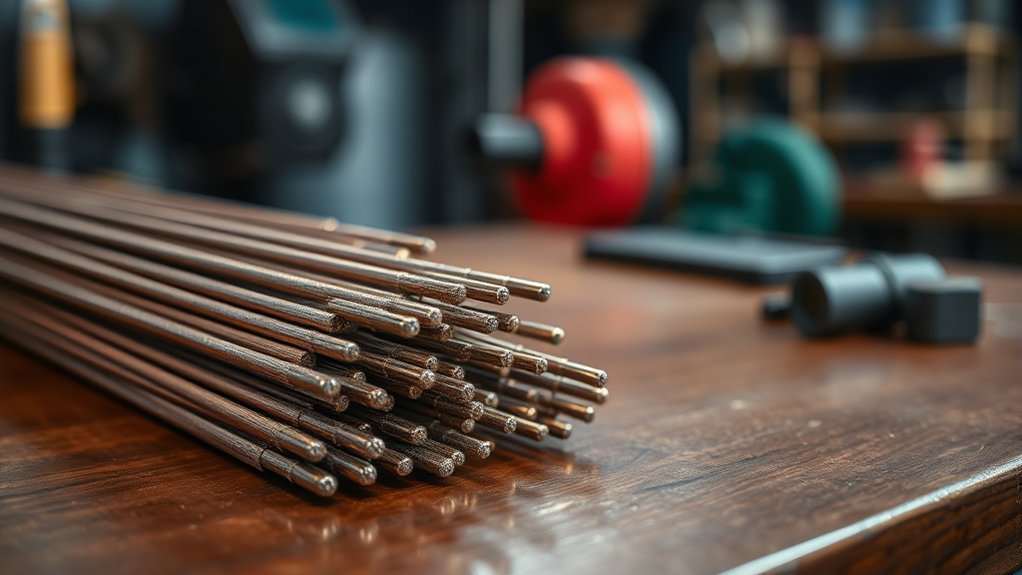
Welding electrode pricing is difficult to reduce to one national average because sellers package and describe products differently. A product page may show price per box, can, tube, pound, rod, or case. Diameter and classification may also change while the product image remains almost identical.
Current examples show the size of the spread. Rechecked Lincoln Fleetweld 5P+ E6010 50-pound cans were advertised at $296.84 to $310.00, while Lincoln Excalibur 7018 MR 50-pound cans ranged from $241.43 to $315.83. The checked Hobart E7018 3/32-inch 5-pound listings were $24.65 to $25.49.
These prices should be treated as dated shopping examples, not guaranteed market averages. Compare the exact manufacturer part number, classification, diameter, package weight, and checkout total.
What Factors Change Welding Electrode Cost?
Each electrode is designed around a combination of weld-metal properties, coating chemistry, current type, welding position, operating behavior, and storage requirement. Those differences affect production cost and retail price.
Common carbon-steel electrodes usually cost less than nickel, stainless, low-alloy, and hardfacing products. Packaging also matters. Hermetically sealed cans, moisture-resistant coatings, small retail tubes, and certified lot documentation can all affect price.
Why Does Electrode Type Change the Price?
A low-priced rod is not a bargain when it does not match the metal, polarity, welding position, or required mechanical properties. For example, E6010 is commonly used with direct-current electrode positive, while many E6011 products can operate on AC or DCEP. Many E7018 products operate on AC or DCEP, but some small AC welders may not provide suitable open-circuit voltage.
Diameter also affects the buying decision. A 3/32-inch rod may suit thinner material and lower current, while 1/8-inch and 5/32-inch rods generally require more amperage and deposit metal faster. Always use the amperage range in the exact product data sheet.
Why Do Welding Electrode Prices Change Over Time?
Retail prices may move with distributor inventory, freight, steel and alloy costs, manufacturer increases, promotions, and local competition. Specialty nickel and stainless products can show larger price differences because fewer sellers stock them and package sizes vary.
Instead of trying to predict the market, check at least two suppliers close to the purchase date. Record the exact SKU and delivered cost so later comparisons use the same product rather than a similar-looking rod.
What Do Welding Electrode Numbers Mean?
The AWS A5.1/A5.1M:2025 specification covers carbon-steel covered electrodes used for shielded metal arc welding. A designation such as E7018 provides useful information, but it does not replace the manufacturer data sheet.
| Part of Code | General Meaning | Example |
|---|---|---|
| E | Identifies the product as an electrode. | E7018 |
| First two or three digits | Minimum tensile-strength class in thousands of pounds per square inch. | “70” indicates a 70,000 psi strength class. |
| Next-to-last digit | Welding-position designation. | “1” identifies an all-position classification. |
| Final digit or final two digits | Coating, current, penetration, and operating characteristics. | The “18” family is associated with low-hydrogen iron-powder electrodes. |
| Optional suffixes | May identify toughness, diffusible-hydrogen, or moisture-resistance requirements. | H4R includes hydrogen and moisture-resistance designators. |
Note: Matching the main four-digit classification is only the first step. Also compare suffixes, approvals, manufacturer operating ranges, storage instructions, and the requirements of the welding procedure.
How Much Do Common Welding Electrode Types Cost?
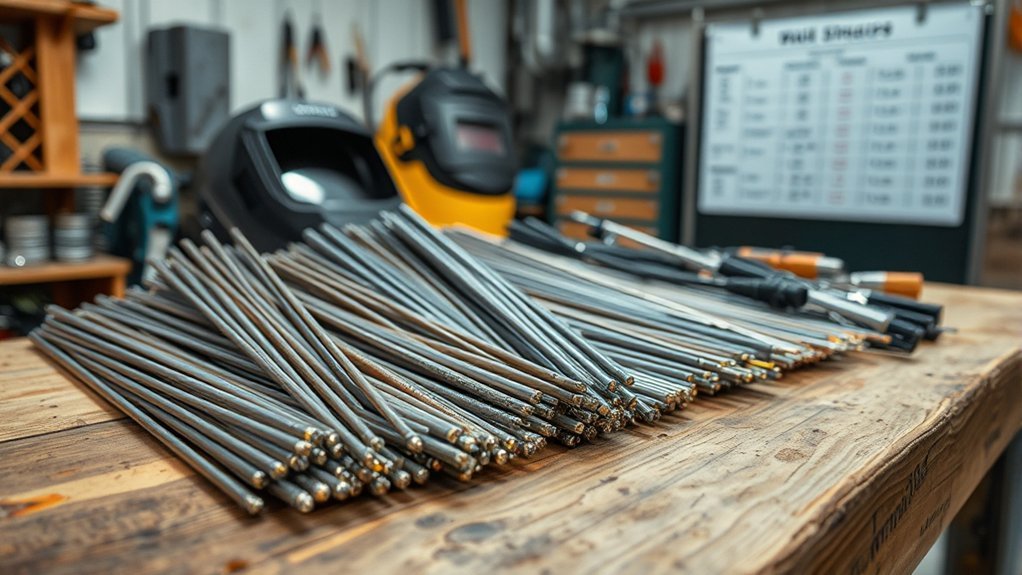
Common stick-electrode classifications include E6010, E6011, E6013, E7014, and E7018. The table below summarizes typical uses. Exact polarity and amperage must always be confirmed on the package or manufacturer data sheet.
| Electrode | Typical Current | Common Use | Cost and Buying Note |
|---|---|---|---|
| E6010 | Usually DCEP | Deep penetration, pipe root passes, field work, and steel with some surface contamination. | Common in bulk cans. Make sure the power source can run E6010 properly. |
| E6011 | Often AC or DCEP | Maintenance, farm repairs, and less-than-perfect steel surfaces. | Often sold in hobby-size packages and compatible with more AC machines than E6010. |
| E6013 | AC or DC, depending on product | Light fabrication, sheet metal, and applications where smooth bead appearance matters. | Widely available in 1-pound, 5-pound, and 10-pound retail packages. |
| E7014 | AC or DC, depending on product | Higher-deposition maintenance and fabrication work. | Compare deposition needs and welding position, not only tensile-strength class. |
| E7018 | Commonly AC or DCEP, depending on product and machine | Low-hydrogen fabrication, structural work, tacking, and out-of-position welding. | Storage and exposure control can add substantially to the true cost. |
| ENi-CI/Nickel 99 | AC or DCEP for many products | Machinable repairs on suitable cast-iron components. | Far more expensive per pound than common carbon-steel rods; mini packs may limit waste. |
Lincoln Excalibur 7018 MR 1/8-inch 50-pound cans were advertised at $241.43 to $315.83 among the checked suppliers. Hobart E7018 3/32-inch 5-pound listings were $24.65 to $25.49. These examples show why one classification does not have one universal price.
How Much Do Specialty Welding Electrodes Cost?
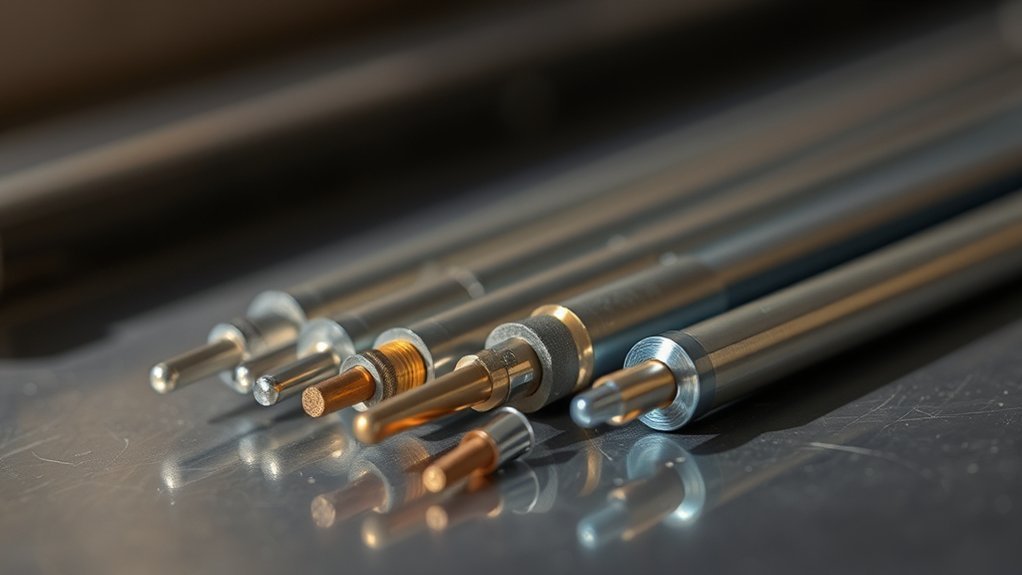
Specialty products are selected for a specific base metal, repair condition, deposited-metal chemistry, or metal-removal process. They should not be compared as though they are direct substitutes for E6010 or E7018.
| Product Type | Purpose | Current Price Context | Comparison Warning |
|---|---|---|---|
| Nickel 99 / AWS A5.15 ENi-CI | Machinable cast-iron repairs where the product and procedure are suitable. | The August 10 snapshot showed two checked 1-pound listings at $48.00 and $65.65. | Do not choose solely by nickel percentage. Confirm cast-iron type, repair procedure, and the manufacturer classification or certificate; retailer metadata can be inconsistent. |
| Harris NIC-L-WELD 59 / ENiFe-CI-type product | Nickel-iron cast-iron production, salvage, and repair work. | A checked retailer advertised a 1/8-inch, 1-pound option at about $34. | Nickel-iron and Nickel 99 products have different machining and weld-metal characteristics. |
| Harris Super Missileweld | Maintenance and dissimilar-metal repair applications specified by the manufacturer. | Checked 1/8-inch and 3/32-inch retail packages were advertised at $25 and $26. | Confirm rod count, diameter, package weight, base metal, and procedure before comparing. |
| Stainless covered electrodes | Stainless fabrication, repair, or joining applications matched to a specific classification. | Usually priced above common mild-steel electrodes. | Match base metal, service conditions, corrosion requirements, and procedure. |
| Hardfacing electrodes | Depositing wear-resistant layers on suitable components. | Cost depends heavily on alloy, hardness, package weight, and application. | The hardest or most expensive product is not automatically right for the wear mechanism. |
| Weld-Forge products, 3/16 to 3/8 inch | Varies by the exact product family and classification. | No dependable benchmark is possible from brand and diameter alone. | Require the classification, SKU, package weight, and intended process before comparing price. |
| 4043 aluminum filler | Aluminum-silicon filler sold in multiple forms, including TIG rod, MIG wire, and some covered stick-electrode products. | Price varies by rod or wire diameter, package weight, and process. | Do not compare a ten-rod TIG package directly with a pound of covered SMAW electrodes. |
| Carbon arc-gouging electrodes | Melting and removing metal with an air-carbon-arc torch and compressed air. | Checked 3/16-inch 50-packs were about $16.95 to $23.53. | These are metal-removal consumables, not filler electrodes. |
Note: “Electrode” can refer to a current-carrying consumable in several processes. Before comparing prices, identify whether the item is a covered SMAW electrode, TIG filler rod, MIG wire, gouging carbon, or another consumable.
When Does Buying Welding Electrodes in Bulk Save Money?
Bulk packages can reduce item cost per pound, but only when your shop can use the electrodes before damage, contamination, or moisture exposure makes them unsuitable.
- Buy 50-pound cans when the classification and diameter are used regularly.
- Choose 5-pound or 10-pound boxes for occasional repairs, testing, or infrequent diameters.
- Use mini packs for expensive cast-iron, nickel, stainless, and maintenance electrodes when only a few rods are needed.
- Include shipping, storage equipment, damaged rods, and leftover inventory in the calculation.
- Keep unopened hermetically sealed packages intact until the rods are needed.
- Do not split an opened low-hydrogen can into unheated containers unless the manufacturer and applicable procedure permit it.
A 50-pound can is not a savings when half the contents remain unused or lose their required condition. A smaller package can be the lower-cost choice even when its shelf price per pound is higher.

This hardcover book celebrates the art of gathering with inspiring table settings, thoughtful traditions, and practical ideas for hosting memorable meals. Written by Shea McGee, it offers beautiful design inspiration alongside approachable guidance for creating warm, welcoming spaces for family and friends. It's a charming resource for anyone who loves entertaining, home styling, and making everyday moments feel special.

This compact Bible study guide helps readers explore Scripture with clarity and confidence. Written by Matt Whitman, it offers a fast, approachable companion for understanding key themes, context, and practical insights from the Bible. Its paperback format makes it easy to carry, reference, and use for personal study or group discussion.

This hardcover cookbook offers fast, approachable recipes designed for busy days and low-energy nights. Caroline Chambers focuses on simple, flavorful meals that help you get dinner on the table without overthinking it. It's a practical pick for home cooks who want quick weeknight inspiration and minimal-fuss cooking.
How Should You Compare Welding Electrode Brands?
Brand comparisons are useful only when the products match closely. Compare the full classification, suffixes, diameter, package type, manufacturer part number, approvals, storage requirements, and delivered cost.
| Brand/Product | Checked Package | Advertised Price Context | How to Compare It |
|---|---|---|---|
| Lincoln Fleetweld 5P+ E6010 | 1/8 inch, 50 lb | About $296.84 to $310 | Compare only with the same classification, diameter, package weight, and shipping terms. |
| Lincoln Excalibur 7018 MR | 1/8 inch, 50 lb | About $241.43 to $315.83 | Check whether the quote includes freight and whether the product is the same MR SKU. |
| Hobart E7018 | 3/32 inch, 5 lb | About $24.65 to $25.49 | A small box may reduce waste, but calculate freight per pound. |
| Washington Alloy or Weldcote Nickel 99 | 1 lb | About $48 to $66 | Confirm ENi-CI classification, diameter, machinability needs, and repair suitability. |
The cheapest rod may create more cost if it causes difficult starts, unstable operation, excess cleanup, failed procedure tests, or unusable leftovers. For critical work, price is secondary to procedure compliance and consistent performance.
Why Do Welding Electrode Prices Vary by Region?
Regional prices differ because distributor stock, local competition, taxes, delivery distance, and industrial demand vary. Heavy packages make location especially important.
- Local stock: A nearby supplier may offer lower delivered cost even when its shelf price is higher.
- Brand availability: Some distributors stock Lincoln, Hobart, ESAB, Forney, Harris, or private-label products more heavily.
- Freight: Shipping a 30-pound or 50-pound package can erase a bulk discount.
- Account pricing: Industrial customers may see different prices from public online listings.
- Pickup condition: Local pickup lets you inspect cans and cartons for dents, punctures, water exposure, or damaged coating.
Compare one local welding distributor, one industrial supplier, and one reputable online seller when possible. Use the delivered total rather than assuming online or local purchasing is always cheaper.
How Do You Choose Cost-Effective Welding Electrodes?
Start with the job requirements, not the price tag. The right electrode must match the base metal, joint, position, current, strength, service conditions, and approved procedure.
| Question | Why It Matters |
|---|---|
| What base metal are you welding? | Carbon steel, low-alloy steel, stainless steel, cast iron, and aluminum require different filler choices. |
| Is the work governed by a code or specification? | The approved WPS, project documents, or engineer may restrict classification, brand, suffix, storage, or lot documentation. |
| What position will you weld in? | Position affects electrode suitability, puddle control, deposition, and operator technique. |
| What current and polarity can the machine supply? | A rod may require AC, DCEP, DCEN, or sufficient open-circuit voltage to operate correctly. |
| What diameter fits the joint and available amperage? | Oversized rods may exceed machine output or be difficult to control on thin material. |
| How much electrode will you actually use? | Stub ends, practice welds, damaged coating, and unused inventory increase real consumption. |
| Can you store the product correctly? | Moisture and incorrect heating can harm weld quality or damage the electrode coating. |
When the job is unfamiliar, consult the filler-metal manufacturer, the approved welding procedure, or a qualified welding professional. Testing on scrap can help evaluate starting behavior and bead control, but it does not replace required procedure qualification or inspection.
What Storage and Safety Costs Should You Budget?
Electrode cost includes more than filler metal. Depending on the work, you may need sealed storage, a holding oven, rod quivers, gloves, safety glasses, a welding helmet, flame-resistant clothing, ventilation, fire-resistant screens, fire-control equipment, and a fire watch.
| Electrode Family | General Storage Guidance After Opening | Important Caution |
|---|---|---|
| Cellulosic E6010/E6011 | Keep dry at room temperature under the manufacturer’s specified conditions. | Do not apply low-hydrogen holding or reconditioning procedures unless the exact manufacturer instructions permit them. |
| E6013/E7014 and similar non-low-hydrogen products | Keep dry and follow the product-specific holding guidance. | Do not assume the same temperature applies to every coating family. |
| Low-hydrogen E7018 and related products | Store opened low-hydrogen products in a suitable electrode oven at the manufacturer- and code-specified holding temperature. | Exposure limits and reconditioning temperatures depend on the exact product, packaging, code, and procedure. |
| Stainless, hardfacing, and cast-iron electrodes | Use the manufacturer’s storage and reconditioning table for the classification. | Excessive heating or repeated reconditioning can damage some coatings. |
Warning: Do not bake E6010 or E6011 rods using E7018 holding or reconditioning temperatures. Follow the exact manufacturer instructions. Incorrect heating can change the intended coating moisture and operating behavior.
OSHA identifies welding hazards that include metal fumes, gases, ultraviolet radiation, burns, fire, electrical hazards, and noise. Use adequate ventilation, suitable eye and face protection, welding gloves, flame-resistant clothing, and other controls required by the hazard assessment.
Never weld on a used drum, tank, pipe, or container merely because it appears empty. Residues can release flammable or toxic vapors when heated. OSHA 29 CFR 1910.252(a)(3) requires used containers to be thoroughly cleaned of hazardous residues before hot work and requires hollow spaces or containers to be vented before heating or welding.
Pro Tip: Include the cost of a proper holding oven before buying opened or bulk E7018 inventory. A discounted can is not economical when the shop cannot maintain the condition required by the procedure.
How Often Should You Recheck Welding Electrode Prices?
Recheck welding-electrode prices shortly before ordering whenever freight, quantity, or a small unit-price change could affect the job budget. Record the exact manufacturer SKU, classification, diameter, package weight, advertised price, shipping, estimated tax, availability, and quote date so the next comparison uses the same product.
Do not treat a dated online price as a forecast or national average. Retail promotions, distributor stock, freight, manufacturer adjustments, and local availability can change the delivered total. Specialty nickel, stainless, and hardfacing products can also be difficult to compare because fewer sellers may stock the same classification and package size.
The safest repeat-buying method is simple: reprice the same SKU close to the purchase date, compare the delivered cost per pound, and confirm that the product still meets the procedure and storage requirements.
Frequently Asked Questions
How much do welding electrodes cost per pound?
Among the examples rechecked on August 10, 2026, the E6010 and E7018 products worked out to about $4.83 to $6.32 per pound before tax and freight. The two checked 1-pound Nickel 99 listings were $48.00 and $65.65. Classification, diameter, brand, package weight, availability, freight, and storage requirements can change the final cost.
How do I choose the right electrode for my project?
Check the base metal, thickness, joint, position, required strength, service conditions, welder output, polarity, and storage requirements. For structural or code-governed work, follow the approved WPS, project specification, and applicable welding code.
What do E6010 and E7018 mean?
The “E” identifies an electrode. The first two digits identify the tensile-strength class in thousands of pounds per square inch. The next digit identifies welding position, and the final digit or digits describe coating and operating characteristics. Manufacturer data and optional suffixes provide additional details.
Can I use different brands of electrodes on the same project?
Sometimes, but a matching four-digit classification does not guarantee complete interchangeability. Check suffixes, approvals, diameter, polarity, operating range, storage instructions, and the approved welding procedure. Some projects restrict manufacturers, product families, or certified lots.
How should welding electrodes be stored?
Keep all products dry and follow the exact manufacturer instructions. Store opened E7018 low-hydrogen electrodes at the holding temperature required by the manufacturer, applicable code, and welding procedure. Cellulosic E6010 and E6011 products are generally kept dry at room temperature and should not be baked using E7018 procedures.
What safety gear is needed when using welding electrodes?
Typical protection includes safety glasses, a welding helmet with a suitable lens shade, welding gloves, flame-resistant clothing, and appropriate footwear. Ventilation, respiratory protection, welding screens, hearing protection, fire-control equipment, or a fire watch may also be required by the hazard assessment and work area.
Are cheap welding electrodes worth buying?
Lower-cost rods can be suitable when they match the job and perform consistently. They are a poor value if they cause unstable starts, excess spatter, difficult slag removal, procedure failures, damaged coating, or unused inventory. Compare delivered cost and performance rather than price alone.
Can I compare welding electrode prices by rod count?
Only when the rods have the same classification, diameter, length, and coating system. Larger-diameter rods weigh more, so the number of rods per pound changes. Price per pound is usually more useful for filler electrodes, while rod count may be more practical for small repair packs and carbon-gouging products.
How much welding electrode should I buy for a job?
Estimate the required deposited weld metal, divide by the expected deposition efficiency for the exact electrode and procedure, then add a documented allowance for stub ends, practice welds, damaged rods, and other shop losses. There is no reliable universal rods-per-foot number because joint geometry, electrode type, diameter, and technique change consumption.
Are carbon-gouging rods the same as welding electrodes?
No. Carbon-gouging rods create an arc that melts metal, while compressed air removes the molten material. They are used for cutting and gouging rather than depositing filler metal into a weld joint.
Conclusion
Welding electrode costs depend on classification, diameter, package size, alloy, brand, storage, and delivery. In the examples rechecked on August 10, 2026, the common E6010 and E7018 products worked out to about $4.83 to $6.32 per pound before tax and freight, while the two checked 1-pound Nickel 99 listings were $48.00 and $65.65.
Before buying, price the same SKU at two or more suppliers, compare the delivered cost per pound, and confirm that the electrode matches the base metal, machine, position, procedure, and storage system. Then buy only the package size you can use and store correctly; a smaller box can be a better value than a discounted bulk can that creates waste or moisture problems.
Sources
- AWS A5.1/A5.1M:2025 — classification requirements for carbon-steel covered SMAW electrodes.
- Lincoln Electric AWS Classifications Guide — plain-language electrode classification and operating information.
- Hobart Brothers: Choosing the Right Stick Electrode — electrode selection, current, base-metal, and storage considerations.
- Lincoln Electric: Storing and Redrying Electrodes — low-hydrogen storage, exposure, and moisture guidance.
- OSHA Welding, Cutting, and Brazing Hazards — welding-fume, radiation, fire, and worker-protection guidance.
- OSHA 29 CFR 1910.252 — general welding requirements for used containers, venting, and hot-work fire prevention.
- ESAB Arcair Gouging Electrodes — purpose and construction of air-carbon-arc gouging consumables.
- Washington Alloy Nickel 99 (ENi-CI) — AWS A5.15 classification, cast-iron application guidance, and operating-current information.
- Weldcote Nickel 99 Certificate of Conformance — AWS A5.15 ENi-CI classification.
- ESAB Atom Arc 7018 — manufacturer deposition-efficiency and deposition-rate data by electrode diameter.

The COOK'S CHOICE XL Better Breader Bowl makes coating chicken, fish, vegetables, and more fast, tidy, and consistent. Its extra-long tray helps prevent overcrowding, while the integrated sifter promotes even coverage with less waste. Designed for easy cleanup and convenient storage, it is a practical choice for home cooking, air frying, frying, and outdoor meal prep.

Post-it Super Sticky Easel Pads are designed to keep ideas visible and organized during meetings, training sessions, brainstorming, and project planning. The large premium paper resists marker bleed-through and sticks securely to many surfaces, then repositions without surface damage. A sturdy backcard and portable handle make them easy to move between rooms and use with most easel stands.

BioSilk Hydrating Therapy Pure Moisture Leave-In Spray helps replenish moisture in dry, coarse hair for a softer, smoother feel. This daily styling spray also helps control frizz, boost shine, and improve manageability while supporting hair against environmental stressors. Formulated with silk and maracuja oil, it is suitable for all hair types, including color-treated hair.