Last updated: September 7, 2026
Welding argon tank cost depends on two separate expenses: the cylinder itself and the argon fill or exchange. Current retail examples checked in September 2026 show 100% argon fills at $59.99 for 40 CF, $69.99 for 80 CF, and $77.99 for 125 CF at Northern Tool. Cylinder prices vary much more. Northern Tool lists an empty 80 CF argon cylinder at $399.99 and a 125 CF cylinder at $454.99, while another supplier lists a new 40 CF steel argon cylinder at $123.90. These are current retail examples, not nationwide averages, so compare local quotes before buying.
Quick Answer
- An 80 CF setup can cost about $469.98 for the empty cylinder plus its first $69.99 argon fill at one current retailer, before tax or other local fees.
- A 125 CF setup can cost about $532.98 for the empty cylinder plus its first $77.99 fill at the same retailer.
- At 20 CFH, an 80 CF cylinder provides about 4 hours of theoretical arc time, while a 125 CF cylinder provides about 6.25 hours.
- The larger 125 CF cylinder costs more to refill but can cost less per cubic foot and per arc hour.
- Use 100% argon for common TIG applications, including aluminum. For MIG welding mild steel, 75% argon/25% CO2 is a common choice; follow the gas recommendation for your wire, machine, and material.
Important: A “cylinder-only” price does not include gas. A “contents-only,” “fill,” or “exchange” price normally assumes you already have an eligible cylinder. Supplier exchange rules vary, so verify that a local supplier will accept your cylinder before buying one online.

This hardcover book celebrates the art of gathering with inspiring table settings, thoughtful traditions, and practical ideas for hosting memorable meals. Written by Shea McGee, it offers beautiful design inspiration alongside approachable guidance for creating warm, welcoming spaces for family and friends. It's a charming resource for anyone who loves entertaining, home styling, and making everyday moments feel special.

This hardcover cookbook offers fast, approachable recipes designed for busy days and low-energy nights. Caroline Chambers focuses on simple, flavorful meals that help you get dinner on the table without overthinking it. It's a practical pick for home cooks who want quick weeknight inspiration and minimal-fuss cooking.

This daily devotional helps parents pray purposefully for their children through a full year of Scripture readings, reflections, and guided prayer prompts. Written to encourage faithful family discipleship, it offers practical, biblically grounded support for parents who want to shape their prayers around God's Word. A foreword by Sinclair B. Ferguson adds trusted theological insight and encouragement.
Common Welding Gases
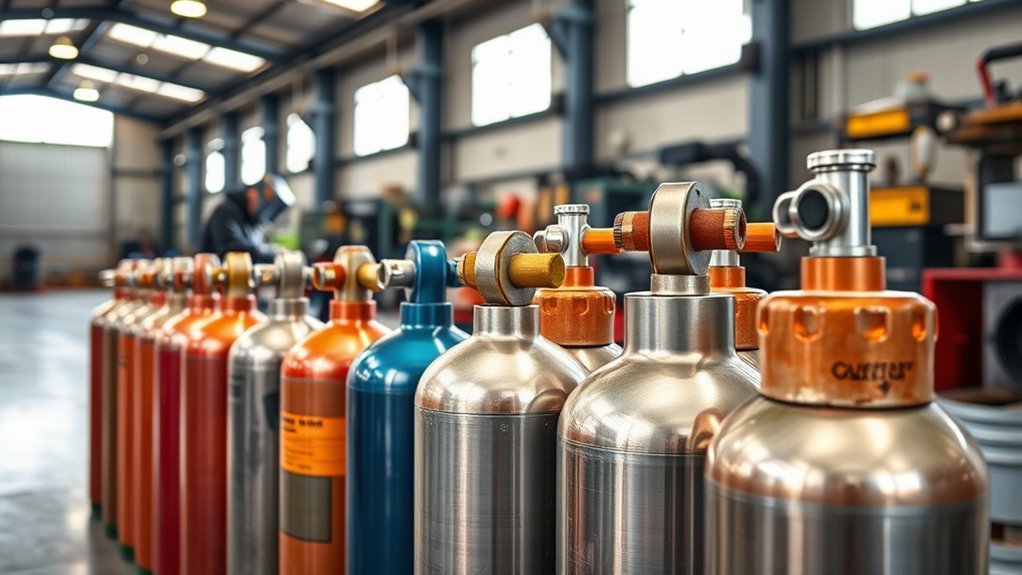
Choose the shielding gas before you compare cylinder prices because the correct gas depends on the welding process and base metal.
100% argon is widely used for TIG welding and is a standard shielding choice for TIG welding aluminum. Lincoln Electric discusses argon use in its aluminum welding guide.
For MIG welding mild steel, 75% argon and 25% carbon dioxide, commonly called C25, is a common shielding-gas option. Lincoln Electric documents 75/25 argon-CO2 for mild-steel applications in its shielding-gas guidance. See Lincoln Electric’s shielding-gas explanation.
Do not choose a gas only because it is cheaper. Pure argon generally is not the preferred shielding gas for ordinary short-circuit MIG welding on mild steel. Check the recommendations for your welder, filler wire, transfer mode, and material before connecting a cylinder.
Welding Argon Tank Cost and Refill Prices
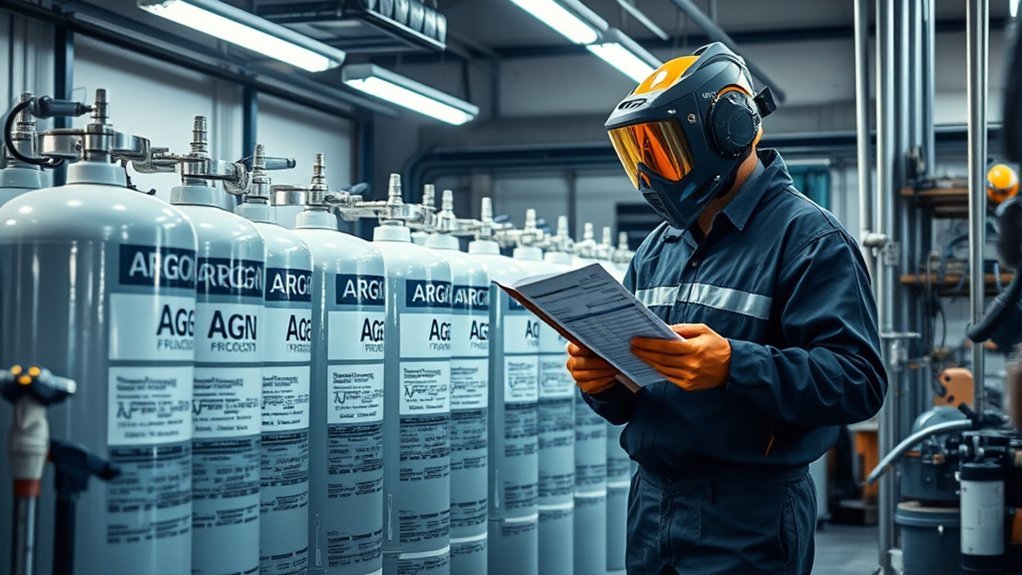
Argon pricing is easiest to understand when you separate the cylinder purchase from the gas charge. The figures below are published retail examples checked in September 2026. They should not be treated as nationwide averages.
| Tank Size (CF) | Current Empty-Cylinder Example | Current 100% Argon Fill Example | Arc Time at 20 CFH | Fill Cost per Arc Hour |
|---|---|---|---|---|
| 40 | $123.90 at Gas Cylinder Source | $59.99 at Northern Tool | About 2 hours | About $30.00 |
| 80 | $399.99 at Northern Tool | $69.99 at Northern Tool | About 4 hours | About $17.50 |
| 125 | $454.99 at Northern Tool | $77.99 at Northern Tool | About 6.25 hours | About $12.48 |
The table shows why the lowest refill price is not always the lowest operating cost. In these examples, moving from an 80 CF fill to a 125 CF fill costs only $8 more but supplies about 56% more gas. At the same 20 CFH flow rate, the estimated gas cost falls from about $17.50 to $12.48 per arc hour.
The 40 CF purchase and fill examples above come from different sellers. Do not assume one supplier will automatically exchange or refill a cylinder bought from another. Confirm cylinder ownership, inspection, and exchange requirements with the supplier you plan to use.
Calculating the Real Cost of Welding Gas
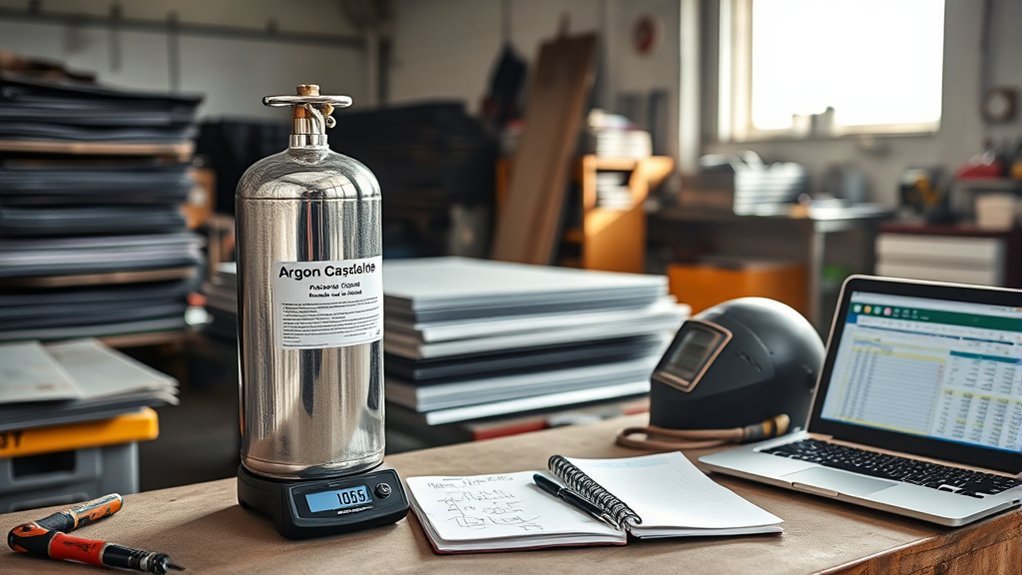
The useful number is not simply the refill price. Compare how much usable welding time each fill buys.
Estimated arc time = cylinder capacity in cubic feet ÷ shielding-gas flow rate in cubic feet per hour.
Then calculate your gas cost this way:
- Arc hours: Tank capacity ÷ flow rate
- Gas cost per arc hour: Fill or exchange price ÷ arc hours
- First-time setup cost: Cylinder purchase + first fill + any applicable supplier fees
For example, an 80 CF cylinder at 20 CFH provides about 4 theoretical arc hours. With a $69.99 fill, that is about $17.50 of argon per arc hour. A 125 CF cylinder at the same flow rate provides about 6.25 hours. With a $77.99 fill, that falls to about $12.48 per arc hour.
Actual calendar time between refills can be much longer because you are not welding continuously. Fit-up, grinding, tack welding, repositioning, breaks, pre-flow, post-flow, leaks, and your actual regulator setting all affect how quickly the gas is used.
For a broader comparison across argon, C25, CO2, and other gases, see the site’s guide to welding gas refill costs.

This heartfelt memoir blends laugh-out-loud honesty with tender reflections on love, loneliness, and the unexpected healing power of rescue dogs. Isabel Klee shares her journey fostering pups in the city while navigating dating and self-discovery, offering an intimate, relatable story for readers who enjoy emotional, character-driven narratives. It is a warm, engaging read about opening your heart and finding connection in surprising places.

The Cuisinart Mini-Prep Plus Food Processor is a compact kitchen helper designed for quick chopping, grinding, and small-batch prep. Its powerful motor and reversible stainless steel blade make it easy to process herbs, vegetables, hard cheese, nuts, and more, while the lightweight design and dishwasher-safe parts simplify everyday use and cleanup.

The COOK'S CHOICE XL Better Breader Bowl makes coating chicken, fish, vegetables, and more fast, tidy, and consistent. Its extra-long tray helps prevent overcrowding, while the integrated sifter promotes even coverage with less waste. Designed for easy cleanup and convenient storage, it is a practical choice for home cooking, air frying, frying, and outdoor meal prep.
How Long Does an Argon Tank Last and How Should You Store It?

Tank duration is based mainly on cylinder capacity and flow rate. At 15 CFH, a 40 CF cylinder provides about 2.7 theoretical arc hours, an 80 CF cylinder about 5.3 hours, and a 125 CF cylinder about 8.3 hours. At 20 CFH, those figures fall to about 2, 4, and 6.25 hours.
| Tank Size | At 15 CFH | At 20 CFH |
|---|---|---|
| 40 CF | About 2.7 hours | About 2 hours |
| 80 CF | About 5.3 hours | About 4 hours |
| 125 CF | About 8.3 hours | About 6.25 hours |
Store compressed-gas cylinders upright, secured against tipping, and in a protected, dry, well-ventilated location. OSHA’s welding-cylinder rules require cylinders to be secured upright in covered workplace situations and require the valve to be closed when work is finished. Review OSHA’s compressed-cylinder requirements.
Argon is nonflammable and chemically inert, but it can displace oxygen. That makes ventilation important, especially around pits, tanks, enclosed rooms, or other confined spaces. Never deliberately roll a cylinder on its side in an attempt to remix its contents. If you suspect a gas-quality or cylinder problem, stop using it and contact the supplier.
Close the cylinder valve when you finish welding. When transporting a cylinder, use the proper cap and securing method recommended for the cylinder and your applicable workplace or transportation rules.
Where to Buy or Refill Your Argon Gas

You can buy or refill welding argon through industrial-gas distributors, welding-supply stores, participating tool or farm retailers, and some online cylinder sellers. The cheapest cylinder online is not necessarily the cheapest long-term option because your local supplier may have specific exchange or ownership rules.
Before buying, ask at least two nearby suppliers for the same five details:
- Price of the cylinder if you do not already own one
- Price of a 100% argon fill or exchange in your preferred size
- Any hazmat, handling, delivery, inspection, or exchange fees
- Whether they will fill or exchange a customer-owned cylinder bought elsewhere
- Whether they offer purchase, lease, rental, or exchange-only programs
Should You Buy or Rent an Argon Cylinder?
Buying usually makes more sense when you weld regularly and have a convenient supplier that accepts your customer-owned cylinder. You pay more upfront but avoid a recurring cylinder-rental charge.
Rental or lease arrangements can make sense when you need a cylinder for a short project, want a larger commercial size, or prefer the supplier to manage the cylinder program. However, rental availability and fees vary by supplier. Compare the annual rental or lease cost with the outright purchase price before deciding.
Which Argon Tank Size Is Best?
A 40 CF cylinder is compact and easy to store, but it needs more frequent fills. An 80 CF cylinder is a practical middle ground for many home shops because it balances portability with about four hours of theoretical arc time at 20 CFH. A 125 CF cylinder is better when you weld regularly and want fewer trips to the gas supplier.
If two sizes are both practical for your shop, compare fill cost per cubic foot and fill cost per arc hour. Those measurements tell you more than the refill price by itself.
Frequently Asked Questions
How Much Does It Cost to Fill an 80 CF Argon Tank?
A current Northern Tool example lists an 80 CF 100% argon content fill at $69.99. Local welding suppliers can charge more or less, and taxes, handling fees, exchange rules, and your location can change the final price.
How Long Does an 80 CF Argon Tank Last?
An 80 CF argon cylinder provides about 4 theoretical arc hours at 20 CFH or about 5.3 hours at 15 CFH. Actual time between refills depends on your flow setting, pre-flow and post-flow, leaks, and how much time the arc is actually on.
What Size Argon Tank Should a Home Welder Buy?
An 80 CF cylinder is a useful middle size for many home welders because it balances capacity and portability. A 40 CF cylinder suits short or occasional jobs, while a 125 CF cylinder usually makes more sense when you weld often and want fewer refill trips.
Can I Use Pure Argon for MIG Welding Mild Steel?
Pure argon is generally not the preferred shielding gas for ordinary MIG welding on mild steel. A 75% argon and 25% CO2 blend is a common choice, and some equipment also supports straight CO2. Follow the gas recommendation for your machine, wire, transfer mode, and material.
Should I Buy or Rent an Argon Cylinder?
Buying can make sense when you weld regularly and your local supplier accepts customer-owned cylinders. Rental or lease programs can make more sense for short-term work or larger cylinders. Compare the purchase price with the supplier’s annual rental or lease fees and refill terms.
Conclusion
For most buyers, welding argon tank cost is easier to compare when you separate the cylinder price from the refill price. An 80 CF cylinder offers a useful balance of portability and runtime, while a 125 CF cylinder can reduce the gas cost per arc hour and the number of refill trips.
Before you buy, call at least two local gas suppliers. Ask for the cylinder price, first-fill or exchange price, extra fees, and whether they accept customer-owned cylinders from another seller. That comparison will give you a more reliable budget than a nationwide price estimate.

This silky, lightweight K-beauty face primer visibly smooths skin and minimizes the appearance of pores for a refined, velvety look. Its soft-matte finish helps reduce shine and creates a smooth base that supports longer-lasting makeup wear without feeling heavy. Suitable for all skin types, it works well under powder, liquid, or cream foundation and is designed to glide on evenly for a flawless finish.

These Stanley MaxSteel straight aviation snips are built for clean, controlled cutting through sheet metal and other tough materials. Serrated cutting edges help prevent slippage for more accurate results, while the double pivot action delivers increased cutting power with less effort. Designed for dependable performance, they are a practical choice for metalworking, HVAC tasks, and general workshop use.

BioSilk Hydrating Therapy Pure Moisture Leave-In Spray helps replenish moisture in dry, coarse hair for a softer, smoother feel. This daily styling spray also helps control frizz, boost shine, and improve manageability while supporting hair against environmental stressors. Formulated with silk and maracuja oil, it is suitable for all hair types, including color-treated hair.