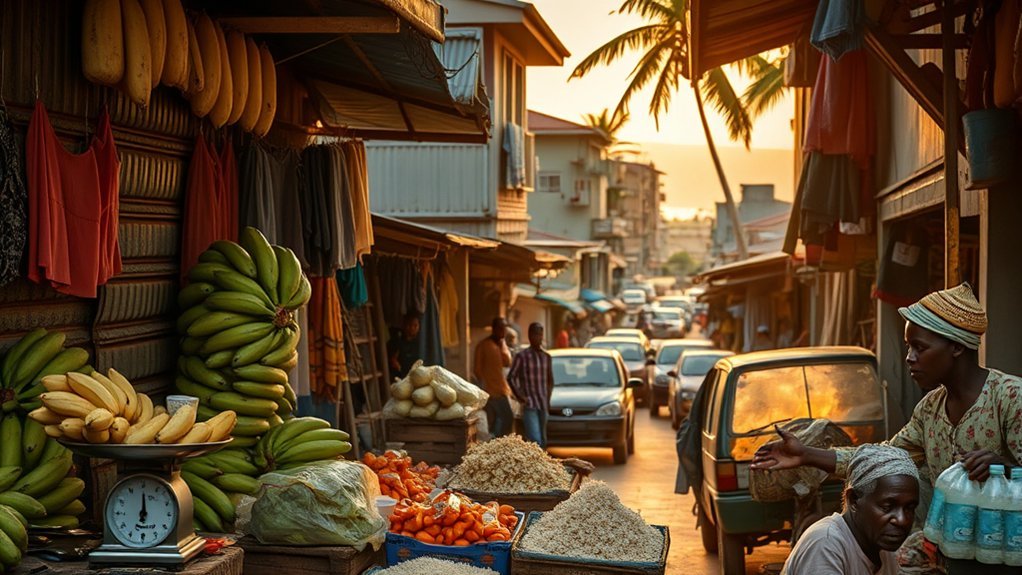
The cost of living in Sierra Leone in 2026 runs about NLe 4,900–7,900 (~$215–$345) a month for a single person living like a local in Freetown, and about NLe 29,000–52,000 (~$1,265–$2,265) for a single expat in a secure neighborhood. A couple on an expat budget should plan on roughly NLe 46,500–74,000 (~$2,025–$3,225), and a family of four NLe 75,500–136,000 (~$3,285–$5,920) with international school. These figures use about NLe 23 per US dollar, close to the Bank of Sierra Leone reference rate of NLe 22.9 in early October 2026. Housing and backup power drive most of the gap between local and expat budgets, and inflation jumped to 15.66% in August 2026. Below you’ll find rents by area, utilities, food, transport, healthcare, taxes, wages, visas, and sample budgets.
Cost of Living in Sierra Leone: Quick Answer
- Single, local lifestyle: NLe 4,900–7,900 (~$215–$345) a month.
- Single, expat lifestyle: NLe 29,000–52,000 (~$1,265–$2,265) a month.
- Couple, expat lifestyle: NLe 46,500–74,000 (~$2,025–$3,225) a month.
- Family of four, expat lifestyle: NLe 75,500–136,000 (~$3,285–$5,920), including international school.
- Rent, one-bedroom in Freetown: about NLe 5,750–10,350 (~$250–$450) outside the center; NLe 9,200–21,400 (~$400–$930) in the center.
- Fuel: petrol NLe 35 per liter (~$1.52); diesel NLe 40 (~$1.74).
- Minimum wage: NLe 1,200 (~$52) a month since April 2026.
Currency, Exchange Rate, and Inflation in 2026
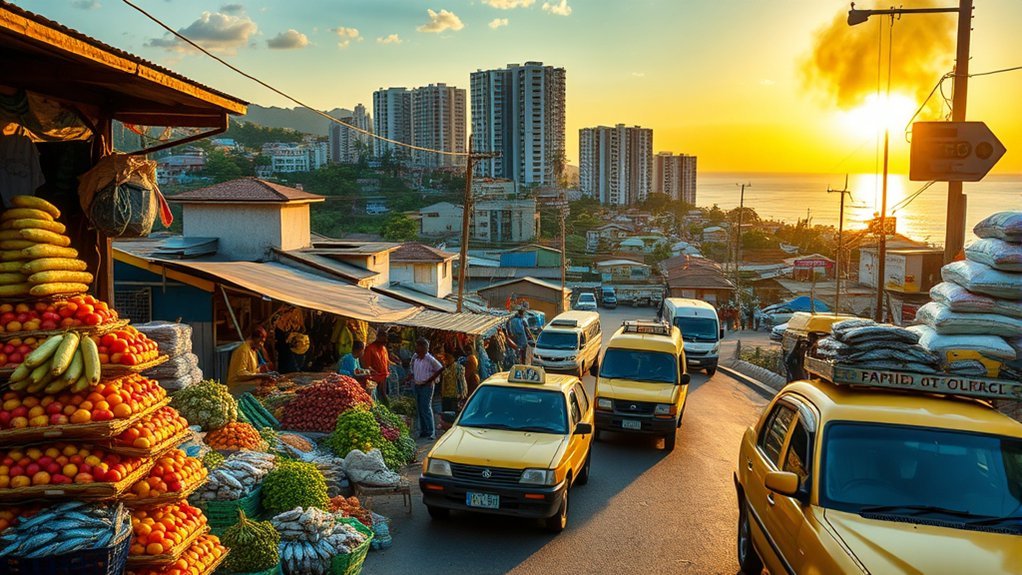
Watch the units. Sierra Leone redenominated its currency in 2022. One new leone (SLE, usually written NLe or Le) equals 1,000 old leones (SLL). Many older guides and some shop signs still quote old leones, so “5 million leones” in an old article means NLe 5,000 today. All prices in this guide are in new leones.
The exchange rate. The Bank of Sierra Leone reference rate was about NLe 22.9 per dollar in early October 2026, and the Immigration Department was pricing its fees at NLe 22.8. Rates at forex bureaus can be a little weaker. This guide rounds to NLe 23 per dollar.
Inflation. Statistics Sierra Leone reported annual inflation of 15.66% in August 2026, up from 14.89% in July and the highest since October 2024. Housing, utilities, and transport led the rise, while food inflation stayed near 6%. Fuel price hikes in August fed into fares and rents. Expect quoted prices to keep moving, and confirm costs locally before you sign a lease.
At NLe 23 per dollar, the new minimum wage of NLe 1,200 equals about $52 a month. Most households rely on several incomes, informal trade, or remittances.
Rent by Area: Freetown and Provincial Cities
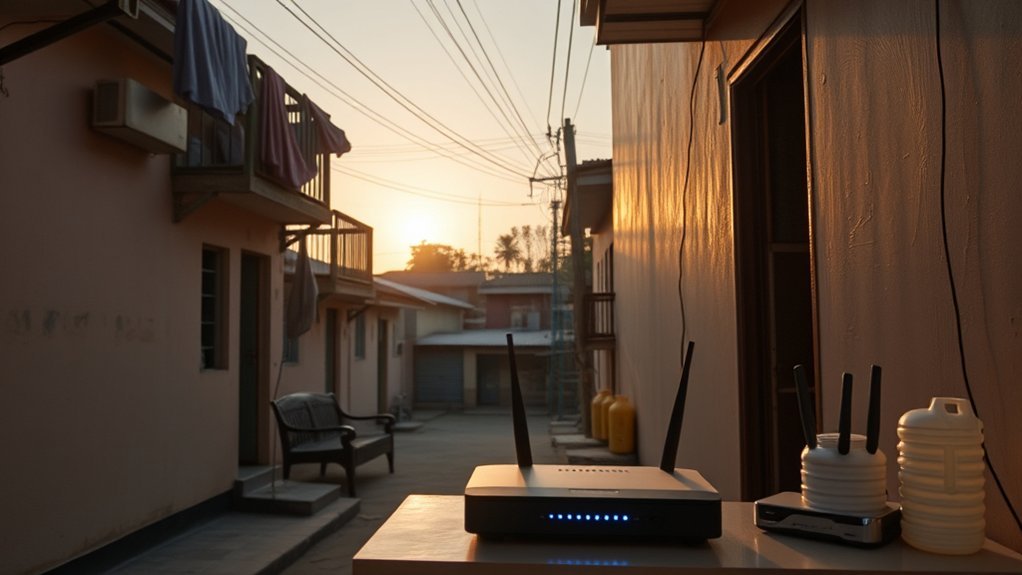
Housing is the largest and least predictable cost. There is no official rent index, so the ranges below combine agent listing ranges reported in 2026 and crowd-sourced averages from Numbeo, which in Freetown are based on very few reports. Treat them as rough guides.
| Area | Home Type | Monthly Rent (NLe) | Approx. USD |
|---|---|---|---|
| Freetown – Hill Station, Aberdeen, Lumley, Wilberforce | Secure 3-bed house or apartment | 23,000–41,400+ | $1,000–$1,800+ |
| Freetown – city center | 1-bed or studio | 9,200–21,400 | $400–$930 |
| Freetown – city center | 2-bed | 13,800–23,000 | $600–$1,000 |
| Freetown – outside the center | 1-bed or studio | 5,750–10,350 | $250–$450 |
| Bo and Kenema | 1-bed | 3,450–6,900 | $150–$300 |
| Local neighborhoods (room or room and parlor) | Basic, often shared facilities | about 1,500–2,500 | about $65–$110 |
The local-neighborhood figure is an estimate, since these units are rarely advertised. Rents in this segment are usually quoted per year.
Key points for renters:
- Upfront payment is the norm. Landlords commonly ask for three to six months in advance, and many expat leases want a full year or more. Add a one-month deposit.
- Prices are often in dollars. Expat-standard homes are frequently quoted in US dollars, which protects landlords from leone swings.
- Check the extras. Ask whether the rent includes a generator, water tank, security guards, and compound maintenance. These can add hundreds of dollars a month.
- Visit in the rainy season if you can. Drainage, road access, and water supply vary a lot between neighborhoods.
Utilities, Internet, and Phone
Electricity in Freetown is prepaid through EDSA, the state distributor. In 2024 the regulator removed the cheap social band, and the lowest residential rate became about NLe 4.22 per kWh before GST, according to Awoko’s report on the tariff change. The average residential price was close to NLe 5 per kWh in late 2025. Outages are common, so many homes also run a generator or solar system.
| Item | Typical Monthly Cost (NLe) | Approx. USD |
|---|---|---|
| Electricity, 150 kWh (prepaid grid) | 630–750 | $27–$33 |
| Water (piped supply or tanker top-ups) | 230–460 | $10–$20 |
| Basic utilities, 85 m² apartment (crowd-sourced) | 1,380 | $60 |
| Generator diesel, about 4 hours a day | about 4,800 | about $210 |
| Home broadband or fixed wireless | 575–1,380 | $25–$60 |
| Mobile plan with 10 GB+ data | 230 | $10 |
The generator line assumes about one liter of diesel an hour at the August 2026 price of NLe 40 per liter. A solar setup with batteries costs more upfront but cuts this bill sharply. Mobile data from Orange and Africell is the main internet source for most residents, and prices fall a lot with bigger bundles.
Food: Groceries and Eating Out
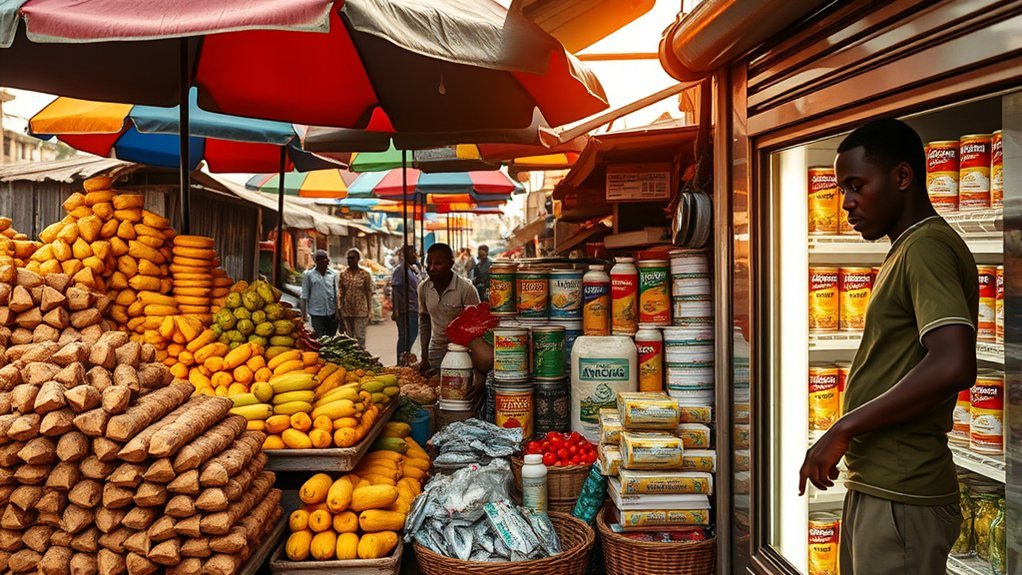
Food is where local and expat budgets split the most after housing. Rice, cassava, fish, palm oil, and seasonal produce from markets like Big Market and Congo Cross are cheap. Imported milk, cheese, cereal, and wine cost as much as or more than in Europe or the US.
A single person eating a mainly local diet spends about NLe 1,850–3,450 (~$80–$150) a month on groceries. An imported or Western diet costs about NLe 4,600–9,200 (~$200–$400).
Typical prices in Freetown (crowd-sourced averages, October 2026, small sample):
| Item | Typical Cost (NLe) | Approx. USD |
|---|---|---|
| Local rice (1 lb) | 14 | $0.59 |
| Fresh bread (1 lb loaf) | 14 | $0.60 |
| Eggs (12) | 42 | $1.81 |
| Milk (1 liter, mostly imported) | 56 | $2.42 |
| Chicken fillets (1 lb) | 104 | $4.54 |
| Beef (1 lb) | 55 | $2.38 |
| Tomatoes (1 lb) | 52 | $2.27 |
| Onions (1 lb) | 17 | $0.74 |
| Bottled water (1.5 liters) | 26 | $1.14 |
| Meal at a local restaurant | 46 | $2.00 |
| Domestic beer (pint) | 52 | $2.25 |
| Cappuccino | 63 | $2.76 |
Mid-range restaurant meals run about NLe 115–275 (~$5–$12) per person. Upscale places on Lumley Beach Road and in Aberdeen charge NLe 345–920 (~$15–$40) or more. Many basic foods are exempt from GST, which helps keep market prices down.
Transportation and Fuel
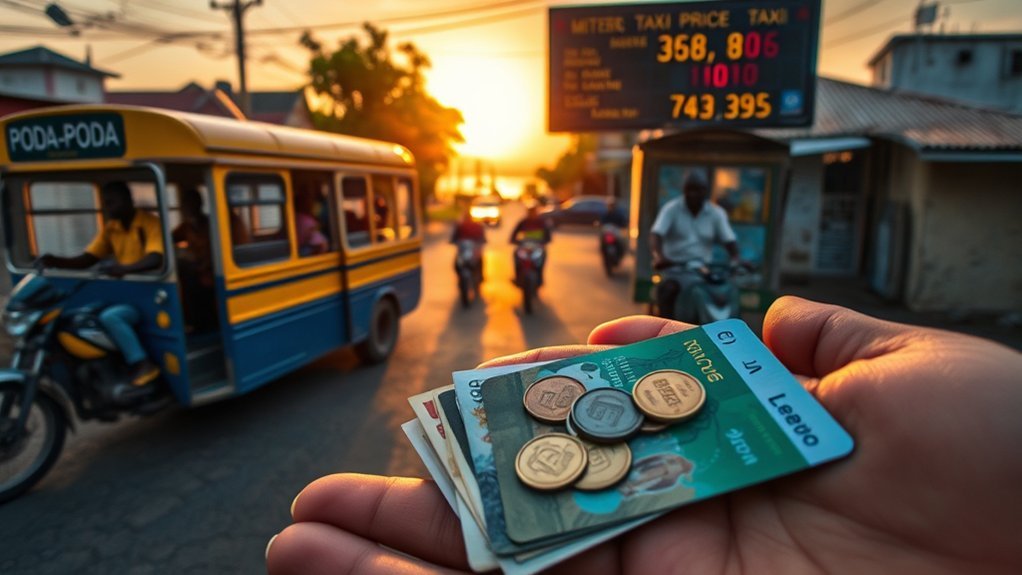
Freetown has no metro or formal bus network that covers the city well. Most people move by shared taxi, poda-poda (minibus), okada (motorbike taxi), or keke (tricycle). The government sets fuel prices, and the August 2026 pump price increase raised petrol to NLe 35 and diesel to NLe 40 per liter.
| Item | Cost (NLe) | Approx. USD |
|---|---|---|
| Petrol (1 liter) | 35 | $1.52 |
| Diesel (1 liter) | 40 | $1.74 |
| Shared taxi or poda-poda, short trip | 5–12 | $0.20–$0.50 |
| Private taxi, short trip | 23–58 | $1.00–$2.50 |
| Private taxi, longer trip across town | 69–184+ | $3–$8+ |
| Shared minibus between cities | 69–161 | $3–$7 |
| Used car in good condition | 115,000–345,000 | $5,000–$15,000 |
Traffic on the main roads in and out of central Freetown is heavy at rush hour. Many expats use a car with a hired driver, which typically costs NLe 4,600–11,500 (~$200–$500) a month including fuel, depending on mileage. Reaching Lungi International Airport means a water taxi or ferry across the estuary, which adds to every trip abroad.
Healthcare and Insurance
Public health facilities are limited, and the US State Department notes that medical care is inadequate and that some locally sold medicines may be unsafe. Most expats use private clinics in Freetown for routine care and rely on insurance with medical evacuation for anything serious.
- Private doctor visit: about NLe 230–690 (~$10–$30).
- International health insurance: about $1,000–$5,000 a year (NLe 23,000–115,000), depending on age, deductible, and evacuation cover. That is about $85–$415 a month.
- Before you go: a yellow fever vaccination certificate is required for entry. Malaria prevention is a recurring cost.
Budget for evacuation cover. Serious cases are often flown to Accra, Dakar, or Europe, and a flight without insurance can cost tens of thousands of dollars.
Schools and Education
Families face the widest cost range. Government schools charge no tuition but are often under-resourced, and parents still pay for uniforms, books, and exam fees.
- International schools in Freetown: about $3,000–$8,000 (NLe 69,000–184,000) a year per child, with the best-known schools charging more plus enrollment fees.
- Local private schools: about $500–$2,000 (NLe 11,500–46,000) a year.
- Extras: uniforms, books, transport, and activities often add $500–$1,000 a year.
Ask each school for its current fee sheet. Many international schools bill in dollars and ask for a full term upfront.
Salaries, Wages, and Taxes
Local incomes are low compared with living costs. The national minimum wage rose from NLe 800 to NLe 1,200 a month in April 2026, according to the Ministry of Information and Civic Education. GDP per person was about $846 in 2025, based on World Bank data. Mining, NGO, and international-agency jobs pay far more, and those salaries drive demand for expat housing.
| Item | 2026 Figure | Approx. USD |
|---|---|---|
| National minimum wage | NLe 1,200 a month | $52 |
| GDP per person (2025) | — | $846 a year |
| PAYE income tax | 0% on the first NLe 600 a month, then 15%, 20%, 25%, and 30% above NLe 2,400 | 0% up to about $26 |
| NASSIT social security | 5% employee, 10% employer | — |
| Goods and Services Tax (GST) | 15% | — |
GST is set out by the National Revenue Authority, which also collects PAYE. The PAYE bands above are the post-redenomination monthly bands used for 2025 and 2026 payroll. Employers of foreign staff also pay an annual payroll tax for each foreign worker, which is higher for non-ECOWAS nationals. If you earn abroad and stay long-term, get local tax advice, as residency rules can make worldwide income taxable.
Visas and Entry Costs
Most visitors need a visa, including US citizens. The usual route is an e-visa arranged before travel, with single-entry tourist visas commonly priced around $80. ECOWAS citizens enter visa-free. For work or long stays, you apply for a residence or work permit through the Immigration Department’s online permits portal, and fees are listed on the Sierra Leone Immigration Department fees page. A passport renewal there costs $100 (NLe 2,280).
Other entry costs:
- Airport security fee: $25 on arrival and departure.
- Yellow fever vaccination: required for all travelers.
- Airport transfer: the water taxi from Lungi to Freetown usually costs more than a taxi across the city.
Sample Monthly Budgets
These budgets combine the figures above for Freetown. They are estimates. Your real costs depend most on the house you rent and how much backup power you use.
| Expense | Single, Local | Single, Expat | Couple, Expat | Family of 4, Expat |
|---|---|---|---|---|
| Rent | 1,500–2,500 | 13,800–23,000 | 18,400–29,900 | 23,000–41,400 |
| Utilities + backup power | 300–700 | 2,300–4,600 | 3,450–5,750 | 4,600–6,900 |
| Internet + mobile | 230 | 1,495 | 1,725 | 1,955 |
| Groceries | 2,000–3,000 | 4,600–9,200 | 9,200–13,800 | 13,800–18,400 |
| Eating out + leisure | — | 2,300–4,600 | 4,600–6,900 | 4,600–6,900 |
| Transport | 400–700 | 2,300–4,600 | 4,600–6,900 | 6,900–11,500 |
| Health insurance + care | — | 2,300–4,600 | 4,600–9,200 | 9,200–18,400 |
| School fees (2 children) | — | — | — | 11,500–30,650 |
| Other / personal | 500–800 | — | — | — |
| Total (NLe) | 4,930–7,930 | 29,095–52,095 | 46,575–74,175 | 75,555–136,105 |
| Total (USD) | $215–$345 | $1,265–$2,265 | $2,025–$3,225 | $3,285–$5,920 |
A modest local family in Freetown spends far less, often NLe 10,000–17,500 (~$440–$760) a month, by renting a few rooms, eating local food, and using shared transport. Compare that with the NLe 1,200 minimum wage and you can see why many households combine several jobs and incomes.
First-Month Setup Costs
Plan for a large cash outlay at the start, mostly because of upfront rent:
- Rent in advance: three months to one year. On a $1,000-a-month house, that is $3,000–$12,000 (NLe 69,000–276,000).
- Deposit: usually one month’s rent.
- Generator or solar system: often several hundred to a few thousand dollars if the house does not include one.
- Visa and airport fees: about $80 for a tourist e-visa, plus the $25 security fee each way.
- SIM card, router, and first data bundles: about NLe 500–1,500 (~$20–$65).
- Insurance: health cover with evacuation from day one.
Money-Saving Tips
- Negotiate the advance. Offering a full year upfront can win a lower monthly rate, but only pay after checking ownership papers.
- Shop at markets. Local fish, rice, and produce cost a fraction of imported supermarket goods.
- Go solar. Diesel at NLe 40 a liter makes generator power expensive. Solar pays back quickly in a sunny climate.
- Buy bigger data bundles. Weekly and monthly bundles cost far less per gigabyte than daily ones.
- Change money carefully. Use banks or licensed bureaus and compare with the Bank of Sierra Leone rate.
- Keep a buffer. With inflation above 15%, budget 10–20% above today’s prices.
Safety and Practical Notes
The US government rates Sierra Leone at Level 2, “exercise increased caution,” citing crime, unrest, and health risks. Petty theft is common in crowded areas and on the Lungi ferry, and travel outside the Freetown peninsula after dark is discouraged. Secure housing with guards costs more, which is one reason expat rents are high. Power cuts, water shortages, and flooding in the rainy season (roughly May to October) are part of daily life.
How Sierra Leone Compares With Nearby Countries
Sierra Leone is one of the cheaper places in West Africa for a local lifestyle, but expat housing in Freetown is expensive for the region. Its closest comparison is the cost of living in Liberia, where Monrovia also has scarce expat housing and many prices are set in US dollars. To the north, compare the cost of living in Guinea. Many people moving within the region also weigh the cost of living in Ghana, with its larger housing market, and the cost of living in The Gambia, a smaller English-speaking option.
Frequently Asked Questions
How much money do you need to live in Sierra Leone per month?
A single person living like a local in Freetown needs about NLe 4,900–7,900 (~$215–$345) a month. A single expat in a secure area needs about NLe 29,000–52,000 (~$1,265–$2,265). A family of four on an expat budget should plan on NLe 75,500–136,000 (~$3,285–$5,920), including international school fees.
What currency does Sierra Leone use, and what is the exchange rate?
Sierra Leone uses the new leone (SLE, often written NLe). In 2022 it replaced the old leone (SLL) at 1 new leone = 1,000 old leones. In early October 2026 the Bank of Sierra Leone reference rate was about NLe 22.9 per US dollar. This guide uses NLe 23 per dollar.
How much is rent in Freetown?
A one-bedroom outside central Freetown typically costs about $250–$450 (NLe 5,750–10,350) a month. In the city center it runs about $400–$930 (NLe 9,200–21,400). A secure three-bedroom house in Hill Station, Aberdeen, or Lumley costs $1,000–$1,800 (NLe 23,000–41,400) or more, and landlords usually want three months to a year paid upfront.
What is the minimum wage in Sierra Leone in 2026?
The national minimum wage rose from NLe 800 to NLe 1,200 a month in April 2026. That is about $52 a month at NLe 23 per dollar.
Is Sierra Leone cheap to live in?
Local food, transport, and street meals are cheap. Expat-standard housing, imported groceries, private healthcare, and backup power are not. With inflation at 15.66% in August 2026, prices are also rising fast, so a foreigner wanting Western comforts can spend as much as in a mid-priced US city.
How much does fuel cost in Sierra Leone?
Since August 3, 2026, petrol costs NLe 35 per liter (~$1.52) and diesel NLe 40 per liter (~$1.74). The government sets pump prices and changes them often.
Do you need a visa to visit Sierra Leone?
Most foreign visitors, including US citizens, need a visa. The usual route is an e-visa arranged before travel, with tourist visas commonly costing about $80. All travelers also need a yellow fever vaccination card and pay a $25 airport security fee.
Conclusion
Sierra Leone is cheap for anyone who lives on local food, shared transport, and modest housing, at roughly $215–$345 a month for a single person. Expat living is a different story. Secure housing paid months in advance, backup power, imported groceries, and private healthcare push a single expat budget to about $1,265–$2,265 a month. Prices are also rising fast, with inflation at 15.66% in August 2026 and fuel up again in August. Set your budget in new leones, check the exchange rate, and see a house in person before handing over a year of rent.
Sources
- Bank of Sierra Leone – exchange rates and policy rates
- Statistics Sierra Leone – Consumer Price Index, August 2026
- Ministry of Information and Civic Education – new minimum wage
- Awoko – fuel pump prices, August 2026
- Awoko – EDSA electricity tariff change
- National Revenue Authority – domestic taxes and rates
- World Bank – GDP per capita, Sierra Leone
- Sierra Leone Immigration Department – fees and charges
- US State Department – Sierra Leone travel information
- Numbeo – Freetown (crowd-sourced averages, October 2026)
- Africarrières – Sierra Leone cost of living guide (2026 rent, school, and food ranges)