

Last updated: August 11, 2026. Cost ranges and arena-construction benchmarks were updated with current U.S. sources.
How much does it cost to build an ice rink in 2026? A backyard rink kit typically costs about $2,000–$8,000 according to Angi. Smaller indoor real-ice projects can run about $150,000–$1 million, while a hockey-size ice project can reach roughly $2.1–$4.3 million based on HomeGuide’s cost data. A complete new arena is a different scale: HTG Architects says traditional single-sheet facilities now start around $15–$20 million in most regions, while its streamlined design concept is about $10–$12 million. Two-sheet complexes can reach roughly $37.6–$46 million before land and operating costs.
The large spread exists because “ice rink cost” can mean very different things. One quote may cover only the ice surface, boards, and refrigeration equipment, while another covers a complete arena with the building shell, locker rooms, seating, mechanical systems, parking, and other site work.
Before comparing estimates, define exactly what you want to build and what each quote includes. Land, site preparation, utilities, parking, design fees, permits, furnishings, and working capital can sit outside a headline construction estimate. Here is how the major cost levels compare.
Quick Answer
Typical U.S. costs vary sharply by project scope:
| Project Type | Typical Cost | What the Figure Represents |
|---|---|---|
| Backyard rink kit | $2,000–$8,000 | Prefabricated backyard kit; installation level varies |
| Professionally installed backyard rink | $3,000–$34,000+ | Seasonal or more elaborate residential installation |
| Small indoor real-ice project | $150,000–$1 million | Smaller indoor rink projects; size and system scope vary |
| Hockey-size indoor ice project | About $2.1–$4.3 million | HomeGuide estimate for roughly 17,000 sq. ft. of indoor real ice |
| Streamlined complete single-sheet arena | About $10–$12 million | HTG Architects’ value-engineered 2026 Midwest concept; land, utilities, parking, and site work are not included in its base price |
| Traditional single-sheet arena | About $15–$20 million starting range | HTG Architects’ 2026 benchmark for a traditionally designed facility with a comparable program |
| Two-sheet complex | About $37.6–$46 million | Sports Facilities Companies estimate; excludes land acquisition and operating expenses |
Important: These numbers are not interchangeable. A rink-system or ice-surface price is not the same as the cost of constructing an entire arena building.

This cordless mini dehumidifier helps keep small spaces dry, fresh, and odor-free without spills, cords, or batteries. Its rechargeable silica gel design is ideal for closets, cabinets, cars, bathrooms, boats, and gun safes, with a moisture indicator that shows when it is ready to recharge. Compact and easy to place or hang, it offers a simple low-maintenance solution for controlling humidity in tight areas.

The Little Tikes First Slide is a beginner-friendly playset designed for toddlers and young children to enjoy safe sliding fun indoors or outdoors. Its compact, foldable design makes setup, storage, and moving simple, while the sturdy build supports active play that helps promote balance and coordination.

Post-it Super Sticky Easel Pads are designed to keep ideas visible and organized during meetings, training sessions, brainstorming, and project planning. The large premium paper resists marker bleed-through and sticks securely to many surfaces, then repositions without surface damage. A sturdy backcard and portable handle make them easy to move between rooms and use with most easel stands.
What Type of Ice Rink Are You Building?
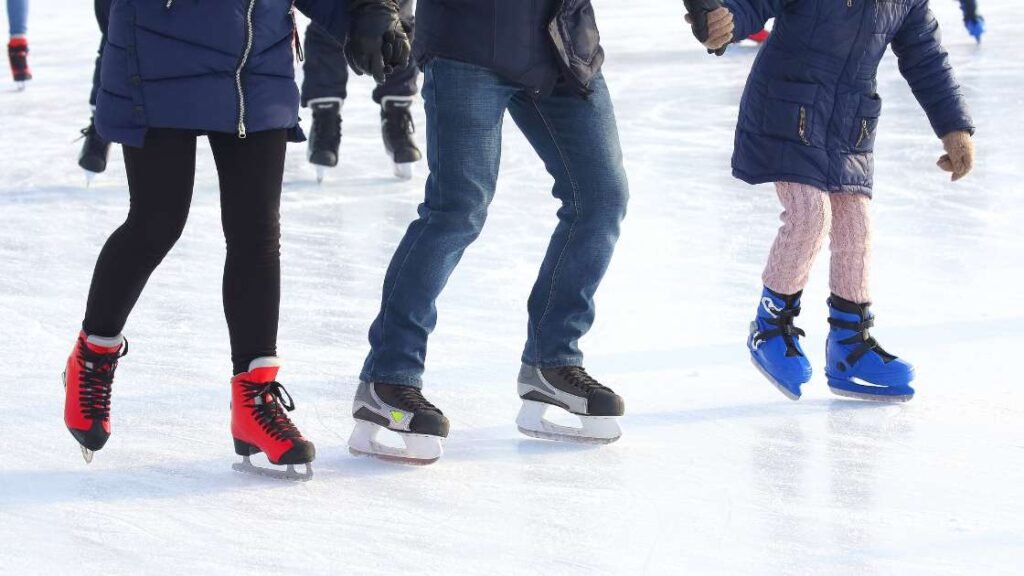
The first budgeting decision is the type of rink. A seasonal backyard surface and a year-round municipal arena may both be called an “ice rink,” but their construction requirements are completely different.
Types Of Ice Rinks
Common project types include:
- Permanent indoor real-ice rinks: Require a building envelope, refrigeration, rink piping, climate and humidity control, boards, electrical service, and ongoing facility operations.
- Outdoor seasonal rinks: Can rely on naturally cold weather or use mechanical refrigeration to extend the skating season.
- Portable refrigerated rinks: Use modular equipment and are designed for temporary installations, events, or seasonal public spaces.
- Synthetic ice rinks: Avoid conventional ice refrigeration but use specialized skating panels. HomeGuide estimates indoor synthetic rink projects at roughly $14,000–$400,000 depending on size and scope.
Private Vs. Community Projects
Ownership changes the design priorities and the costs that must be included in the feasibility study:
| Private Rinks | Community Rinks |
|---|---|
| Can be sized around a household, training program, or private business. | Usually require broader public access, code compliance, parking, staffing, and program space. |
| May prioritize customized training or recreational features. | May need locker rooms, spectator areas, concessions, offices, and accessible public facilities. |
| Funding normally comes from the owner or business. | Funding can combine public capital, donations, sponsorships, grants, and financing. |
How Does Rink Size Affect Construction Cost?
Rink size affects the slab, piping, refrigeration capacity, boards, building footprint, roof span, utilities, and maintenance requirements. However, size is only one cost driver; land, site conditions, regional construction prices, spectator capacity, and building amenities can outweigh the surface-area difference.
Competition And Sport Dimensions
If the rink will host sanctioned competition, confirm the governing body’s current rules before the design is finalized.
| Sport | Planning Reference | Design Note |
|---|---|---|
| Hockey | 200 by 85 feet for an NHL-standard ice surface | Confirm the competition level and governing body’s current requirements. |
| Figure Skating | Check current ISU Sports Rules | Competition skating areas can vary; do not design from a generic “Olympic size” assumption alone. |
| Speed Skating | Check current ISU Speed Skating rules | A long-track facility has a fundamentally different footprint and building requirement from a hockey rink. |
| Curling | World Curling describes a sheet as over 45 m long and no more than 5 m wide | Multiple sheets may be installed side by side in a dedicated curling facility. |
Current rules are available from the International Skating Union, while World Curling publishes curling-field guidance.
Custom Sizes For Recreational Use
Recreational projects do not always need a full competition footprint. Common choices include:
- Backyard rinks: Sizes such as 20 by 40 feet can provide family skating without the material needs of a full hockey surface.
- Community hockey rinks: A 200-by-85-foot surface follows the familiar NHL-size footprint.
- Practice rinks: Smaller custom surfaces can reduce the ice area when full-game dimensions are unnecessary.
Choose dimensions from the intended programming first. A cheaper small rink that cannot host the leagues, lessons, tournaments, or public sessions in the business plan can be more expensive to correct later.
Breaking Down The Budget: Expense Categories

A useful rink budget separates the project into seven buckets: land and site work + building shell + ice system + amenities + professional and permit costs + equipment + contingency/pre-opening costs. This makes competing estimates easier to compare.
Land Acquisition And Preparation
Site costs can sit completely outside a quoted rink or building price. Budget for:
- Land purchase or lease.
- Surveying, grading, drainage, soil work, and foundation preparation.
- Utility connections or upgrades.
- Parking, access roads, sidewalks, and exterior lighting where required.
- Environmental, zoning, planning, and permit requirements that apply locally.
Materials And Building Construction
A complete indoor arena includes much more than the frozen surface. Depending on the program, the construction budget can include:
- Structural foundation, building frame, walls, roof, insulation, and vapor control.
- Locker rooms, public restrooms, lobby, offices, storage, and concessions.
- Seating, accessibility features, fire/life-safety systems, and public circulation areas.
- Mechanical, electrical, plumbing, lighting, and dehumidification systems.
Cooling Systems And Technologies
The ice-making system can include several specialized components:
- Refrigeration equipment and controls.
- Insulated rink floor and piping network.
- Secondary coolant or other system components specified by the refrigeration designer.
- Electrical and mechanical connections.
- Installation, commissioning, and control systems.
Boards, Glass And Ice Equipment
The playing surface also needs equipment that may not be included in a basic refrigeration quote. Depending on use, that can include dasher boards and glass, goals, benches, scoreboards, rubber flooring, rental skates, maintenance tools, and an ice resurfacer.
HomeGuide’s current cost guide places rink cleaning and maintenance equipment for real ice in a broad $10,000–$250,000 range, illustrating how equipment choices can materially change a project budget.
What Might Be Excluded From An Arena Quote?
Do not compare two headline prices until you know whether both include the same scope. Ask whether each estimate includes:
- Land purchase
- Site preparation and poor-soil remediation
- Utility extensions
- Parking and exterior work
- Architectural and engineering fees
- Permits and inspections
- Rink refrigeration and floor piping
- Boards and glass
- HVAC and dehumidification
- Locker rooms, seating, concessions, and offices
- Furniture and operating equipment
- Construction contingency
- Pre-opening payroll, training, marketing, and working capital
This distinction explains why HTG Architects can quote a streamlined arena building at about $10–$12 million while noting that land, utilities, parking, and site work are outside its base price. See HTG’s 2026 scope explanation.
Indoor Vs. Outdoor Cost Variations
Indoor and outdoor rinks have different cost structures:
| Feature | Indoor | Outdoor |
|---|---|---|
| Building envelope | Required for a permanent indoor arena | Usually not required for an open-air rink |
| Climate and humidity control | Major design requirement | Depends on refrigeration system and local climate |
| Mechanical refrigeration | Normally required for year-round real ice | Optional for natural seasonal ice; required for refrigerated outdoor ice |
| Weather exposure | Controlled by the building | Can increase snow, rain, freeze-thaw, and surface-maintenance challenges |
An outdoor rink can avoid the cost of a full arena shell, but a refrigerated outdoor installation still needs significant mechanical, electrical, and site infrastructure.
How Much Does an Ice Rink Cost to Operate?
Construction is only the first part of the budget. A real-ice facility must fund refrigeration, climate control, resurfacing, cleaning, repairs, staffing, insurance, utilities, and scheduled equipment replacement.

The LG LT1000P is a genuine replacement refrigerator water filter designed to deliver cleaner, fresher-tasting water and ice for your household. Certified to meet NSF standards, it helps reduce a wide range of contaminants while ensuring a proper fit and reliable performance in compatible LG refrigerators. With a recommended replacement cycle of several months and support for substantial water volume, it offers dependable filtration and peace of mind.

This compact electric kettle quickly boils up to 1 liter of water with 1500 watts, making it ideal for tea, French press coffee, and fast hot water needs. The BPA-free glass carafe features easy-to-read markings, a wide opening for simple cleaning, and a built-in mesh filter to help keep mineral scale out of your cup. With auto shutoff, boil-dry protection, and cordless serving, it offers a convenient and stylish way to heat water for smaller kitchens, dorms, and apartments.

Build the upgraded Graze Kai II Ryusei-Go from Gundam Iron-Blooded Orphans in a detailed 1/144 scale model kit. This pre-colored plastic kit offers an authentic assembly experience for fans and collectors, with official Bluefin Distribution branding for added confidence. Pair it with the Long Distance Transport Booster for a dynamic display inspired by the series.
Energy Consumption And Efficiency
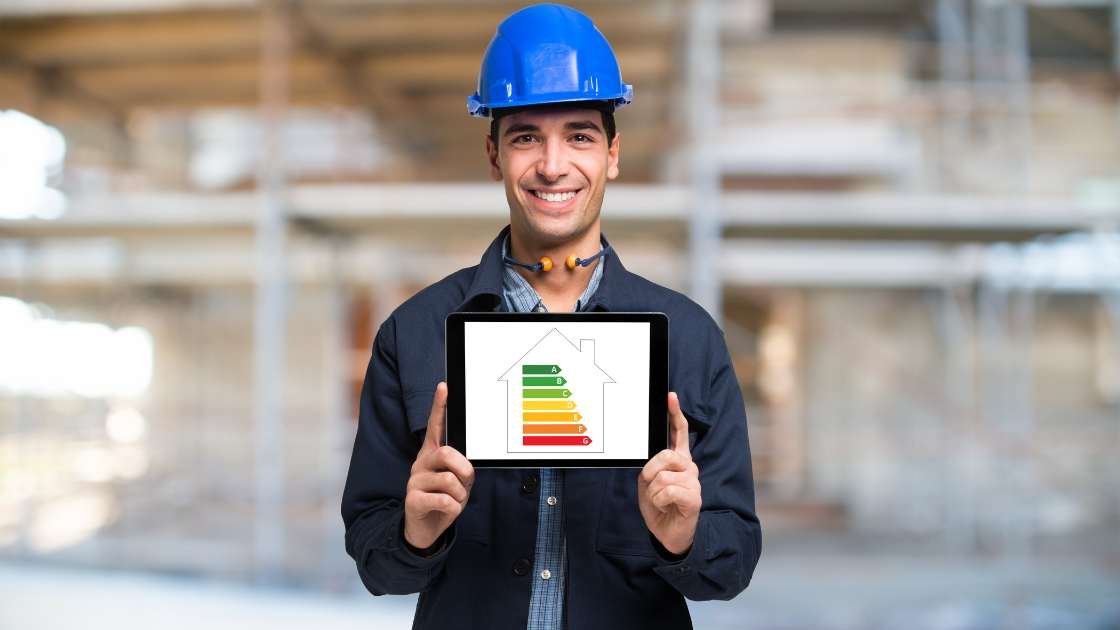
Major energy loads can include refrigeration, pumps, dehumidification and HVAC, lighting, hot water, and other building systems. The actual bill depends on climate, utility rates, operating hours, insulation, equipment efficiency, ice temperature, and facility size.
Efficiency improvements should be evaluated on lifecycle cost rather than assumed to have an automatic payback. A U.S. Department of Energy Better Buildings case study reported 29% lower energy consumption and 24% lower water use across the PPG Place complex after a broad retrofit that included new chillers, improved pumping, heat recovery from the rink chillers, controls, and LED lighting. Those results are site-specific and should not be treated as a guaranteed savings rate for every rink.
Regular Maintenance Expenses
Routine rink work commonly includes:
- Resurfacing and maintaining the ice
- Inspecting refrigeration, piping, pumps, and controls
- Maintaining boards, glass, doors, rubber flooring, and safety equipment
- Cleaning locker rooms, public spaces, and spectator areas
Equipment costs can vary from used or basic equipment to new commercial machines:
| Item | Planning Range |
|---|---|
| Rink cleaning / maintenance equipment | $10,000–$250,000 according to HomeGuide’s broad real-ice equipment range |
| Routine tools and consumables | Budget separately based on facility size and maintenance program |
Staffing And Management Overheads
Operating staff can include rink attendants, resurfacer operators, maintenance technicians, front-desk employees, managers, skate-rental staff, instructors, security, and cleaning personnel. Required staffing depends on facility size, operating hours, programming, and local safety requirements.
Funding And Financial Aid: Finding The Money

Community rink projects often combine several funding sources rather than relying on one grant. The right mix depends on ownership, public access, location, eligible uses, and whether the project is indoor or outdoor.
Sponsorships And Partnerships
Businesses and organizations may contribute capital in return for clearly defined sponsorship benefits. Possibilities can include naming rights, dasher-board advertising, scoreboard sponsorship, program sponsorships, or branded community events.
- Local businesses: Smaller partnerships can support equipment, programs, events, or specific project components.
- Corporate sponsors: Larger facilities may pursue naming rights or multi-year partnerships.
- Sports organizations: Hockey, skating, curling, school, or community groups may participate in fundraising or long-term usage agreements.
Grants And Public Funding Opportunities
Do not assume a generic “ice rink grant” is available. Public funding programs have specific applicant, location, matching-fund, public-access, and project-type rules that can change from one funding round to another.
| Funding Source | Possible Fit | What To Confirm |
|---|---|---|
| Local or state recreation capital programs | Municipal or public recreation facilities | Eligible applicants, match requirements, construction eligibility, and deadlines |
| Federal outdoor-recreation programs | Qualifying public outdoor recreation projects | Whether the site, applicant, project type, and public-access requirements qualify |
| Foundations and community organizations | Youth sports, accessibility, health, or community programming | Whether capital construction or only programming/equipment can be funded |
For example, the National Park Service’s current Outdoor Recreation Legacy Partnership program supports qualifying outdoor public-recreation acquisition and development projects. It is not a blanket funding source for every indoor ice arena, so applicants should confirm the current notice and eligibility before putting grant income into a feasibility model. See the current Grants.gov opportunity listing.
Crowdfunding And Community Involvement
Community campaigns are most useful when they support a broader funding plan rather than replacing a formal construction budget.
- Set a documented funding goal: Explain which project component donations will fund.
- Publish the project scope: Show donors whether the campaign supports design, land, equipment, construction, or programming.
- Report progress: Provide clear updates as design, permitting, fundraising, and construction milestones are reached.
How Can You Reduce Ice Rink Construction And Operating Costs?

The biggest savings usually come from controlling the project program and lifecycle costs, not from cutting critical rink systems.
Right-size The Building Before Construction
Every extra lobby, seating, restaurant, office, storage, or locker-room area adds building, HVAC, lighting, cleaning, and maintenance cost. Define the programming that generates real community or business value before expanding the floor plan.
HTG Architects’ 2026 comparison illustrates the potential scale of value engineering: its streamlined single-sheet concept is about $10–$12 million, compared with roughly $15–$20 million for a traditional facility with a comparable program. Final prices still depend on region, site conditions, and excluded site costs.
Evaluate Reuse And Used Equipment Carefully
An existing suitable building can sometimes avoid part of the cost of a completely new shell, but conversion feasibility depends on structural capacity, clear-span requirements, floor construction, electrical service, moisture control, mechanical space, public-assembly codes, and site access.
Used maintenance or rink equipment can reduce initial capital cost when its condition, remaining life, parts availability, safety, and energy use have been properly evaluated. A low purchase price is not a saving if repairs or excessive operating costs erase the difference.
Natural Ice Rinks: Advantages And Limitations

Natural outdoor ice can avoid mechanical refrigeration when weather stays cold enough, but reliability depends on local conditions.
| Advantages | Limitations |
|---|---|
| No mechanical refrigeration electricity when weather alone maintains the ice | Weather-dependent |
| Simpler mechanical system | Shorter and less predictable season |
| Can reduce initial equipment requirements | Freeze-thaw cycles, rain, snow, and warm spells can affect surface quality |
A naturally frozen rink works best where the expected skating season matches the local climate and the project’s revenue or programming does not depend on guaranteed year-round ice.
Use Lifecycle Cost To Compare Technology
Potential efficiency measures include:
- Efficient refrigeration and pumping — compare capital cost, expected energy use, controls, service requirements, and equipment life.
- Heat recovery — investigate whether waste heat from refrigeration can serve useful building loads.
- LED lighting and controls — reduce lighting load and unnecessary operating hours where the economics make sense.
- Insulation, vapor control, and dehumidification design — reduce unwanted heat and moisture loads while protecting the building.
Calculate simple payback and lifecycle cost from the project’s actual utility rates, operating schedule, climate, equipment bids, incentives, and maintenance assumptions rather than assuming every efficiency upgrade will automatically pay for itself.
Frequently Asked Questions On How Much Does It Cost To Build An Ice Rink
What Is The Average Cost Of Building An Ice Rink?
There is no useful single average unless the project scope is defined. Backyard rink kits commonly cost about $2,000–$8,000 according to Angi. HomeGuide places smaller indoor real-ice projects around $150,000–$1 million and a roughly 17,000-square-foot hockey ice project around $2.1–$4.3 million. For a complete new arena, HTG Architects says its streamlined single-sheet design is about $10–$12 million while traditionally designed facilities with a comparable program start around $15–$20 million in most regions. Two-sheet complexes can reach about $37.6–$46 million according to Sports Facilities Companies.
Can Climate Affect Ice Rink Construction Costs?
Yes. Climate affects refrigeration load, insulation, humidity control, the usefulness of natural outdoor ice, and operating costs. A year-round real-ice rink in a warm or humid region generally needs more mechanical climate control than a seasonal natural rink in a reliably cold climate.
Are There Different Types Of Ice Rinks?
Yes. Common types include permanent indoor real-ice arenas, seasonal outdoor natural-ice rinks, outdoor refrigerated rinks, portable refrigerated systems, backyard rinks, and synthetic ice surfaces. Each has a different construction and operating-cost structure.
What Factors Influence The Cost Of An Ice Rink?
The main cost factors are project scope, rink size, land and site conditions, building size, refrigeration and dehumidification requirements, local labor and construction prices, electrical and utility infrastructure, seating and locker rooms, permits, professional fees, equipment, and the amount of site work required.
How Long Does It Take To Build An Indoor Ice Arena?
HTG Architects lists a typical process of about 2–4 months for conceptual design, 3–6 months for construction documents, and 6–12 months for facility construction. Actual total schedules can be longer or shorter depending on permitting, financing, procurement, site conditions, project size, and whether phases overlap.
What Should I Ask Before Comparing Ice Rink Construction Quotes?
Ask each bidder to state whether the price includes land, site preparation, utilities, parking, the building shell, refrigeration, rink floor piping, boards and glass, dehumidification, electrical work, locker rooms, seating, professional fees, permits, equipment, contingency, and pre-opening costs. Compare only estimates with equivalent scopes.
Conclusion
The cost to build an ice rink can range from a few thousand dollars for a backyard kit to tens of millions for a complete commercial arena. The most important budgeting step is to define the scope before comparing prices. Separate the ice system from the building, land, site work, utilities, amenities, professional fees, equipment, contingency, and opening costs. Then request comparable estimates from qualified rink designers, refrigeration specialists, and contractors so you can see which option actually fits the project’s use and long-term operating budget.

This heartfelt memoir blends laugh-out-loud honesty with tender reflections on love, loneliness, and the unexpected healing power of rescue dogs. Isabel Klee shares her journey fostering pups in the city while navigating dating and self-discovery, offering an intimate, relatable story for readers who enjoy emotional, character-driven narratives. It is a warm, engaging read about opening your heart and finding connection in surprising places.

Ouidad Advanced Climate Control Featherlight Curls Styling Cream creates soft, touchable definition while helping protect curls from frizz and humidity. Its lightweight blend of humectants and natural oils nourishes and hydrates dry, damaged hair for flexible hold and shiny, healthy-looking results. Designed for curly textures, it supports air-drying or diffuser styling while remaining free of harsh ingredients and safe for color-treated hair.

These Rawlings practice baseballs are built for young players ages 8 and under, offering an easy grip and consistent feel for recreational play. Each ball features a synthetic leather cover with a solid cork and rubber center, plus official size and weight for reliable training. The set includes a durable bucket for convenient storage and transport, making it a smart choice for coaches, parents, and teams.

2 thoughts on “How Much Does It Cost to Build an Ice Rink? (2026 US Guide)”
Pingback: How Much Does It Cost To Build A Basketball Gym? Professional Help By 5 Step
Pingback: How Much Does It Cost To Build A House Colorado? Expert Tips